
Agartala
Temples, scriptures, and handmade crafts
Morning chants and bicycle bells fill the air
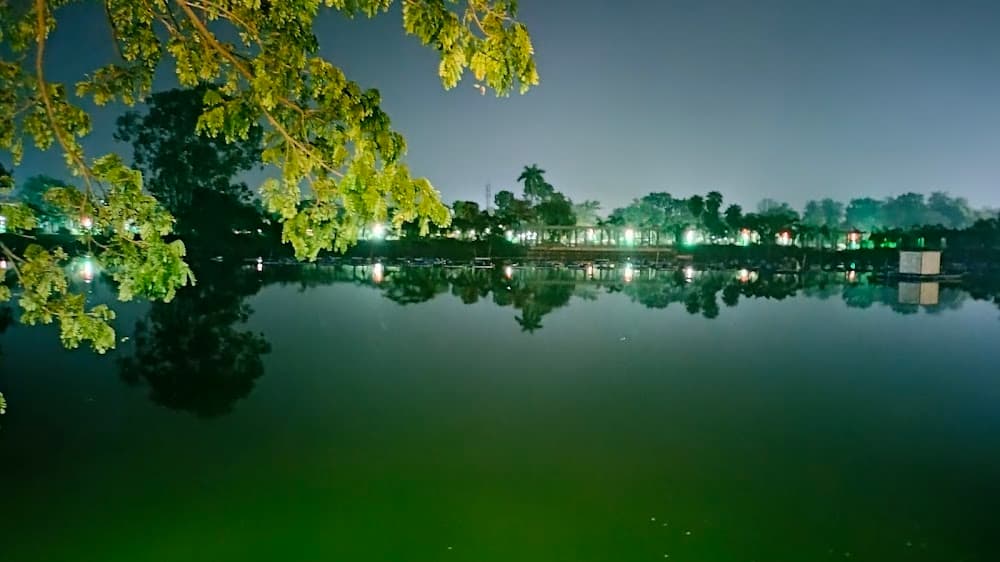
Agartala, the capital of Tripura, is a city that seamlessly blends spirituality and heritage, making it a haven for travelers seeking a deeper connection with India's rich cultural heritage. As a city steeped in history, Agartala attracts pilgrims and history buffs alike, who come to pay homage to the numerous temples and shrines that dot the landscape. The city's tranquil atmosphere, replete with lush greenery and serene water bodies, provides the perfect backdrop for introspection and self-discovery. Whether you're a seeker of spiritual truths or a student of history, Agartala's unique blend of tradition and tranquility is sure to leave you feeling enlightened and inspired.

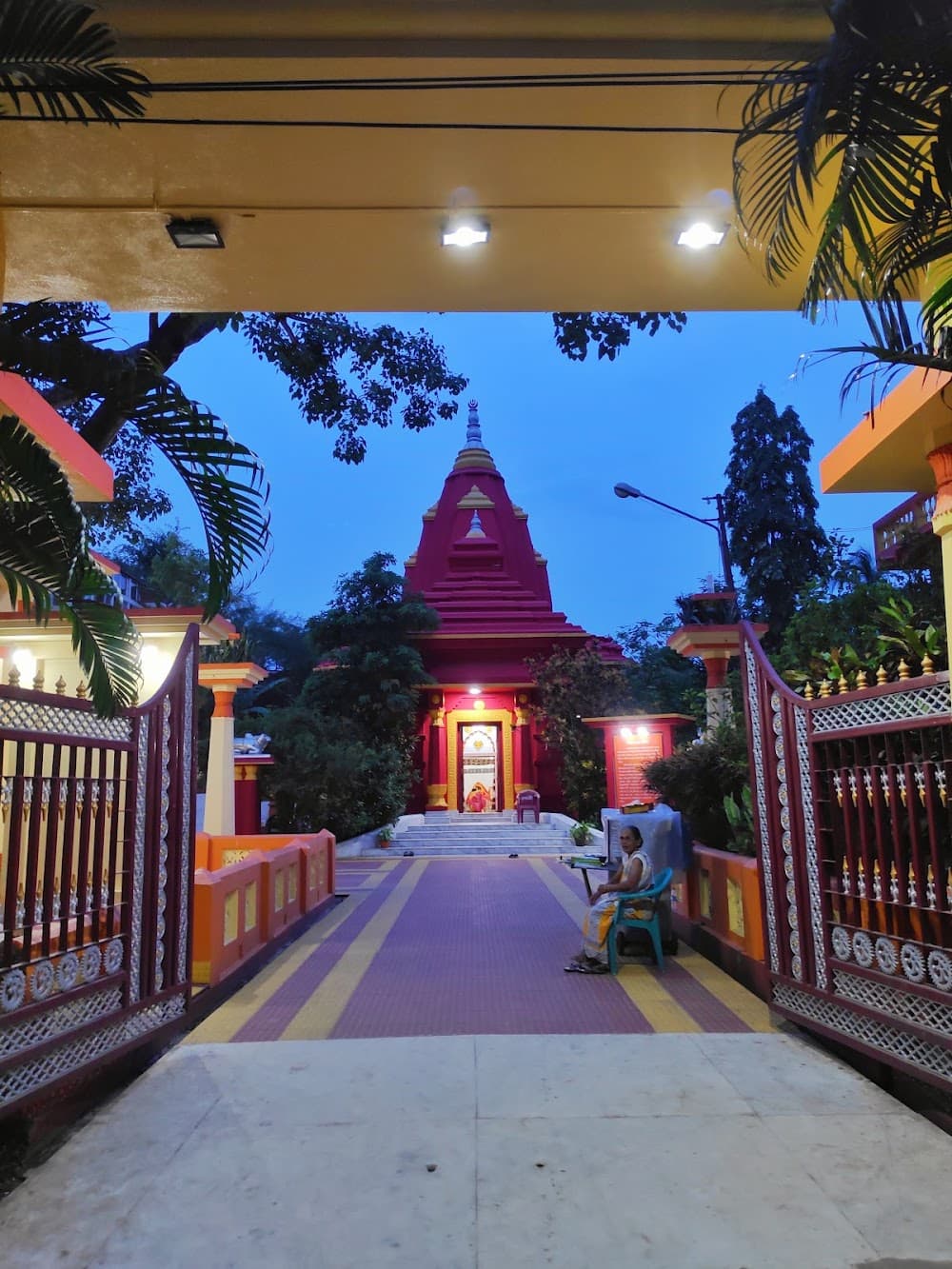
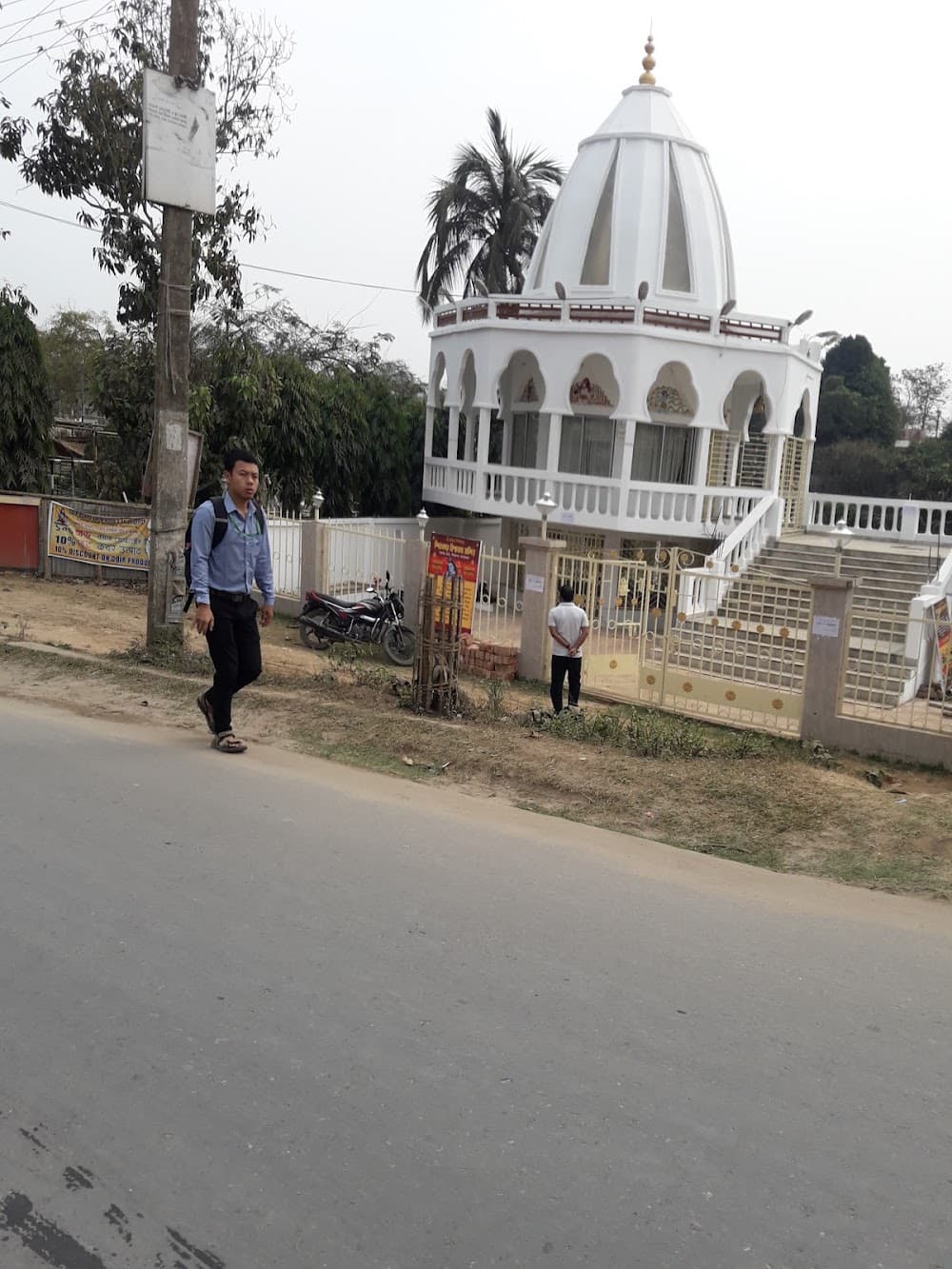
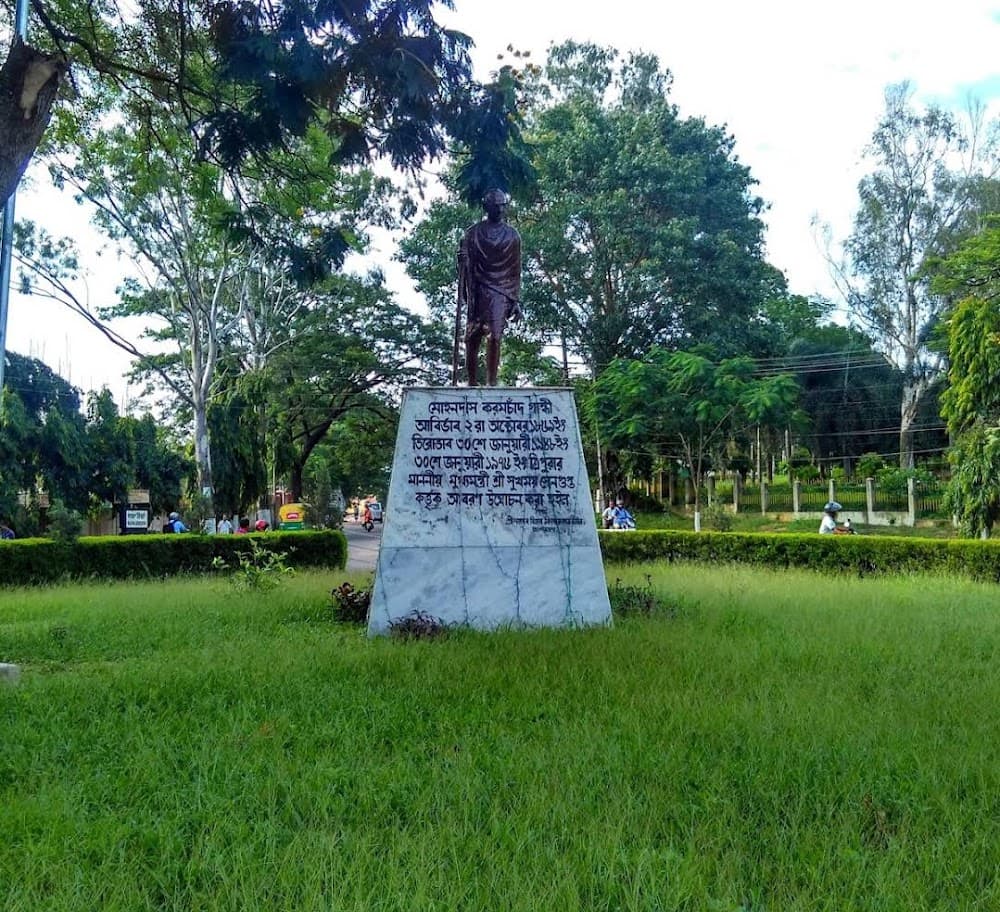
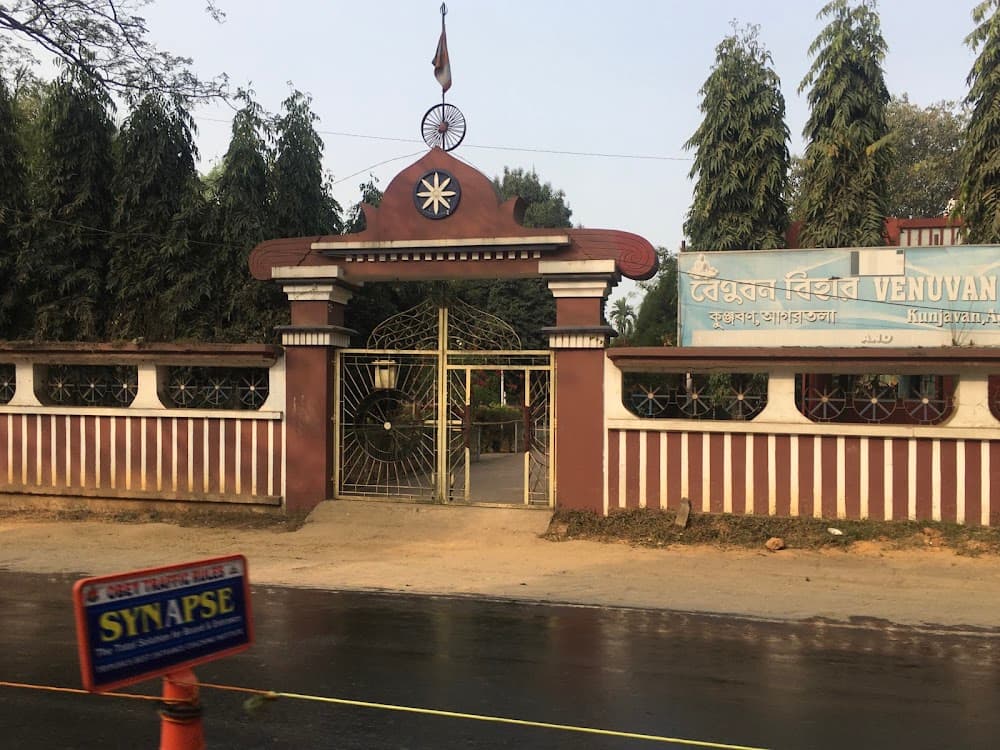
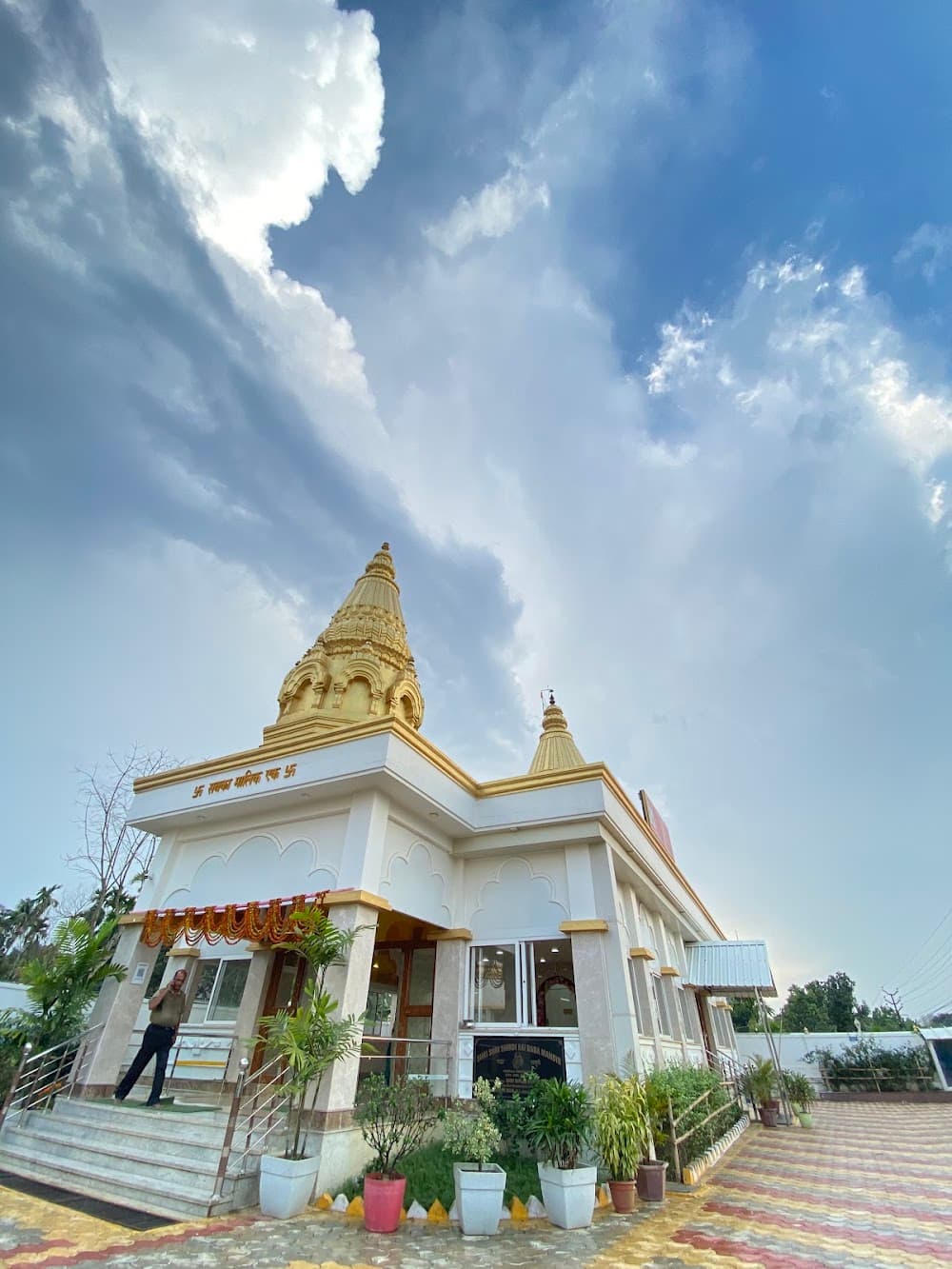
Agartala is known for
Why Agartala is famous
- •What Agartala is: The capital of Tripura, on the banks of the Haora, close to the Bangladesh border. Sources describe it as the base for Tripura's wider attractions - Neermahal, Unakoti, Tripura Sundari and Sepahijala.
- •Your copy names a Guwahati temple: 'The famous Umananda Temple.' Umananda is in GUWAHATI, on Peacock Island in the Brahmaputra - pack 22 of your own product. Your data holds 'Ummaheshwar Temple' (8076), which is a different name. VERIFY whether an Umananda exists at Agartala, but the likelier explanation is a cross-destination import into the why-famous generator.
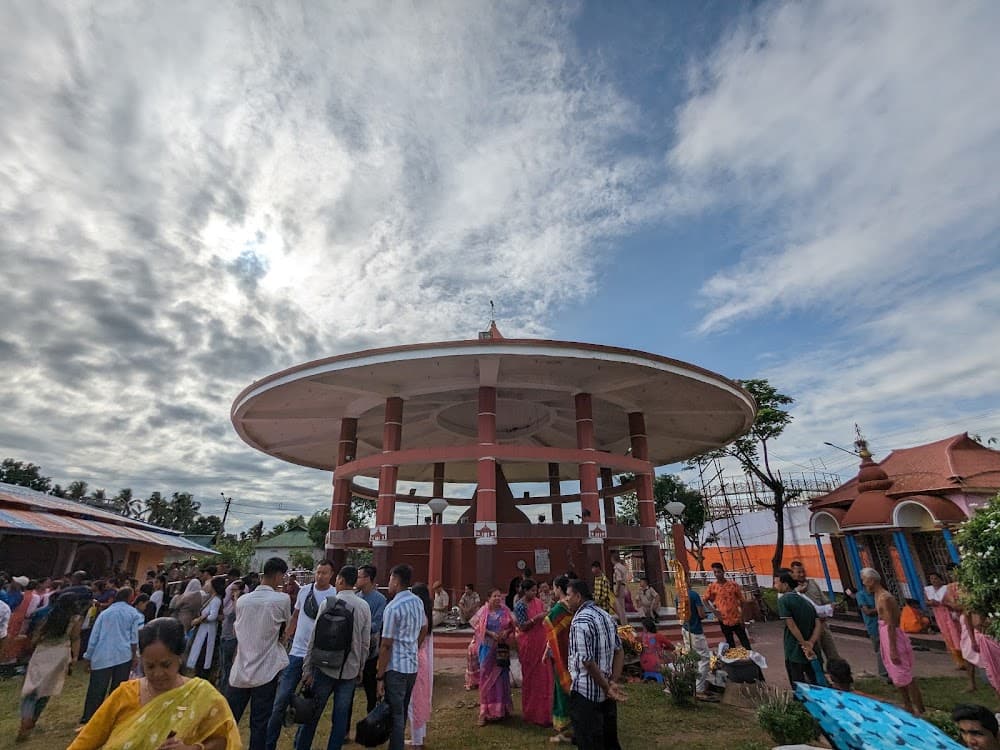
- •The festival your page is missing: The seven-day worship of the Fourteen Gods at the Chaturdash Devta Temple, in the month of Ashar - June to July. Wikipedia says it falls in July on the eighth day of the new moon. A grand mela runs for seven days in and around the Old Palace, and thousands of devotees attend. One source calls it the most important indigenous festival in Tripura, attended by both Hindu and tribal communities.
- •The idols are visible seven days a year: Sources state the idols remain behind closed doors the whole year except during Kharchi Puja, and that those seven days are the only period devotees can get a darshan. A visitor arriving in any other month finds the sanctum shut - which is the single most useful planning fact about this temple.
- •Handle the sacrifice carefully: Sources describe animal sacrifice as an integral feature, and trace a buffalo sacrifice to the Harabati legend - in which the widow of King Tripur helped the fourteen gods kill a wild buffalo. State it factually if you state it; do not dramatise it and do not omit it in a way that surprises a visitor.
- •A pre-Hindu pantheon: One source describes the fourteen deities as the traditional Tripuri pantheon - a pre-Hindu religious system partially syncretised with Hinduism but retaining its distinctive Tripuri character. Another gives both sets of names: Lakshmi, Kartikeya, Brahma, Shiva, Durga, Vishnu, Ganesha, Samudra, Prithvi, Ganga, Agni, Saraswati, Kamadeva and Himadri, called locally Burasa, Bikhatra, Lampra, Thumnairok, Bonirok, Akhatra and so on. Only the HEADS of the gods are shown, not full bodies.
- •Where and when: Wikipedia gives coordinates 23.8413872, 91.3451919 - which match your entity 8070 almost exactly - and dates it to 1761 under Krishna Manikya. Sources place it at Old Agartala, reported variously as 6 or 8 km from the present city. It features a Tripuri dome patterned after village hut roofs, surmounted by a stupa-like structure showing Buddhist influence.
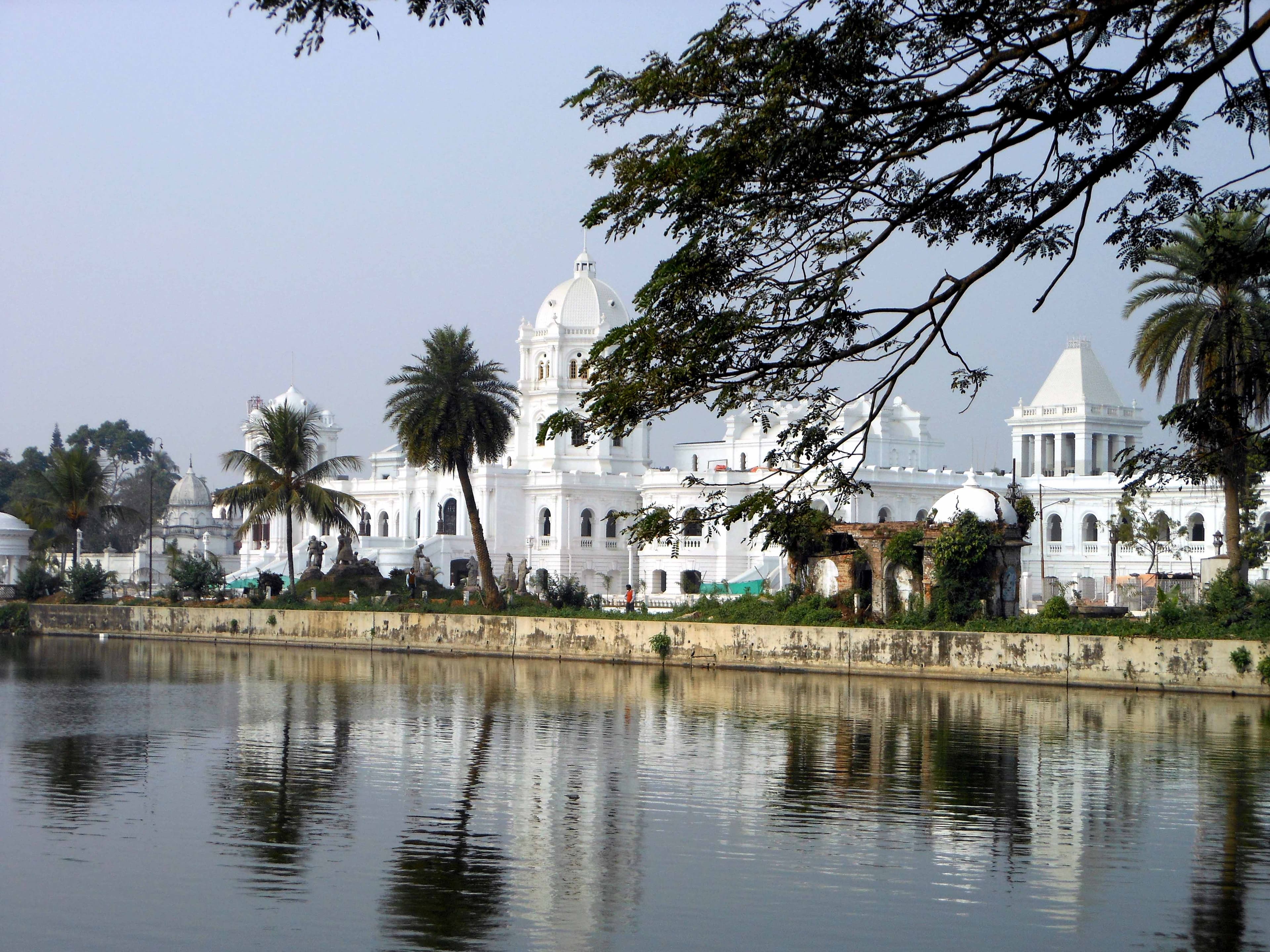
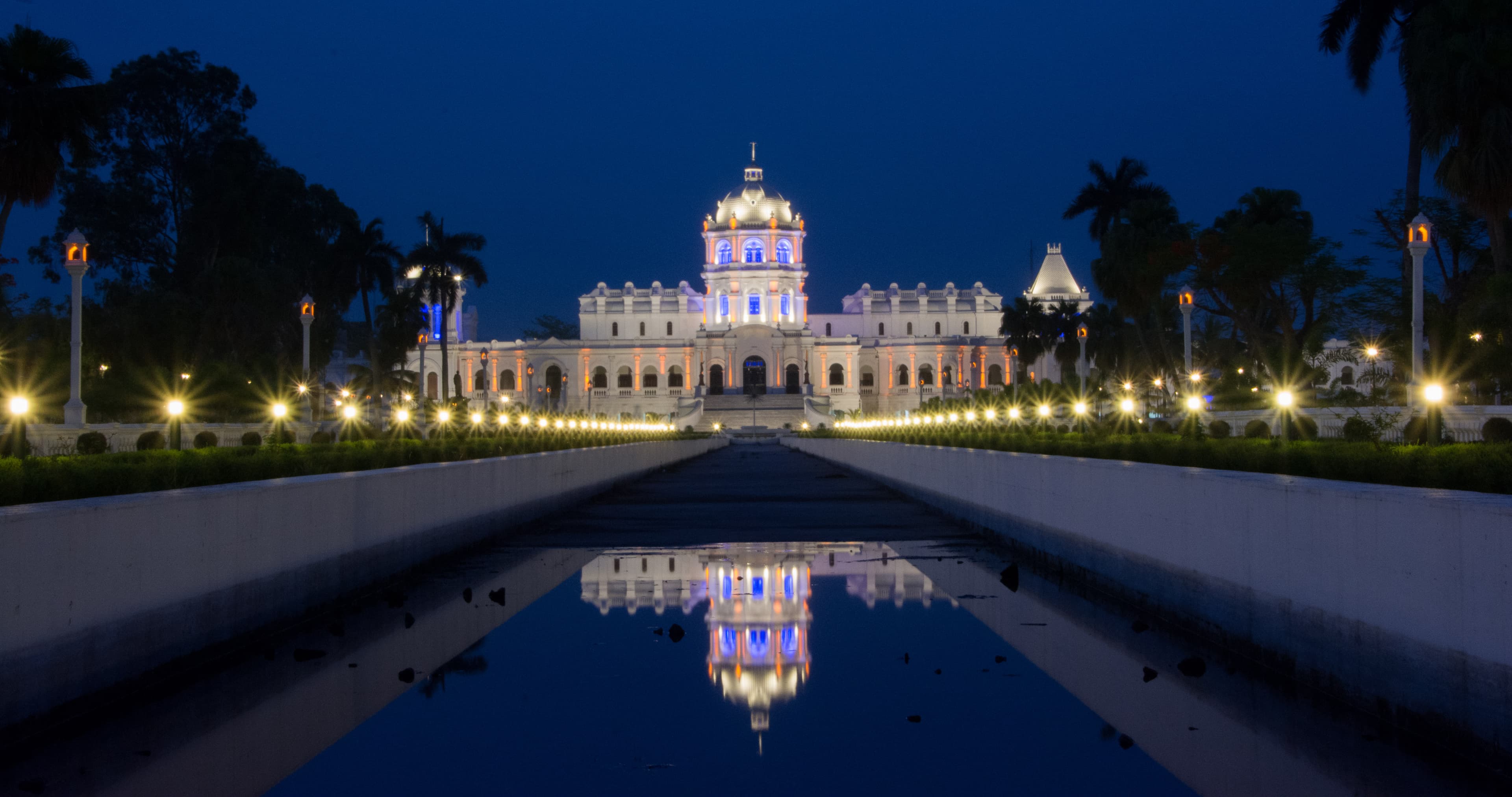
- •What it actually is: Built in 1901 by Maharaja Radha Kishore Manikya of the Manikya dynasty, beside a lake and surrounded by Mughal-style gardens, with three domes each rising about 86 feet, tiled floors and crafted wooden ceilings. It now houses the Tripura Government Museum. Your data holds it twice - once typed FORT and once typed MUSEUM.
- •Two capital moves: The images of the Fourteen Gods were at Udaipur until 1770, when the Maharaja - named as Krishna Kishore Manikya by one source and Krishna Manikya by another - was defeated by Shamsher Gazi and moved the capital to Old Agartala. The capital moved again to present Agartala in 1840, but the images stayed. Carry the name variance.
- •Tripura Sundari: At Matabari, reported 55 km south on the road to Udaipur - one of the 51 Shakti Peethas and the most significant temple in the state. One source calls it the most powerful pilgrimage experience during the Kali Puja and Durga Puja periods, and pairs it with Neermahal in a single day trip.
- •Neermahal, Unakoti and Sepahijala: Neermahal, the water palace on Rudrasagar Lake, reported at 70 km. Unakoti's rock carvings. Sepahijala Wildlife Sanctuary at 28 km. One source notes the Heritage Park at Agartala holds scaled-down versions of Ujjayanta, Neermahal, Tripura Sundari, Unakoti, Pilak, Debtamura and the Chandrapur Mosque - useful context for travellers short on time.
- •When and why: One source gives October to February and warns that June to September is monsoon, with heavy rain, possible flooding, and not recommended for a first visit - while noting July brings Kharchi Puja and can be hot and humid. So the best month for the festival is the worst month for the weather, which is exactly the kind of tension a destination guide should surface.
- •An itinerary that already exists: One source gives a three-day plan: day one Ujjayanta Palace and museum, Chaturdash Devata Temple, Heritage Park, Durga Bari and Rabindra Kanan; day two a southern trip to Tripura Sundari at Matabari and Neermahal; day three Sepahijala. Your product holds one of those seven places.
AI-drafted from general knowledge — may contain mistakes.
Agartala at a glance
- ⚠️If the Chaturdash Devta Temple is the point
- ⚠️you need Kharchi Puja in July - the idols are shut away the rest of the year. Otherwise October to February
- ⚠️and take the southern day trip to Matabari and Neermahal.
History at a glance
- Mahabharata era · LEGENDTrilochana, given as a contemporary of Yudhisthira, is said to have been the king of Tripura who worshipped the Fourteen Gods as royal deities - a tradition continued by every subsequent king.
- Legend · LEGENDHarabati, widow of King Tripur, is said to have helped the fourteen gods kill a wild buffalo that was chasing them. The buffalo sacrifice at Kharchi is traced to this.
- 1761 · MANIKYAThe Chaturdasha Temple is built. Wikipedia gives the creator as Krishna Manikya.
- 1770 · MANIKYAUdaipur falls to Shamsher Gazi. The Maharaja shifts the capital to Old Agartala and the images of the Fourteen Gods move with him.
- 1840 · MANIKYAThe capital moves again to present Agartala. The images of the Fourteen Gods remain at the temple in Old Agartala.
- 1901 · MANIKYAUjjayanta Palace is built by Maharaja Radha Kishore Manikya - three domes of about 86 feet, Mughal-style gardens, beside a lake.
- Annual, Ashar · LIVINGKharchi Puja - seven days in July, the only period the Fourteen Gods are visible to devotees.
Best time to visit
Summers in Agartala are hot and dry, while winters are mild and pleasant, with a brief monsoon season bringing heavy rain from July to September, characteristic of the broader regional pattern of Eastern India.
- Kharchi Puja · anchored to Ashar - eighth day of the new moon in July, per WikipediaThe worship of the Fourteen Gods, with a grand mela for seven days in and around the Old Palace. The only period the idols are visible to devotees. Animal sacrifice is described as an integral feature, traced to the Harabati legend.
- 'Karma Puja - Autumn season' · anchored to Your page says 'Autumn season'Karma Puja is principally observed in the Jharkhand, Chhattisgarh and Odisha belt, in Bhadra.
- 'Durga Puja - Autumn season' and 'Kali Puja - Winter season' · anchored to Bare seasonsBoth are genuinely major in Bengali-majority Agartala.
- 'Utsor Utsob' · anchored to Your page says October/NovemberI could not identify a festival by this name.
- What else is missing · anchored to -Garia Puja, the Tripuri new year observance, and Ker Puja, which follows Kharchi. VERIFY dates and practice against Tripura Tourism - I did not research the state's full calendar and will not invent one.
- In 12 daysGandhi Jayanti · 2 October
- In 29 daysDurga Ashtami / Maha Navami · 19 October
- In 30 daysDussehra (Vijayadashami) · 20 October
- In 39 daysKarwa Chauth · 29 October
Real dates, not AI-drafted — sourced from the Hindu Panchang, same for every destination.
Weather details and any festival without a stated lunar anchor above are AI-drafted from general knowledge, not independently verified — timing is approximate; double-check before planning around one.
Part of these sacred circuits
Near me
Share your location to see famous places closest to you right now.
Famous places in Agartala
Sacred & Spiritual
See all 26 →Heritage & Monuments
Nature & Outdoors
See all 9 →Shops & Restaurants
Civic & Services
Getting there & around
- Air — Your transport block names rail and road only. Agartala has an airport - VERIFY the name and current routes. Your fourth bullet mentions the Bangladesh border
- Getting around — the crossing is one of the more distinctive facts about this capital and there is no entity for it.
What travellers actually paid
Reported by real travellers, not looked up — a real range with a count, never a single guessed number.
Loading…