
Story
AI-drafted from public sources — may contain mistakes, especially specific dates, names, or claims. Only "Good to know" above is field-checked.
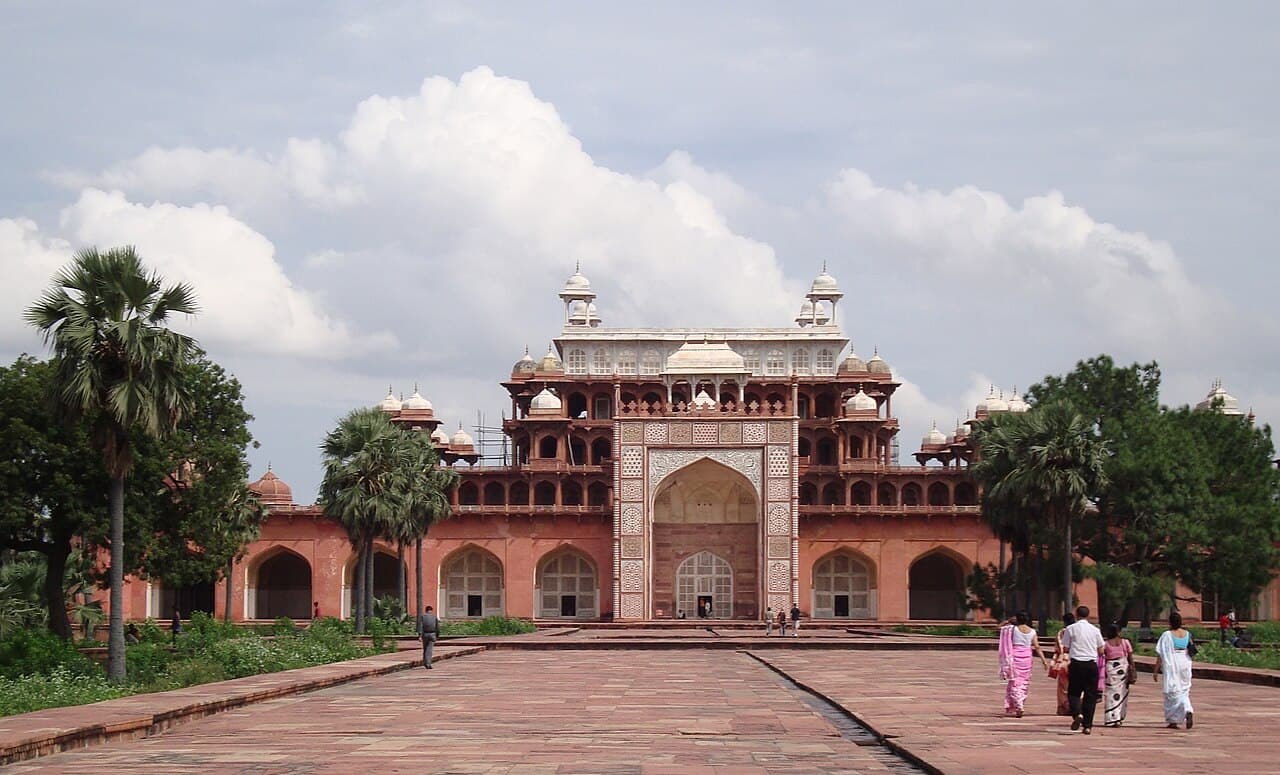
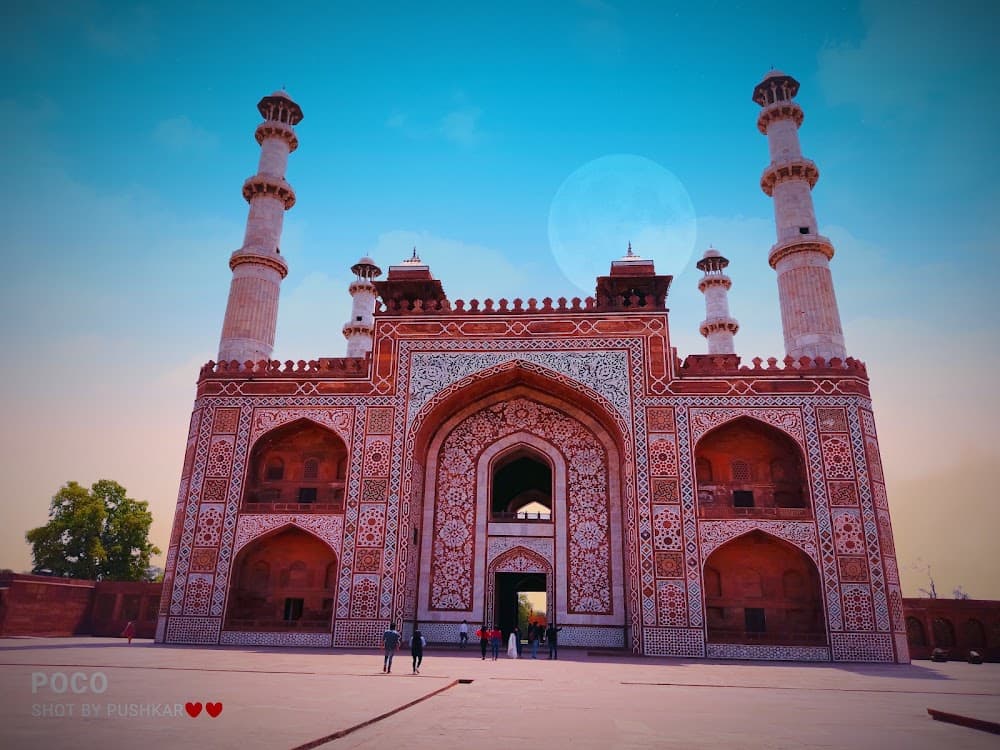
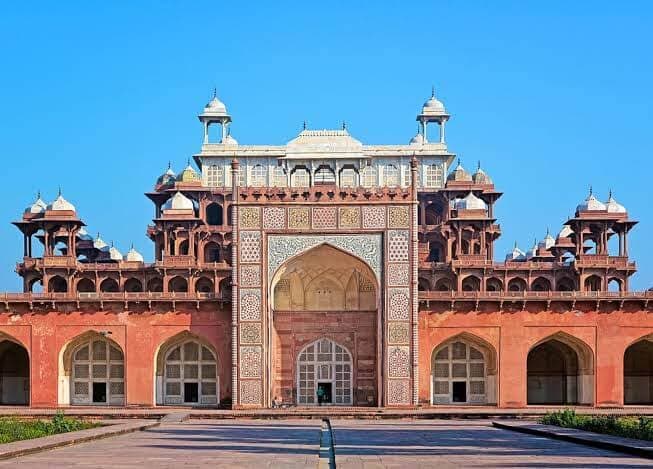
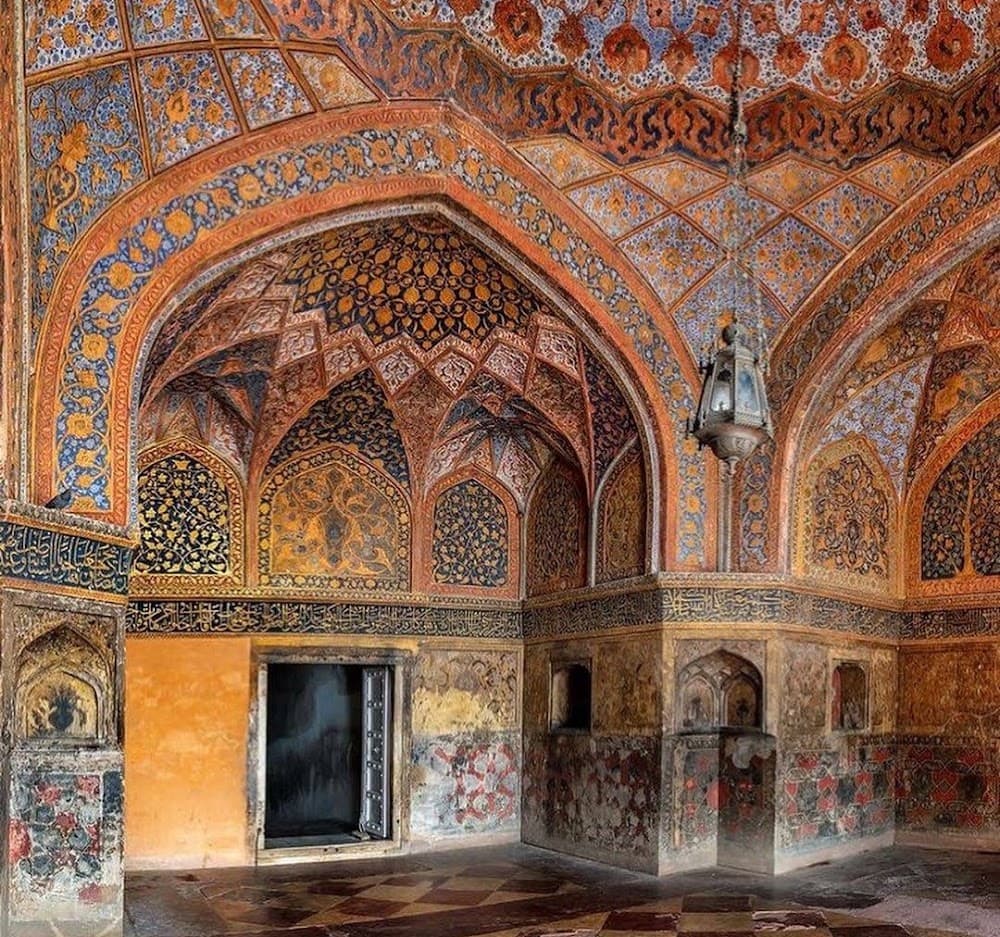
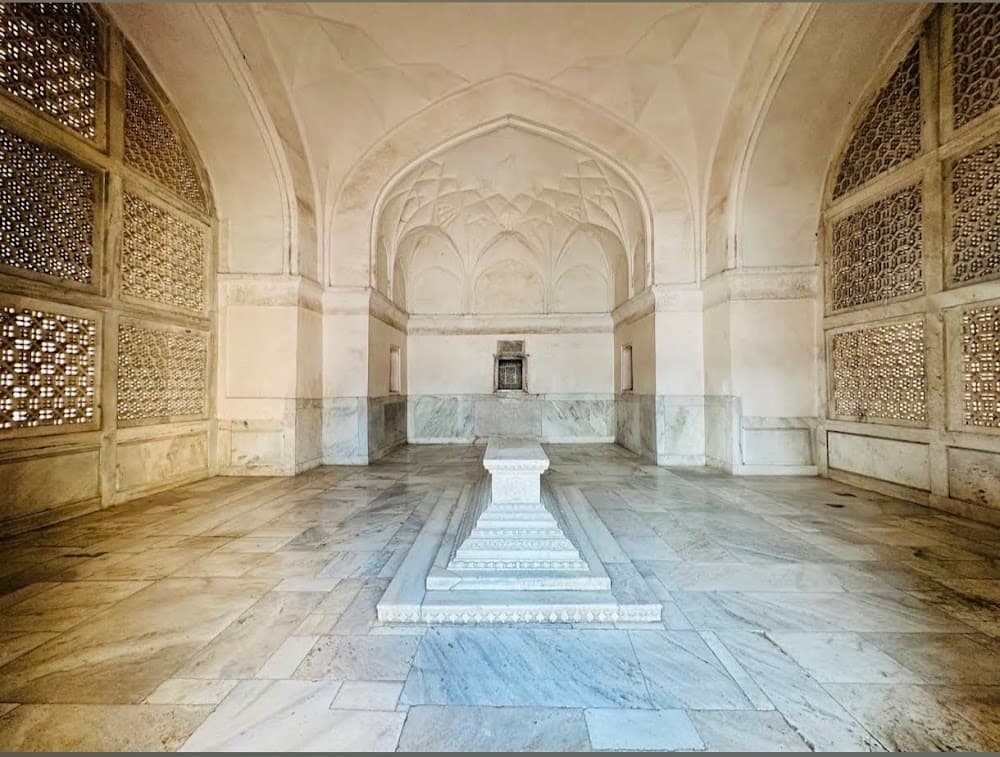
Akbar's tomb and mausoleum, a majestic monument in Agra, is a testament to the region's rich architectural heritage. Built in a style typical of Mughal-era mausoleums, the structure is characterized by its grand scale, elegant proportions, and intricate ornamentation. The tomb's exterior is clad in white marble, adorned with intricate inlays of precious stones, including jasper, jade, and turquoise. The mausoleum's layout is symmetrical, with a central dome surrounded by four smaller domes, creating a sense of harmony and balance. The ornate facade is embellished with floral motifs, calligraphy, and geometric patterns, showcasing the masterful craftsmanship of the era.
The mausoleum of Akbar, a grand monument in Agra, is steeped in tradition and local belief. According to local lore, the mausoleum is said to be a testament to the grandeur of the Mughal emperor, whose legacy continues to inspire devotion among the faithful. Tradition holds that the mausoleum is a sacred space, where pilgrims come to pay homage to the emperor's memory and seek blessings. Local belief says that the mausoleum's intricate architecture and ornate decorations are a reflection of the emperor's spiritual journey, and that the site holds a special significance for those seeking solace and guidance.
Standing amidst the Mughal grandeur of Agra, the tomb and mausoleum of Akbar, the Great Mughal Emperor, is a testament to the architectural prowess of the era. This majestic monument is a must-visit for anyone seeking to unravel the mysteries of the Mughal dynasty. As you approach the intricately carved marble structure, you'll be struck by the sheer scale and beauty of the mausoleum, which is said to be the final resting place of Akbar, the visionary ruler who brought prosperity and cultural flowering to the region.
As you approach Akbar's tomb and mausoleum in Agra, the majestic architecture and serene surroundings will transport you to a bygone era. The best time to visit is early morning or late afternoon when the sun casts a warm glow on the intricate marble work. Wear comfortable shoes and light clothing, and don't forget to bring a hat and sunscreen to protect yourself from the Indian sun. The complex is typically reached by taxi or auto-rickshaw, with signs and directions guiding you to the main entrance. Be sure to check the current timings and fees on your travel app before planning your visit, as these may be subject to change.