
Agra
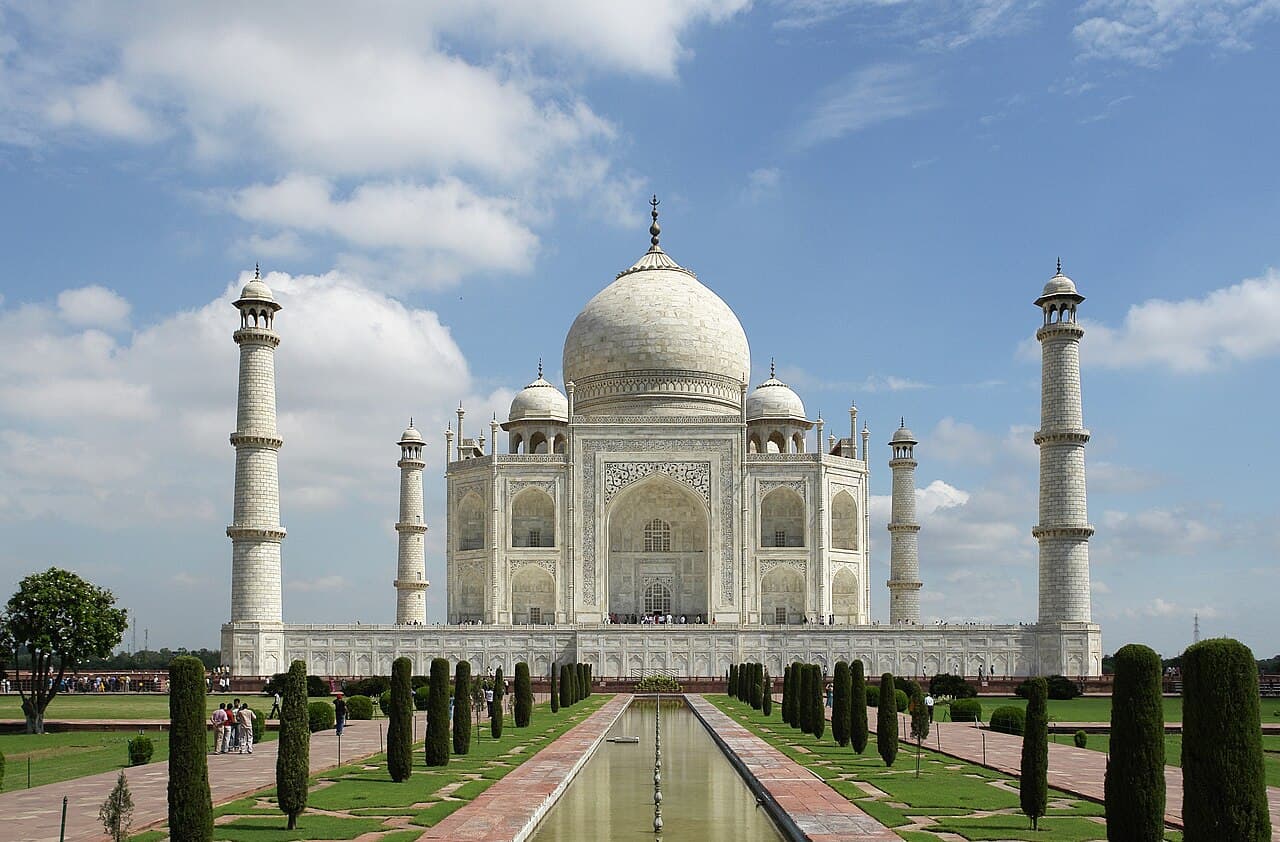
Taj Mahal, inlaid marble, and intricate calligraphy
Echoes of chanting and horse carts fill the evening air
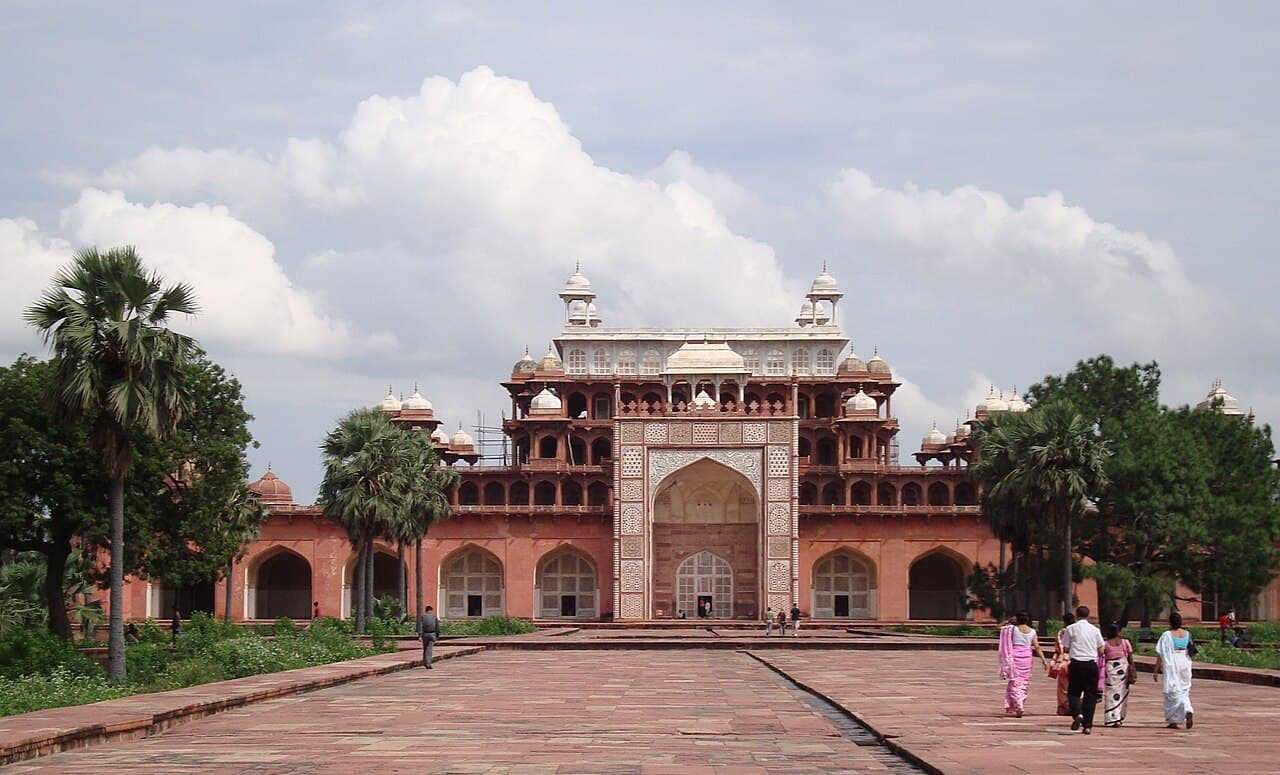
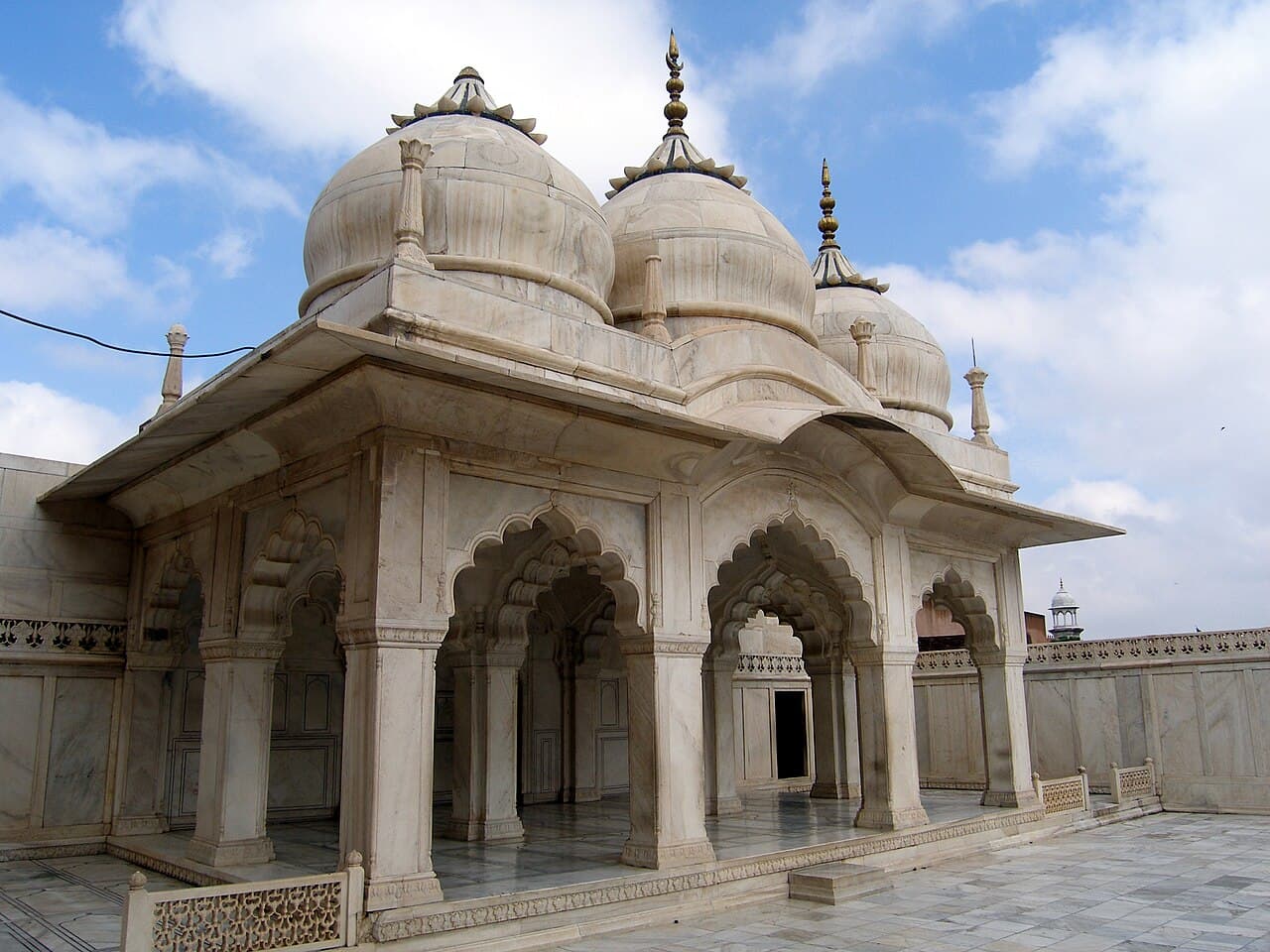
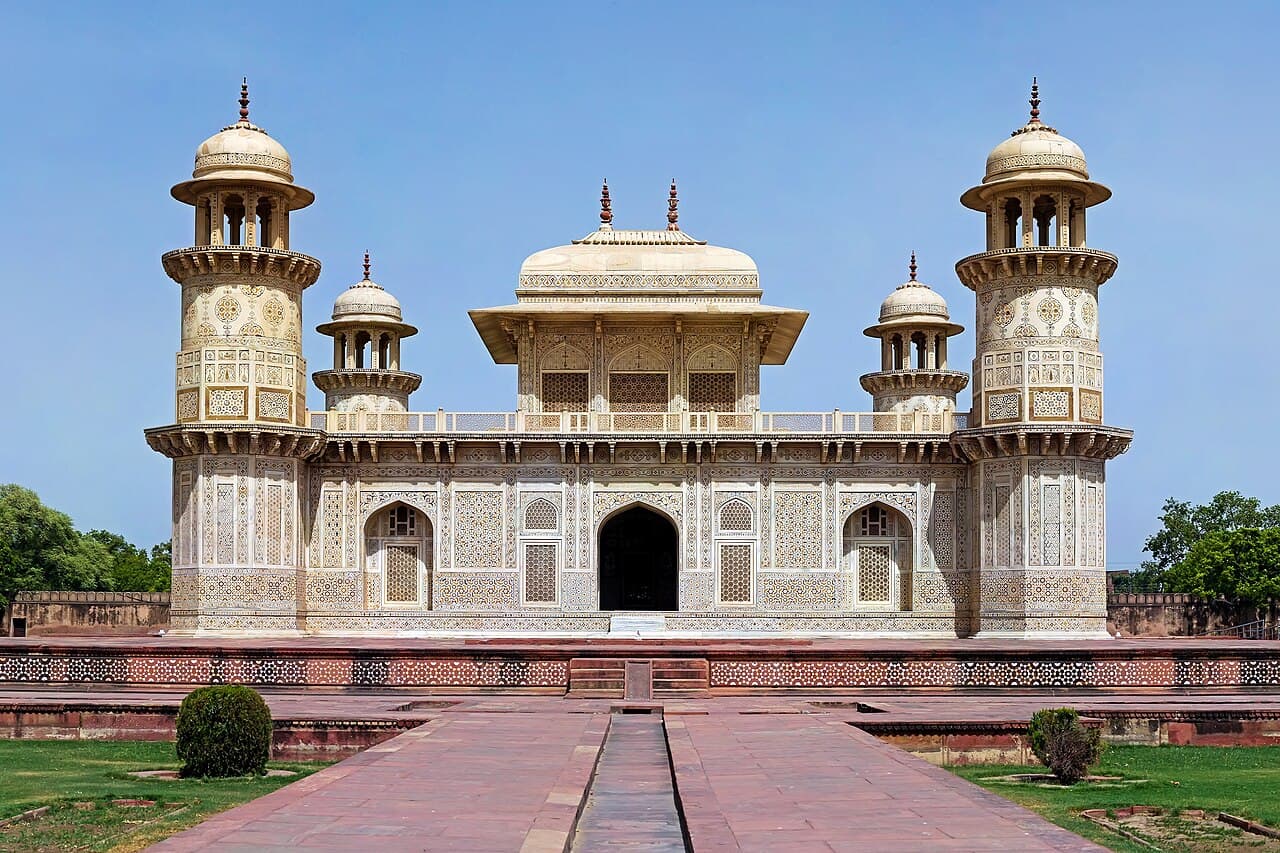
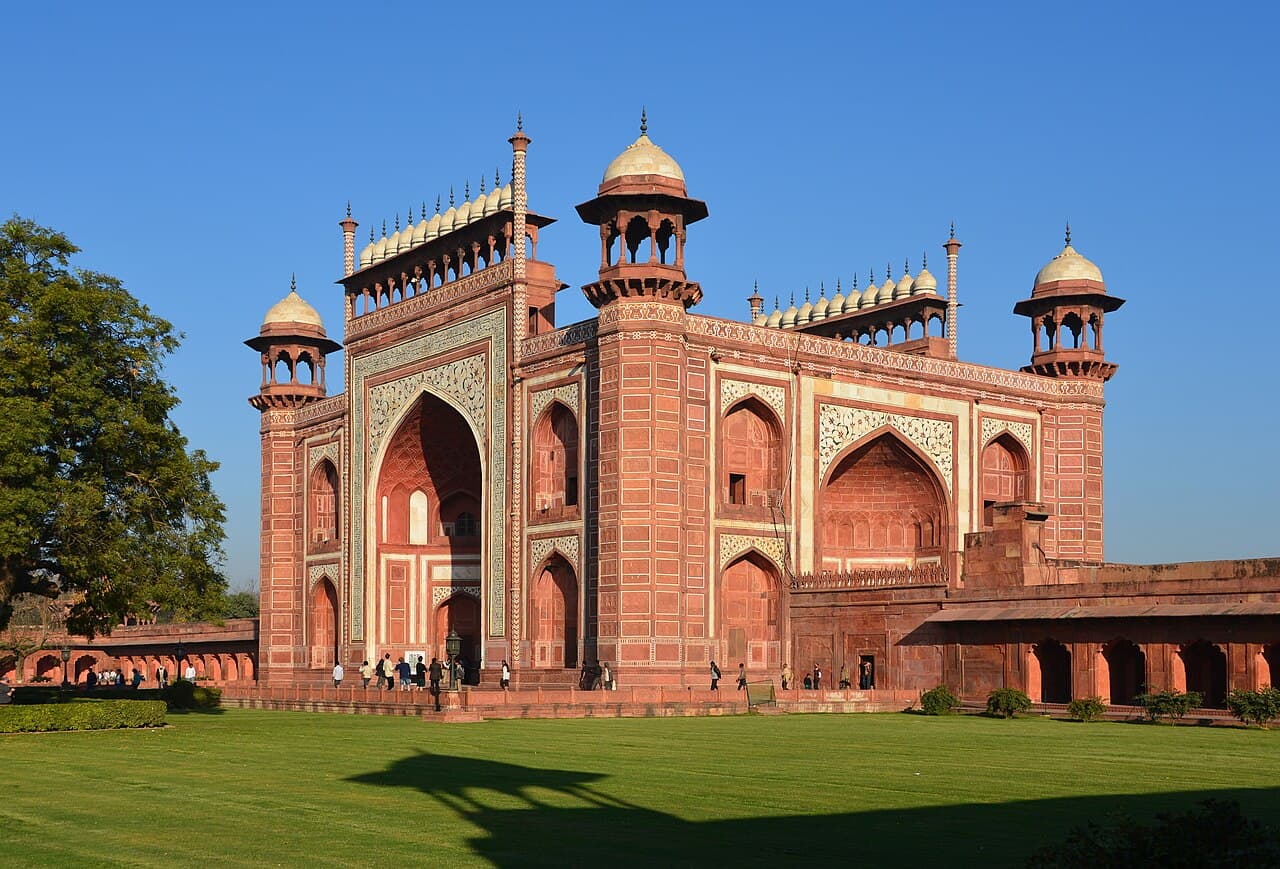
Agra was a Mughal capital twice over: Akbar made it his seat in 1558, and his son Jahangir and grandson Shah Jahan ruled from here before the court moved to Shahjahanabad (Delhi) in 1648. The city holds three UNESCO World Heritage Sites within a single district - the Taj Mahal, Agra Fort and the short-lived planned capital of Fatehpur Sikri, about 37-40 km to the west - more than any other city in India. The Taj Trapezium Zone, a roughly 10,400 sq km pollution-control area declared by the Supreme Court in 1996, protects all three. Beyond the monuments, Agra is a working craft city: the marble-inlay technique known as parchin kari, worked in the lanes of Nai Ki Mandi and Taj Ganj, and durrie weaving are still practised close to where the Taj's own craftsmen once lived.
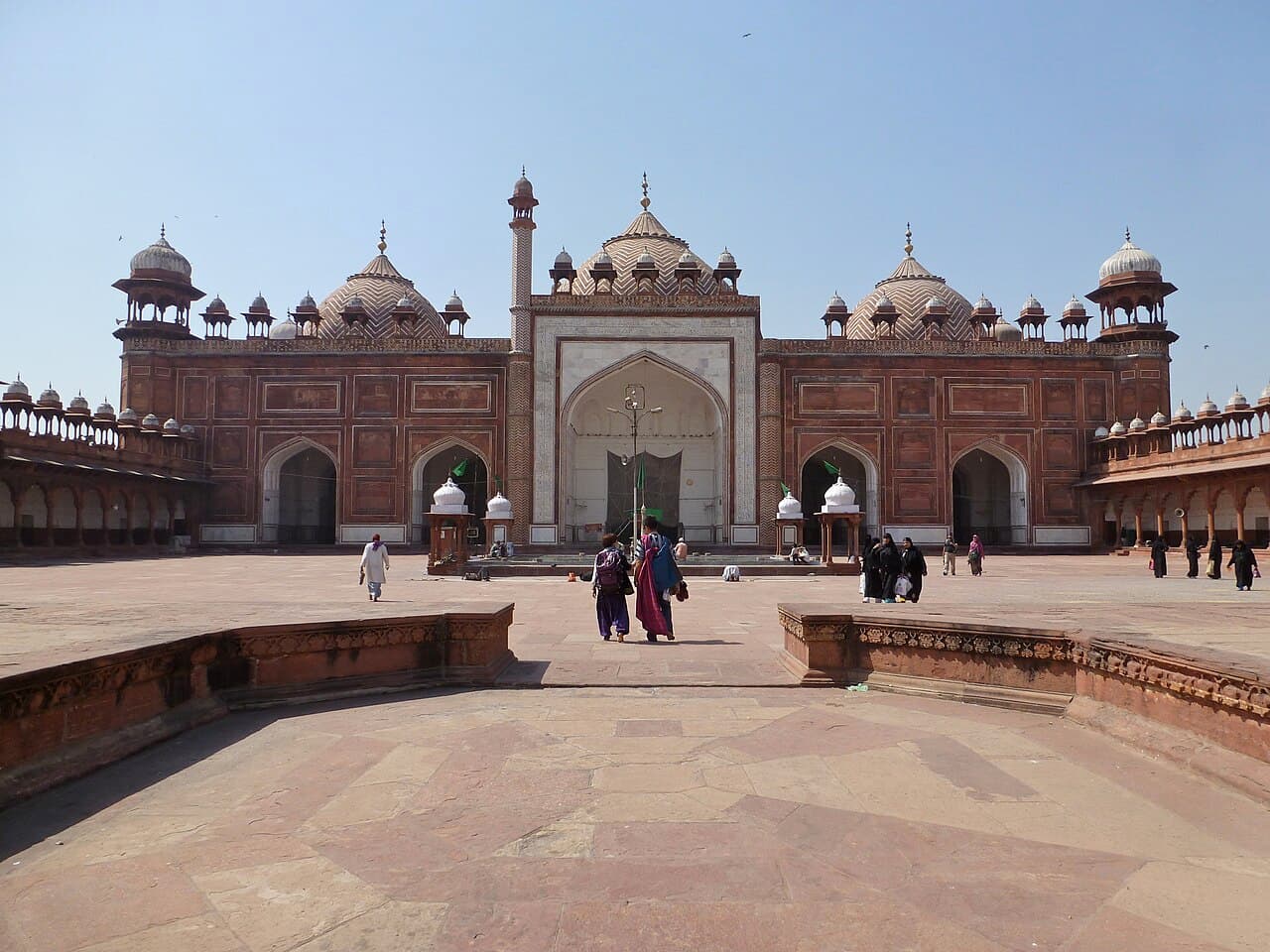
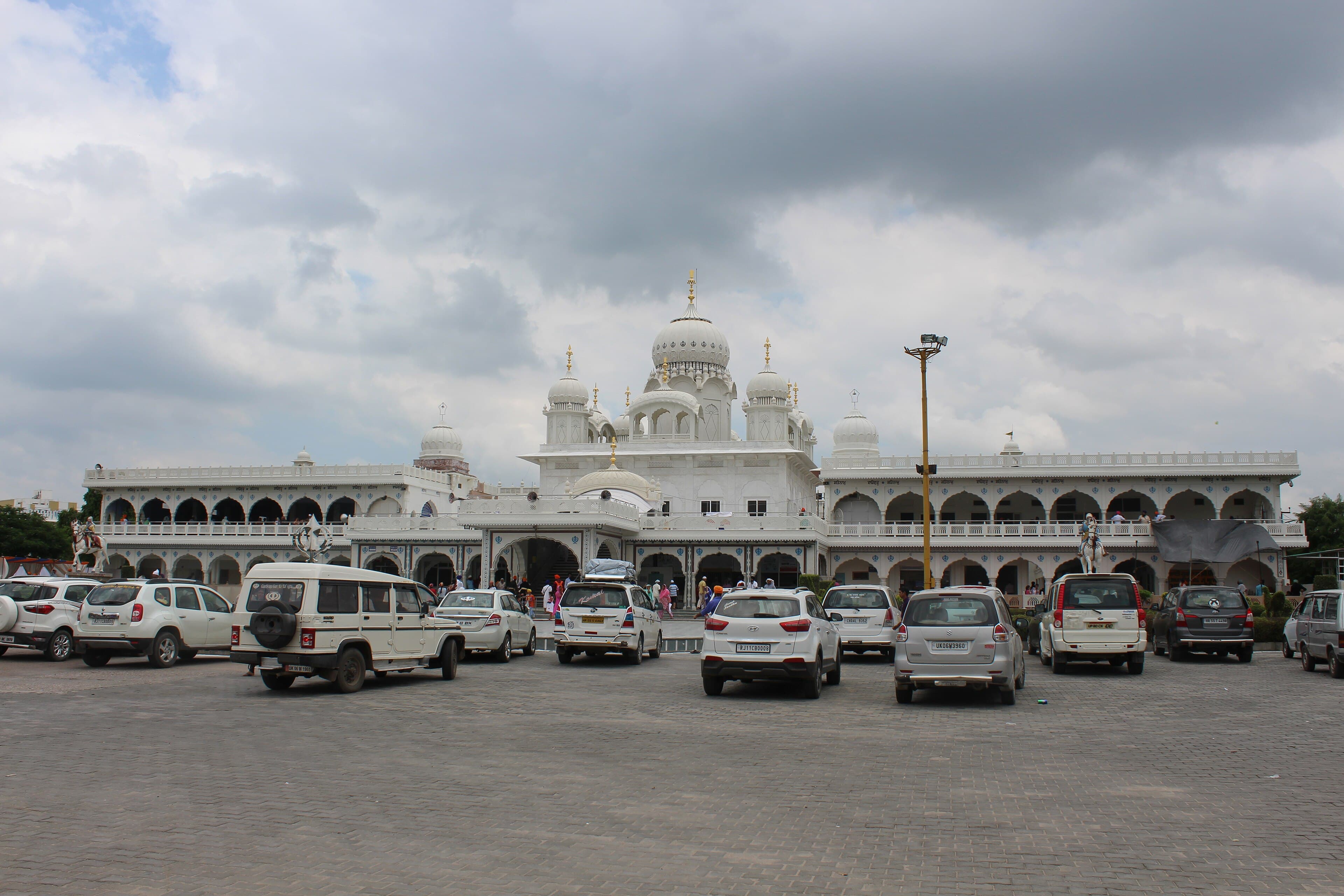
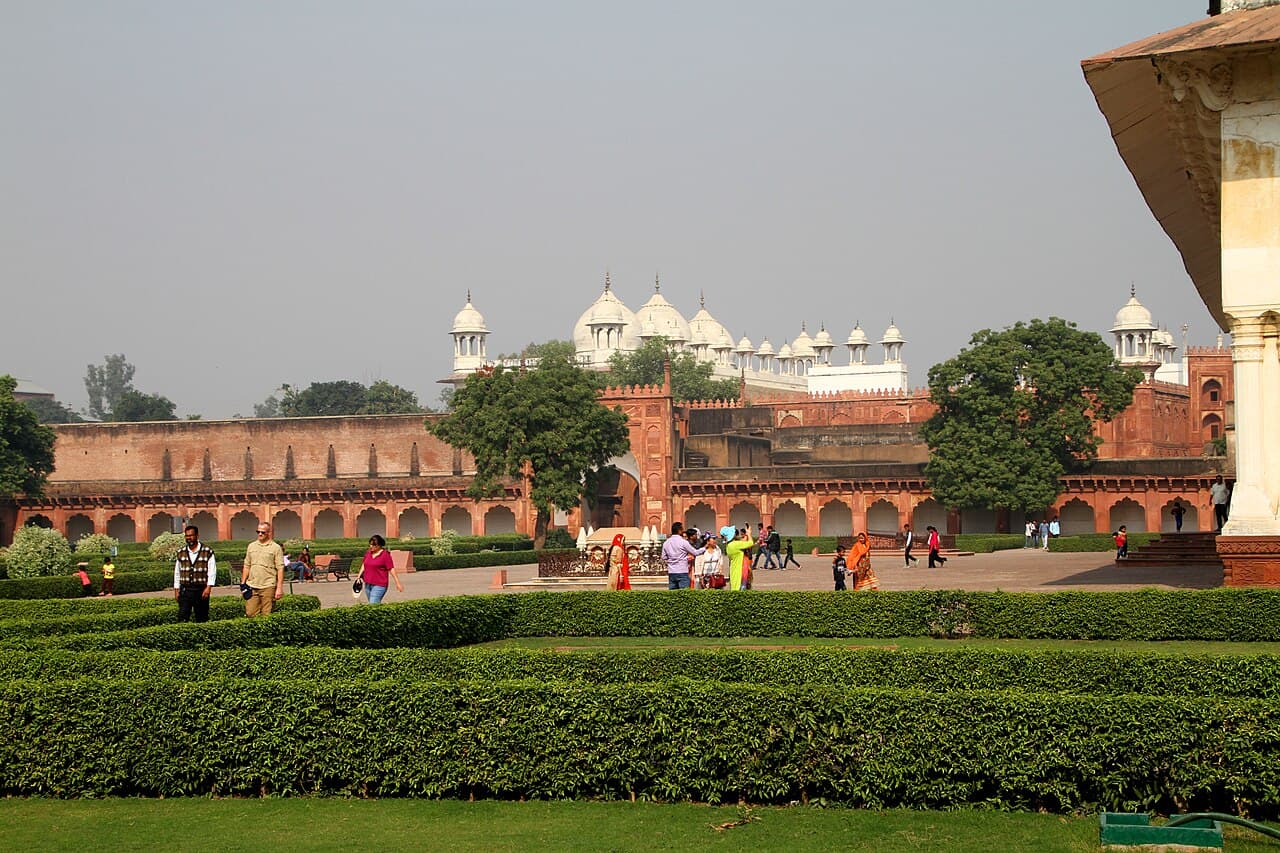
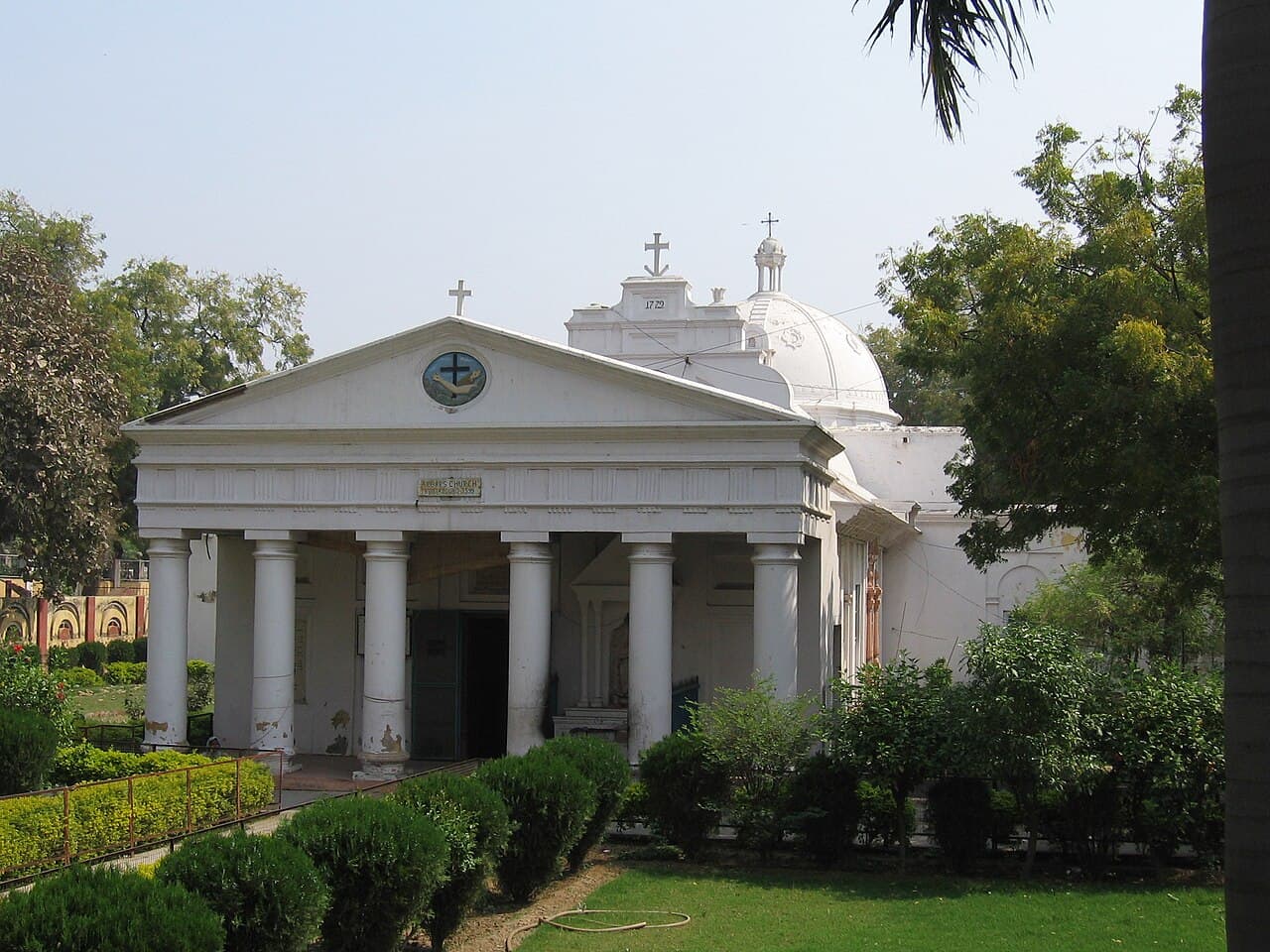
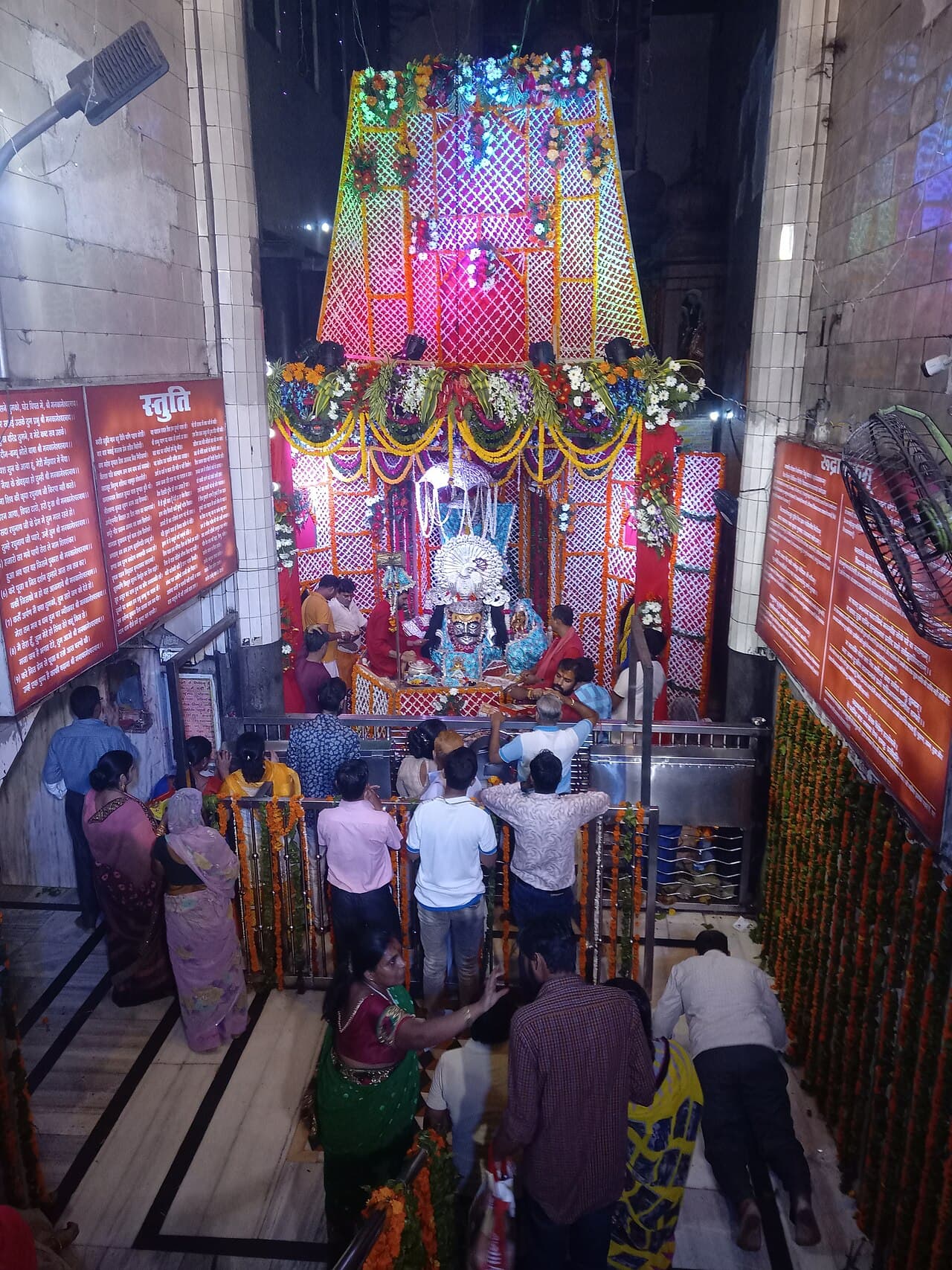
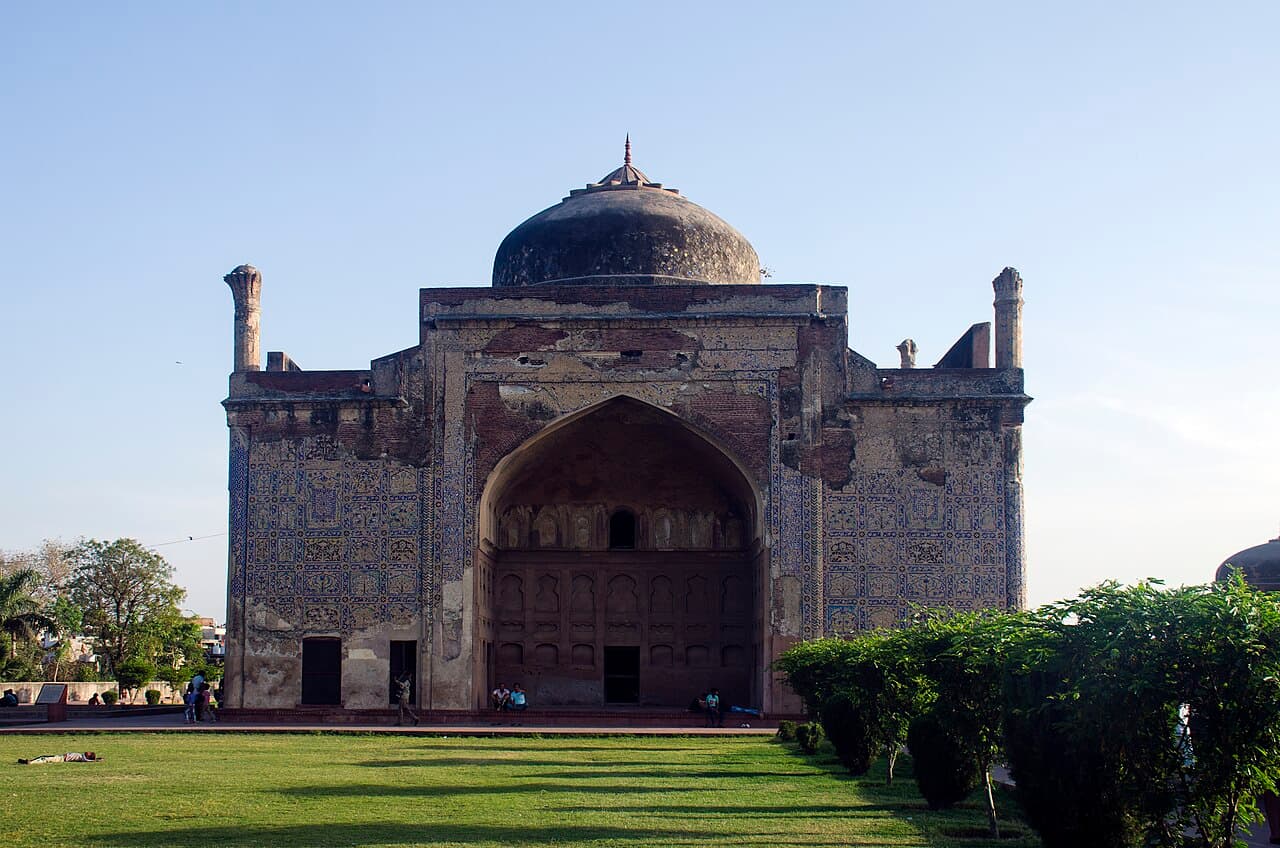
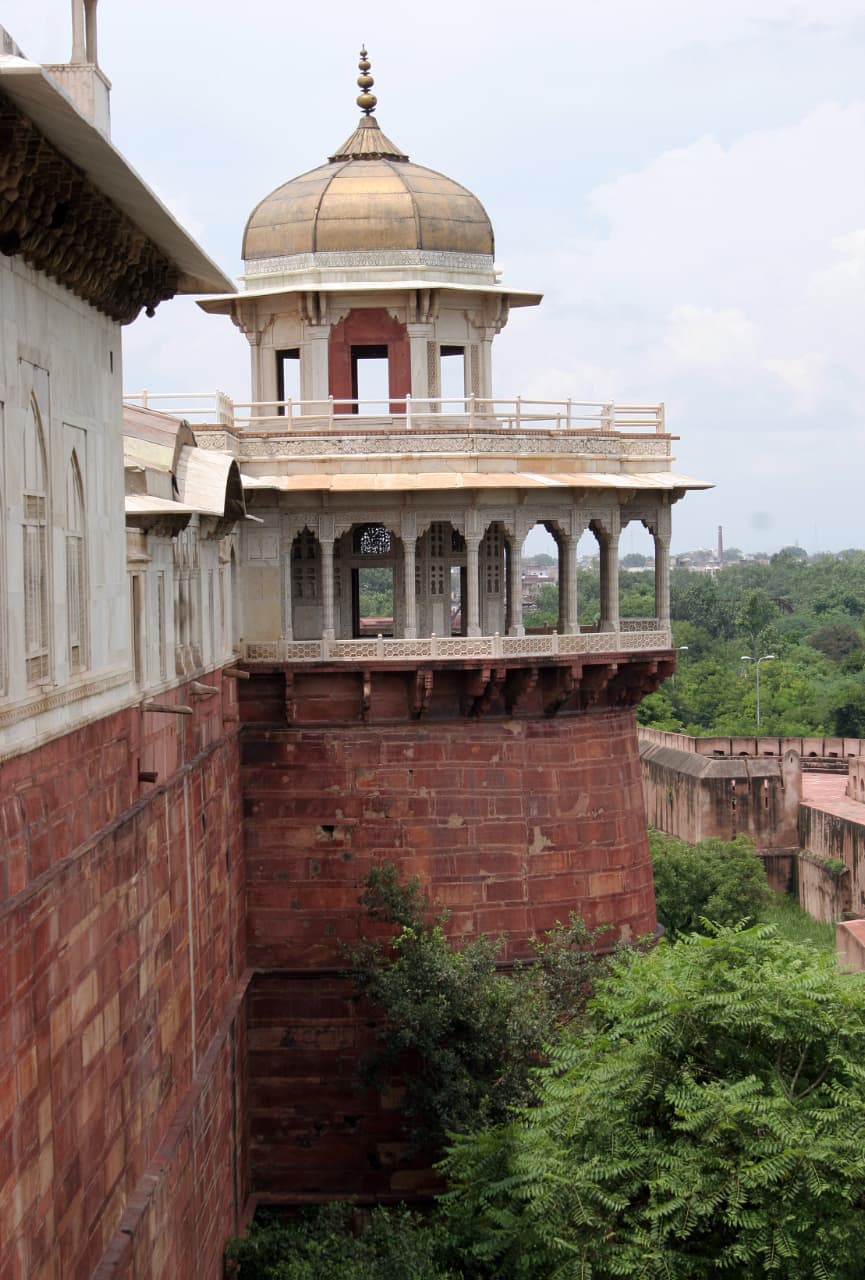
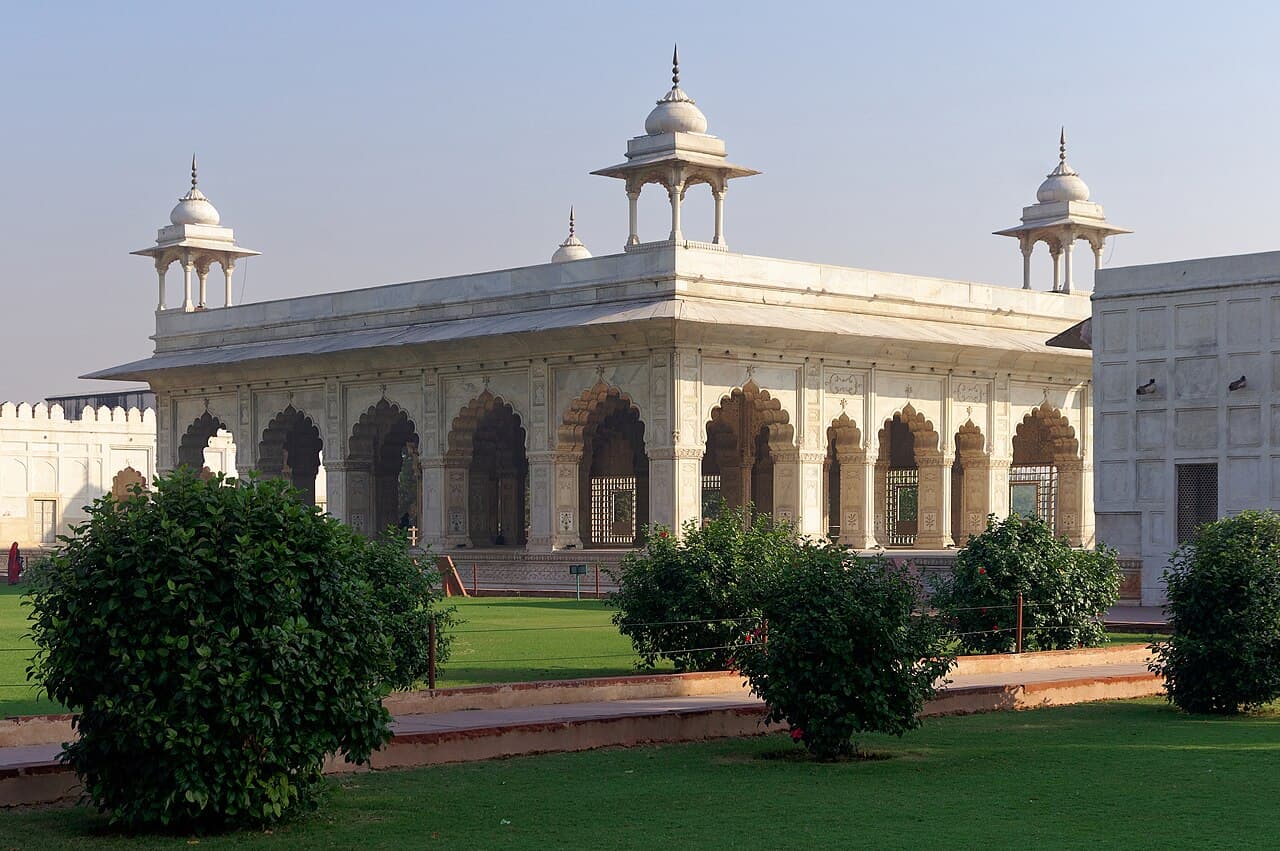
Agra is known for
Why Agra is famous
- •Agra is home to the iconic Taj Mahal, a UNESCO World Heritage Site and one of the Seven Wonders of the Modern World.
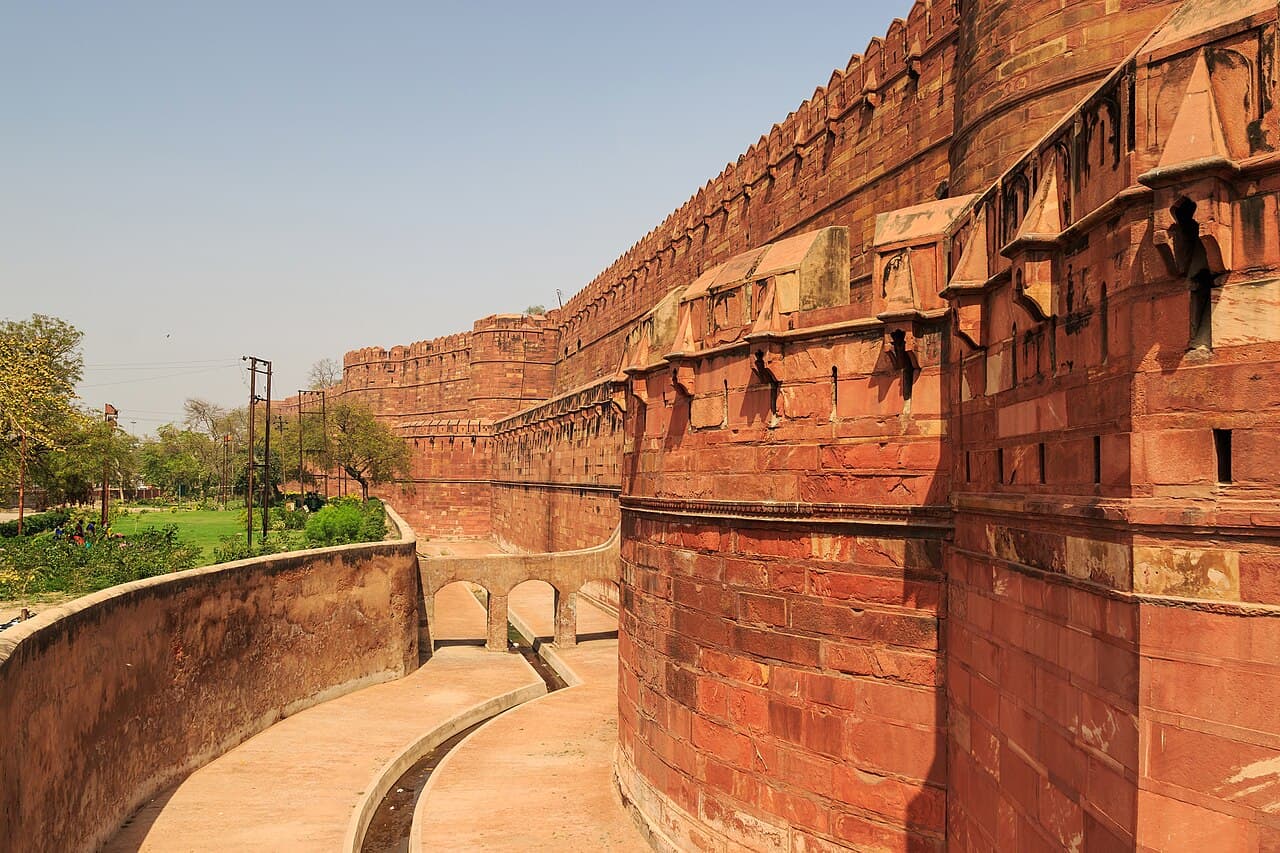
- •The city has a rich Mughal heritage, with the Red Fort and Fatehpur Sikri being other notable examples of Mughal architecture.
- •Agra is a significant cultural and artistic hub, with a rich tradition of music, dance, and handicrafts.
- •The city is situated on the banks of the Yamuna River.
- •The city has a rich Mughal heritage: Agra Fort (Qila-i-Akbari) and Fatehpur Sikri, about 37-40 km west of Agra, are other notable examples of Mughal architecture. Agra Fort is sometimes wrongly called 'the Red Fort' - that name belongs to Delhi's fort.
- •Taj Mahal visiting: open sunrise to sunset, closed Fridays. 2026 entry fees are reported as Rs 50 for Indian nationals, Rs 540 for SAARC/BIMSTEC nationals and Rs 1,100 for other foreign nationals, plus an extra Rs 200 to enter the mausoleum chamber; under-15s enter free. Tickets are valid for 3 hours and are booked on the ASI portal.
- •Taj Mahal night viewing: five nights per lunar cycle (the full moon and the two nights either side), not on Fridays, 20:00-23:59 in eight batches of 50 people; report at Shilpgram 30 minutes before your batch time and buy tickets from the ASI office in person. Night viewing is also suspended during Ramadan (17 Feb-8 Mar 2027).
AI-drafted from general knowledge — may contain mistakes.
Agra at a glance
- 🏛️Taj Mahal - UNESCO World Heritage Site (ref 252), inscribed 1983
- 🏛️Agra Fort - UNESCO World Heritage Site (ref 251), inscribed 1983
- 🏛️Fatehpur Sikri - UNESCO World Heritage Site (ref 255), inscribed 1986
- Construction / closure: Do not build a Friday around the Taj - it is closed that day.
- Check the night-viewing calendar about a month ahead, not a day ahead: tickets are sold in person only a short time in advance, and the dates shift with the lunar calendar.
- Treat Fatehpur Sikri as a separate day, not an add-on to a Taj visit - it is about 37-40 km out.
History at a glance
- 1565-1573 · MUGHALAgra Fort is built as a red sandstone fortress; its 2.5 km walls enclose the imperial city of the Mughal rulers.
- 1571-1573 · MUGHALAkbar builds Fatehpur Sikri, about 37-40 km west of Agra on outcrops of the Vindhyan range beside an artificial lake - the first planned city of the Mughals, with palaces, public buildings, mosques and quarters for the court, army and servants.
- 1573 · MUGHALThe Buland Darwaza is built to commemorate Akbar's victory over Gujarat.
- 1585 · MUGHALThe capital moves to Lahore. Fatehpur Sikri remains only a place for temporary visits.
- 1631-1648 · MUGHALThe Taj Mahal is built on Shah Jahan's order in memory of Mumtaz Mahal. UNESCO gives these dates; other sources give 1632-1653.
- 17th century · MUGHALAround 20,000 builders and artisans are brought to Agra to build the Taj. A once-common claim that some of them were Italians practising pietra dura is contested by most historians. The inlay technique becomes known as parchin kari.
- 1983 · MODERNThe Taj Mahal (ref 252) and Agra Fort (ref 251) are inscribed as World Heritage Sites - the Taj on criterion (i) alone, the Fort on criterion (iii).
- 1986 · MODERNFatehpur Sikri (ref 255) is inscribed on criteria (ii)(iii)(iv).
- December 1996 · MODERNThe Supreme Court of India rules that industries in the Taj Trapezium Zone, about 10,400 sq km, must stop using coal and coke and switch to natural gas or relocate.
- 28 November 2004 · MODERNNight viewing of the Taj opens to tourists.
- 2003-2004 · MODERNThe Taj Heritage Corridor Project is flagged by UNESCO as damaging the World Heritage value of the Taj and the Fort, and is suspended by the Indian authorities.
Best time to visit
Agra's climate is generally hot and dry during the summer months, with temperatures often soaring high, while the winters are mild and pleasant. The city experiences a distinct monsoon season from July to September, bringing much-needed rainfall and a brief respite from the heat.
- Taj Mahotsav · 18-27 February every yearA cultural festival at Shilpgram, near the Taj's east gate, running since 1992, with music, dance and craft performances and a showcase of local handicrafts.
- Ram Barat · October/NovemberA traditional festival honoring Lord Rama, with processions, music, and cultural events, drawing large crowds.
- Kartik Poornima · Kartik monthA significant Hindu festival celebrated with devotion and fervor, marking the full moon night, and is an important event for locals.
- Urs of Salim Chishti · Annual (date varies with the Islamic calendar)Annual urs (death anniversary observance) at the dargah of Salim Chishti, Fatehpur Sikri - an active shrine where petitioners tie threads to the marble jali screens.
- Taj night viewing calendar · Five nights a month, around the full moon · anchored to Full moonNot a single-day festival but a recurring calendar: five nights per lunar cycle around the full moon, closed Fridays and during Ramadan.
- In 3 daysDiwali · 8 November
- In 5 daysGovardhan Puja · 10 November
- In 6 daysBhai Dooj · 11 November
- In 10 daysChhath Puja · 15 November
Real dates, not AI-drafted — sourced from the Hindu Panchang, same for every destination.
Weather details and any festival without a stated lunar anchor above are AI-drafted from general knowledge, not independently verified — timing is approximate; double-check before planning around one.
Part of these sacred circuits
Near me
Share your location to see famous places closest to you right now.
Famous places in Agra
Sacred & Spiritual
See all 170 →Heritage & Monuments
See all 32 →Nature & Outdoors
Shops & Restaurants
Getting there & around
- Rail — Agra Cantt (AGC) is the main station, served by the Gatimaan Express and Shatabdi from Delhi; Agra Fort, Raja ki Mandi and Idgah are secondary stations.
- Road — The Yamuna Expressway connects Agra to Delhi, about 230 km and roughly 3-3.5 hours by road.
- Air — Agra Airport (AGR, Kheria) has limited flights; Delhi is the practical airport for most travellers.
- Road — Cycle-rickshaws and e-rickshaws are the only vehicles allowed close to the Taj gates - a roughly 500 m no-fuel zone bars other vehicles near the monument. Autos and taxis cover the rest of the city.
What travellers actually paid
Reported by real travellers, not looked up — a real range with a count, never a single guessed number.
Loading…
Local markets for shopping
Sourced from city research where available, otherwise AI-drafted from general knowledge — double-check specifics before relying on it.
Famous eateries & specialties
Sourced from city research where available, otherwise AI-drafted from general knowledge — double-check specifics before relying on it.
Local businesses
View all →A different trust signal from the curated places above — some run by their real owner, some pre-filled by Swamarg from its own place data until an owner claims them.