
Amritsar
Gurudwaras, langar, and intricate handicrafts
Cool marble beneath bare feet in crowded devotion
Amritsar, short for Amrit Sarovar - the pool of the nectar of immortality. The city takes its name from the tank, not the other way round., in Punjab, about 30 km from the Pakistan border at Attari.
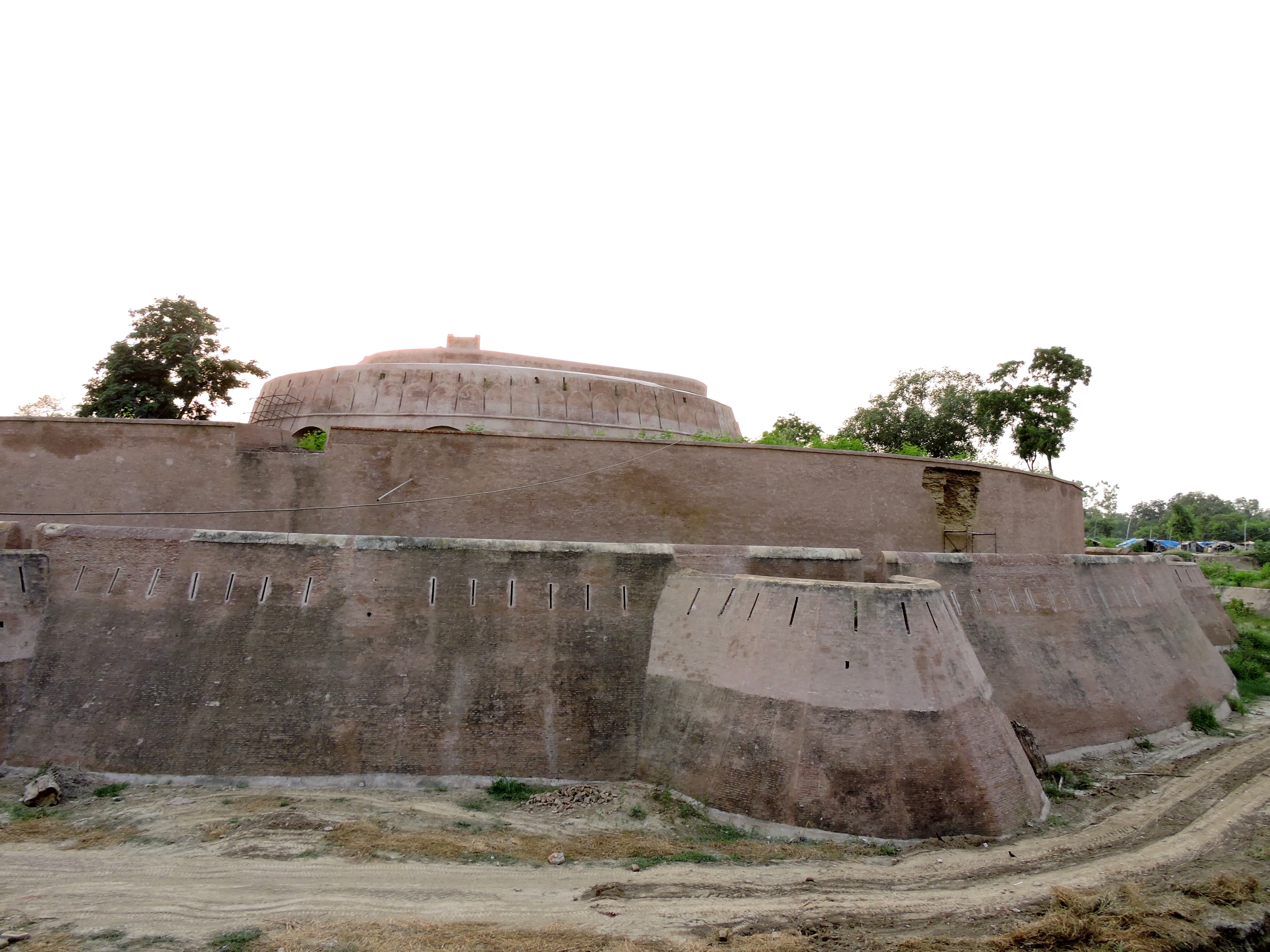
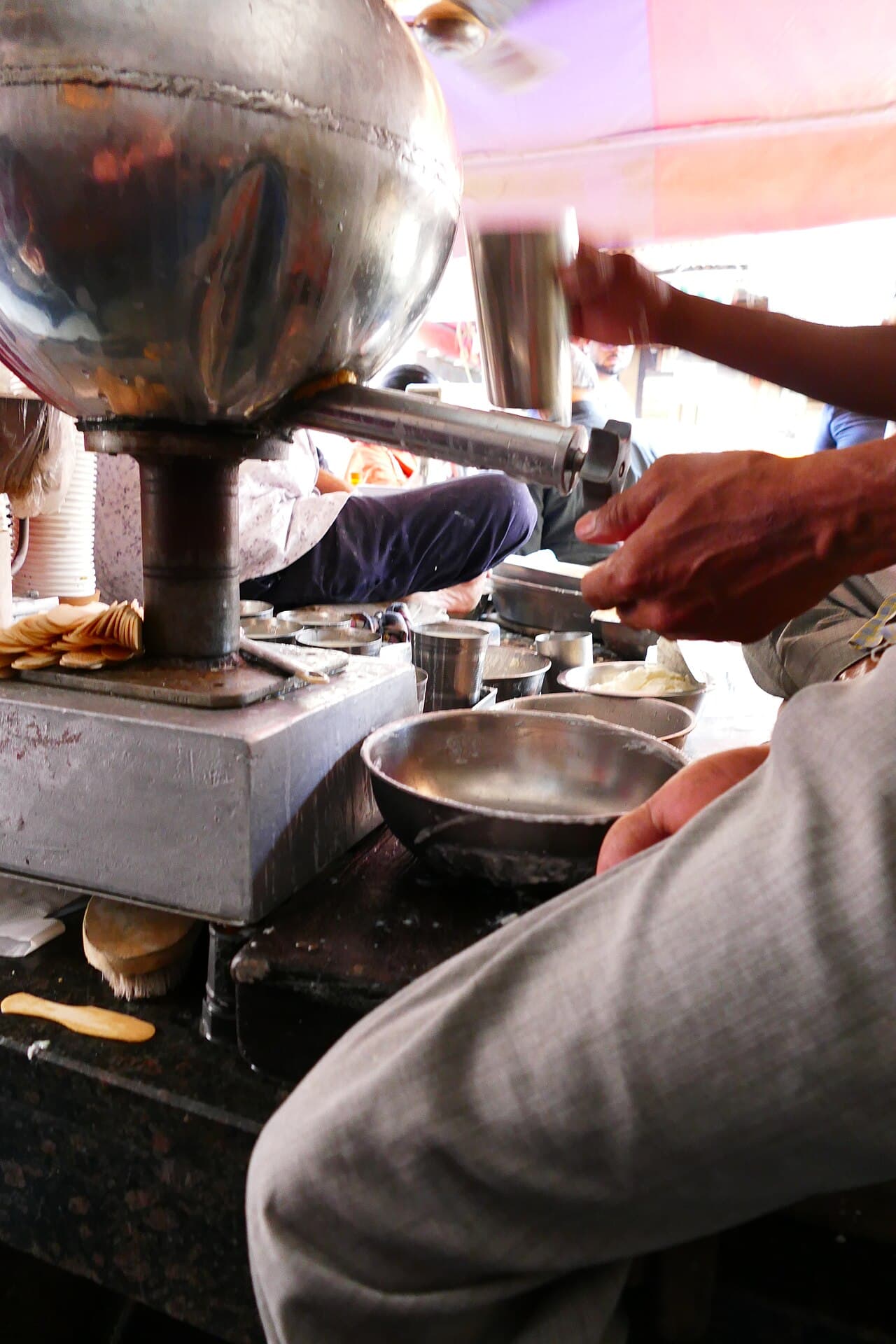

Amritsar is known for
Why Amritsar is famous
- •Founded: 1577, by Guru Ram Das, the fourth Sikh Guru, who excavated the Amrit Sarovar. The city grew around the tank.
- •State / setting: Punjab, about 30 km from the Pakistan border at Attari
- •Why it matters for the product: Seventh city, seventh organising logic. Varanasi grew along a river, Jaipur on a grid, Madurai as a mandala, Lucknow as a court city, Mysuru around a palace and a hill, Puri around a festival route. Amritsar is organised around a single complex that never closes, and around a border thirty kilometres away that did not exist before 1947.
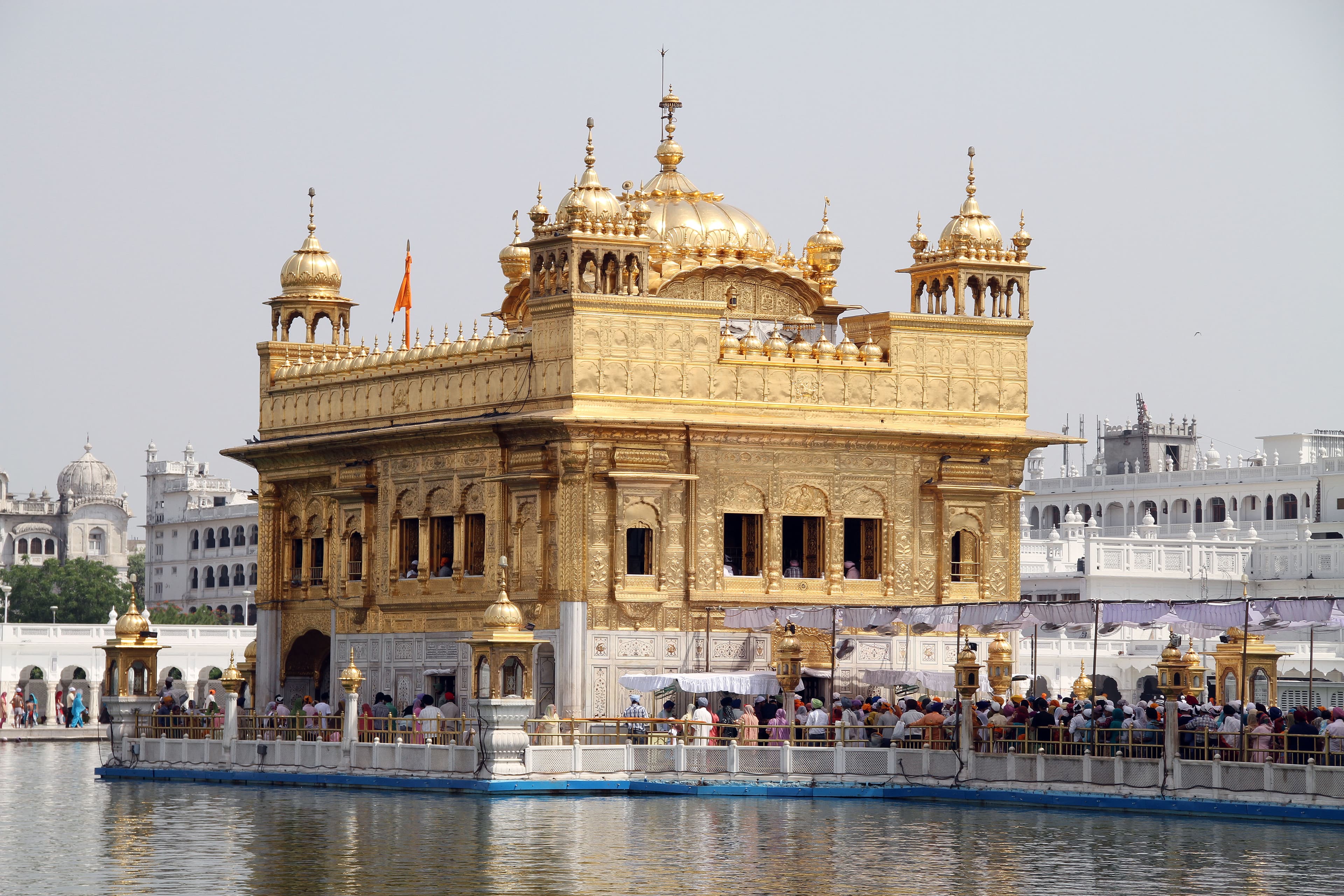
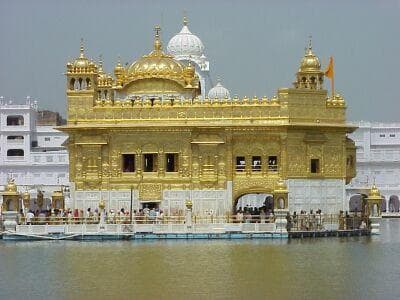
- •The name: Sri Harmandir Sahib, also Sri Darbar Sahib. 'Golden Temple' is the common English name; some Sikh sources describe it as an incorrect one. Use both, and lead with Harmandir Sahib.
- •The theological design: Guru Arjan built the shrine in the centre of the tank with four entrances, symbolising openness to all people and castes, and placed it lower than the surrounding ground so that every visitor descends to enter - a physical statement of humility.
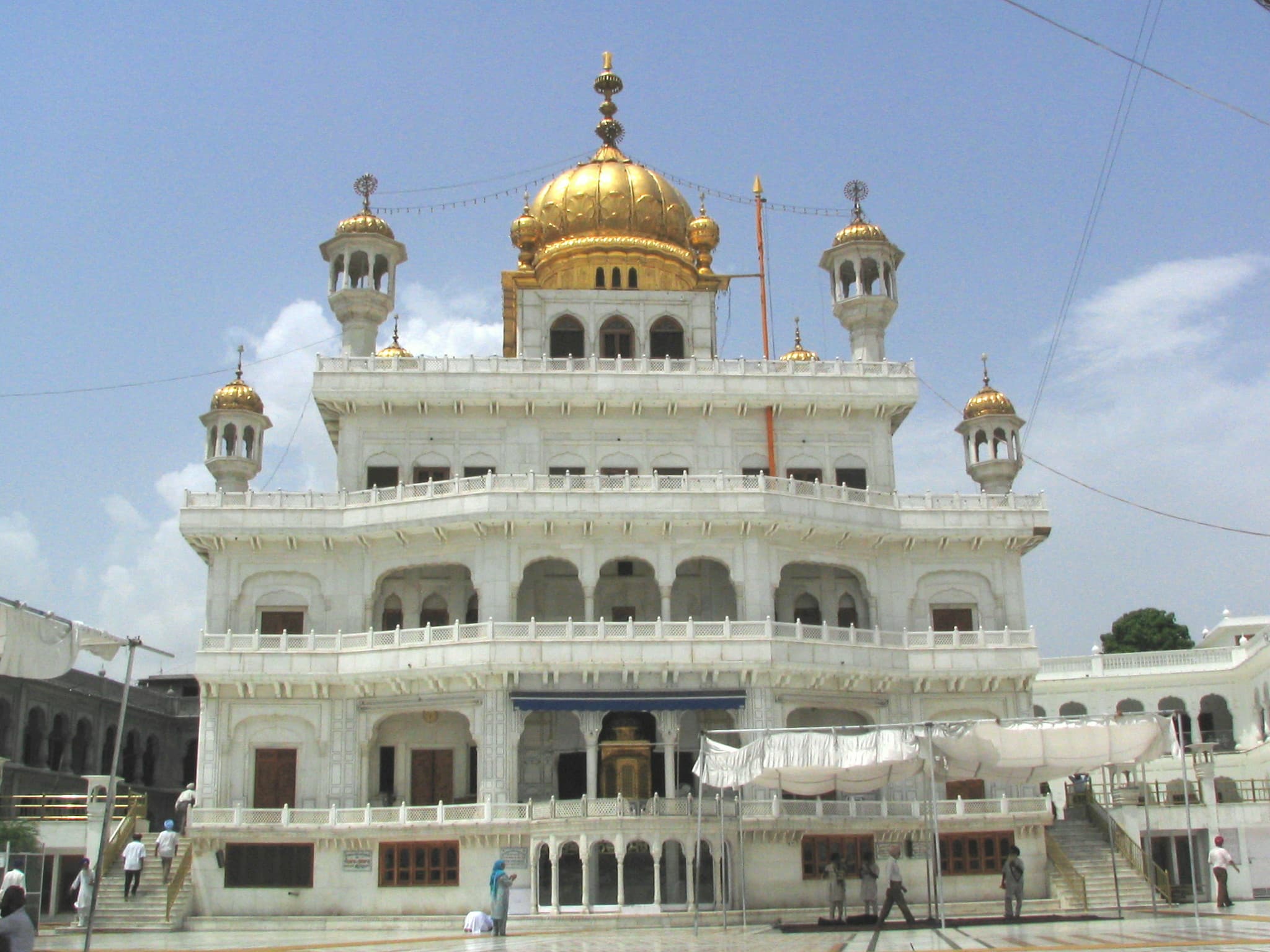
- •The trifecta: The pool, the scripture and the throne. With the Adi Granth installed in 1604 and the Akal Takht constituted in 1606, the complex became - and remains - the most important gurdwara in Sikhism. The Harmandir Sahib is the seat of spiritual authority; the Akal Takht, facing it across the parikrama, is the seat of temporal authority.
- •The foundation stone: Widely reported to have been laid in 1588 by the Sufi saint Hazrat Mian Mir of Lahore. The choice is consistently presented as deliberate rather than incidental.
- •Langar: Free vegetarian meals served around the clock to anyone, regardless of religion, caste, gender or nationality, in the Guru Ramdas Langar. Reported figures range from 50,000 to 100,000 people daily, roughly doubling on special occasions. Prepared largely by volunteers - sevadars - and funded by donation, at a reported cost above Rs 300 million a year.
- •What langar means: The institution was begun by Guru Nanak and strengthened by Guru Amar Das. Everyone sits on the floor in rows and eats the same food; there is no high table and no separate section. The floor is the equaliser, and that is the point.
- •Destroyed and rebuilt: The temple was destroyed by Afghan invaders under Ahmad Shah Durrani in 1757 and again in 1762, and rebuilt each time by the Sikh community. The present gurdwara was rebuilt in 1764 by Jassa Singh Ahluwalia with the other Sikh misls.
- •The gold: Applied under Maharaja Ranjit Singh in the early 19th century. Sources differ on the amount - around 400 kg in several accounts, about 750 kg in others - and on the dating, given variously as 1809 and as 1830-1839.
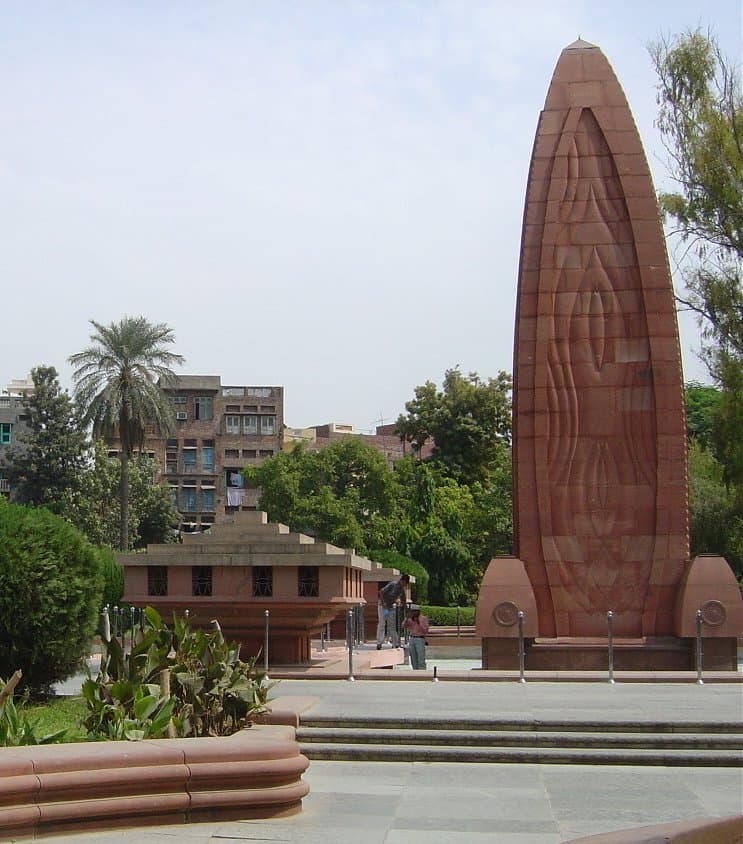
- •1919: On 13 April 1919 British troops under Brigadier General Reginald Dyer fired without warning on an unarmed crowd at Jallianwala Bagh. Colonial-era records put the death toll at 379; Indian figures put it closer to 1,000. The event galvanised support for independence.
- •1947: Partition made Amritsar a border city. Lahore, thirty miles away and long part of the same region, became foreign. The Attari checkpoint was established on 11 October 1947.
- •1984: The events at the Akal Takht in 1984 and their aftermath remain among the most politically contested in modern India. They are part of the complex's history and visitors do ask about them. Handle factually, attribute every claim, and do not generate narrative that adopts any side's framing.
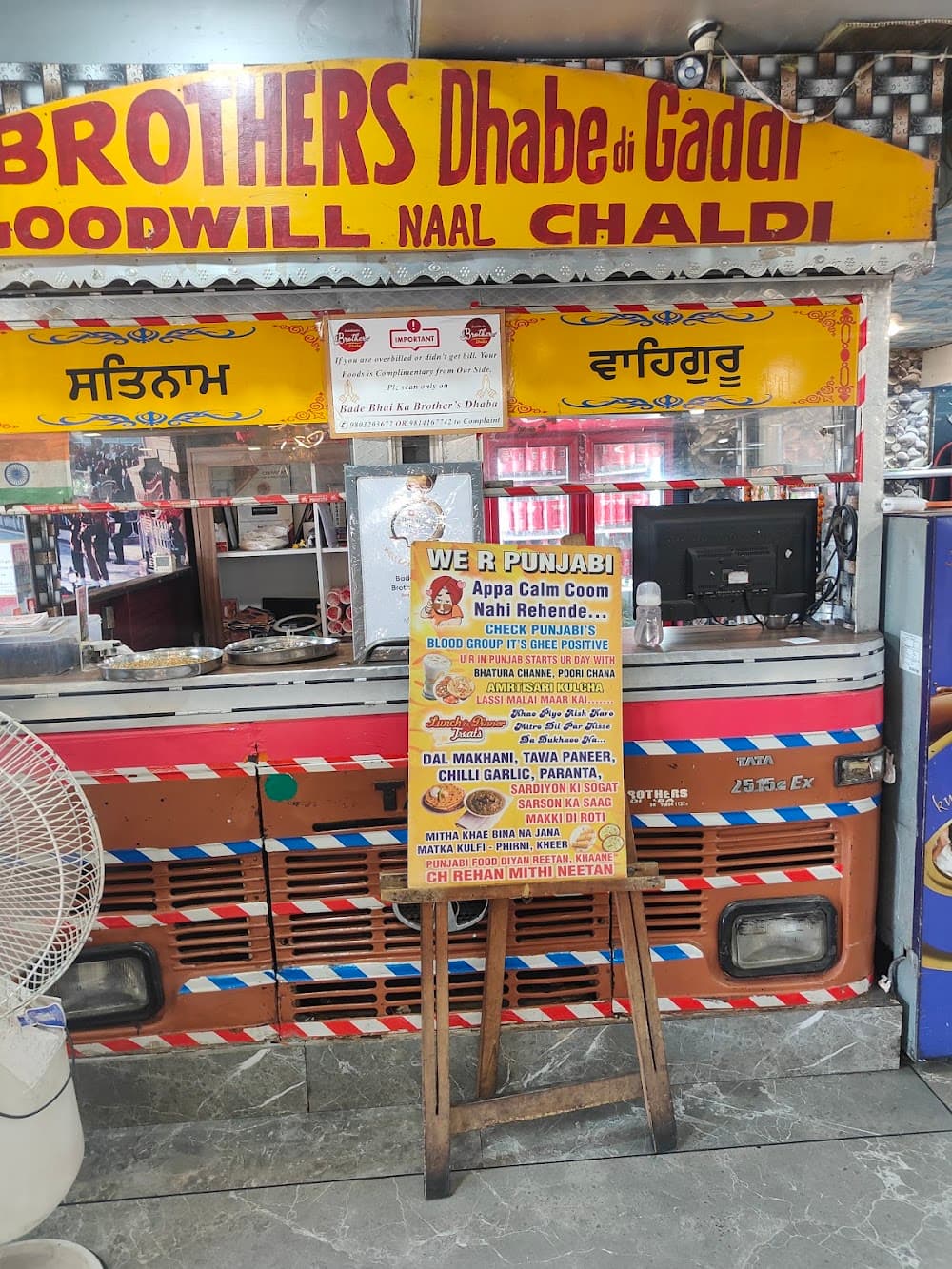
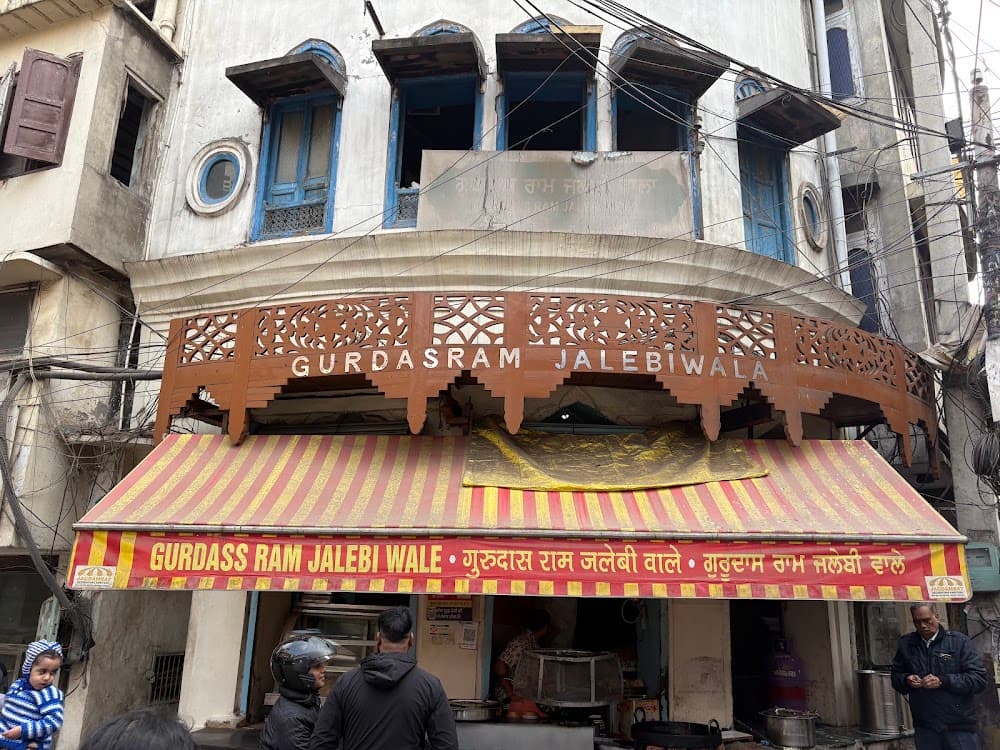
- •The old houses: Kesar Da Dhaba since 1916, Bharawan Da Dhaba since 1912, Gurdas Ram Jalebi Wale since 1921. Three establishments older than the country.
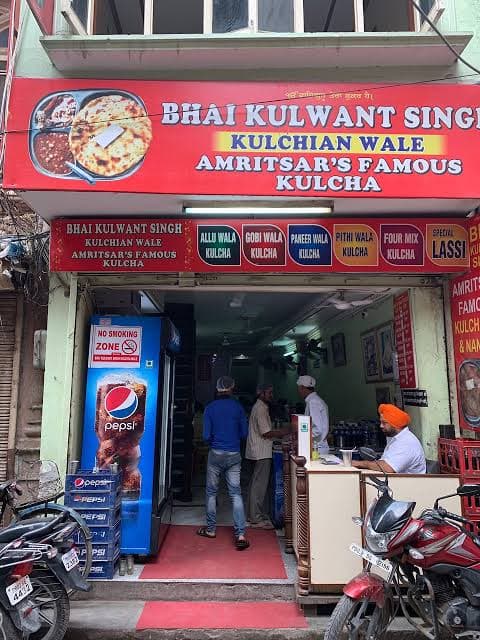
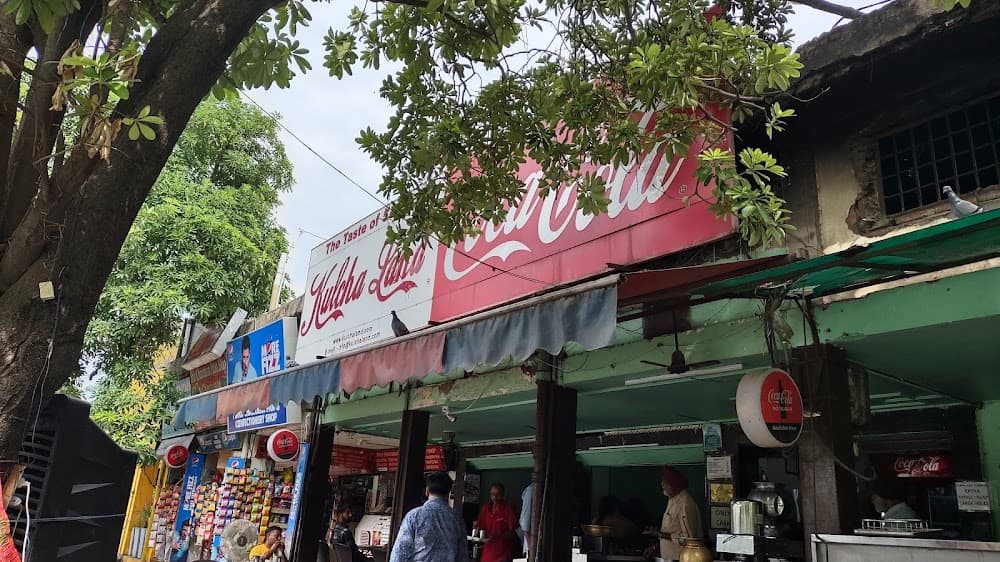
- •Where the food is: Lawrence Road for grilled and tandoori, including Beera Chicken House and Makhan Fish; the old city near the Golden Temple for kulcha, jalebi and lassi; Hall Gate for the densest concentration of legendary spots.
- •Best season: October to March. Baisakhi in April and the Gurpurabs are the peak devotional periods.
AI-drafted from general knowledge — may contain mistakes.
Amritsar at a glance
- ⚠️Head covering is mandatory for everyone at the Golden Temple
- ⚠️scarves are available free at the entrance. Shoes are deposited and feet washed on the way in. At Jallianwala Bagh, remember what the site is. And check the Wagah ceremony timing on the day, because the BSF revises it several times a year and it can be suspended entirely during periods of tension.
History at a glance
- Late 15th c. · GURU PERIODGuru Nanak establishes the institution of langar - everyone seated on the floor, eating the same food, in a society stratified by caste.
- 1577 · GURU PERIODGuru Ram Das excavates the Amrit Sarovar. The city grows around it and takes its name from it.
- 1588 · GURU PERIODThe foundation stone of the Harmandir Sahib is laid, widely reported as by the Sufi saint Hazrat Mian Mir of Lahore. Guru Arjan designs the shrine with four doors and sets it below ground level.
- 1604 · GURU PERIODGuru Arjan completes the Adi Granth and installs it in the Harmandir Sahib, making Amritsar the primary Sikh pilgrimage centre.
- 1606 · GURU PERIODGuru Arjan is executed at Lahore. In response Guru Hargobind constitutes the Akal Takht facing the Harmandir Sahib - the seat of temporal authority alongside the spiritual.
- 1634 · MUGHALAmritsar is attacked by Mughal forces. Harmandir survives physically.
- 1757 and 1762 · AFGHANThe temple is destroyed by Afghan invaders under Ahmad Shah Durrani, twice. The Sikh community rebuilds it each time.
- 1764 · SIKH MISLSThe present gurdwara is rebuilt by Jassa Singh Ahluwalia with the other Sikh misls.
- Early 19th c. · SIKH EMPIREMaharaja Ranjit Singh gilds the upper floors and dome and faces the sanctum in marble. Sources give the gold as around 400 kg or about 750 kg, and the work as 1809 or 1830-1839.
- 13 April 1919 · COLONIALBritish troops under Brigadier General Reginald Dyer fire without warning on an unarmed crowd at Jallianwala Bagh. Colonial records give 379 dead; Indian figures put it closer to 1,000.
- 11 October 1947 · MODERNThe Attari checkpoint is established by Brigadier Mohindar Singh Chopra after Partition. Lahore, on the same Grand Trunk Road, becomes foreign.
- 1959 · MODERNThe Beating Retreat ceremony begins at the Attari-Wagah border, by agreement between both governments.
- 1984 · MODERNEvents at the Akal Takht and their aftermath. Among the most politically contested episodes in modern Indian history.
- July 2011 · MODERNWomen guards of the BSF join the Beating Retreat ceremony.
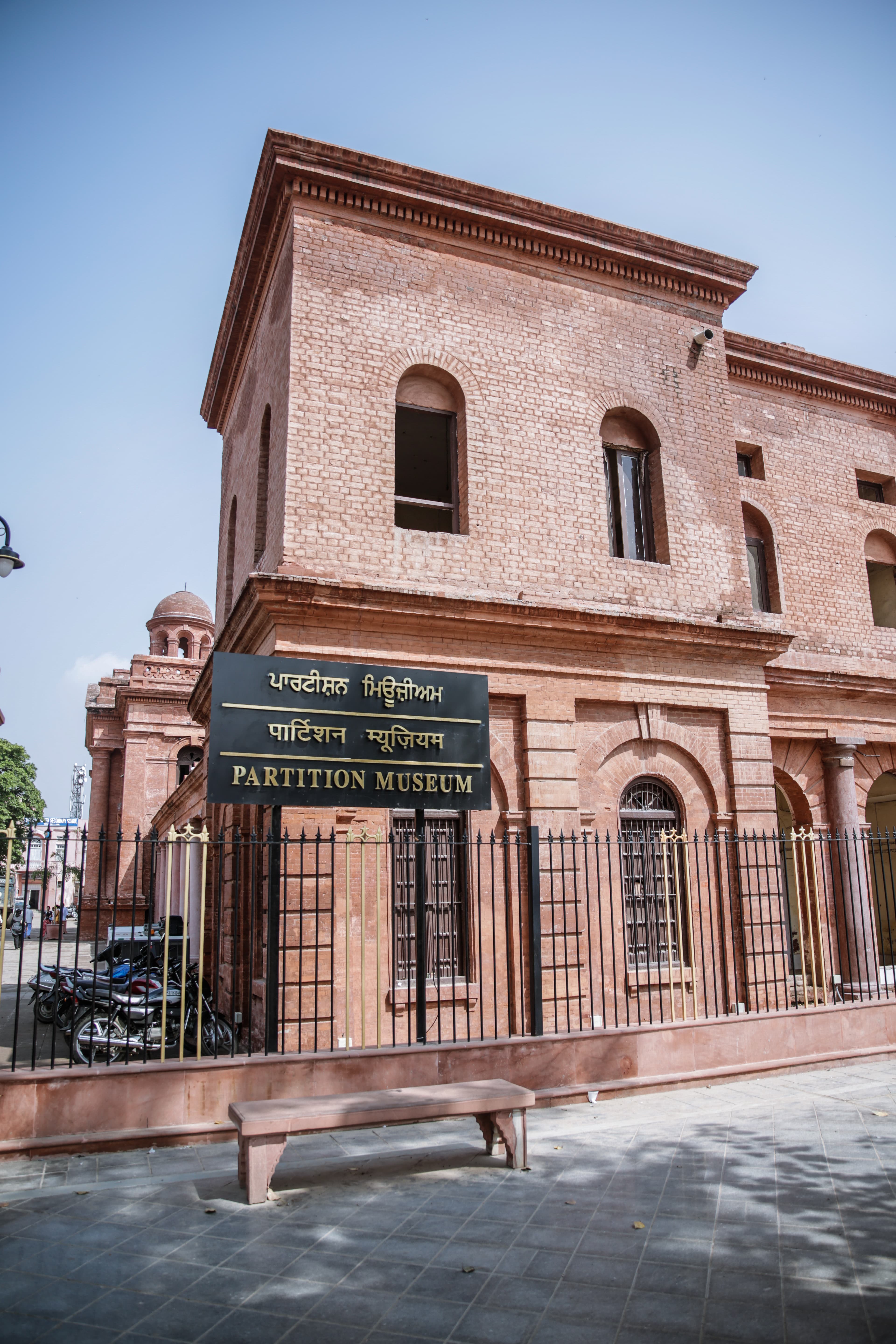
- 2017 · MODERNThe Partition Museum opens in the restored colonial Town Hall - a former police kotwali with jail cells and a court of small causes - founded by Kishwar Desai as a privately funded people's museum.
- 2019-2021 · MODERNThe Jallianwala Bagh memorial is renovated at a reported Rs 100 crore and reopened in August 2021. Historians including Kim A. Wagner and S. Irfan Habib publicly criticise it as erasing the site; the Punjab Governor states no changes were made to the archaeological site.
Best time to visit
Amritsar's climate is typical of the North Indian region, with hot and dry summers, and mild winters. The monsoon season brings moderate rainfall from July to September, with the rest of the year being relatively dry.
- Prakash and Sukhasan · Daily, year-round · anchored to Every day, dawn and night[DAILY RITUAL] The Guru Granth Sahib is carried in the Palki Sahib procession from the Akal Takht to the sanctum at dawn and returned at night. The central object of the complex moves between two entities twice every day. (Times shift seasonally - verify)
- Langar · 24 hours, 365 days · anchored to No anchor - it never stops[CONTINUOUS] Free meals served continuously. There is no schedule because there is no closure.
- Beating Retreat · Daily, year-round · anchored to Daily, just before sunset[SCHEDULED CEREMONY] Synchronised drills, flag lowering and the closing of the gates by the BSF and Pakistan Rangers. (HIGH: timing revised several times a year by the BSF; may be suspended during India-Pakistan tension)
- Baisakhi · April · anchored to Solar - usually 13 or 14 AprilThe harvest festival and the anniversary of the founding of the Khalsa in 1699 - one of the largest gatherings of the year. (Fixed solar date, unlike almost every other festival in these seven packs)
- Gurpurabs · Various · anchored to Nanakshahi calendarAnniversaries of the Gurus' births and martyrdoms. Guru Nanak Gurpurab and the martyrdom of Guru Arjan are the principal ones, each drawing very large crowds and extended langar service. (The Nanakshahi calendar is a distinct system - a fourth calendar alongside Hindu lunisolar, Tamil solar and Hijri)
- Jallianwala Bagh anniversary · 13 April · anchored to 13 April, fixed[COMMEMORATION] Annual commemoration of the 1919 massacre. Falls on or beside Baisakhi, which is why the crowd was there in the first place.
- Jallianwala Bagh sound-and-light show · Daily evening · anchored to Daily[SCHEDULED SPECTACLE] Introduced in the 2021 renovation and itself part of the public dispute about that renovation. (Verify it is running)
- Diwali / Bandi Chhor Divas · Oct-Nov · anchored to Kartik AmavasyaMarks Guru Hargobind's release from imprisonment. The complex is illuminated and there are fireworks over the tank - one of the most photographed nights in India.
- In 12 daysGandhi Jayanti · 2 October
- In 29 daysDurga Ashtami / Maha Navami · 19 October
- In 30 daysDussehra (Vijayadashami) · 20 October
- In 39 daysKarwa Chauth · 29 October
Real dates, not AI-drafted — sourced from the Hindu Panchang, same for every destination.
Weather details and any festival without a stated lunar anchor above are AI-drafted from general knowledge, not independently verified — timing is approximate; double-check before planning around one.
Part of these sacred circuits
Near me
Share your location to see famous places closest to you right now.
Famous places in Amritsar
Sacred & Spiritual
See all 35 →Heritage & Monuments
See all 19 →Shops & Restaurants
See all 29 →Places to Stay
Getting there & around
- Air — Sri Guru Ram Dass Jee International Airport
- Rail — Amritsar Junction
- Getting around — the Grand Trunk Road, which continues to Lahore
What travellers actually paid
Reported by real travellers, not looked up — a real range with a count, never a single guessed number.
Loading…
Famous eateries & specialties
Sourced from city research where available, otherwise AI-drafted from general knowledge — double-check specifics before relying on it.