
Ayodhya
Temples, scriptures, and sacred rituals
Cool marble beneath bare feet on a summer morning
Ayodhya, a city steeped in spiritual significance, draws pilgrims and seekers of truth from far and wide. This ancient city is said to hold a special place in the hearts of many, its very name evoking a sense of reverence and awe. For those on a journey of self-discovery, Ayodhya's tranquil atmosphere and rich cultural heritage provide a perfect backdrop for introspection and contemplation. As the sun rises over the city's serene landscape, visitors can't help but feel a deep connection to the land and its storied past, making it an ideal destination for those looking to recharge and refocus their spirits.
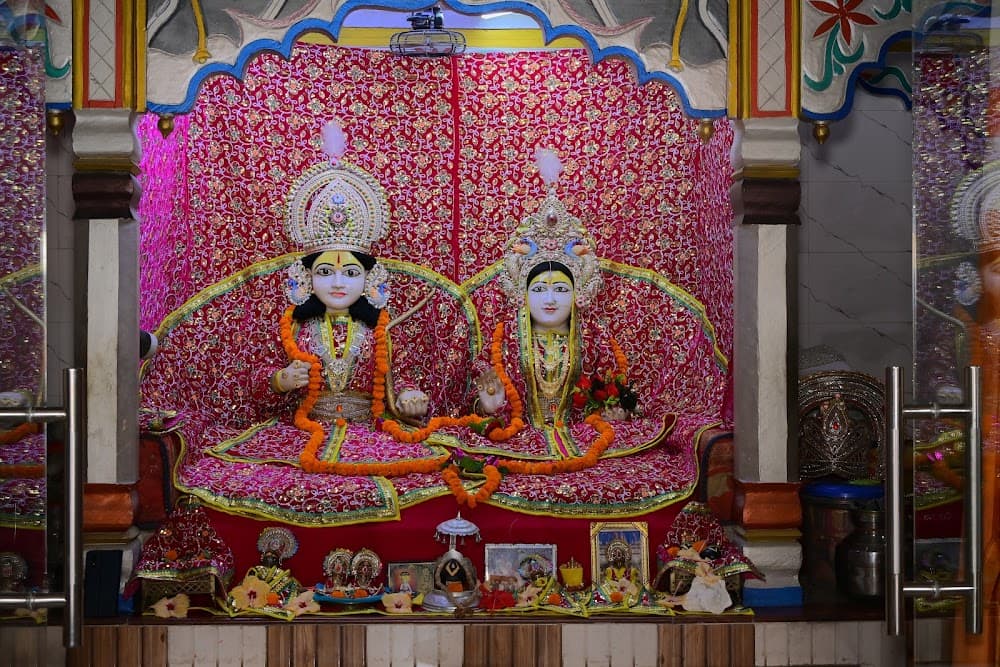
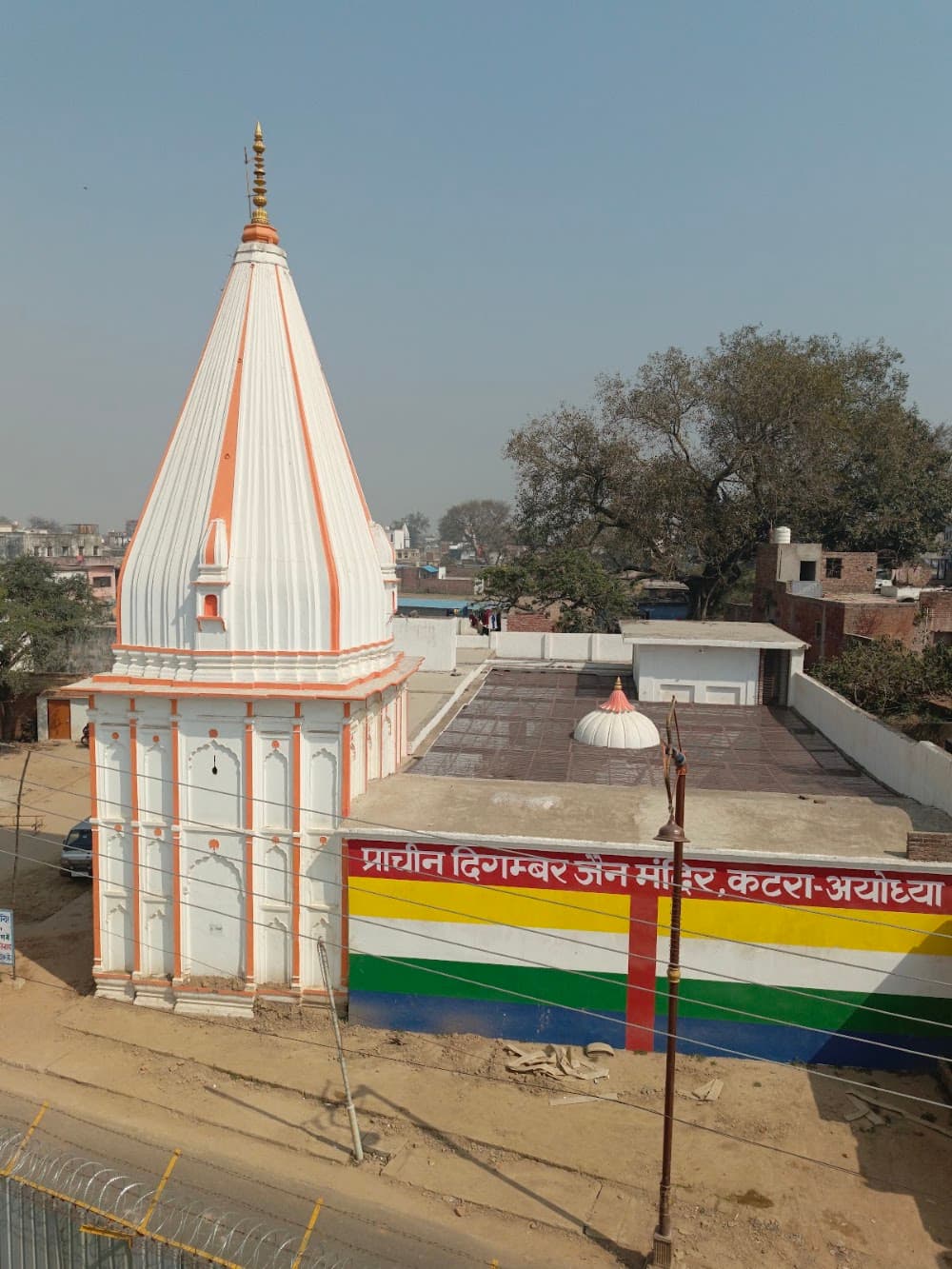
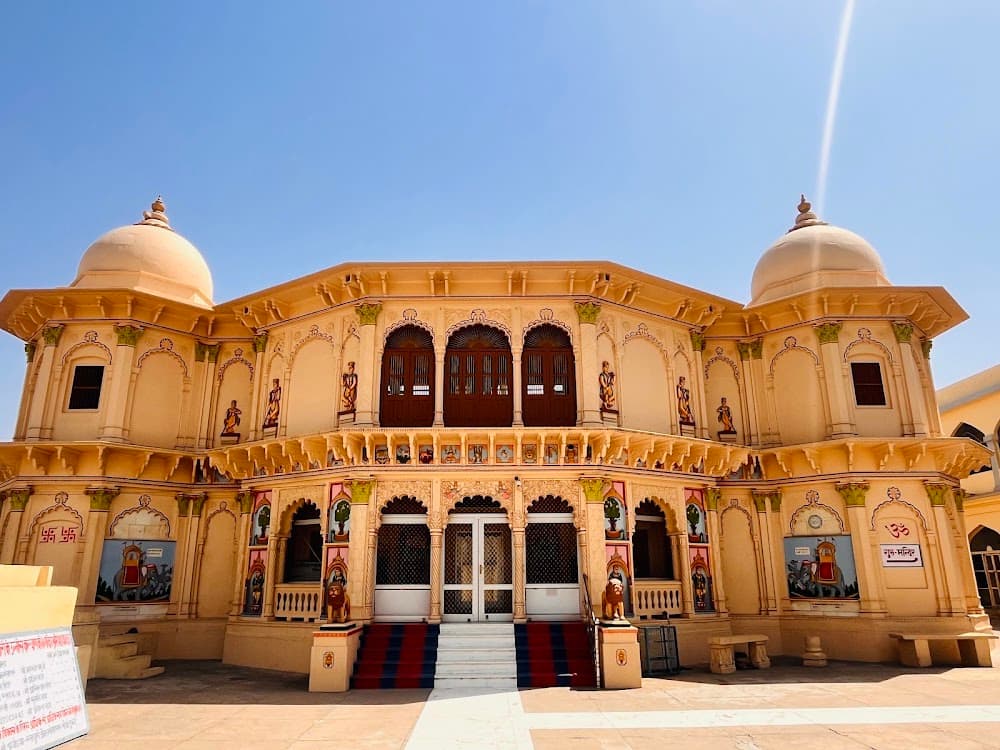
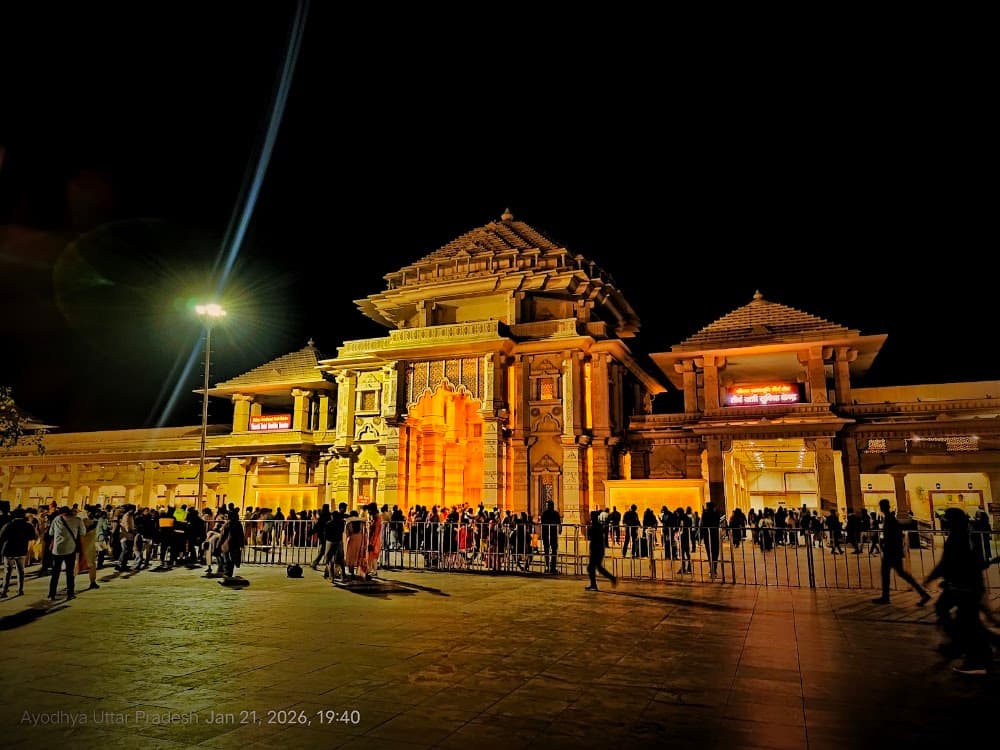
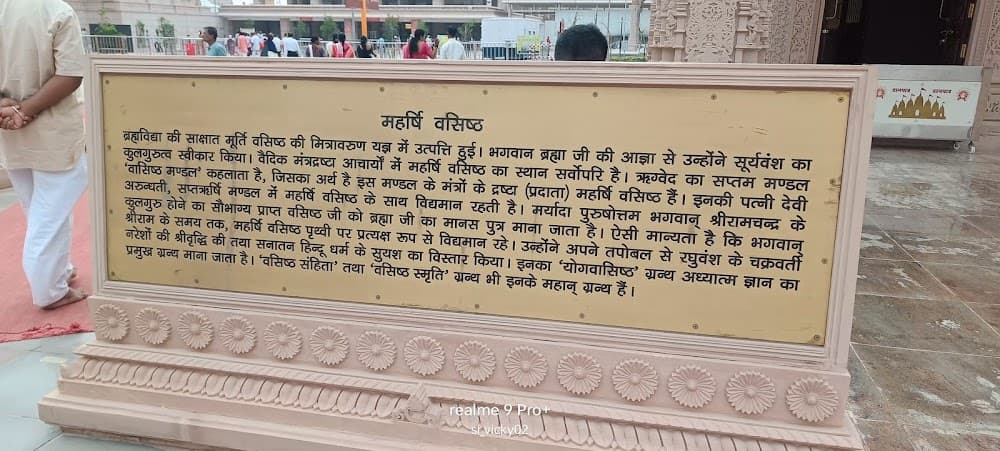
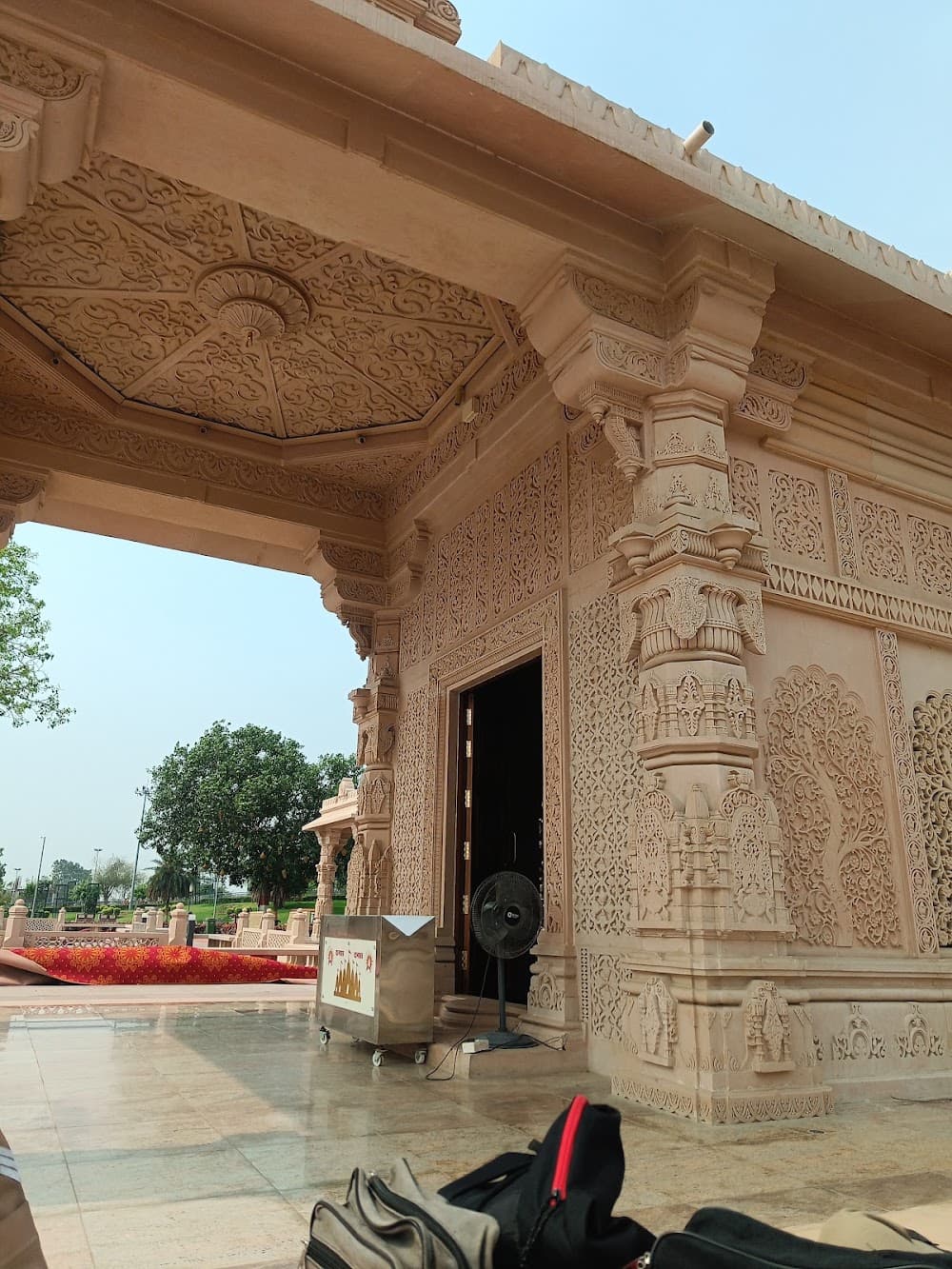
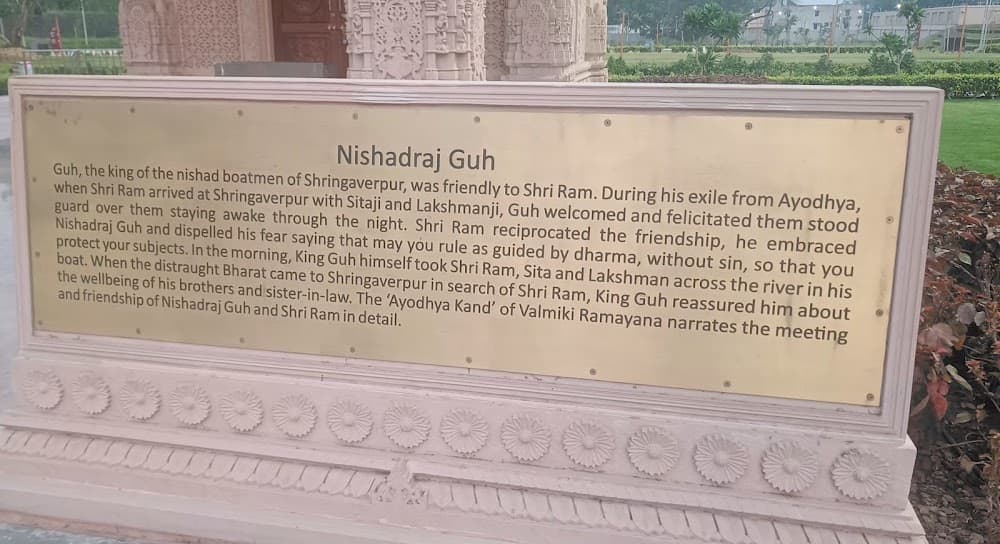
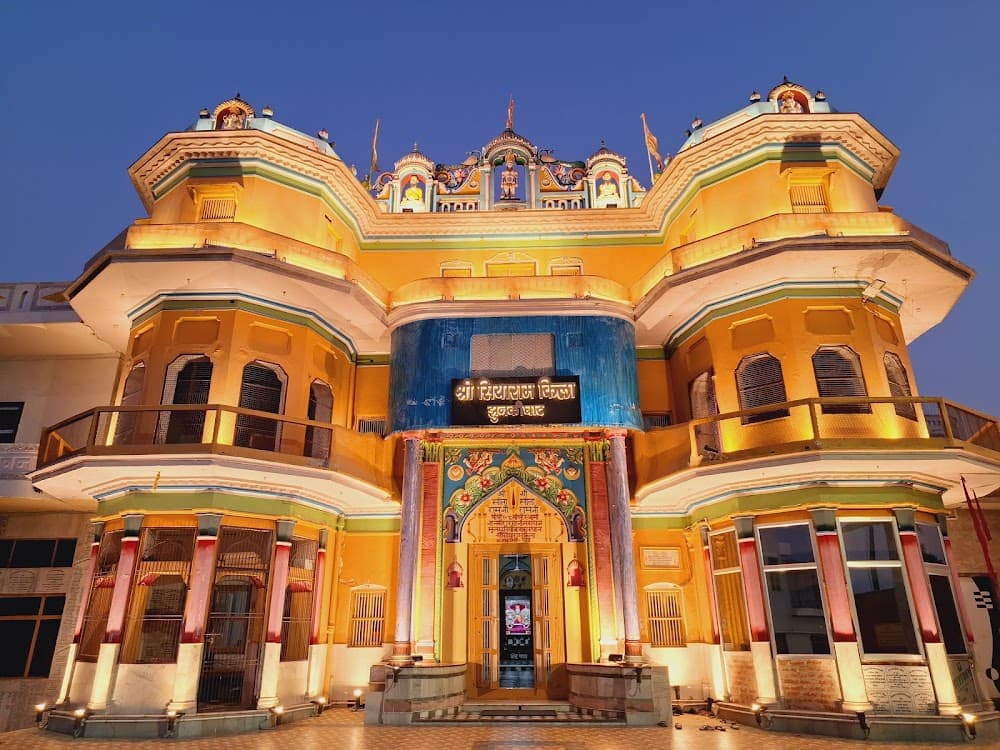
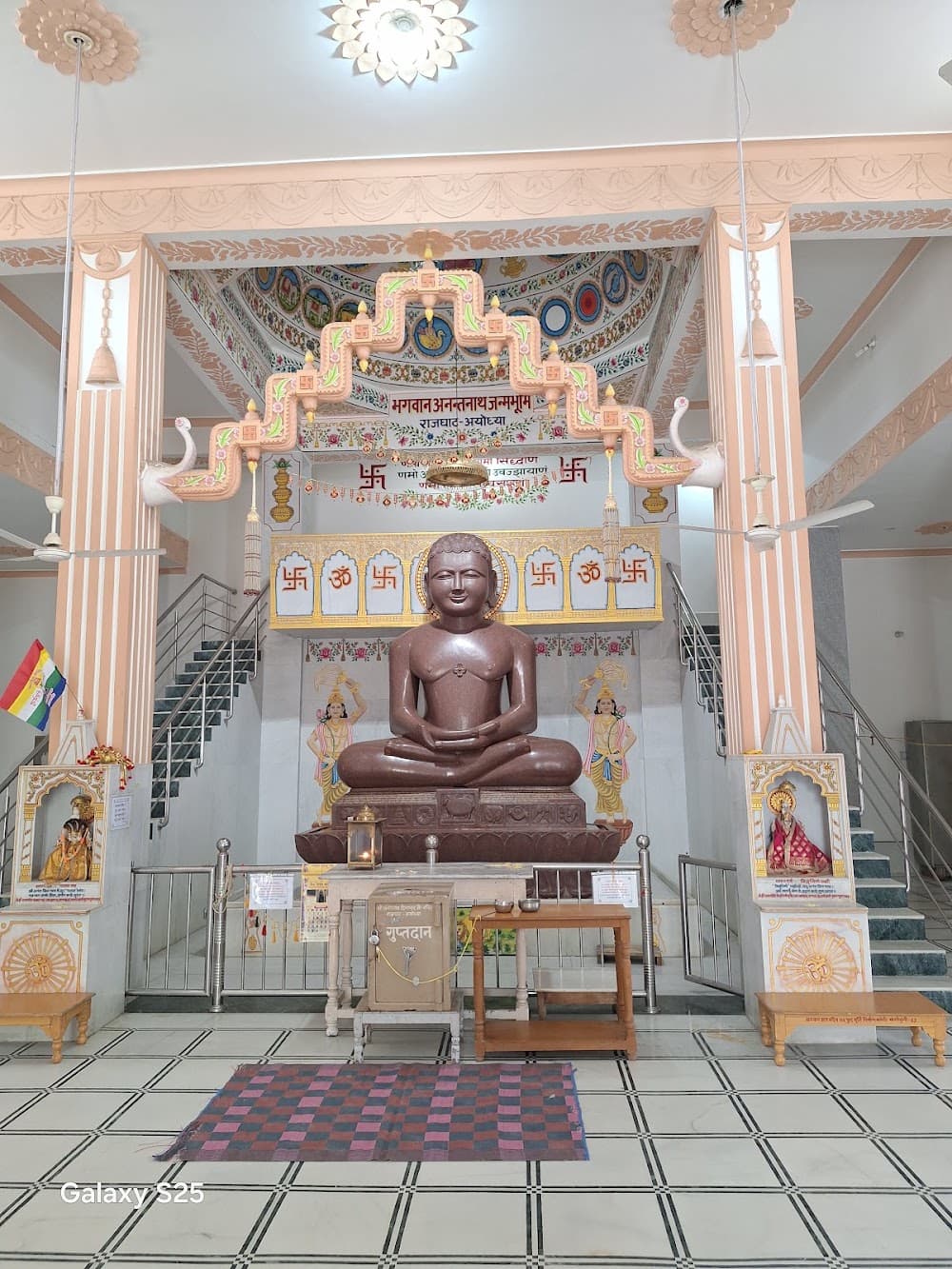
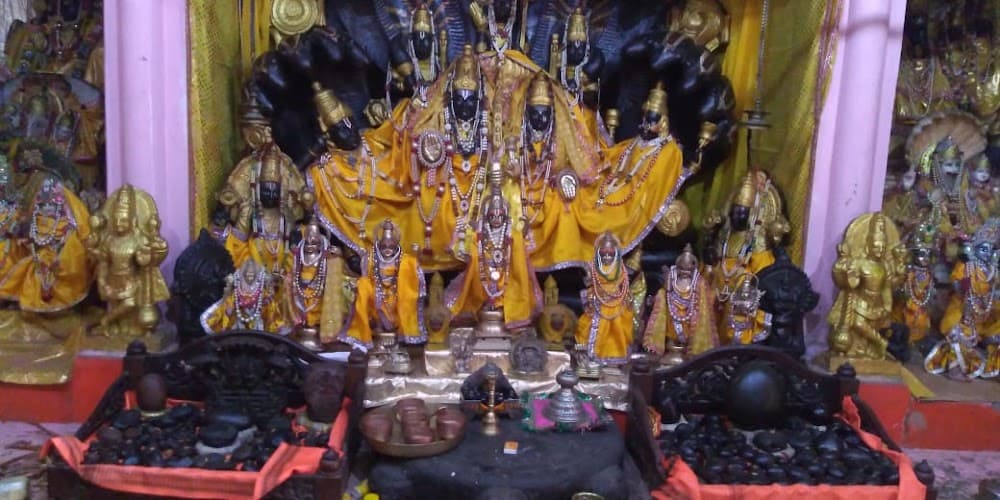
Ayodhya is known for
Why Ayodhya is famous
- •What Ayodhya is: A city on the Sarayu in Uttar Pradesh, held in tradition to be the birthplace of Rama and the capital of the Kosala kingdom. One of the seven Sapta Puri - which your circuits block correctly carries.
- •Your copy names the wrong river: 'Ayodhya is situated in the fertile plains of the Ganges River.' It is on the SARAYU. Every source consulted says so, and the Deepotsav takes place on 55 Sarayu ghats. The Sarayu is also absent from your data.
- •What happened, and when: The Bhumi Pujan took place on 5 August 2020, following the Supreme Court of India's verdict in 2019. The Pran Pratishtha - consecration - was performed on 22 January 2024, reported between 12:15 and 12:45. The temple opened to the public the following day; sources give 23 and 24 January.
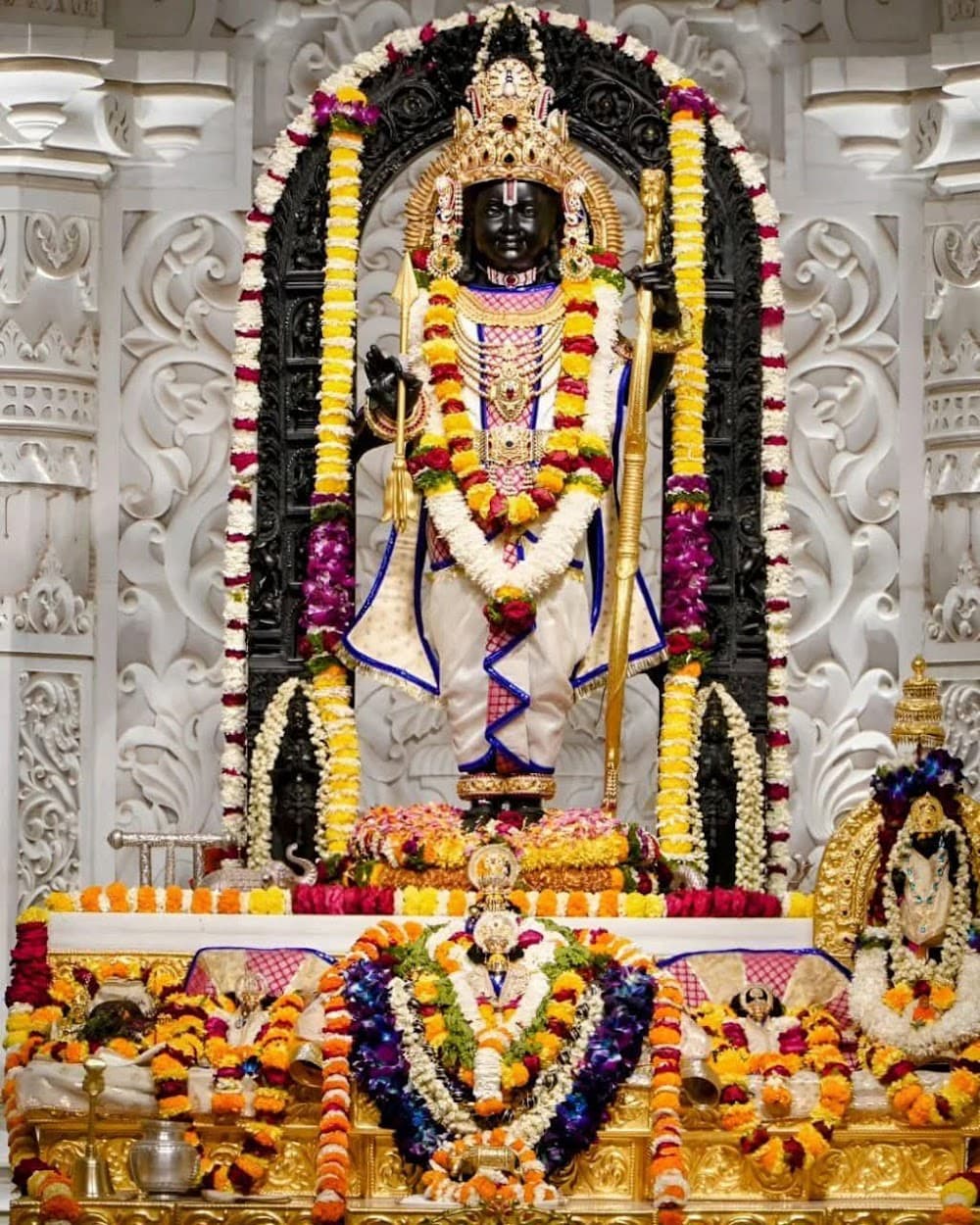
- •What it is: Built in Nagara architectural style in pink sandstone from Bansi Paharpur in Rajasthan, reported as constructed WITHOUT IRON OR STEEL and designed to stand for over 1,000 years. Reported at 2.7 acres and 161 feet tall. The Ram Lalla idol - Rama as a child, described as a five-year-old - is installed in the garbha griha. Managed by the Shri Ram Janmabhoomi Teerth Kshetra trust.
- •Darshan and access: General darshan is FREE. Reported timings are roughly 07:00-11:00 and 14:00-21:00, with a midday break and slightly longer hours on Sundays - VERIFY, as sources vary and timings shift on festival days. A FREE Sugam Darshan e-pass books a specific time slot through the official site srjbtkshetra.org. One source states plainly that there is NO separate paid VIP darshan - worth carrying, because paid 'VIP pass' offerings do circulate.
- •Prohibited items: Phones, smartwatches, cameras, pens, leather items and electronics are reported as prohibited, with free lockers at the entry. The inclusion of pens is the kind of detail no visitor anticipates and which a destination-first product exists to carry.
- •Scale: Reported at over five lakh pilgrims on the first day, with daily footfall since ranging between one and two lakh. One source cites over 135 million visitors by 2026 - treat that figure with caution, but the order of magnitude is not in dispute.
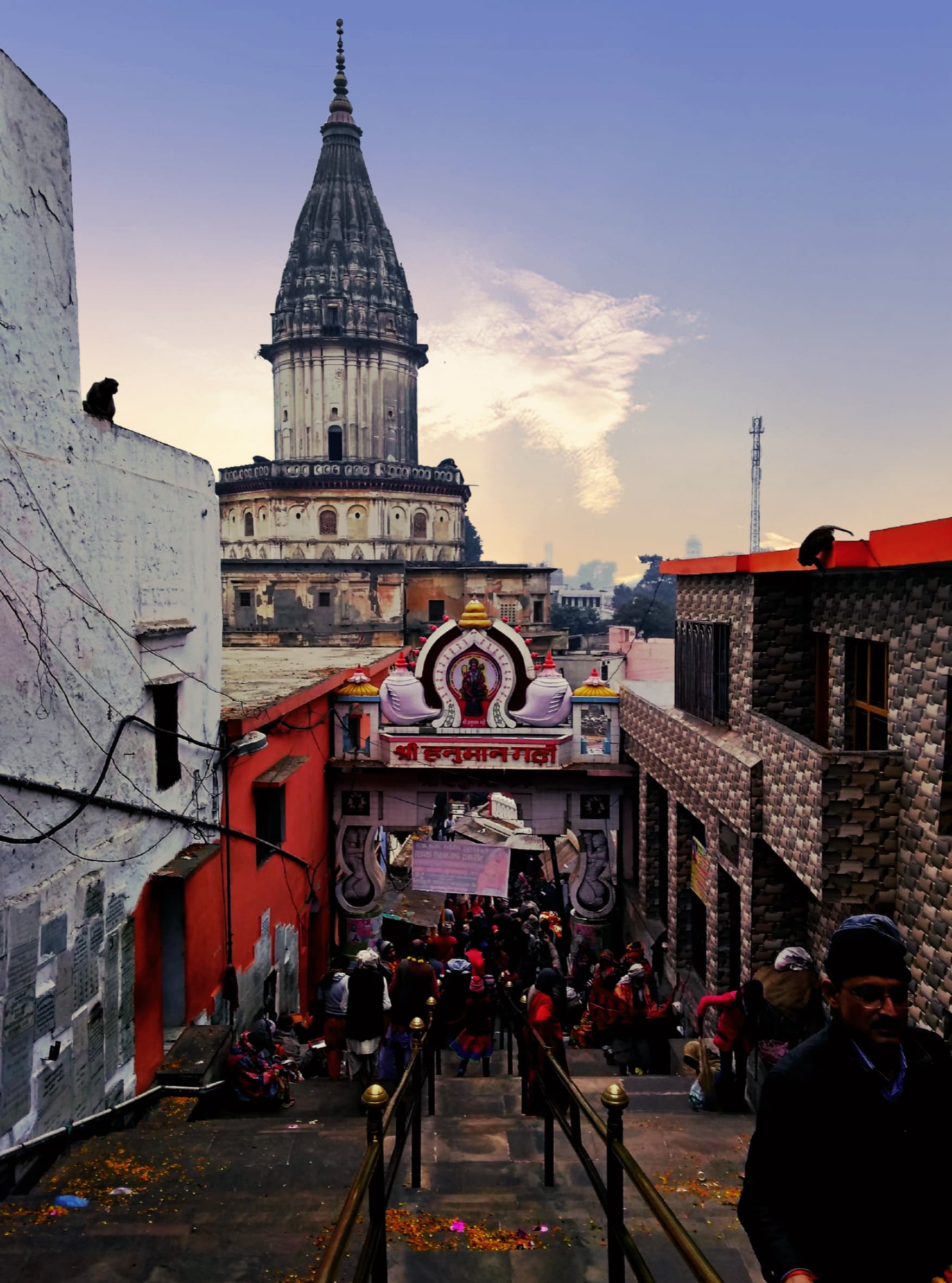
- •The other principal temple: A 10th-century fort-like temple to Hanuman, atop a hill reached by 76 steps. Described as the second-most important darshan in Ayodhya, and visiting it BEFORE the Ram Mandir is traditional. Tuesdays and Saturdays are reported as the busiest days.
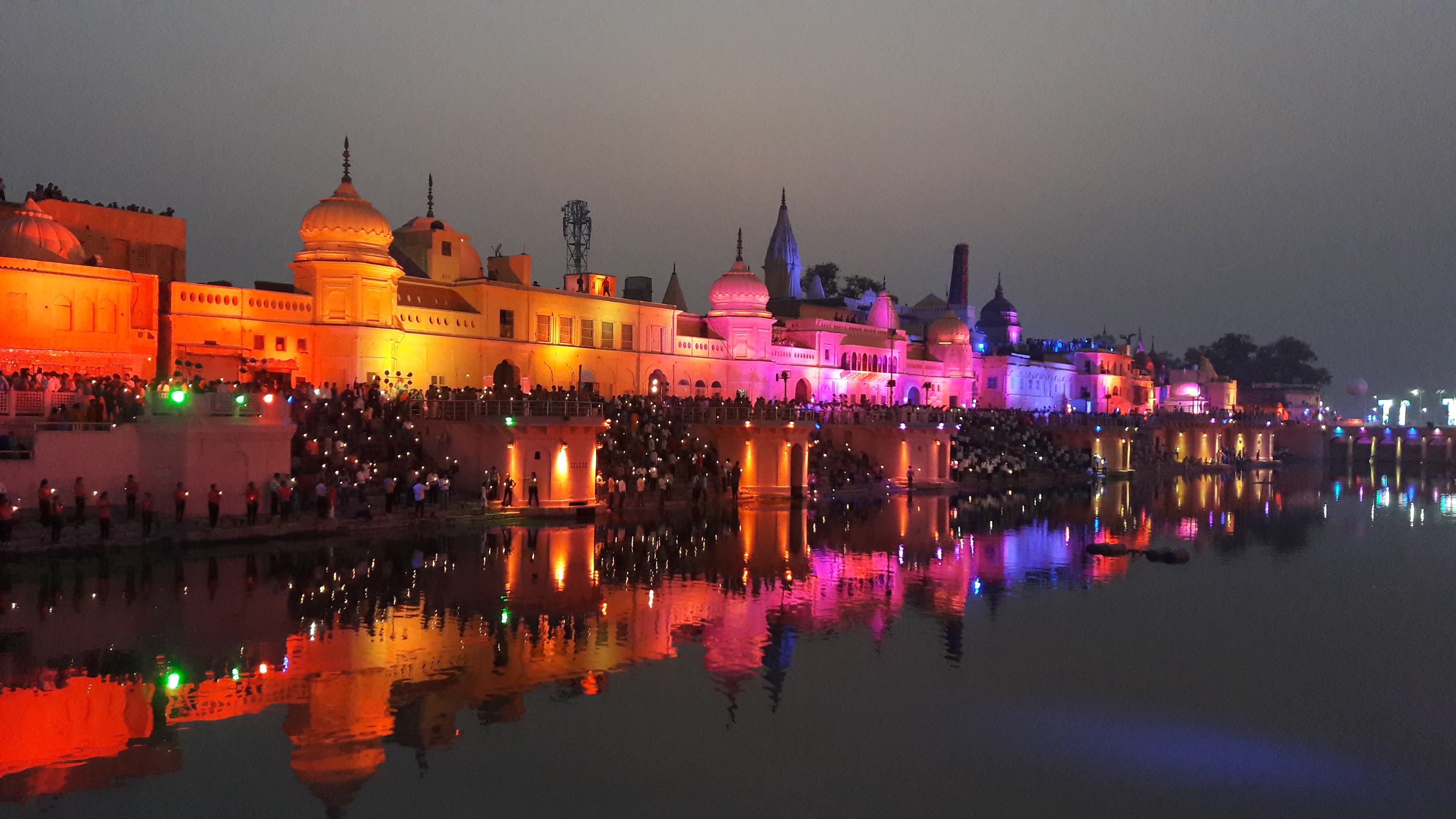
- •What your page calls 'Diwali': A state-organised spectacle on the Sarayu ghats on Diwali eve. In 2024 it set a Guinness World Record with 25,12,585 diyas across 55 ghats, and a second record for 1,121 batuks performing the largest aarti together. It was the eighth consecutive Deepotsav. Free pass registration is reported to exist.
- •A strictly vegetarian city: Sources state that Ayodhya follows a strictly vegetarian food tradition, that the city has no non-vegetarian restaurants, and that its food culture is prasadam-style. YOUR EATERIES BLOCK RECOMMENDS KAKORI KABAB - a Lucknow meat kebab, and Lucknow is your own pack 04 destination.
- •What Ayodhya actually has: The temple-style peda, offered as prasad at the Ram Mandir and Hanuman Garhi, and described as drier and more crumbly than the Mathura peda - which is your pack 24 destination's specialty. One source advises buying from shops near the temple rather than vendors outside the security checkpoints.
- •What is absent: Kanak Bhawan, Nageshwarnath, Ramkot, the Sarayu itself and its ghats. The Chaudah Kosi and Panchkosi parikramas. And the Ram Navami Mela, Ram Lila and Sravan Jhula, which one source lists as the city's festival calendar alongside Deepotsav.
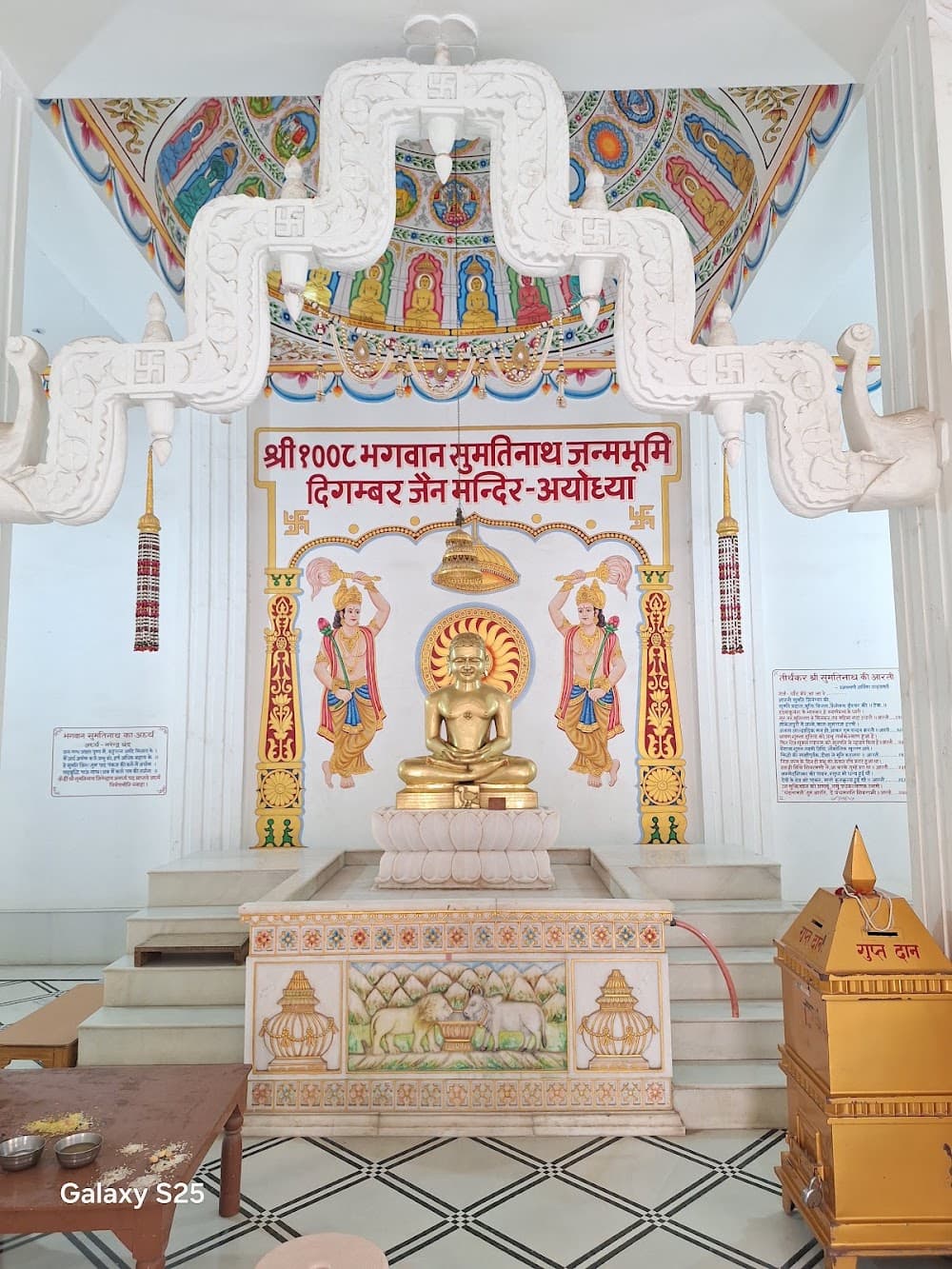
- •Why there are Jain temples here: Your data holds at least three. Ayodhya is traditionally held to be the birthplace of several Jain Tirthankaras - VERIFY the count and names, which I did not source to the standard used elsewhere in this pack. The circuits audit found your Jain Tirtha circuit at 1 of 6, and this may be its strongest missing member.
AI-drafted from general knowledge — may contain mistakes.
Ayodhya at a glance
- ⚠️Two nights is the recommended minimum to cover the Ramayana sites. Leave phones and leather in the free lockers. Book the free Sugam Darshan slot rather than paying anyone for one. Visit Hanuman Garhi first
- ⚠️by custom. And if you are going for Deepotsav
- ⚠️that is a separate event from Diwali with its own pass registration.
History at a glance
- Ancient · EPIC / VEDICAyodhya is the capital of the Kosala kingdom and, in tradition, the birthplace of Rama. One source traces the city through Vedic Ayojjha and Buddhist-era Saketa, the Guptas, the Mughals and into modern India.
- 10th century · MEDIEVALHanuman Garhi is built - a fort-like hilltop temple reached by 76 steps.
- 2019 · MODERNThe Supreme Court of India delivers its verdict on the site.
- 5 August 2020 · MODERNThe Bhumi Pujan marks the commencement of construction.
- 22 January 2024 · MODERNThe Pran Pratishtha is performed, reported between 12:15 and 12:45. The temple opens to the public the following day - sources give 23 and 24 January.
- October 2024 · MODERNAyodhya's eighth consecutive Deepotsav sets a Guinness World Record with 25,12,585 diyas on 55 Sarayu ghats, and a second record for 1,121 batuks performing the largest aarti together.
Best time to visit
Ayodhya's climate is typical of the Indian subcontinent, with hot and dry summers, and mild winters. The monsoon season brings moderate to heavy rainfall from July to September, with the rest of the year being generally dry.
- Deepotsav · anchored to Diwali eve[STATE SPECTACLE - YOUR PAGE CALLS IT 'DIWALI'] A state-organised lamp-lighting. In 2024: 25,12,585 diyas across 55 ghats for a Guinness World Record, plus a second record for 1,121 batuks performing the largest aarti together. The eighth consecutive edition. Free pass registration is reported to exist.
- Ram Navami · anchored to Chaitra Shukla Navami[PRINCIPAL FESTIVAL] Rama's birth. Sources note aarti and darshan timings vary on Ram Navami.
- Sravan Jhula and Ram Lila · anchored to Various[FESTIVALS] Named by one source as part of the city's festival calendar alongside Deepotsav and the Ram Navami Mela.
- 22 January · anchored to Fixed date[COMMEMORATION] The anniversary of the Pran Pratishtha.
- In 12 daysGandhi Jayanti · 2 October
- In 29 daysDurga Ashtami / Maha Navami · 19 October
- In 30 daysDussehra (Vijayadashami) · 20 October
- In 39 daysKarwa Chauth · 29 October
Real dates, not AI-drafted — sourced from the Hindu Panchang, same for every destination.
Weather details and any festival without a stated lunar anchor above are AI-drafted from general knowledge, not independently verified — timing is approximate; double-check before planning around one.
Part of these sacred circuits
Near me
Share your location to see famous places closest to you right now.
Famous places in Ayodhya
Sacred & Spiritual
See all 73 →Heritage & Monuments
Nature & Outdoors
Shops & Restaurants
Places to Stay
Civic & Services
Getting there & around
- Air — Maharishi Valmiki International Airport, Ayodhya Dham, now serves the city. Your transport block lists rail and road only, and adds cycle-rickshaws - now the ninth destination with that template artefact.
What travellers actually paid
Reported by real travellers, not looked up — a real range with a count, never a single guessed number.
Loading…