
Bodh Gaya
Bodhi Tree, monasteries, and sacred scriptures
Soft chanting and rustling prayer flags fill the air
Bodh Gaya is a sacred destination that attracts spiritual seekers and history enthusiasts from around the world. This Indian city is renowned for its profound significance in Buddhist history, where Lord Buddha attained enlightenment under the Bodhi Tree. The air is thick with serenity and contemplation, drawing travelers who seek inner peace and a deeper connection with their faith. As they wander through the city's ancient streets, they're surrounded by the whispers of centuries-old wisdom, the scent of incense, and the gentle rustle of prayer flags. Whether you're a devout Buddhist or simply curious about the world's great spiritual traditions, Bodh Gaya's tranquil atmosphere and rich heritage make it a pilgrimage site that will leave you feeling enlightened and inspired.
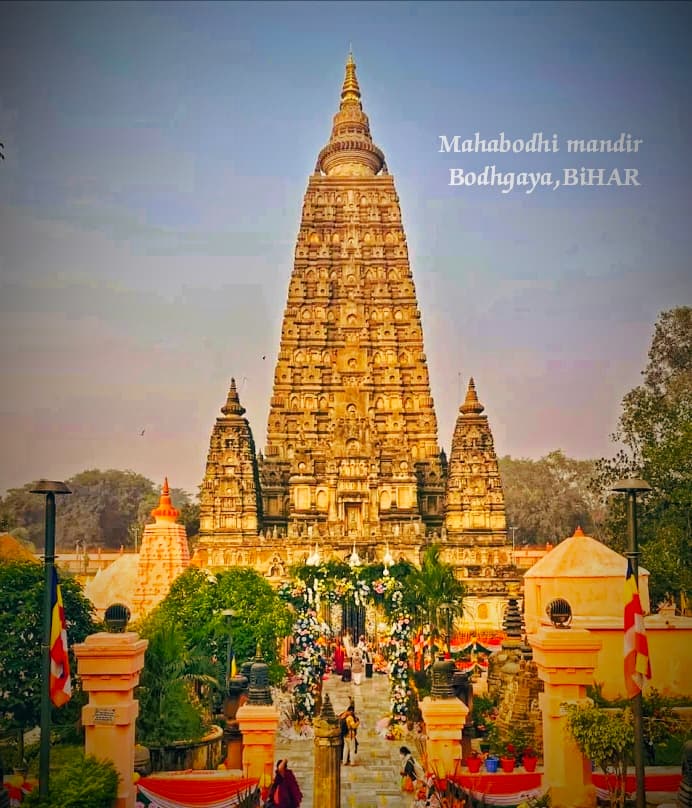
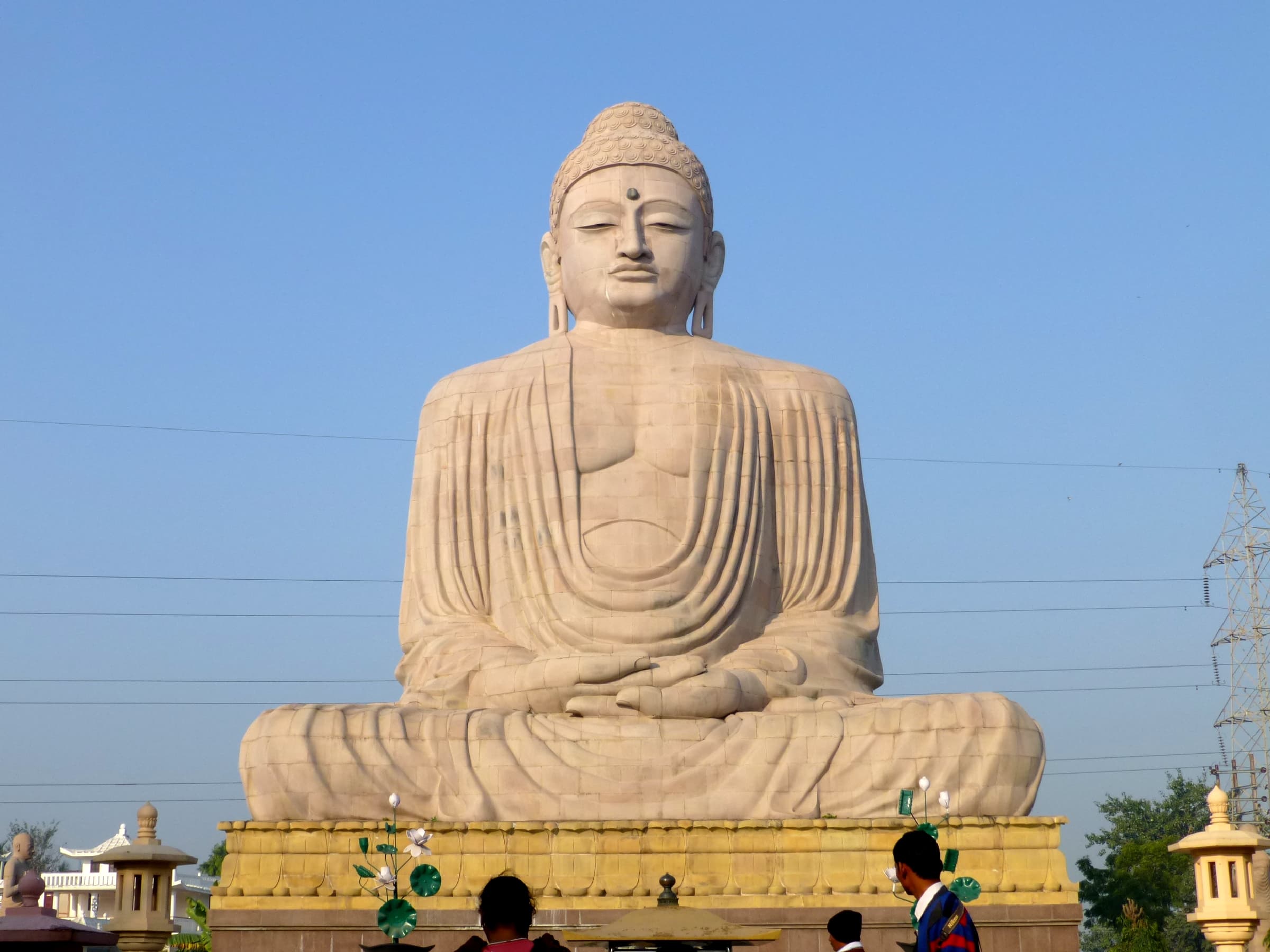
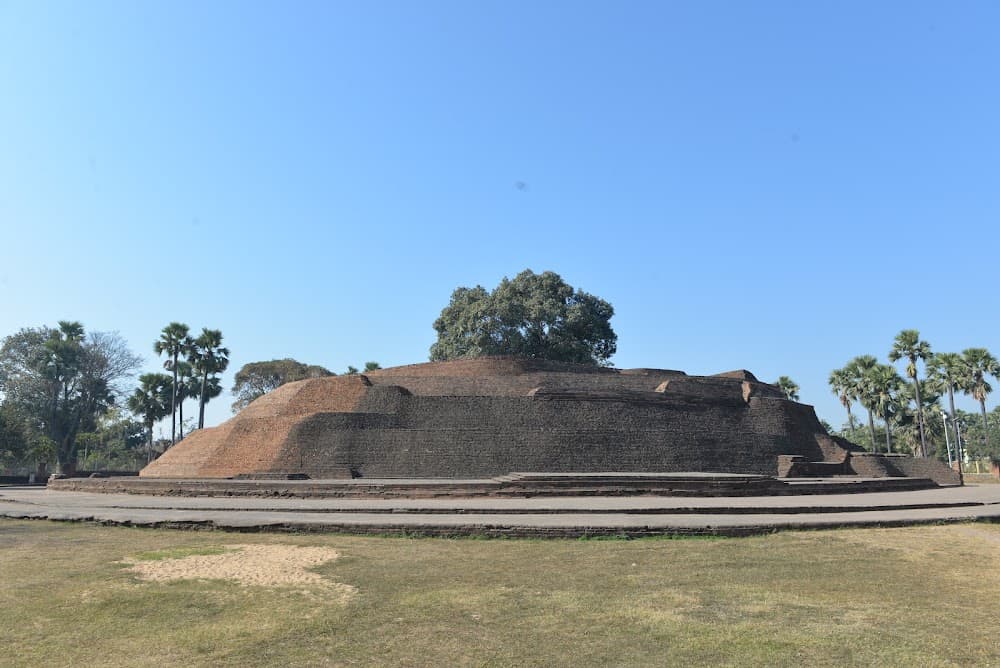


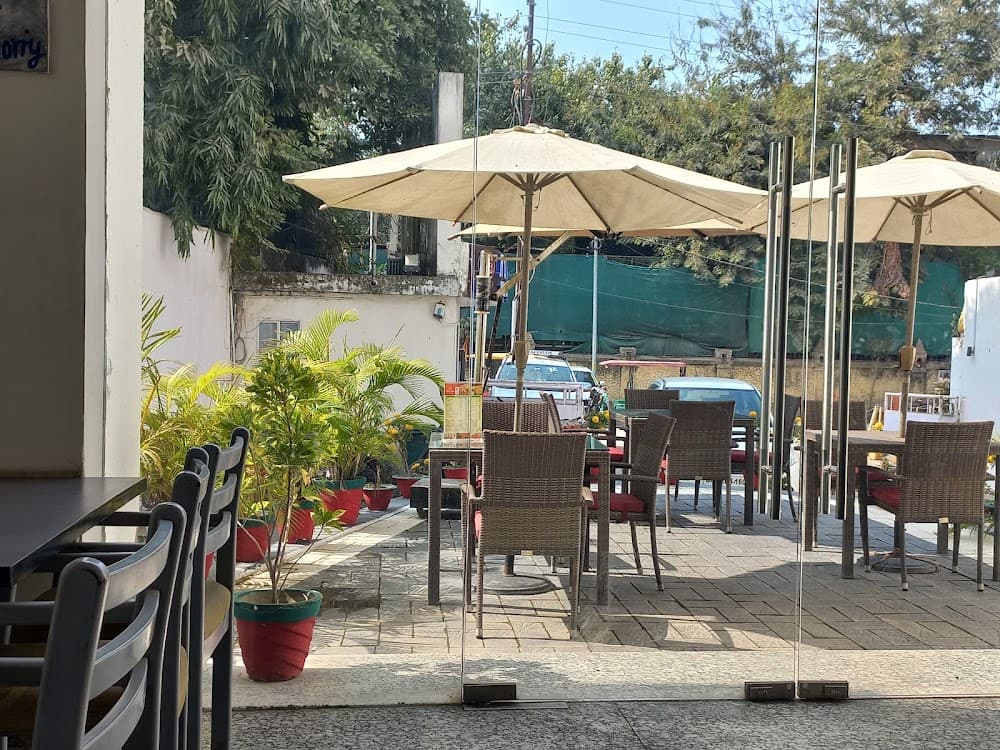
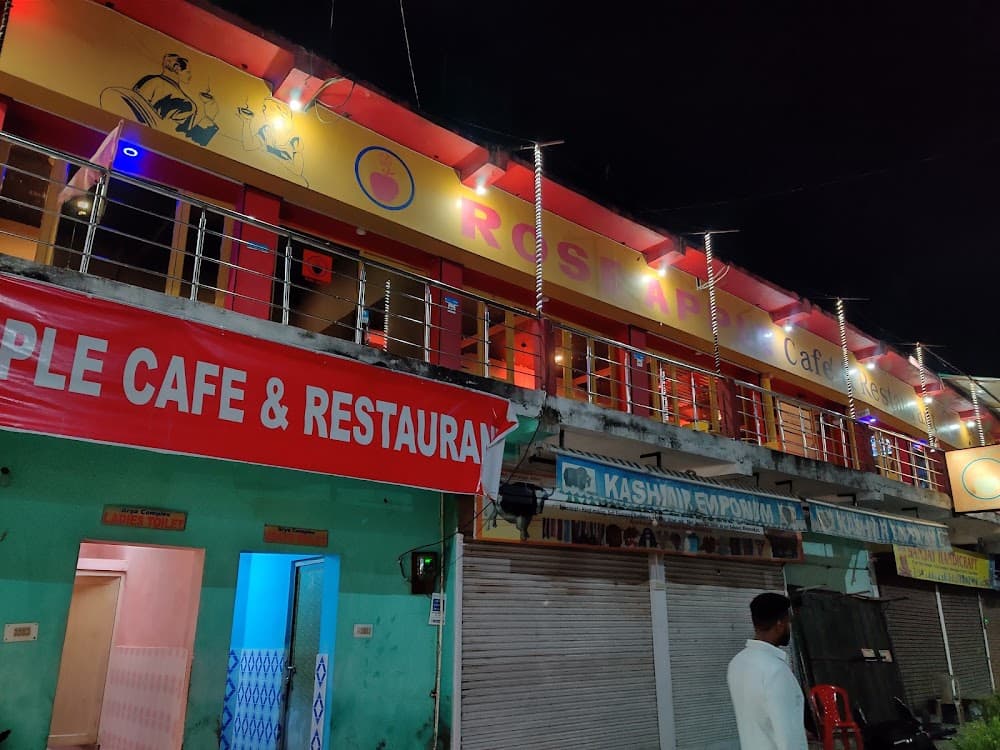
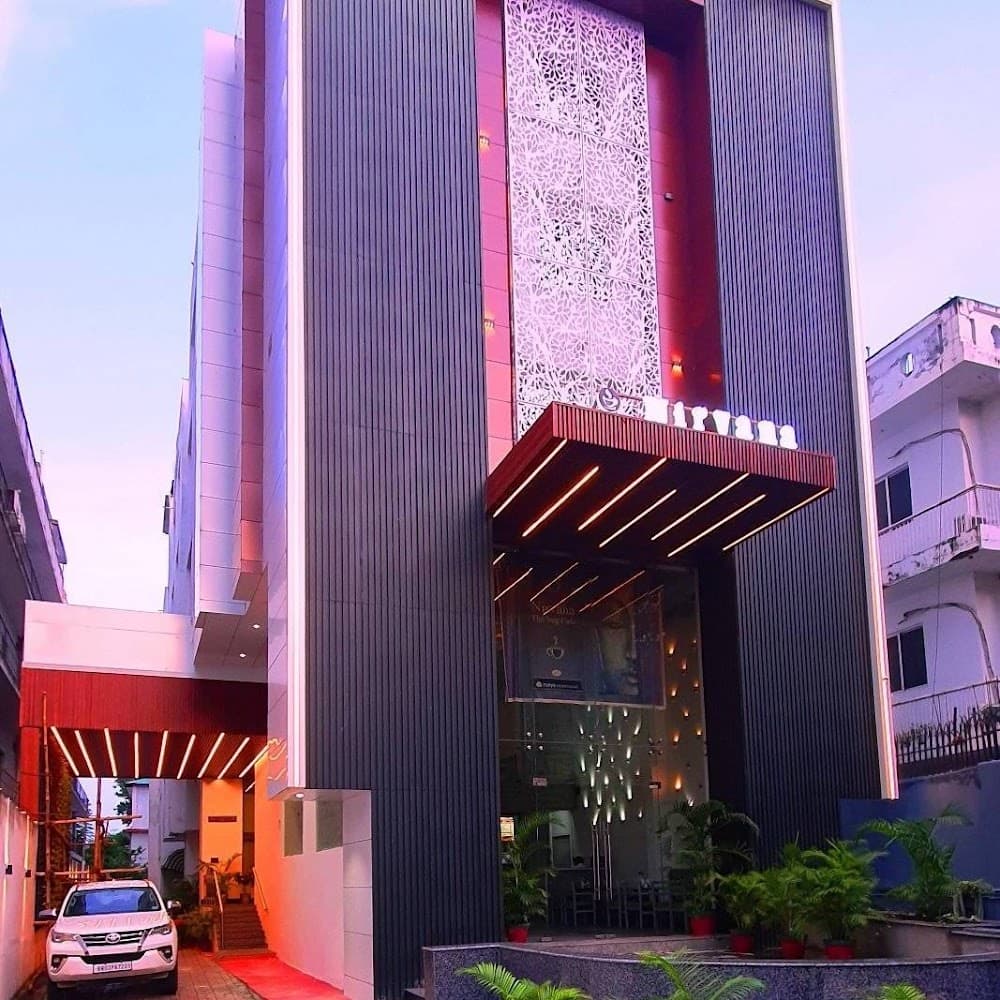
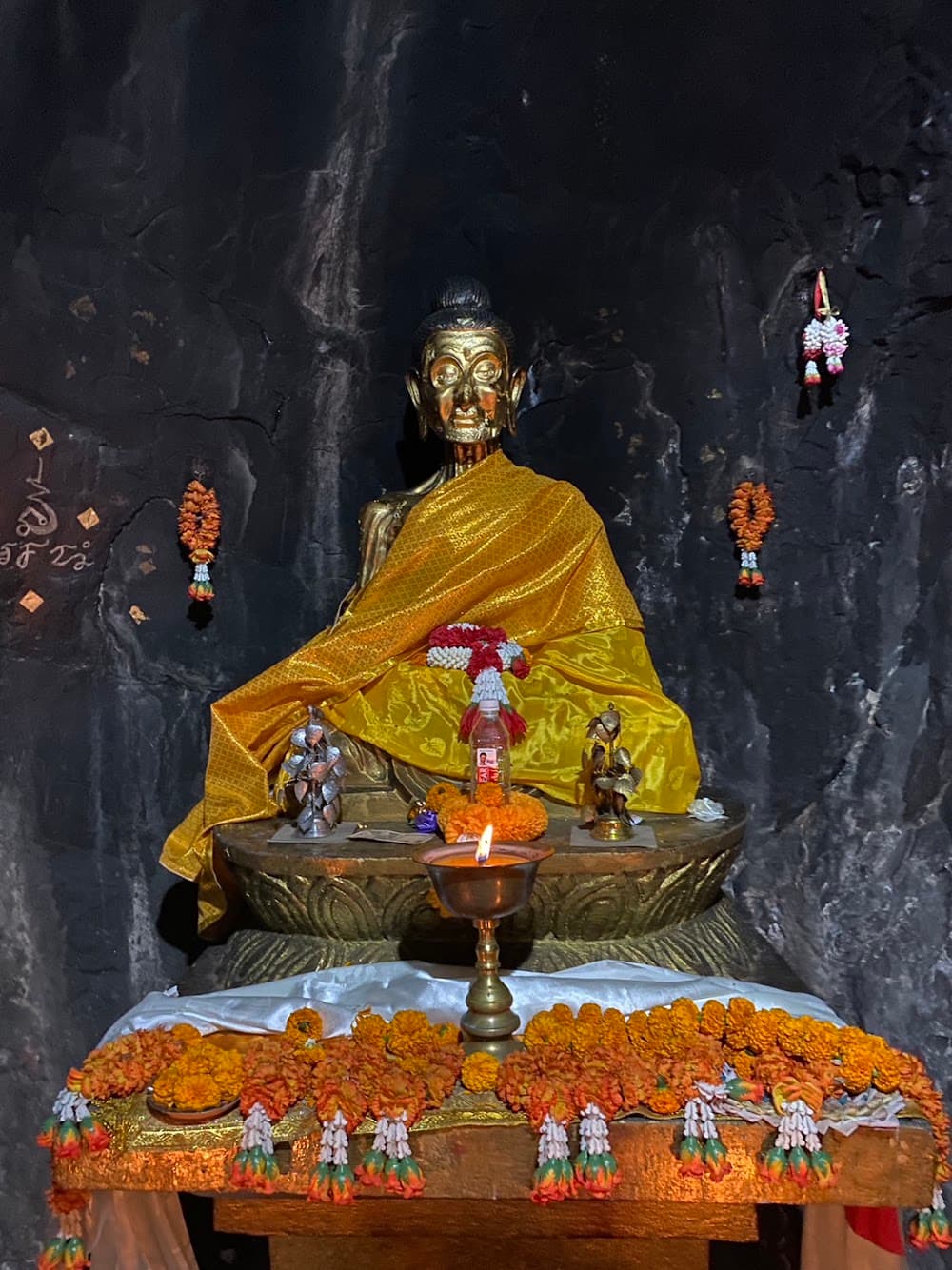
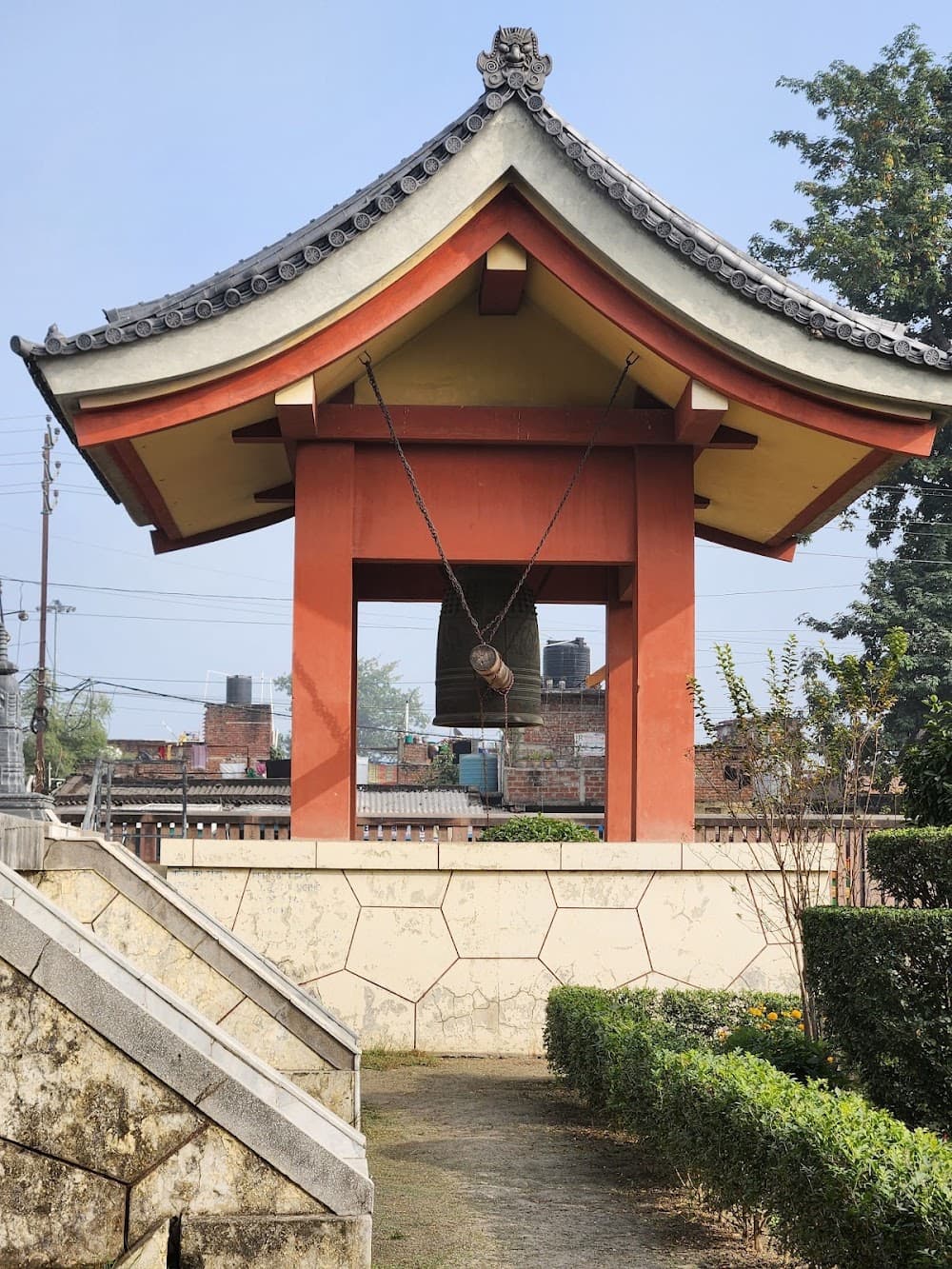
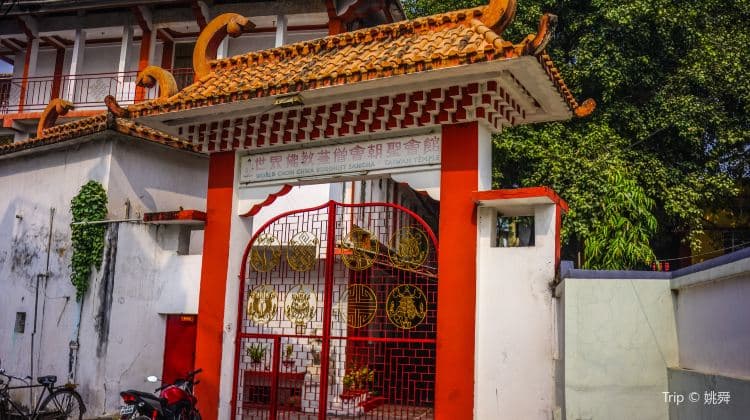
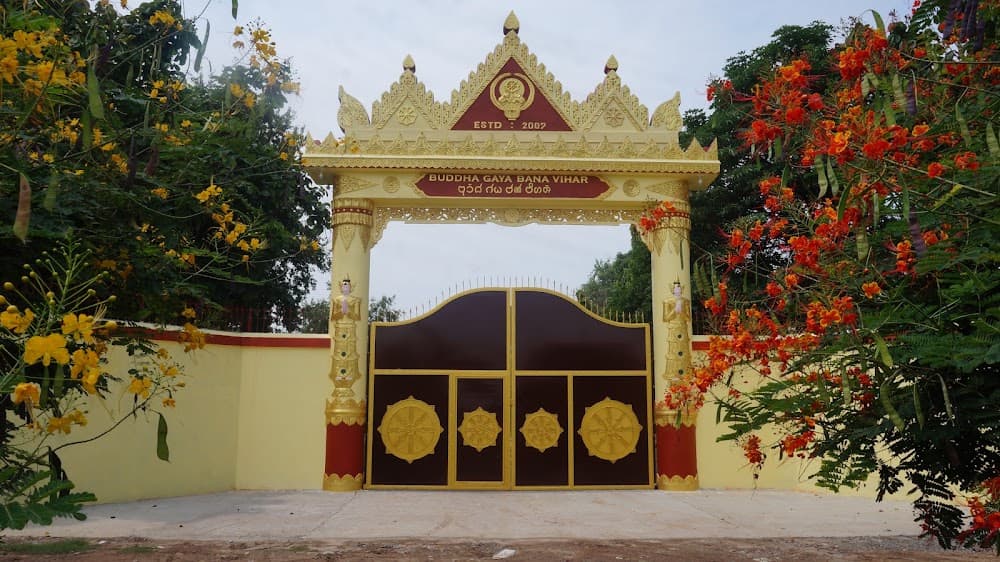
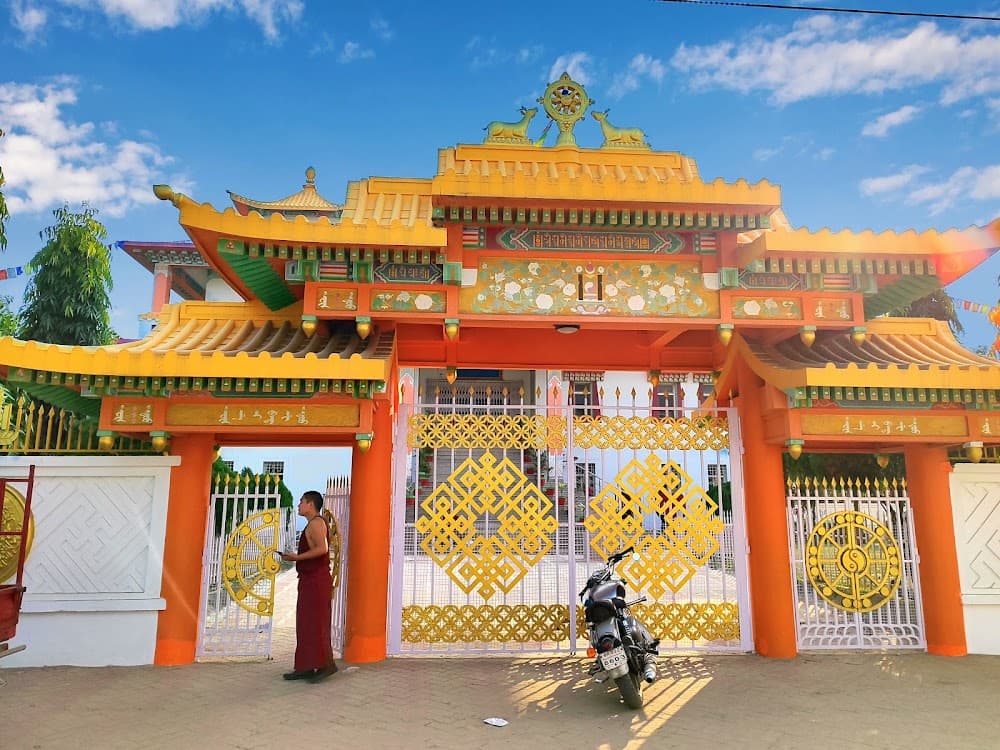
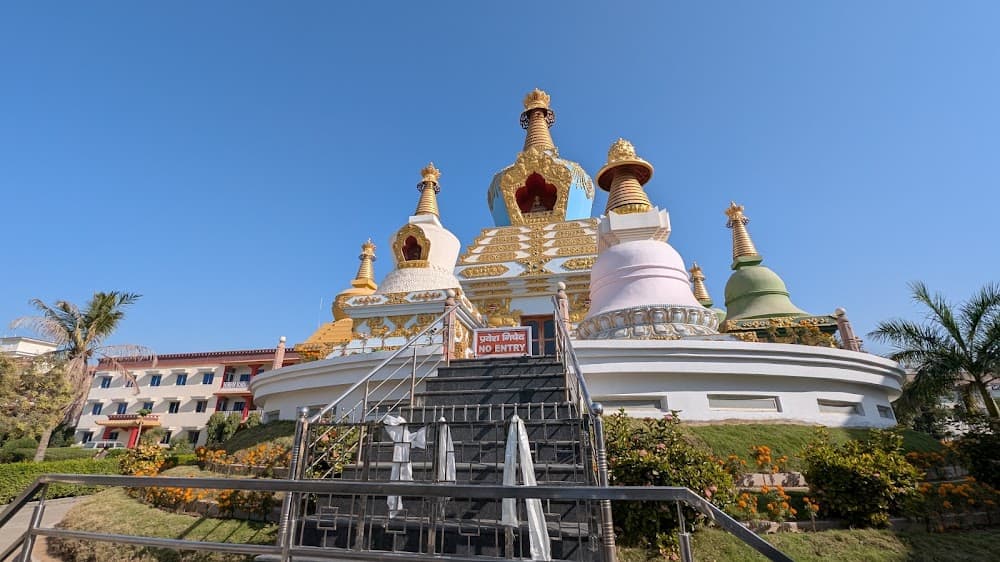
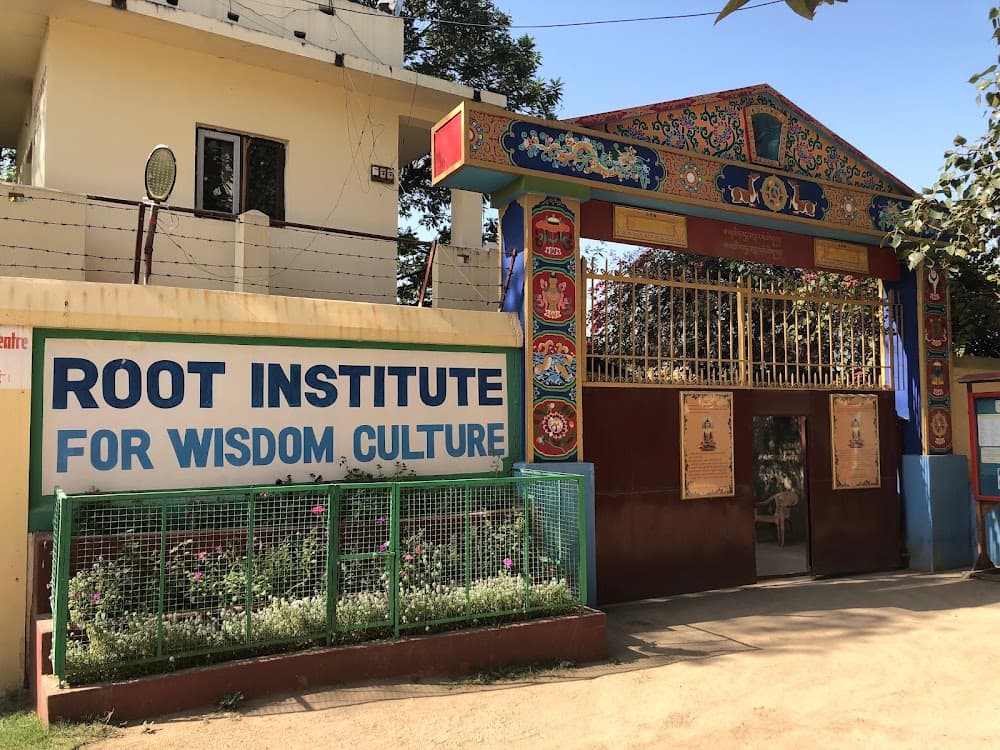
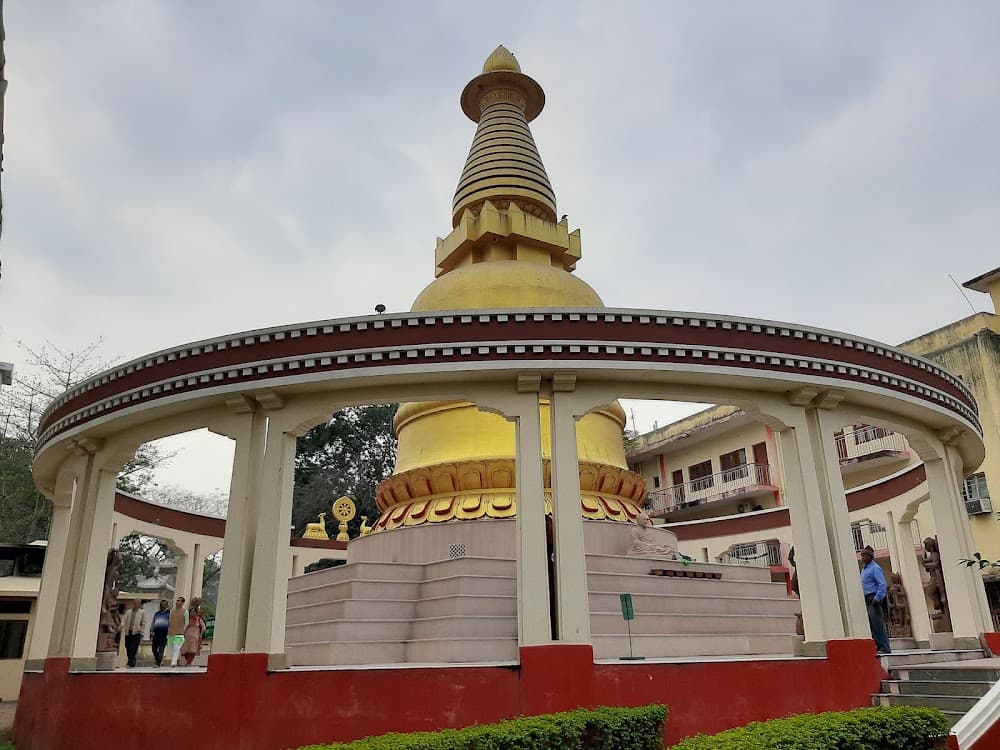
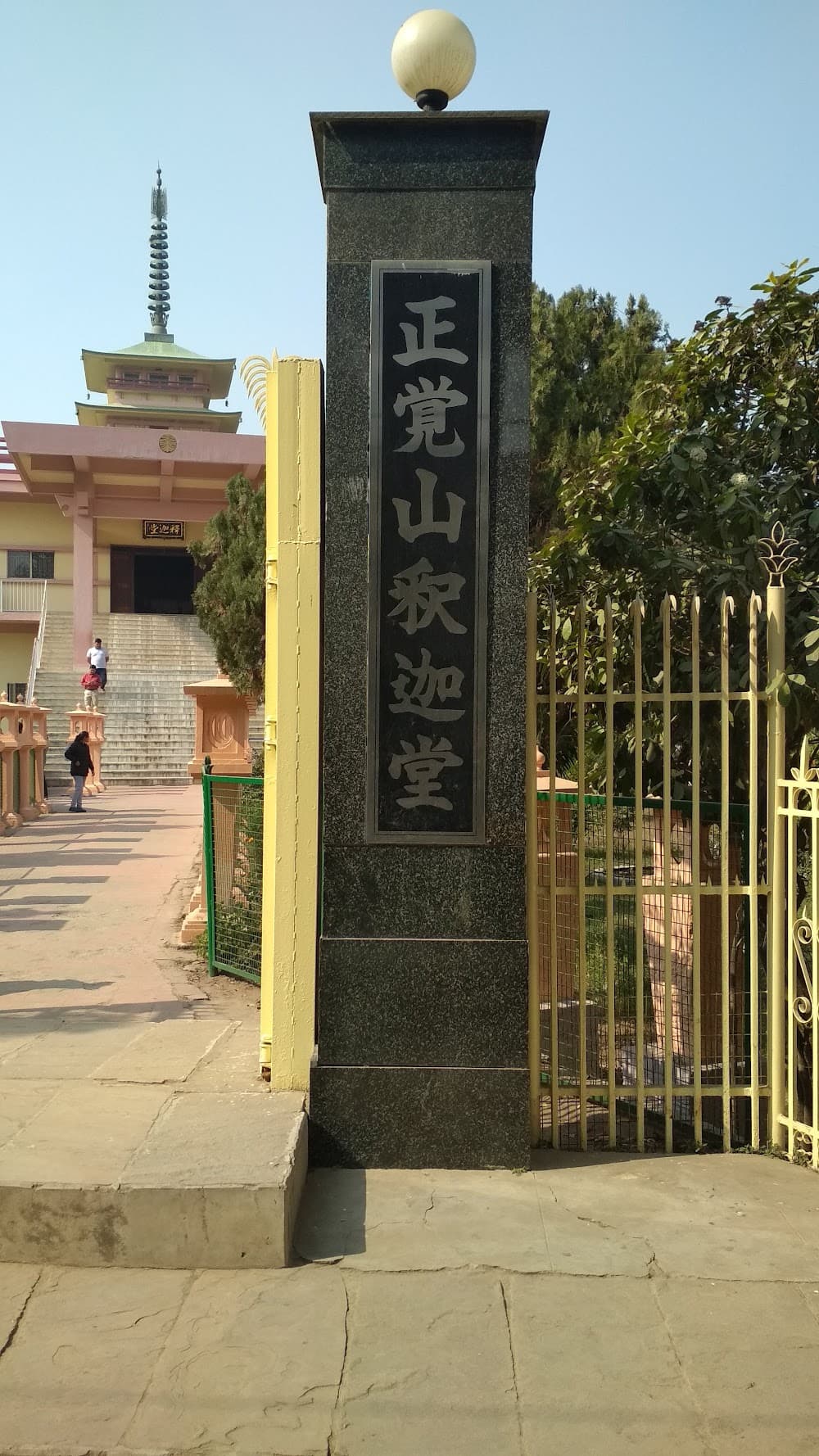
Bodh Gaya is known for
Why Bodh Gaya is famous
- •Bodh Gaya is considered the most sacred Buddhist pilgrimage site in the world, as it is the place where Gautama Buddha attained enlightenment under the Bodhi Tree.
- •The city has a rich history dating back to the 6th century BCE, with archaeological evidence of a Buddhist monastery and temple complex from the 3rd century BCE.
- •Bodh Gaya is a significant cultural hub, with a unique blend of Buddhist, Hindu, and Jain influences evident in its architecture, art, and festivals.
- •The city is situated in the Gaya district of Bihar, India, near the banks of the Falgu River, and is surrounded by the scenic Mahabodhi Hills.
AI-drafted from general knowledge — may contain mistakes.
Bodh Gaya at a glance
- ⚠️Go at dawn if you want the site quiet
- ⚠️it is a working place of practice, not a monument to walk around. December and January are crowded and expensive for reasons that have nothing to do with the weather. And the tree behind the temple is the point - most first-time visitors spend their time on the tower and miss it.
History at a glance
- c. 5th century BCE · BUDDHASiddhartha Gautama attains enlightenment beneath the Bodhi tree after a long meditation.
- 250-233 BCE · MAURYANAshoka establishes the Vajrasana, the Diamond Throne, at the foot of the Bodhi tree.
- 3rd century BCE · MAURYANAshoka visits Bodh Gaya and builds the first temple, together with balustrades and a memorial column. His monastery and shrine have since disappeared.
- 3rd century BCE · MAURYANA branch of the original Bodhi tree is carried to Anuradhapura in Sri Lanka.
- 5th-6th century CE · LATE GUPTAThe present temple is built, entirely in brick, rising about 50 m.
- 1880 · COLONIALThe temple is restored by the British, with Alexander Cunningham recorded as the archaeologist.
- 1949 · MODERNThe Bodh Gaya Temple Act establishes the Bodhgaya Temple Management Committee.
- 2002 · MODERNThe Mahabodhi Temple Complex is inscribed, reference 1056rev, at the 26th session, on criteria (i)(ii)(iii)(iv)(vi).
- February 2011 · MODERNA joint World Heritage Centre, ICOMOS and ICCROM reactive monitoring mission visits the property; the buffer zone is discussed.
Best time to visit
Bodh Gaya's climate is typical of the Indian subcontinent, with hot and dry summers, and mild winters. The monsoon season brings heavy rainfall from July to September, with the rest of the year being relatively dry.
- Buddha Jayanti · May/JuneCelebrates the birth of Lord Buddha, draws large crowds of Buddhists and spiritual seekers.
- Vesak · May/JuneMarks the birth, enlightenment, and passing of Lord Buddha, a significant event for Buddhists.
- Karmapa's Cham Dance · October/NovemberA sacred dance performed by the Karmapa Lama, a revered Buddhist leader, attracts devotees and spiritual enthusiasts.
- In 12 daysGandhi Jayanti · 2 October
- In 29 daysDurga Ashtami / Maha Navami · 19 October
- In 30 daysDussehra (Vijayadashami) · 20 October
- In 39 daysKarwa Chauth · 29 October
Real dates, not AI-drafted — sourced from the Hindu Panchang, same for every destination.
Weather details and any festival without a stated lunar anchor above are AI-drafted from general knowledge, not independently verified — timing is approximate; double-check before planning around one.
Part of these sacred circuits
Near me
Share your location to see famous places closest to you right now.
Famous places in Bodh Gaya
Sacred & Spiritual
See all 112 →Heritage & Monuments
See all 9 →Nature & Outdoors
Shops & Restaurants
Places to Stay
Getting there & around
- Rail — Connected by rail to major nearby cities like Patna and Gaya.
- Road — Well-connected by national highways to major cities like Patna and Varanasi.
- Auto-rickshaw — Auto-rickshaws are the common way to get around short distances.
- Cycle-rickshaw — Cycle-rickshaws are also available for short distances.
What travellers actually paid
Reported by real travellers, not looked up — a real range with a count, never a single guessed number.
Loading…
Local markets for shopping
Sourced from city research where available, otherwise AI-drafted from general knowledge — double-check specifics before relying on it.
Famous eateries & specialties
Sourced from city research where available, otherwise AI-drafted from general knowledge — double-check specifics before relying on it.