
Chitrakoot
Temples, sadhus, and sacred rivers
Soft chanting and gentle breeze envelop the crowded ghats
Chitrakoot is a sacred destination that draws spiritual seekers and pilgrims from far and wide. Nestled in the heart of Uttar Pradesh, this city is a treasure trove of ancient temples, shrines, and ashrams that radiate an aura of serenity and peace. The city's unique energy is said to be imbued with the divine presence of Lord Ram, making it a magnet for devotees and those seeking solace in the midst of a chaotic world. As you wander through the city's winding streets and lush green surroundings, you can't help but feel a deep sense of connection to the divine, making Chitrakoot a haven for those on a journey of self-discovery and spiritual growth.
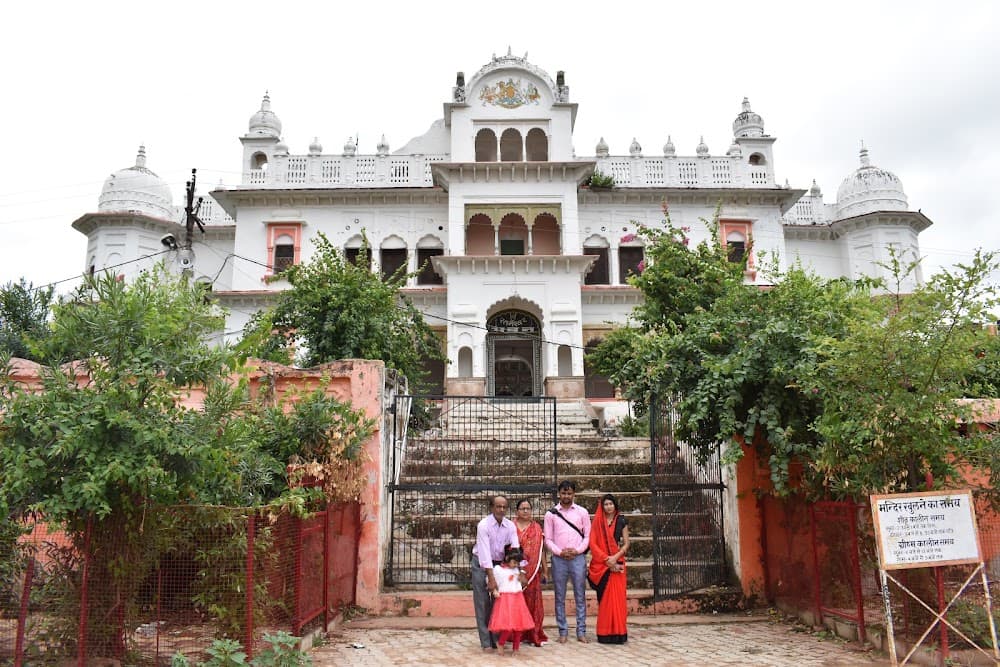
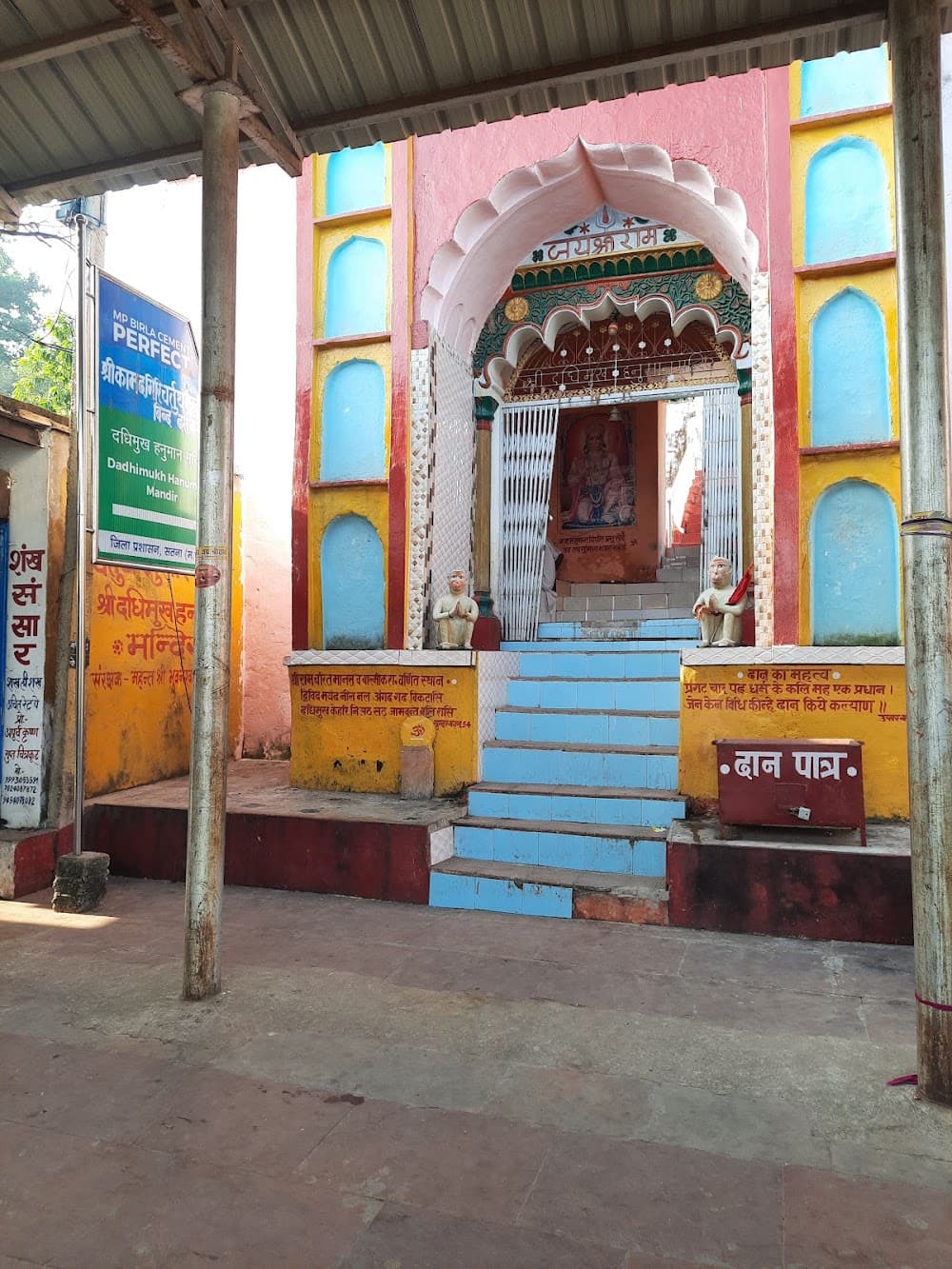
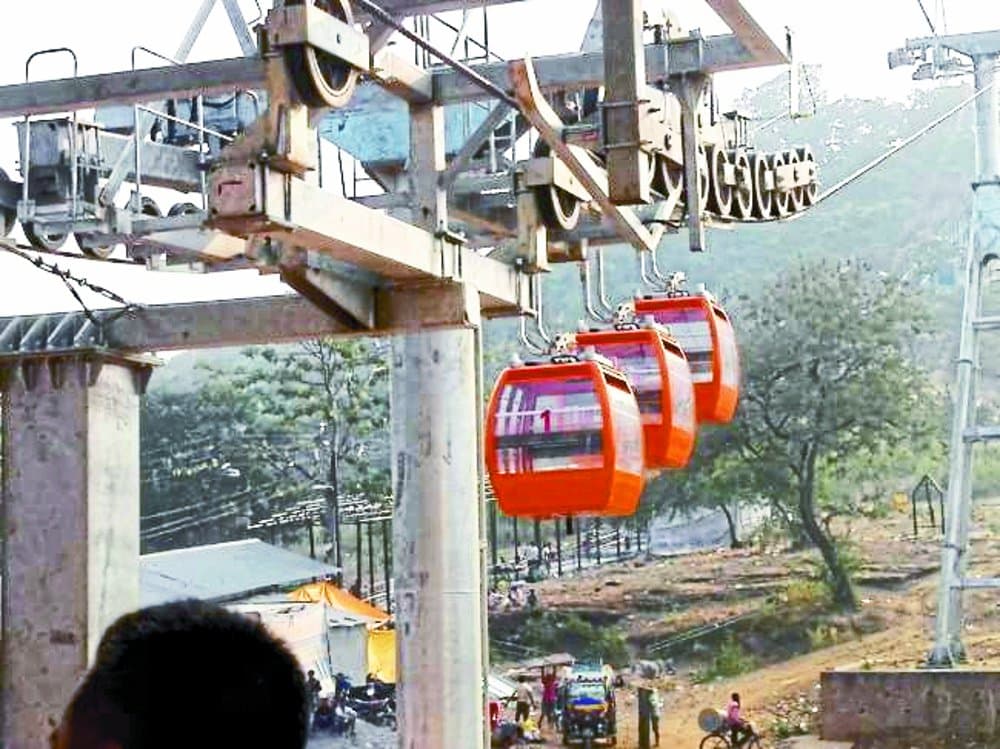
Chitrakoot is known for
Why Chitrakoot is famous
- •Where Chitrakoot actually is: It straddles the Uttar Pradesh-Madhya Pradesh border, on the banks of the Mandakini, in the foothills of the Vindhya range. Your breadcrumb says Uttar Pradesh; Wikipedia's article is titled 'Chitrakoot, Madhya Pradesh' and places it in Satna district with a 2011 population of 23,316. Both are partly right.
- •Correcting your own copy: 'The place where Lord Rama spent 14 years of his exile.' Sources say Chitrakoot is where he spent the LONGEST part - one gives nearly 11 and a half years of the fourteen. The distinction matters, because it is exactly what makes Chitrakoot's claim stronger than other Ramayana sites.
- •What the name means: One source glosses Chitrakoot as the 'Hill of Many Wonders'. VERIFY the etymology before publishing - I did not source it beyond that one mention.
- •The prime attraction: The district administration's own site calls the parikrama of Kamadgiri the prime attraction of a Chitrakoot visit. A forested hill held to be where Rama, Sita and Lakshmana lived during exile, and by tradition to absorb the sins of those who walk around it.
- •The parikrama: About 5 km, paved and flat, taking 1.5 to 2 hours at a comfortable pace, traditionally walked BAREFOOT as a mark of humility. Shaded by ancient trees; pilgrims, sadhus and monkeys along the way. One source advises starting by 08:00 before the sun gets strong.
- •It crosses a state line: The district site says the route touches sites in both Uttar Pradesh and Madhya Pradesh. One source notes no permit is required but the boundary crossing is worth knowing for navigation.
- •Who can do it, and how: One source reports e-rickshaws permitted on outer-ring road sections only, with the inner parikrama strictly on foot, and palki or helper services available informally for elderly and mobility-limited pilgrims - describing them as a local informal arrangement rather than a fixed facility. Shoe storage is available near temple entrances.
- •What is on the route: The district site names four major temple complexes, then lists five: Prachin Mukharvind, Bharat Milap, Dwitiya Mukharvind, Choupada Mandir and Baraha ke Hanuman Ji - plus numerous others including Sakshi Gopal, Lakshmi Narayan, Vijayi Hanuman Ji and Shri Ram Charan Paduka. Carry the count discrepancy rather than resolving it.
- •The spiritual centre: The main ghat on the Mandakini - one source calls the river Payaswini-Mandakini - where Rama is held to have bathed daily during the exile. The evening aarti at sunset is described by one source as the real magic of the place. A Shiva temple, Matyagayendranath Swami, stands on the ghat where Rama is said to have installed a Shivling; a Yagyavedi sits above it.
- •The Tulsidas connection: A well-known couplet ties Tulsidas to this ghat - that on the ghats of Chitrakoot the saints gathered, and Tulsidas ground sandalwood while Raghubir applied the tilak. VERIFY the attribution and wording before publishing; I have not reproduced it.
- •What else is absent: Gupt Godavari, reported about 19 km - caves with natural springs that you pass through in knee-deep water. Hanuman Dhara, a hilltop shrine where water flows continuously over the Hanuman idol, reached by a climb. Sati Anusuya Ashram on the Mandakini, where Sita is held to have received teachings. Bharat Milap Temple, marking where Bharat came to ask Rama to return. Sphatik Shila and Bharat Koop.
- •October to March, and why: Your page says October to March, which sources agree with. What is missing is the reason: one source reports the monsoon from July to September brings the Mandakini up, making ghats and boating risky, with flooding, mosquitoes and waterlogging.
- •How long: One source says the main spots - Ramghat and Kamadgiri - can be rushed in a day, but recommends two days to include Sati Anusuya and Gupt Godavari.
AI-drafted from general knowledge — may contain mistakes.
Chitrakoot at a glance
- ⚠️Sources warn of a significant monkey population around Kamadgiri and Hanuman Dhara - do not carry open food, secure spectacles and cameras. One source also flags scheming guides and touts, and pollution during peak seasons. Modest dress is advised
- ⚠️shoulders and knees covered.
History at a glance
- Ramayana · EPICRama, Sita and Lakshmana spend the longest part of the exile at Chitrakoot - one source gives nearly 11 and a half of the fourteen years. Valmiki is said to have asked Rama to stay here on his journey from Prayag.
- Ramayana · EPICBharat walks from Ayodhya to ask Rama to return. Rama refuses but gives him his wooden sandals to place on the throne. The Bharat Milap temple marks the spot.
- Ramayana · EPICSita receives teachings from Anusuya at the ashram of Maharishi Atri, on the Mandakini.
- Traditional · MEDIEVALTulsidas is associated with the ghats of Chitrakoot through a well-known couplet.
- 2011 · MODERNPopulation recorded as 23,316 for the Madhya Pradesh nagar panchayat in Satna district.
Best time to visit
Chitrakoot's climate is typical of the Indian subcontinent, with hot and dry summers, and a mild winter. The monsoon season brings moderate to heavy rainfall from July to September, with the rest of the year being relatively dry.
- The daily evening aarti at Ramghat · anchored to SunsetDescribed by one source as the real magic of Chitrakoot. Another says mornings begin with aarti at Ramghat and days are spent walking the parikrama.
- Amavasya and Somvati Amavasya · anchored to New moon; new moon falling on a MondayNew-moon bathing and parikrama days, traditionally the heaviest at Chitrakoot.
- 'Ram Katha - Chaitra month' · anchored to Your page says Chaitra monthA Ram Katha is a recitation format rather than a fixed annual festival - they are held at many places and times.
- 'Hanuman Jayanti - Chaitra month' · anchored to Chaitra PurnimaHanuman's birth.
- Maha Shivaratri · anchored to Phalguna Krishna ChaturdashiThe principal Shaiva festival.
- In 12 daysGandhi Jayanti · 2 October
- In 29 daysDurga Ashtami / Maha Navami · 19 October
- In 30 daysDussehra (Vijayadashami) · 20 October
- In 39 daysKarwa Chauth · 29 October
Real dates, not AI-drafted — sourced from the Hindu Panchang, same for every destination.
Weather details and any festival without a stated lunar anchor above are AI-drafted from general knowledge, not independently verified — timing is approximate; double-check before planning around one.
Near me
Share your location to see famous places closest to you right now.
Famous places in Chitrakoot
Sacred & Spiritual
Heritage & Monuments
Nature & Outdoors
Civic & Services
Getting there & around
- Rail — Karwi is the nearest railway station and one source says it is effectively the town itself. NH 76 serves it. There is NO direct flight connectivity - the options given are Prayagraj or Khajuraho then a taxi. Your transport block says only 'connected by rail to major nearby cities' and 'accessible by road'.
What travellers actually paid
Reported by real travellers, not looked up — a real range with a count, never a single guessed number.
Loading…