
Delhi
Minarets, forts, and intricate Mughal ceramics
Echoes of chanting and hawkers' cacophony fill the air
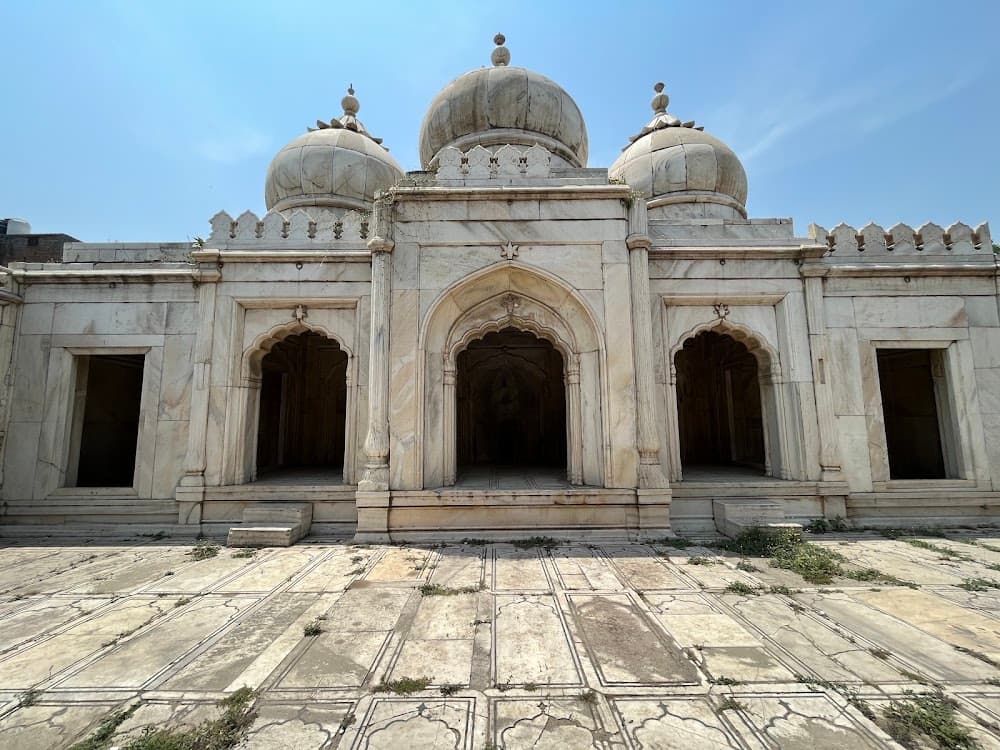
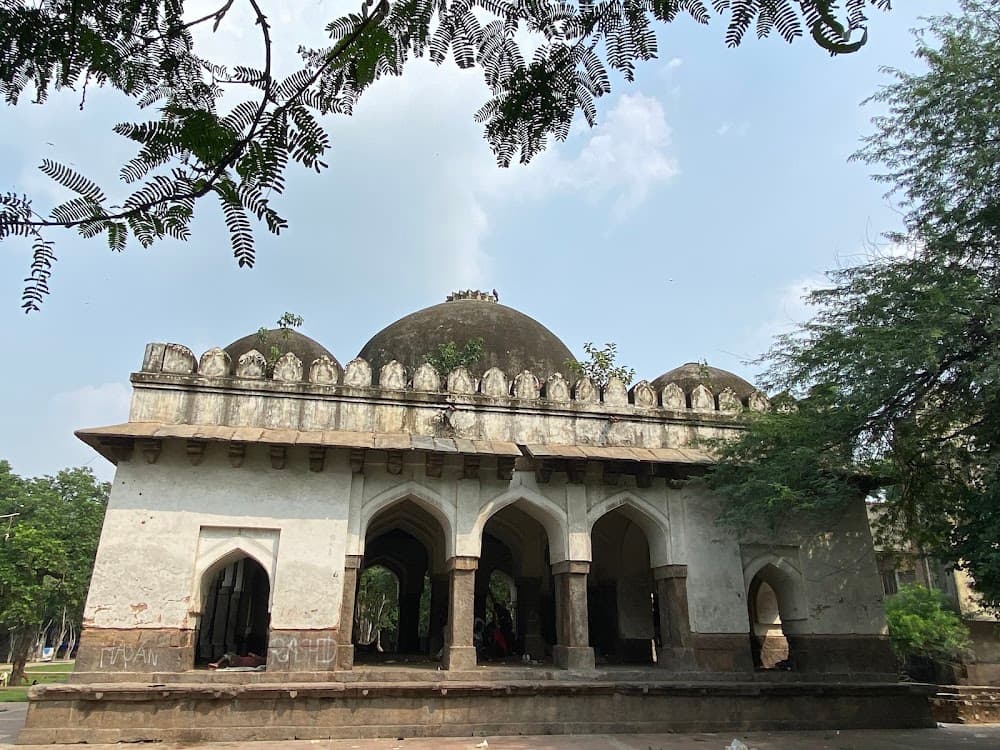
Delhi, a city steeped in rich heritage, is a magnet for travelers seeking to unravel the threads of India's storied past. This vibrant metropolis is a treasure trove of history, where ancient monuments and bustling streets converge to create an unforgettable experience. From the majestic forts and crumbling mosques to the vibrant bazaars and bustling markets, Delhi is a city that effortlessly blends the old with the new. History buffs, culture enthusiasts, and adventure seekers alike are drawn to Delhi's unique blend of tradition and modernity, making it an ideal destination for those looking to immerse themselves in the country's fascinating heritage.
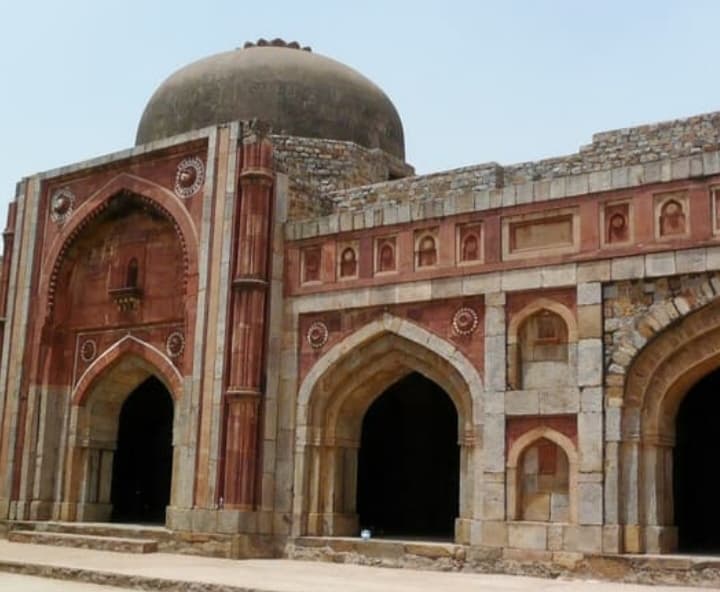
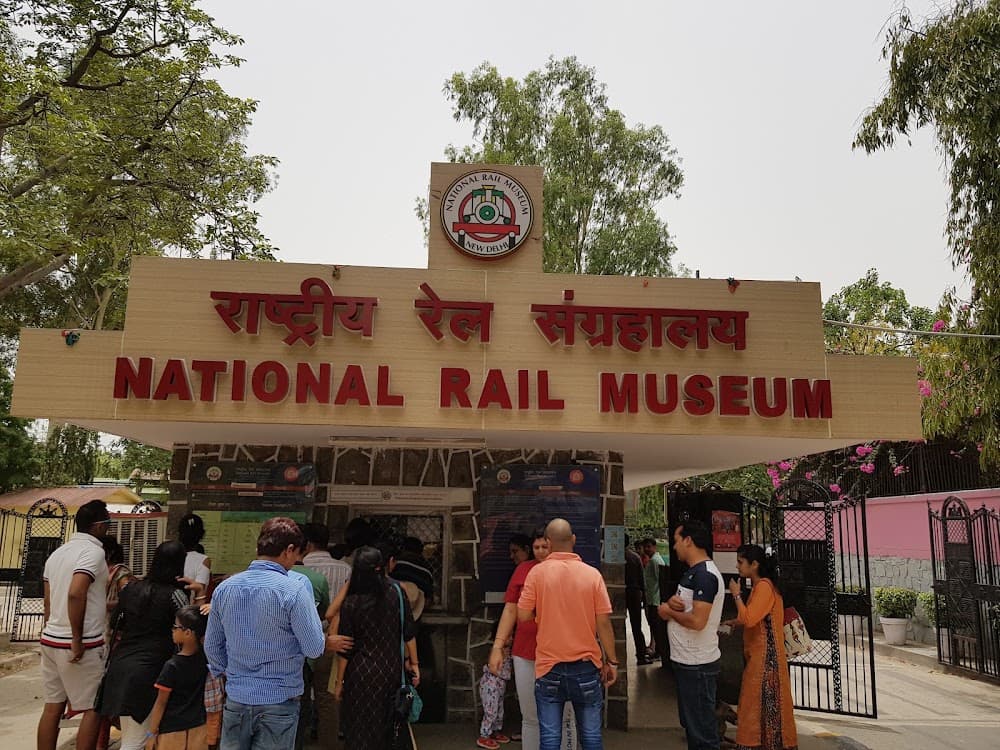
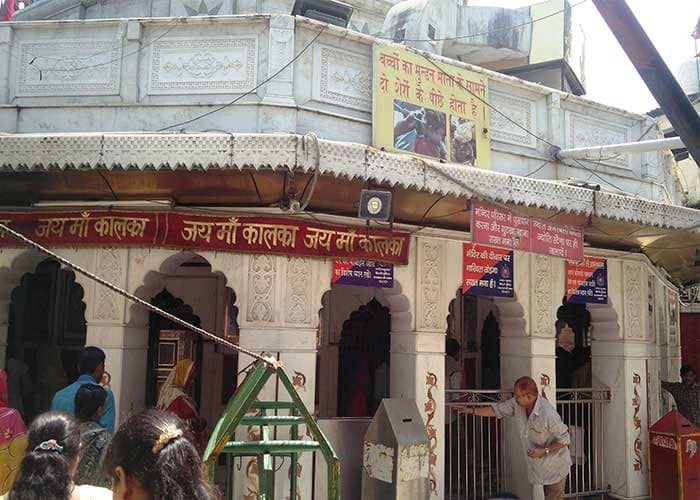
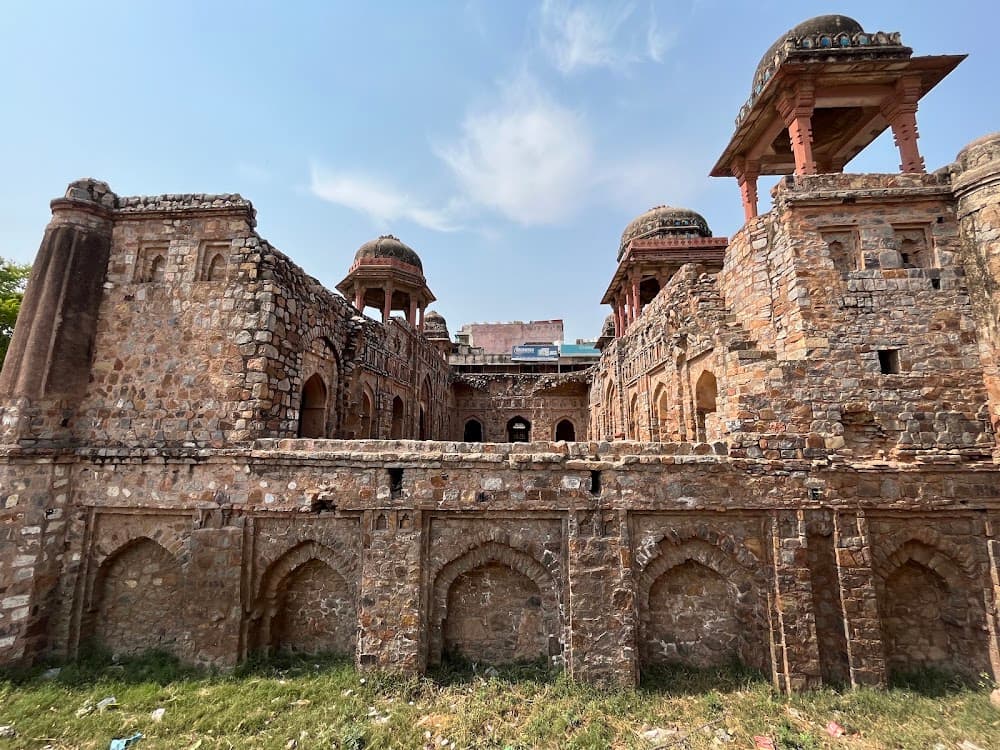
Delhi is known for
Why Delhi is famous
- •What Delhi is: The National Capital Territory, and a stack of successive capitals rather than a single city. 1,684 curated places in your data - the largest destination you hold.
- •Why it matters for the product: Twelfth destination, and the first where the problem is not thin data but too much of it, badly ordered. Every other pack argued for adding entities. Delhi's argument is that 1,684 undifferentiated places with no layer, no containment and no prominence signal is less useful than 200 well-organised ones.
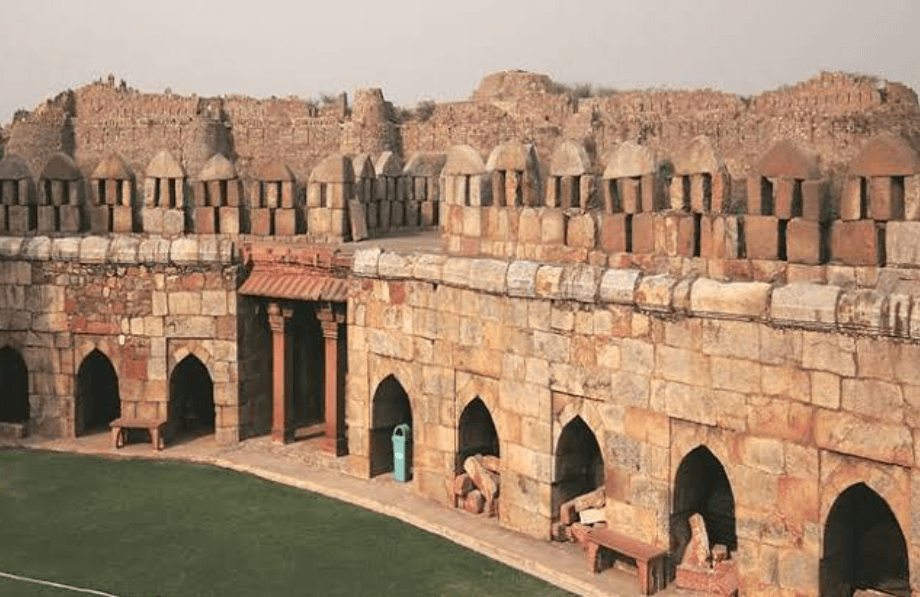
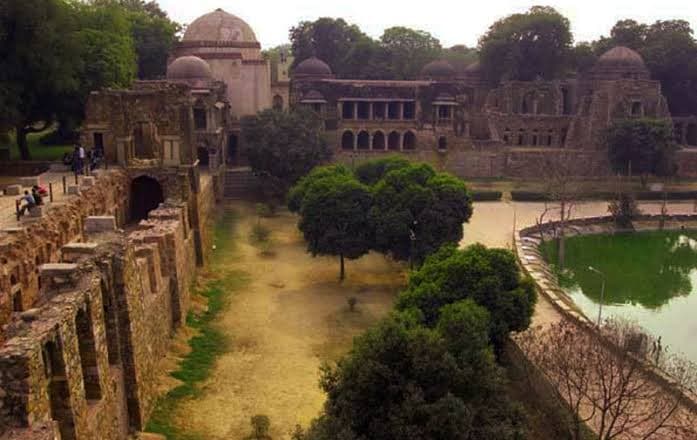
- •The successive cities: Lal Kot and Qila Rai Pithora (Tomara and Chauhan), Siri (Alauddin Khilji), Tughlaqabad (Ghiyasuddin Tughlaq), Jahanpanah (Muhammad bin Tughlaq), Firozabad (Firoz Shah Tughlaq), Shergarh at Purana Qila (Sher Shah Suri and Humayun), Shahjahanabad (Shah Jahan, from 1639), and Lutyens' New Delhi. Every monument in your data belongs to one of these, and tagging them is what turns a list into a chronology.
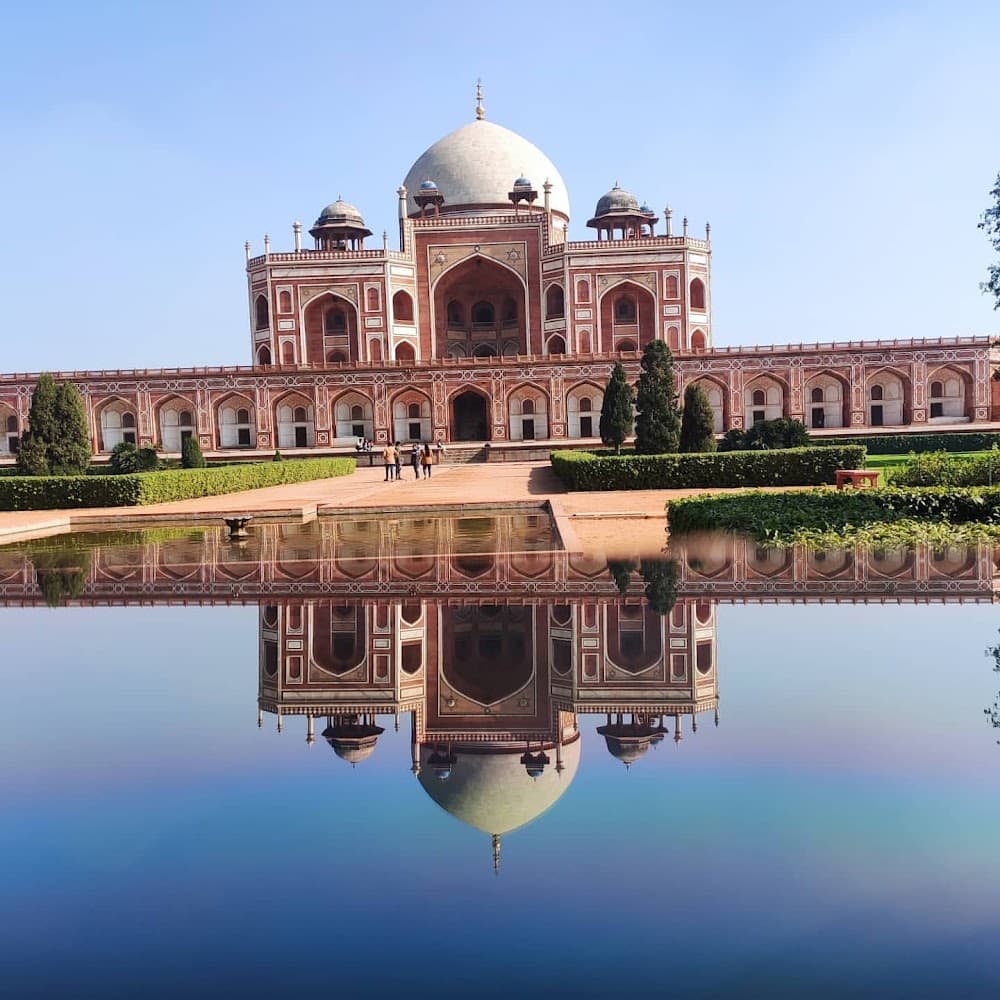
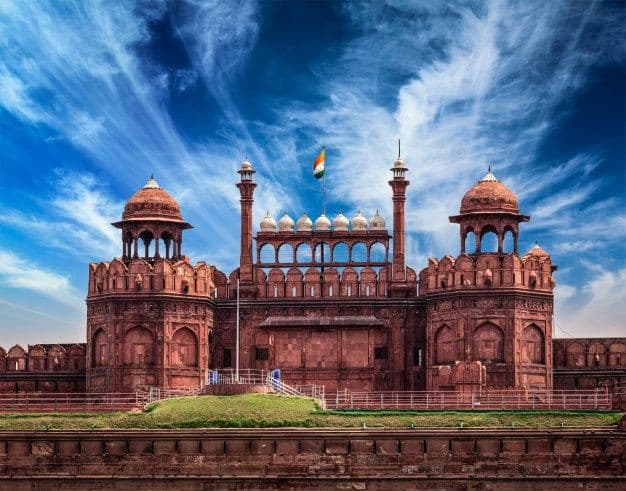
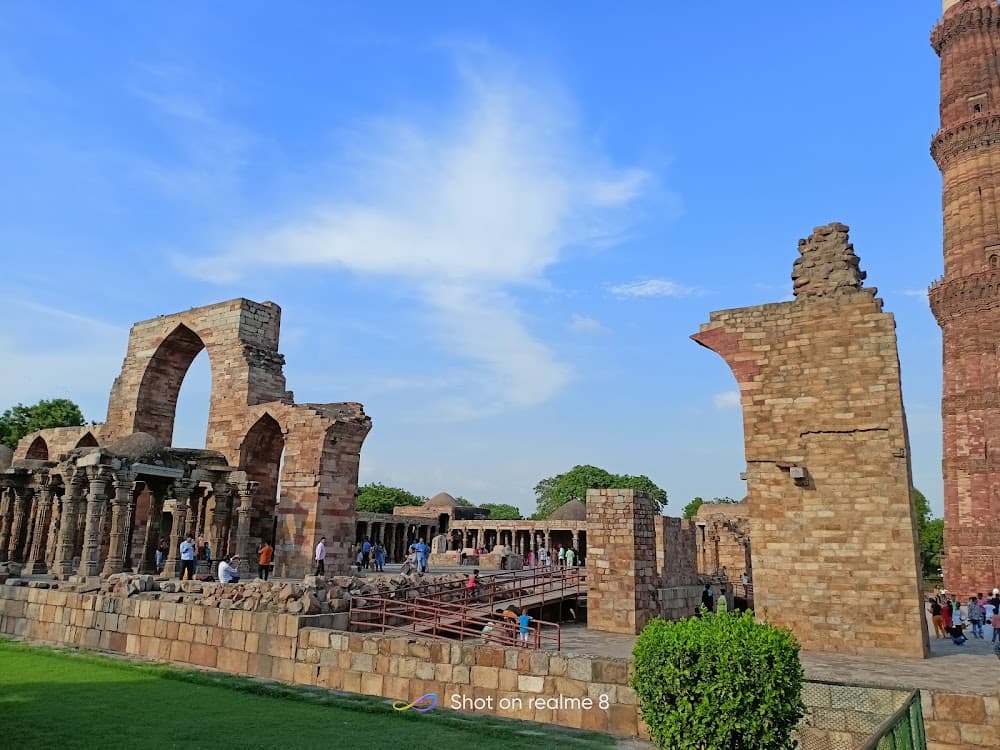
- •Three inscriptions, not one: Humayun's Tomb, Delhi - 1993, criteria (ii)(iv), reference 232bis, extended 2016, 27.04 ha with a 53.21 ha buffer. Qutb Minar and its Monuments - 1993, 17th session, reference 233. Red Fort Complex - 2007, criteria (ii)(iii)(vi). Delhi holds three of India's World Heritage properties and your data contains one.
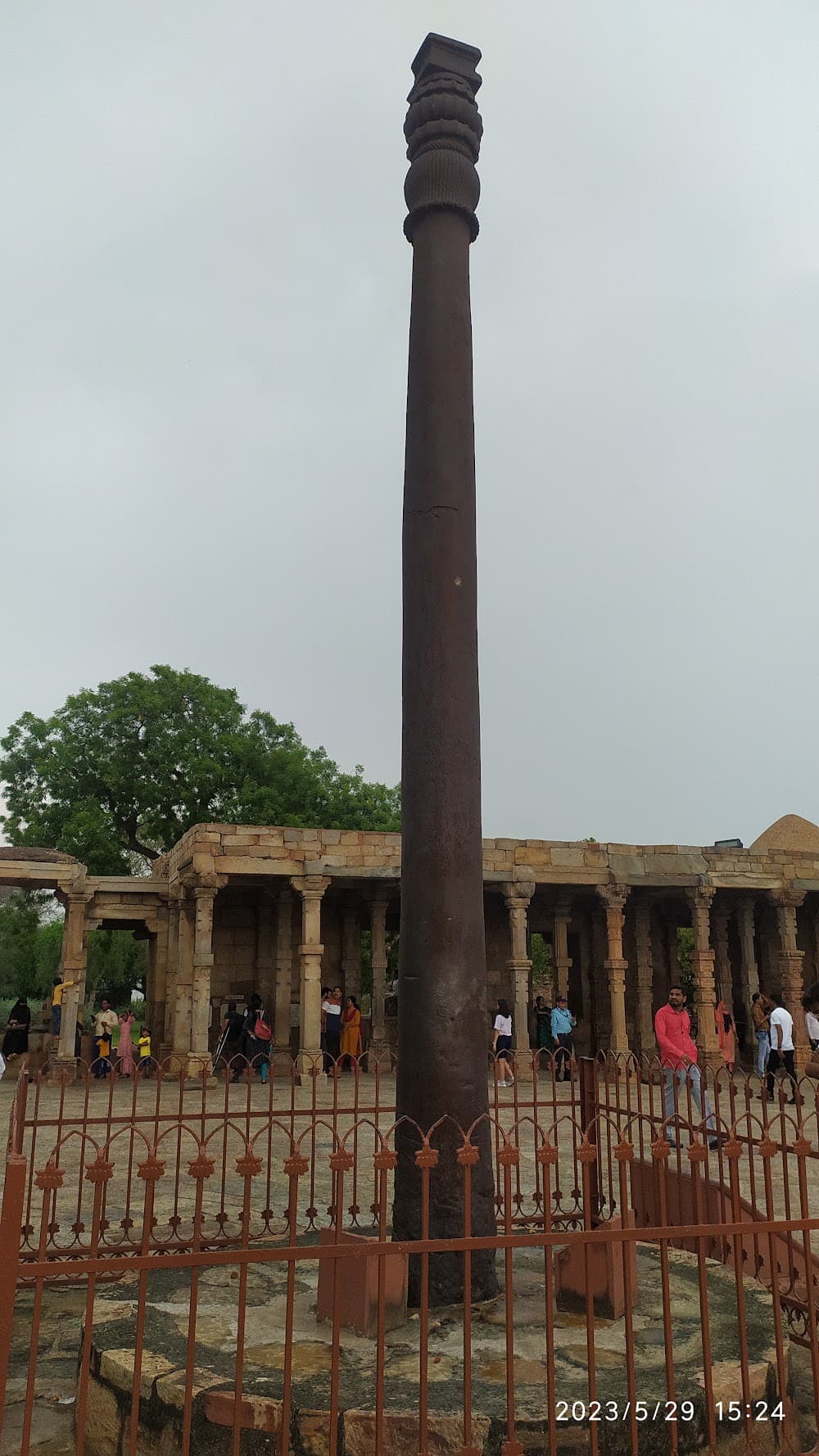
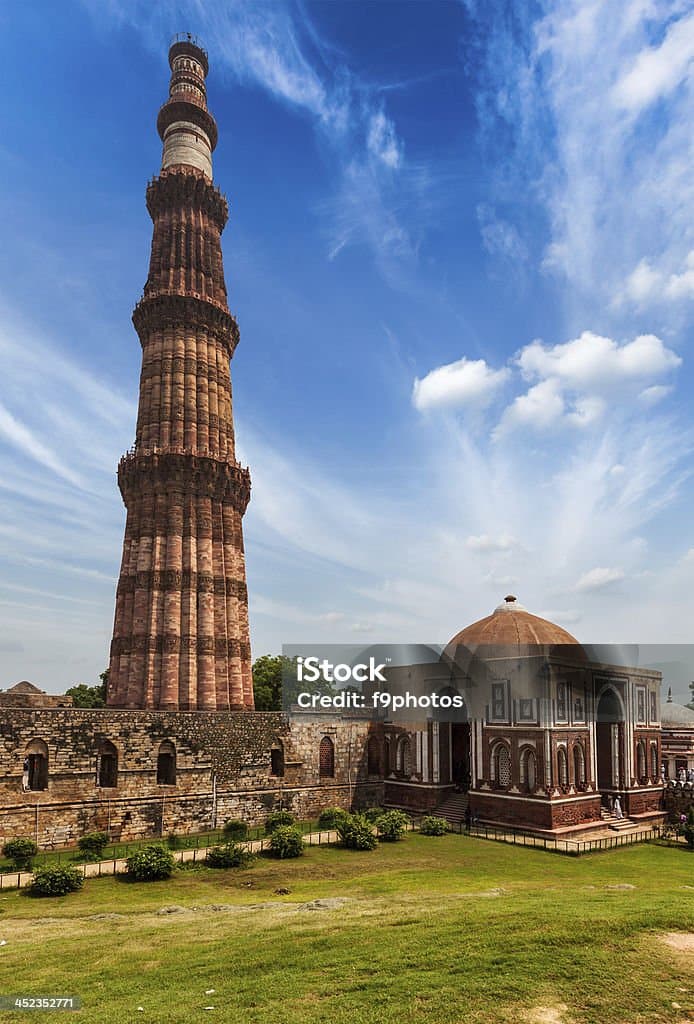
- •What Qutb's inscription contains: UNESCO's boundary encloses the Qutb and Alai minars, the Quwwatu'l-Islam mosque with its extension, Alauddin Khilji's madrasa, the tomb of Iltutmish, the Alai Darwaza and the Iron Pillar. Criterion (iv): the religious and funerary buildings represent an outstanding example of the architectural and artistic achievements of early Islamic India.
- •The pieces worth naming: The Qutb Minar is 72.5 m, tapering from 14.32 m at the base to 2.75 m at the top, in alternating angular and rounded flutings, begun about 1193 under Qutb-ud-din Aibak with three storeys added in 1220; the top two were destroyed by lightning in 1369 and replaced. The Alai Darwaza of 1311 is described by UNESCO as the masterpiece of Indo-Muslim art. The Alai Minar, intended to be twice the Qutb's height, stands unfinished at 25 m. The Iron Pillar dates to about 402 CE and carries a Sanskrit inscription.
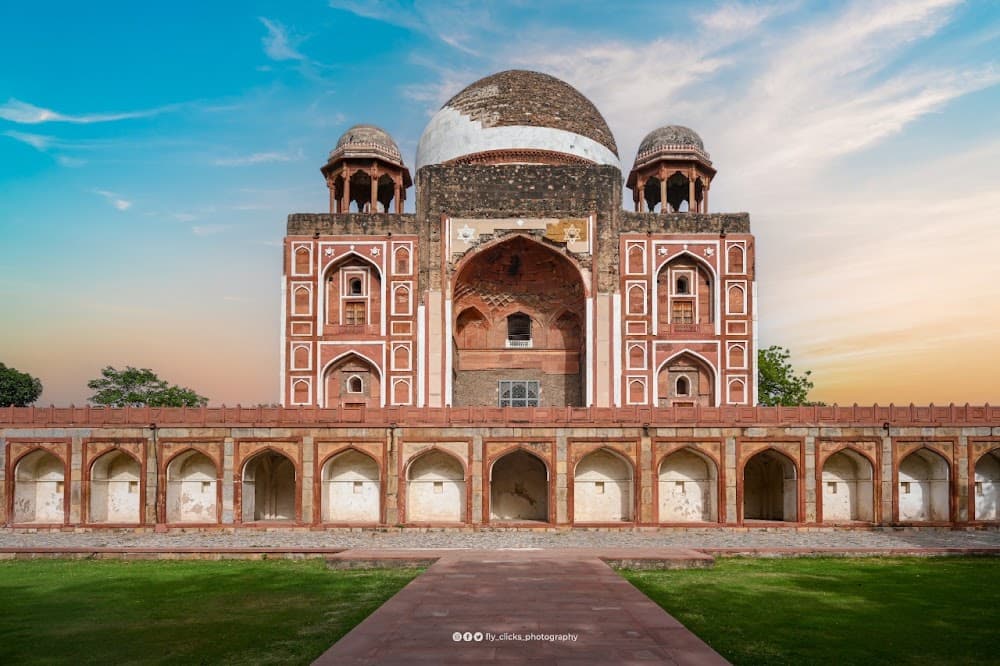
- •Humayun's Tomb: Built from 1557, completed about 1570, by the architects Mirak Mirza Ghiyath and Sayyid Muhammad. The first garden-tomb on the subcontinent, the earliest extant example of the Mughal garden-tomb scheme with causeways and channels, and a well-developed double-domed elevation with kiosks. UNESCO's own framing: this tradition culminated in the Taj Mahal a century later.
- •Red Fort Complex: Built by Shah Jahan between 1639 and 1648 as the palace-fort of Shahjahanabad, his new capital, and home to the Mughal emperors for roughly two centuries. Inscribed 2007 under criteria (ii)(iii)(vi). Its significance is architectural and political: the Prime Minister hoists the national flag here on Independence Day.
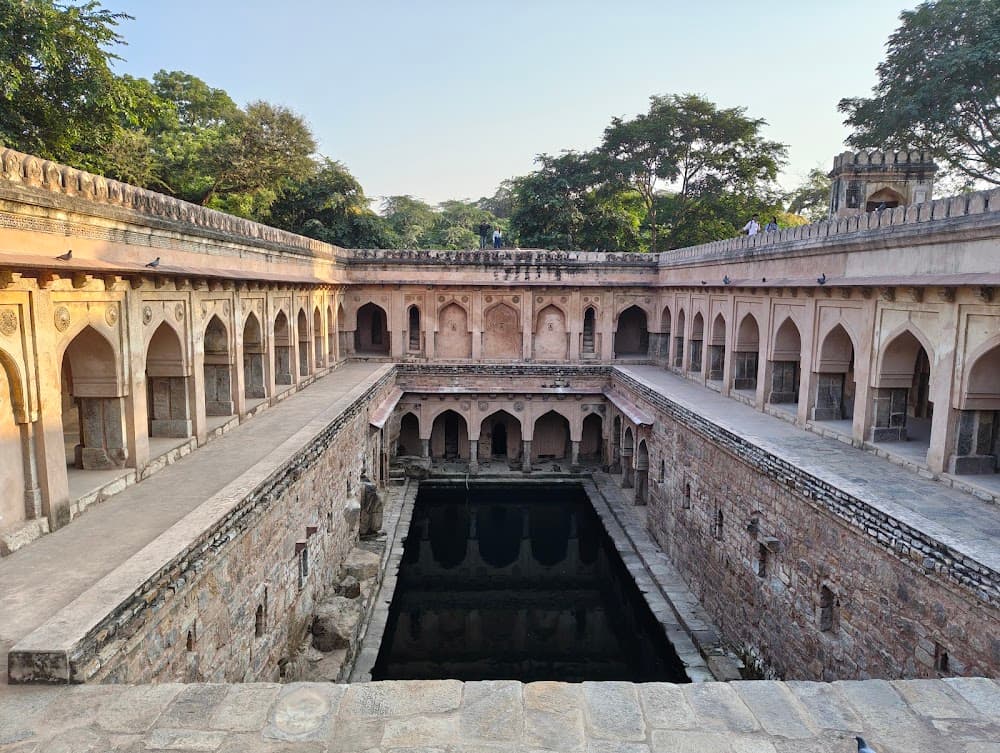
- •Nizamuddin: The dargah of Khwaja Nizamuddin Auliya (1238-1325) of the Chishti order, described as the nerve centre of Sufi culture in India. The precinct holds the tomb of his disciple Amir Khusrau (1253-1325), the grave of Jahanara Begum, the Jamaat Khana Masjid of 1325 and the Nizamuddin Baoli, a Monument of National Importance.
- •Qawwali: Performed every Thursday after Maghrib prayer, roughly 18:00-21:00, drawing around 1,500 people. Regular qawwalis happen every evening after Maghrib for most of the year; in winter only the dusk session runs. The Nizami and Khusro Nizami families have sung here for centuries.
- •Access: Open daily 05:00-22:30. Entry free, to all faiths and nationalities, and langar is distributed daily. IMPORTANT: women are not permitted beyond the outer verandah and view the grave through the jali. Full clothing expected - no shorts. Vendors will press flowers and chadars on you at the lane entrance; none is required.
- •The Urs: Held on the 17th and 18th of Rabi' al-awwal for Nizamuddin Auliya, with a second observance for Amir Khusrau. Hijri-anchored, so it drifts about eleven days earlier each Gregorian year.
- •Phool Walon Ki Sair: Delhi's own festival, and the one most worth surfacing. Started in 1812 under Akbar Shah II after a vow by his queen Mumtaz Mahal Begum. A floral pankha is offered at the Yogmaya Temple in Mehrauli and a floral chadar at the dargah of Qutbuddin Bakhtiar Kaki. Traditionally, if the emperors could not offer at Yogmaya they did not offer at the dargah the next day either.
- •Its history: The Mughal court moved to Mehrauli for the seven days, processing from the Red Fort via Purana Qila, Humayun's Tomb, the dargah of Nizamuddin and the Safdarjung madrasa. Bahadur Shah Zafar's pankha bore Medina on one side and Yogmaya Mata on the other. Stopped by the British in 1942 during Quit India; restarted by Nehru in 1962. The two pankhas are now offered by the President of India.
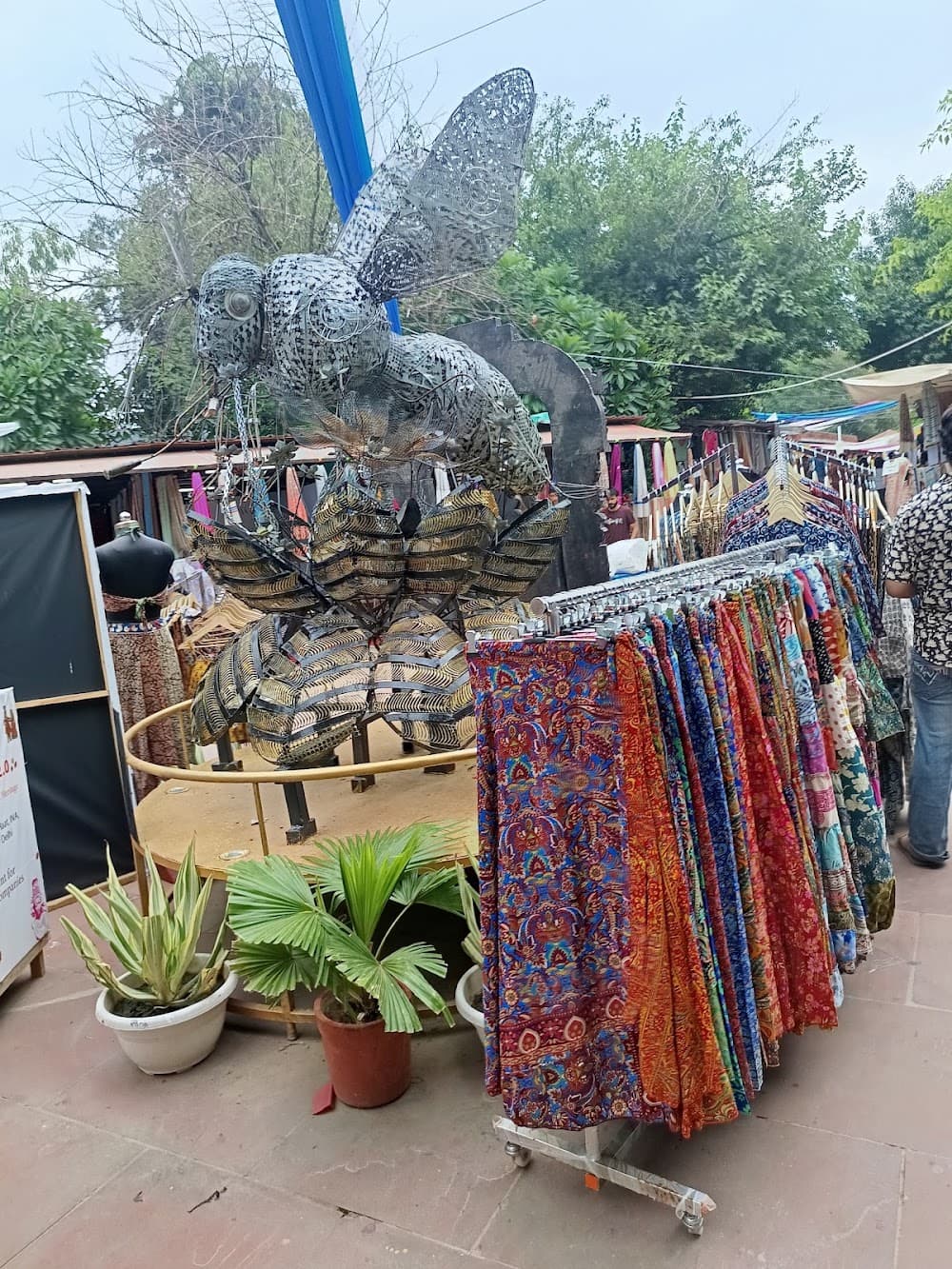
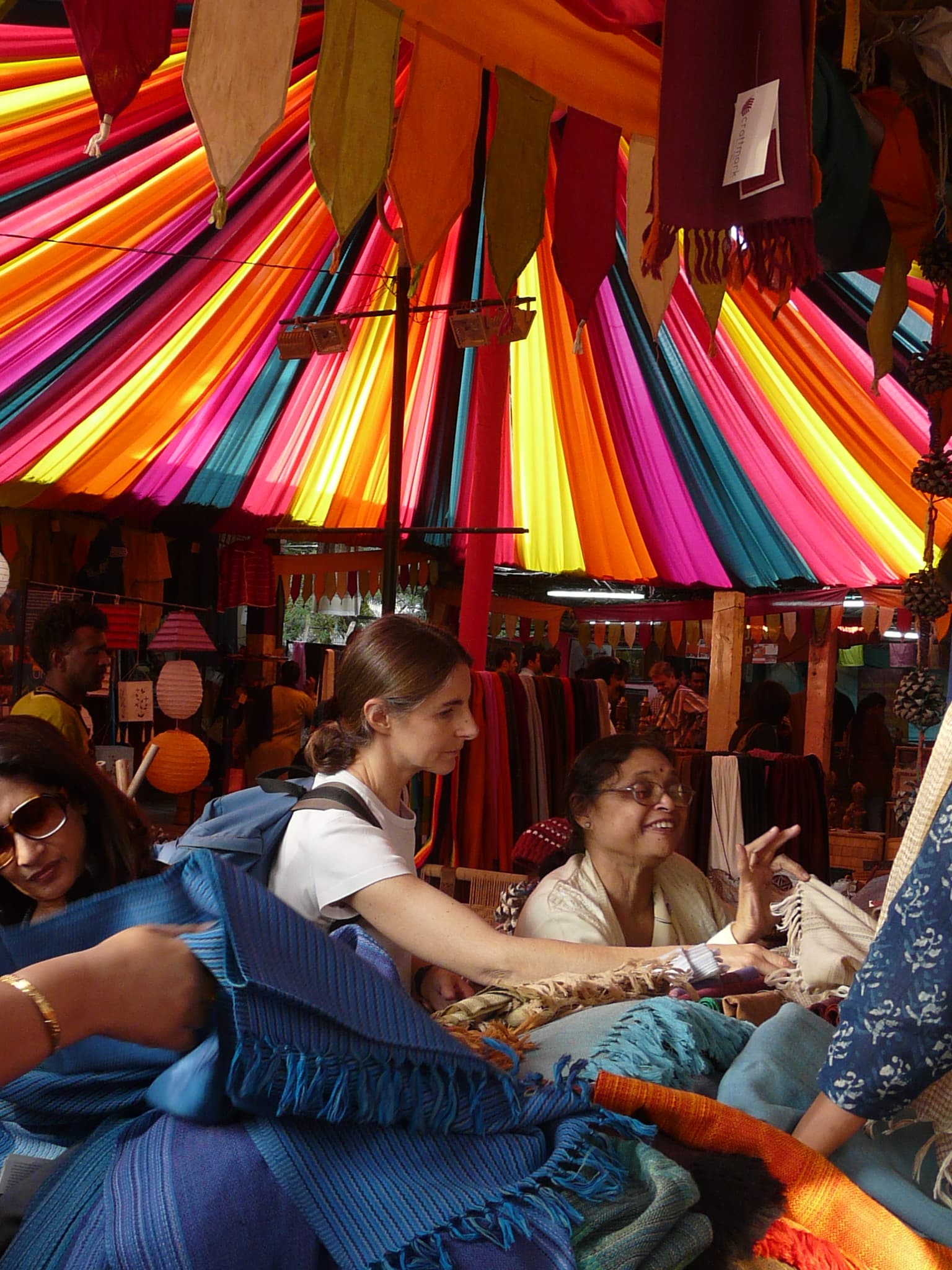
- •What Delhi is actually known for: Chandni Chowk's street food, Karol Bagh's bridal jewellery, Lajpat Nagar's textiles and Paharganj's footwear - your live page has these and they are reasonable. Beyond them: Old Delhi's Mughlai kebabs and nihari, Daryaganj butter chicken, chaat, kulfi, and the Nizamuddin basti food lanes during Ramzan.
- •Best season: October to March. Avoid May and June entirely; the monsoon runs July to September and the post-Diwali air quality in November is a real planning consideration.
AI-drafted from general knowledge — may contain mistakes.
Delhi at a glance
- ⚠️Distances are large - Qutb to the Red Fort is about 20 km and the Metro is faster than a car. Women should know the Nizamuddin access rule before going. Monument tickets differ sharply for Indian and foreign nationals. And Delhi's monuments are spread across eight historic cities that look alike to a newcomer
- ⚠️without a layer to orient by, they blur.
History at a glance
- c. 402 CEThe Iron Pillar is made, carrying a Sanskrit inscription. It has resisted rust for sixteen centuries and now stands inside the Qutb complex.
- c. 1193Qutb-ud-din Aibak begins the Qutb Minar and the Quwwatu'l-Islam mosque, the oldest in northern India, built of materials reused from earlier structures.
- 1220Three further storeys are added to the Qutb Minar. Iltutmish's square tomb is built in the north-west of Quwwatu'l-Islam, beginning the tradition of royal tomb-building that runs to the Mughals.
- 1296-1311Alauddin Khilji expands the ensemble: the Alai Darwaza in 1311, a madrasa, and the Alai Minar, intended at twice the Qutb's scale and abandoned at 25 m.
- 1320sGhiyasuddin Tughlaq builds Tughlaqabad. Nizamuddin Auliya dies in 1325; the Jamaat Khana Masjid is built the same year and his resting place becomes the dargah.
- 1325Amir Khusrau dies months after his master and is buried in the same precinct.
- 1369Lightning destroys the top two storeys of the Qutb Minar; they are replaced.
- 1557-1570Humayun's Tomb is built by Mirak Mirza Ghiyath and Sayyid Muhammad - the first garden-tomb on the subcontinent.
- 1639-1648Shah Jahan builds the Red Fort as the palace-fort of his new capital, Shahjahanabad. The Mughal emperors live there for about two centuries.
- 1812Phool Walon Ki Sair begins. Mumtaz Mahal Begum vows offerings at the dargah of Bakhtiar Kaki and the Yogmaya Temple; Akbar Shah II makes it an annual festival.
- 1857The revolt. Mughal rule ends; Bahadur Shah Zafar is exiled. The Phool Walon Ki Sair tradition of the royal family using Zafar Mahal and Jahaz Mahal ends with it.
- 1911-1931The capital is transferred from Calcutta and Lutyens' New Delhi is built.
- 1942The British stop Phool Walon Ki Sair during the Quit India movement.
- 1962Nehru restarts Phool Walon Ki Sair. The two pankhas are today offered by the President of India.
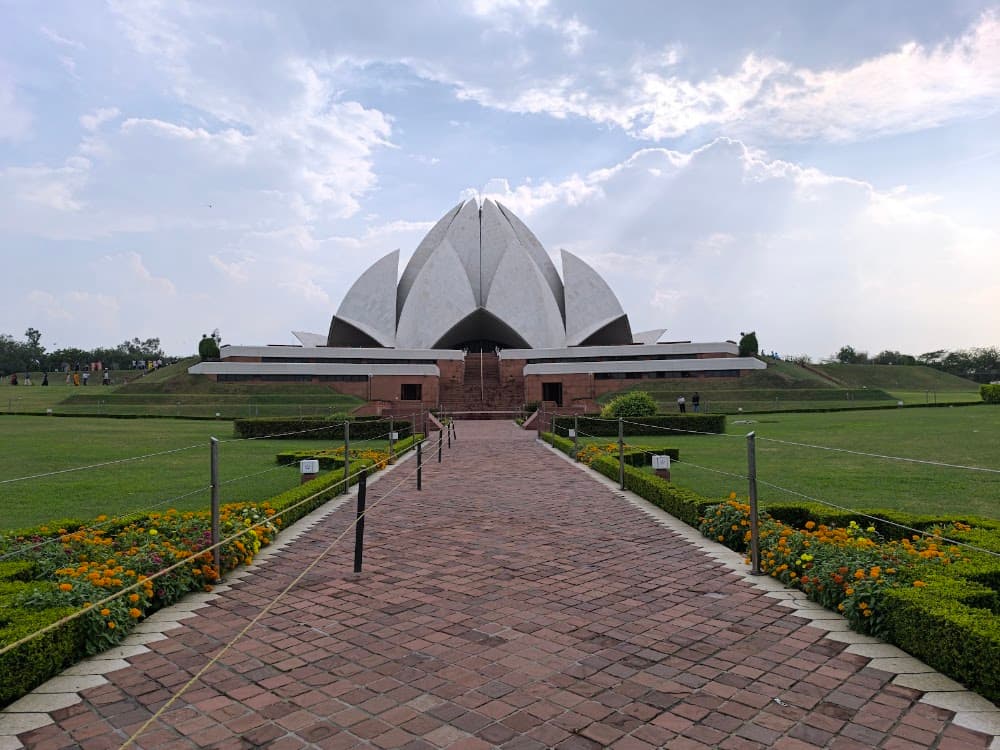
- 1986The Lotus Temple, a Bahá'í House of Worship, opens.
- 1993Humayun's Tomb (reference 232bis) and Qutb Minar and its Monuments (reference 233) are inscribed at UNESCO's 17th session.
- 2007The Red Fort Complex is inscribed under criteria (ii)(iii)(vi).
- 2016The Humayun's Tomb property is extended.
Best time to visit
Delhi's climate is characterized by hot and dry summers, with temperatures soaring during the peak summer months, and a mild winter season from December to February, with occasional fog. The city experiences a brief monsoon season from July to September, bringing some relief from the heat.
- Phool Walon Ki Sair · anchored to After the monsoon; traditionally 15 Bhadon[DUAL-SITE FESTIVAL] A procession of flower sellers offering a floral pankha at the temple and a chadar at the dargah, with qawwali, classical music and kabaddi. The two pankhas are offered by the President of India.
- Urs of Nizamuddin Auliya · anchored to 17-18 Rabi' al-awwal[URS] Thousands gather for the saint's urs. A second observance marks Amir Khusrau's birth and death anniversaries.
- Thursday qawwali · anchored to Every Thursday after Maghrib[WEEKLY RITUAL] Around 1,500 people. Regular qawwalis run every evening after Maghrib for most of the year; in winter only the dusk session happens.
- Republic Day · anchored to 26 January, fixed[STATE CEREMONIAL] The national parade. For a large share of Indian domestic visitors this is the reason to be in Delhi in January.
- Independence Day · anchored to 15 August, fixed[STATE CEREMONIAL] The Prime Minister hoists the national flag from the ramparts - cited by UNESCO in the inscription's significance.
- Ramzan night food streets · anchored to Month of Ramadan[SEASONAL] The lanes trade through the night for the month. Among the best eating in India and entirely calendar-dependent.
- Qutub Festival · anchored to AnnualClassical dance and music against the Qutb Minar.
- Chhath Puja · anchored to Kartik Shukla ShashthiOne of Delhi's largest actual public gatherings, observed by the city's very large Purvanchali population at the river.
- In 12 daysGandhi Jayanti · 2 October
- In 29 daysDurga Ashtami / Maha Navami · 19 October
- In 30 daysDussehra (Vijayadashami) · 20 October
- In 39 daysKarwa Chauth · 29 October
Real dates, not AI-drafted — sourced from the Hindu Panchang, same for every destination.
Weather details and any festival without a stated lunar anchor above are AI-drafted from general knowledge, not independently verified — timing is approximate; double-check before planning around one.
Part of these sacred circuits
Near me
Share your location to see famous places closest to you right now.
Famous places in Delhi
Sacred & Spiritual
See all 673 →Heritage & Monuments
See all 445 →Nature & Outdoors
See all 48 →Shops & Restaurants
See all 402 →Places to Stay
See all 56 →Getting there & around
- Air — Indira Gandhi International Airport. New Delhi, Old Delhi and Hazrat Nizamuddin railway stations. The Delhi Metro, which reaches almost every site in this pack. NOTE: your page says rail connects Delhi to Pakistan
- Getting around — the Samjhauta Express has been suspended since 2019.
What travellers actually paid
Reported by real travellers, not looked up — a real range with a count, never a single guessed number.
Loading…