
Gangotri
Temple bells, snowflakes, and sacred mantras
Morning mist wraps around worn stone paths
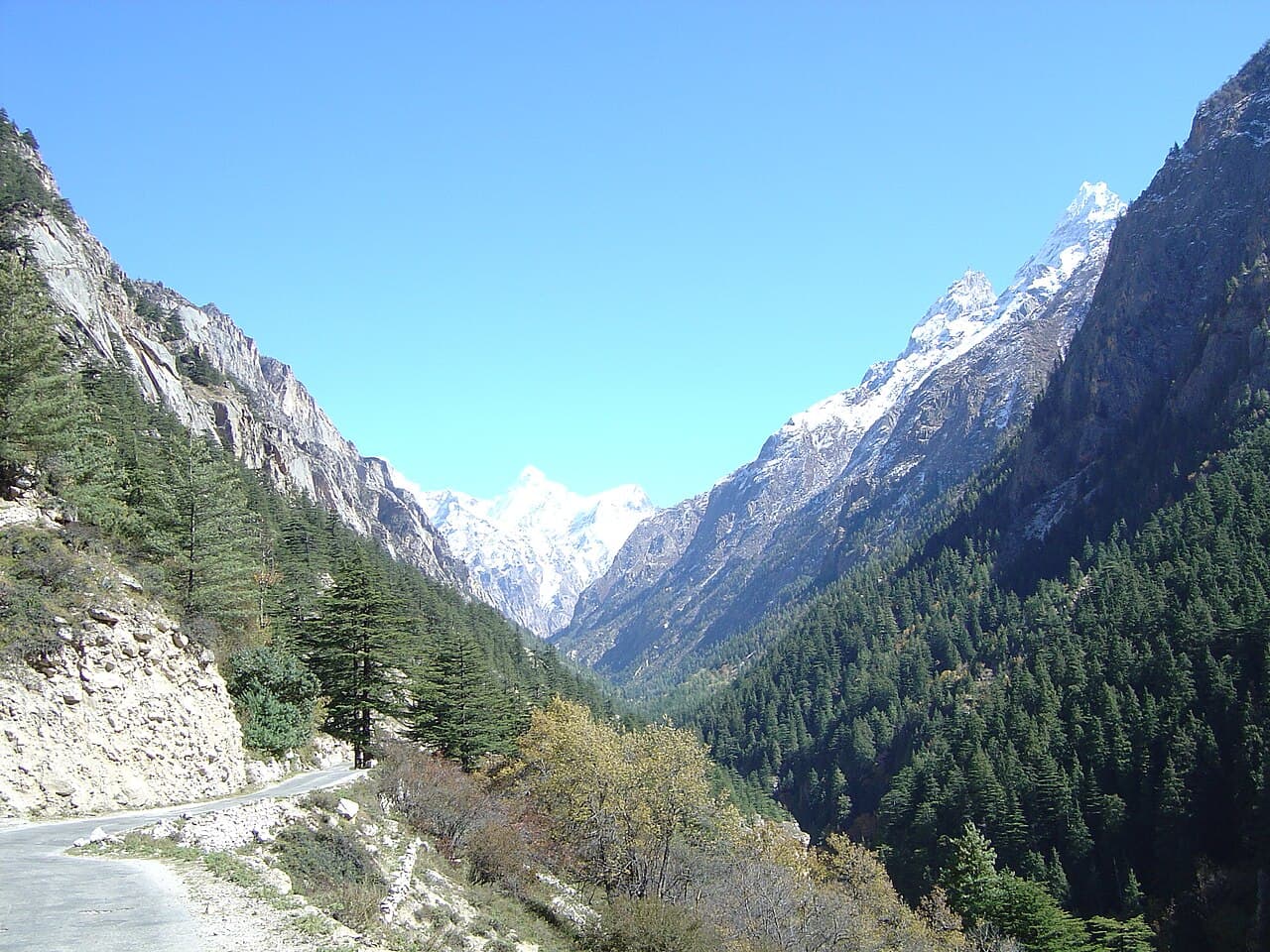
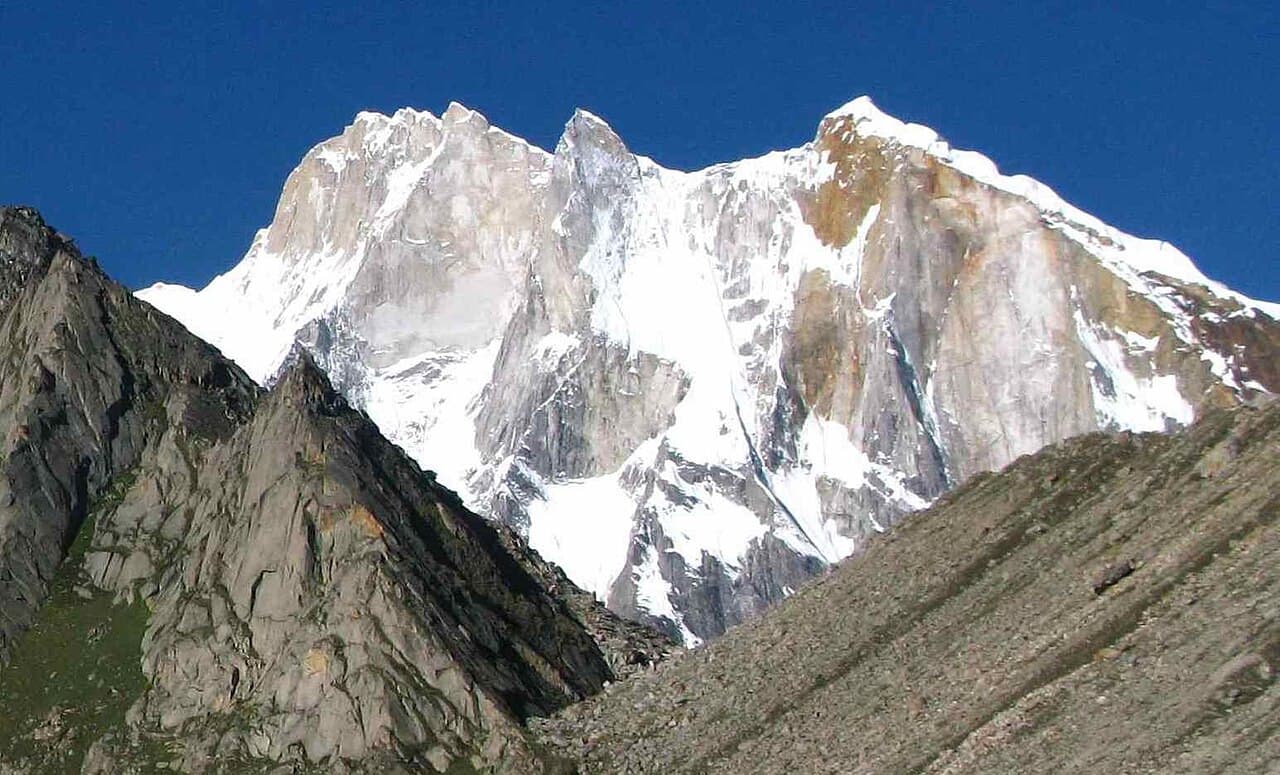
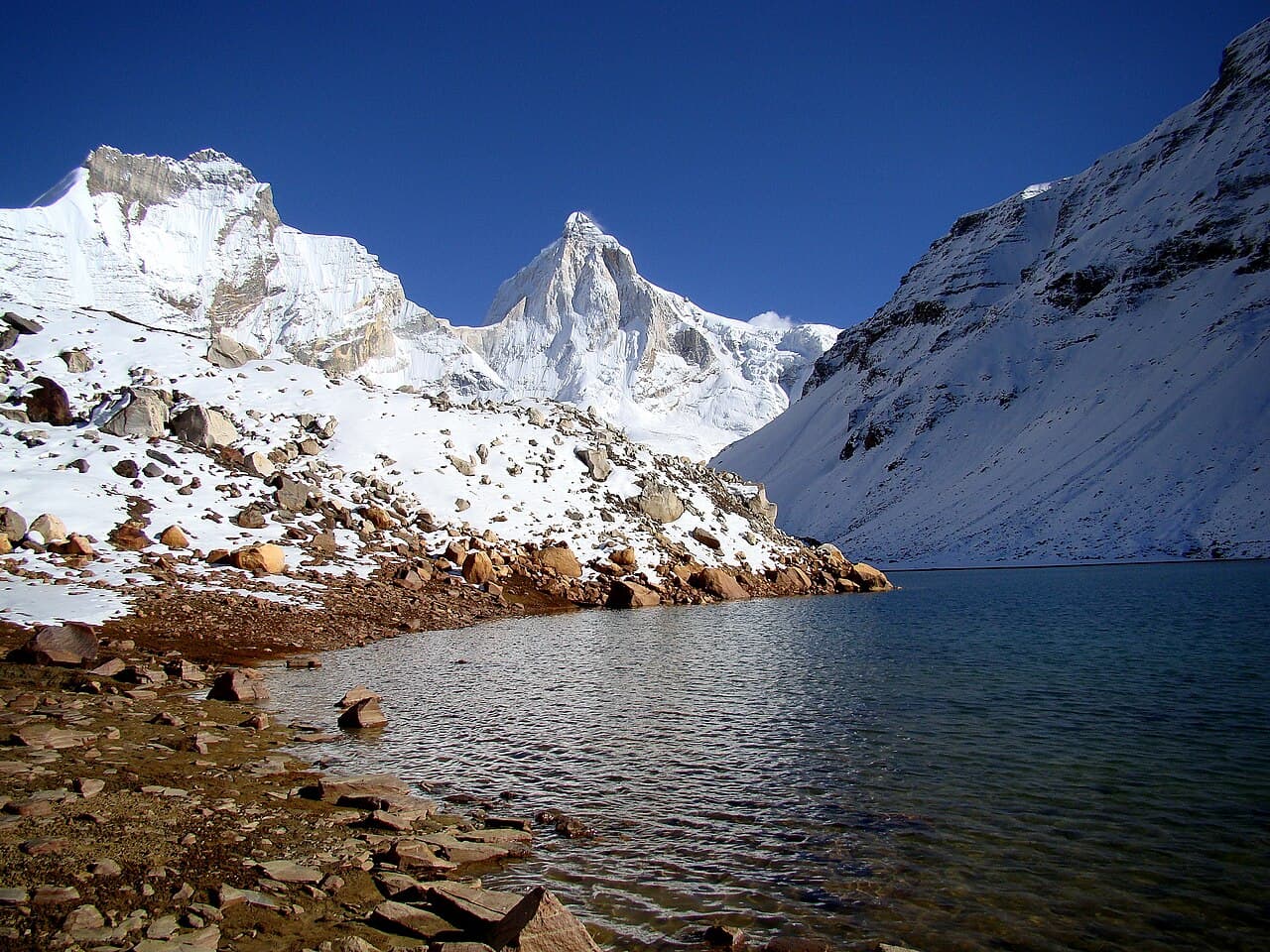
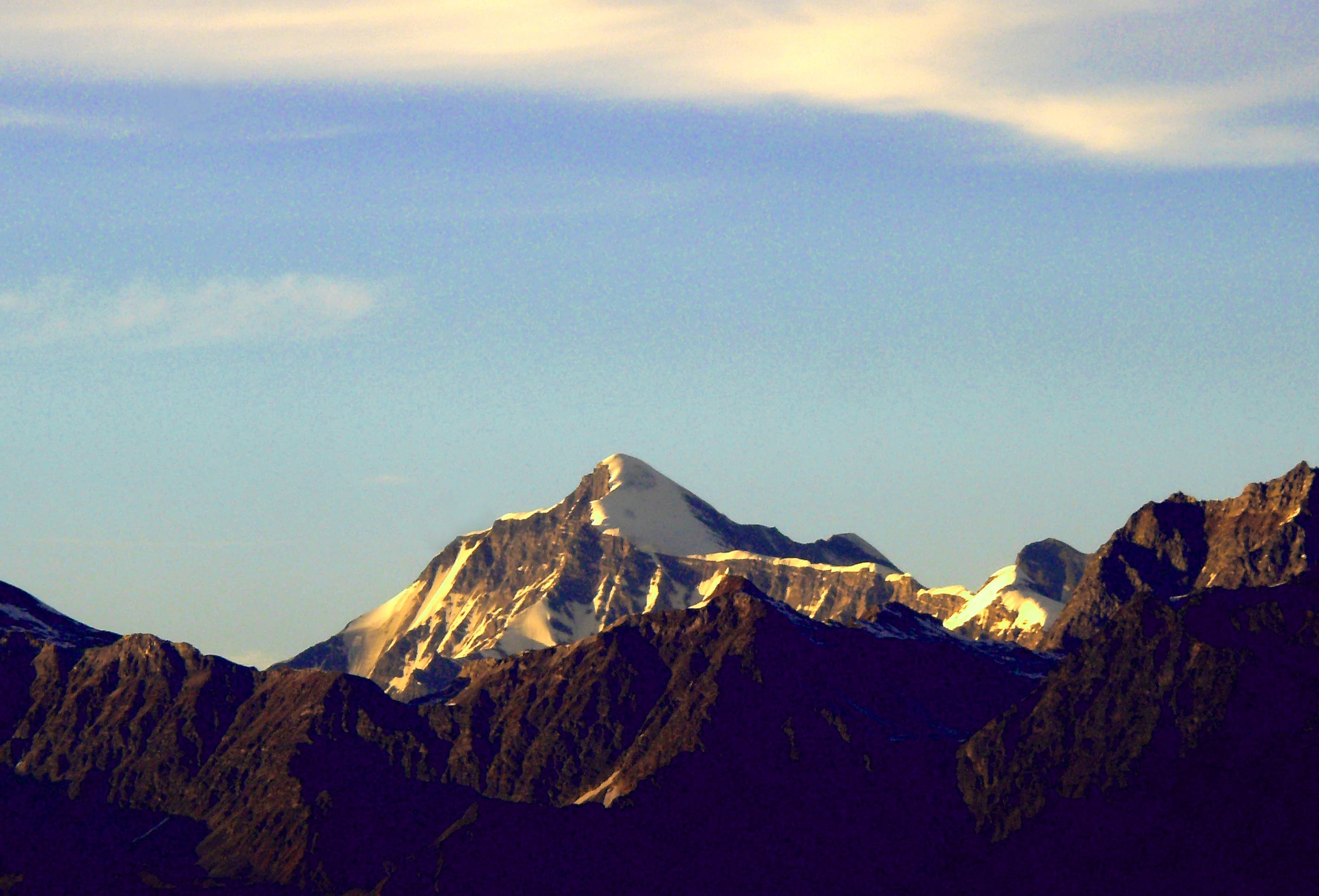
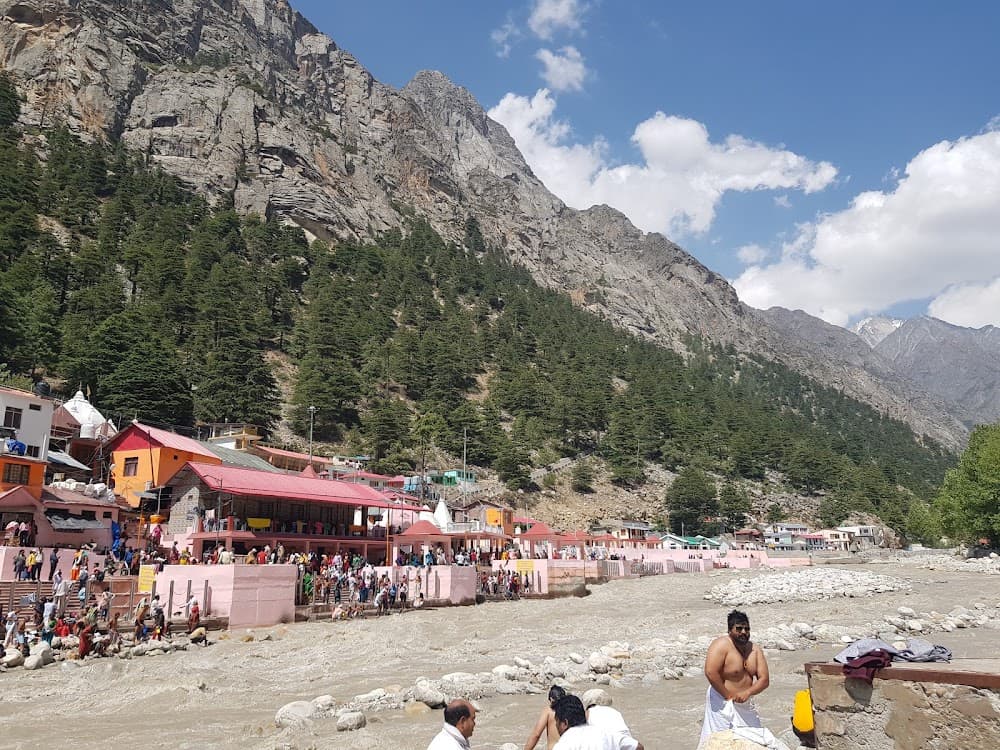
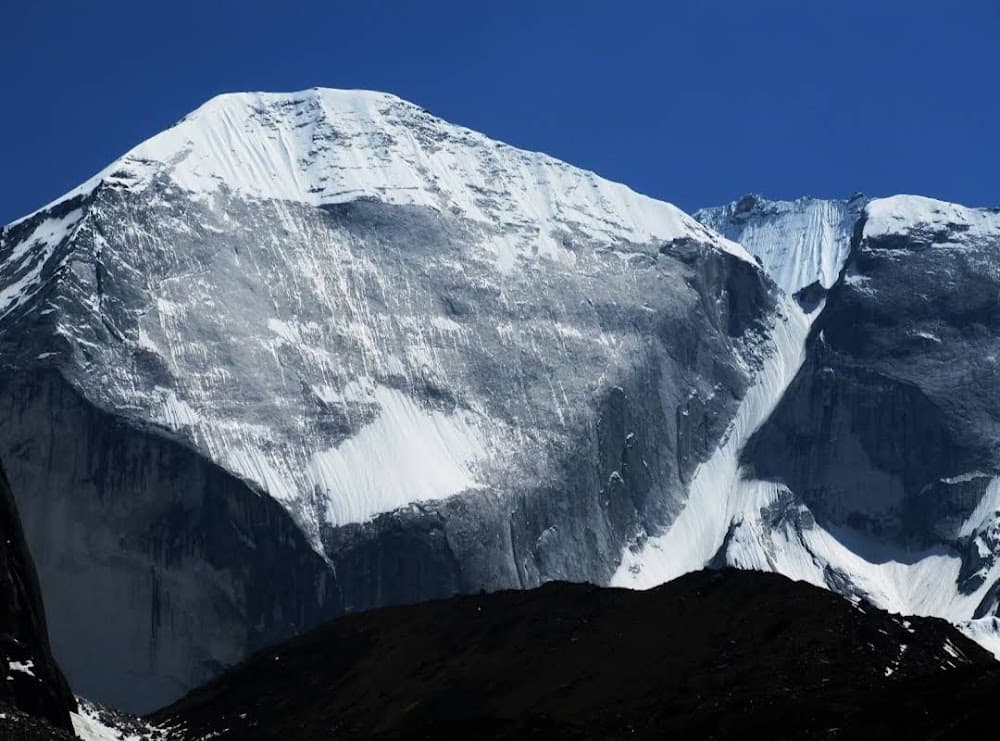
Gangotri is a sacred destination that beckons pilgrims and nature enthusiasts alike. Nestled in the majestic Himalayas, this city is a haven for those seeking spiritual rejuvenation and a deeper connection with nature. The city's serene atmosphere, pristine valleys, and towering peaks create a sense of awe and tranquility, making it an ideal getaway for those seeking solace and introspection. Whether you're a devout pilgrim seeking to pay homage to the sacred Ganges River or an adventure-seeker looking to conquer the mighty Himalayas, Gangotri's unspoiled beauty and spiritual energy will leave you feeling invigorated and inspired.
Why Gangotri is famous
- •What Gangotri is: The Chota Char Dham shrine dedicated to Goddess Ganga, in Uttarkashi district, Uttarakhand, at about 3,100 m or 10,200 feet. Marks the mythological point where Ganga descended to earth.
- •Open about six months: Opens on Akshaya Tritiya, closes on Bhai Dooj - two days after Diwali. Closed and snowbound the rest of the year; one source states plainly that a winter visit is not possible.
- •No trek to the main shrine: Gangotri is reachable by road all the way to the temple town - one source calls it the most reachable of the Char Dham shrines. Gangotri has no airport and no railhead.
- •Helicopter: One source describes a helicopter from the Sahastradhara helipad at Dehradun to the Harsil helipad, followed by a drive of about 25 km to Gangotri.
- •Altitude: About 3,100 m. One source advises ascending gradually with overnights, resting on arrival, and considering the helicopter circuit or another Dham if a doctor advises against the altitude.
- •Nationality-tiered fee: One source reports the paid forest permit at about Rs 150 for Indian nationals and about Rs 600 for foreign nationals.
- •Char Dham Yatra registration: Mandatory. Batch A found this absent at Kedarnath and flagged it as gating the whole circuit.
- •Distances: Gangotri to Yamunotri is reported at 227 km and seven hours or more. The approach is a long mountain drive from the plains via Uttarkashi.
AI-drafted from general knowledge — may contain mistakes.
History at a glance
- MythologicalKing Bhagirath performs the penance that brings the Ganga down to earth to purify his ancestors' souls. Shiva catches her in his matted locks to soften the force of the descent.
- IndeterminateA shrine is established at the descent point.
- Annual, Akshaya TritiyaThe kapat open. The idol returns from Mukhba, is bathed in the Bhagirathi and again in the temple, receives an abhishek of milk, honey and curd, and a flag bearing the goddess's image is hoisted. A grand aarti follows at dusk on the riverbank.
- Annual, Bhai DoojThe kapat close and the idol travels by palanquin to Mukhba, where worship continues through the winter.
- 19 April 2026The temple opens for the 2026 season, on the same day as Yamunotri. Kedarnath follows on 22 April and Badrinath on 23 or 24 April.
- ~10-11 November 2026Expected closing. Sources are explicit that the date is confirmed by temple authorities closer to the time.
Best time to visit
Gangotri, located in the Himalayan foothills, experiences a temperate climate with cold winters and mild summers. The region's monsoon season typically brings moderate rainfall from July to September, with the rest of the year being relatively dry.
- In 3 daysDiwali · 8 November
- In 5 daysGovardhan Puja · 10 November
- In 6 daysBhai Dooj · 11 November
- In 10 daysChhath Puja · 15 November
Real dates, not AI-drafted — sourced from the Hindu Panchang, same for every destination.
Weather details and any festival without a stated lunar anchor above are AI-drafted from general knowledge, not independently verified — timing is approximate; double-check before planning around one.
Part of these sacred circuits
Near me
Share your location to see famous places closest to you right now.
Famous places in Gangotri
Sacred & Spiritual
Heritage & Monuments
Nature & Outdoors
See all 22 →Civic & Services
Getting there & around
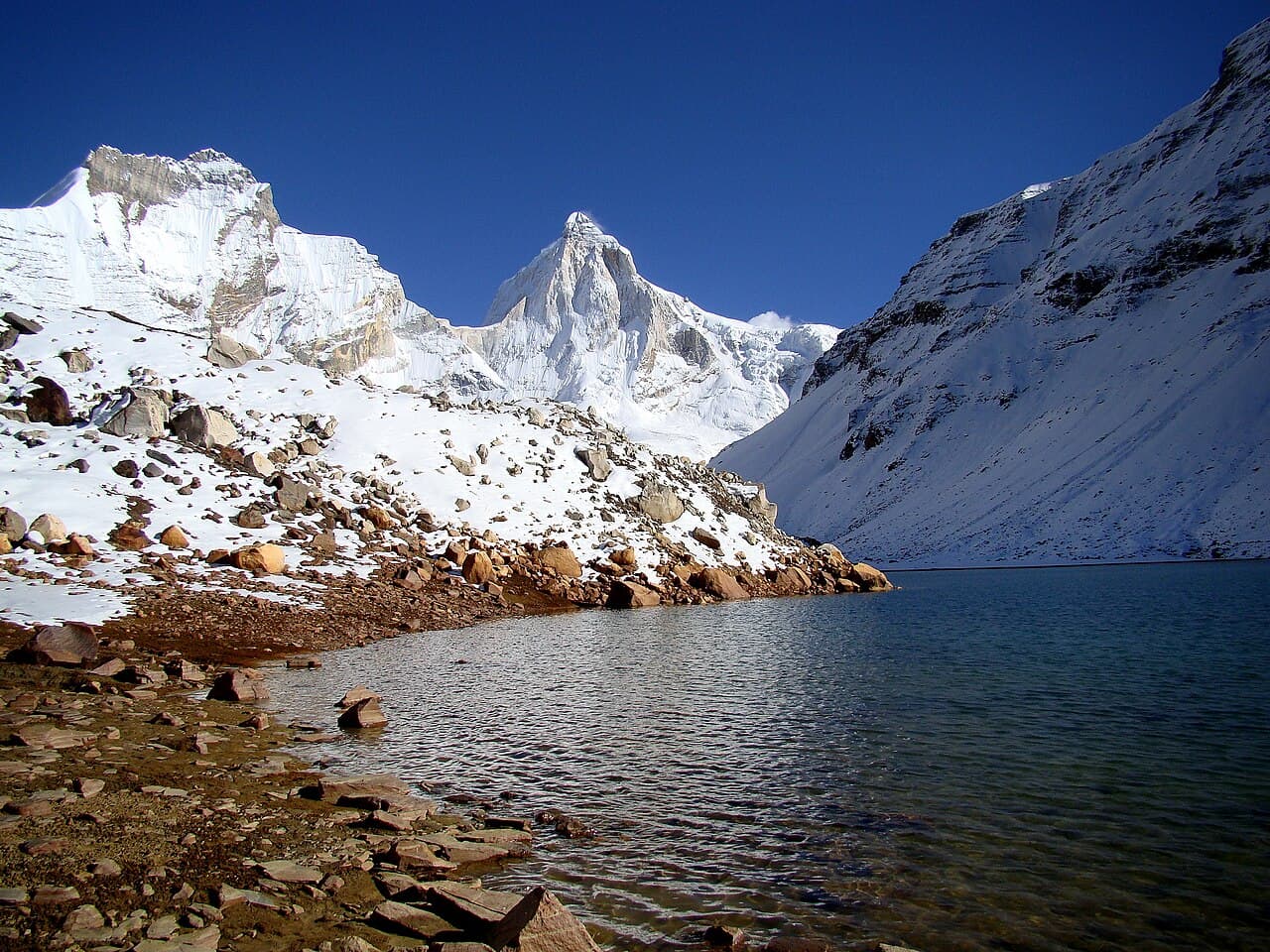
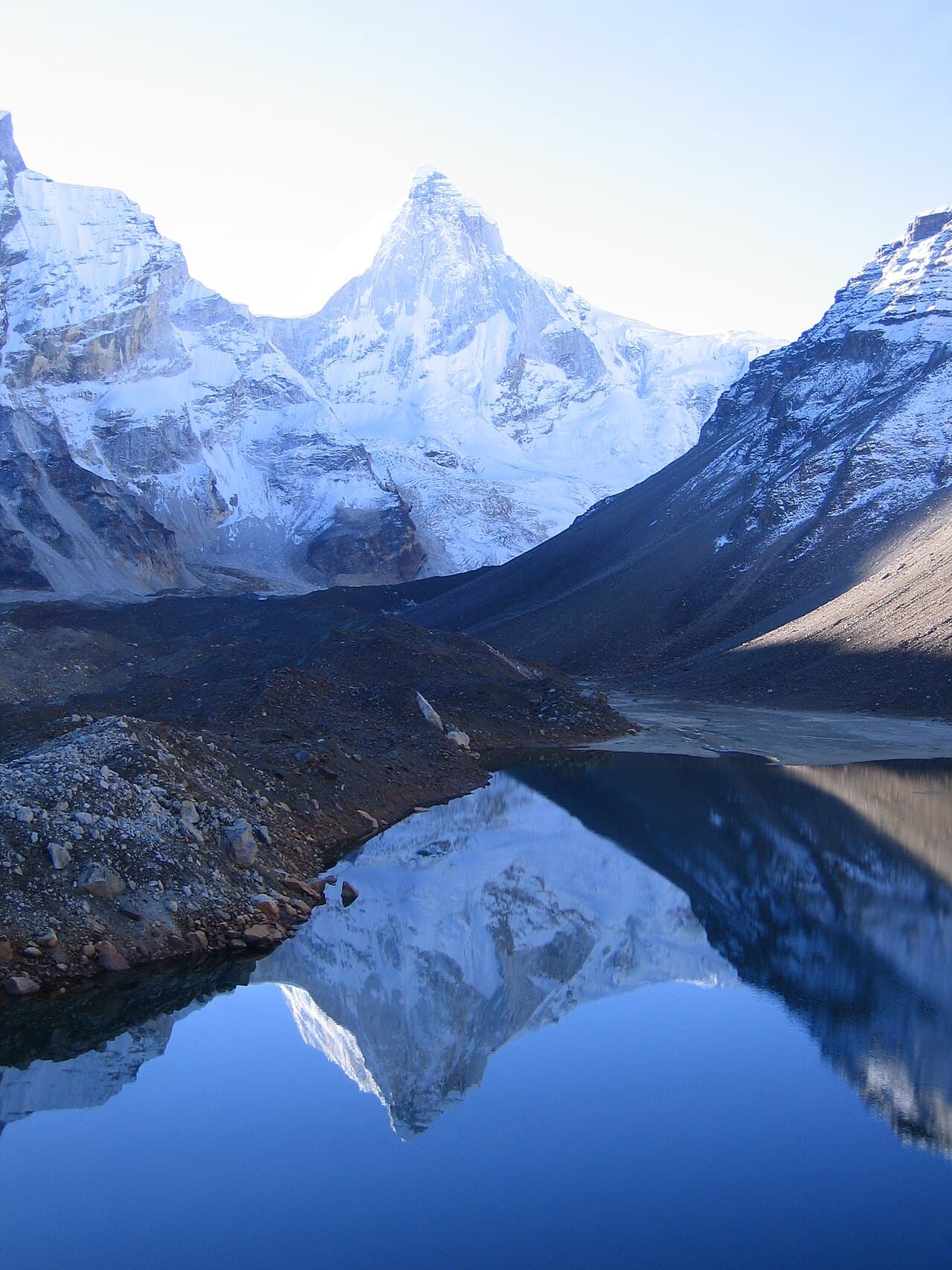
- On foot. One source describes it as a serious trek, much higher than Gangotri, only for the fit and acclimatised. — Gaumukh trek: 19 km — Best: Open season; September-October named as good before the cold sets in
- Palanquin procession — Winter Doli route: Best: At Bhai Dooj closing and again before Akshaya Tritiya
- Helicopter then road — Helicopter transfer: 25 km — Best: Open season
- Road all the way to the temple town - no trek to the main shrine — Road approach: Best: Avoid July-August: heavy rain, landslides, road blockages
What travellers actually paid
Reported by real travellers, not looked up — a real range with a count, never a single guessed number.
Loading…
Local businesses
View all →A different trust signal from the curated places above — some run by their real owner, some pre-filled by Swamarg from its own place data until an owner claims them.