
Guwahati
Temples, mantras, and intricate carvings
Incense and chanting fill the humid evening air
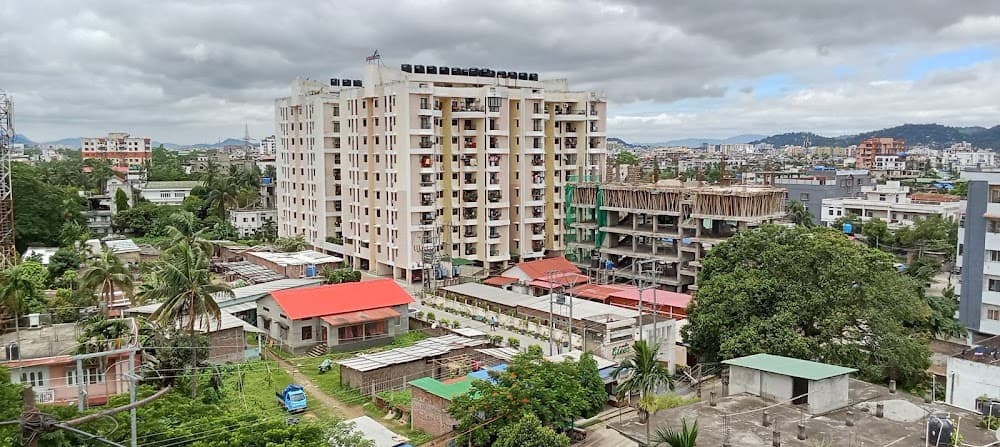
Guwahati, the gateway to the mystical Northeast India, is a city that beckons spiritual seekers and adventure enthusiasts alike. This ancient city is steeped in tradition and culture, with a rich tapestry of myth and legend woven into its fabric. Travellers drawn to Guwahati are often those seeking a deeper connection with the divine, and the city's numerous temples and shrines provide a serene and peaceful atmosphere to meditate and reflect. The city's vibrant markets and bustling streets also offer a glimpse into the daily lives of its inhabitants, making it an ideal destination for those curious about the local culture and way of life.
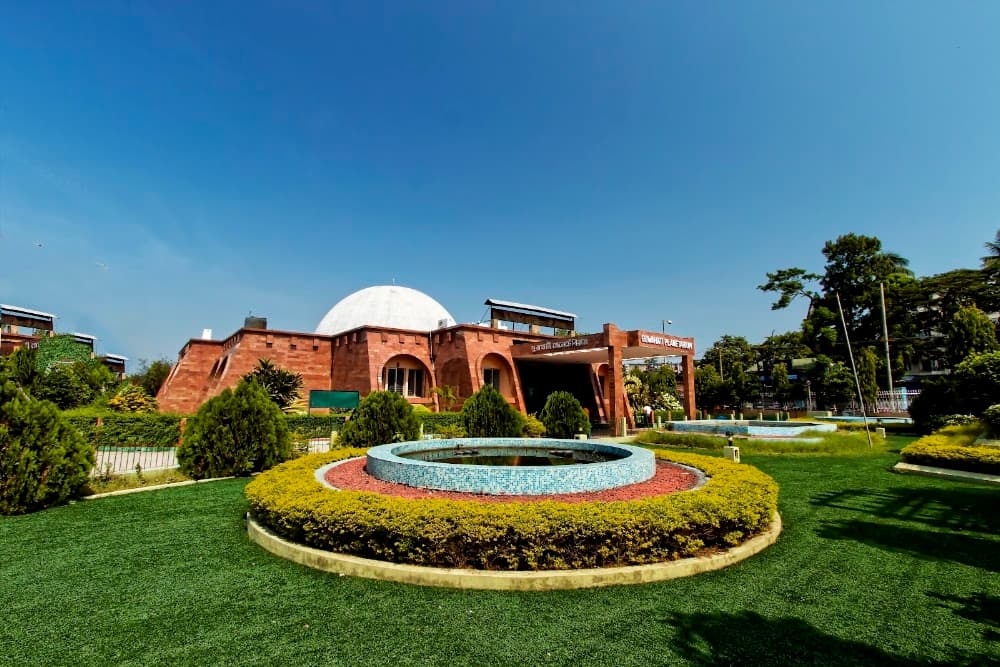
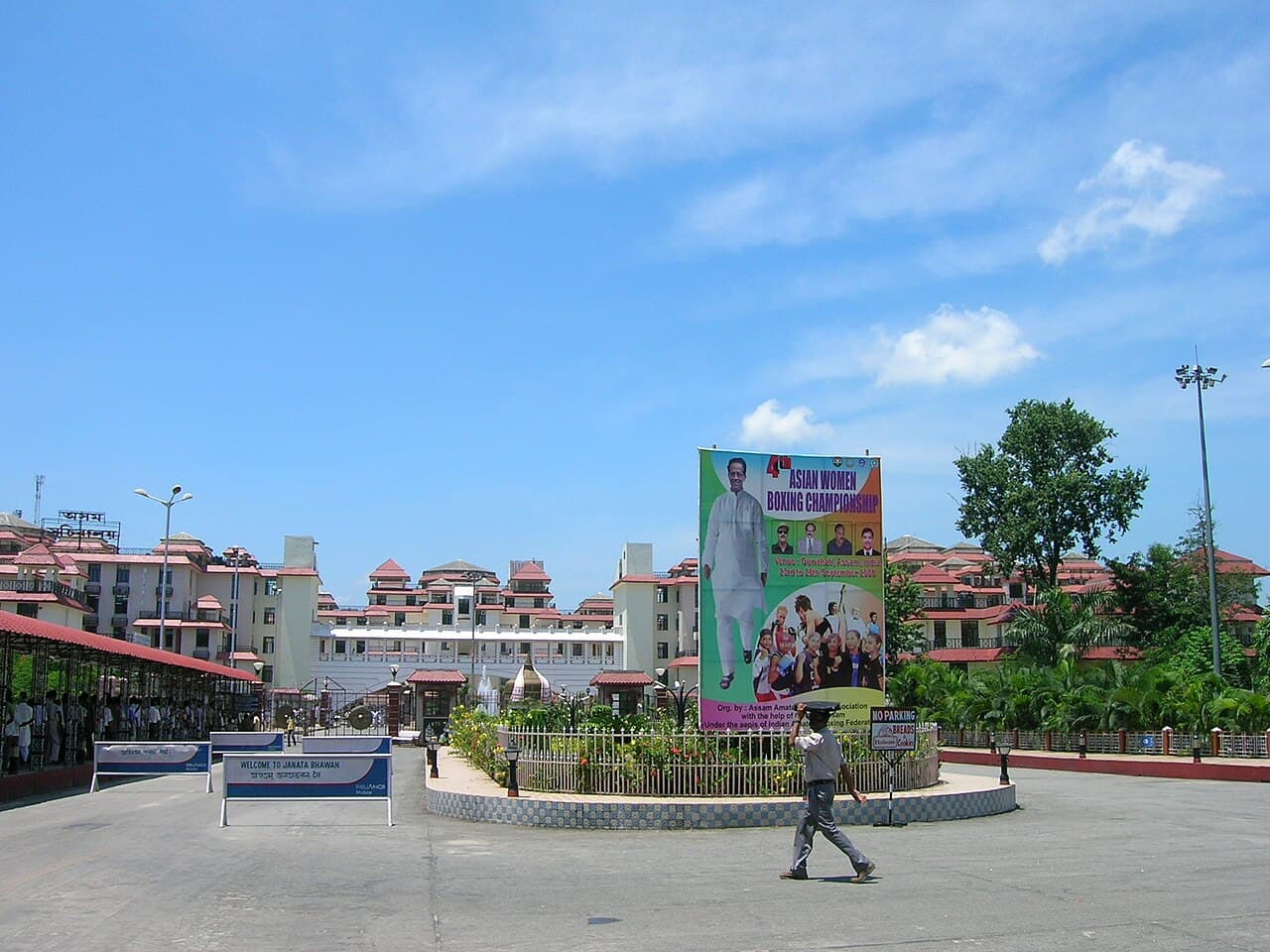





Guwahati is known for
Why Guwahati is famous
- •What Guwahati is: A city on the Brahmaputra in Assam, and the gateway to the Northeast. Its religious significance rests almost entirely on Kamakhya, on Nilachal Hill, about 7 km from the city.
- •Correcting your own copy: Your page says Guwahati sits 'at the confluence of the Brahmaputra River and the Dhansiri River'. It does not. The Dhansiri meets the Brahmaputra far to the east, in the Golaghat area. Guwahati is on the Brahmaputra alone. This is the seventh invented confluence this series has found.
- •What it is: The temple of Kamakhya on Nilachal Hill, described as the most powerful of the 51 Shakti Peethas and the oldest centre of Tantric worship in India. Where Sati's yoni is held to have fallen.
- •There is no idol: Worship centres on a natural rock cleft - the yoni peetha - inside a cave beneath the main sanctum, reached by a staircase descending from the main structure, lit by oil lamps. The fissure stays perpetually moist from an underground spring. In shakta and tantric tradition the natural formation is itself the living presence of the goddess, so a carved image is unnecessary.
- •Its architecture: The leading example of the Nilachal style, specific to Assam, fusing three regional traditions. The garbhagriha carries an anda dome - a rounded, beehive-shaped shikhara drawn from Buddhist stupa proportions - while the attached mandapas use the Bengali chala form, curved to shed heavy monsoon rain. Older walls carry terracotta panels with devotional and erotic imagery, a standard part of tantric temple programmes in eastern India.
- •Its history: Origins in the first millennium under the Kamarupa kingdom, attributed in one record to the Mlechchha dynasty. The structure was razed in the 16th century during Kalapahar's campaigns and the site stood without a working temple for decades. The ruins were found by Vishwasingha, founder of the Koch dynasty, who revived worship; reconstruction was completed in 1565 under his son Naranarayan, using material from the original temples lying scattered about. Chilarai, Naranarayan's brother and general, is credited in several accounts. Ahom rulers built further on it.
- •The closure IS the festival: Each June the sanctum closes for THREE DAYS because the goddess is held to be menstruating, and reopens on the fourth day. For 2026 the mela is reported as running from the night of 22 June to the morning of 26 June, with the sanctum shut 23-25 June and reopening on the 26th. Reopening day draws the heaviest footfall of the year.
- •Its scale: Several lakh pilgrims, sadhus and ascetics over four days - called the Mahakumbh of the East, and among the largest tantric congregations in the world. Some Tantric practitioners appear in public only during these four days and remain in seclusion the rest of the year.
- •What devotees observe: During the three days, restrictions are observed: no cooking, no puja, no reading of holy books, no farming.
- •The prasad: Unlike other Shakti Peethas, a red wet cloth is given as prasad. A white cloth is said to be spread inside the temple during the three days; when the doors open it is soaked red, and this is the Ambubachi cloth distributed to devotees.
- •An unusual policy, stated neutrally: Sources note that menstruating women may visit Kamakhya, unlike at many Hindu temples, though traditionally they are advised not to enter the inner sanctum and may pray from outside. State this as sourced practice; do not editorialise.
- •Prohibited items: Photography is prohibited inside, as are food, drinks, tobacco and sharp objects. Pack 06 proposed prohibited_items for Puri; the same field applies.
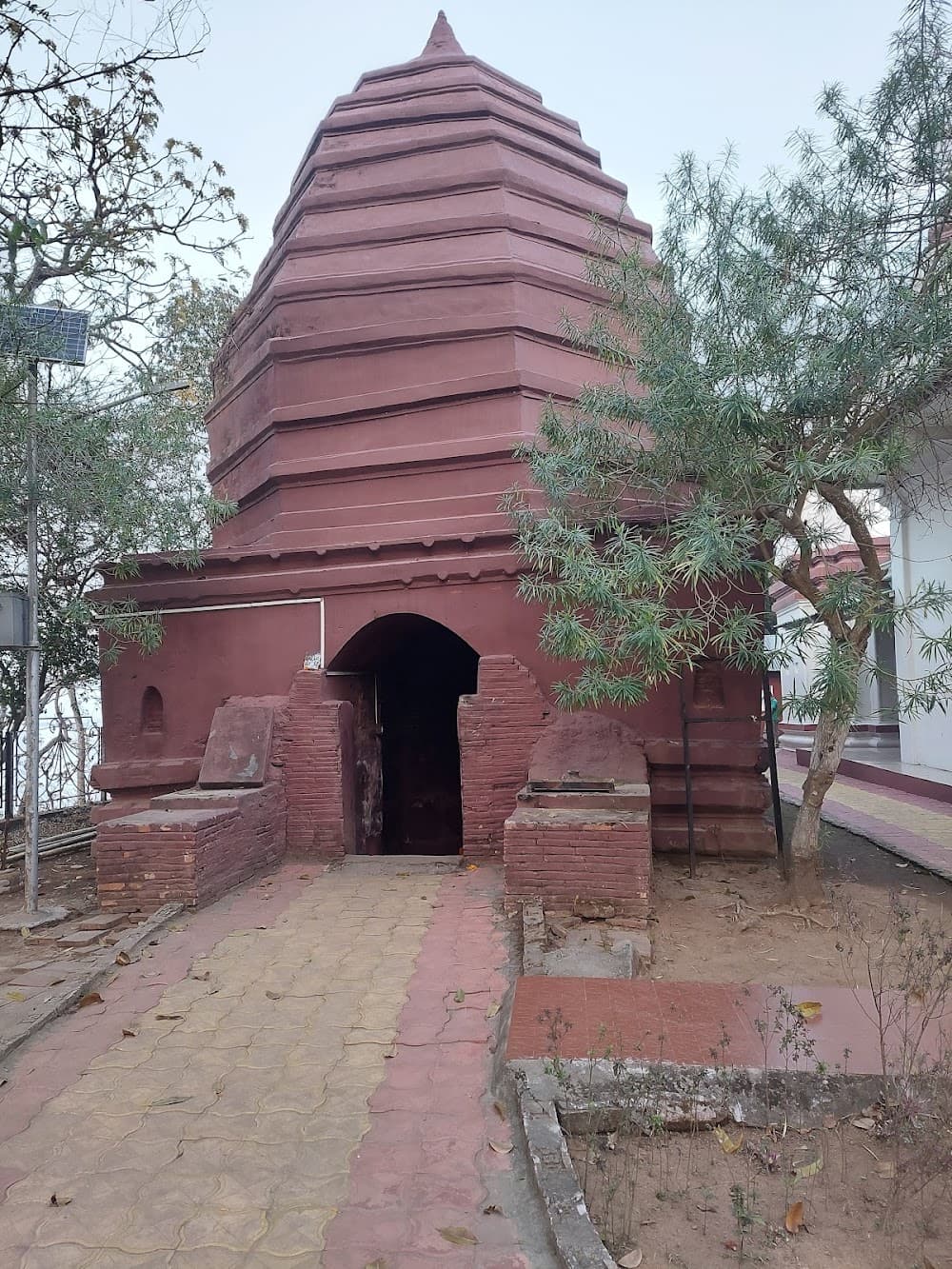
- •Umananda: The temple on Peacock Island in the Brahmaputra, reached by ferry - currently the top-ranked Sacred entity on your page, which it should not be while Kamakhya is absent.
- •Deepor Beel: A large freshwater wetland southwest of the city, reported as Assam's wetland of international importance under the Ramsar Convention - VERIFY the designation before publishing. Your data holds a 'viewing point' for it and not the wetland.
AI-drafted from general knowledge — may contain mistakes.
Guwahati at a glance
- ⚠️If you are going for darshan
- ⚠️do NOT arrive during the three closed days of Ambubachi unless the mela itself is the point. Reopening day is the single most crowded day of the Kamakhya year. And the sanctum is a cave reached by a descending staircase - it is dark
- ⚠️narrow and slow.
History at a glance
- Mythological · PURANICSati immolates herself; Shiva carries her body; Vishnu's chakra divides it. The spot where her yoni fell becomes Kamakhya.
- First millennium · KAMARUPAThe original temple is built during the Kamarupa kingdom; one record attributes it to the Mlechchha dynasty.
- 16th century · MEDIEVALThe structure is razed during Kalapahar's campaigns. The site stands without a working temple for decades.
- 1515-1540 · KOCHVishwasingha, founder of the Koch dynasty, finds the ruins and revives worship at the site.
- 1565 · KOCHReconstruction is completed under King Naranarayan, using material from the original temples lying scattered about. Chilarai, his brother and general, is credited in several accounts.
- 17th century · AHOMAhom rulers build further on the structure; many later additions follow.
- Annual, each June · LIVINGAmbubachi Mela. The sanctum closes for three days and reopens on the fourth.
Best time to visit
Guwahati's climate is characterized by hot and humid summers, with temperatures often soaring during the peak summer months, while the winters are mild and pleasant, with a brief period of coolness during December and January. The city experiences a distinct monsoon season from June to September, bringing heavy rainfall and a respite from the summer heat.
- Ambubachi Mela · anchored to Annual, mid-June[PRINCIPAL FESTIVAL - CLOSURE IS THE FESTIVAL] The sanctum closes for three days because the goddess is held to be menstruating, and reopens on the fourth. Several lakh pilgrims, sadhus and ascetics - called the Mahakumbh of the East, and among the largest tantric congregations in the world. Some Tantric practitioners appear in public only during these four days. Devotees observe restrictions: no cooking, no puja, no reading of holy books, no farming. A red wet cloth is given as prasad.
- 'Uruka' · anchored to Your page says October/November[FABRICATED ENTRY - REMOVE] Uruka is the community feast night before Magh Bihu, in January. Families and neighbourhoods cook and eat together through the night, and bhelaghar and meji structures are burned the following morning.
- Magh Bihu (Bhogali Bihu) · anchored to Magh, mid-JanuaryThe harvest festival, preceded by Uruka. Feasting, bhelaghar and meji burning.
- Bohag Bihu (Rongali Bihu) · anchored to Bohag, mid-AprilThe Assamese new year and spring festival - husori singing, Bihu dance, and the most important festival in the Assamese calendar.
- Kati Bihu · anchored to Kati, mid-OctoberThe sombre third Bihu - lamps lit at the tulsi plant and in the fields.
- Manasa Puja, Vasanti Puja, Madandeul · anchored to Various[TEMPLE CALENDAR] Observances in the Kamakhya calendar beyond Ambubachi.
- In 12 daysGandhi Jayanti · 2 October
- In 29 daysDurga Ashtami / Maha Navami · 19 October
- In 30 daysDussehra (Vijayadashami) · 20 October
- In 39 daysKarwa Chauth · 29 October
Real dates, not AI-drafted — sourced from the Hindu Panchang, same for every destination.
Weather details and any festival without a stated lunar anchor above are AI-drafted from general knowledge, not independently verified — timing is approximate; double-check before planning around one.
Part of these sacred circuits
Near me
Share your location to see famous places closest to you right now.
Famous places in Guwahati
Sacred & Spiritual
See all 84 →Heritage & Monuments
See all 17 →Nature & Outdoors
See all 11 →Shops & Restaurants
See all 17 →Places to Stay
Getting there & around
- Air — Lokpriya Gopinath Bordoloi International Airport. Kamakhya is about 7 km from the city on Nilachal Hill, by road up the hill or on foot.
What travellers actually paid
Reported by real travellers, not looked up — a real range with a count, never a single guessed number.
Loading…