
Jagdalpur
Waterfalls, temples, and tribal crafts
Morning mist wraps around rugged hillsides slowly
Jagdalpur is a haven for nature lovers and history enthusiasts alike. Nestled in the heart of Chhattisgarh, this charming city is a treasure trove of natural beauty and cultural heritage. The city's lush green surroundings and rolling hills make it an ideal destination for trekkers and adventure seekers, while its rich history and architecture attract history buffs. From the majestic waterfalls to the ancient temples, Jagdalpur's natural and cultural landscapes are a perfect blend of serenity and excitement, drawing travelers seeking a mix of relaxation and exploration. Whether you're a thrill-seeker or a culture vulture, Jagdalpur's unique charm will leave you enchanted and eager to return.
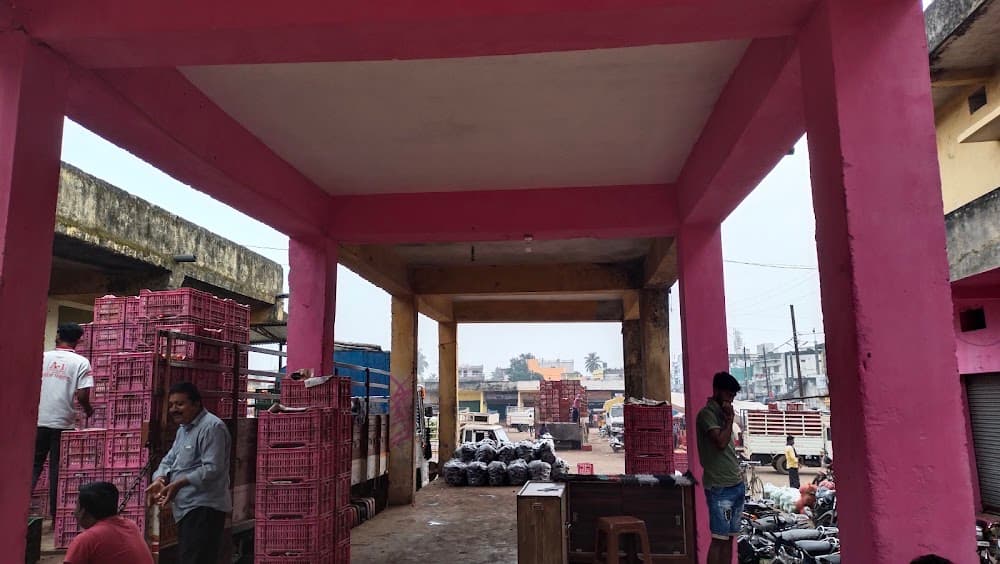
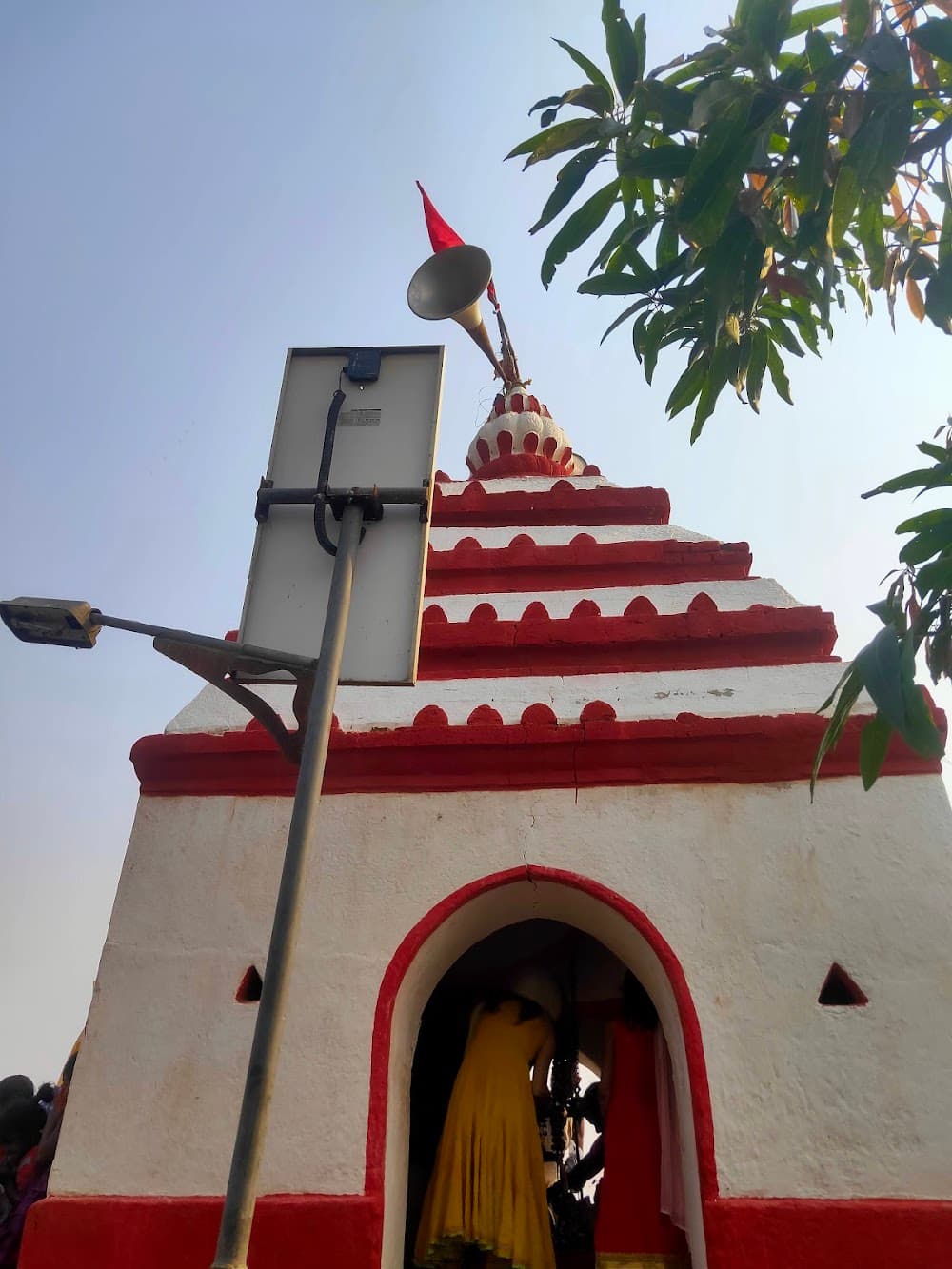
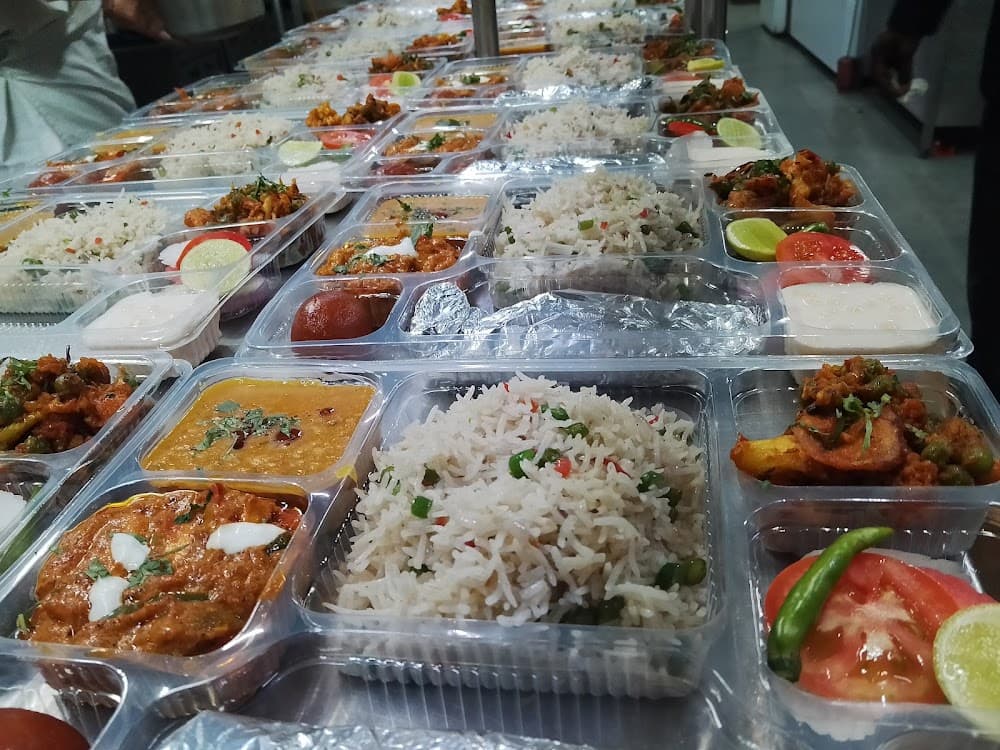
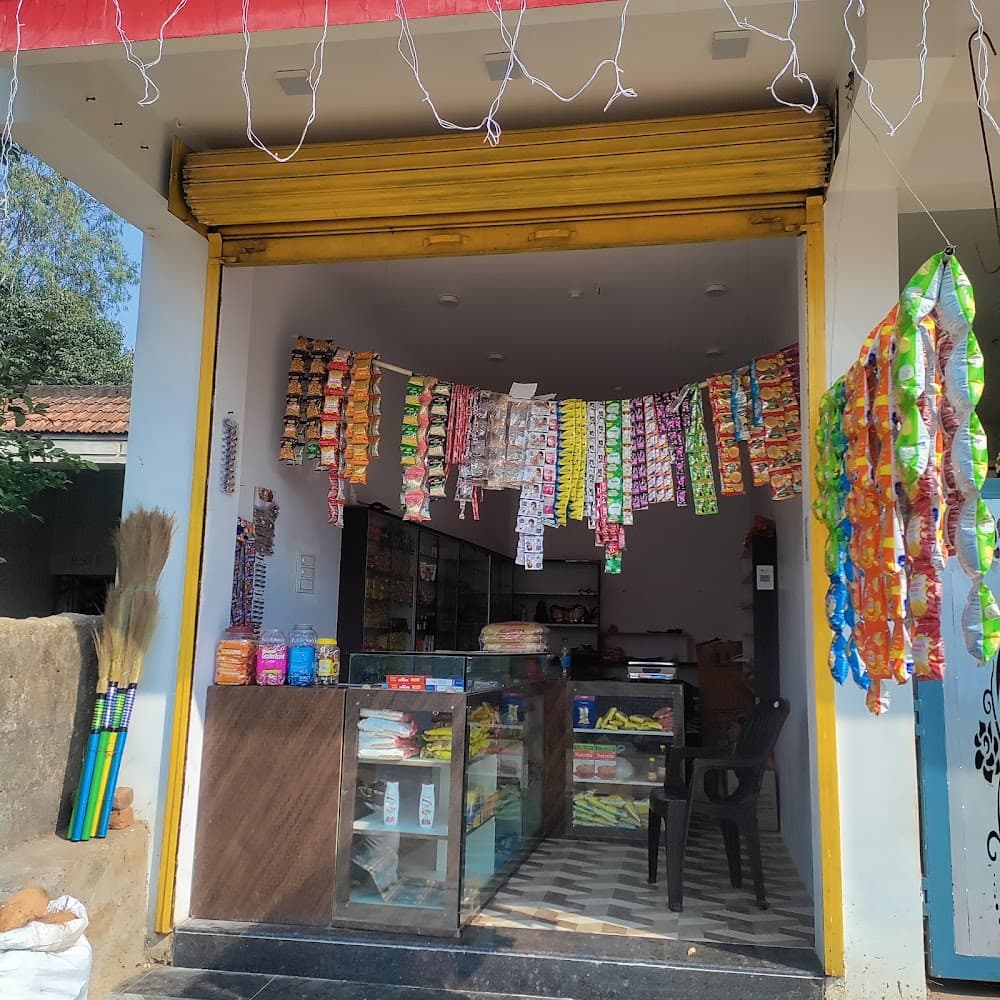
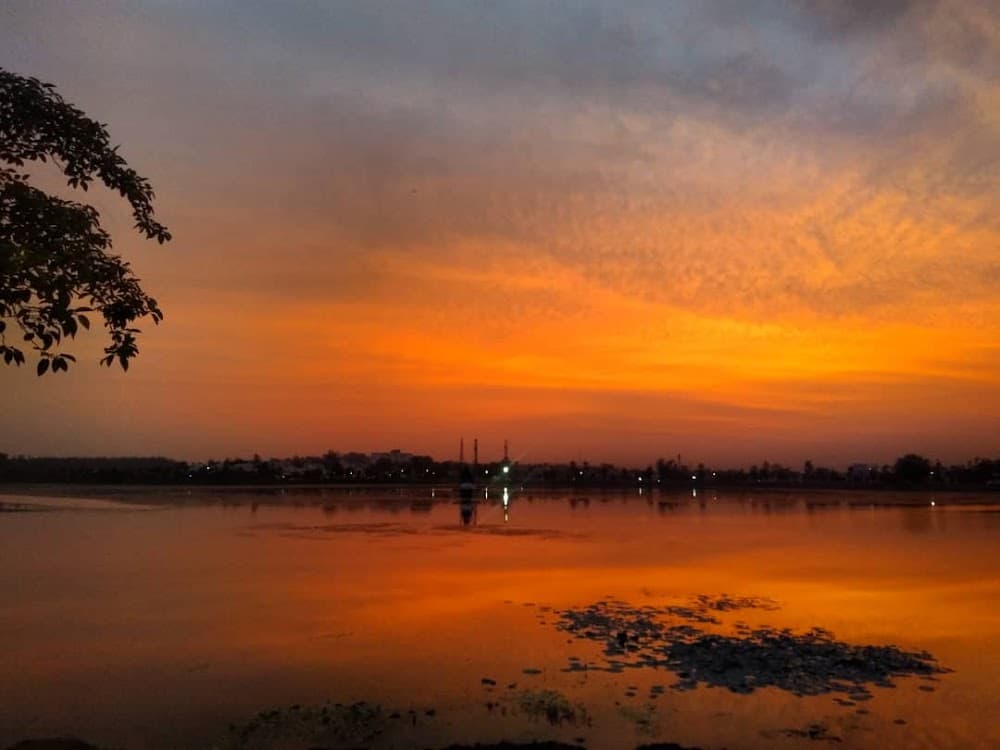
Jagdalpur is known for
Why Jagdalpur is famous
- •What Jagdalpur is: The headquarters of Bastar district in Chhattisgarh, at about 552 m, with a 2011 population of 325,463. Wikipedia gives its nicknames as Gateway to Bastar, Mumbai of Chhattisgarh and City of Crossroads.
- •Carry a sourced advisory line: One source states Bastar's reputation took a hit in the 2000s and 2010s due to Maoist activity and that the region has seen significant security improvement over the past decade. Another says Bastar is safe to travel and advises going with a guide and following the guidance of local authorities. That is the documented position; publish it with an as-of date rather than leaving it unsaid.
- •Seventy-five days, not fifteen: Sources are consistent: 75 days, described variously as the longest festival in India and one of the longest in the world. One source notes that by strict Hindu-calendar reckoning - Shravan's waning moon to the thirteenth day of Ashwin's waxing moon - it stretches to 107 days. Another says it starts on the day of HARELI.
- •It is not about Rama: Every source says so explicitly. It honours GODDESS DANTESHWARI, the presiding deity of Bastar and the kuldevi of its former ruling dynasty. One source describes the festival as devoid of the Ramayana influence Dussehra elsewhere carries, and as a celebration of the tribes and their deities - Mawali Mata and Maa Danteshwari.
- •Its origin: Believed to have begun in the 13th century during the reign of King Purushottam Dev, the fourth king of Bastar. One source attributes its initiation to the Kakatiya dynasty and gives it over 600 years; another names the Bhanj dynasty as the royal seat's line. CARRY THE VARIANCE rather than picking.
- •Who runs it: One source notes it is organised by the RAJ FAMILY of Bastar, unlike most festivals run by government departments or private organisers. That is who you would ask for dates - a hereditary authority rather than an administrative one.
- •The rituals: Rath Yatra, Bhitar Raini, Bahar Raini and Muria Durbar are the climactic ceremonies. The chariot is built fresh each year using only traditional tools and tribal labour, and is pulled by around 400 people - one source notes it is NEVER PUSHED, because the deity rides on it, so crowds pull from either side to turn it. At Bahar Raini the tribals take the chariot from the palace grounds overnight to Kumdakot; the king goes, eats with them, and brings the goddess back.
- •2026 dates: One source gives the festival running late July to late October 2026, with the climactic ceremonies clustered around 17 to 22 October and peaking on Vijayadashami, Tuesday 20 October 2026. It suggests a four to six day trip arriving by 16 October. VERIFY with the Bastar Raj family or the district administration.
- •Chitrakote: Called the Niagara of India. On the course of the INDRAVATI, described as the widest waterfall in India at nearly 300 metres across in monsoon. Reported about 1.5 hours from Jagdalpur, spectacular in monsoon and early October while water levels are high.
- •The others: Tirathgarh, a multi-tiered cascade inside Kanger Valley National Park, reported about two hours out. Tamda Ghumar and Mendri Ghumar, described as plunge waterfalls. None is in your data.
- •The park and its caves: Limestone caves - Kotumsar, Kailash and Dandak - in what one source calls one of central India's last undisturbed ecological zones. Dandak is reported as discovered in April 1995 by a forest official, with Kanger Dhara running parallel to its path.
- •Two temples, one goddess: Maa Danteshwari temple stands in the RAJMAHAL premises at Jagdalpur - the focus of Dussehra. The temple at DANTEWADA is described as the spiritual seat and a SHAKTI PEETHA believed to mark where Sati's tooth fell, at the confluence of the Shankini and Dankini rivers. Neither is in your data, and your product carries a Shakti Peethas circuit.
- •The palace and the museum: One source names Jagdalpur Palace as the royal seat and an ANTHROPOLOGICAL MUSEUM established in 1972, dedicated to Bastar's tribal cultures. Another names Narayanpal Temple, dated to the 11th century and described as the only Vishnu temple in the Bastar region.
AI-drafted from general knowledge — may contain mistakes.
Jagdalpur at a glance
- ⚠️If Dussehra is the point
- ⚠️time it for the Rath Yatra - one source says photographs cannot prepare you for the scale. Otherwise Chitrakote is best in monsoon and early October. And go with a guide
- ⚠️as sources advise.
History at a glance
- 11th century · MEDIEVALNarayanpal Temple is built - described by one source as the only Vishnu temple in the Bastar region.
- 13th century · KAKATIYA / BHANJBastar Dussehra is believed to have begun during the reign of King Purushottam Dev, the fourth king of Bastar.
- 1972 · MODERNThe Anthropological Museum is established at Jagdalpur, dedicated to Bastar's tribal cultures.
- April 1995 · MODERNDandak Cave is discovered in Kanger Valley National Park by a forest official.
- 2000s-2010s · MODERNMaoist activity affects Bastar's reputation. One source reports significant security improvement over the past decade.
- 17-22 October 2026 · LIVINGThe climactic ceremonies of Bastar Dussehra - Rath Yatra, Bhitar Raini, Bahar Raini, Muria Durbar - peaking on Vijayadashami, Tuesday 20 October 2026.
Best time to visit
Jagdalpur's climate is characterized by hot and humid summers, with temperatures often soaring during the peak summer months, while the winters are mild and pleasant, with a brief spell of cooler weather. The city experiences a distinct monsoon season, with heavy rainfall typically occurring from July to September.
- Bastar Dussehra · anchored to Begins on Hareli, ShravanHonours GODDESS DANTESHWARI, not Rama. Rath Yatra with a chariot built fresh each year by tribal labour and pulled by around 400 people; Bhitar Raini; Bahar Raini, when the tribals take the chariot to Kumdakot and the king must go to them; Muria Durbar. Organised by the Bastar Raj family.
- 'Kanwar Yatra - March/April' · anchored to SHRAVANThe Kanwar Yatra is a Shravan pilgrimage carrying Ganga water, principally to Shiva shrines in the north.
- 'Bastar Mela' and 'Bastar Hemalka Fair' · anchored to Your page says Dec/Jan and Feb/MarchI could not identify either by these names.
- Hareli · anchored to Amavasya of ShravanThe agricultural festival on which Bastar Dussehra begins.
- In 12 daysGandhi Jayanti · 2 October
- In 29 daysDurga Ashtami / Maha Navami · 19 October
- In 30 daysDussehra (Vijayadashami) · 20 October
- In 39 daysKarwa Chauth · 29 October
Real dates, not AI-drafted — sourced from the Hindu Panchang, same for every destination.
Weather details and any festival without a stated lunar anchor above are AI-drafted from general knowledge, not independently verified — timing is approximate; double-check before planning around one.
Near me
Share your location to see famous places closest to you right now.
Famous places in Jagdalpur
Sacred & Spiritual
Heritage & Monuments
Nature & Outdoors
Shops & Restaurants
Places to Stay
Civic & Services
Getting there & around
- Air — One source reports Jagdalpur has an airport operated under DRDO, Air Force, BSF and CRPF, with plane and chopper services, and that Raipur - the main Chhattisgarh airport - is about 300 km away. NH 30 serves the city. Your transport block says only 'connected to major cities' by rail and road.
What travellers actually paid
Reported by real travellers, not looked up — a real range with a count, never a single guessed number.
Loading…