
Story
AI-drafted from public sources — may contain mistakes, especially specific dates, names, or claims. Only "Good to know" above is field-checked.
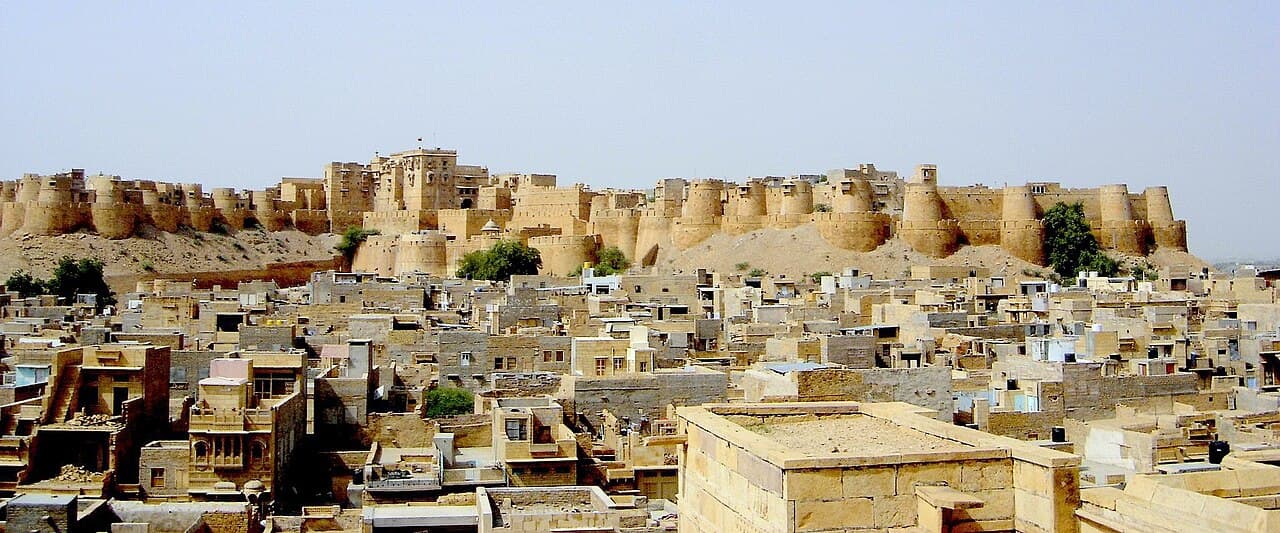
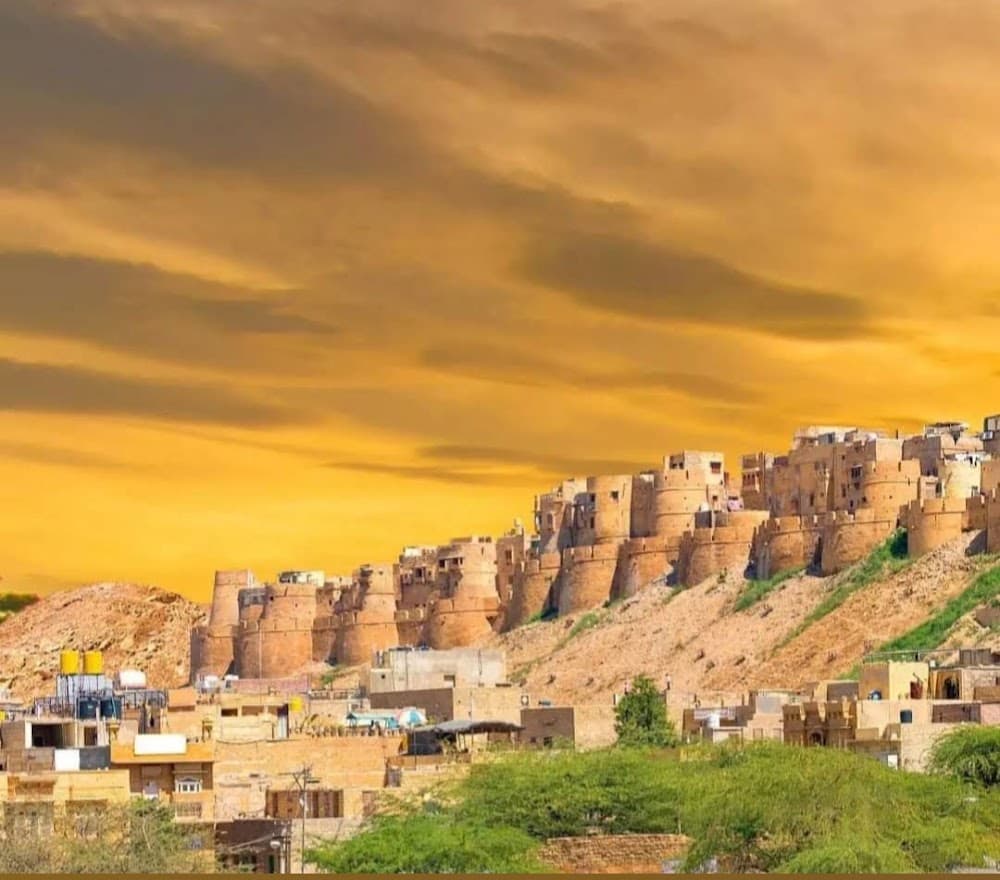
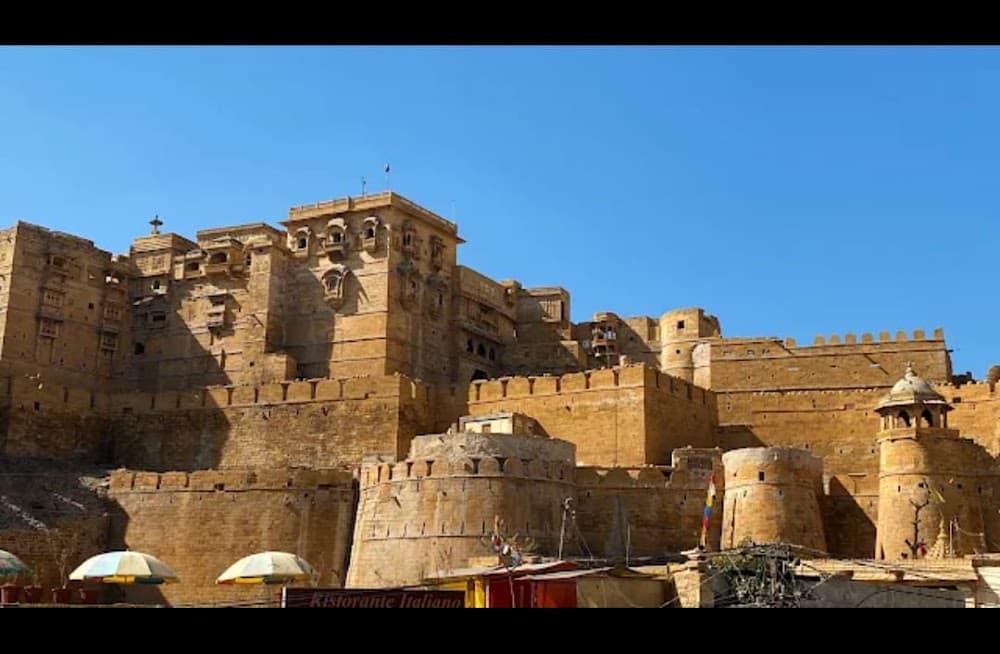
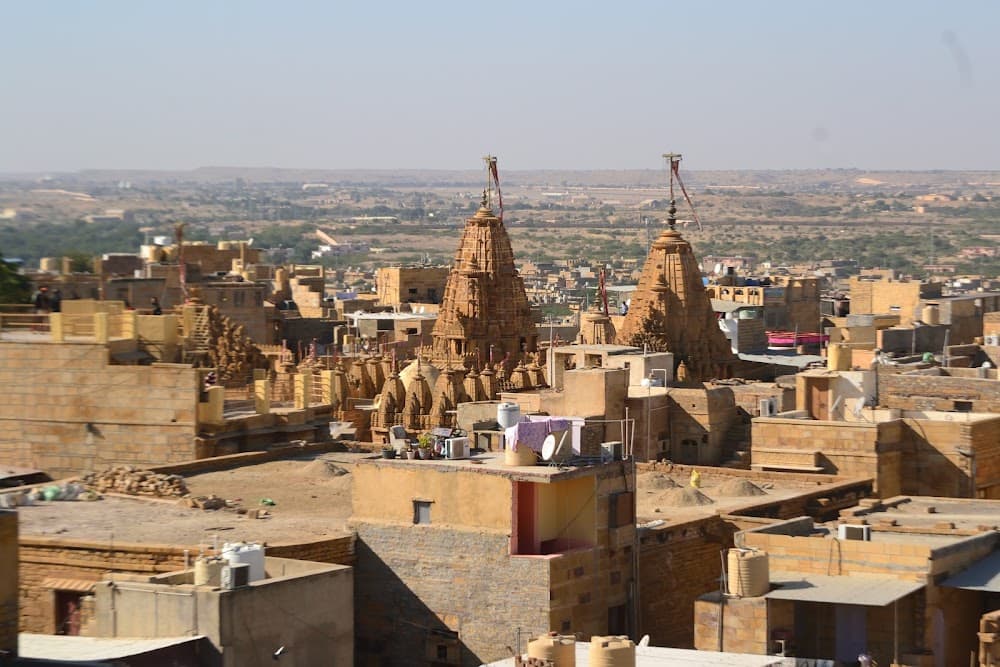
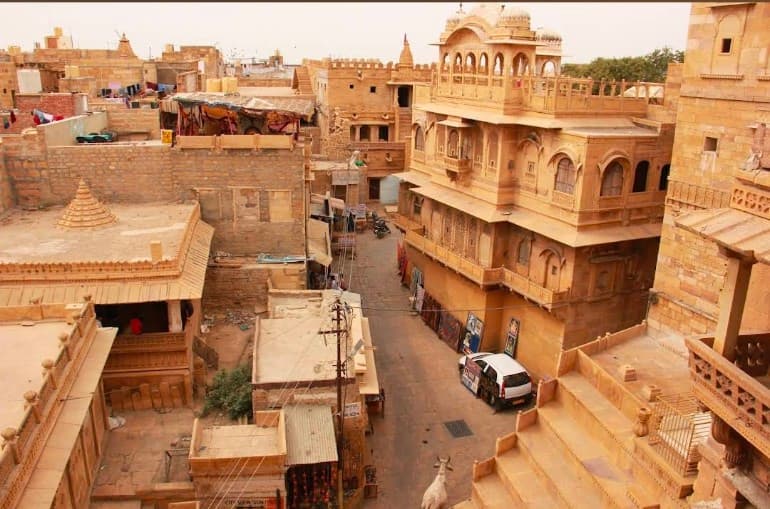
Perched atop Trikuta Hill, Jaisalmer Fort's imposing presence dominates the desert landscape. The fort's walls, crafted from the region's characteristic golden sandstone, seem to glow with an inner light, as if infused with the warmth of the setting sun. The structure's layout is a labyrinthine tapestry of narrow lanes and courtyards, punctuated by ornate archways and intricately carved doorways. The fort's architecture is a testament to the region's rich cultural heritage, blending Islamic and Rajput styles in a unique fusion.
Local tradition holds that Jaisalmer Fort, also known as Sonar Quila, is a sacred site where the divine and the mundane converge. The fort's golden sandstone walls, which seem to glow with an inner light, are said to be imbued with the essence of the divine. As the sun rises and sets, the walls are bathed in a warm, golden light, as if the very fabric of the fort is infused with the radiance of the divine. It is believed that the fort's inhabitants, who still reside within its walls, are blessed with a special connection to the divine, and that the fort's unique energy is a manifestation of this sacred connection. The fort's narrow lanes, filled with shops selling traditional Rajasthani items, are said to be a physical representation of the journey towards enlightenment, with each step leading the seeker closer to the divine. The fort's rooftop restaurants, offering panoramic views of the city and the surrounding desert, are believed to be a symbol of the union of the material and the spiritual, where the seeker can transcend the boundaries of the physical world and connect with the divine. Tradition says that the fort's inhabitants, who have lived within its walls for generations, are the custodians of the fort's sacred energy, and that they possess a deep understanding of the mysteries of the universe. As the sun sets on Jaisalmer Fort, the golden light of the walls seems to envelop the entire city, imbuing it with a sense of sacredness and wonder.
Built 1156 by RAWAL JAISAL of the Bhati clan in yellow sandstone, on Trikuta Hill 250 feet above the Thar Desert. Walls about 1,500 by 750 feet, entered through four gates. Controlled by ASI as a Protected Monument. A component of the Hill Forts of Rajasthan, criteria (ii) and (iii), reference 247, 2013. ABOUT A QUARTER OF JAISALMER'S POPULATION LIVES INSIDE IT.
As you approach Jaisalmer Fort, the golden sandstone walls seem to glow in the desert sunlight, beckoning you to explore the vibrant culture and lifestyle of the local people. The narrow lanes are filled with shops selling handicrafts, textiles, jewelry, and other traditional Rajasthani items. Visitors typically find the best time to explore the fort is early in the day, when the sun is gentle and the crowds are smaller. Wear comfortable shoes and clothing suitable for the desert climate. Bring a hat, sunglasses, and sunscreen to protect yourself from the sun. Confirm the exact timings and fees locally before your visit, as these may be subject to change.