
Khajuraho
Temples, sculptures, and intricate carvings
Warm stone beneath bare feet on sun-baked pathways
Khajuraho. The name derives from Sanskrit kharjura, date palm, and vahaka, bearer - Kharjuravahaka. Local legend holds the site once had two golden date-palm trees as its gate, missing by the time of the rediscovery., in Chhatarpur district, Madhya Pradesh, in the Bundelkhand region. A town of roughly 24,000 people, spread across an undulating landscape of uplands, lakes and rivulets..
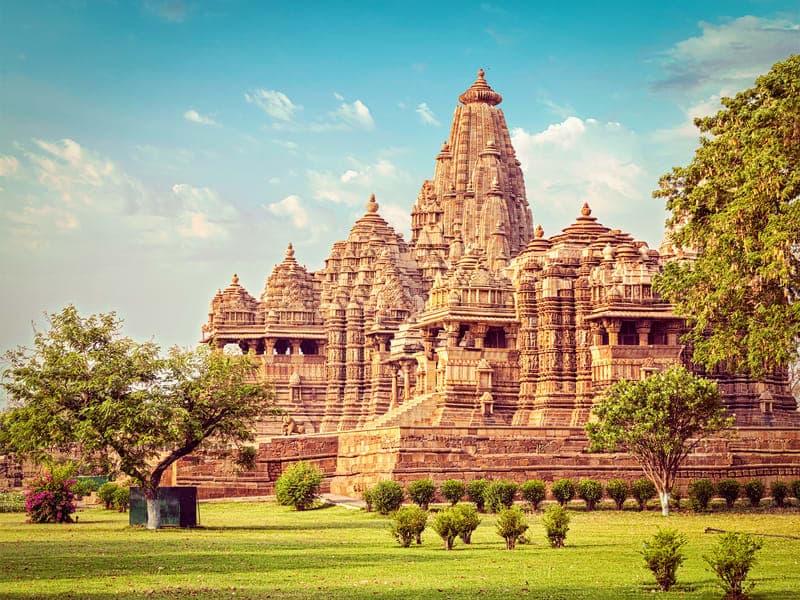
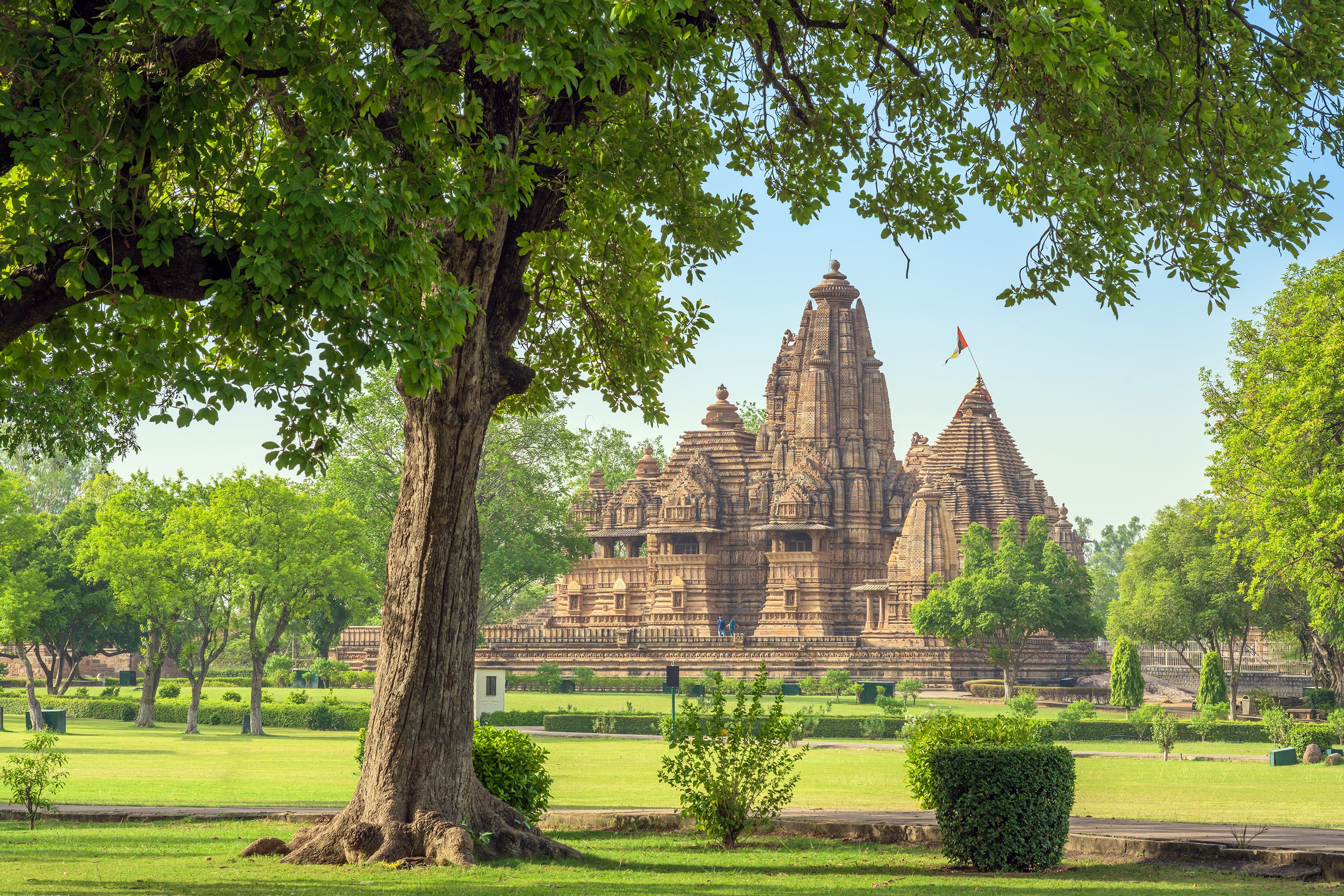
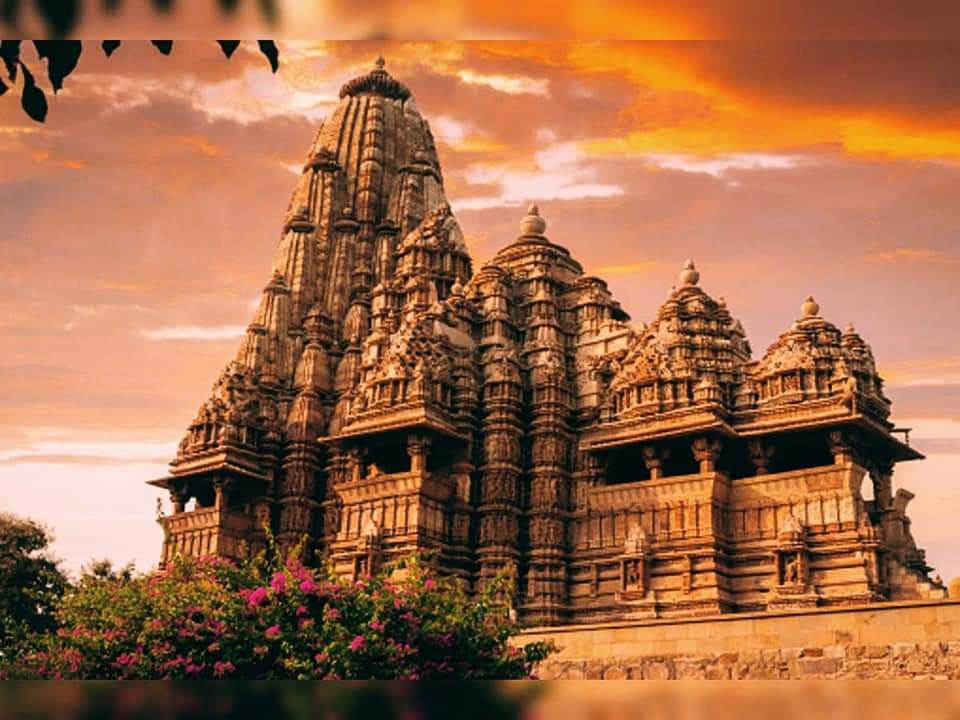
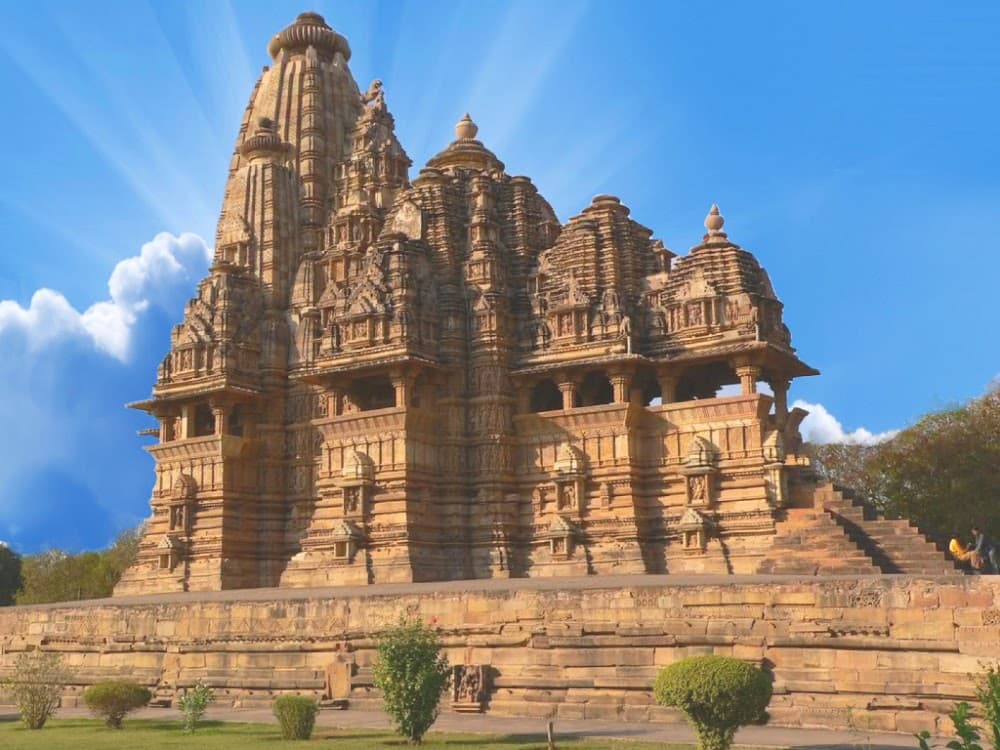
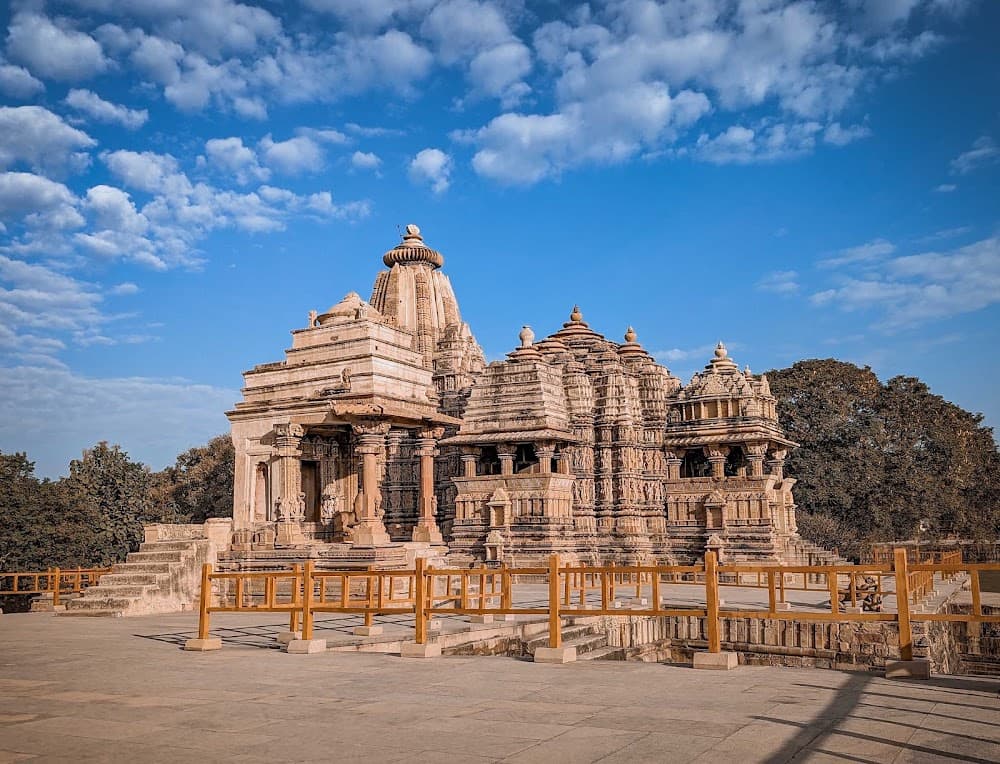
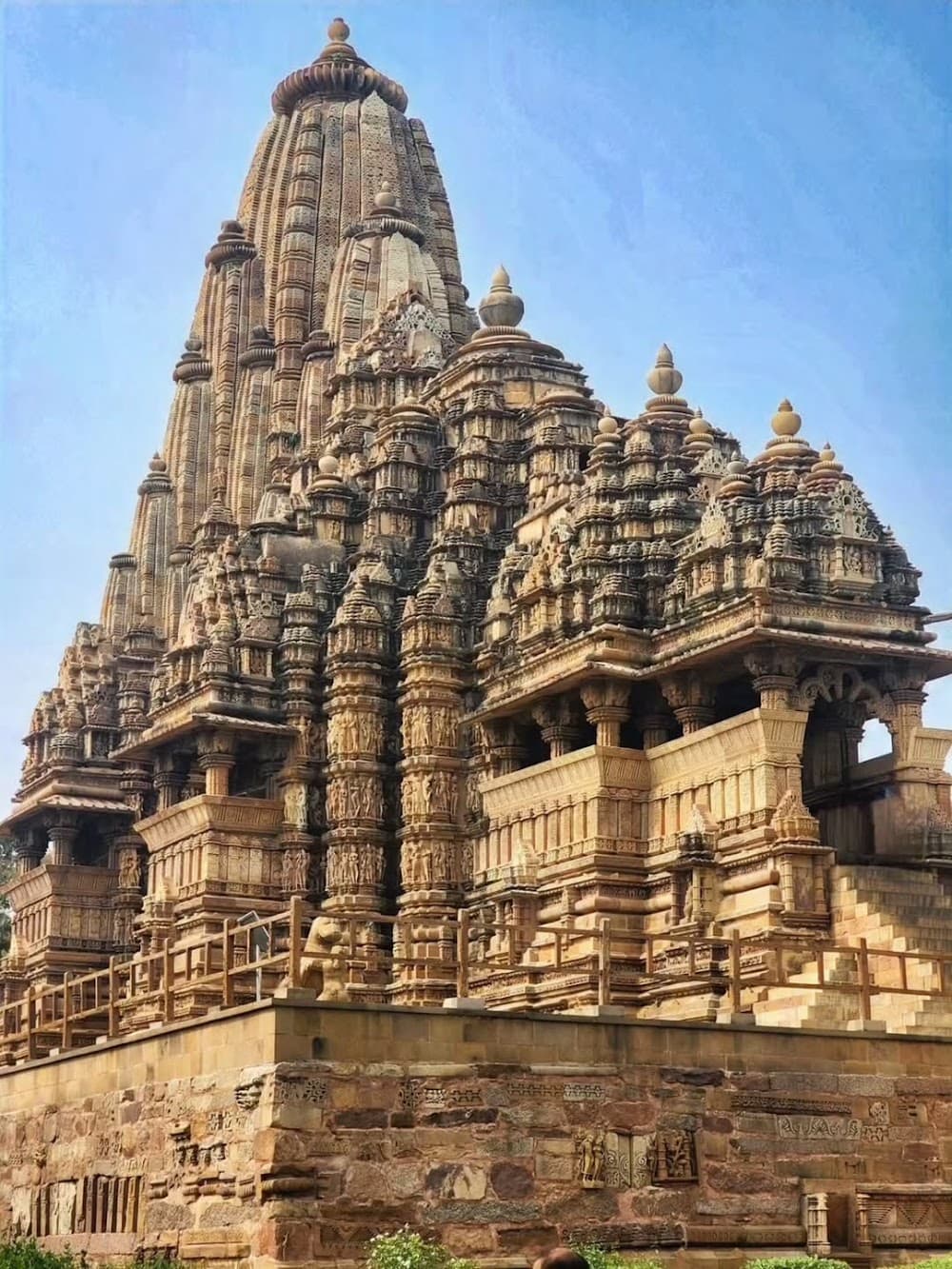
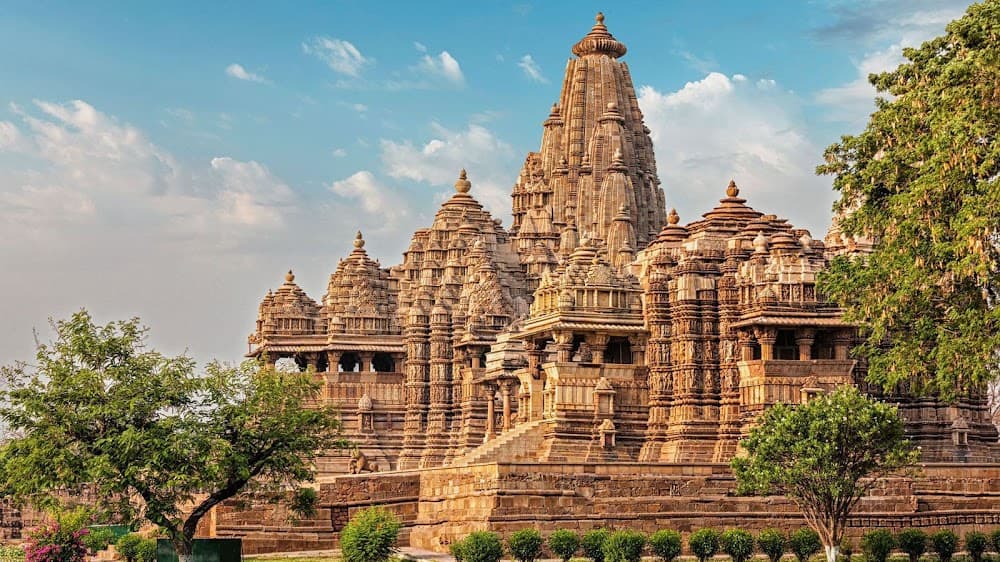
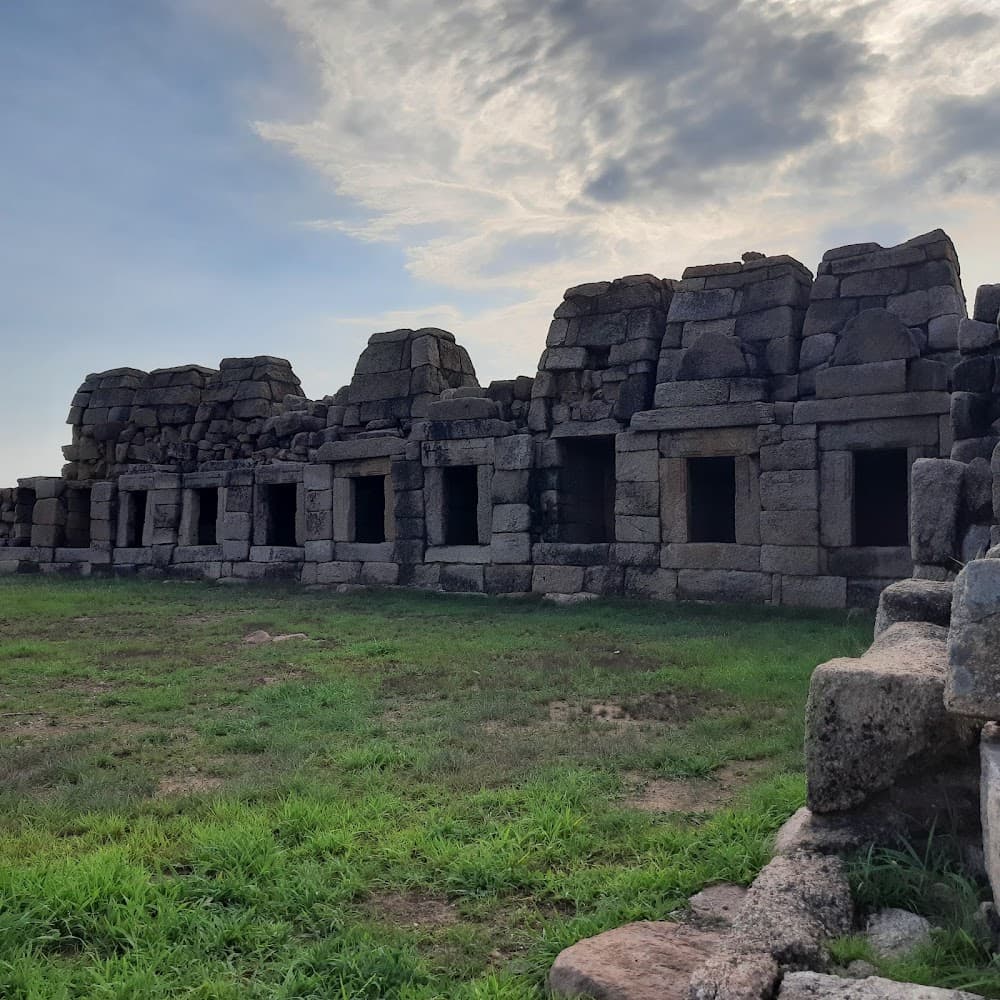
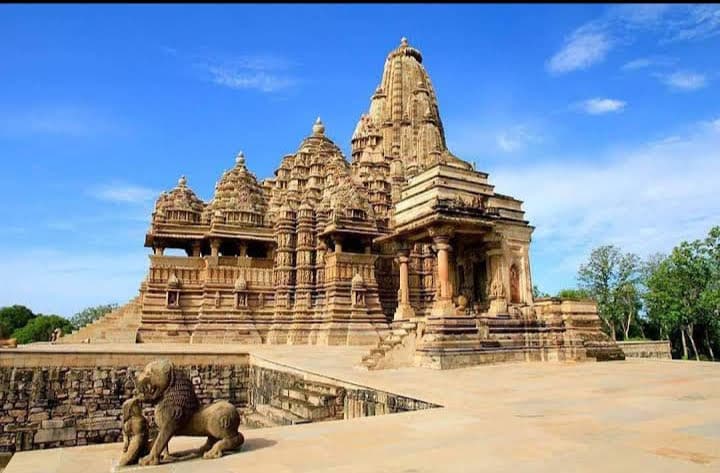
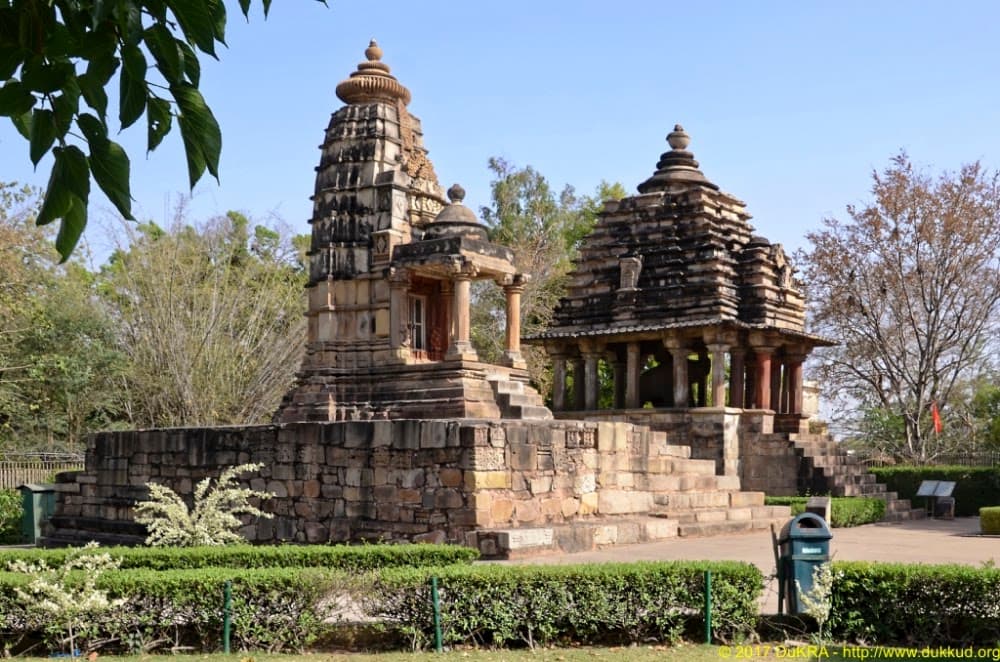
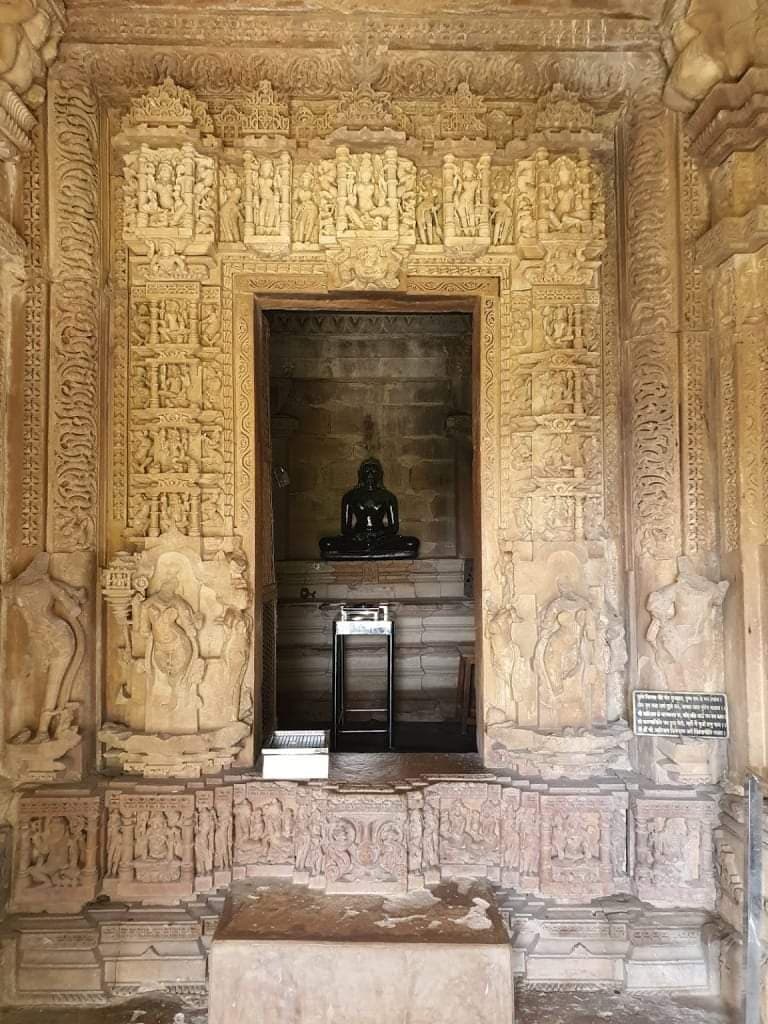
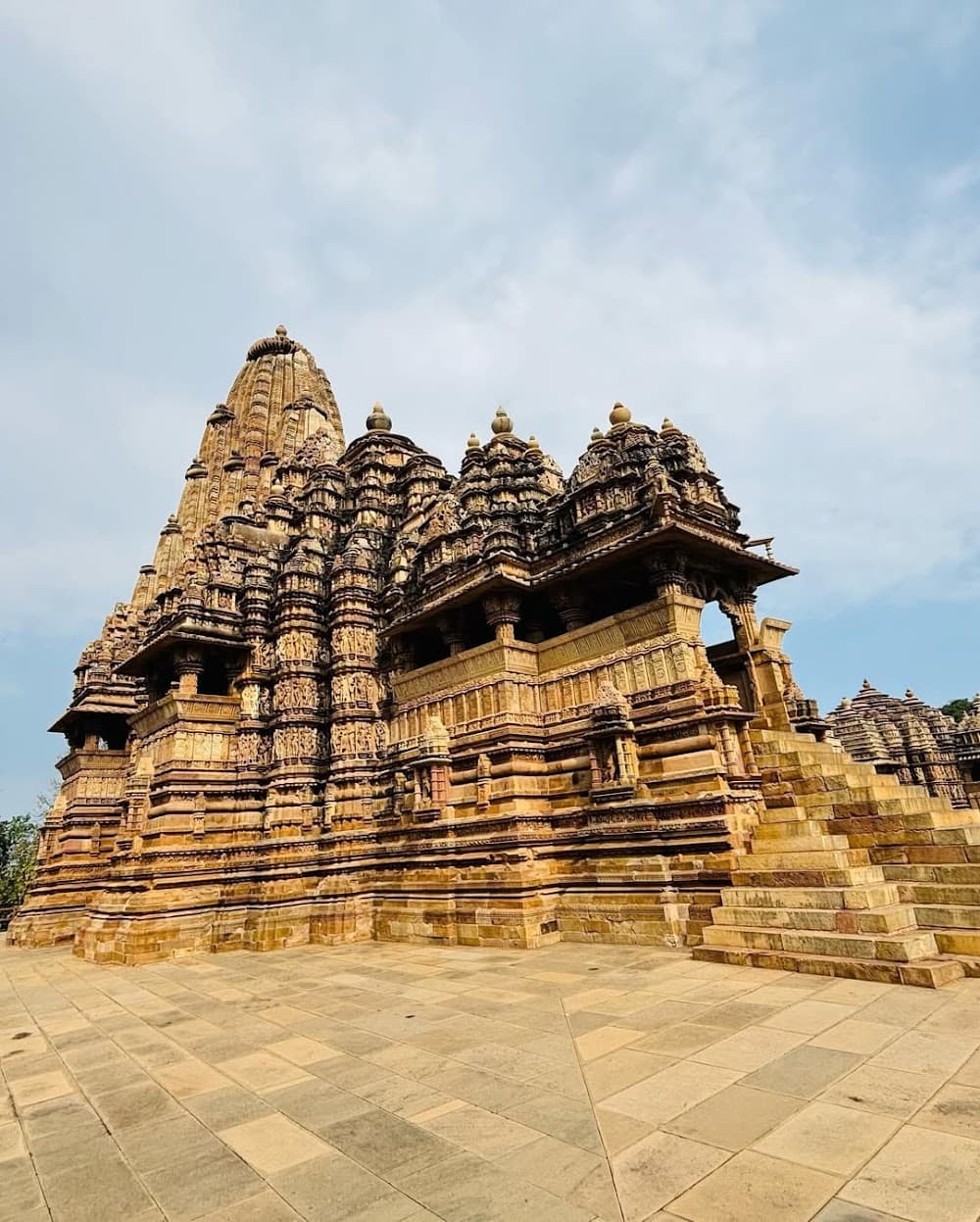
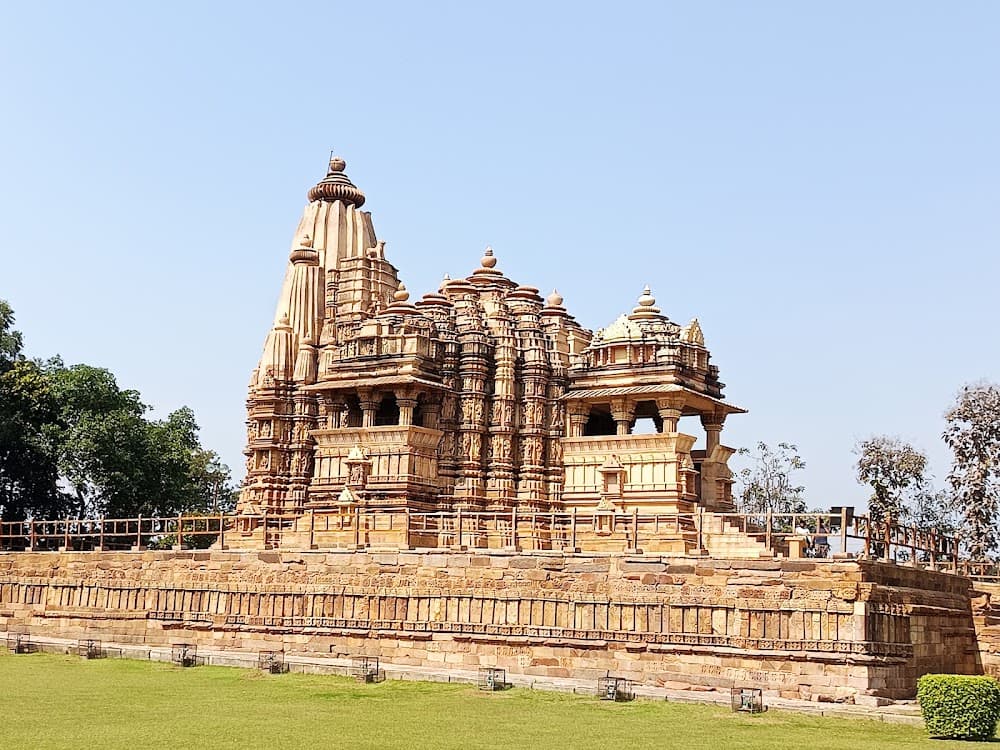
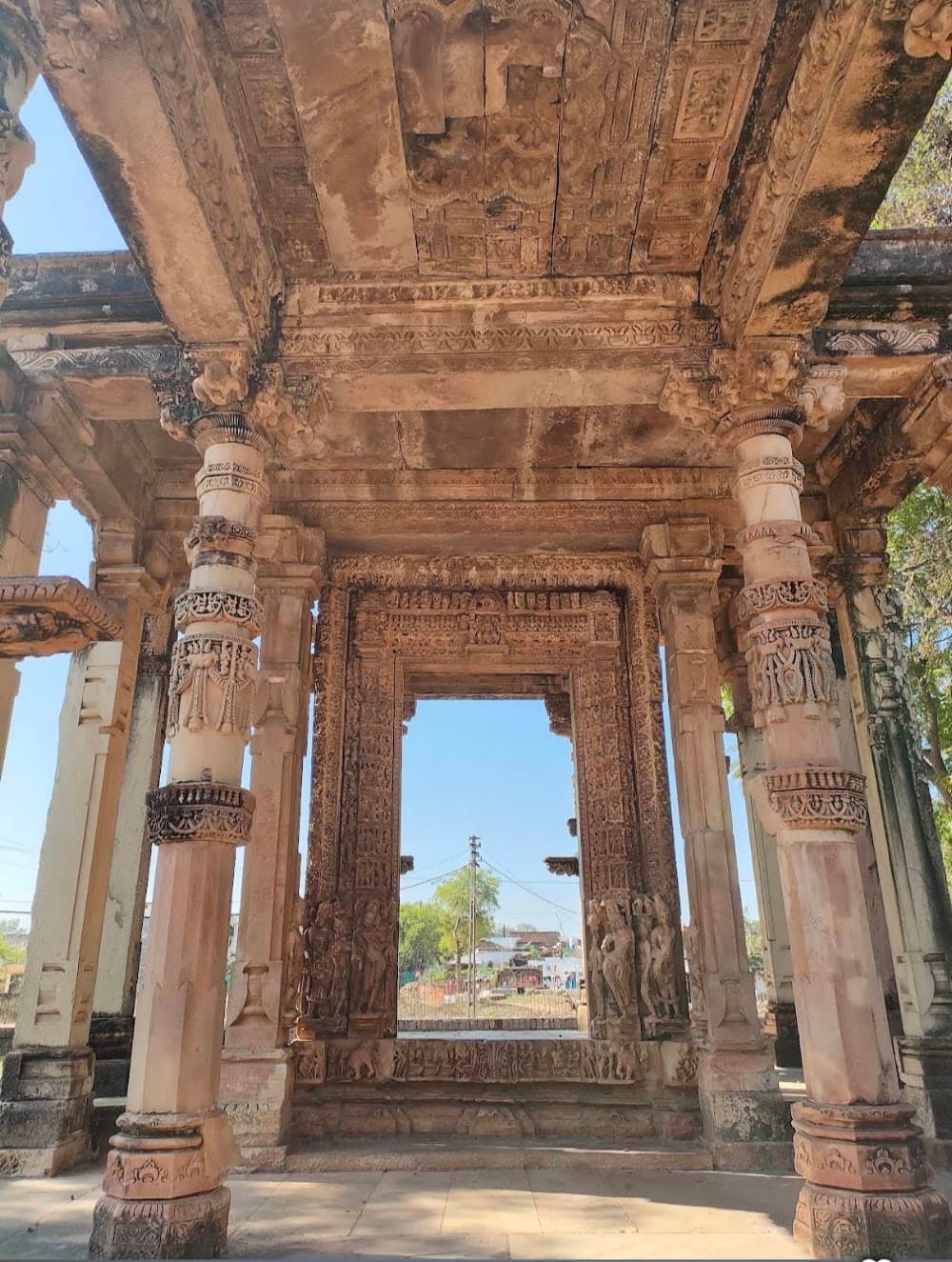
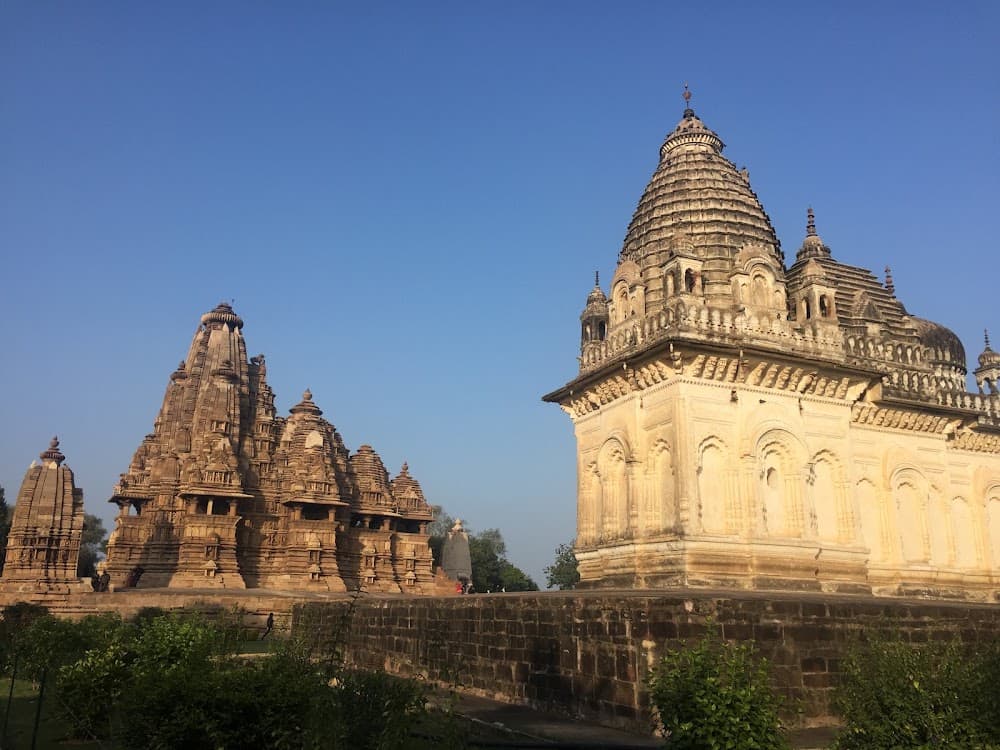
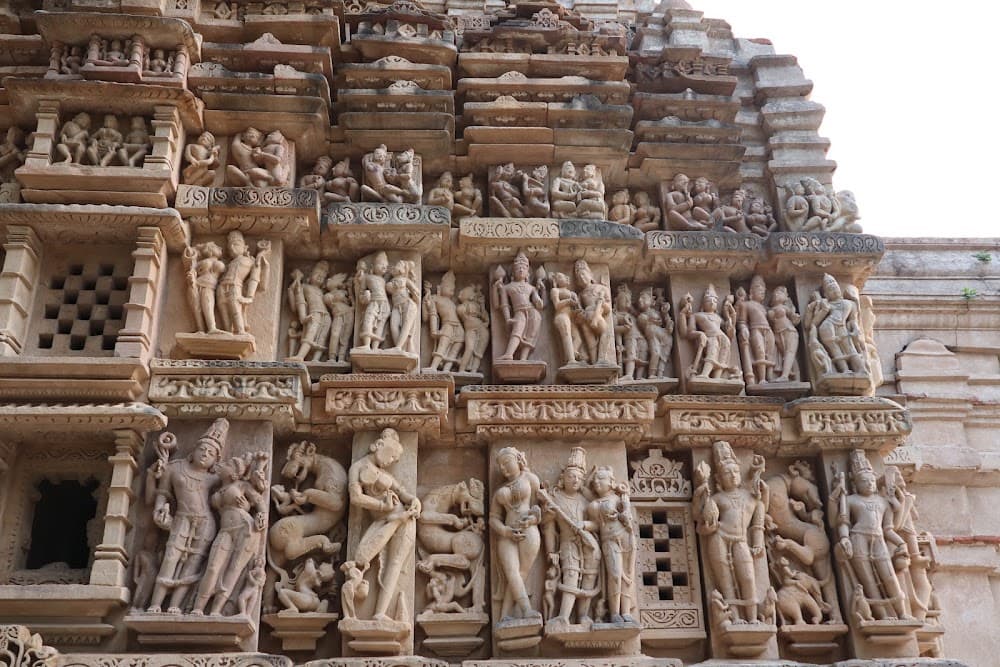
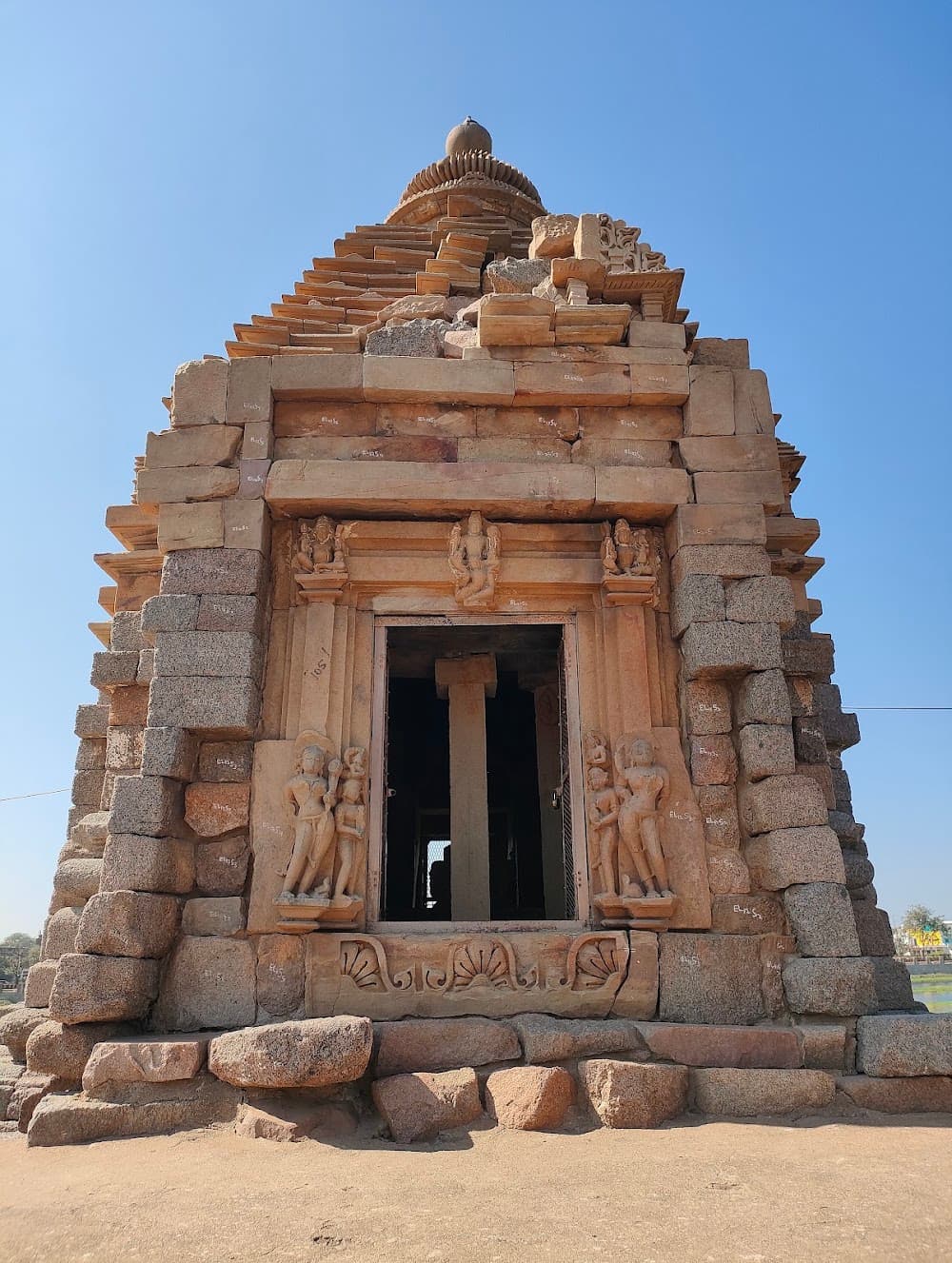
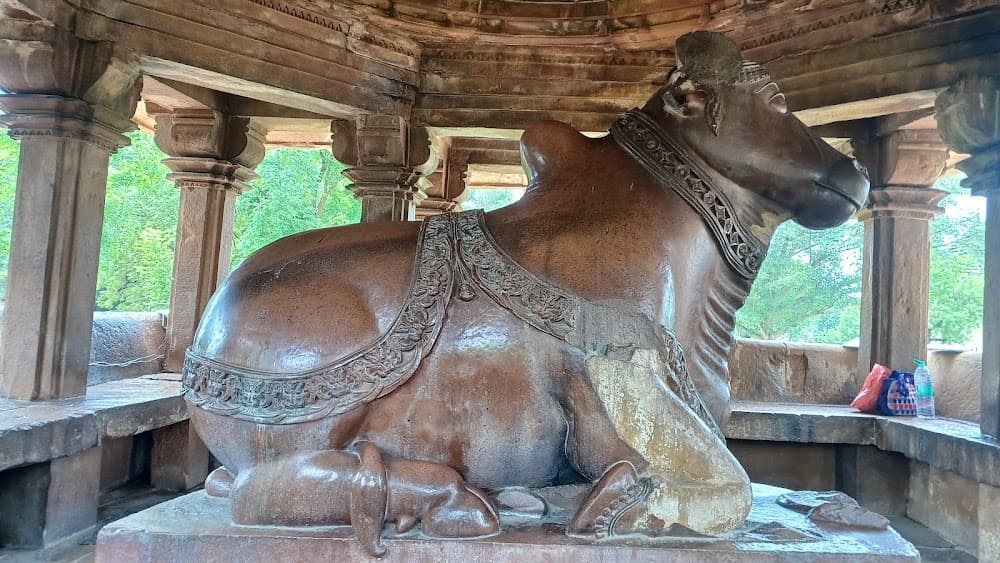
Khajuraho is known for
Why Khajuraho is famous
- •State / setting: Chhatarpur district, Madhya Pradesh, in the Bundelkhand region. A town of roughly 24,000 people, spread across an undulating landscape of uplands, lakes and rivulets.
- •What it is: The Khajuraho Group of Monuments: a UNESCO World Heritage Site inscribed in 1986 under criteria (i) and (iii), owned by the Government of India and managed by the ASI under the AMASR Act, 1958.
- •Why it matters for the product: Eighth city, and the first that is not a city. Varanasi grew along a river, Jaipur on a grid, Madurai as a mandala, Lucknow as a court, Mysuru around a palace, Puri around a festival route, Amritsar around a complex that never closes. Khajuraho is a town that exists for a monument. There is no living urban fabric to describe - the entire product here is interpretation.
- •Built vs surviving: About 85 temples by the 12th century, spread over roughly 20 sq km. Between 20 and 25 survive, across about 6 sq km. UNESCO gives 'about 20' in its brief description and '23 temples including one partly excavated structure' in the Outstanding Universal Value statement; the Ministry of Culture says about 20; other accounts say 25. Publish the range.
- •Sculpture: Guiding material estimates around 20,000 sculptures across the site. Desai's correction is the one to lead with: the erotic images, powerful as they are, constitute less than one-tenth of the sculpture.
- •Nagara style: Each temple stands on an ornate terraced platform, the jagati. Above it rises the body, the jangha, with the sanctum topped by a shikhara in which the verticality of the main spire is accentuated by miniature spires flanking it, each symbolising Mount Kailasa. The plan shows a spatial hierarchy of axially aligned, interconnected spaces. Built in sandstone, except the Chausath Yogini, which is granite.
- •Orientation: All the temples except the Chaturbhuja face east. The Dantla hills to the east, with a Shiva shrine at their peak, serve as a reference point for the temple entrances.
- •The sculpture question: The erotic carvings are what Khajuraho is popularly known for and they are a minority of what is there. Devangana Desai reads them as symbolic, working through double meanings, and questions the immediate connection to the Kamasutra that guides commonly assert. Stella Kramrisch reads maithuna imagery as the cosmic interplay of masculine and feminine. Tantric readings connect them to Shiva-Shakti union and to the tantric practice centred near Kalinjar. Recent scholarship argues the aesthetic dimension deserves consideration independently of the religious frame, and notes that Victorian morality combined with upper-caste values has repeatedly distorted the reading.
- •Where they are: Guides and sources note the erotic figures appear on the exteriors - the Kandariya Mahadeva, Lakshmana and Chitragupta carry most of them - and not in the interiors. The stated logic is that once inside, nothing should divert the devotee from worship. That spatial fact is the most useful single answer to the question every visitor asks.
- •The rest of it: The sculpture also depicts deities, dikpalas, apsaras and surasundaris, musicians, dancers, wild animals, servants and ordinary life - children going to school, workers carrying stone, women at their toilet, a woman removing a thorn from her foot. That is the majority of the carving and almost nobody comes to look at it.
- •'Abandoned' is contested: The standard account says the temples were abandoned and lost to jungle for five centuries. But Ibn Battuta visited in 1335 to see the jogis there, and Cunningham reported after the rediscovery that the temples were secretly in use by yogis, with thousands arriving for Shivaratri. Local people never stopped coming; the site was lost to record, not to worship.
- •Two religions: The surviving temples belong to Hinduism and Jainism. The Eastern Group's Jain temples remain in active use, which makes Khajuraho a significant Jain religious site as well as a Hindu one - a fact routinely omitted in favour of the erotica.
- •Best season: October to March. Mornings and late afternoons give the best light on the sandstone and the most comfortable walking on open platforms.
- •Time needed: At least a full day for the Western Group alone before moving to the Eastern and Southern temples. The Southern Group is often skipped - it has few temples and is harder to reach.
- •Traveller guidance: Hire a licensed guide. Nothing is meaningfully signposted and the iconographic scheme is not readable unaided - this is the single most useful practical recommendation for the destination, and more important here than in any of the seven previous cities.
- •Specialties: There is no indigenous craft cluster, bazaar tradition or food heritage of note. The town exists for the monument. An empty known_for list is the correct answer here, and your own checklist already says so.
AI-drafted from general knowledge — may contain mistakes.
History at a glance
- 9th century · PRE-CHANDELAThe Chausath Yogini temple is built in granite - austere, circular in plan, with small shrine cells for the 64 yoginis. It is the oldest surviving structure at the site and plausibly predates the main Chandela phase.
- c. 925-950 · CHANDELAReign of Yashovarman, who commissions the Lakshmana temple.
- c. 954 · CHANDELAThe Lakshmana temple is completed, in the reign of Dhanga, after about twenty years of building, according to an inscription in its mandapa.
- c. 1002 · CHANDELAThe Vishvanatha temple is built, anticipating the plan and style of the Kandariya Mahadeva.
- 1000-1025 · CHANDELAThe Chitragupta temple is built, dedicated to Surya - unique at Khajuraho and rare among north Indian temples.
- c. 1025-1050 · CHANDELAThe Kandariya Mahadeva is built - about 30.5 m long, the largest temple of the Western Group and the high point of Chandela architecture.
- 950-1050 · CHANDELARoughly a century of building produces about 85 temples. The Chandelas, claiming descent from the lunar dynasty through the legendary Chandravarman, use temple-building as an assertion of legitimacy and authority. Khajuraho is the dynasty's religious capital; the military and administrative seat is the fortress of Kalinjar.
- From the 12th century · DECLINEThe Chandelas shift activity to Mahoba and the hill forts of Kalinjar and Ajaygadh. Temple building at Khajuraho loses momentum.
- 1335 · MEDIEVALIbn Battuta visits Khajuraho to see its jogis and their practices.
- 1495 · SULTANATESikandar Lodi's campaign of temple destruction reaches Khajuraho. The site's remoteness is credited with limiting the damage.
- 16th-18th centuries · OBSCURITYThe temples pass out of wide record and vegetation grows over them - though local worship continues.
- February 1838 · COLONIALCaptain T.S. Burt of the Bengal Engineers, led by his local bearers, comes upon the overgrown temples and reports them to the Asiatic Society of Bengal. He records being shocked by the carvings while recognising their artistic merit, and initially believes only about seven temples survive.
- 1842-1847 · COLONIALThe Maharaja of Chhatarpur undertakes extensive repair work on the temples.
- From 1852 · COLONIALAlexander Cunningham, later the first Director-General of the ASI, visits and systematically describes the temples. He reports that they were secretly in use by yogis and that thousands arrived for Shivaratri. F.C. Maisey prepares the earliest drawings in 1852.
- 1986 · MODERNThe Khajuraho Group of Monuments is inscribed on the UNESCO World Heritage List under criteria (i) and (iii).
Best time to visit
Khajuraho's climate is typical of central India, with hot and dry summers, and a monsoon season that brings heavy rain from July to September. Winters are generally mild and pleasant, with a slight chill in December and January.
- Shivratri · anchored to Phalguna Krishna ChaturdashiThe living temple's great day. Pilgrims gather for the wedding of Shiva and Parvati, in ceremonies that connect directly to the site's pre-colonial religious life - Cunningham recorded thousands arriving for Shivratri in the 1850s, when the rest of the site was supposedly abandoned. (Lunar - compute from the Panchang)
- Khajuraho Dance Festival · anchored to Annual, fixed by MP TourismClassical dance performed with the temples as backdrop, drawing performers and audiences from across India. (The month is reported inconsistently across sources. Verify with MP Tourism before publishing dates.)
- Sound and light show · anchored to Daily, after dark[SCHEDULED SPECTACLE] An evening presentation recounting the Chandela story. (Verify timings and whether it is running)
- Jain observances · anchored to Jain calendarThe Eastern Group's Jain temples are in active use and keep their own calendar - a fifth calendar system across eight packs, after Hindu lunisolar, Tamil solar, Hijri and Nanakshahi.
- In 12 daysGandhi Jayanti · 2 October
- In 29 daysDurga Ashtami / Maha Navami · 19 October
- In 30 daysDussehra (Vijayadashami) · 20 October
- In 39 daysKarwa Chauth · 29 October
Real dates, not AI-drafted — sourced from the Hindu Panchang, same for every destination.
Weather details and any festival without a stated lunar anchor above are AI-drafted from general knowledge, not independently verified — timing is approximate; double-check before planning around one.
Part of these sacred circuits
Near me
Share your location to see famous places closest to you right now.
Famous places in Khajuraho
Sacred & Spiritual
See all 32 →Heritage & Monuments
See all 15 →Nature & Outdoors
Shops & Restaurants
Places to Stay
Getting there & around
- Air — Khajuraho has its own airport with flights from Delhi, Agra, Varanasi and Mumbai, and a railway station. The older route is by train to Jhansi and about three hours by road.
What travellers actually paid
Reported by real travellers, not looked up — a real range with a count, never a single guessed number.
Loading…