
Kohima
War memorials, handicrafts, and ancient forests
Misty dawn air clings to skin, heavy with damp earth scent
Kohima, a city nestled in the verdant hills of Nagaland, India, is a haven for travellers seeking a unique blend of rich heritage and breathtaking natural beauty. The city's storied past, woven from the threads of history and culture, draws adventure-seekers and history buffs alike, who come to uncover the secrets of this erstwhile British colonial outpost. Meanwhile, the surrounding landscape, a tapestry of lush forests, rolling hills, and sparkling waterfalls, beckons nature enthusiasts and outdoor enthusiasts to explore its many hidden gems. Whether you're a history buff, a thrill-seeker, or simply looking for a tranquil retreat, Kohima's unique charm and natural splendor make it an unforgettable destination.

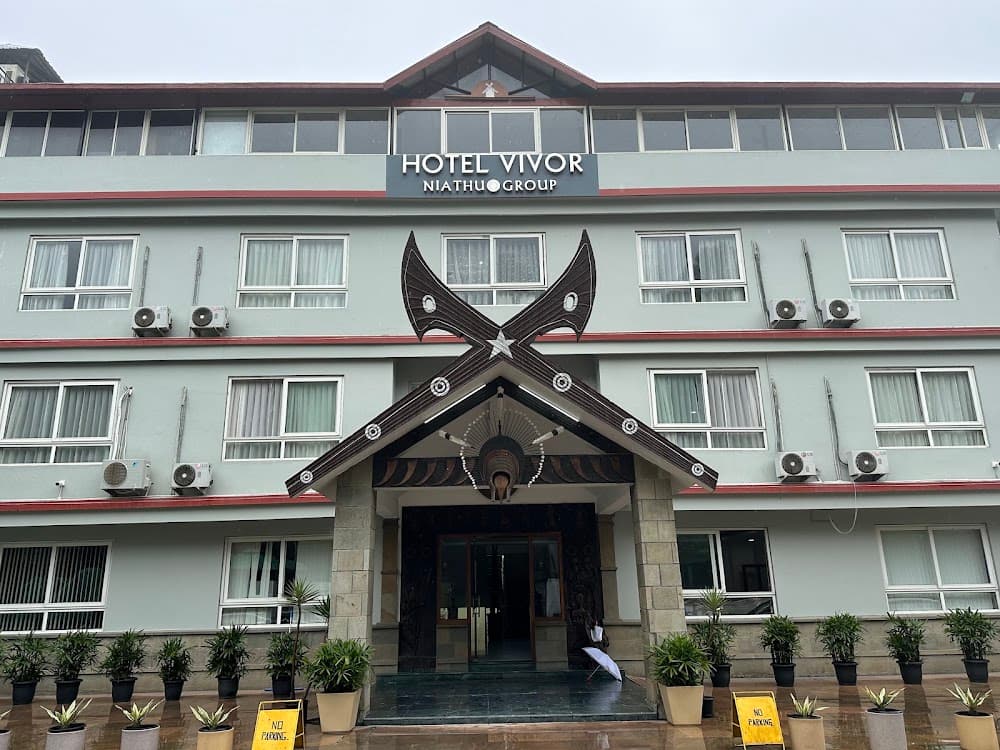
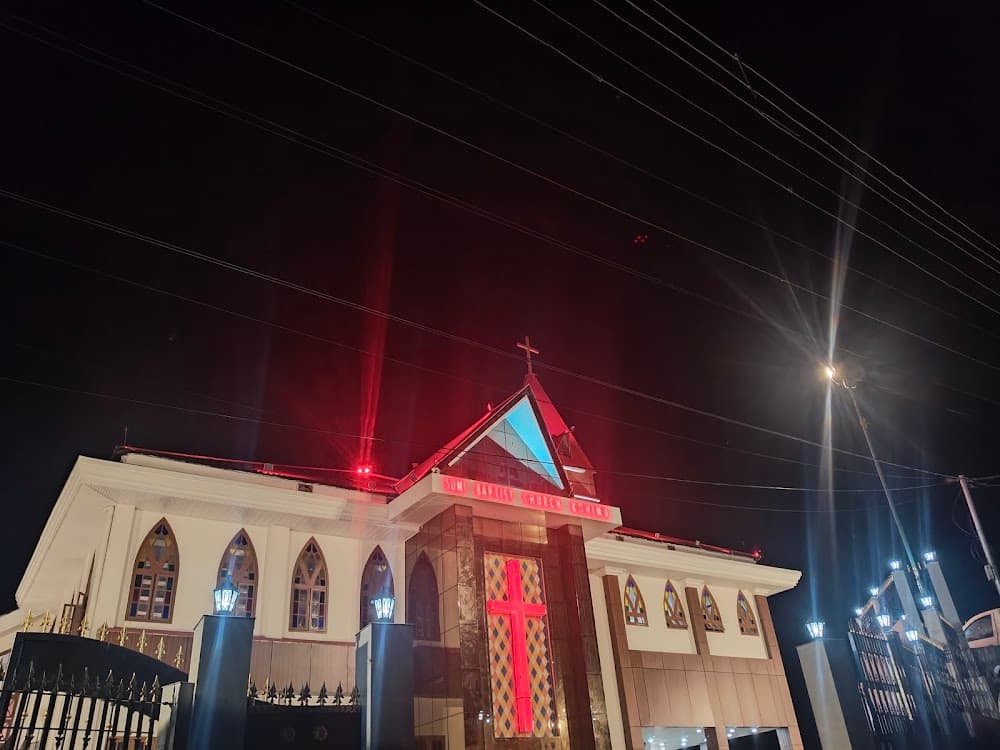
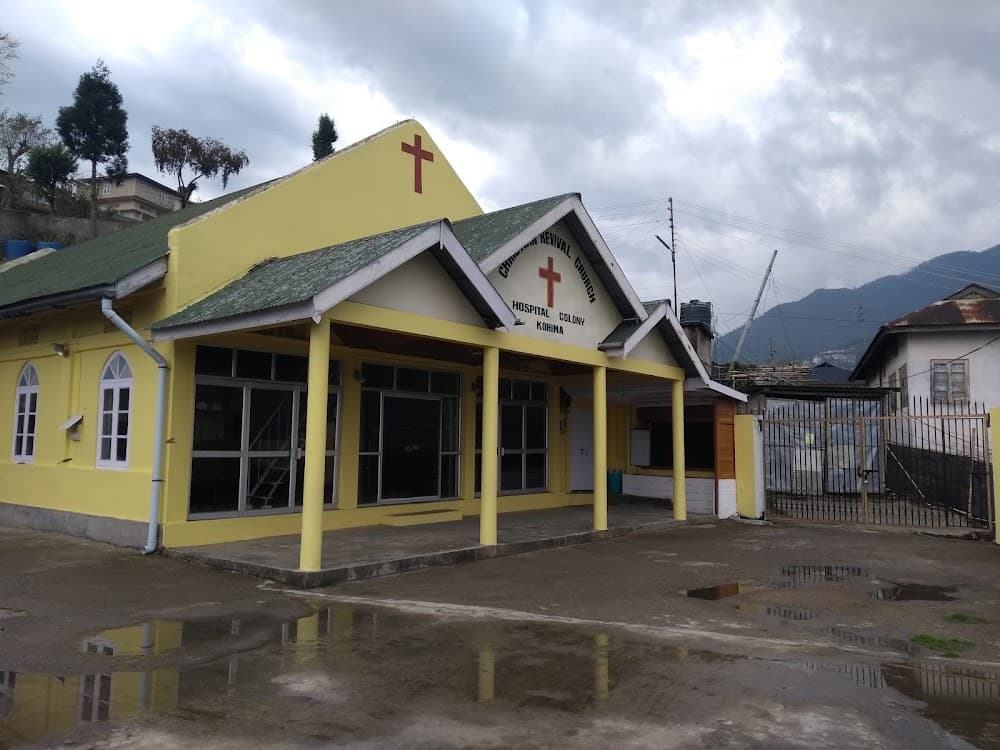
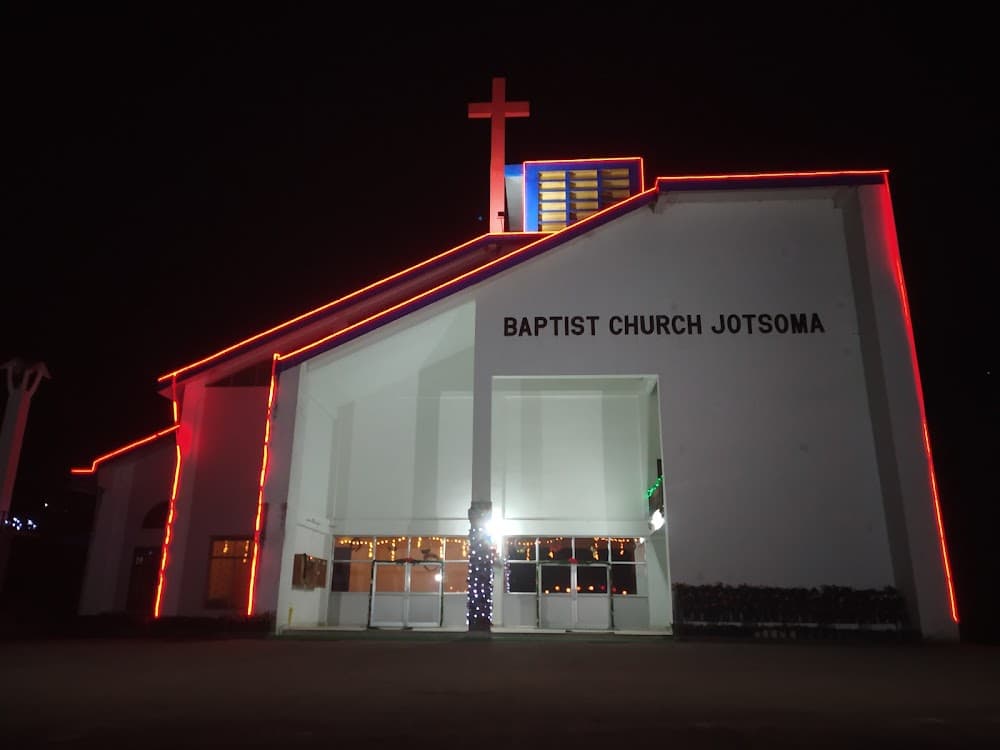
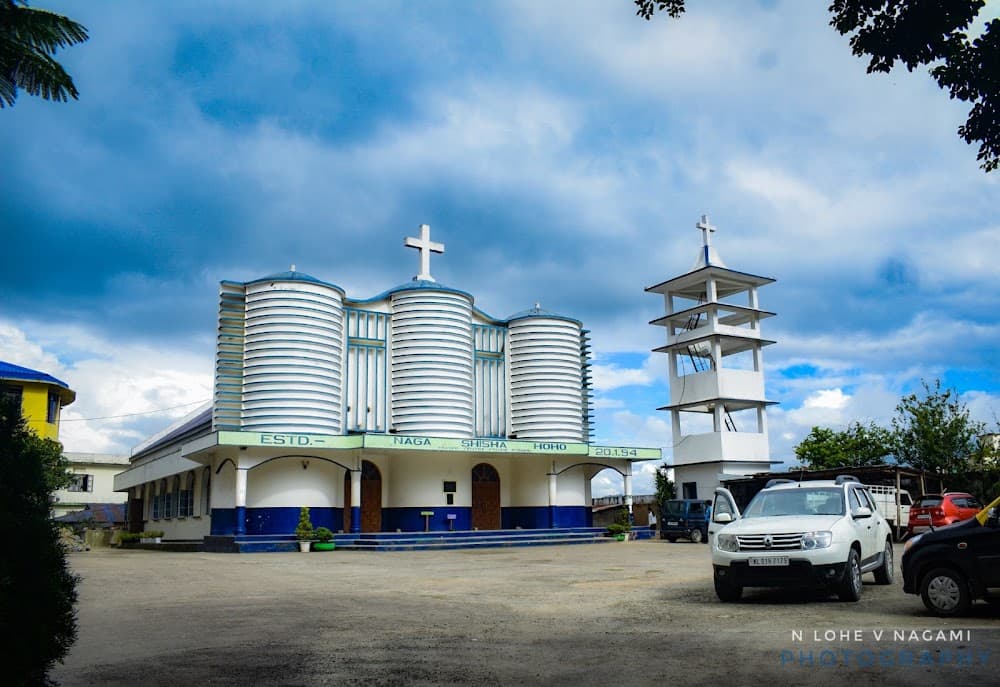
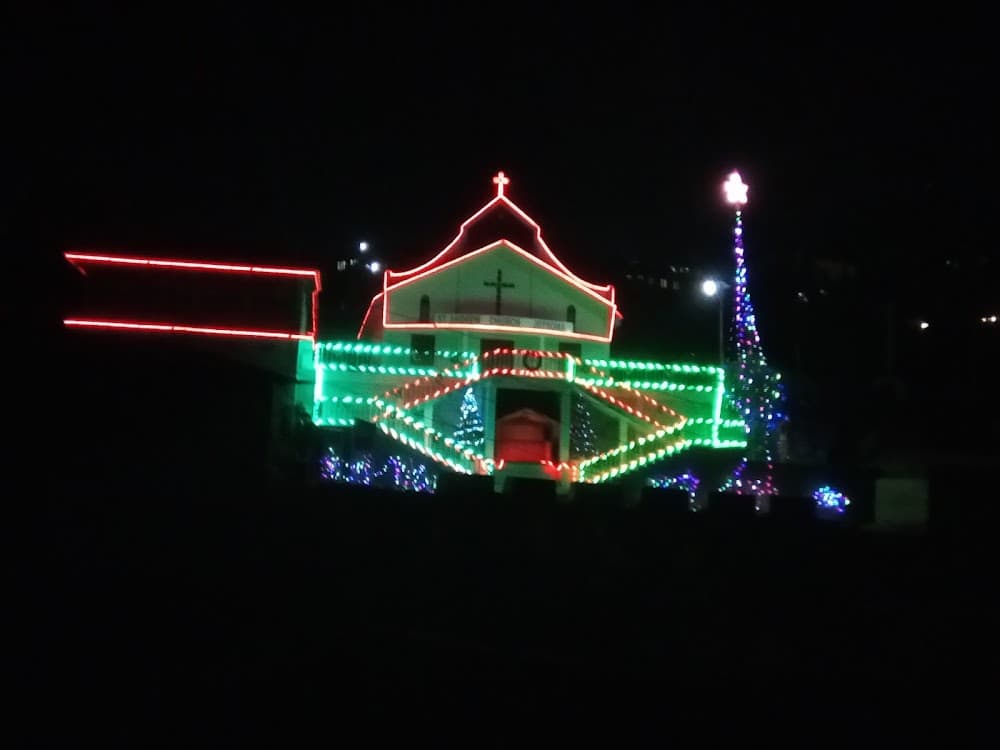
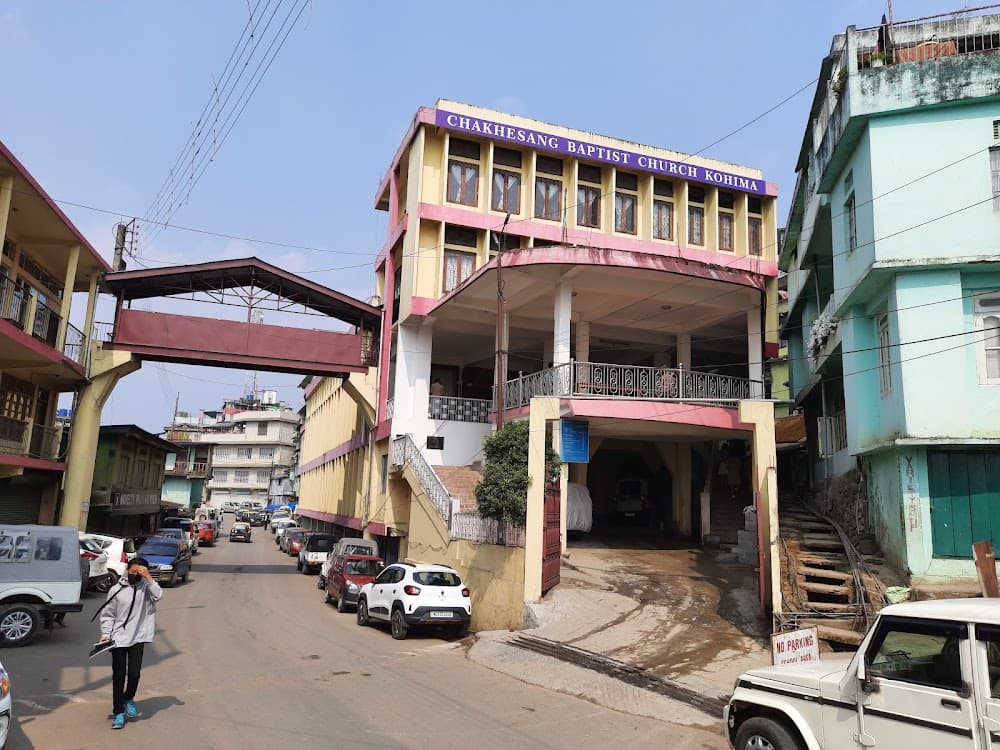
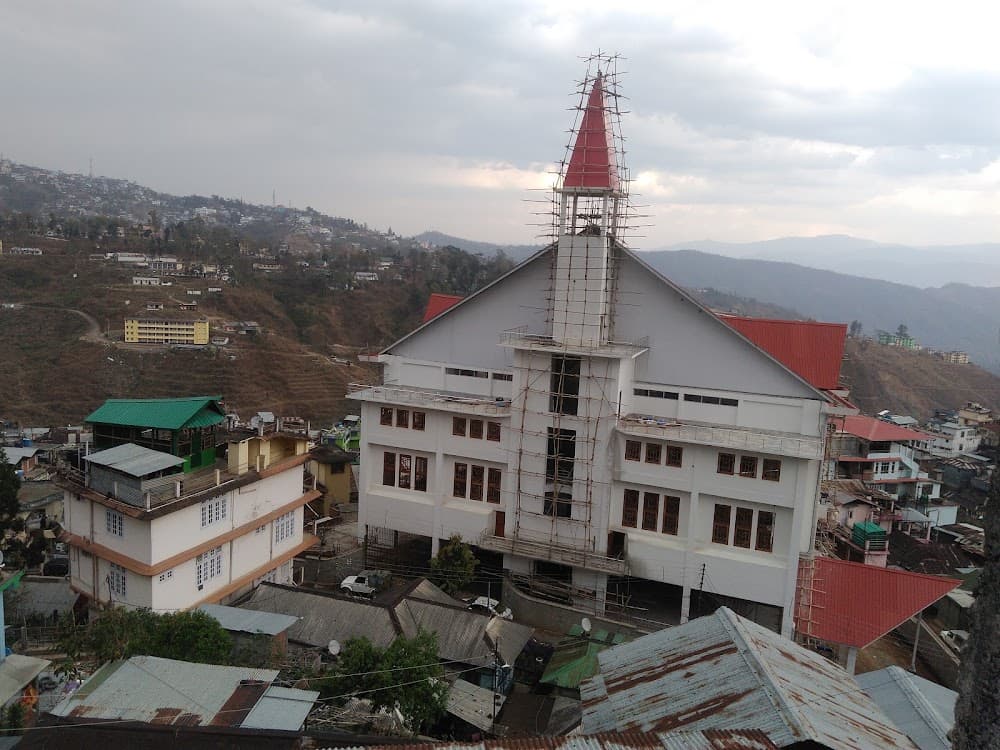

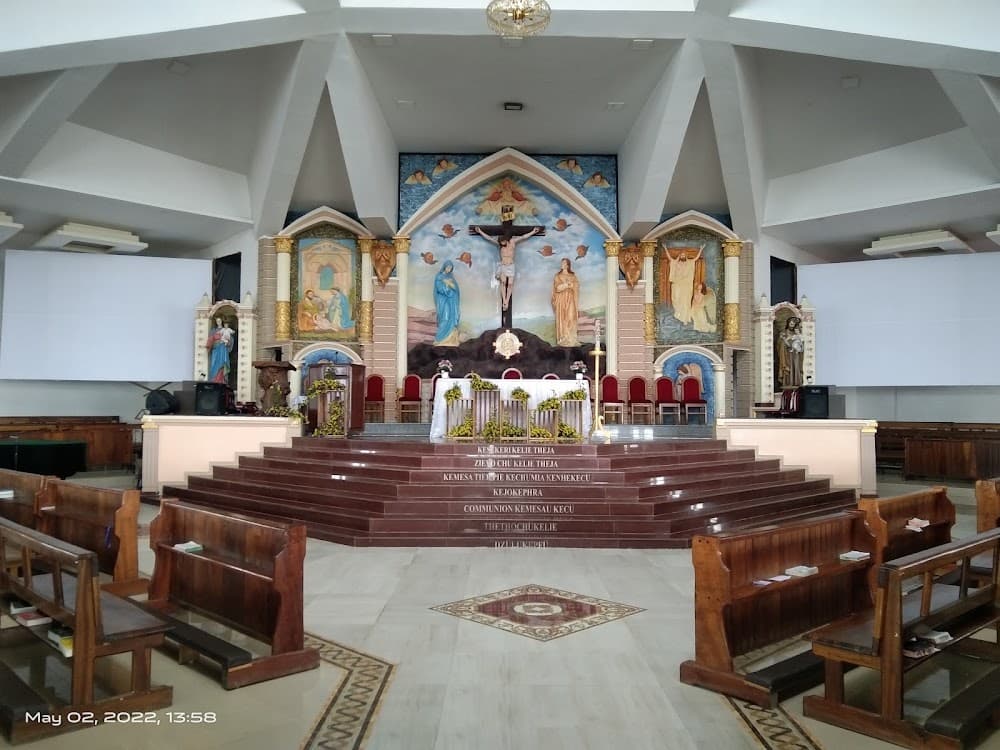
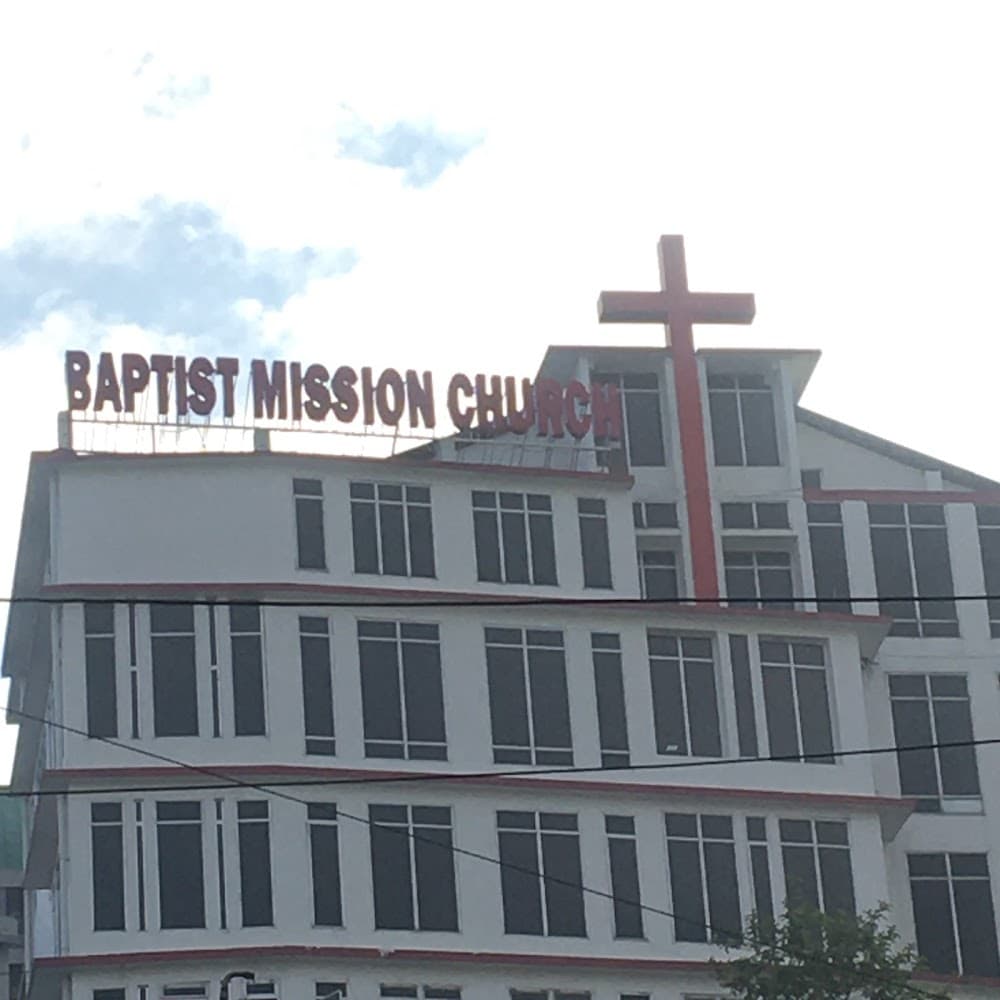
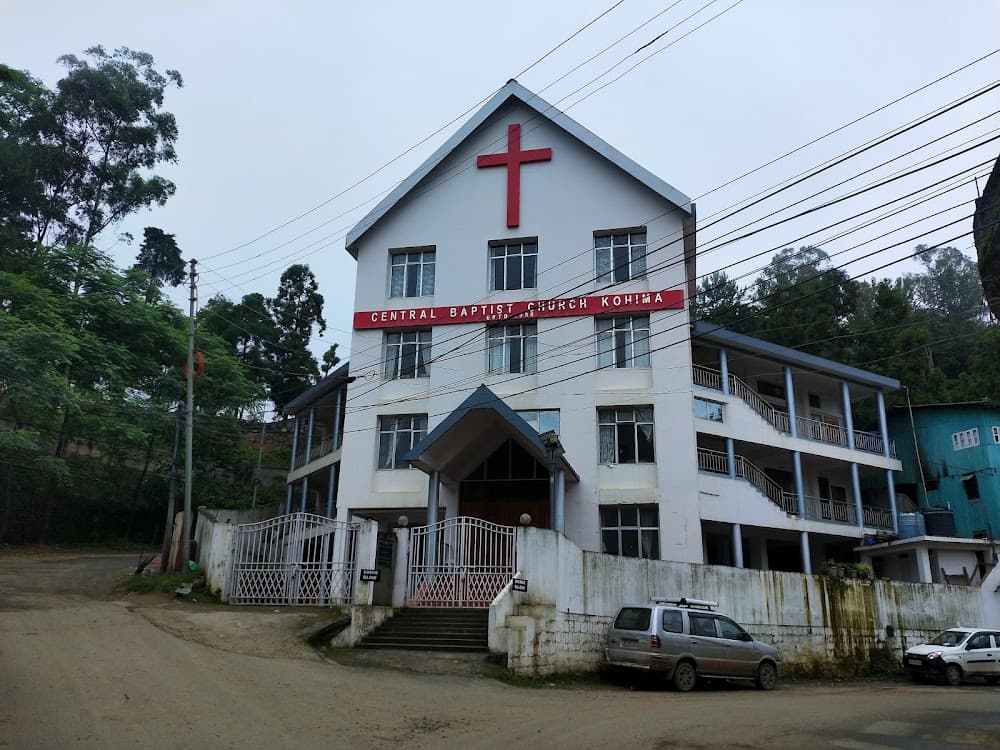
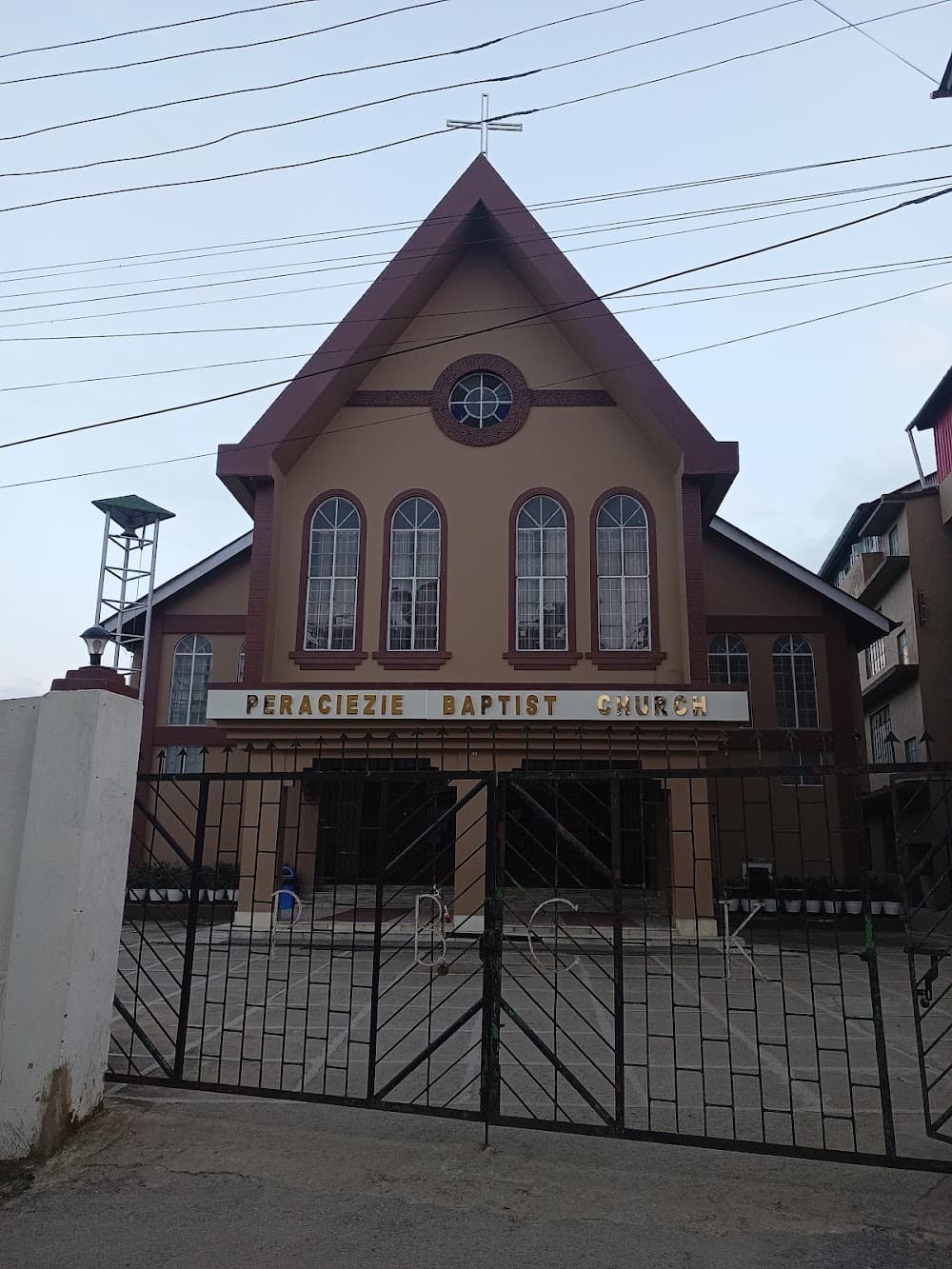
Kohima is known for
Why Kohima is famous
- •What Kohima is: The capital of Nagaland, in the Naga Hills at roughly 1,500 m, and the base for Kisama Heritage Village, Dzukou Valley and Japfu Peak.
- •What it is: The Naga Heritage Village, on the slopes of a hill between Kigwema and Phesama villages, reported as 12 km from Kohima on National Highway 39. The name comes from its two neighbouring villages - 'Ki' from Kigwema, 'sa' from Phesama, 'ma' from both. Designed in the form of an ancient Naga village.
- •The morungs: A cluster of houses, each called a morung, one for each recognised ethnic group. Sources give 16 and 17 - Wikipedia says all 17, Incredible India and one review say 16. The morung served as the place where skills were shared, stories told and traditions preserved. The complex also holds a museum with Second World War artefacts, a bamboo hall, a food court and the stadium that is the festival site.
- •You already hold six of them: Entities 'zeliang' (29381), 'chang' (29386), 'garo' (29383), 'Konyak' (29384), 'khiamniungan' (29385) and 'chakhesang' (29382) all sit within about 120 metres at roughly 25.6157 N, 94.114 E - Kisama. They are morungs, typed 'Attraction', five of them lowercase. Kisama itself is absent.
- •One of the six is not a Naga tribe: The Government of Nagaland's state profile lists 17 recognised tribes: Angami, Ao, Chakhesang, Chang, Kachari, Khiamniungan, Konyak, Kuki, Lotha, Phom, Pochury, Rengma, Sangtam, Sumi, Tikhir, Yimkhiung and Zeliang. Garo is not among them; the Garo are a Meghalaya people. Check entity 29383.
- •The festival: Launched by the Government of Nagaland in 2000 to encourage inter-tribal interaction and promote Naga cultural heritage. Called the Festival of Festivals, and named after the Indian hornbill, a bird revered across Naga folklore. Tribes set up their own morung, perform warrior dances and folk songs, cook their cuisine and show weaves, crafts and rice beer.
- •Dates - SOURCE CONFLICT: The Kohima district administration's own page says 1 to 7 December. Several other sources, including a dedicated festival site, say 1 to 10 December. Use the state tourism department's annual programme as the schedule authority and carry an as-of date - the pattern pack 07 established for Wagah and pack 16 for Hampi Utsav.
- •Practical: Road congestion in Kohima township is reported as very high during the festival. One operator advises joining the second half, around 6 to 10 December, to avoid opening-week gridlock. Accommodation near Kisama includes eco-camps within walking distance of the festival ground. One source notes Kisama is calm and uncrowded on an ordinary day, with the morungs and museum accessible without queues - which makes a non-festival visit a genuine recommendation rather than a consolation.
- •The Battle of Kohima: Your copy leads with it. The Kohima War Cemetery is a Commonwealth War Graves Commission site at Garrison Hill, on the ground of the 1944 Battle of the Tennis Court. It carries the Kohima Epitaph. It is absent from your data.
- •What else is absent: Kohima Cathedral, Dzukou Valley on the Nagaland-Manipur border, Japfu Peak - reported as the second-highest in the state - the Japfu rhododendron area, and the villages of Khonoma and Touphema. Khonoma is described as a green village with historic clan battlements.
- •How the sources themselves frame it: One source's advice for Kisama is worth carrying verbatim into your product's tone: ask before photographing people, follow your hosts' lead, and move gently and curiously through the space. Pack 27 raised the same point at Port Blair in a far more serious form. Kisama is a place where living communities present their own culture - the courtesy is not decoration.
- •One entry, and the obvious one is missing: 'Kohima Oranges.' The Naga king chilli - raja mircha or bhut jolokia - is the single most recognised product of Nagaland, and its eating contest is among the Hornbill Festival's best-known events. It is widely reported to carry a GI; VERIFY before publishing. Naga shawls are a second candidate.
- •Your weather text is wrong: 'Hot and dry summers, with temperatures soaring during the peak summer months.' Kohima is at roughly 1,500 m in the Naga Hills. Summers are mild - which is why it was a colonial hill outpost, as your own overview says. This is the generic North India template applied to a hill town.
AI-drafted from general knowledge — may contain mistakes.
Kohima at a glance
- ⚠️If you are coming for Hornbill, book months ahead and expect congestion
- ⚠️consider the second half. If you are not, Kisama on an ordinary day is the better visit. And pair it with the War Cemetery in town - the two together are the reason to come to Kohima at all.
History at a glance
- Pre-colonial · NAGANagas live in tribes and villages, with the morung serving as the community's house of learning and transmission. Some scholars have compared Naga village administration to the autonomous Greek villages.
- Colonial · BRITISHKohima becomes a British outpost in the Naga Hills.
- 1944 · WWIIThe Battle of Kohima is fought, including the Battle of the Tennis Court at Garrison Hill. The Commonwealth War Graves Commission cemetery there commemorates it.
- 2000 · MODERNThe Government of Nagaland launches the Hornbill Festival at Kisama, to encourage inter-tribal interaction and promote Naga cultural heritage.
- Annual, December · LIVINGThe Hornbill Festival runs at Kisama. The district administration says 1-7 December; other sources say 1-10.
Best time to visit
Kohima's climate is characterized by hot and dry summers, with temperatures soaring during the peak summer months, while the monsoon brings heavy rainfall from July to September, making the winters mild and pleasant.
- Hornbill Festival · anchored to Fixed administratively[PRINCIPAL FESTIVAL] Launched by the Government of Nagaland in 2000 to encourage inter-tribal interaction. The Festival of Festivals, named after the Indian hornbill, revered across Naga folklore. Tribes set up their own morung, perform warrior dances and folk songs, cook their cuisine and show weaves, crafts and rice beer. A Naga king chilli eating contest is among the best-known events, alongside a night carnival and rock concerts in Kohima.
- The duplication check this settles · anchored to -[DIAGNOSTIC] Hornbill appears on BOTH the Kohima page and the Port Blair page. Pack 27 could not tell whether the generator copied or moved it. It copied.
- 'Kohima Village Festival' · anchored to Your page says October/November[UNIDENTIFIED - SOURCE IT OR REMOVE] I could not identify a festival by this name in the sources I checked.
- What is missing · anchored to -[NOTE] Each Naga tribe has its own agricultural festival - Sekrenyi for the Angami, Moatsu for the Ao, Tuluni for the Sumi among them. Hornbill exists precisely BECAUSE these are many and separate; it was created as a single occasion to bring them together.
- In 12 daysGandhi Jayanti · 2 October
- In 29 daysDurga Ashtami / Maha Navami · 19 October
- In 30 daysDussehra (Vijayadashami) · 20 October
- In 39 daysKarwa Chauth · 29 October
Real dates, not AI-drafted — sourced from the Hindu Panchang, same for every destination.
Weather details and any festival without a stated lunar anchor above are AI-drafted from general knowledge, not independently verified — timing is approximate; double-check before planning around one.
Near me
Share your location to see famous places closest to you right now.
Famous places in Kohima
Sacred & Spiritual
See all 61 →Heritage & Monuments
See all 22 →Nature & Outdoors
Shops & Restaurants
Places to Stay
Civic & Services
Getting there & around
- Air — Kohima has no airport. Dimapur is the airport and railhead, reported at roughly 74 km. Your transport block says 'Air - Regular flights to Imphal and Dimapur', which inverts the relationship. VERIFY current permit requirements for Nagaland before publishing - the Inner Line Permit position for this state needs its own check, as pack 26 found for Ladakh.
What travellers actually paid
Reported by real travellers, not looked up — a real range with a count, never a single guessed number.
Loading…