
Kolkata
Idols, mantras, and worn stone floors
Echoes of chanting weave through crowded alleys
Kolkata. Calcutta until the official renaming in 2001. The name derives from Kalikata, one of three villages, which in turn is traced to the Kali temple at Kalighat..
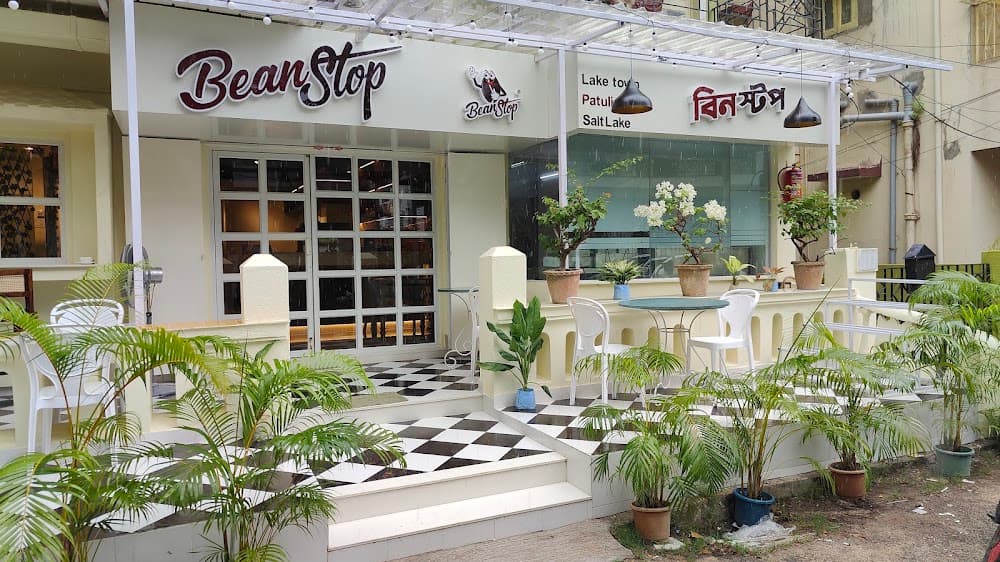
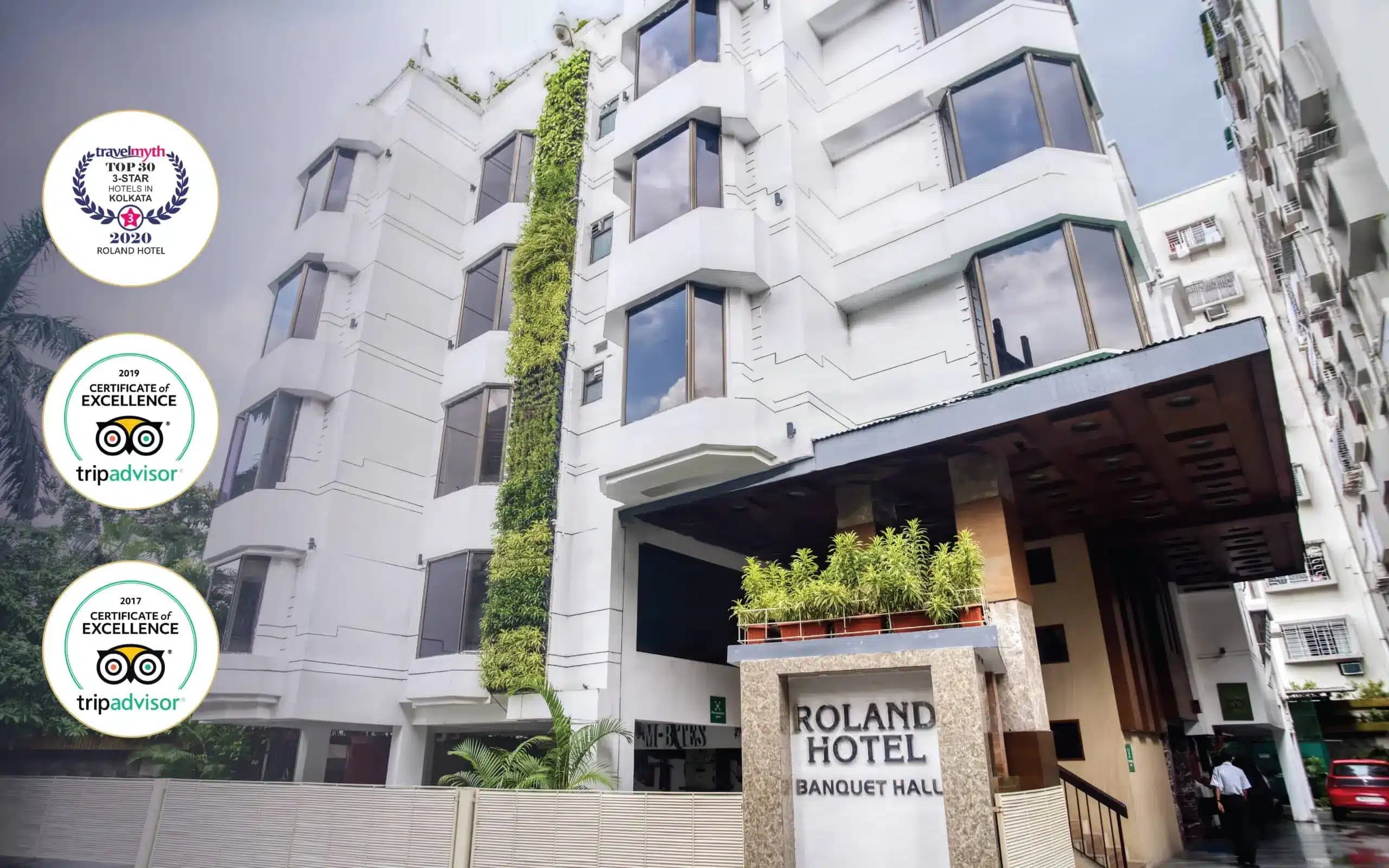
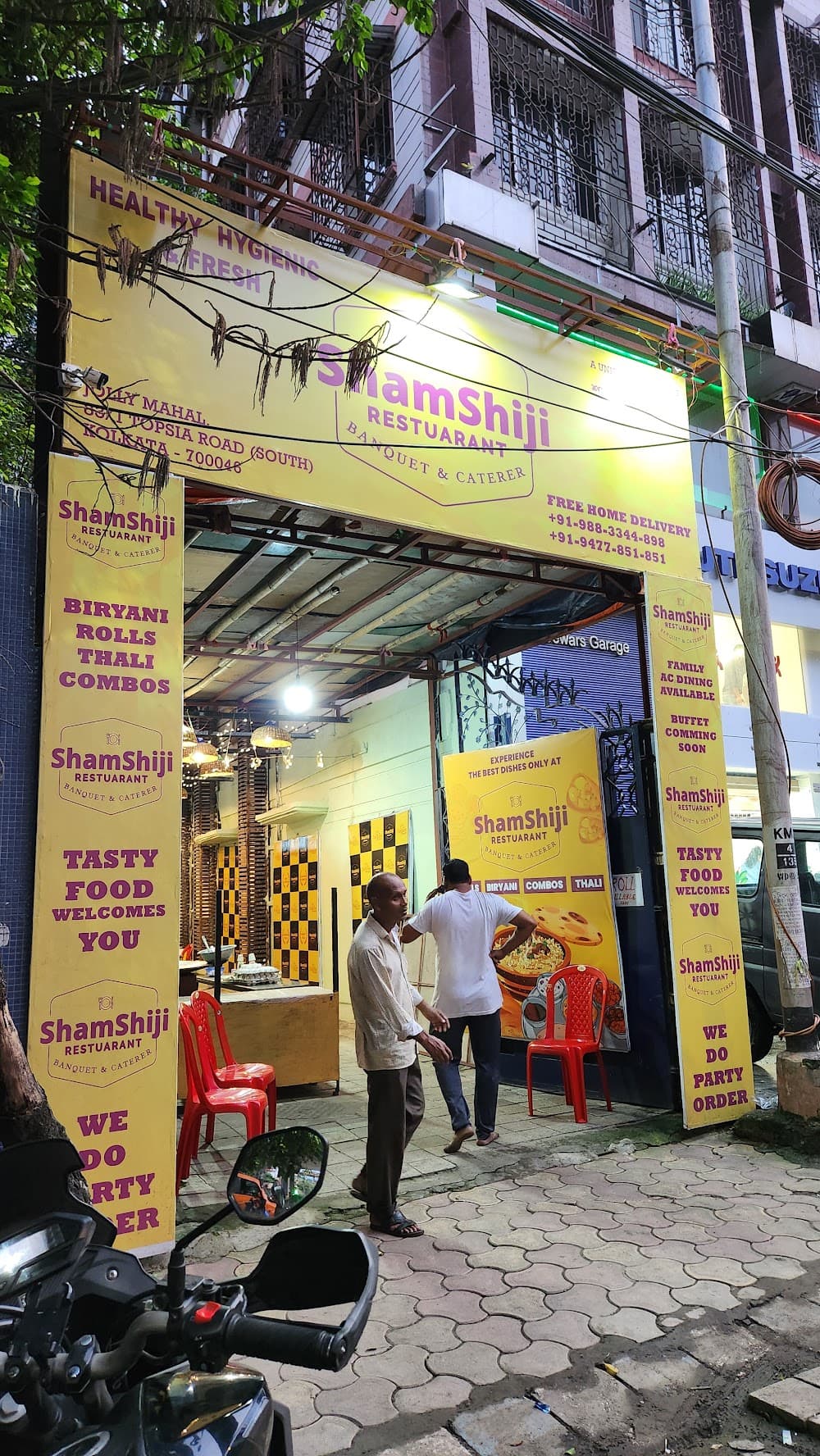

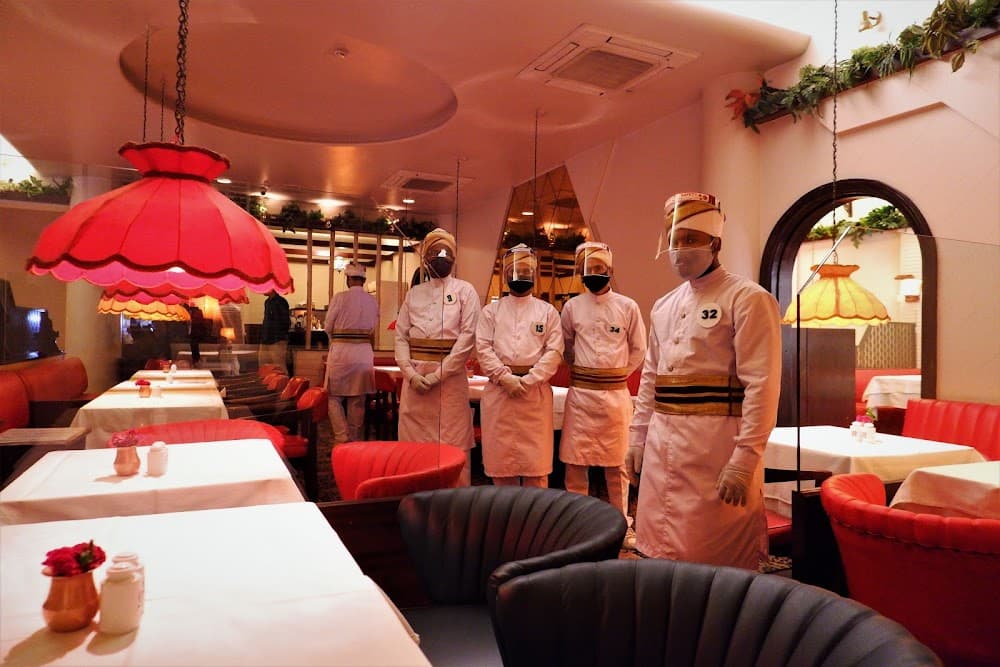
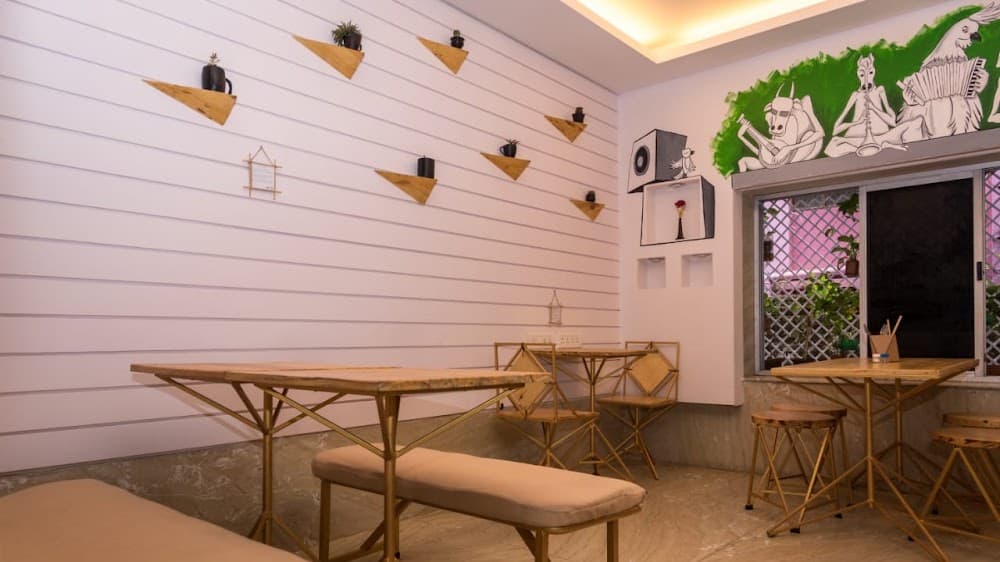
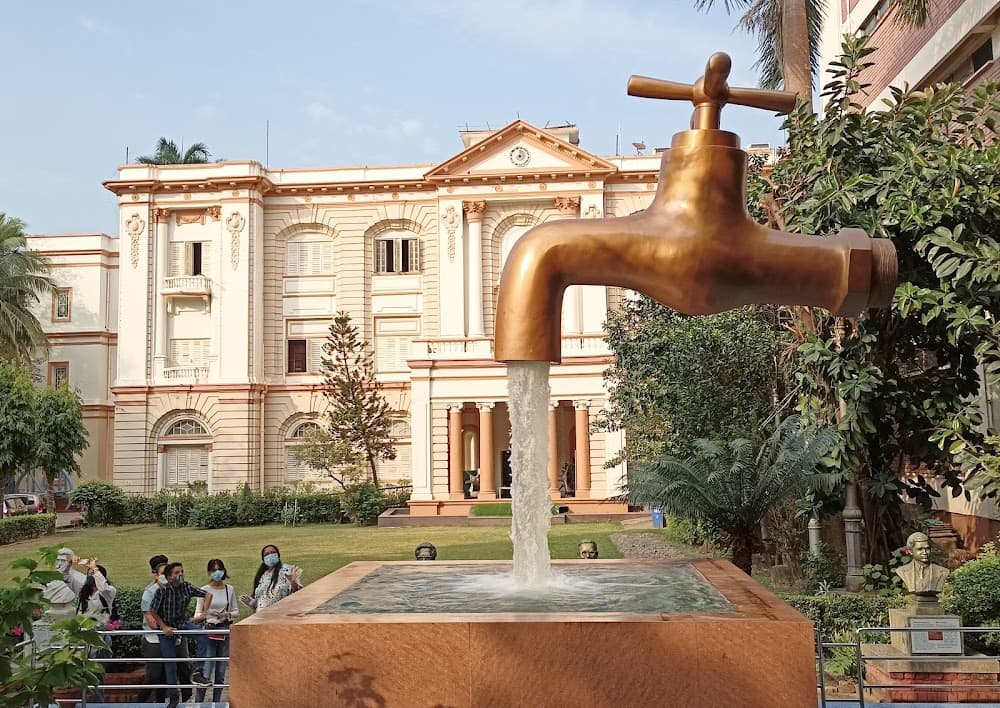
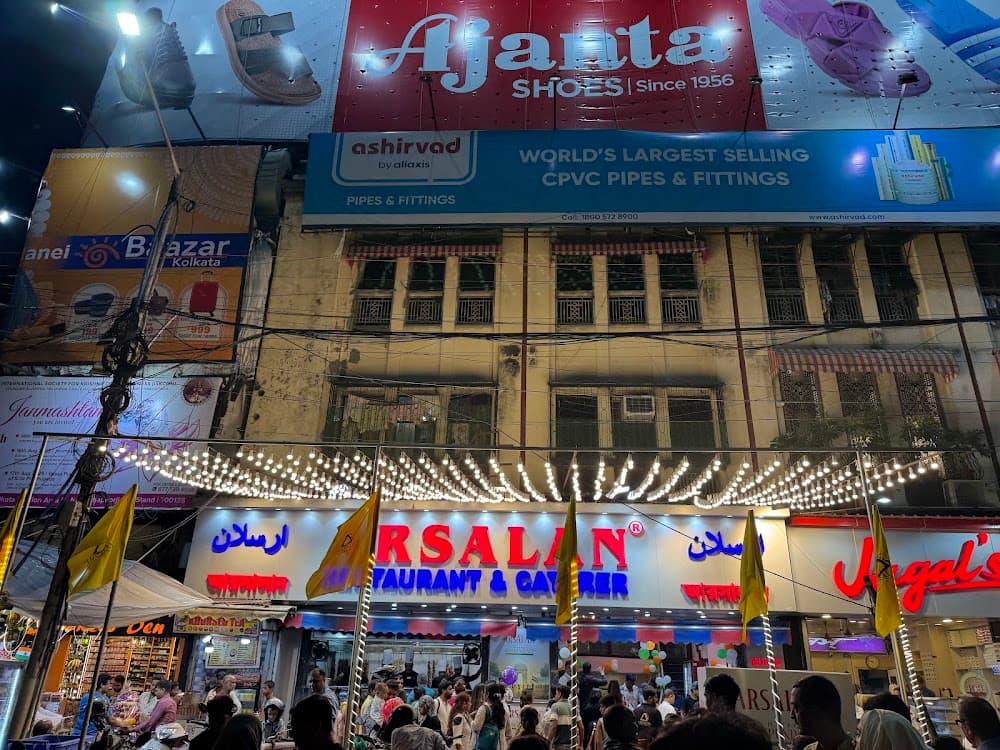
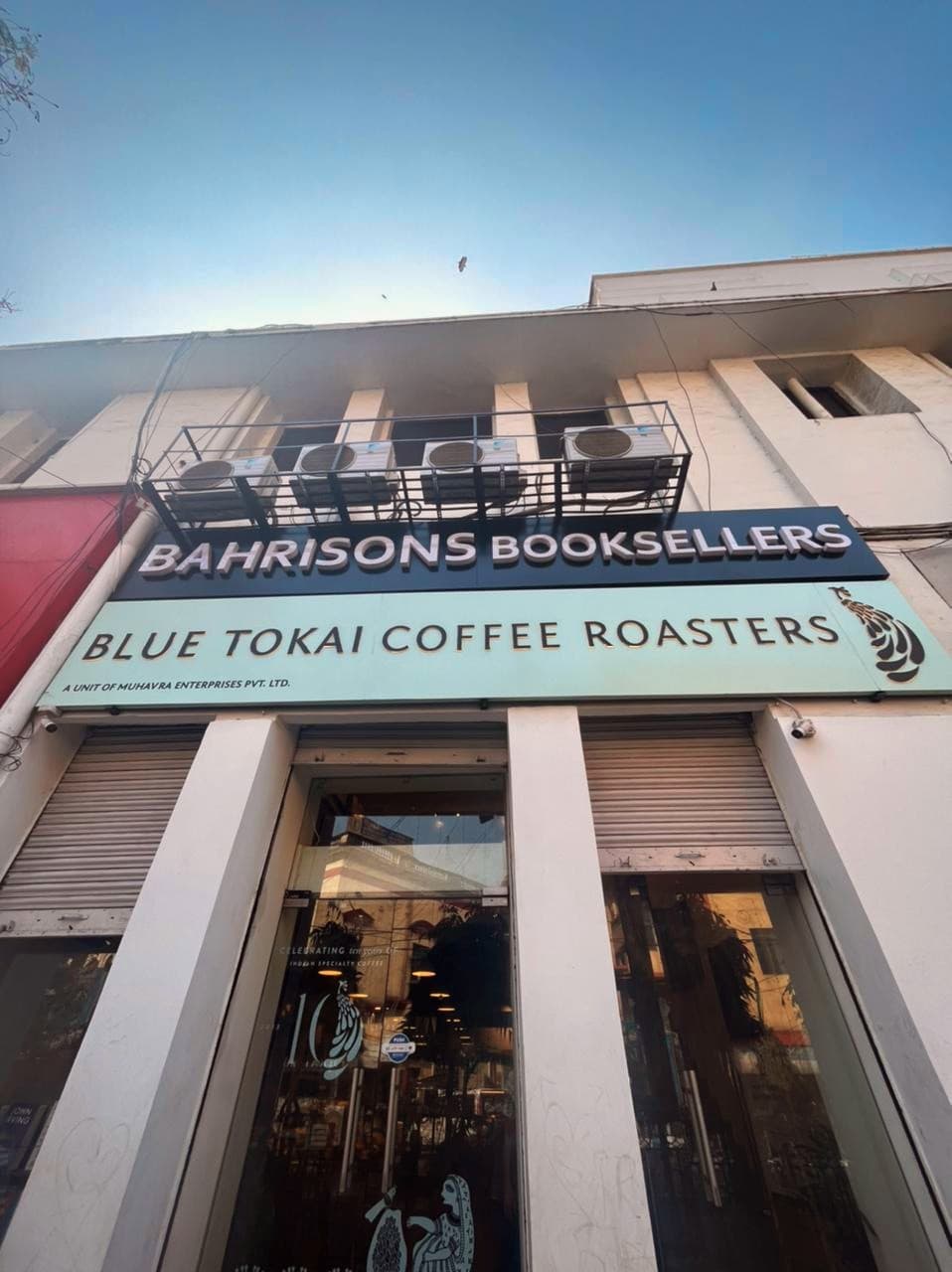
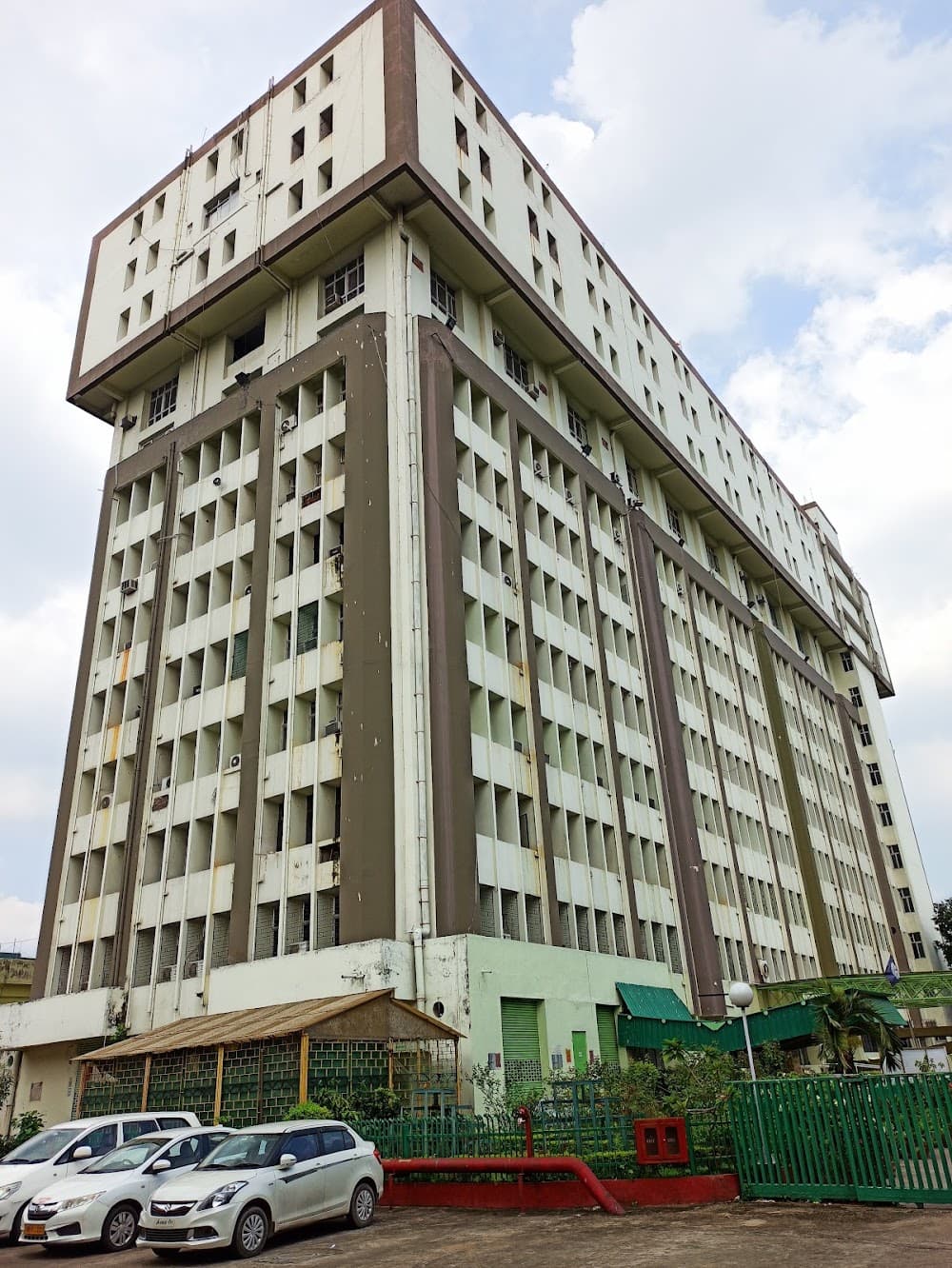
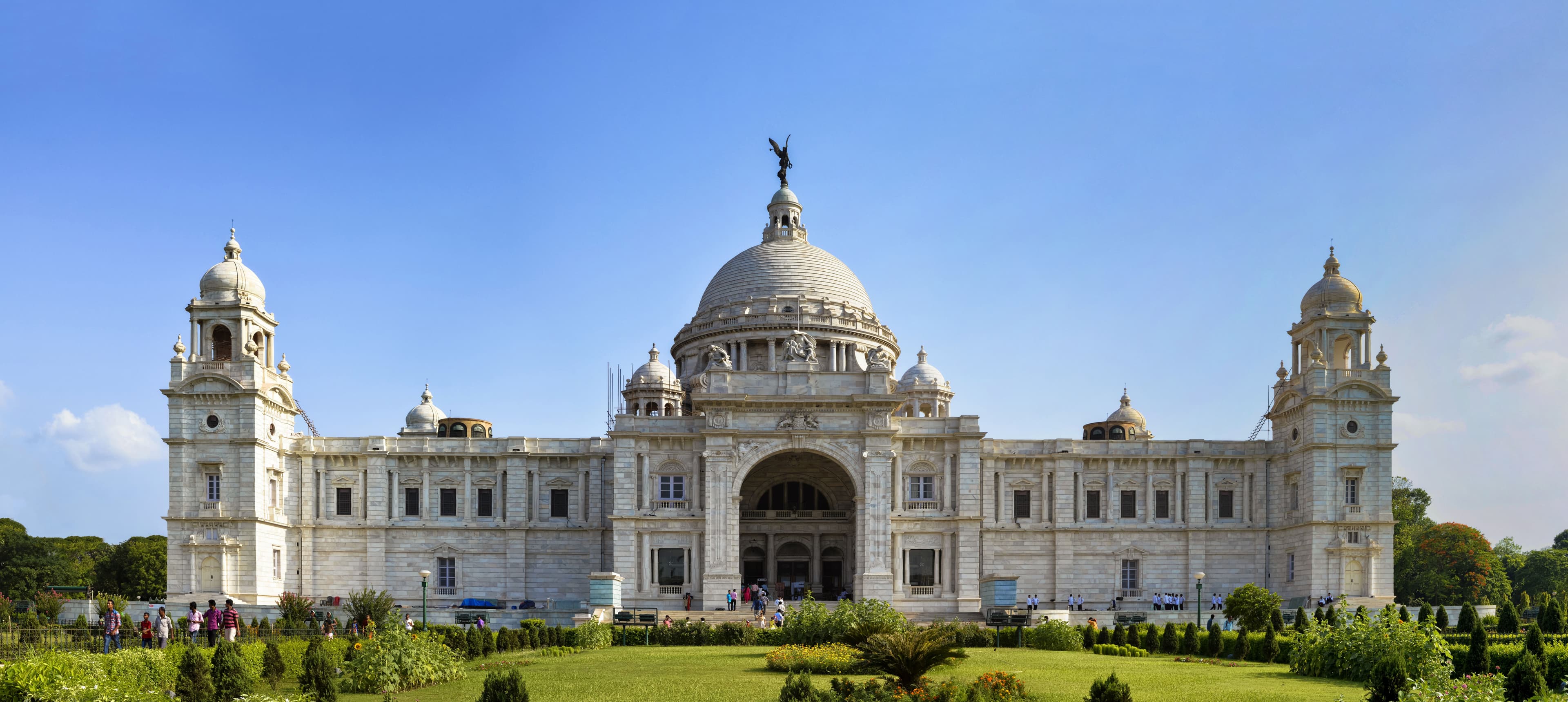
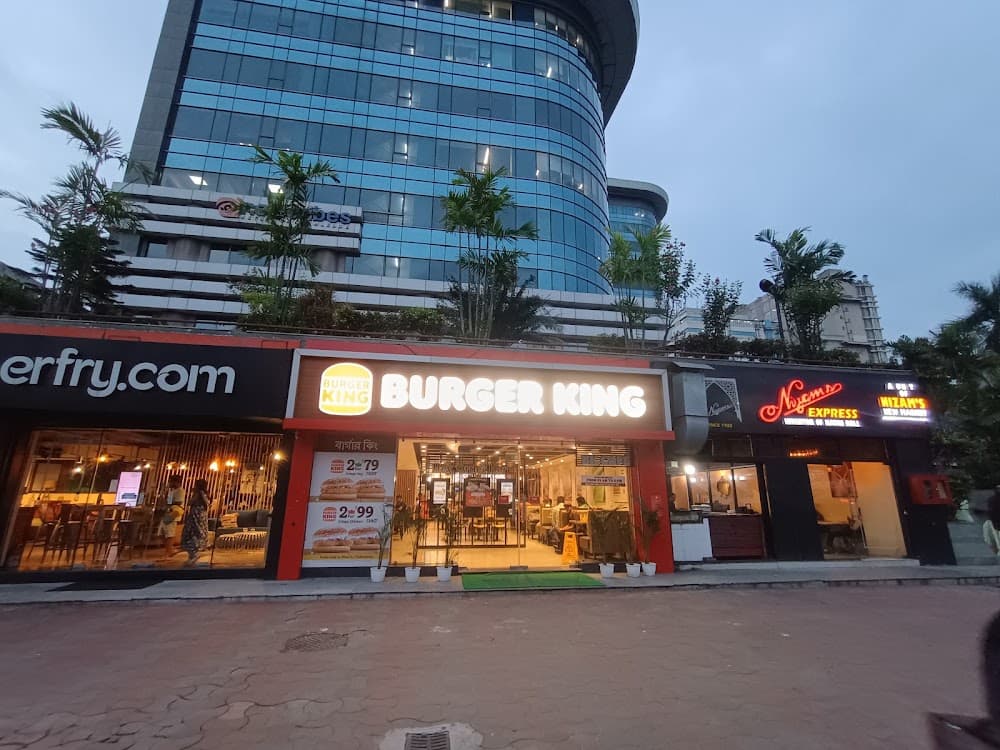
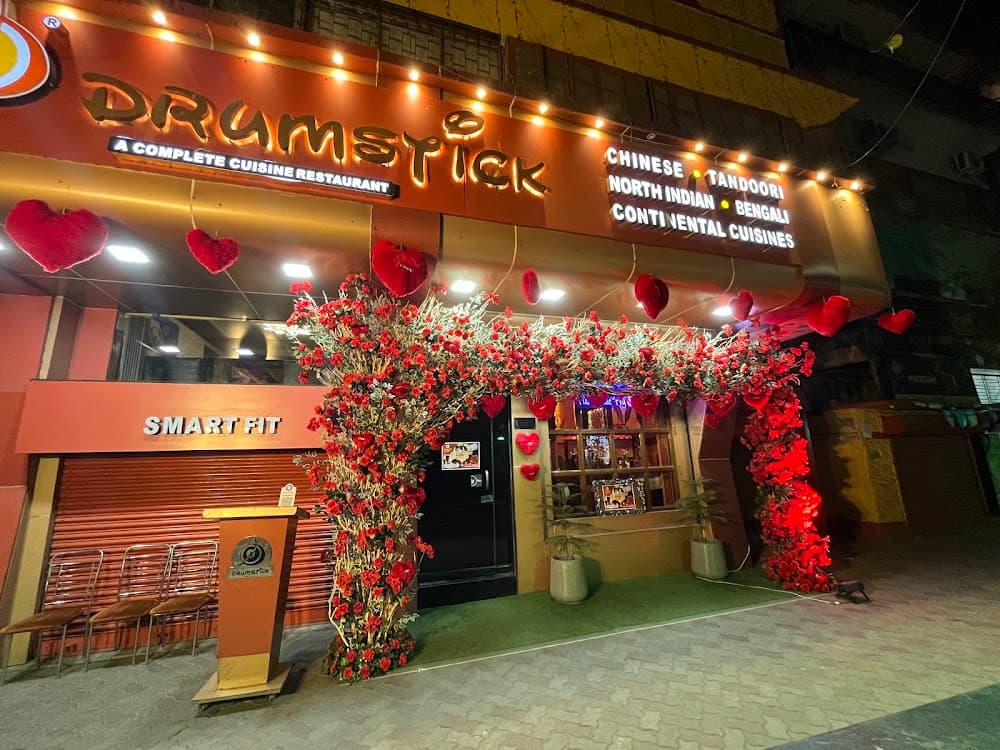
Kolkata is known for
Why Kolkata is famous
- •The three villages: Sutanuti, a weavers' village; Gobindapur, of mixed population; and Kalikata, a fishing village between them. Sutanuti and Gobindapur appear on Thomas Bowrey's map of 1687 and George Herron's of 1690; Kalikata does not, though a variant 'Kalkata' appears in Abul Fazl's Ain-i-Akbari around 1590.
- •Founding is contested: Job Charnock landed at Sutanuti on 24 August 1690 to establish the East India Company's Bengal headquarters and is traditionally credited as the founder. Indian historians have disputed this, arguing the city developed naturally around the ancient Kali temple at Kalighat and the port at Kidderpore. State both.
- •Why it matters for the product: Tenth destination, and the first whose defining cultural event has no building. Varanasi is a river, Jaipur a grid, Madurai a mandala, Lucknow a court, Mysuru a palace, Puri a festival route, Amritsar a complex, Khajuraho and Konark are monuments. Kolkata's centre of gravity is Durga Puja - thousands of temporary structures that exist for five days and then do not.
- •Colonial capital: Calcutta became the capital of British India in 1772 and remained so until the transfer to Delhi was announced in 1911. Fort William was established in 1712. The University of Calcutta, the first modern Indian university, was founded in 1857.
- •The listing: Durga Puja in Kolkata was inscribed on UNESCO's Representative List of the Intangible Cultural Heritage of Humanity in December 2021 at the 16th session of the Committee. Reported as the first festival in Asia to receive the status. This is a different UNESCO list from the World Heritage List your circuit uses.
- •What UNESCO describes: Ten days of worship of Durga. In the preceding months, small artisanal workshops sculpt images of the goddess and her family from unfired clay pulled from the Ganga. Worship begins on Mahalaya, when eyes are painted onto the clay to bring the goddess to life. It ends on the tenth day, when the images are immersed in the river from where the clay came - which is why the festival also signifies home-coming.
- •The scale: UNESCO describes it as the best instance of the public performance of religion and art, and a thriving ground for collaborative artists and designers. The UN describes West Bengal becoming the world's largest public art festival: neighbourhoods build temporary pandals, Kumartuli artisans sculpt from river clay, dhaakis drum through the streets, and millions move from one to the next. A 2019 study estimated the festival's industries generate about USD 4.53 billion, roughly 2.58% of West Bengal's GDP.
- •Sarbojonin: UNESCO's representative in India described it as embodying the sarbojonin spirit - for all people - which has defined community worship since 1926. The historian Tapati Guha-Thakurta, whose work underpinned the nomination, traced the evolution from traditional household pujo to the modern public form.
- •Pandal themes: Pandals are not required to resemble temples. Themes range across craft traditions from across India - Lippan work from Gujarat, Bastar metalwork, Rajasthani kathputli - and across social subjects: slum housing, communal harmony, sustainable agriculture. Idols run roughly five to ten feet and are built on straw, rope and bamboo armatures layered with clay, though some are made of paper, scrap or other materials entirely.
- •Kalighat: One of the Shakti Peethas, where the toes of Sati's right foot are held to have fallen - though some Puranas place the face here instead. References appear in the 15th-century Mansar Bhasan and in Mukundaram's 17th-century Chandimangal, and Gupta-era coins have been found at the site. The present structure dates from the early 19th century, under the Sabarna Roy Chowdhury family of Barisha.
- •Shakti Peetha count: Sources here say 51 and 52. Your circuit page says 54. Three different numbers; the common canonical enumerations are 51 and 52, with 18 as the Maha Shakti Peethas. This is the same denominator problem the circuits audit raised.
- •Dakshineswar: Built by Rani Rashmoni and completed on 31 May 1855, in the Bengali Navaratna style on the eastern bank of the Hooghly. Dedicated to Bhavatarini. The complex holds twelve Shiva temples, a Radha-Krishna temple and a sankirtana hall. Rashmoni built it after a vision that told her not to travel to Kashi but to install the goddess on the Ganges instead. Inseparable from Ramakrishna Paramahansa, who served as its priest.
- •West Bengal GI: The state holds one of India's richest GI collections - reports range from 21 to 34 registrations. Those relevant here include Banglar Rasogolla (2017), Nakshi Kantha (2008), Santiniketan Leather Goods (2008), Baluchari Saree (2012), Santipur Saree (2009), Dhaniakhali Saree (2012), Bengal Patachitra (2018), Bengal Dokra (2018), Joynagar Moa (2015), Bardhaman Sitabhog and Mihidana (2017), Bankura Panchmura Terracotta (2018), Purulia Chau Mask (2018), Madurkathi (2018) and Darjeeling Tea (2004), India's first GI.
- •The potato in the biryani: Kolkata biryani is lighter than Lucknow's and contains a potato and a boiled egg. The tradition traces it to 1856, when Wajid Ali Shah was exiled from Awadh to Matiaburj and his cooks adapted the Lucknowi dish for a reduced household. Your Lucknow pack documented that exile from the other end.
- •The institutions: Flurys on Park Street, opened 1927 by the Swiss partners Joseph Flury and Quinto Cinzio Trinca - Trinca later opened Trincas diagonally opposite. Nizam's on Hogg Street, started 1932, credited with inventing the kathi roll. Royal Indian Hotel at Chitpur, a Mughlai landmark from 1905. Nahoum & Sons in New Market, the surviving Jewish bakery. The Indian Coffee House on College Street. Arsalan at Park Circus for biryani.
- •Where to eat by para: North Kolkata - Burrabazar and Chitpur - for radhaballabi and telebhaja; College Street for phuchka and jhalmuri; Park Street and New Market for kathi rolls; Gariahat in the south for range; Tangra for Indian-Chinese.
- •Best season: October to March. October and November for Durga Puja and Kali Puja; December for Christmas on Park Street.
AI-drafted from general knowledge — may contain mistakes.
Kolkata at a glance
- ⚠️During Durga Puja the city effectively stops for five days and pandal-hopping crowds are enormous
- ⚠️accommodation must be booked months ahead. At Kalighat, leather items and sanctum photography are restricted and touts are persistent. Dakshineswar closes in the middle of the day - reported 06:00-12:30 and 15:00-20:30, so verify.
History at a glance
- c. 1590 · MUGHALA variant of the name, 'Kalkata', appears in Abul Fazl's Ain-i-Akbari.
- 15th-17th century · PRE-COLONIALThe Kali temple at Kalighat is referenced in the 15th-century Mansar Bhasan and in Mukundaram's 17th-century Chandimangal. Gupta-era coins have been found at the site.
- 24 August 1690 · COLONIALJob Charnock lands at Sutanuti to establish the East India Company's Bengal headquarters. Traditionally credited as the founding of Calcutta - and disputed by Indian historians who argue the city grew around Kalighat and Kidderpore.
- 1712 · COLONIALFort William is established.
- 1772 · COLONIALCalcutta becomes the capital of British India.
- 1798-1805 · COLONIALLord Wellesley's development works substantially shape the city as it is now known.
- Early 19th century · COLONIALThe present Kalighat temple structure is built, under the benefaction of the Sabarna Roy Chowdhury family of Barisha. Dates given include 1809.
- 31 May 1855 · COLONIALRani Rashmoni completes the Dakshineswar Kali Temple in the Navaratna style, after a vision telling her not to travel to Kashi but to install the goddess on the Ganges.
- 1856 · COLONIALWajid Ali Shah, the last Nawab of Awadh, is exiled from Lucknow to Matiaburj. His court, musicians and cooks come with him.
- 1857 · COLONIALThe University of Calcutta is founded - the first modern Indian university.
- 1876 · COLONIALThe College Street Coffee House is established.
- 1911 · COLONIALThe transfer of the capital to Delhi is announced; it takes effect over the following year.
- 1926 · MODERNThe sarbojonin - for all people - form of community Durga Puja is dated from here in UNESCO's account.
- 1927 · COLONIALFlurys opens on Park Street, founded by the Swiss partners Joseph Flury and Quinto Cinzio Trinca. The partnership dissolves in 1939 and Trinca opens Trincas diagonally opposite.
- 1932 · COLONIALNizam's opens on Hogg Street and is credited with inventing the kathi roll, originally mutton in a paratha made portable for hurried customers.
- 2001 · MODERNCalcutta is officially renamed Kolkata.
- December 2021 · MODERNUNESCO inscribes Durga Puja in Kolkata on the Representative List of the Intangible Cultural Heritage of Humanity at its 16th session. Reported as the first festival in Asia to receive the status.
Best time to visit
Kolkata's climate is generally hot and humid during the summer months, with temperatures often feeling oppressive, while the winters are mild and pleasant. The city experiences a distinct monsoon season from June to September, bringing heavy rainfall and a welcome respite from the heat.
- Durga Puja · anchored to Ashwin Shukla, Shashthi to Dashami; Mahalaya precedes it[FESTIVAL - UNESCO ICH] Ten days of worship of Durga. Idols sculpted at Kumartuli from Ganga clay; eyes painted at Mahalaya; thousands of themed pandals built by neighbourhood committees; millions pandal-hopping at night; Sindoor Khela on the tenth day; immersion returning the clay to the river.
- Mahalaya · anchored to Amavasya preceding Durga Puja[RITUAL DAY] Tarpan for ancestors at the river at dawn, and chokkhudaan - the painting of the goddess's eyes - which begins the worship.
- Kali Puja · anchored to Kartik AmavasyaBengal's Diwali-night festival, worshipping Kali rather than Lakshmi. A second round of pandals, on a different scale.
- Christmas on Park Street · anchored to 25 DecemberPark Street is lit through December and the city treats Christmas as a public event well beyond its Christian population. Nahoum's fruit cake is part of it.
- Kolkata Book Fair · anchored to Annual[EVENT] One of the largest book fairs in the world by footfall.
- Poila Boishakh · anchored to Bengali New Year, 1 BoishakhThe Bengali solar new year. Halkhata - the opening of new ledgers - is observed in shops across the city.
- Ramzan food street, Zakaria Street · anchored to Month of Ramadan[SEASONAL] The lanes around Nakhoda Masjid become a night food street for the month - one of the best eating experiences in the city and entirely calendar-dependent.
- In 12 daysGandhi Jayanti · 2 October
- In 29 daysDurga Ashtami / Maha Navami · 19 October
- In 30 daysDussehra (Vijayadashami) · 20 October
- In 39 daysKarwa Chauth · 29 October
Real dates, not AI-drafted — sourced from the Hindu Panchang, same for every destination.
Weather details and any festival without a stated lunar anchor above are AI-drafted from general knowledge, not independently verified — timing is approximate; double-check before planning around one.
Part of these sacred circuits
Near me
Share your location to see famous places closest to you right now.
Famous places in Kolkata
Sacred & Spiritual
See all 449 →Heritage & Monuments
See all 105 →Nature & Outdoors
See all 62 →Shops & Restaurants
See all 172 →Places to Stay
See all 19 →Getting there & around
- Air — Netaji Subhas Chandra Bose International Airport. The Kolkata Metro, India's first. The tram network, the last operating in India. Yellow Ambassador taxis.
What travellers actually paid
Reported by real travellers, not looked up — a real range with a count, never a single guessed number.
Loading…