
Lucknow
Chikan embroidery, kebabs, and Shia imambargahs
Morning haze wraps around crowded, unhurried alleys
Lucknow, in Uttar Pradesh, of which it is the capital.
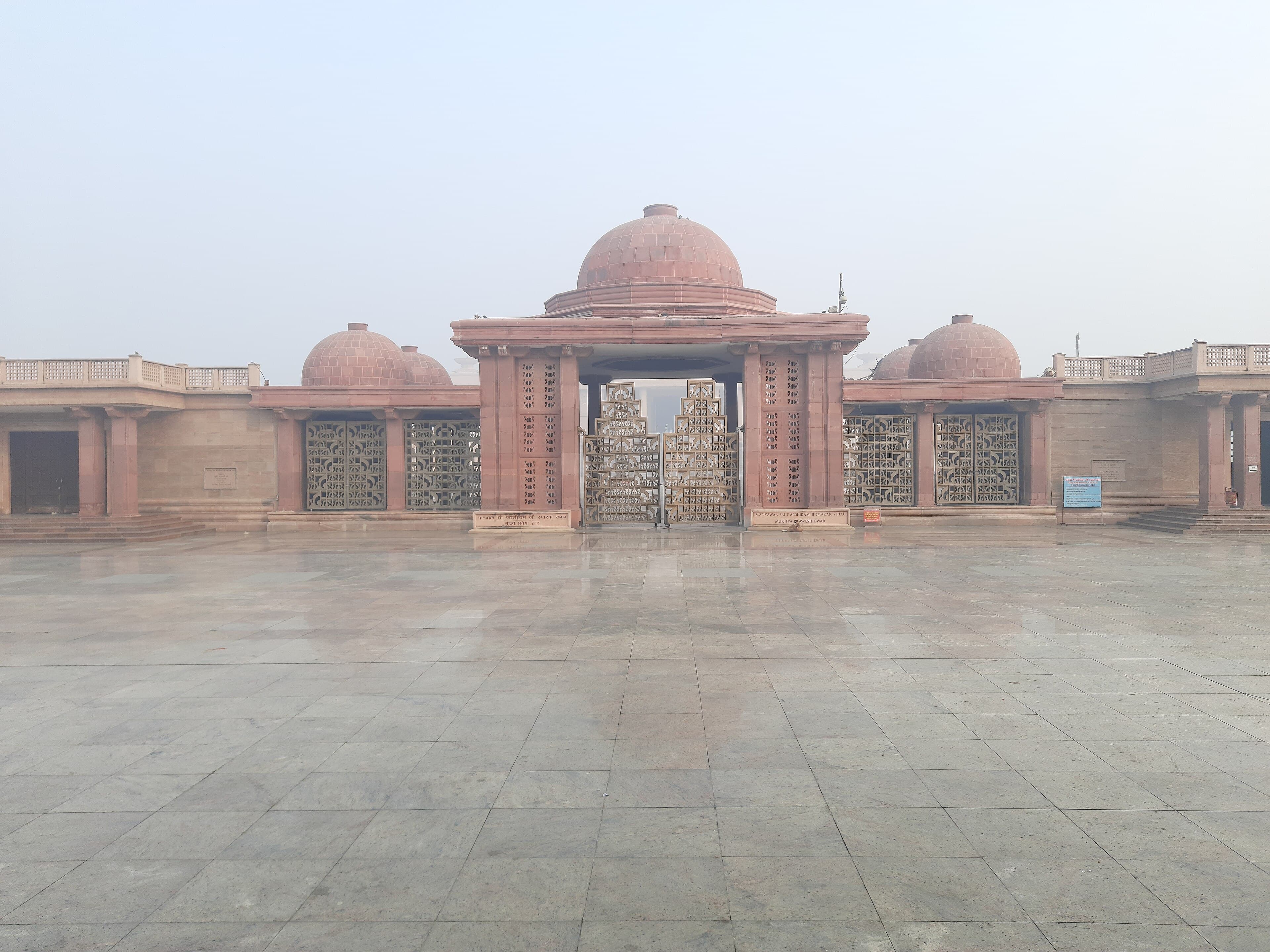
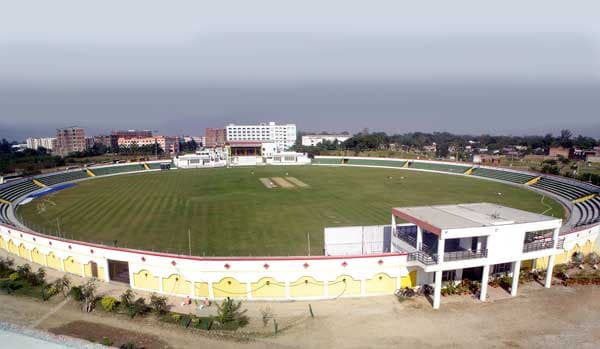
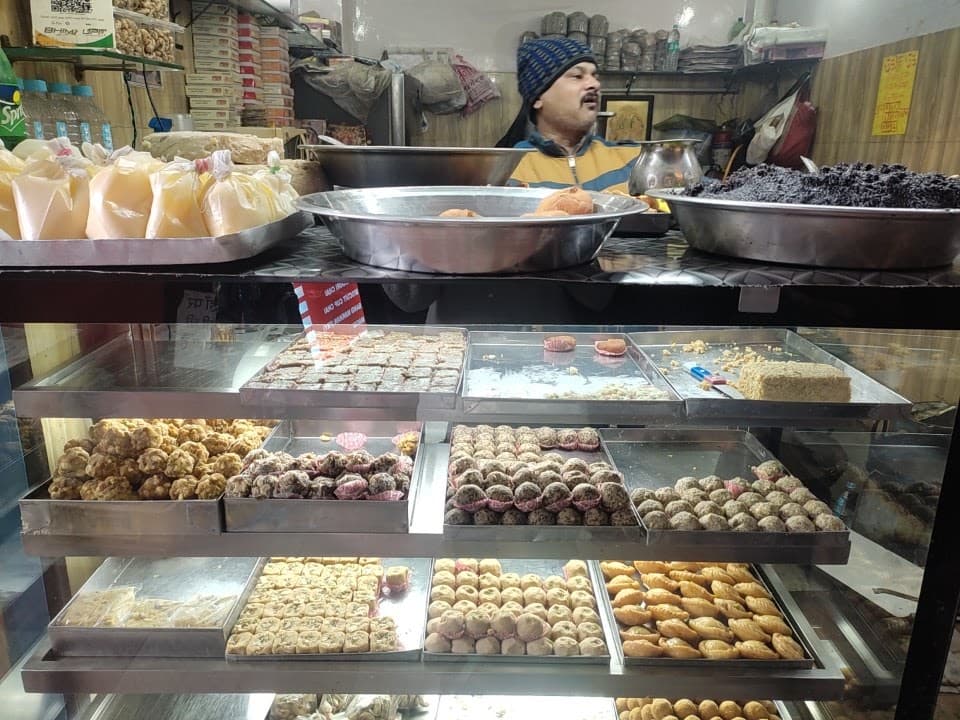
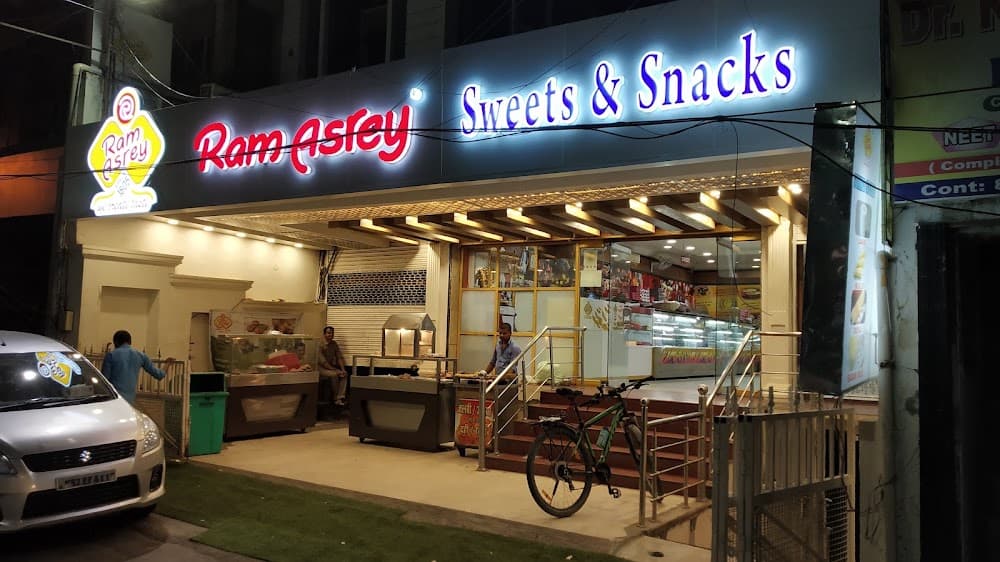
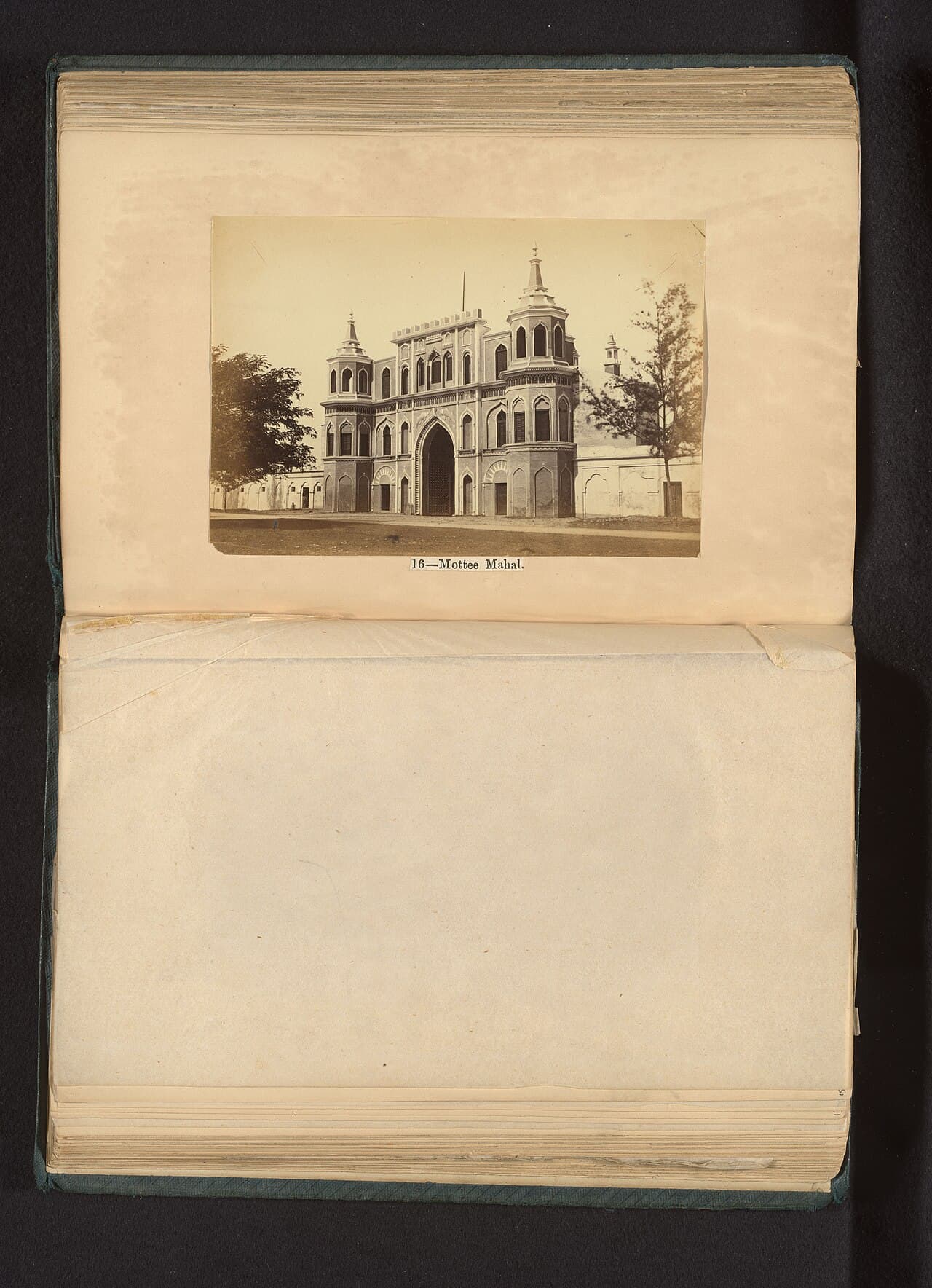
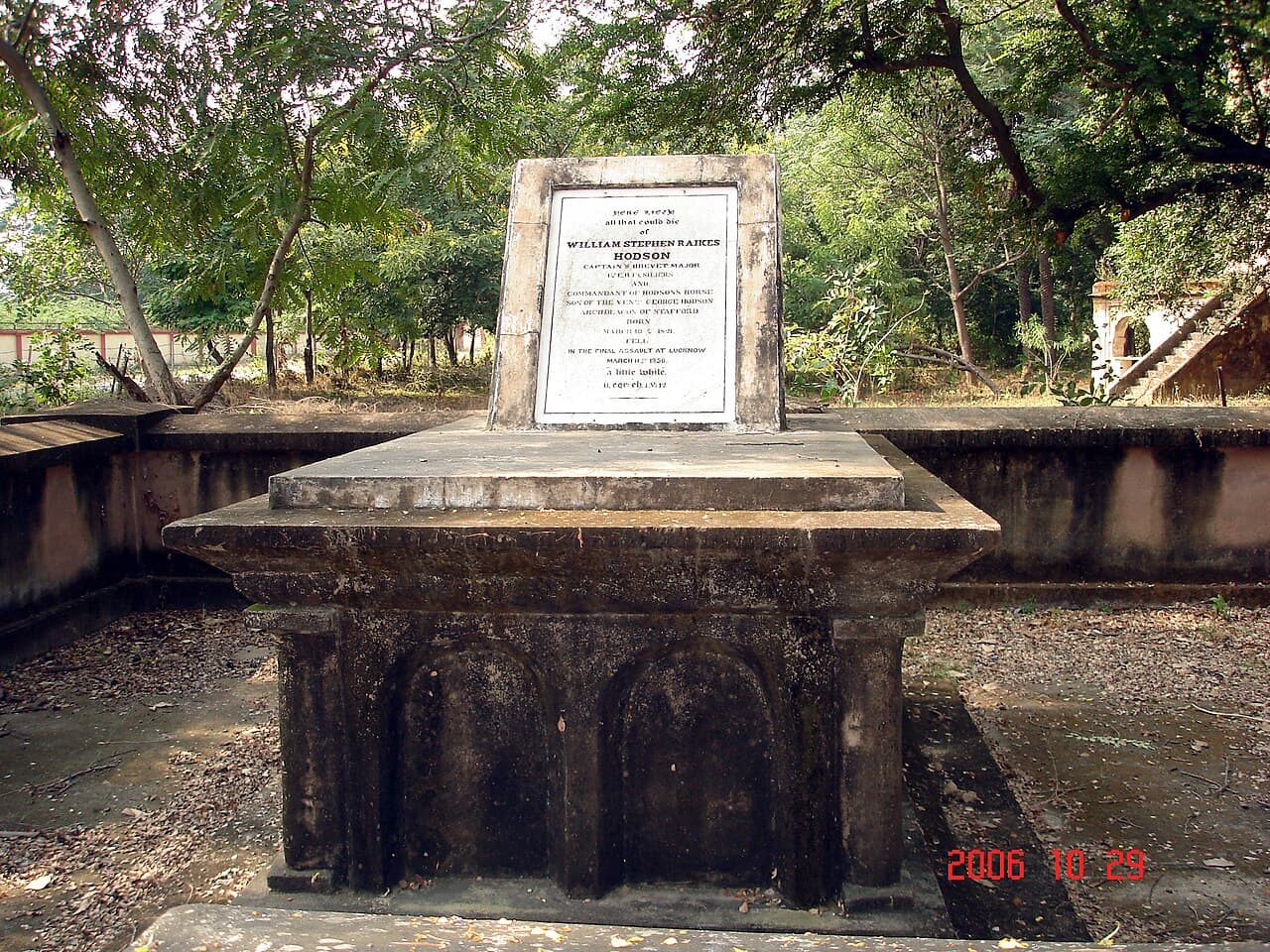
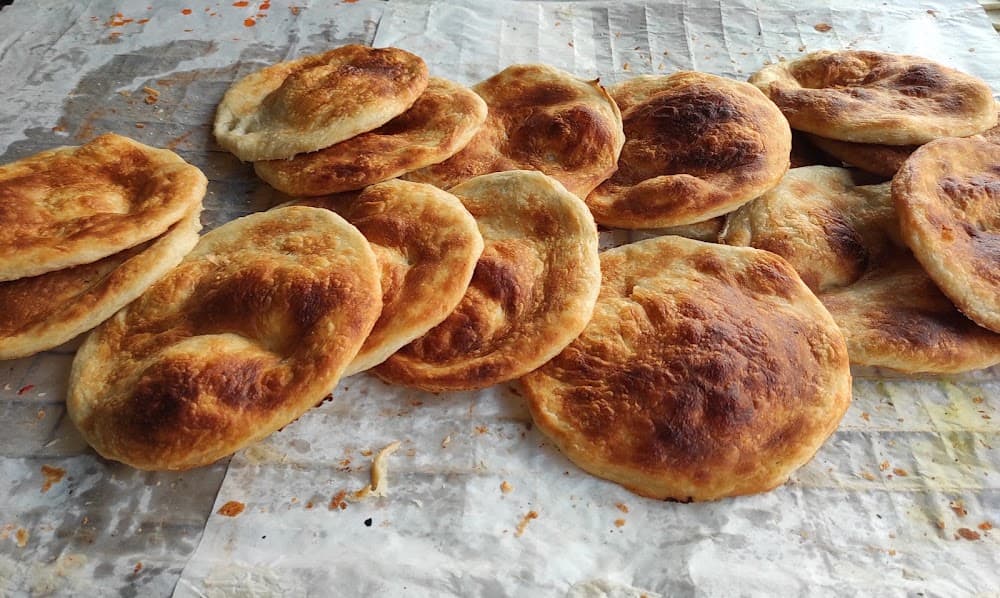
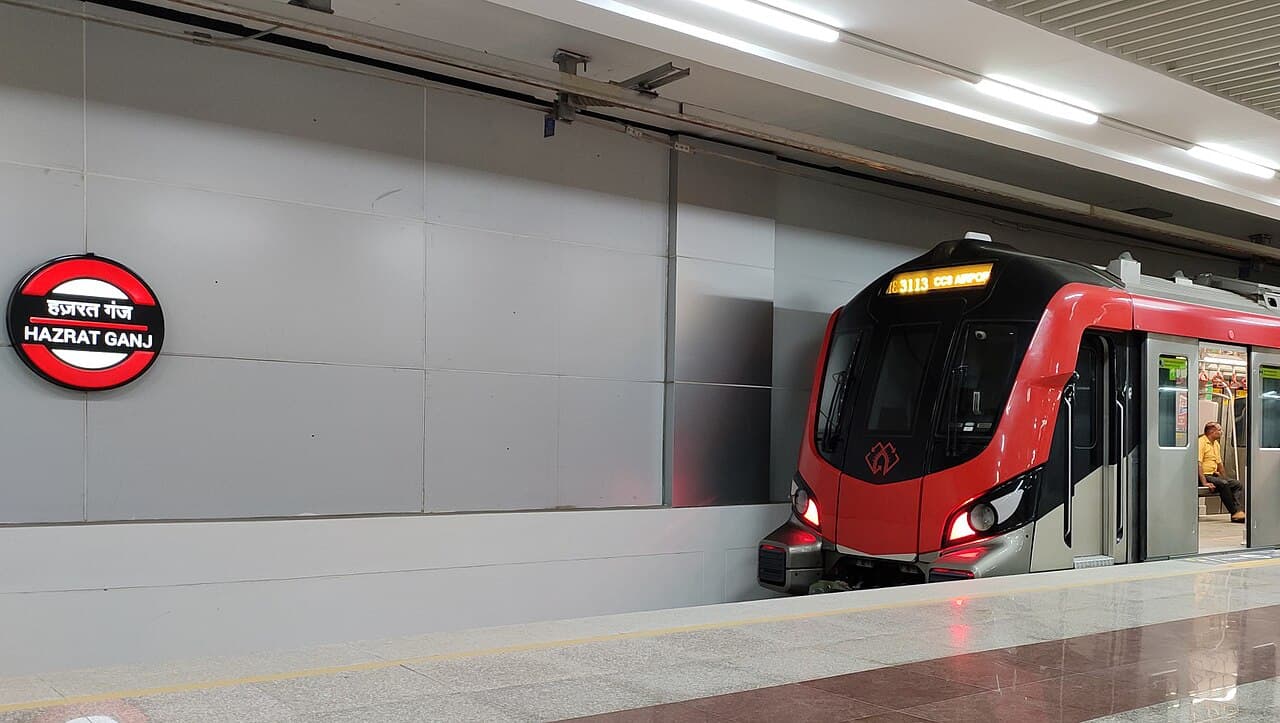
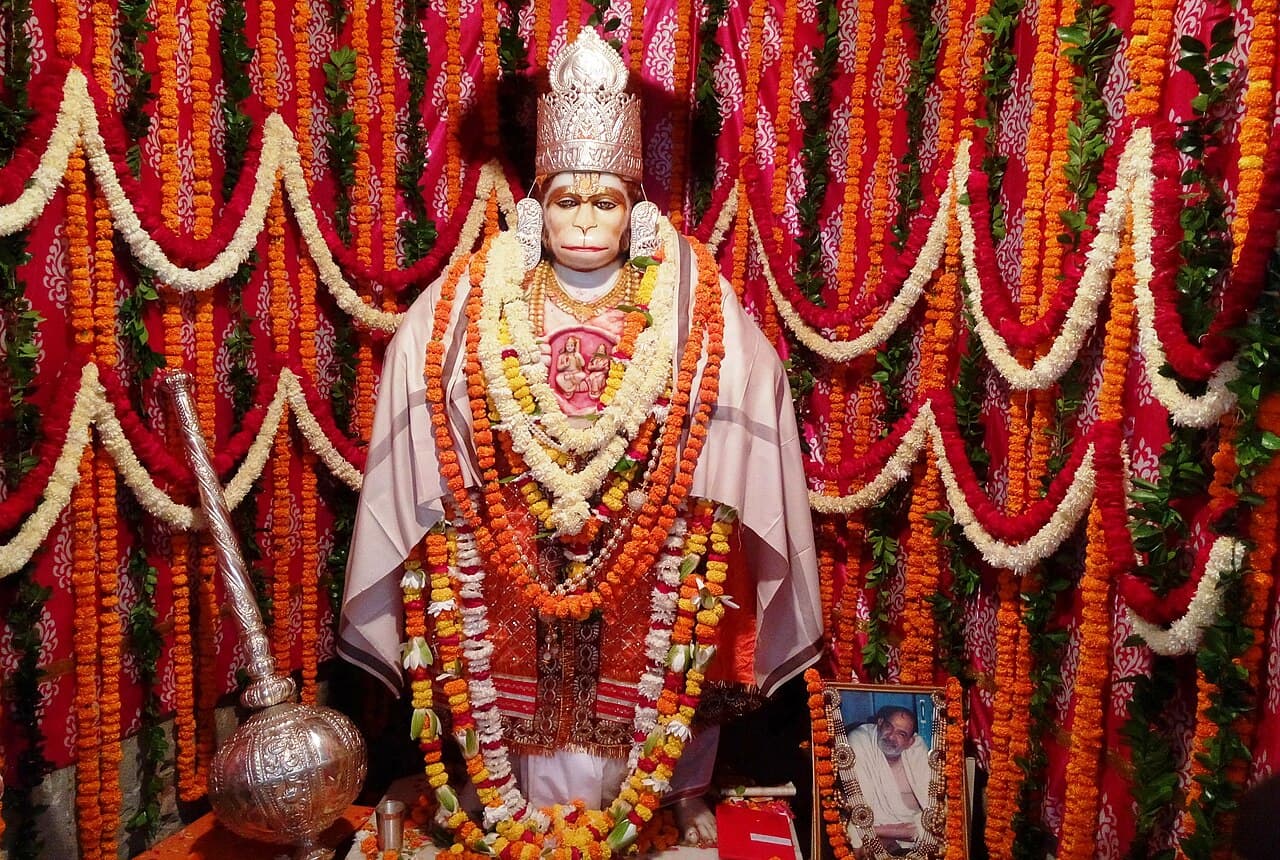
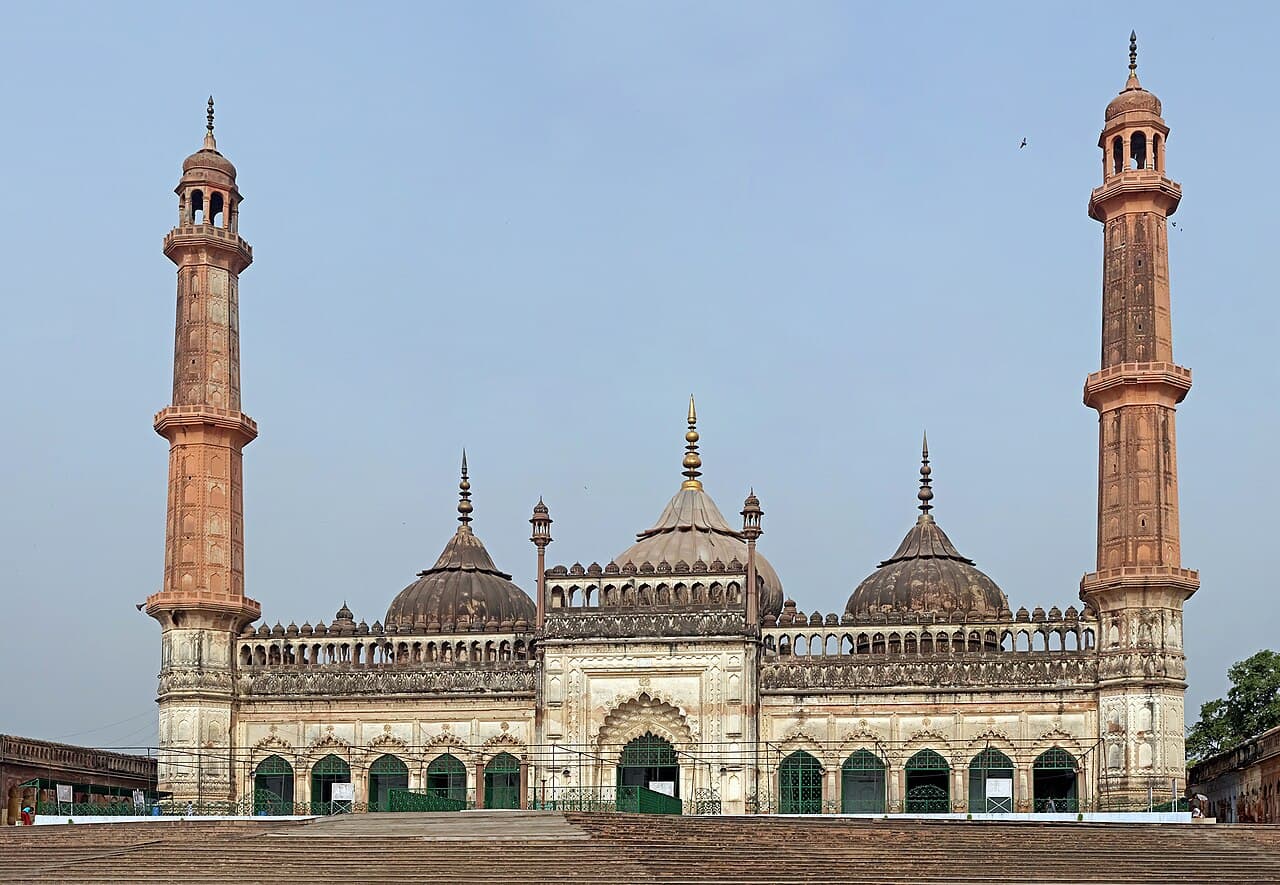
Lucknow is known for
Why Lucknow is famous
- •State / river: Uttar Pradesh, of which it is the capital; on the Gomti, which divides the city
- •Language: Hindi and Urdu. Lucknawi Urdu is a recognised literary register and the city is a seat of the Lucknow school of Urdu poetry.
- •Religious character: A seat of Shia Islam and widely described as the epitome of Shia culture in India, which is why Muharram here is unlike Muharram anywhere else in the country.
- •Capital since: 1775, when Nawab Asaf-ud-Daula moved the Awadh capital from Faizabad. Everything the city is known for dates from that decision.
- •The Nawabi period: 1775 to 1856 - eighty-one years. Short, and it produced the architecture, the cuisine, the Kathak, the thumri, the Urdu poetry and the etiquette the city still trades on.
- •How Awadh was annexed: On grounds of misgovernance in 1856, NOT under the Doctrine of Lapse - a distinction commonly got wrong. Wajid Ali Shah was exiled to Matiaburj in Calcutta, where he died in 1887.
- •How the city was laid out: Asaf-ud-Daula invited planners and architects and built along the Gomti with wide avenues, large baghs and open spaces, on the model of contemporary capitals. Marketplaces were designed into that plan - Chowk at the centre, then Nakhas and Aminabad - to display craftsmanship, not merely to trade.
- •Why it matters for the product: Fourth city, fourth organising logic. Varanasi grew along a river, Jaipur was drawn as a grid, Madurai as a mandala around a shrine. Lucknow was laid out as a court city along a riverbank - avenues, gardens, imambaras and bazaars arranged for display.
- •Chikankari: GI-registered as Lucknow Chikan Craft. White-on-white hand embroidery on fine cotton with untwisted cotton, rayon or silk thread, predominantly floral, the creeper being the commonest motif. The process runs through cutting, stitching, printing, embroidery, washing and finishing.
- •Zardozi: GI-registered as Lucknow Zardozi in 2012, the 192nd GI product of India, secured by the Kalatmak Handicrafts Self Help Group Foundation. Metal-thread embroidery worked with an ari needle, with pearls, sequins, beads and stones.
- •Zardozi's GI geography: The registration covers Lucknow and six surrounding districts: Barabanki, Unnao, Sitapur, Rae Bareli, Hardoi and Amethi. Individual artisans, manufacturers, retailers and exporters in those districts can register as authorised users.
- •Lucknow's three GI brands: Chikankari, Zardozi and the Malihabadi Dussehri mango - a textile, an embroidery and a fruit.
- •Other crafts: Ittar (oil-based natural perfume), Nawabi leather juttis and mojris, Chinhat pottery, silverwork and wooden craft.
- •Kathak: Kathak originated in Lucknow. Wajid Ali Shah was its great patron, and the Lucknow gharana emphasises grace where the Jaipur gharana emphasises vigour. The lineage runs through Bindadin, Kalka Prasad, then Achchan, Lachchu and Shambhu Maharaj, and on to Birju Maharaj.
- •Music and poetry: Under Nawabi patronage Kathak, thumri, khayal, dadra, ghazal, qawwali and sher-o-shairi all reached their height. The Lucknow school of Urdu poetry formed around Anees, Dabeer, Atish and others; the masnavi is a form the city is particularly known for. Begum Akhtar, Naushad, Talat Mahmood and Kaifi Azmi are all Lucknow names.
- •The galouti story: Tradition holds the galouti kebab was created for a Nawab who had lost his teeth, hence the melt-in-the-mouth texture. Present it as tradition, not as documented fact.
- •Strong seasonality: Makhan malai is a winter-morning-only dessert - hand-beaten cream, said to be left overnight to collect dew, and gone by mid-morning. Sharbats are the summer counterpart. Recommending makhan malai in June is a wrong answer that looks right.
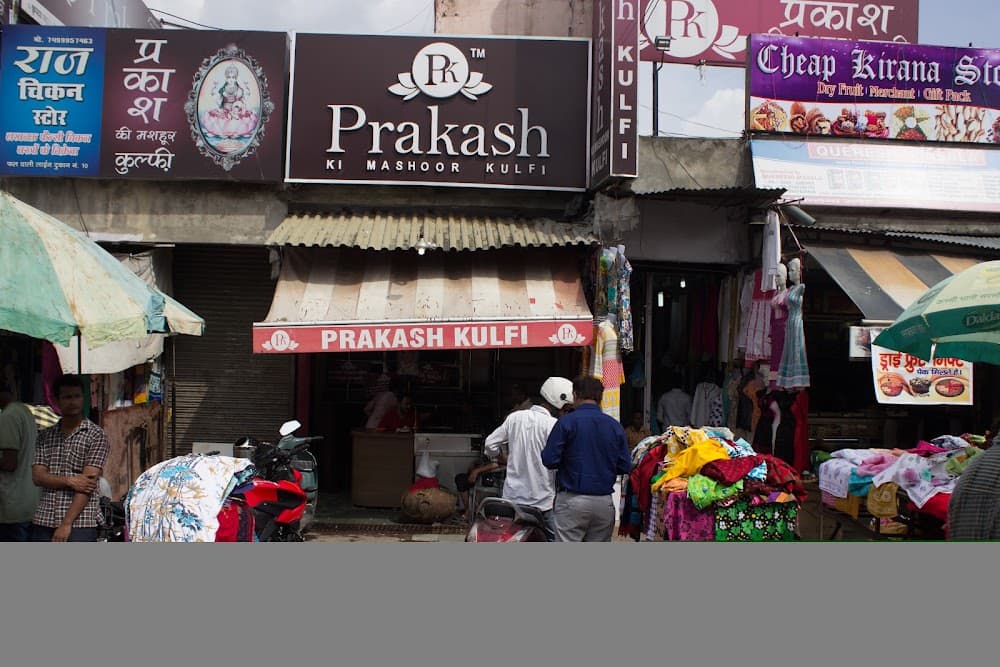
- •Vegetarian note: Lucknow's most famous foods are meat dishes, but kachori-sabzi, basket chaat, malai gilori and kulfi give vegetarians a full day's eating. Vegans will struggle - ghee and dairy are near-universal.
- •Best season: October to March. Muharram is the city's most distinctive time but shifts about eleven days earlier each year on the Gregorian calendar, so it has to be computed rather than looked up.
AI-drafted from general knowledge — may contain mistakes.
Lucknow at a glance
- ⚠️Machine-made 'chikankari' is sold widely as hand work - check the reverse, which on real work is close to a mirror of the front, where machine work shows loose threads and bobbin lines. Bargain hard in Chowk and Aminabad and not at all in branded showrooms. During Muharram, processions are acts of mourning, not spectacle
- ⚠️photograph with restraint or not at all.
History at a glance
- Pre-1775 · MUGHALLucknow serves as a granary under the Mughals, its position drawing traders from Bengal, Bihar and Delhi and making it a commercial hub before it is ever a capital.
- 1775 · NAWABIAsaf-ud-Daula succeeds as fourth Nawab of Awadh and moves the capital from Faizabad to Lucknow. He reigns until 1797.
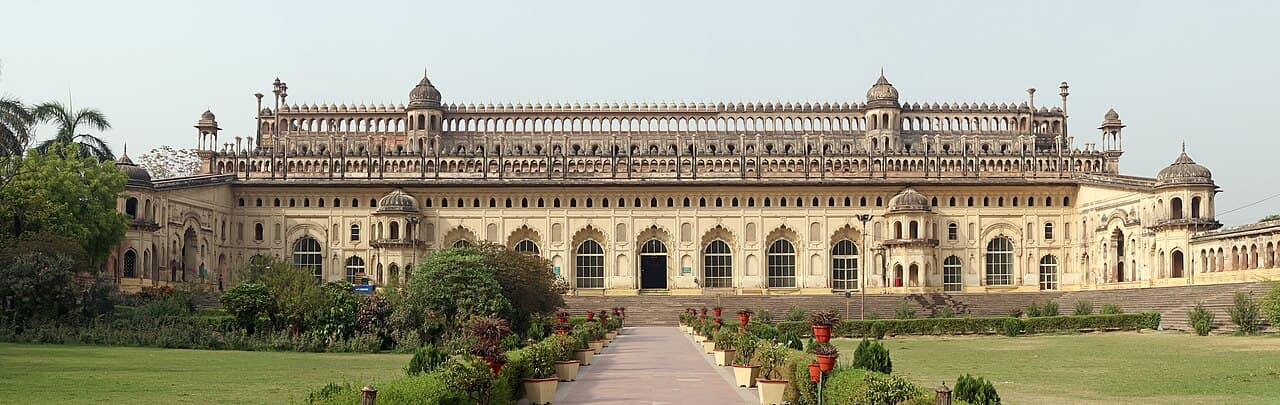
- 1784 · NAWABIFamine strikes Awadh. Asaf-ud-Daula begins the Bara Imambara as a relief project, providing paid work rather than alms - to labourers by day and, by tradition, to noblemen by night so they could earn without losing face. The Rumi Darwaza is raised in the same year.
- 1797 · NAWABIAsaf-ud-Daula dies at Lucknow and is buried inside the Bara Imambara. The proverb 'jisko na de Maula, usko de Asaf-ud-Daula' survives him.
- 1801 · COLONIALUnder treaty, Awadh cedes a very large part of its territory to the East India Company.
- 1827 · COLONIALHazratganj is established.
- 1840s · NAWABIAmjad Ali Shah builds Hazratganj in its Nawabi form, the bridge over the Gomti, the Aminabad bazaar and the first metalled road to Kanpur. He is buried in the Sibtainabad Imambara.
- 1837-1842 · NAWABIMuhammad Ali Shah builds the Chota Imambara at Hussainabad, where he is buried with his mother. Belgian chandeliers give it its name as the Palace of Lights.
- 1847-1856 · NAWABIReign of Wajid Ali Shah, the last Nawab: poet, playwright, composer and dancer, writing under the pen name Akhtar Piya. Kathak and thumri reach their zenith at his court. He builds Qaiserbagh.
- 1856 · COLONIALThe British annex Awadh on grounds of misgovernance and exile Wajid Ali Shah to Matiaburj in Calcutta, where he dies in 1887.
- 1857 · COLONIALLucknow becomes a centre of the rebellion. The British Residency is besieged for months. Begum Hazrat Mahal, Wajid Ali Shah's wife, leads the resistance in the city and later takes refuge in Nepal.
- 1858 · COLONIALBritish troops retake the city after heavy fighting. Qaiserbagh is largely destroyed; only the Safed Baradari survives of what was a vast palace complex.
- 1911 · COLONIALThe Governor of Awadh opens the modern Aminabad Park; the Aminabad market is inaugurated by Sir Lutouche in the same year. The park, known as Jhandewala Park, becomes a political meeting ground where Nehru among others speaks.
- 20th century · MODERNLucknow becomes the capital of Uttar Pradesh and the seat of the Bhatkhande Music Institute and the Bhartendu Natya Akademi, continuing the Nawabi arts under state patronage.
- 1980s onward · MODERNThe Lucknow Mahotsava is staged annually as a promotion of the city's art and culture, with some gaps.
- 2013 onward · MODERNThe Lucknow Literature Festival runs annually in November.
Best time to visit
Lucknow's climate is characterized by hot and humid summers, with temperatures often soaring during the peak summer months. The city experiences a distinct monsoon season from July to September, bringing relief from the heat and humidity.
- Muharram · Drifts ~11 days earlier each Gregorian year - must be computed · anchored to Muharram 1-10; Ashura = 10 MuharramLucknow is a seat of Shia Islam and its Muharram is unlike any other in India. Mourning for Imam Husain, tazia processions, the imambaras in full use and the Chota Imambara lit with thousands of lamps. The processions began under the Awadh Nawabs.
- Lucknow Mahotsava · Usually winter · anchored to Annual, fixed by the organisersA promotion of the city's art and culture, staged annually since the 1980s with some gaps. Crafts, performance and food.
- Lucknow Literature Festival · November, since 2013 · anchored to AnnualDescribed as India's second-largest literature festival.
- Sanatkada Festival · Winter · anchored to AnnualMusic, dance, storytelling, theatre, Awadhi food, textiles, qawwali and chikan embroidery. Described as the must-attend event on the local calendar; Birju Maharaj performed here.
- Ganjing Carnival · Periodic · anchored to Recurring SundaysThe main shopping street closed for cultural performance - Kathak by Bhatkhande students, street theatre, bands, chaat and kulfi.
- Eid al-Fitr and Eid al-Adha · Drift ~11 days earlier each year · anchored to 1 Shawwal; 10 Dhu al-HijjahMajor observances in a city with a large Muslim population; food streets in Chowk and Aminabad run through the night in Ramzan.
- Ramzan food season · Drifts each year · anchored to Month of RamadanThe old-city food streets shift to late-night trading for the month - a genuinely different eating experience from the rest of the year.
- In 12 daysGandhi Jayanti · 2 October
- In 29 daysDurga Ashtami / Maha Navami · 19 October
- In 30 daysDussehra (Vijayadashami) · 20 October
- In 39 daysKarwa Chauth · 29 October
Real dates, not AI-drafted — sourced from the Hindu Panchang, same for every destination.
Weather details and any festival without a stated lunar anchor above are AI-drafted from general knowledge, not independently verified — timing is approximate; double-check before planning around one.
Part of these sacred circuits
Near me
Share your location to see famous places closest to you right now.
Famous places in Lucknow
Sacred & Spiritual
See all 117 →Heritage & Monuments
See all 56 →Nature & Outdoors
Shops & Restaurants
See all 22 →Civic & Services
What travellers actually paid
Reported by real travellers, not looked up — a real range with a count, never a single guessed number.
Loading…
Local markets for shopping
Sourced from city research where available, otherwise AI-drafted from general knowledge — double-check specifics before relying on it.
Famous eateries & specialties
Sourced from city research where available, otherwise AI-drafted from general knowledge — double-check specifics before relying on it.