
Manali
Snowflakes, pinecones, and handmade woolens
Fresh mountain air carries the scent of damp earth and cedar.
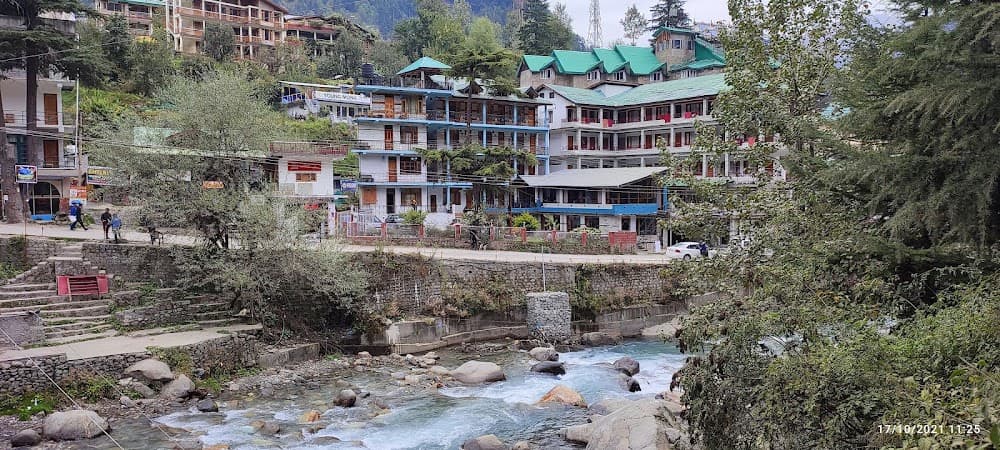
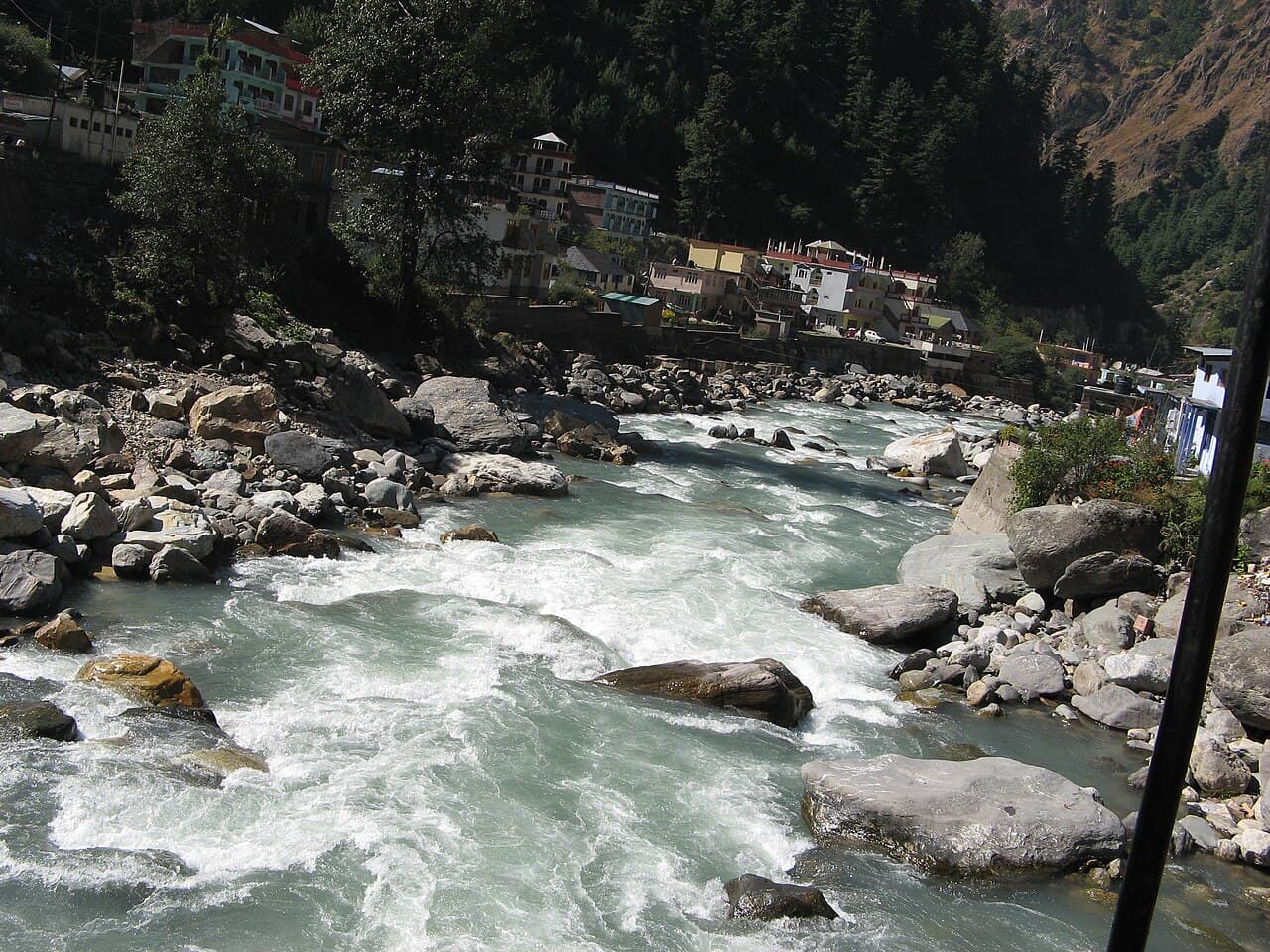
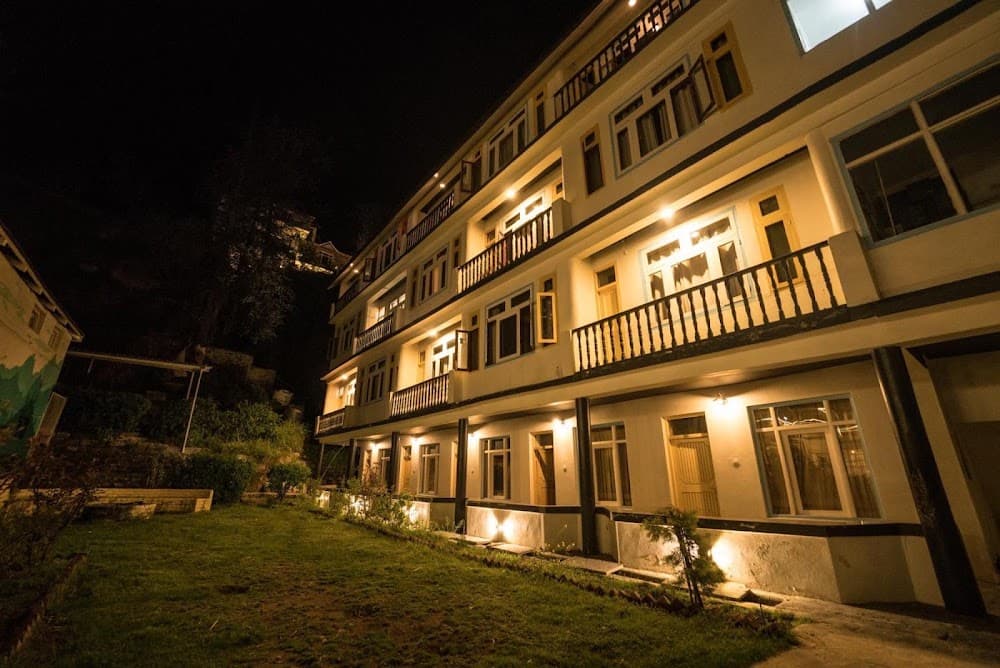
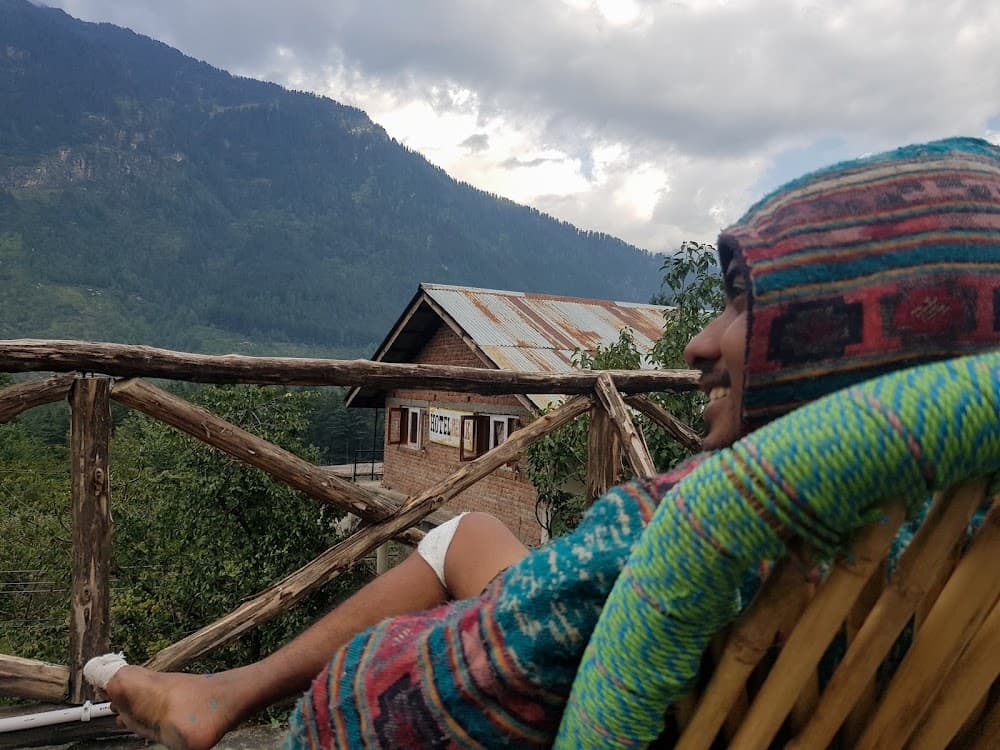
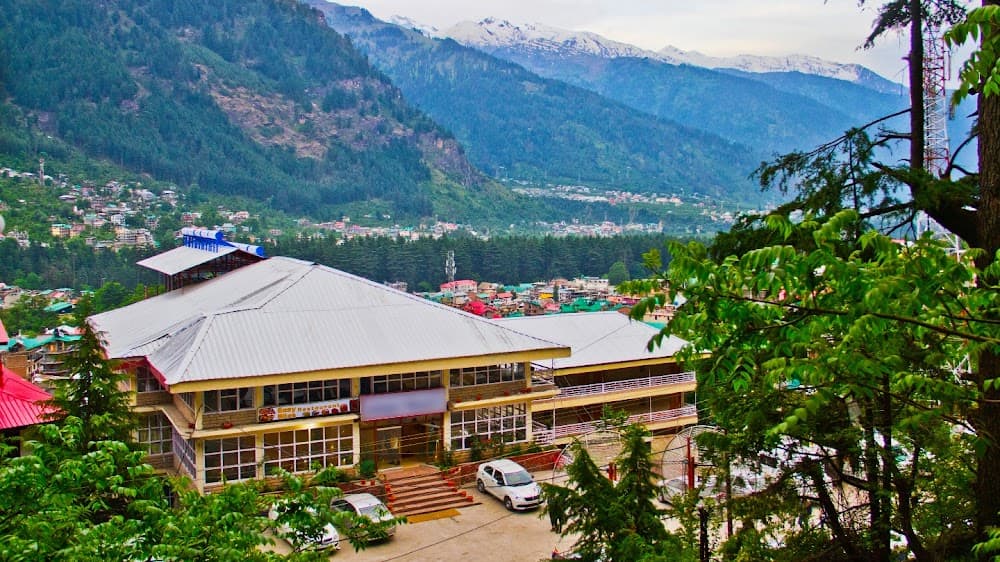
Manali, nestled in the picturesque Himalayan valleys of Himachal Pradesh, is a haven for nature enthusiasts and adventure seekers. The city's breathtaking landscape, with towering peaks, lush green forests, and sparkling rivers, makes it an ideal destination for those seeking a tranquil retreat from the hustle and bustle of city life. From trekkers and campers to photographers and simply those looking to unwind, Manali's serene surroundings and mild climate attract a diverse range of travelers. Whether you're seeking to challenge yourself with a thrilling hike or simply bask in the beauty of nature, Manali's unspoiled natural charm is sure to leave you enchanted.

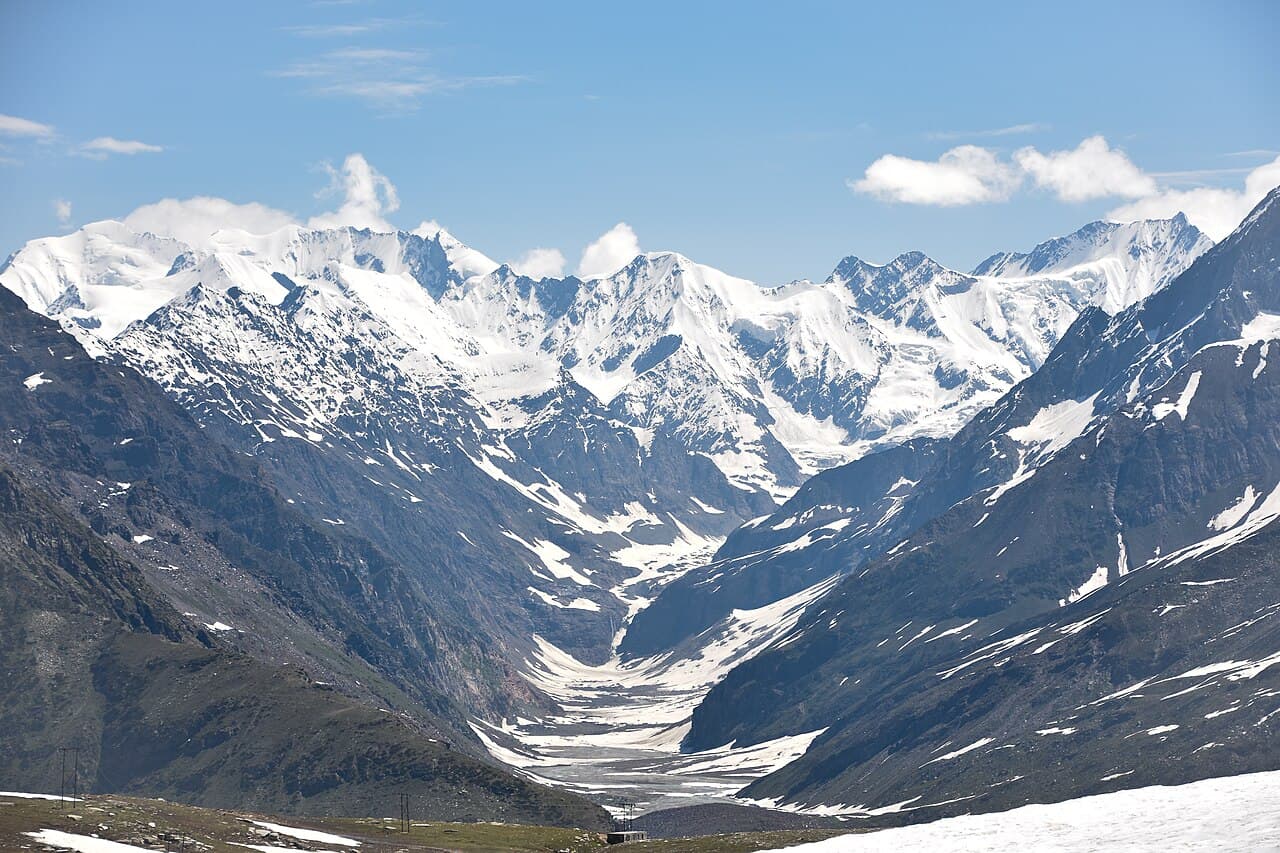
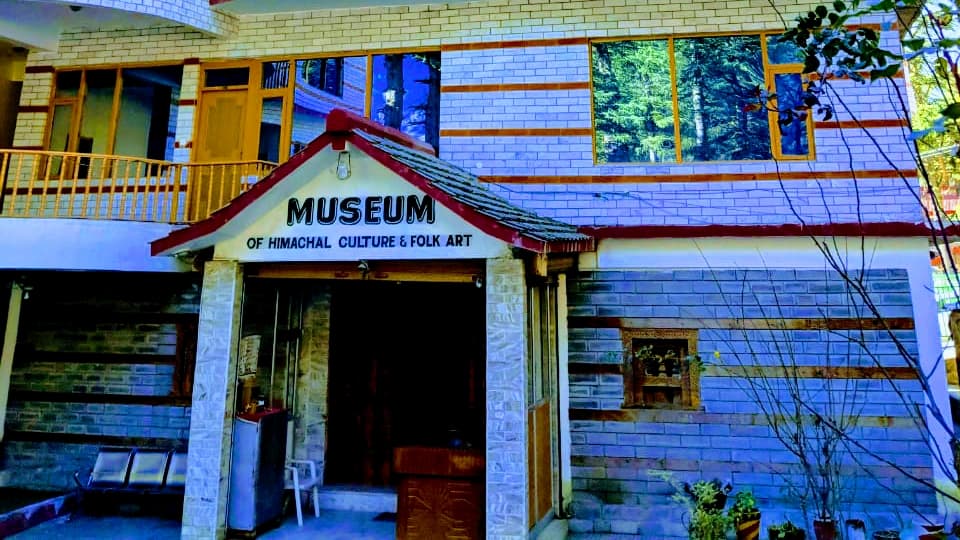
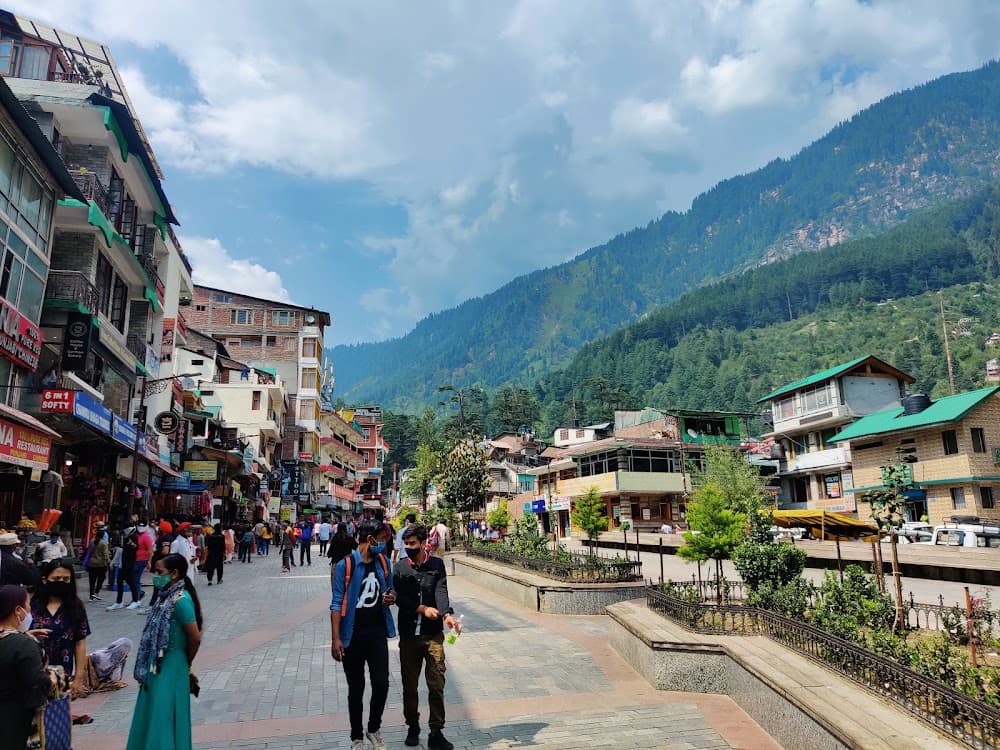
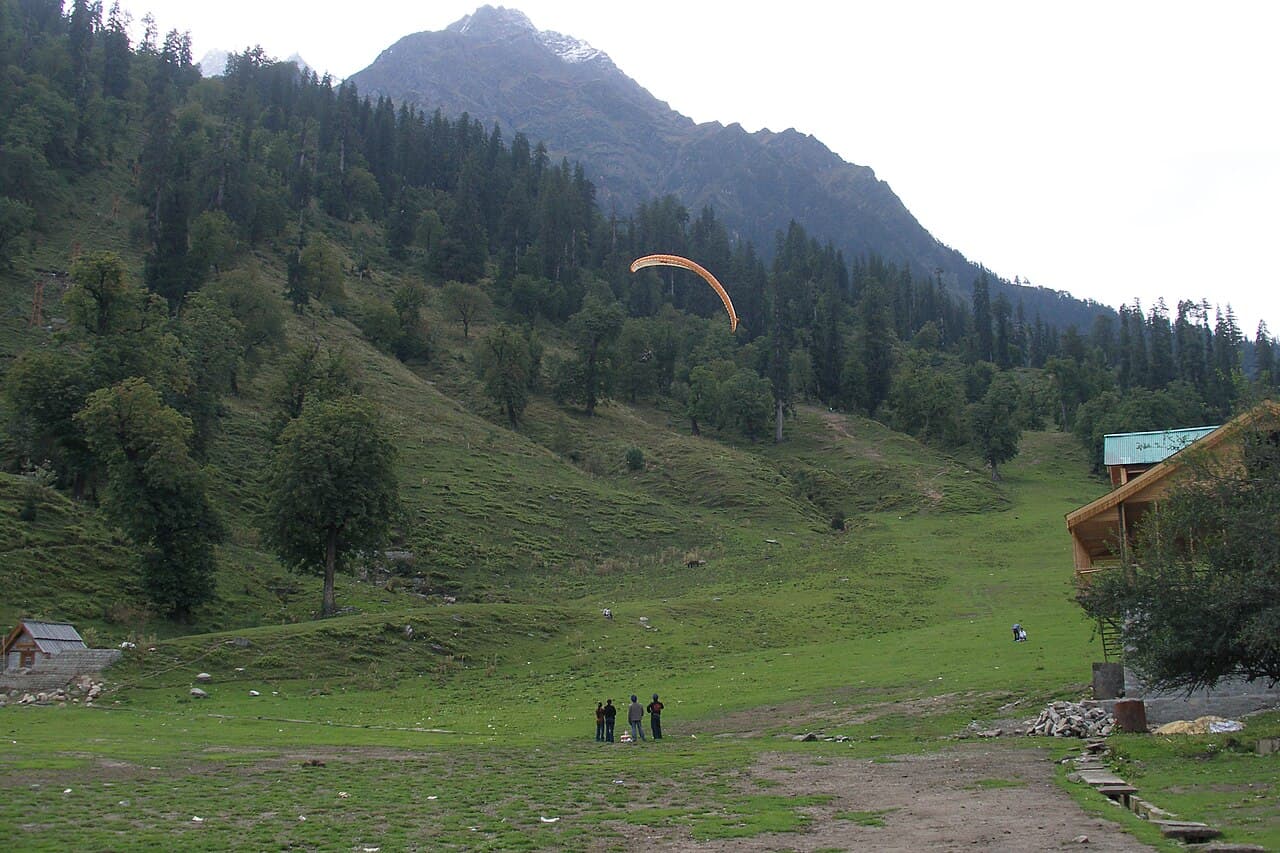

Manali is known for
Why Manali is famous
- •What Manali is: A town in the upper Kullu valley of Himachal Pradesh on the Beas, at around 2,050 m, and the base for Solang, Rohtang, the Atal Tunnel and the road to Lahaul, Spiti and Leh.
- •Why it matters for the product: Seventeenth destination, and the worst ranking failure in the whole series. Of the eighteen entries in your famous-places strip, seventeen are cafes, hostels, restaurants and tour operators. Only Bhrigu Lake is a place. Hadimba Devi Temple - the town's defining landmark - ranks third in Sacred and is not in the strip at all.
- •Dev Bhoomi and the devtas: The Kullu valley runs on village deities. More than 300 devtas and devis, each with a palanquin, musicians, a following and a jurisdiction, travel to festivals, grant permissions and are treated as active participants rather than images. This is the organising fact of religious life here and nothing in your data reflects it.
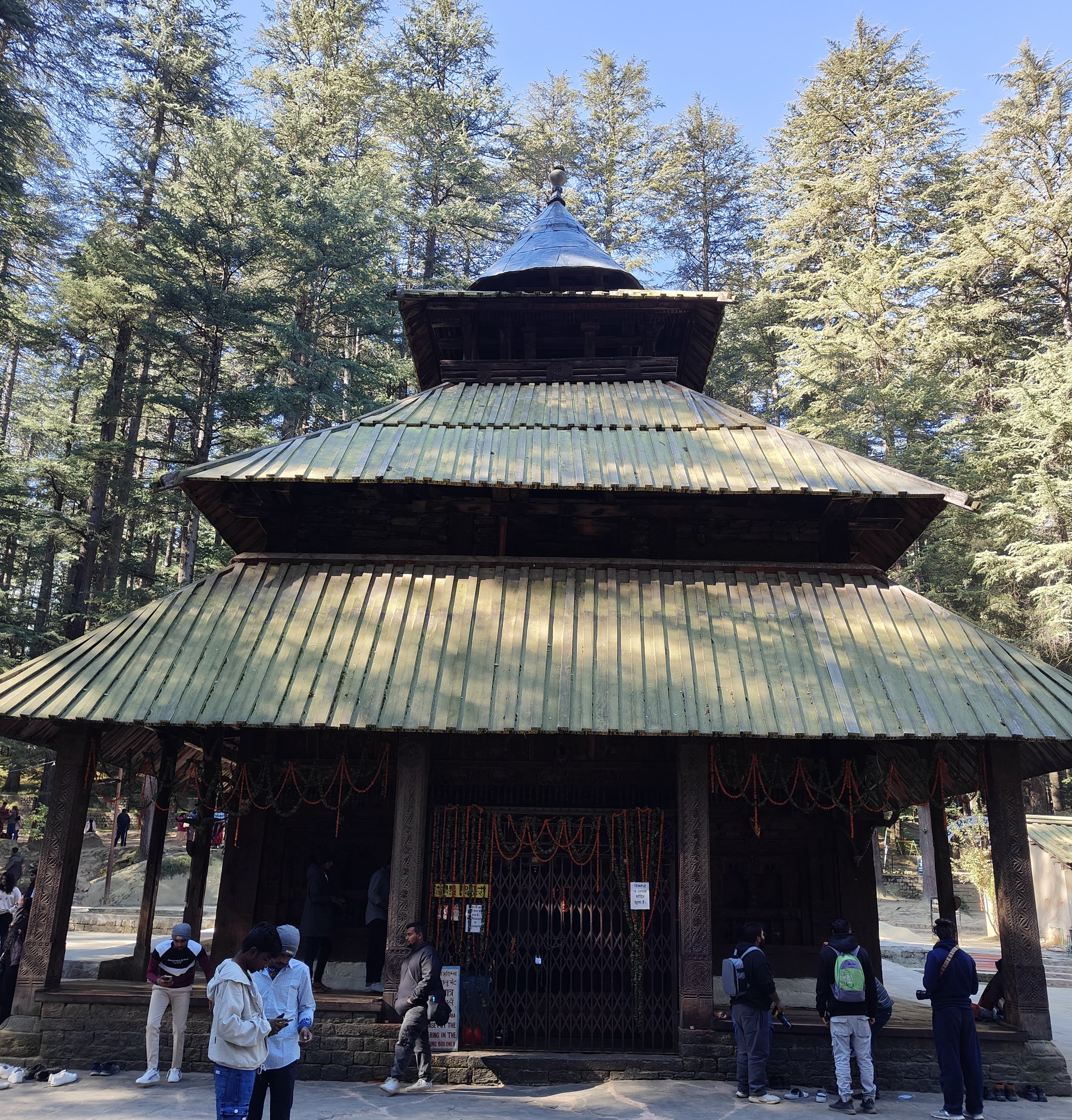
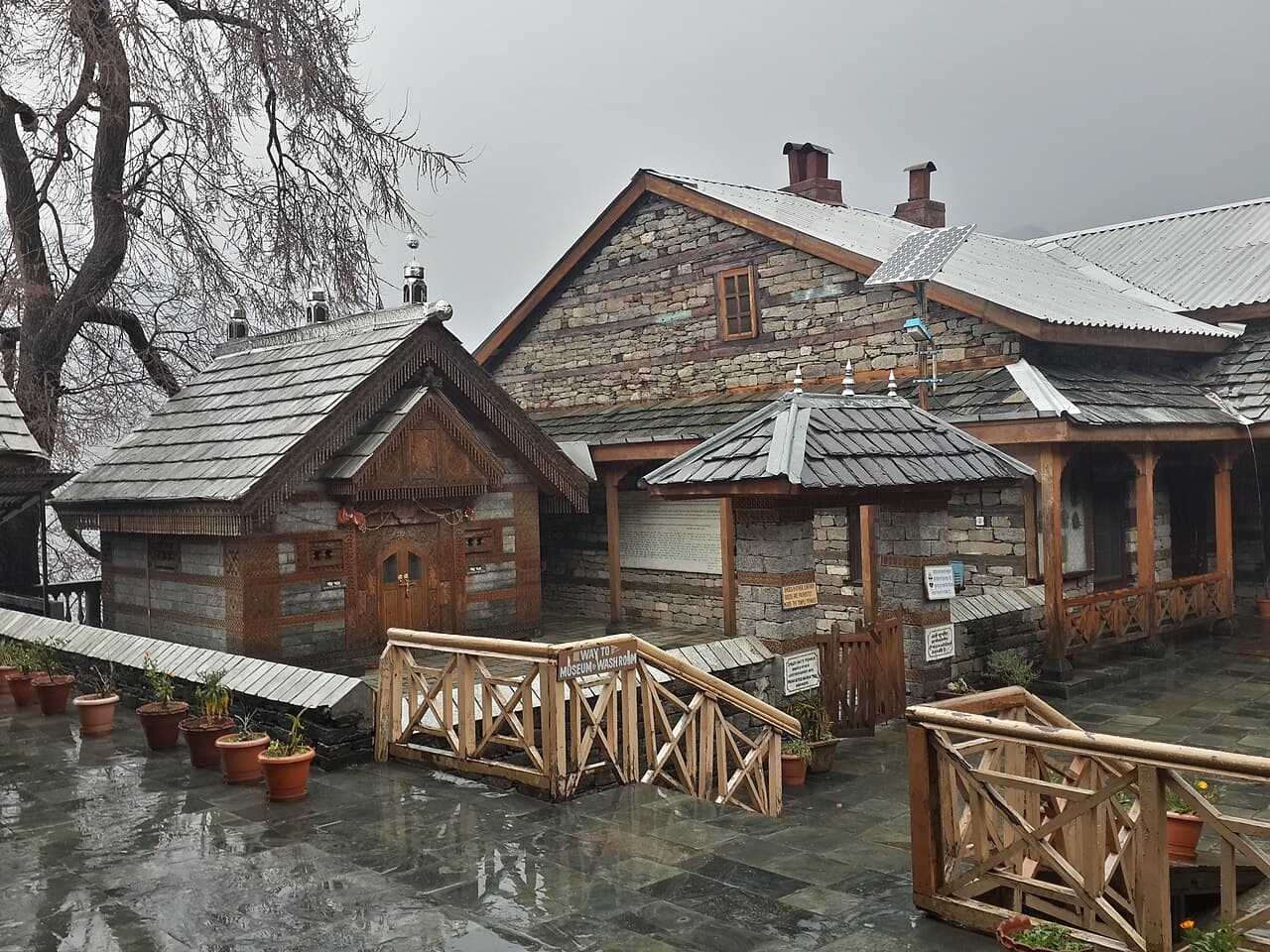
- •The temple: Built in 1553 CE by Raja Bahadur Singh of Kullu, who reigned c. 1532-1559. A four-tiered pagoda of deodar timber on a stone base, rising about 24 m, in kath-kuni construction, in the Dhungri cedar forest about 2 km uphill from Mall Road.
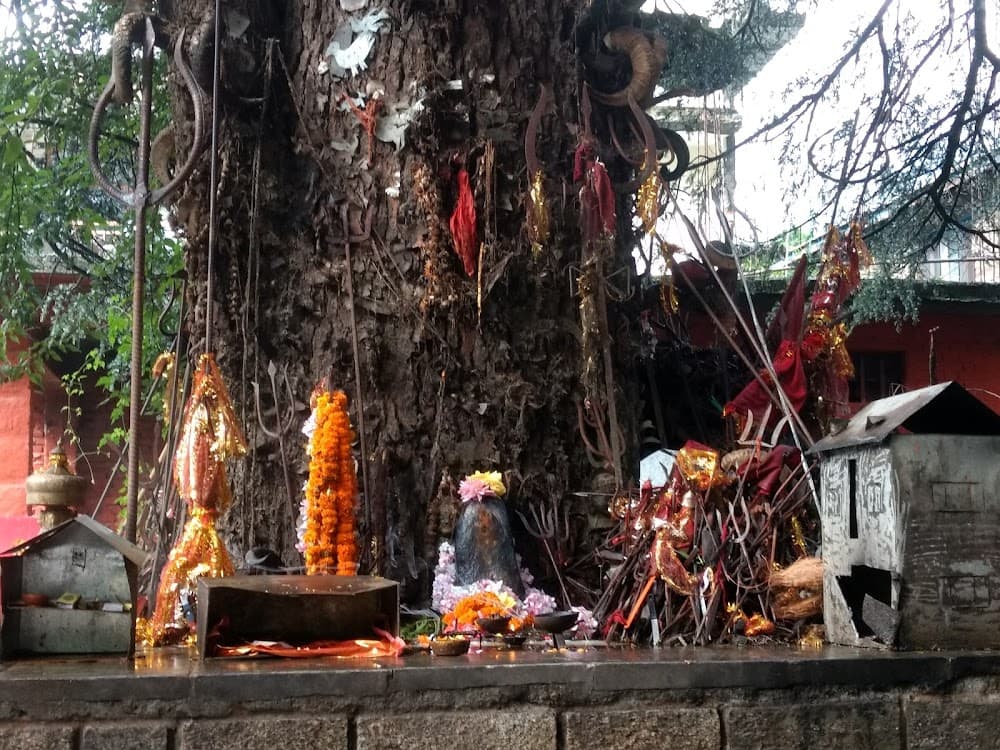
- •What is worshipped: There is no conventional idol. The sanctum is a natural rock cave where Hidimba is held to have meditated, and devotees worship a stone bearing her carved footprints; a small brass image is also present but the rock is primary. The local word for the rock is dhung, which gives Dhungri its name.
- •The story: Hidimba was a rakshasi who lived in these forests with her brother Hidimb. Bhima killed Hidimb; Bhima and Hidimba married and their son was Ghatotkacha, who fought at Kurukshetra. After Bhima left she performed penance here and attained divinity. She is the protector deity of the valley.
- •A legend to label as legend: Local guides say Bahadur Singh had the architect's right hand cut off so that no other building could rival it. Historians treat this as folklore, not documented history. Carry it as tradition.
- •Practical: Open roughly 08:00 to 18:00, free entry, 30 to 60 minutes. Photography is permitted in the complex and forest but prohibited inside the sanctum. Best between 08:00 and 10:00. Negotiate yak photo prices before agreeing.
- •Why it is the region's festival: It BEGINS on Vijayadashami, the day the rest of India finishes, and runs seven days at Dhalpur Maidan in Kullu. The local explanation is that Rama's arrow struck Ravana on Vijayadashami but he died seven days later. There is no Ravana effigy; a symbolic Lanka Dahan is performed on the Beas on the last day.
- •Manali's part in it: Hadimba Devi leaves Dhungri on Navami and travels to Dhalpur, resting at Ramshila in the evening; when she reaches the Hanuman temple there, Raghunath's staff is carried out to welcome her. She then enters Raghunathpur and the royal family performs the rites. It is held that the festival cannot be organised without her.
- •The scale: More than 300 village deities converge, each with its own band and hundreds of followers - a gathering called the Dev Mahakumbh. Reports give four to five lakh visitors. The accompanying trade fair runs for a month. Raghunath's chariot is only pulled after a flag is hoisted at Bhekhali Mata's temple and her permission received.
- •Its origin: Raja Jagat Singh, who ruled 1637-1662, installed an idol of Raghunath brought from Ayodhya at the palace temple in atonement, and ordered that the valley's deities gather at Vijayadashami to honour him.
- •Best season: March to June and September to November for the town and the temple. Rohtang typically opens around May and closes with the first heavy snow. Winter is for snow and the Winter Carnival, not for the high passes.
AI-drafted from general knowledge — may contain mistakes.
Manali at a glance
- ⚠️Check whether Rohtang is open and whether you have a permit BEFORE building a day around it - this is the single most common failed plan here. Bhrigu Lake is a trek at altitude
- ⚠️not a drive. And Manali is a base
- ⚠️not a sight: most of what is worth seeing is 20 to 50 km away.
History at a glance
- Mahabharata · MYTHOLOGICALBhima kills Hidimb in these forests, marries Hidimba, and their son Ghatotkacha is born. Hidimba later performs penance here and attains divinity.
- c. 1532-1559 · KULLU KINGDOMReign of Raja Bahadur Singh, who expanded and stabilised the Kullu valley.
- 1553 · KULLU KINGDOMBahadur Singh builds the Hadimba Devi temple over the rock cave at Dhungri - a four-tiered kath-kuni pagoda about 24 m high.
- 1637-1662 · KULLU KINGDOMRaja Jagat Singh installs an idol of Raghunath brought from Ayodhya at the palace temple in Kullu, in atonement, and orders the valley's deities to gather at Vijayadashami to honour him. Kullu Dussehra begins.
- May 2010 · MODERNWork begins on the Atal Tunnel under Rohtang.
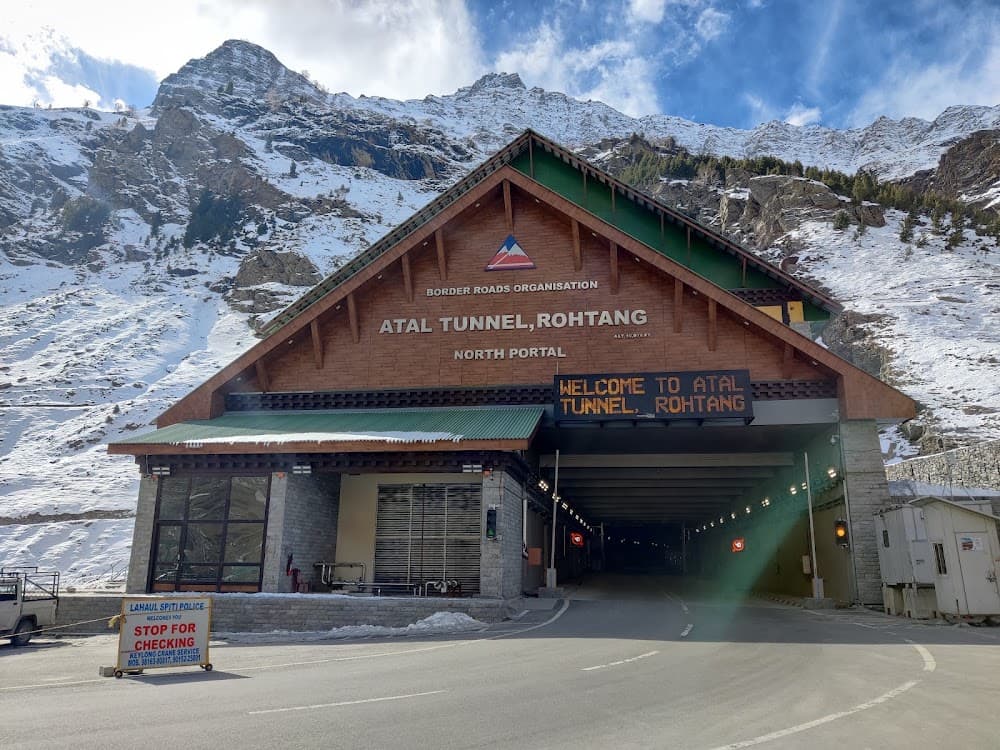
- October 2020 · MODERNThe Atal Tunnel opens - 9.02 km, NH3, Border Roads Organisation. Lahaul becomes reachable year-round.
Best time to visit
Manali's climate is characterized by cold winters and mild summers, with the monsoon season bringing heavy rain from July to September.
- Kullu Dussehra · anchored to BEGINS on Vijayadashami and runs seven days[REGIONAL FESTIVAL - INVERTED CALENDAR] Hadimba leaves Dhungri on Navami and travels to Dhalpur; Raghunath's staff is carried out to welcome her at Ramshila; the festival is held not to be possible without her. More than 300 village deities converge in palanquins with their own bands. Raghunath's chariot is pulled only after a flag is hoisted at Bhekhali Mata's temple. No Ravana effigy; a symbolic Lanka Dahan on the Beas on the last day. Four to five lakh visitors; the trade fair runs a month.
- Navaratri at Hadimba · anchored to Ashwin Shukla Pratipada to NavamiLocals worship Hadimba rather than Durga during Navaratri - a substitution specific to this valley. On Navami the goddess departs for Kullu.
- Hadimba Devi Fair · anchored to SpringThe temple's own annual fair.
- Winter Carnival, Manali · anchored to Annual, fixed by the administration[EVENT] Skiing, cultural performances and a town-wide carnival.
- 'Lahaul-Spiti Winter Carnival' · anchored to -[WRONG DESTINATION] Lahaul and Spiti is a different district, across the Rohtang pass.
- Baisakhi · anchored to Solar - 13 or 14 April, fixedIn Himachal this is the spring harvest festival, marked with village fairs.
- In 12 daysGandhi Jayanti · 2 October
- In 29 daysDurga Ashtami / Maha Navami · 19 October
- In 30 daysDussehra (Vijayadashami) · 20 October
- In 39 daysKarwa Chauth · 29 October
Real dates, not AI-drafted — sourced from the Hindu Panchang, same for every destination.
Weather details and any festival without a stated lunar anchor above are AI-drafted from general knowledge, not independently verified — timing is approximate; double-check before planning around one.
Part of these sacred circuits
Near me
Share your location to see famous places closest to you right now.
Famous places in Manali
Sacred & Spiritual
See all 30 →Heritage & Monuments
See all 10 →Nature & Outdoors
See all 68 →Shops & Restaurants
See all 11 →Places to Stay
Getting there & around
- Tunnel — 9.02 km on NH3 under Rohtang, built by the Border Roads Organisation, work begun May 2010. Inauguration is given as 3 October 2020 by two sources and 4 October 2020 by Wikipedia. About 28 km from Manali, roughly 45 minutes. It made Lahaul reachable year-round, where Rohtang closes for more than six months.
- Mountain Pass (permit required) — Vehicles entering Rohtang for tourism need a permit, applied for online, valid 24 hours, with a daily quota. The pass is closed for over six months a year under snow. Solang needs no permit; neither does the Atal Tunnel, which is the alternative when Rohtang is shut.
- Air — Kullu-Manali airport at Bhuntar is about 50 km. Road from Delhi and Chandigarh. NOTE: your page names no airport, does not mention the Atal Tunnel, does not mention that Rohtang requires a permit, and lists auto-rickshaws as a principal way to get around a mountain town.
What travellers actually paid
Reported by real travellers, not looked up — a real range with a count, never a single guessed number.
Loading…