
Story
AI-drafted from public sources — may contain mistakes, especially specific dates, names, or claims. Only "Good to know" above is field-checked.
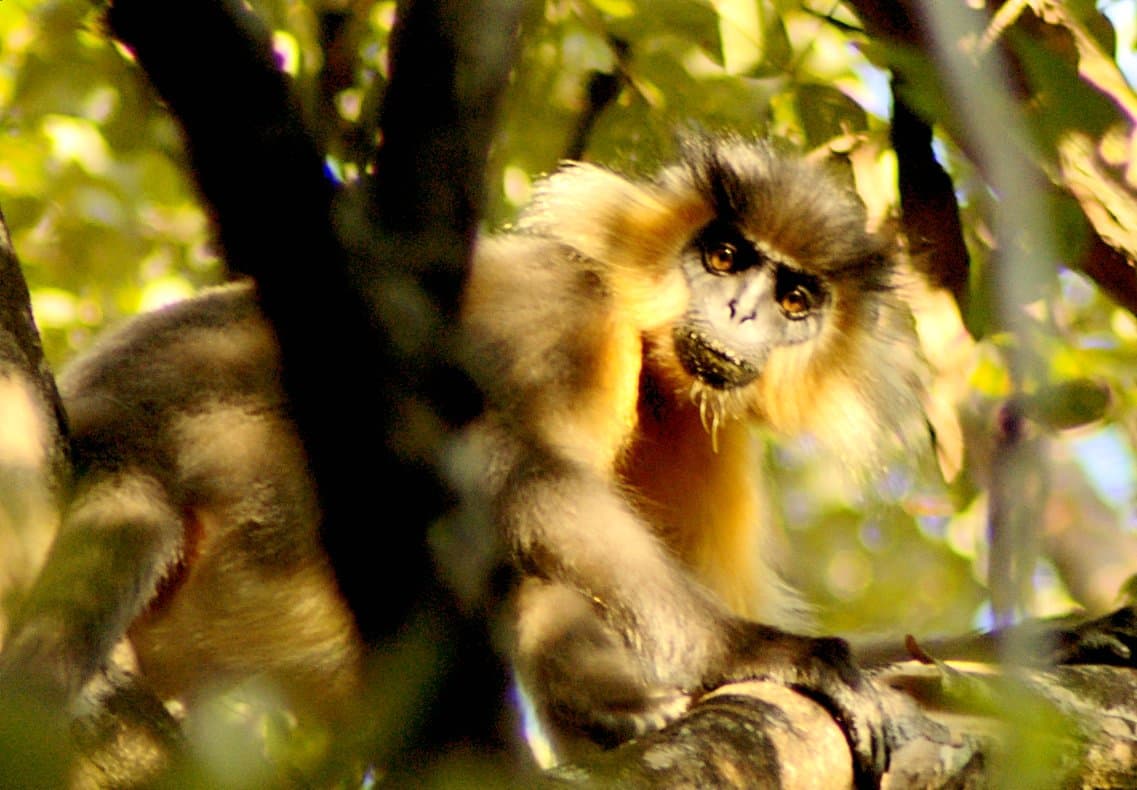
Standing at the edge of Manas National Park, the sounds of the Manas River and the rustling of leaves in the tropical semi-evergreen forests envelop you. This UNESCO World Heritage Site, nestled in the foothills of the Eastern Himalayas, is a haven for biodiversity. The park's unique blend of grasslands, forests, and riverine habitats creates a rich tapestry of ecosystems, home to rare and endangered species like the Assam roofed turtle, golden langur, and pygmy hog. As you explore the park, the picturesque Bansbari Plain and the striking backdrop of the Bhutanese mountains come into view, a testament to the region's ecological significance.
As you make your way to Manas National Park, you'll want to dress comfortably for the terrain. The park's varied landscape, ranging from dense forests to rolling hills and grasslands, demands sturdy footwear and clothing that can withstand the elements. Be prepared for unpredictable weather, and don't forget to bring a hat, sunglasses, and sunscreen for added protection. When planning your visit, consider the time of day and the season, as the park's scenic beauty and wildlife activity can vary greatly. Confirm the park's opening hours, entry fees, and any specific regulations with local authorities or park staff before your visit.