
Story
AI-drafted from public sources — may contain mistakes, especially specific dates, names, or claims. Only "Good to know" above is field-checked.
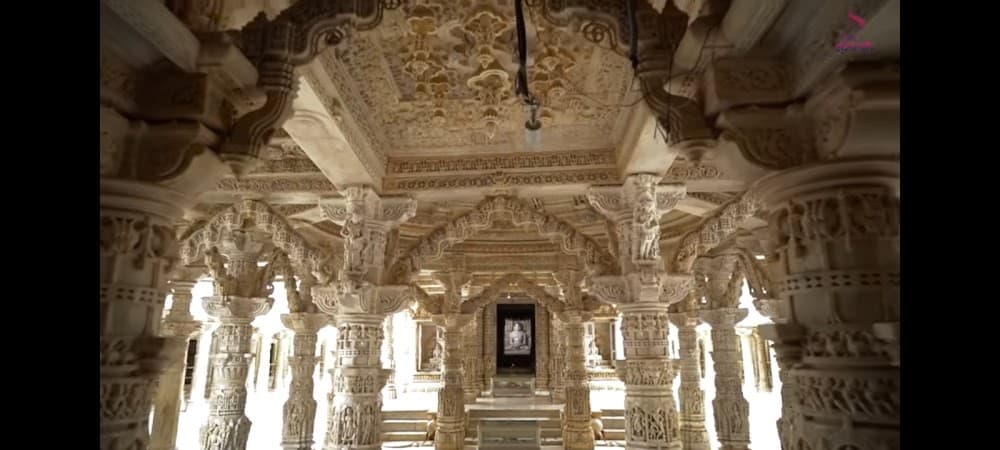
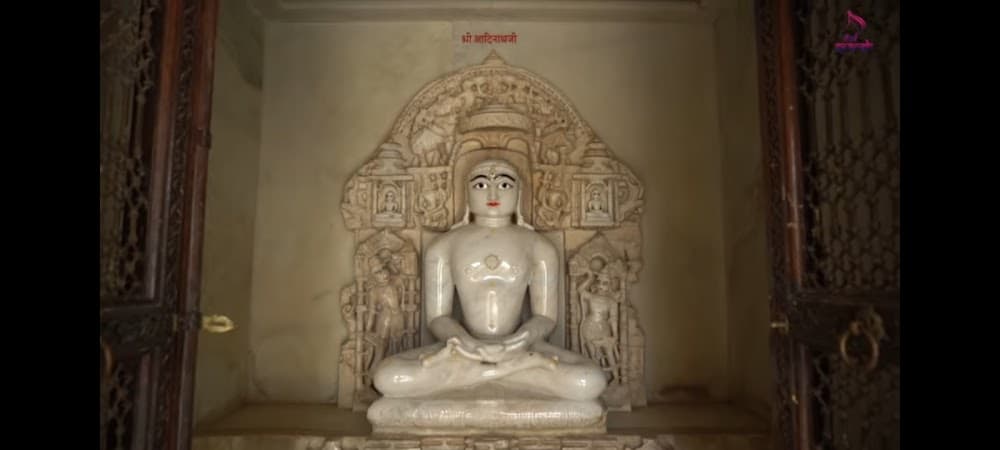
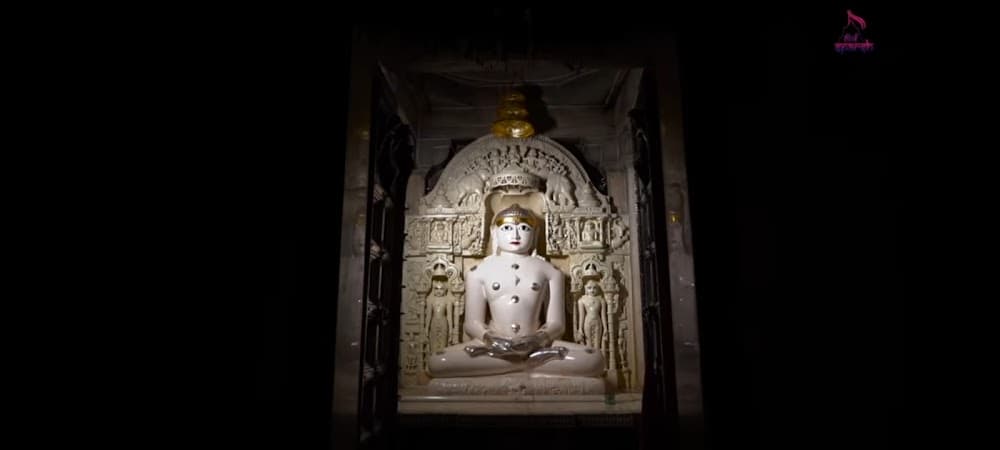
Vimala-Vasahi Temple, nestled within the revered Jain complex of Dilwara Temples in Mount Abu, presents a majestic facade that embodies the region's architectural heritage. The temple's structure is characterized by a symphony of intricate carvings, ornate moldings, and polished marble, showcasing the skillful craftsmanship of local artisans. The building's layout is a testament to the Jain philosophy, with a central sanctum sanctorum surrounded by a series of interconnected halls and chambers. The temple's scale is modest, yet its ornate details and precise carvings make it a masterpiece of Jain architecture.
Here is the passage: The Vimala-Vasahi Temple, a revered shrine in the heart of Mount Abu, is said to be a sacred site where devotees come to seek solace and spiritual guidance. Tradition holds that the temple's intricate carvings and ornate architecture are a testament to the region's rich cultural heritage. Local belief says that the temple's tranquil atmosphere and serene surroundings have the power to cleanse the mind and soul. As visitors wander through the temple's courtyards and halls, they are enveloped in a sense of peace and contemplation, said to be a reflection of the divine presence that permeates this sacred space.
Standing at the foot of the towering Arboretum, the Vimala-Vasahi Temple presents a serene facade, its intricately carved pillars and ornate arches a testament to the region's rich cultural heritage. This 11th-century temple, a masterpiece of the Solanki dynasty, is a must-visit attraction in Mount Abu, offering a glimpse into the region's storied past. As you approach the temple, the soft glow of the intricate carvings and the gentle rustle of the surrounding foliage create an atmosphere of peaceful contemplation.
As you approach the Vimala-Vasahi Temple in Mount Abu, the lush greenery and serene surroundings provide a peaceful ambiance. Visitors often find themselves drawn to the temple's intricate carvings and ornate architecture, which seem to come alive in the soft morning light. Wear comfortable shoes and dress modestly, as the temple is a place of spiritual significance. Bring a hat and sunscreen to protect yourself from the sun, as the temple's location in the Aravalli Hills means it can get quite warm. Typically, visitors reach the temple by taking a scenic drive through the hills or by hiking up from the town below. Confirm the current timings and fees locally, as these may change. As you explore the temple, take your time to appreciate the stunning views of the surrounding landscape and the rich cultural heritage that this sacred site embodies.