
Munnar
Tea plantations, waterfalls, and eucalyptus forests
Cool mist wraps around weary skin
Nestled in the Western Ghats, Munnar is a haven for nature enthusiasts and adventure-seekers. This picturesque town in Kerala, India, is a magnet for travelers who crave the great outdoors. The rolling hills, lush green valleys, and spice-scented air create a serene ambiance that soothes the soul. Visitors flock to Munnar to immerse themselves in the region's unique biodiversity, with opportunities to spot exotic wildlife, trek through tea plantations, and marvel at the majestic waterfalls. Whether you're a seasoned hiker or simply looking to unwind amidst nature's splendor, Munnar's tranquil atmosphere and breathtaking landscapes make it an ideal destination for those seeking a rejuvenating escape from the hustle and bustle of city life.

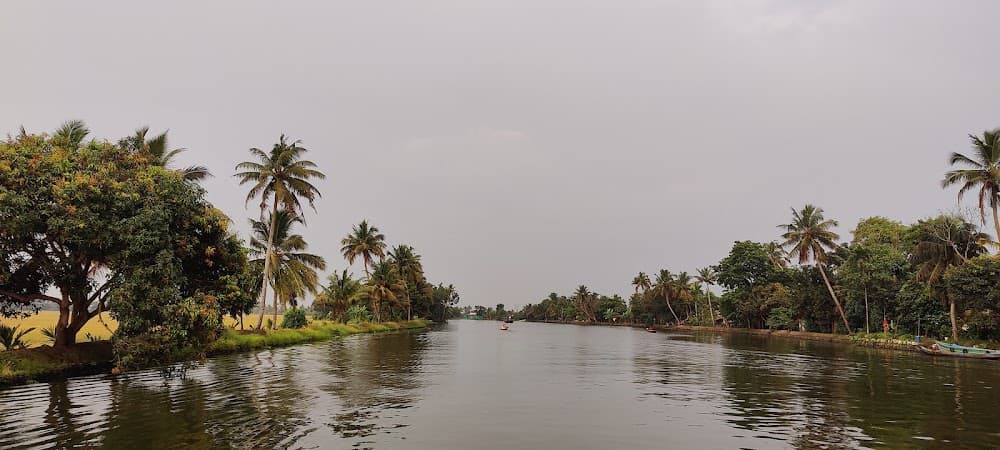
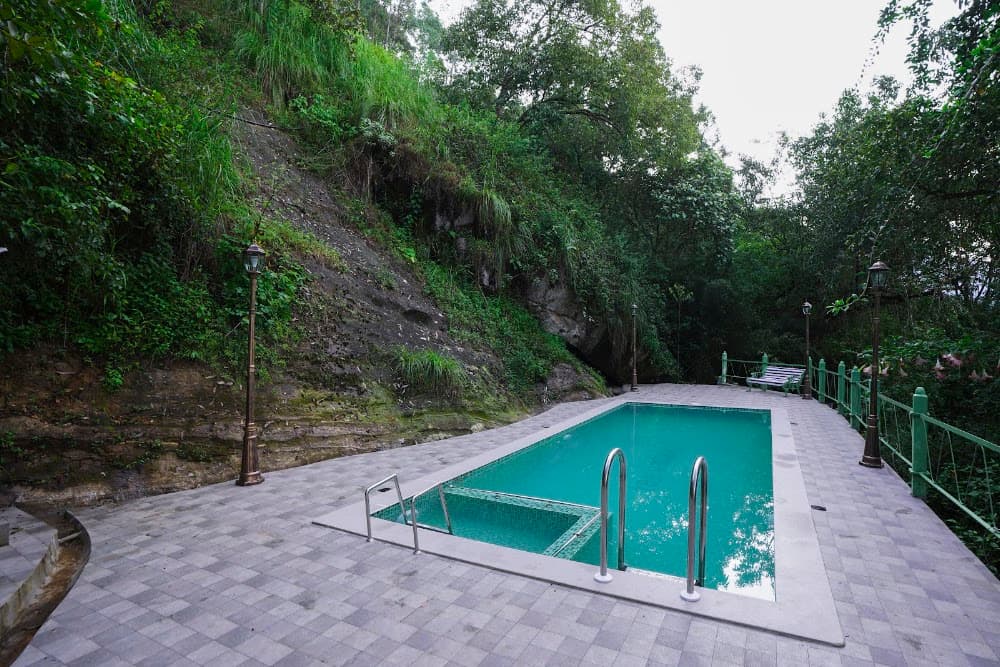
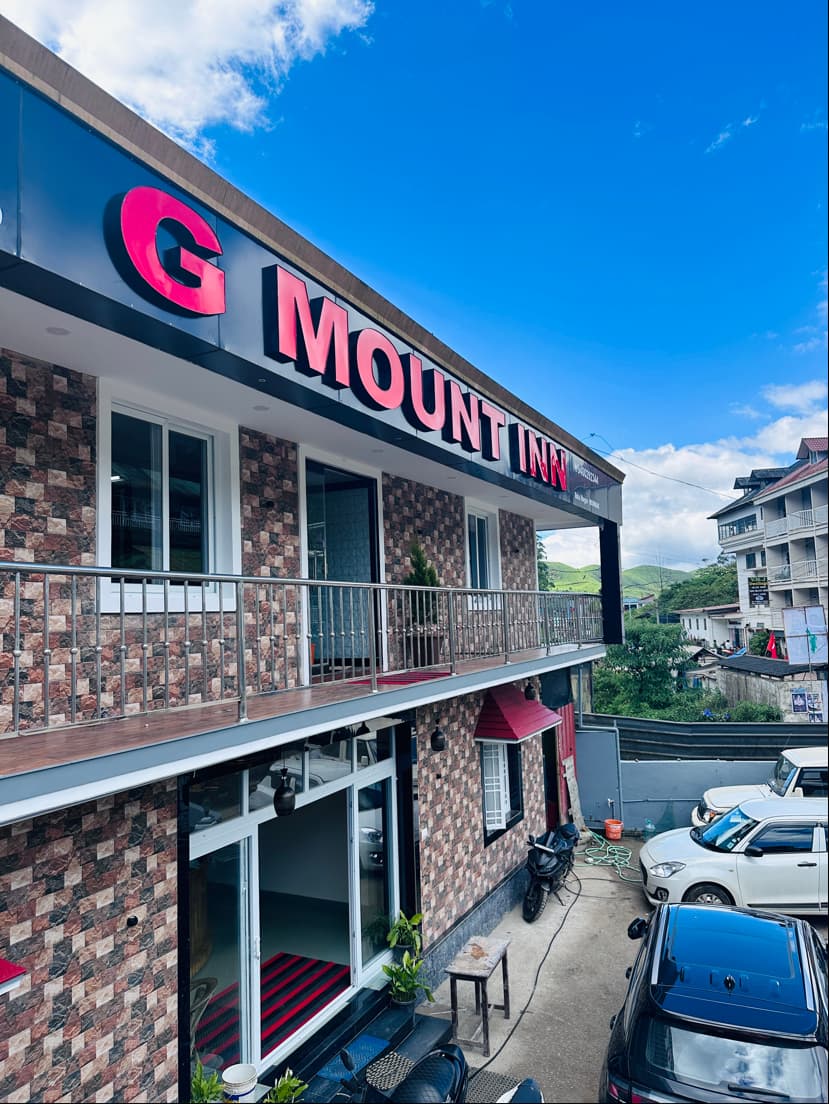
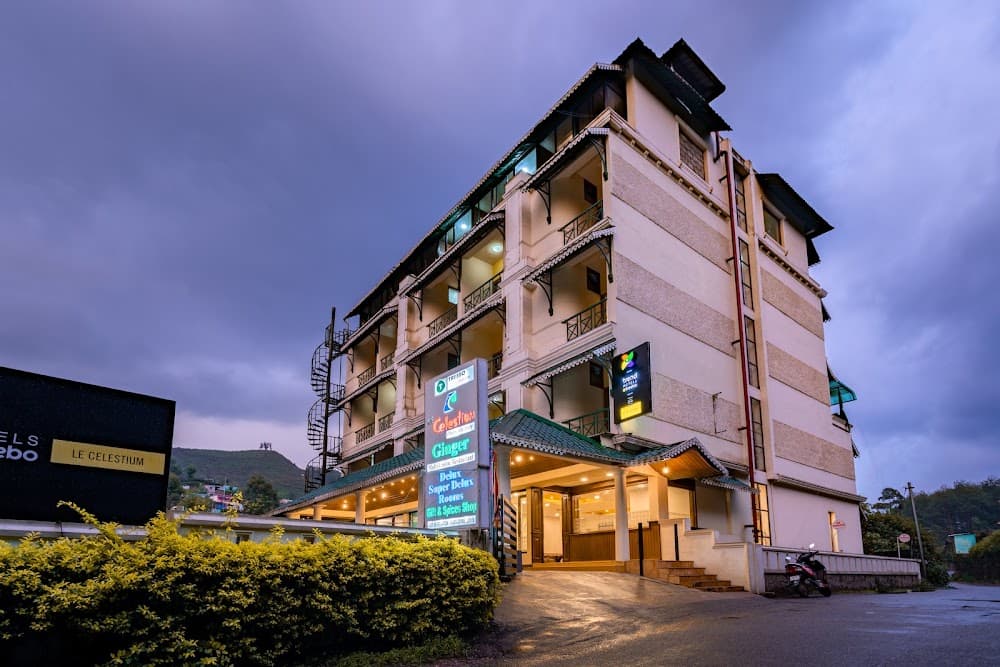
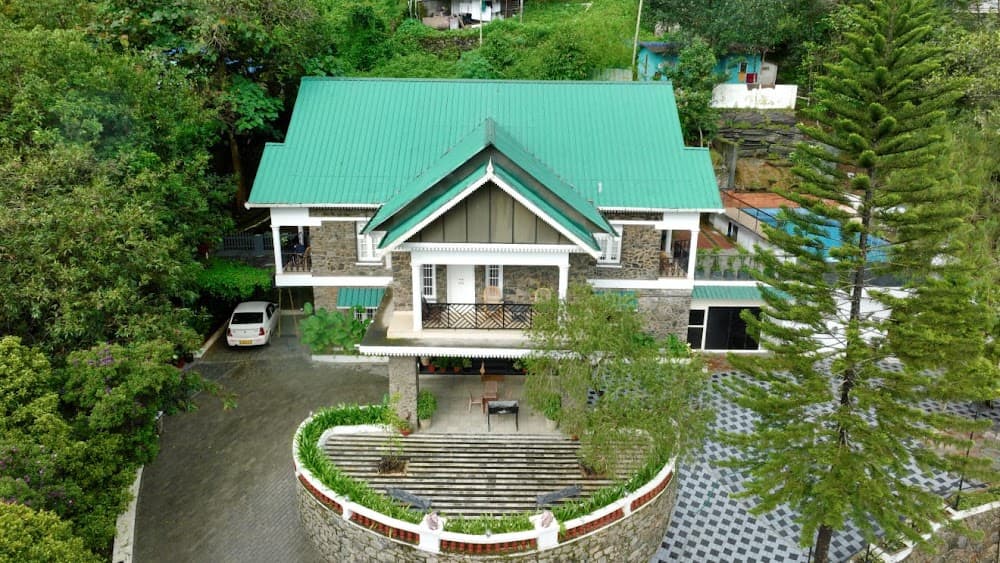
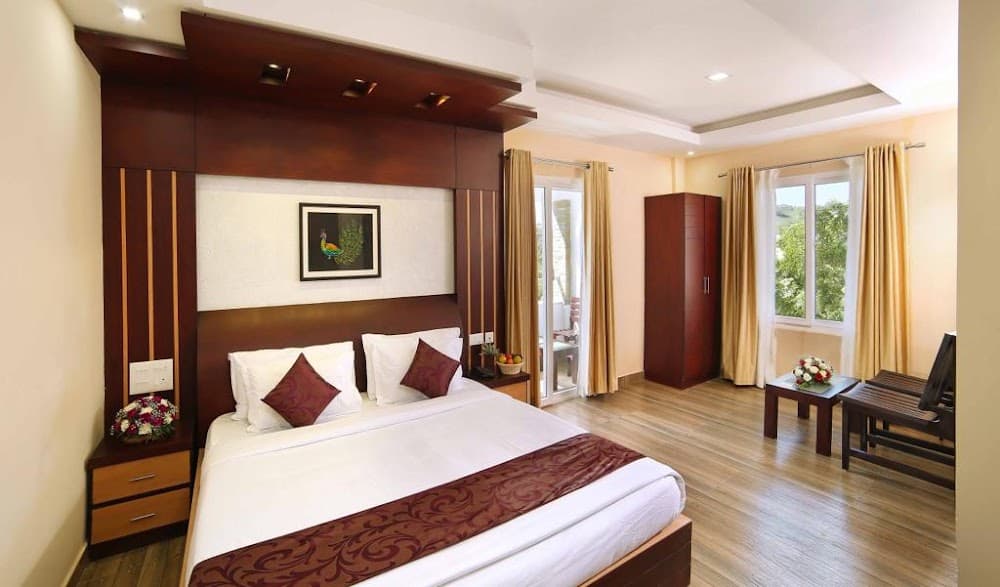
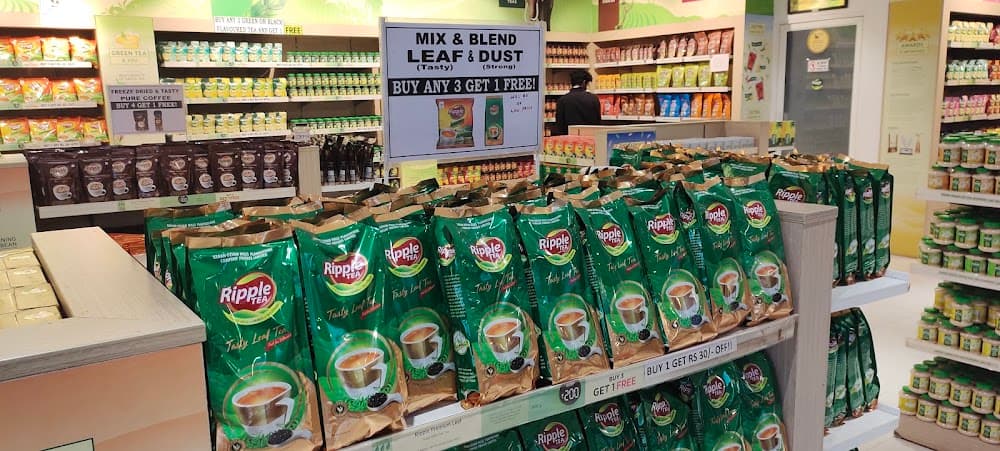
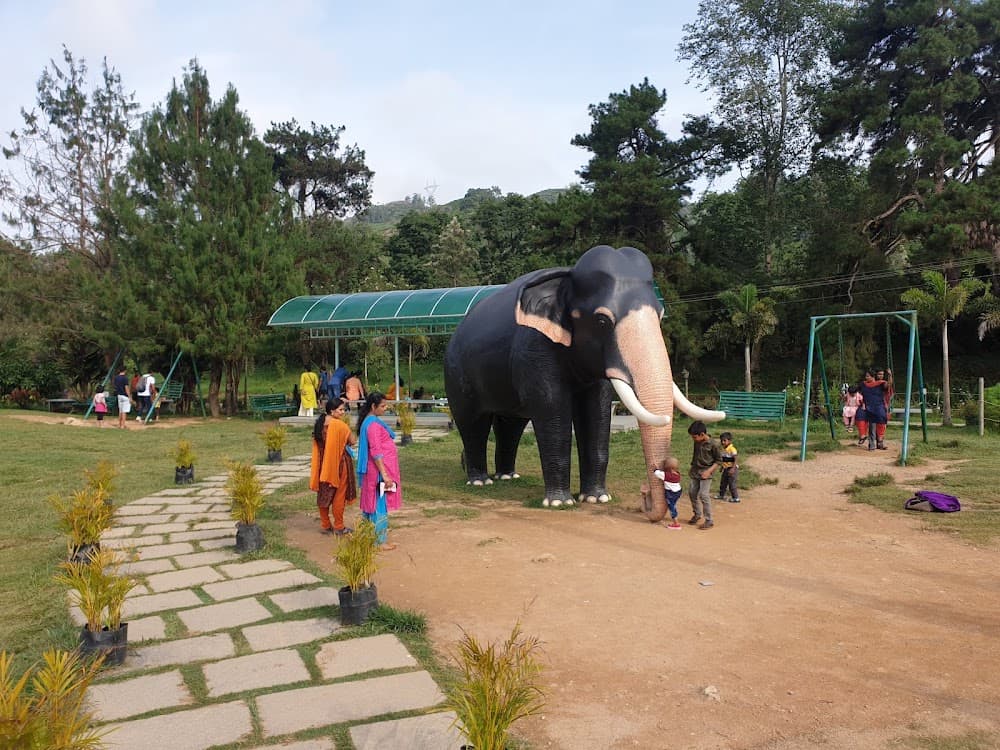
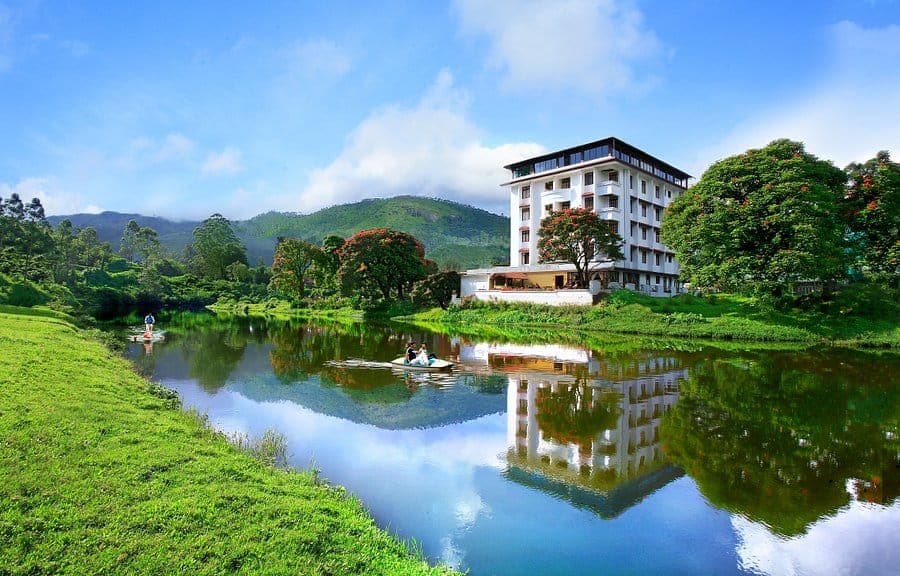
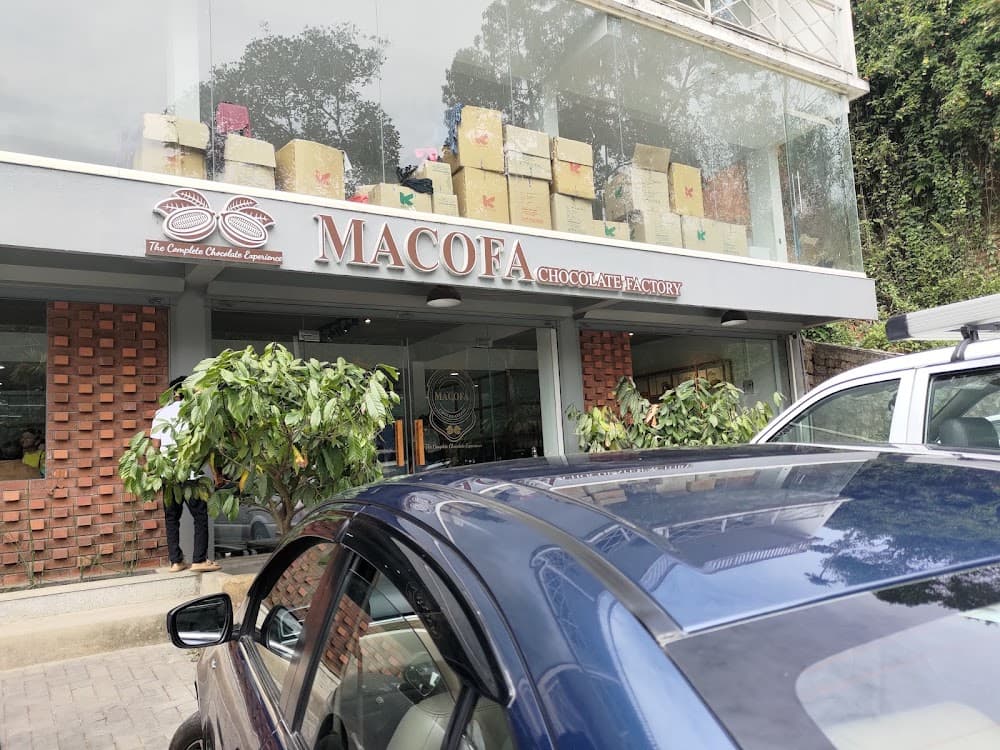
Munnar is known for
Why Munnar is famous
- •The Neelakurinji is flowering now: A Neelakurinji population around CHOKRAMUDI and Meesapulimala began flowering in July and August 2026 - four years ahead of the famous Eravikulam cycle. One source reports flowering in the Devikulam Forest Range of Idukki since 24 August, spreading more extensively through September. Another says the wider spectacle is expected through September and October, with Idukki's administration, the Kerala Forest Development Corporation and the District Tourism Promotion Council planning online visitor slots and additional KSRTC buses.
- •And Chokramudi is already in your data: Chokramudi (32868) is in your Nature list, correctly typed 'Peak', with nothing attached. Mattupetty (33035) is also named in one report as part of the flowering area, and is in your data too.
- •Two populations, two clocks: Strobilanthes kunthiana flowers once every twelve years and then dies. Eravikulam's population follows the 2018 to 2030 cycle; the Chokramudi and Meesapulimala population is flowering in 2026. One source puts it plainly: both years are correct, 2026 for some populations and 2030 for another. The flowering begins at lower elevations and progresses upward, eventually reaching Meesapulimala.
- •The record goes back two centuries: A 1936 paper by M E Robinson in the Journal of the Bombay Natural History Society records flowering of Strobilanthes kunthianus across the Nilgiri Hills in 1826, with subsequent full blooms in 1838, 1850, 1862, 1874, 1886, 1898, 1910, 1922 and 1934. The Tamil name combines neela, blue, with kurinji, a mountain flower - and gives the Nilgiris, the Blue Mountains, their name.
- •State it with the conservation caveat: The shrub covers roughly 3,000 hectares of Kerala's high-altitude grasslands. Sources report habitat loss, invasive species and tourism pressure putting the montane grasslands and the flower's survival at risk. The 2026 flowering is happening OUTSIDE protected areas, which is precisely why crowd management is being planned. Any content that sends people there should carry that.
- •What it is: A high-altitude national park established to protect the endangered Nilgiri tahr, and part of the UNESCO-listed Western Ghats World Heritage Sites. Also shelters Nilgiri langur, lion-tailed macaque, Nilgiri marten, Indian giant squirrel, sloth bear and leopard. Home to ANAMUDI, reported at 2,695 m and South India's highest peak.
- •It closes for two months a year: Closed February to March every year for the Nilgiri tahr calving season. Kerala Tourism states this plainly as a point to note. That removes the destination's principal attraction for two months and is absent from your page.
- •Access: Reported open 07:00 to 16:00, subject to seasonal and weather changes. PRIVATE VEHICLES ARE NOT ALLOWED INSIDE - visitors use official park buses from the entrance to Rajamalai. On-site counters and online booking are reported; advance booking is recommended in peak season and essential during a bloom. VERIFY all of this before publishing.
- •What is absent: The Tata Tea Museum on the Nallathanni estate, showing tea production from plucking to packaging. Your known_for says 'Munnar Tea' and your data contains no plantation, no estate and no museum - at a destination whose own overview promises trekking through tea plantations.
- •What else is missing: Anamudi. Echo Point, reported about 15 km out. Meesapulimala. Marayoor, known for sandalwood and jaggery. Top Station. Attukal and Lakkam waterfalls. Your overview promises 'majestic waterfalls' and your Nature list contains none.
- •The strip is missing entirely: Every other destination audited renders an eighteen-entity famous-places strip immediately after the overview. Munnar renders none. The destination clearly has entities - twenty in Nature, twenty-two in Sacred, fifteen in Commerce - so this is a rendering or ranking failure rather than an empty database.
- •Your Sacred list is the cleanest in the series: Two mosques correctly typed MOSQUE. Four churches correctly typed CHURCH. A temple correctly typed TEMPLE. Only Mount Carmel Basilica is under-specified as 'Church'. After thirty-five packs of subtype failures, Munnar's Sacred list is almost entirely right - which is the strongest evidence yet that the vocabulary exists and the derivation is what fails.
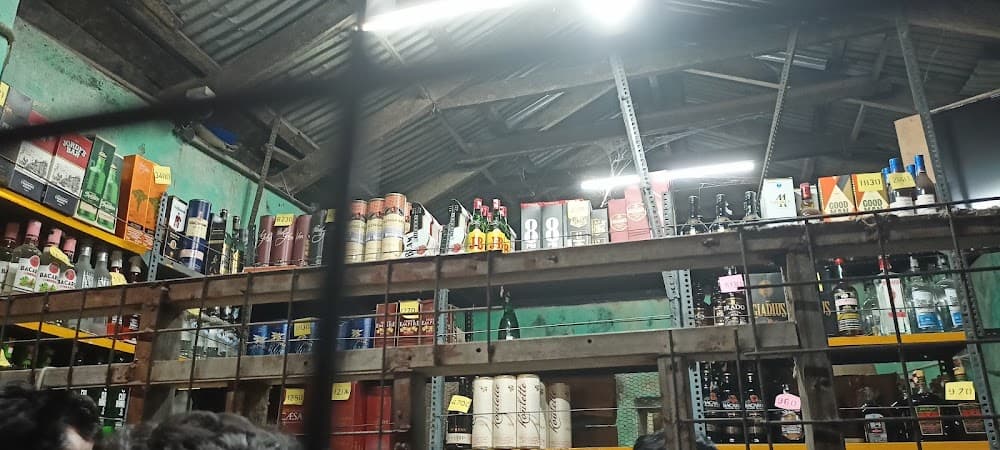
- •Your Commerce list is the worst in the series: Five entities named 'Ration Shop' and one named 'Private Hospital', all typed 'Shop' and all marked Verified - six of the eight visible entries. A ration shop is a government subsidised-staples outlet for residents.
AI-drafted from general knowledge — may contain mistakes.
Munnar at a glance
- ⚠️If you are going for the Neelakurinji
- ⚠️go now and book ahead - it is expected through September and October and the grasslands are fragile. If you are going for Eravikulam
- ⚠️do not go in February or March. And note the park's buses: you cannot drive in.
History at a glance
- 1826 · COLONIALFlowering of Strobilanthes kunthianus is recorded across the Nilgiri Hills - the earliest documented bloom, noted by European settlers and later written up by M E Robinson in a 1936 paper for the Journal of the Bombay Natural History Society.
- 1838-1934 · COLONIALSubsequent full blooms documented in 1838, 1850, 1862, 1874, 1886, 1898, 1910, 1922 and 1934.
- 2018 · MODERNThe Eravikulam Neelakurinji blooms, drawing thousands of visitors.
- July-August 2026 · LIVING - RIGHT NOWA different Neelakurinji population begins flowering around Chokramudi and Meesapulimala, four years ahead of the Eravikulam cycle. One source reports flowering in the Devikulam Forest Range since 24 August, expected to spread through September and October.
- Around 2030 · FUTUREThe Eravikulam bloom is next expected.
Best time to visit
Munnar's climate is characterized by mild winters and hot, humid summers, with the southwest monsoon bringing heavy rainfall from June to September. The region's high altitude and proximity to the Western Ghats also result in a relatively cooler climate compared to other parts of Kerala.
- Neelakurinji bloom · anchored to Twelve-year flowering cycle[BOTANICAL CYCLE - HAPPENING NOW] The shrub flowers once every twelve years and then dies, turning the hills violet-blue. Idukki's administration is planning online visitor slots and extra KSRTC buses for the expected crowds.
- Eravikulam calving closure · anchored to Nilgiri tahr calving season[ANNUAL CLOSURE - ABSENT] The park closes entirely to protect the tahr during breeding and calving.
- Onam · anchored to Chingam, Thiruvonam[PRINCIPAL FESTIVAL] The harvest festival.
- 'Thiruvathira' · anchored to Dhanu month, Thiruvathira asterism[WRONG DEITY] Thiruvathira honours SHIVA and is observed particularly by women.
- Maha Shivaratri · anchored to Phalguna Krishna Chaturdashi
- In 12 daysGandhi Jayanti · 2 October
- In 29 daysDurga Ashtami / Maha Navami · 19 October
- In 30 daysDussehra (Vijayadashami) · 20 October
- In 39 daysKarwa Chauth · 29 October
Real dates, not AI-drafted — sourced from the Hindu Panchang, same for every destination.
Weather details and any festival without a stated lunar anchor above are AI-drafted from general knowledge, not independently verified — timing is approximate; double-check before planning around one.
Part of these sacred circuits
Near me
Share your location to see famous places closest to you right now.
Famous places in Munnar
Sacred & Spiritual
See all 22 →Heritage & Monuments
See all 11 →Nature & Outdoors
See all 24 →Shops & Restaurants
See all 15 →Places to Stay
See all 9 →Getting there & around
- Air — Kochi is reported at about 130 km via NH85 through Adimali. Your transport block lists road and bus only, with no airport and no rail - Kochi and Aluva respectively. 'Auto-rickshaw' appears again, now the thirteenth destination with that template artefact.
What travellers actually paid
Reported by real travellers, not looked up — a real range with a count, never a single guessed number.
Loading…