
Pushkar
Temples, sadhus, and hand-woven textiles
Echoes of chanting voices reverberate through narrow alleys
Pushkar, a sacred city in Rajasthan, India, is a magnet for spiritual seekers and adventure enthusiasts alike. Nestled in the heart of the desert, this ancient pilgrimage site beckons travelers looking for a deeper connection with themselves and the divine. The city's serene atmosphere, punctuated by the soft chanting of mantras and the fragrance of incense, provides a tranquil backdrop for introspection and self-discovery. As the sun sets over the desert horizon, the city comes alive with the vibrant colors of street art and the rhythmic beats of traditional music, making it an ideal destination for those seeking a unique blend of spirituality, culture, and adventure.
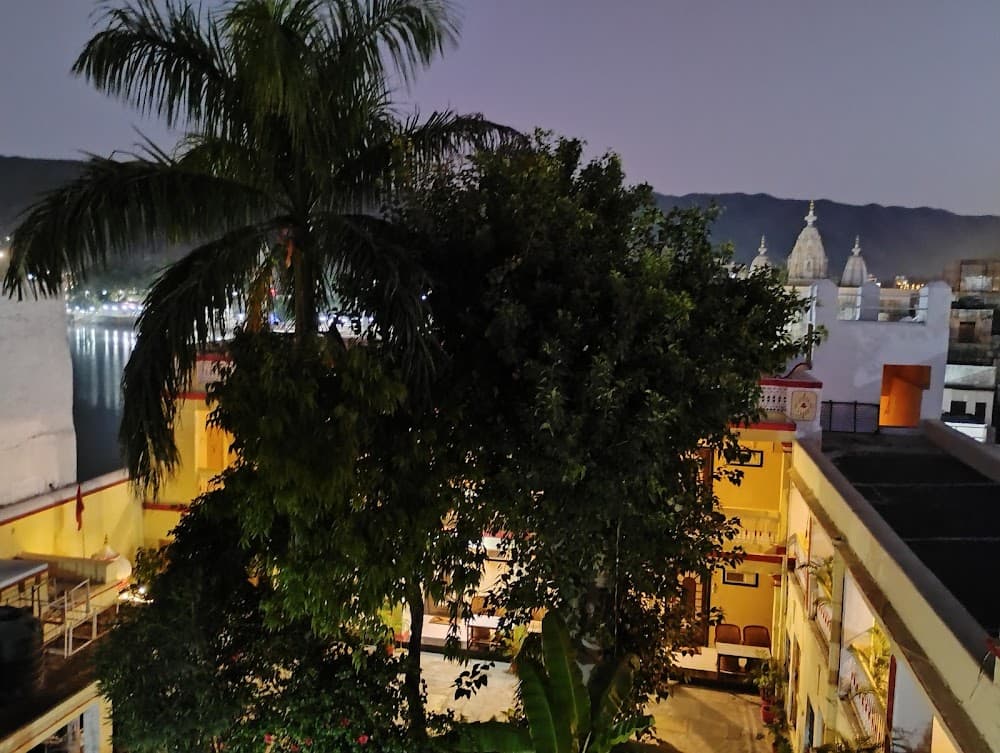
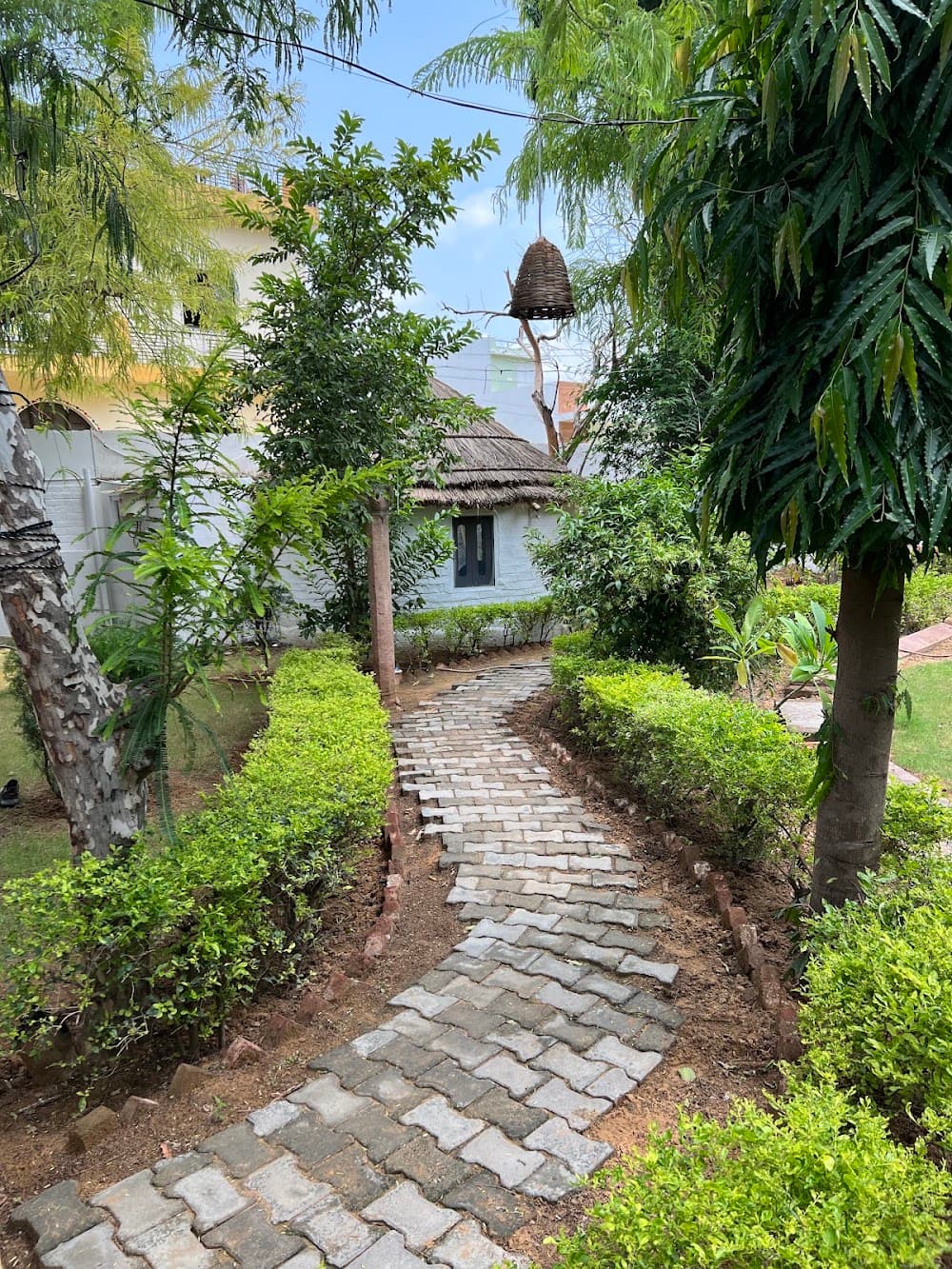
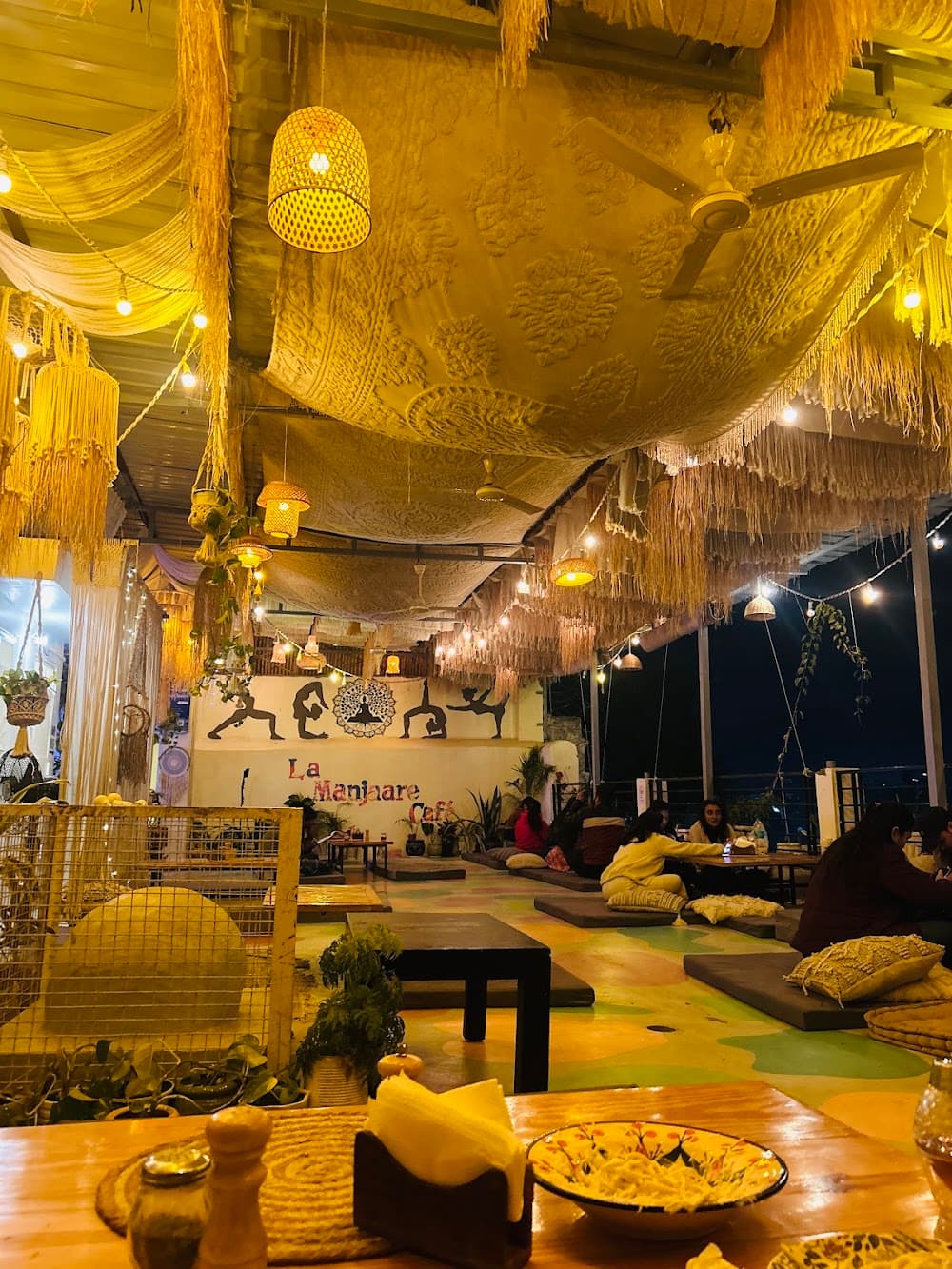

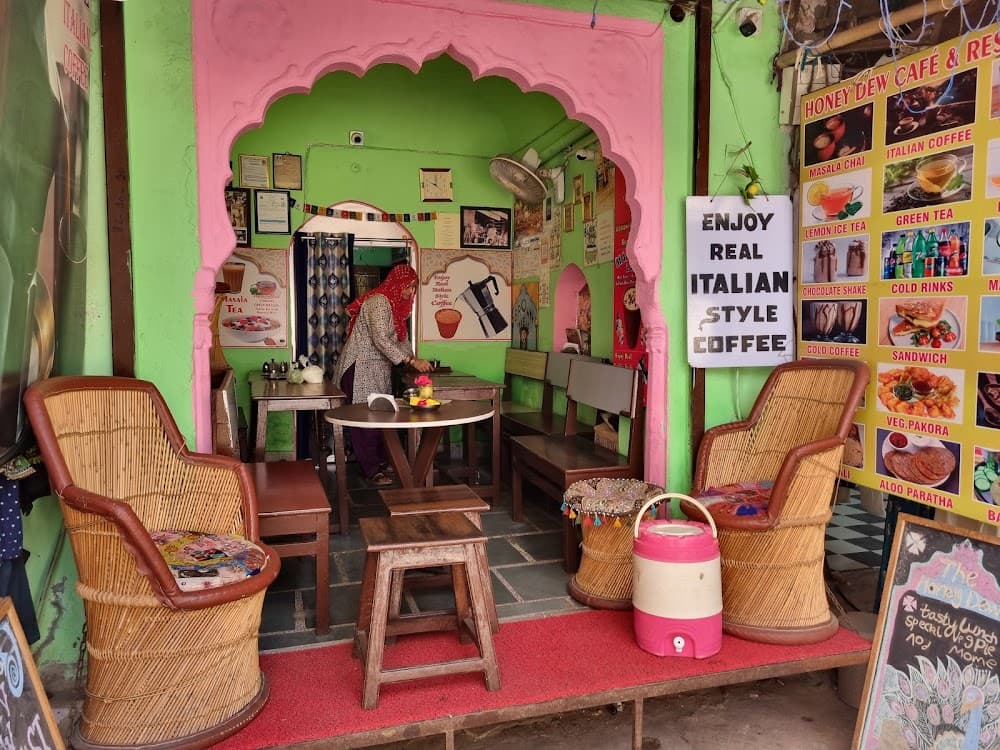
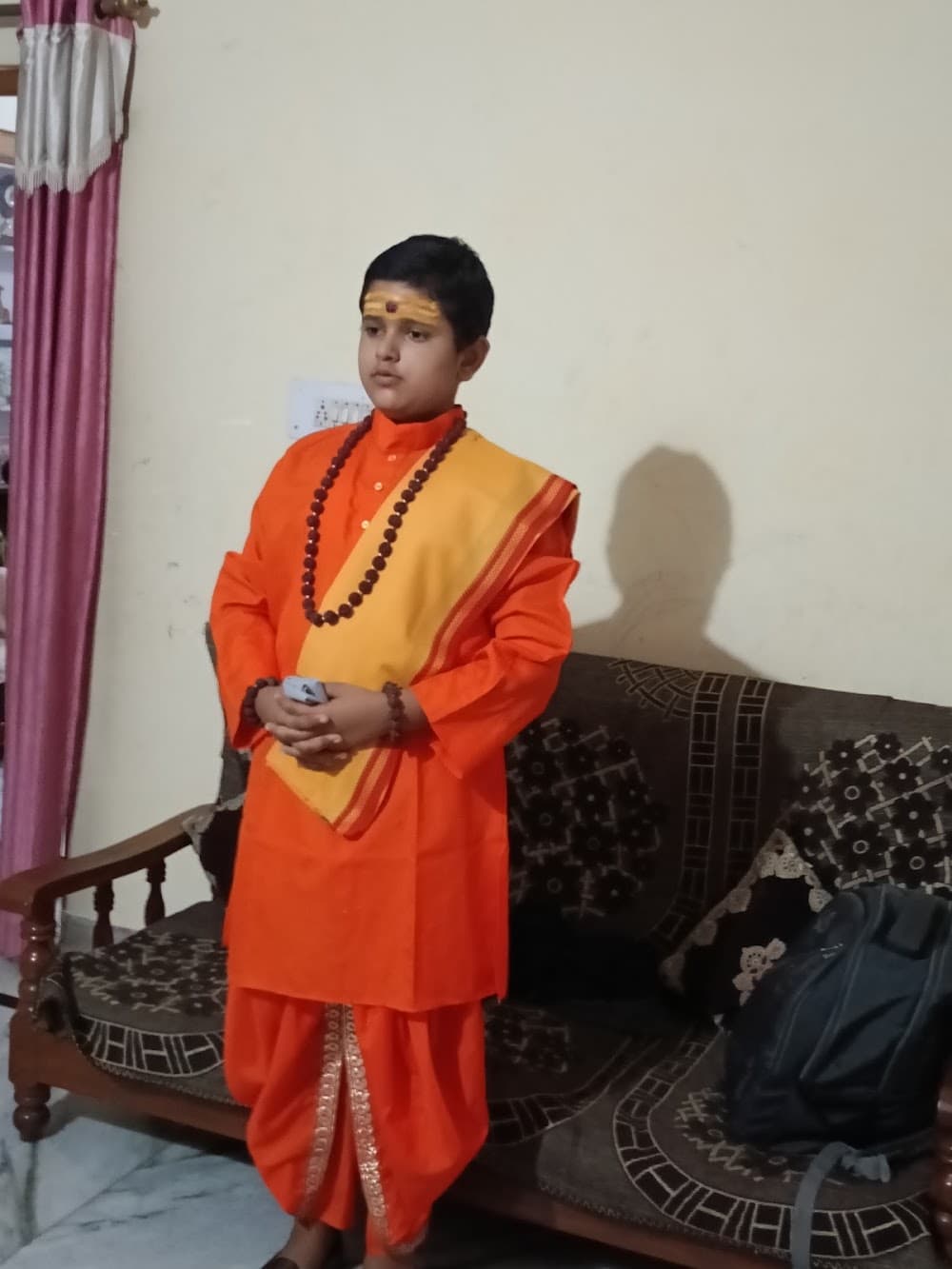
Pushkar is known for
Why Pushkar is famous
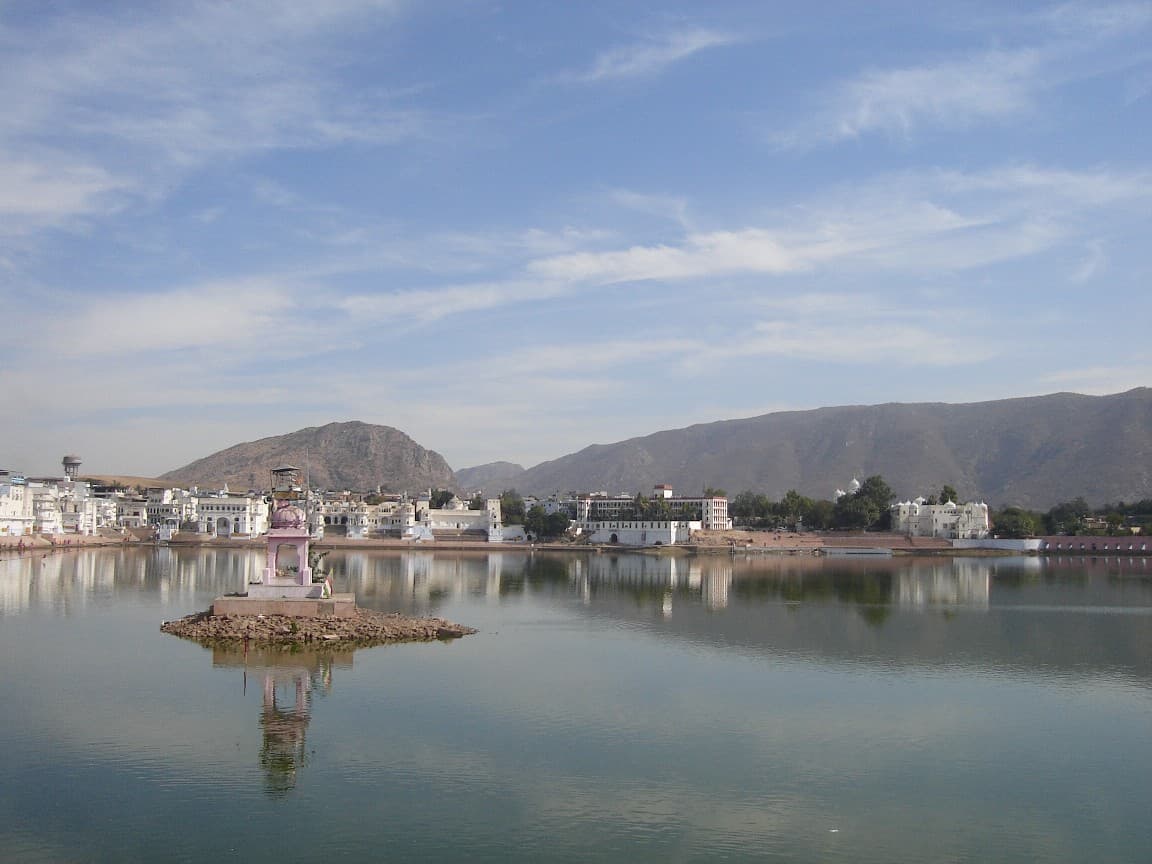
- •What Pushkar is: A pilgrimage town in Ajmer district, Rajasthan, built around a sacred lake ringed by 52 ghats, with the Jagatpita Shri Brahma Mandir on its shore.
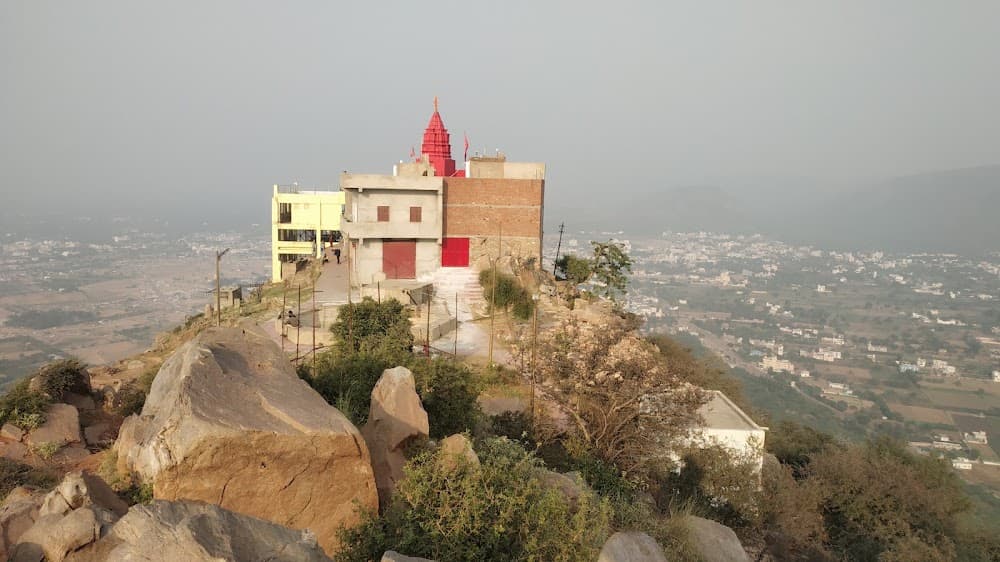
- •Your copy places it in the wrong landscape: 'Nestled in the heart of the desert.' Pushkar sits in the Aravalli hills on the edge of the Thar - the fairground is a desert plain outside town, but the town itself is in the hills, which is why Savitri Temple is on a hilltop.
- •It is ONE event with several names: The Pushkar Fair, also called the Pushkar Camel Fair, the Pushkar Mela and locally Kartik Mela. It runs from Kartik Ekadashi to Kartik Purnima, with the full moon as the closing day. Wikipedia gives attendance as over 200,000 and the peak as the last five days.
- •THE 2026 DATES CONFLICT - do not publish a flat month: One source gives approximately 2-12 November 2026. Three others give 17-24 November. Wikipedia describes the window rather than dates. One source states explicitly that the lunar calendar determines the final dates and advises confirming with the Rajasthan Tourism official site closer to October. Your page says 'November', which is not usable for a trip people book flights around.
- •Two halves, and they are different trips: Livestock trading dominates the first days - camels, horses and cattle - with cultural events building toward the end. One source describes the peak trading days as the first five and the religious culmination as closing it. Another advises arriving one or two days before the official start for quieter access to the religious sites. So 'when in the fair' matters as much as 'which year'.
- •What happens: Livestock trading and shows, folk music by the Langa community - hereditary musicians of western Rajasthan - rural sports, camel races, competitions including a longest-moustache contest and matka phod, a handicraft bazaar, ferris wheels, and hot-air balloon rides at dawn over the fairground and lake.
- •The closing day: The holy bath at the 52 ghats, believed to cleanse sins. Sources describe the ghats lit with oil lamps by evening, flower offerings floating on the lake, and the Brahma Temple receiving a continuous stream of devotees through the night. One source reports hundreds of thousands of pilgrims at the ghats and calls it a genuine crowd-management situation, advising visitors to watch from a rooftop or a boat rather than push into the crowd.
- •52 ghats: Each ghat has its own name, its own resident priests and its own ritual significance. Some are designated women-only. Non-Hindus are reported as welcome to bathe, with modest dress advised. One source notes water quality varies seasonally - clearest in winter.
- •Leather, meat, fish and alcohol: Sources state all four are strictly prohibited in Pushkar town and that the rule is enforced seriously - the whole town is vegetarian and officially alcohol-free. The leather prohibition is the practical one, because visitors arrive wearing belts and shoes.
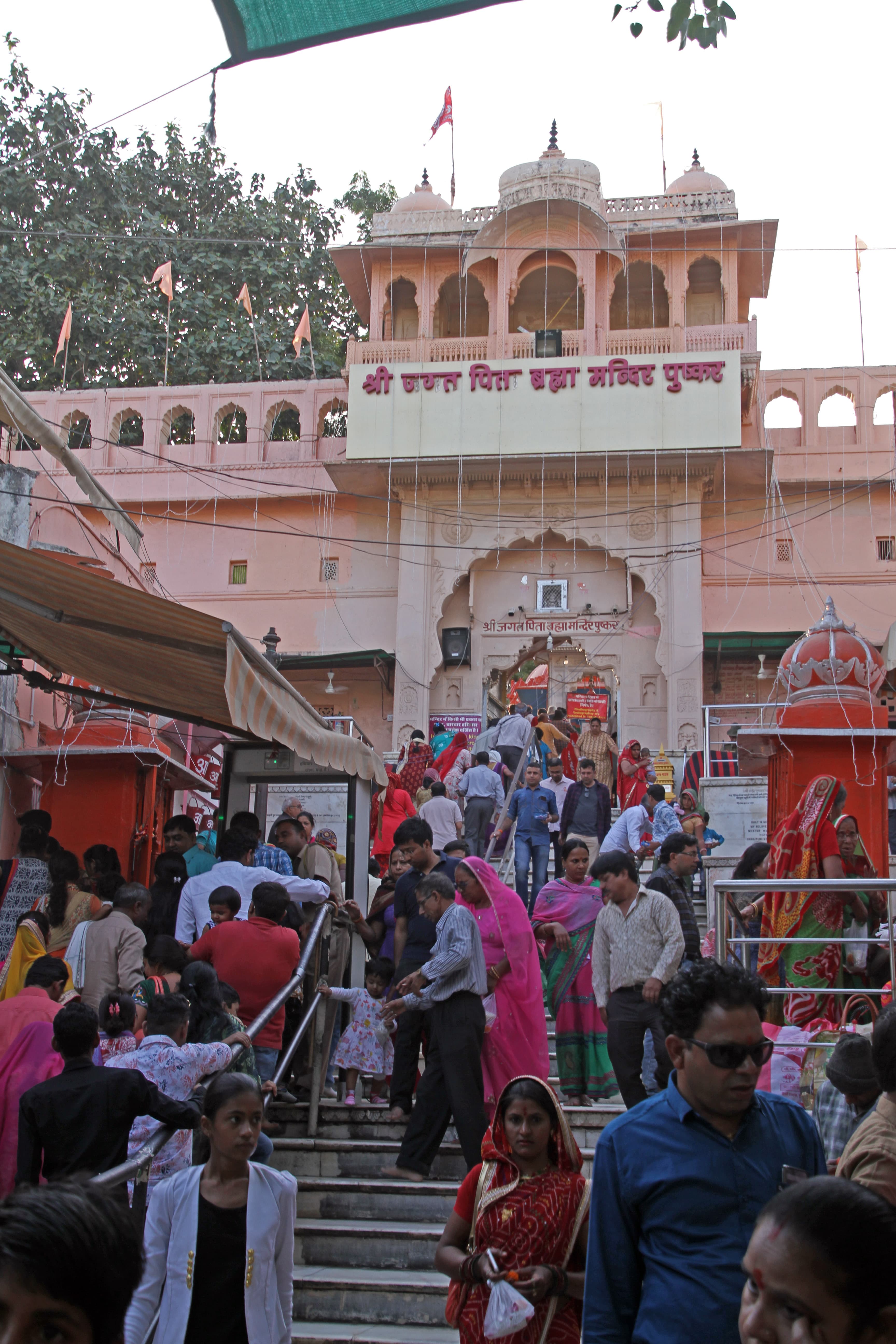
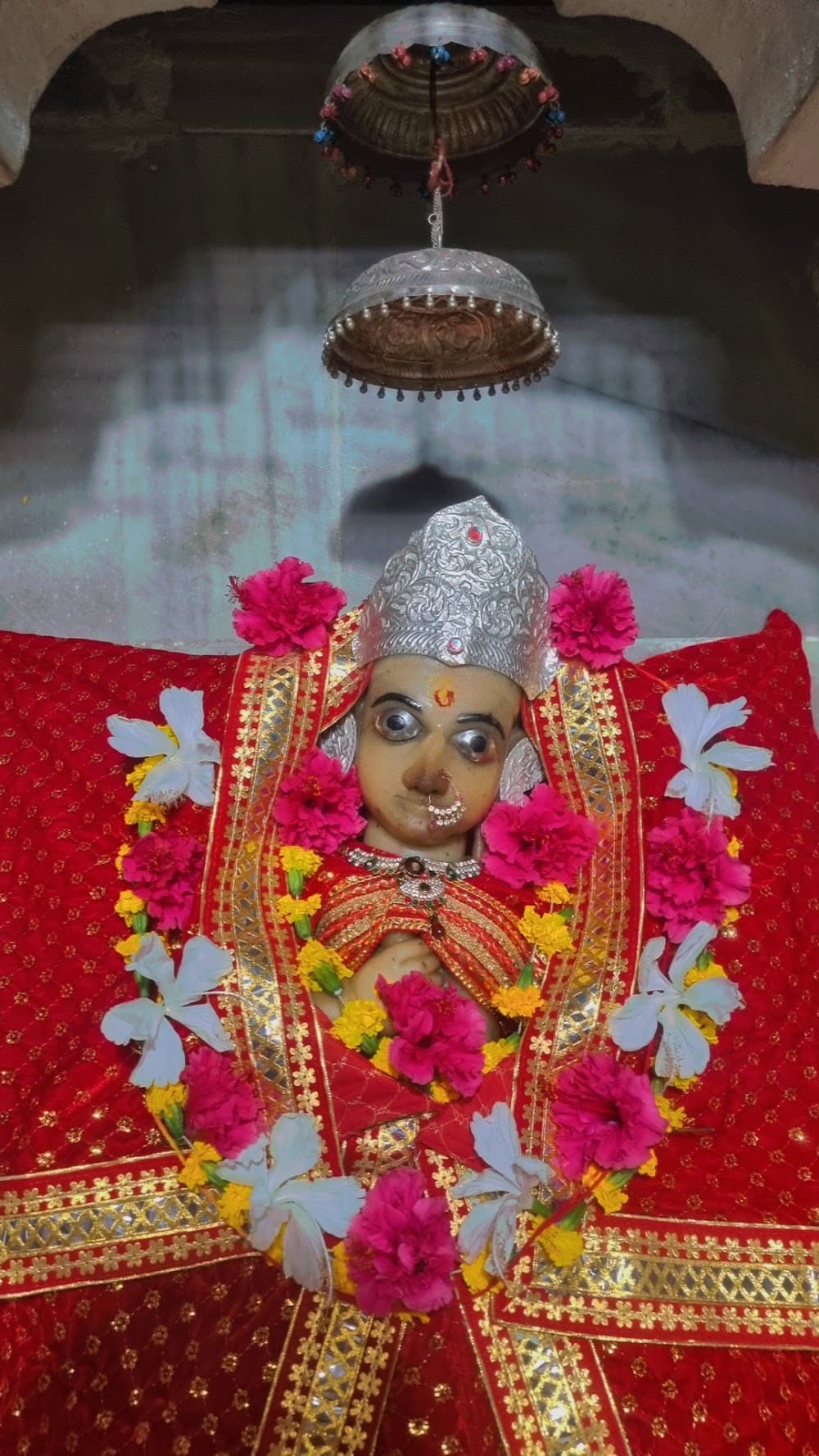
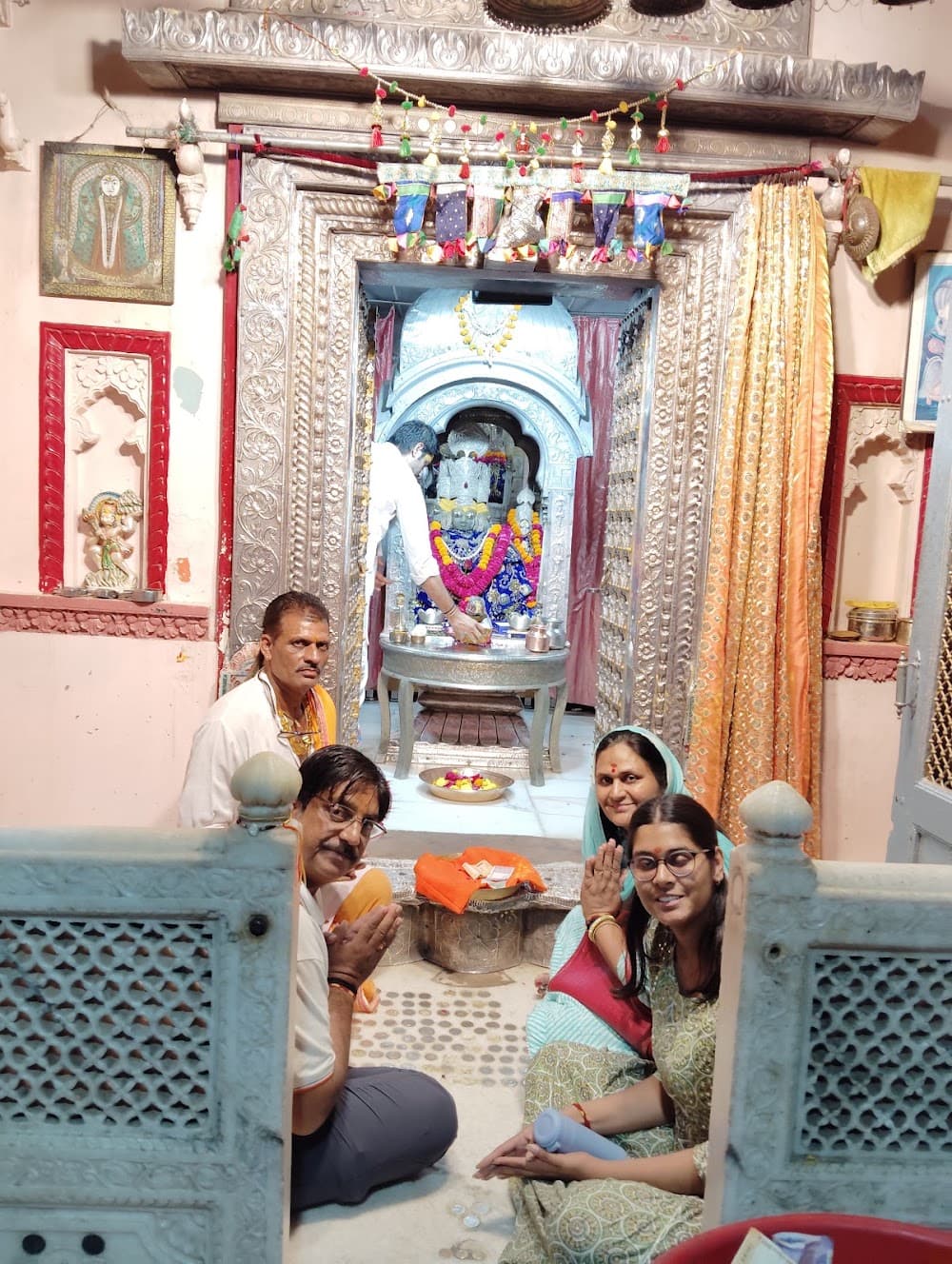
- •Why it matters: The Jagatpita Shri Brahma Mandir, minutes' walk from the lake. Temples to Brahma are extremely rare. NOTE THE HEDGING ACROSS SOURCES: one says 'India's only Brahma temple', another 'one of the very few temples in the world dedicated to Brahma', a third 'one of the most visited Brahma temples in India'. Publish the rarity, not the word 'only'.
- •How to get up there: On Ratnagiri Hill. Reported as a 30-45 minute steep climb by stone steps, or a five-minute ropeway at around Rs 100-150 return, operating roughly 08:00 to 18:00. Sunrise is the recommended time. VERIFY fares and hours.
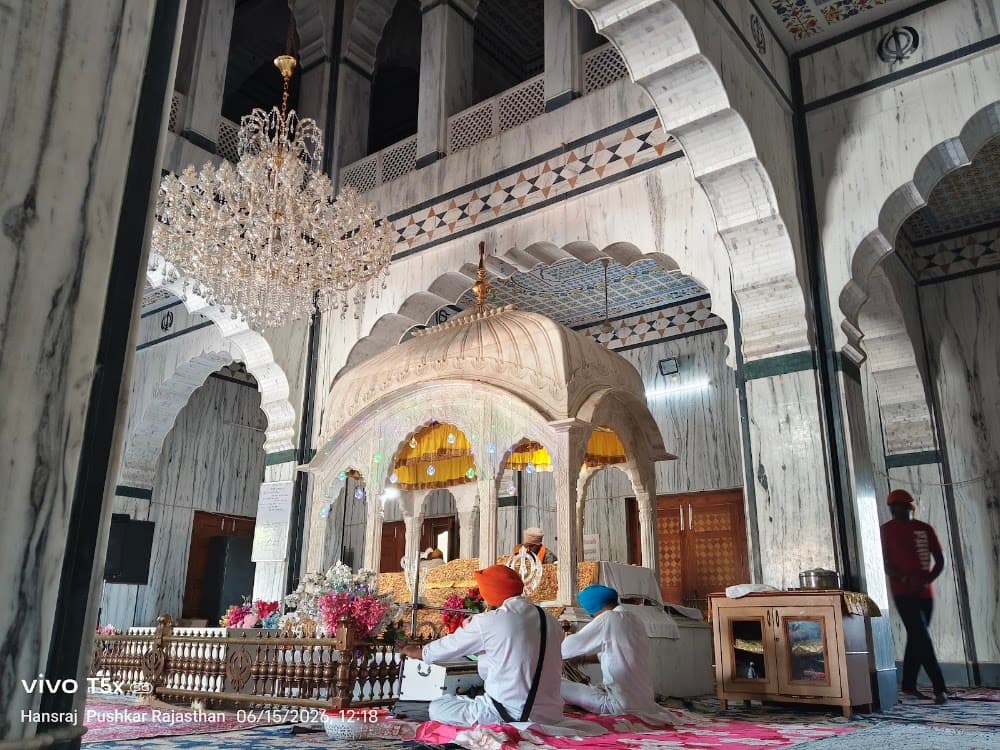
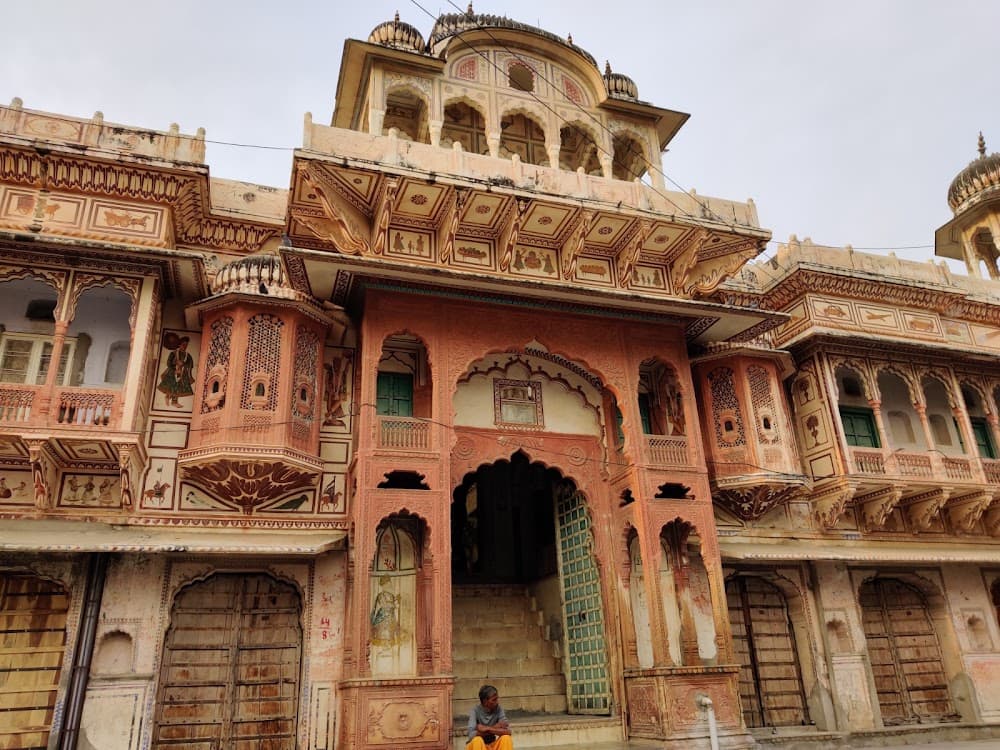
- •What is in your data and correct: Varaha Temple (32825) - described as one of the largest and most ancient in Pushkar. Old Rangji Temple (32806). Nanak Dev Ji Gurudwara (32812), correctly typed GURUDWARA - which is worth noting, since pack 30 found that value wrongly applied at Kurukshetra and pack 33 confirmed it works at Aizawl.
- •Ajmer is 11 km away: Your product holds Ajmer as pack 20 - the Dargah Sharif. Two major pilgrimage destinations of entirely different traditions, a short drive apart, with no circuit or relation connecting them. That pairing is one of the more interesting day trips in Rajasthan and the product cannot express it.
AI-drafted from general knowledge — may contain mistakes.
Pushkar at a glance
- ⚠️If you are coming for the fair
- ⚠️get the dates from Rajasthan Tourism rather than any secondary source
- ⚠️and decide which half you want. Leave leather at the hotel. And on Kartik Purnima
- ⚠️watch from a rooftop rather than the ghat steps.
History at a glance
- Ancient · PURANICPushkar's lake and the Brahma temple establish it as one of the principal tirthas of western India.
- Indeterminate · TRADITIONALThe fair begins as a gathering ground for desert nomads and livestock farmers trading animals, with pilgrims taking holy dips in the lake at the same season.
- About a century ago · MODERNOne source describes the fair as about a century old in its developed form, having grown from a cattle trade fair into a cultural spectacle.
- Recent · MODERNHot-air balloon rides are added to the fair programme.
- Annual, Kartik · LIVINGThe fair runs from Kartik Ekadashi to Kartik Purnima, drawing a reported 200,000-plus.
Best time to visit
Pushkar's climate is typical of Rajasthan, with hot and dry summers from March to June, and mild winters from November to February. The monsoon season brings moderate rainfall from July to September, with the rest of the year being relatively dry.
- The Pushkar Fair · anchored to Kartik Ekadashi to Kartik PurnimaLivestock trading - camels, horses, cattle - Langa folk music, rural sports, camel races, a longest-moustache contest, matka phod, a handicraft bazaar, ferris wheels and dawn hot-air balloons. Reported attendance over 200,000, peaking in the last five days.
- Kartik Purnima · anchored to The full moon of KartikThe holy bath at every ghat, oil lamps along the water at evening, floating flower offerings, and a continuous stream of devotees at the Brahma Temple through the night. One source reports hundreds of thousands at the ghats and calls it a genuine crowd-management situation.
- The two halves of the fair · anchored to -Livestock trading dominates the opening days; cultural events build toward the end; Kartik Purnima closes it. One source advises arriving one or two days before the official start for quieter access to the religious sites.
- What is missing · anchored to -Holi at Pushkar is widely known and draws a substantial crowd. VERIFY - I did not source it properly, but one of my sources is a Pushkar Holi guide, which suggests it is significant enough to have a dedicated market.
- In 12 daysGandhi Jayanti · 2 October
- In 29 daysDurga Ashtami / Maha Navami · 19 October
- In 30 daysDussehra (Vijayadashami) · 20 October
- In 39 daysKarwa Chauth · 29 October
Real dates, not AI-drafted — sourced from the Hindu Panchang, same for every destination.
Weather details and any festival without a stated lunar anchor above are AI-drafted from general knowledge, not independently verified — timing is approximate; double-check before planning around one.
Near me
Share your location to see famous places closest to you right now.
Famous places in Pushkar
Sacred & Spiritual
See all 15 →Heritage & Monuments
Nature & Outdoors
Shops & Restaurants
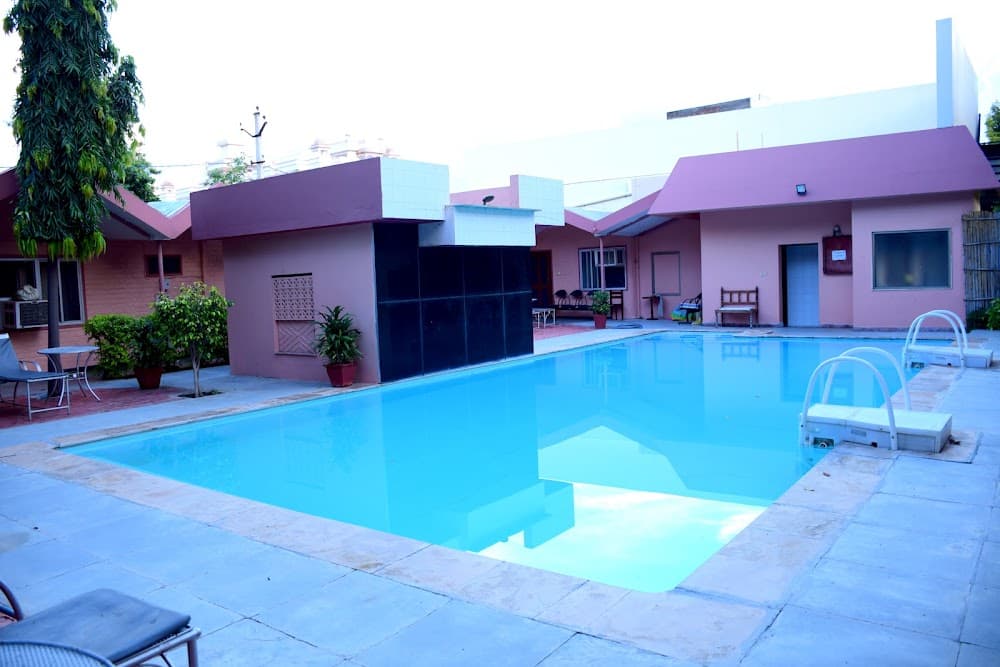
Places to Stay
Civic & Services
Getting there & around
- Auto/Rickshaw — Auto-rickshaws are reported as available for the ghat circuit and for trips to the Savitri Temple base - so the auto-rickshaw line is actually correct here, unusually. 'Cycle-rickshaw' still appears
- Getting around — twentieth destination with that template artefact. Ajmer at about 11 km is the practical railhead.
What travellers actually paid
Reported by real travellers, not looked up — a real range with a count, never a single guessed number.
Loading…