
Sanchi
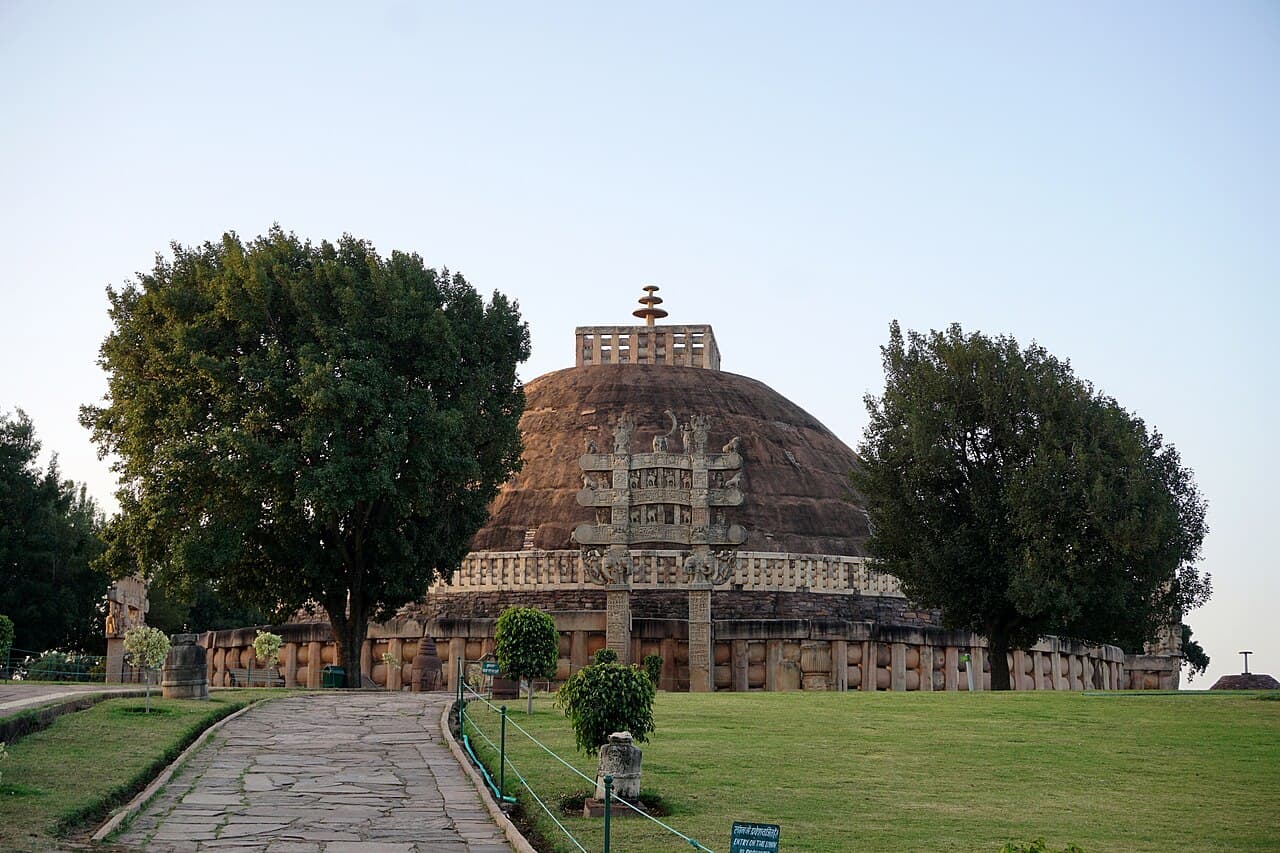
Sanchi's serene landscape and rich cultural heritage make it an enchanting destination for travellers seeking a deeper connection with India's ancient past. This UNESCO World Heritage Site is a magnet for history enthusiasts, pilgrims, and those seeking spiritual solace. As one of the oldest stone structures in India, the Great Stupa is a testament to the profound influence of Buddhism on the region, its origins dating back to the 3rd century BCE. The town's tranquil atmosphere, dotted with ancient Buddhist monuments, monasteries, and temples, offers a unique glimpse into India's storied past, making it an ideal haunt for those drawn to the spiritual and the historic.
Why Sanchi is famous
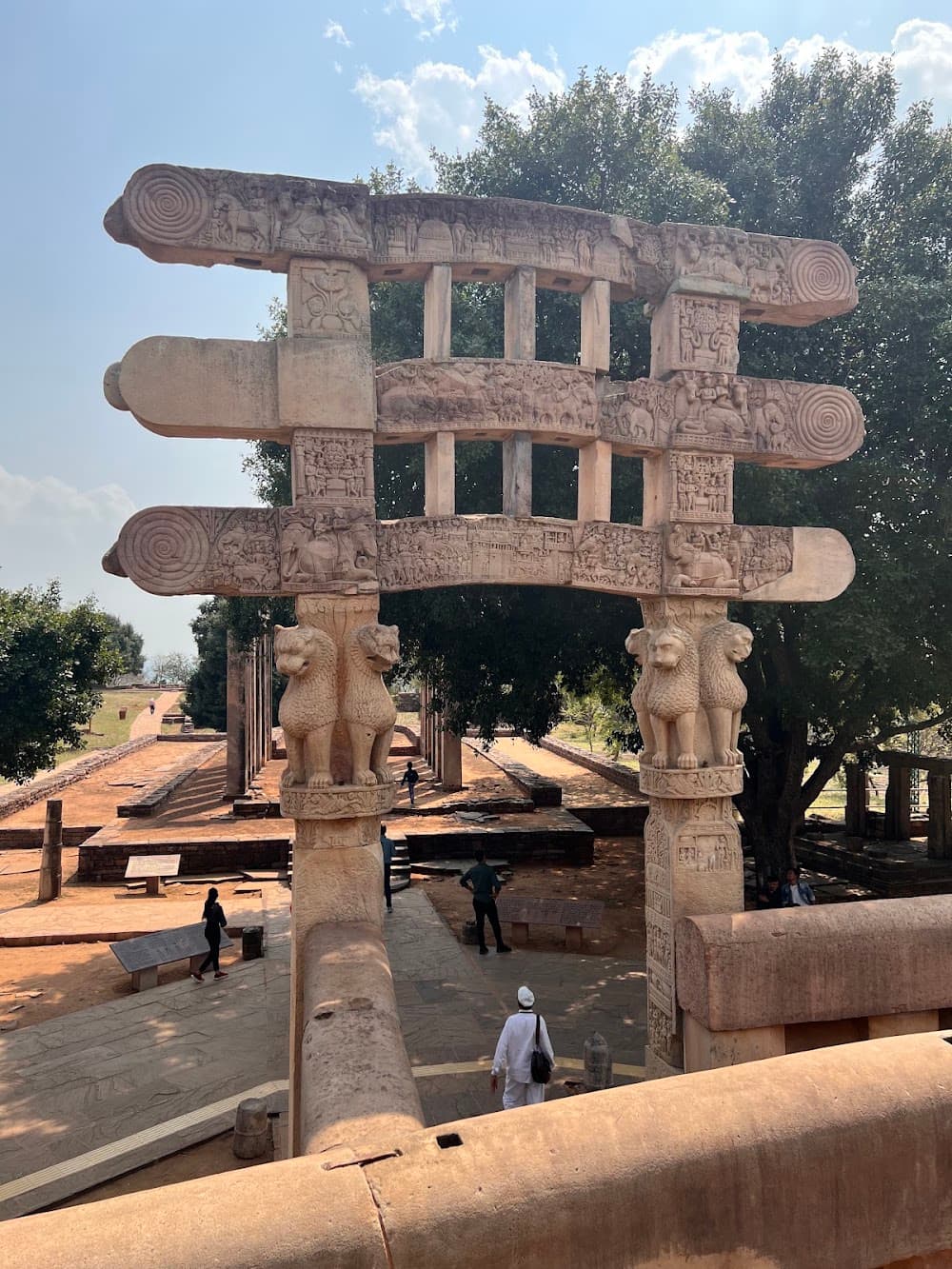
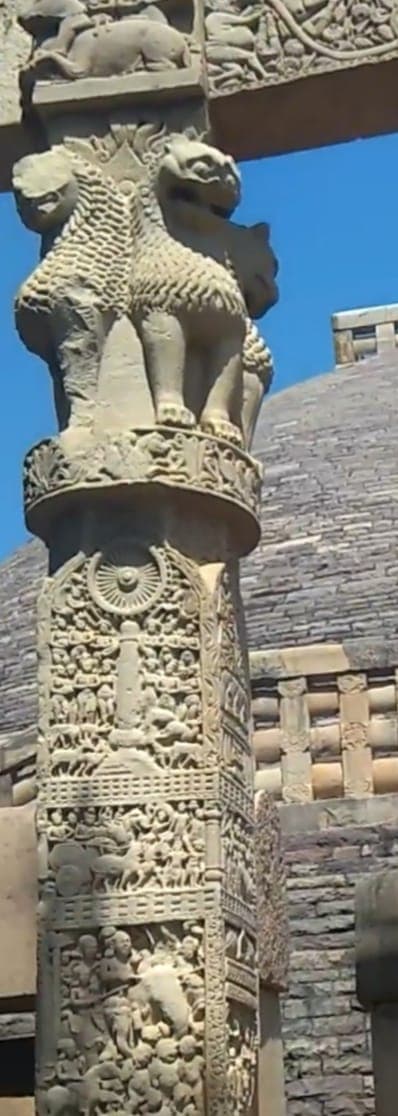
- •On the 200-rupee note: One source: the Great Stupa appears on the reverse of the Indian 200-rupee note, and the Sanchi torana together with the Sarnath lion capital informed national symbolism.
AI-drafted from general knowledge — may contain mistakes.
History at a glance
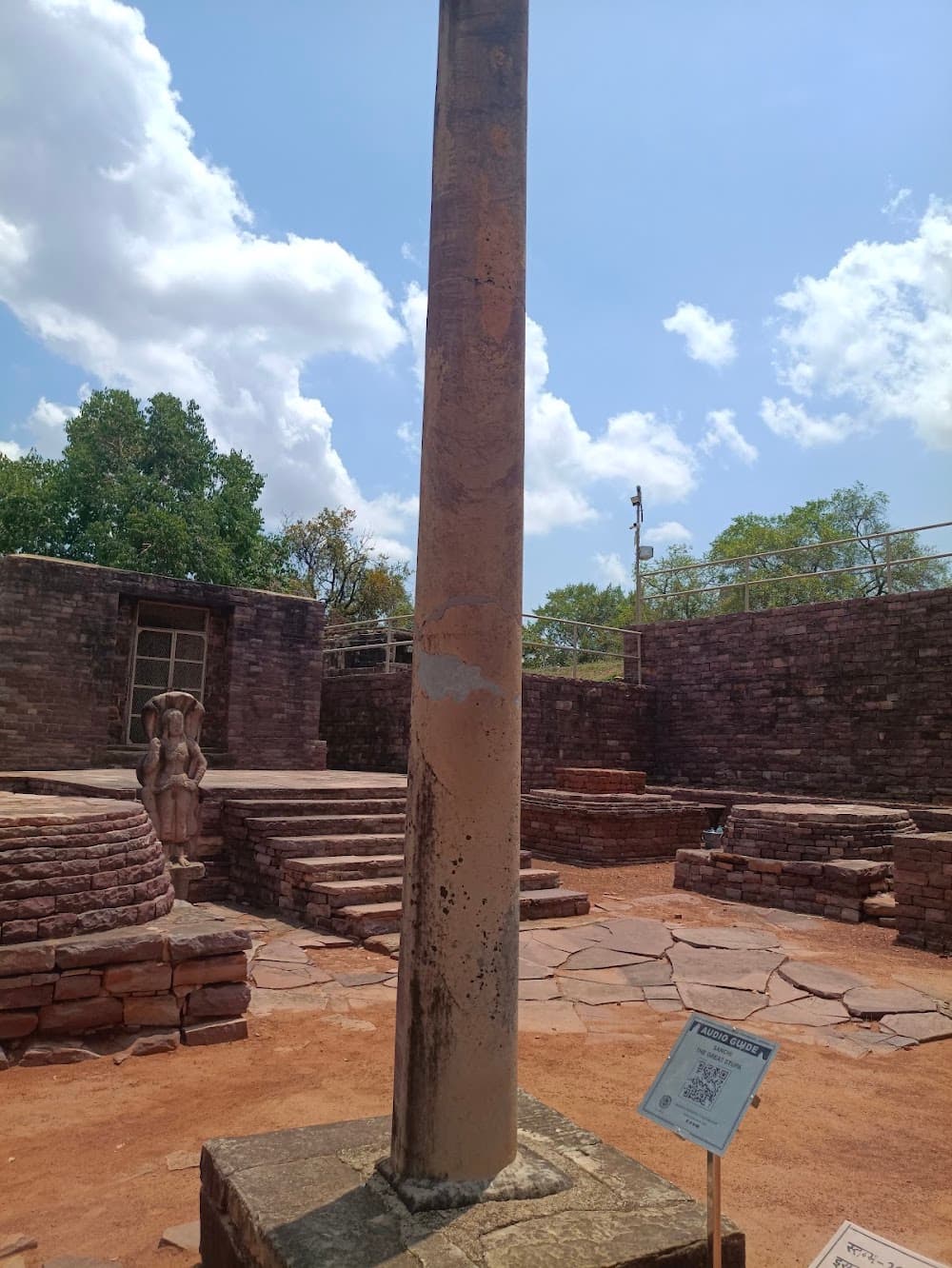
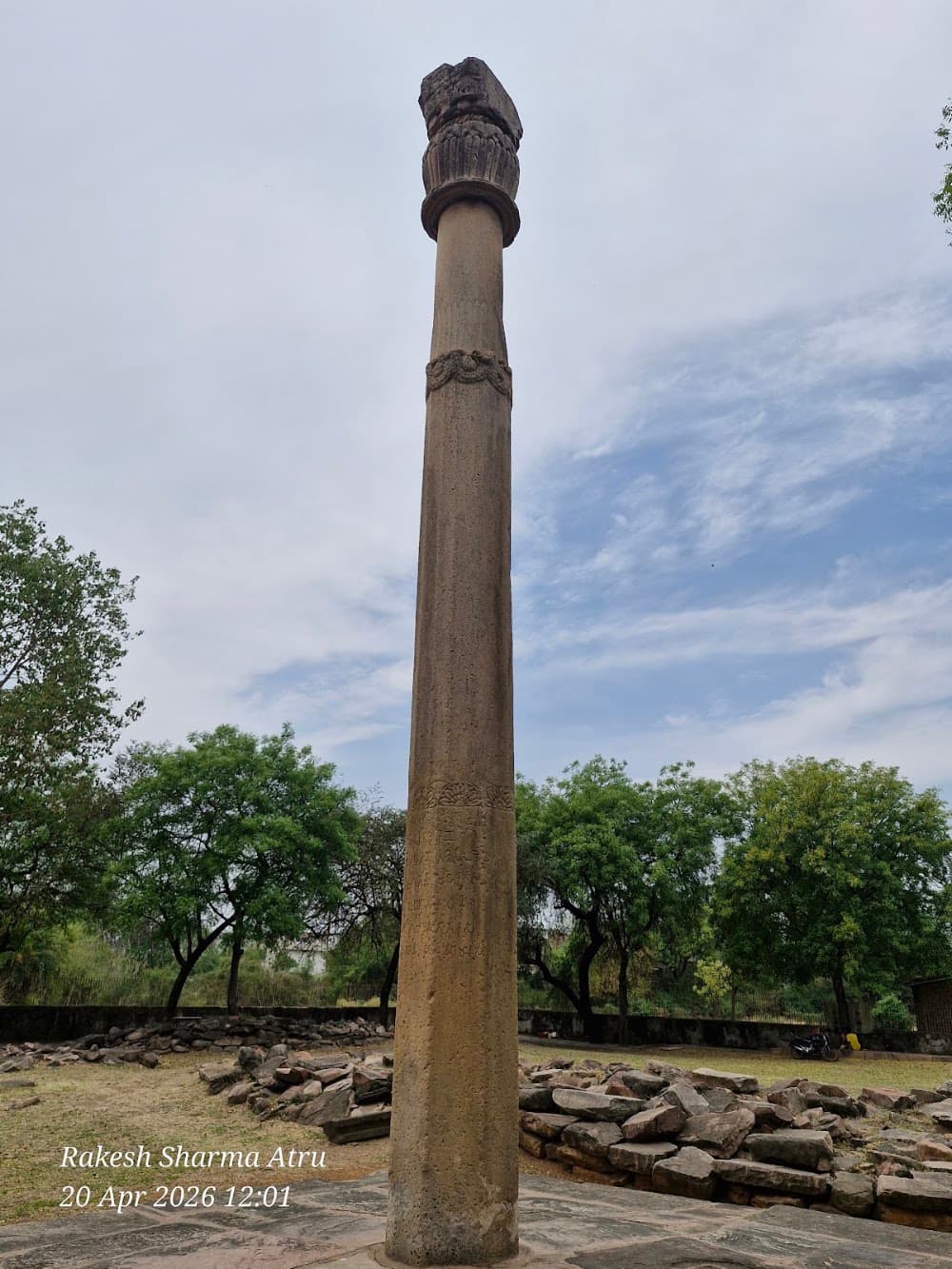
- 3rd century BCEAshoka commissions a hemispherical BRICK stupa over relics of the Buddha, crowned by a chatra, and erects a polished sandstone pillar beside it carrying the Schism Edict. One source says his wife Queen Devi oversaw the work.
- 2nd century BCEThe Ashokan stupa is vandalised.
- 2nd-1st century BCEThe Sungas encase the brick stupa in stone, flatten the dome near the top, add three superimposed parasols within a square railing, and build the circular drum and double staircase for circumambulation. They also construct Stupas 2 and 3.
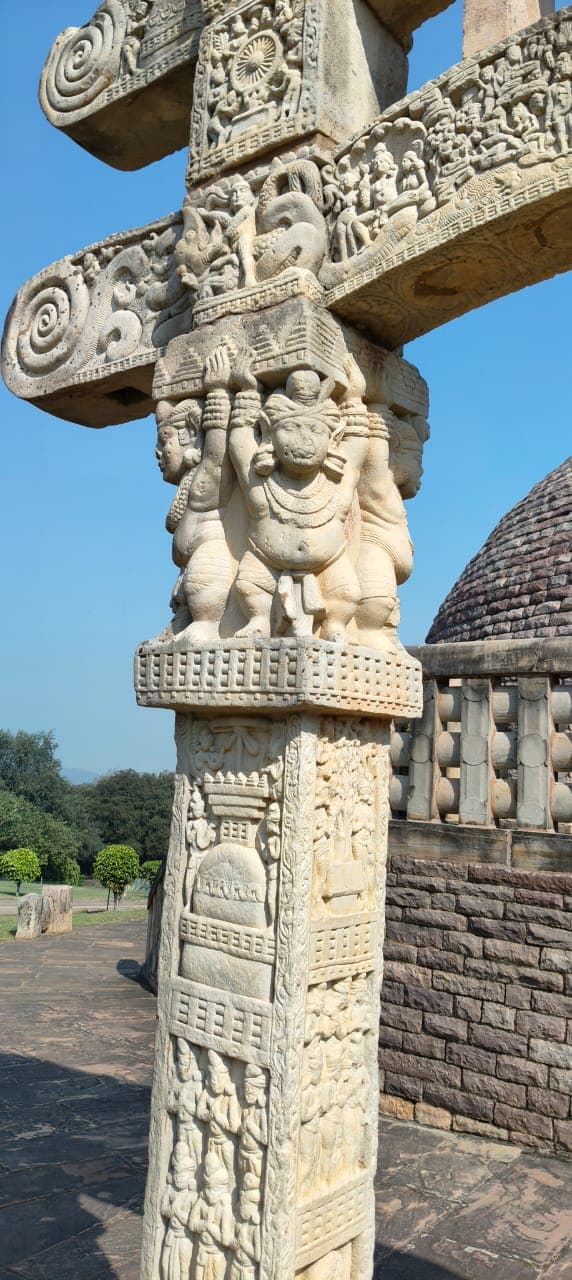
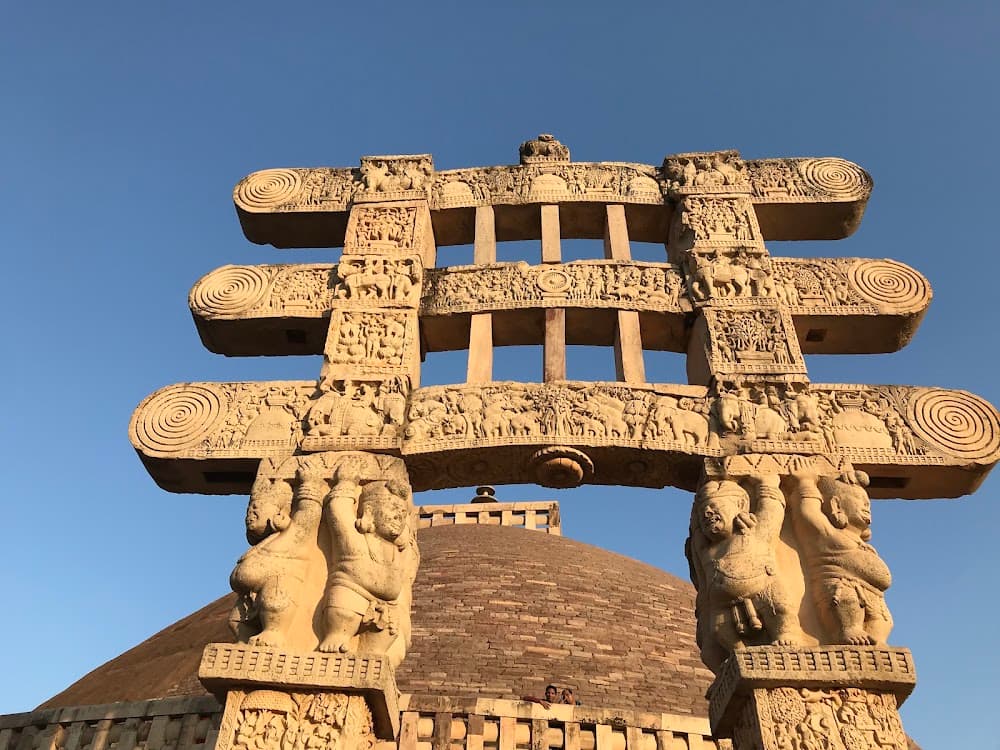
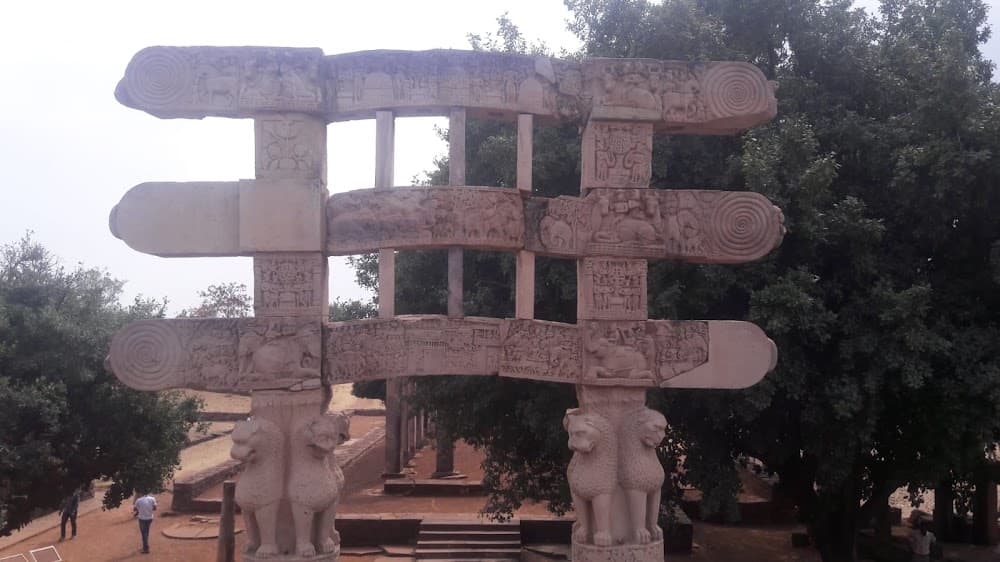
- 1st century BCE - 1st century CEThe four toranas and the encircling balustrade are added, densely carved with Jataka tales and scenes from the Buddha's life — rendered ANICONICALLY, through symbols rather than a human figure.
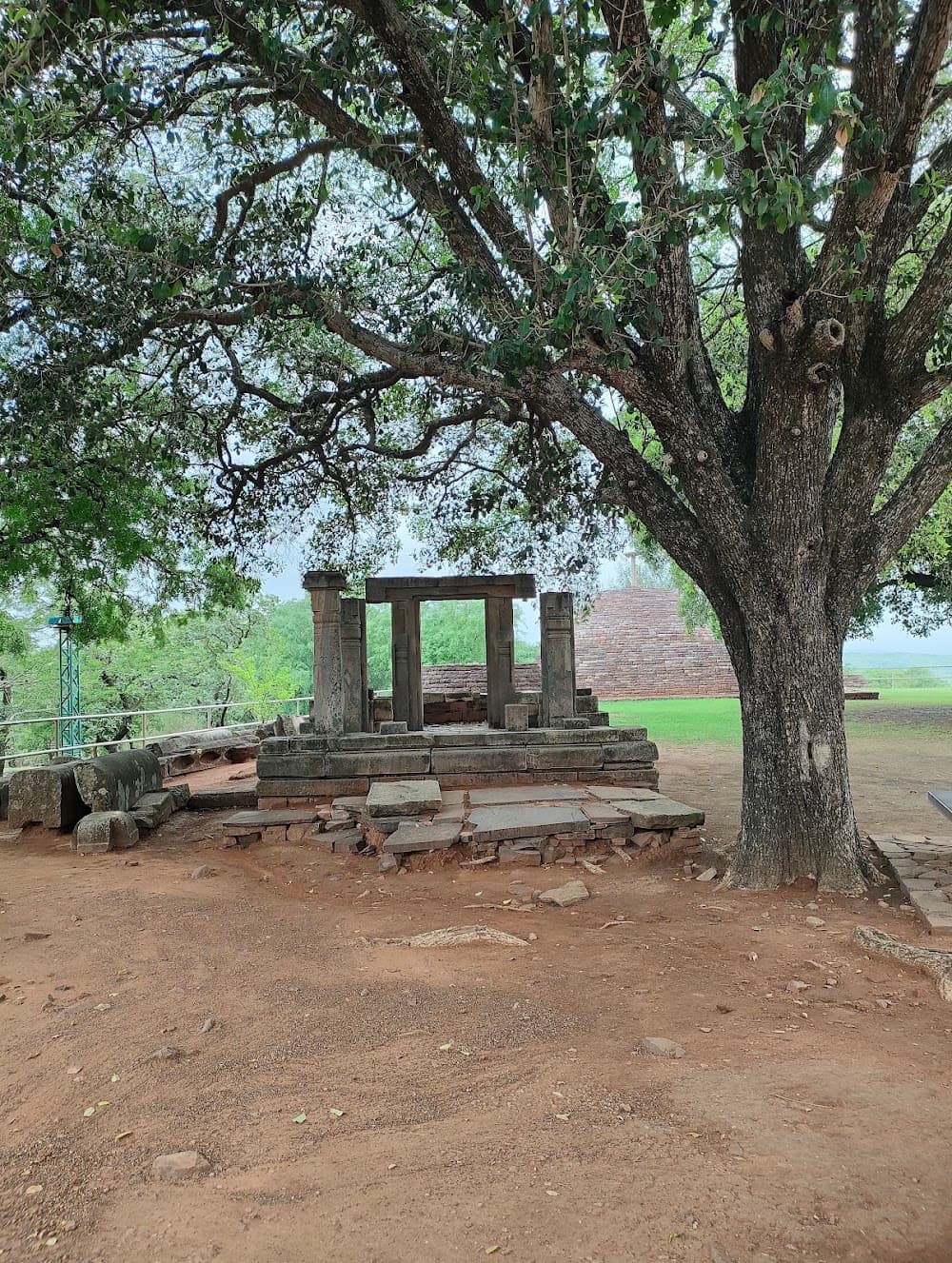
- 5th century CETemple 17 is built — a small flat-roofed shrine with a pillared porch, often cited as one of the earliest surviving free-standing structural temples in India. A Gupta-period inscription in ornamental Sankha Lipi is added to Ashoka's pillar.
- Until the 12th century CESanchi remains a major centre of Buddhism in India.
- After the 12th centurySanchi is abandoned and its monuments fall into disrepair.
- 1818British General Henry Taylor comes upon the site and documents his findings.
- 19th centuryThe bone relics of Sariputta and Mahamoggallana, with their reliquaries, are obtained by MAISEY AND CUNNINGHAM, DIVIDED BETWEEN THEM AND TAKEN TO ENGLAND AS PERSONAL TROPHIES. Maisey's family later sells them to the Victoria and Albert Museum.
- 1881Restoration work begins.
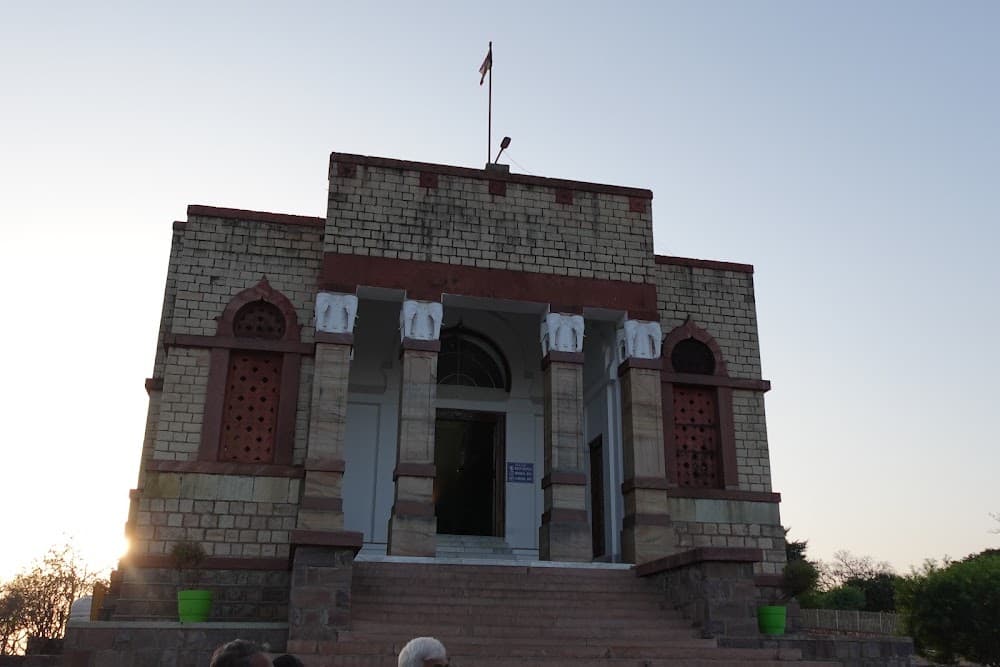
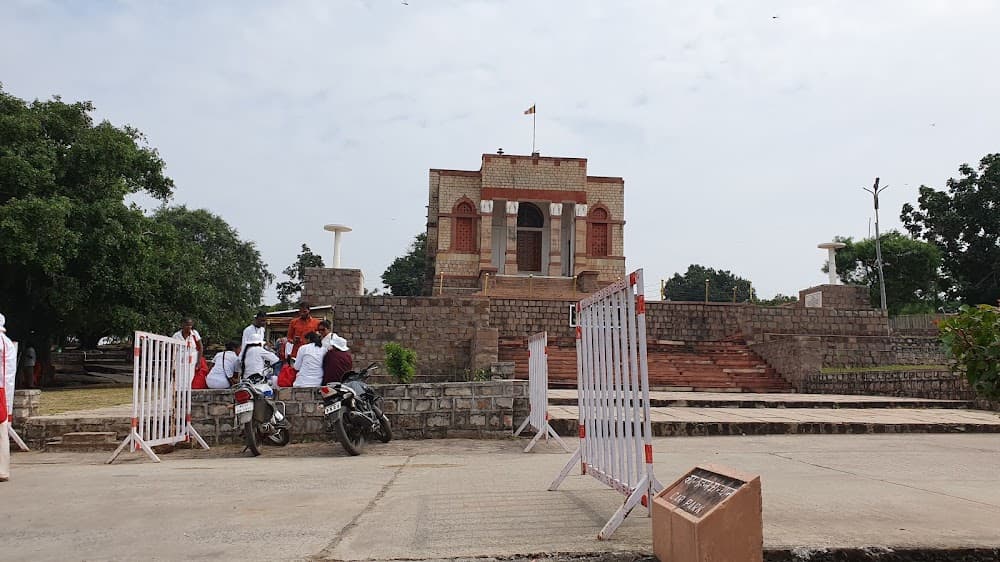
- 1912-1919Sir John Hubert Marshall, Director-General of the ASI, undertakes systematic conservation, restoring the gateways and railings. An archaeological museum is established.
- 1940Marshall publishes THE MONUMENTS OF SANCHI in three volumes — described by one source as the definitive study.
- 1947Relics of Sariputta and Moggallana are sent to Sri Lanka and publicly displayed. ONE SOURCE SAYS ALMOST THE ENTIRE POPULATION OF SRI LANKA VISITED THEM.
- 1952The relics are returned to India and relocated to the newly built CHETHIYAGIRI VIHARA at Sanchi, through the efforts of the Mahabodhi Society.
- 1989The Buddhist Monuments at Sanchi are inscribed as a UNESCO World Heritage Site under criteria i, ii, iii, iv and vi.
Best time to visit
- In 3 daysDiwali · 8 November
- In 5 daysGovardhan Puja · 10 November
- In 6 daysBhai Dooj · 11 November
- In 10 daysChhath Puja · 15 November
Real dates, not AI-drafted — sourced from the Hindu Panchang, same for every destination.
Part of these sacred circuits
Near me
Share your location to see famous places closest to you right now.
Famous places in Sanchi
Sacred & Spiritual
See all 13 →Heritage & Monuments
See all 16 →Nature & Outdoors
Shops & Restaurants
Civic & Services
Getting there & around
- On foot — Great Stupa to Stupa 3: Adjacent. One source gives the distance.
- On foot, downhill — Great Stupa to Stupa 2: The oldest carvings on the hill are the furthest from the main monument — and easily missed.
- On foot or road — Hill to museum: THE PILLAR IS IN TWO PLACES. Its base is on the hill; its capital is in the museum. Seeing the whole object needs both.
- Road or rail — Bhopal approach: The distance should be established once and used by both.
What travellers actually paid
Reported by real travellers, not looked up — a real range with a count, never a single guessed number.
Loading…
Local businesses
View all →A different trust signal from the curated places above — some run by their real owner, some pre-filled by Swamarg from its own place data until an owner claims them.