
Shirdi
Temples, rituals, and sacred scriptures
Soft chanting and gentle breezes envelop the town's narrow lanes
Shirdi is a sacred destination that beckons spiritual seekers and pilgrims from far and wide. This humble town in Maharashtra, India, is renowned for its profound connection to the revered saint Sai Baba, whose teachings and miracles continue to inspire and guide devotees. As a result, Shirdi attracts a diverse array of travelers, from those seeking solace and inner peace to those on a quest for self-discovery and enlightenment. The town's serene atmosphere, infused with a sense of devotion and reverence, provides a unique opportunity for visitors to reflect, rejuvenate, and connect with their inner selves. Whether you're a seasoned spiritual traveler or simply looking for a meaningful experience, Shirdi's unique energy and Sai Baba's enduring legacy make it an unforgettable destination.

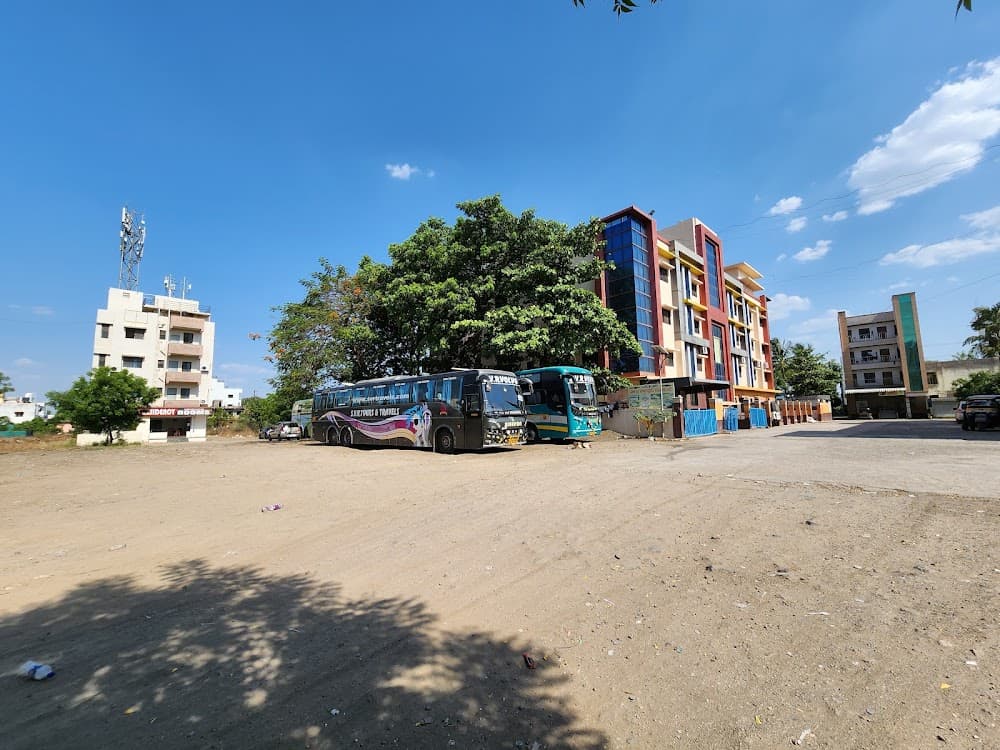
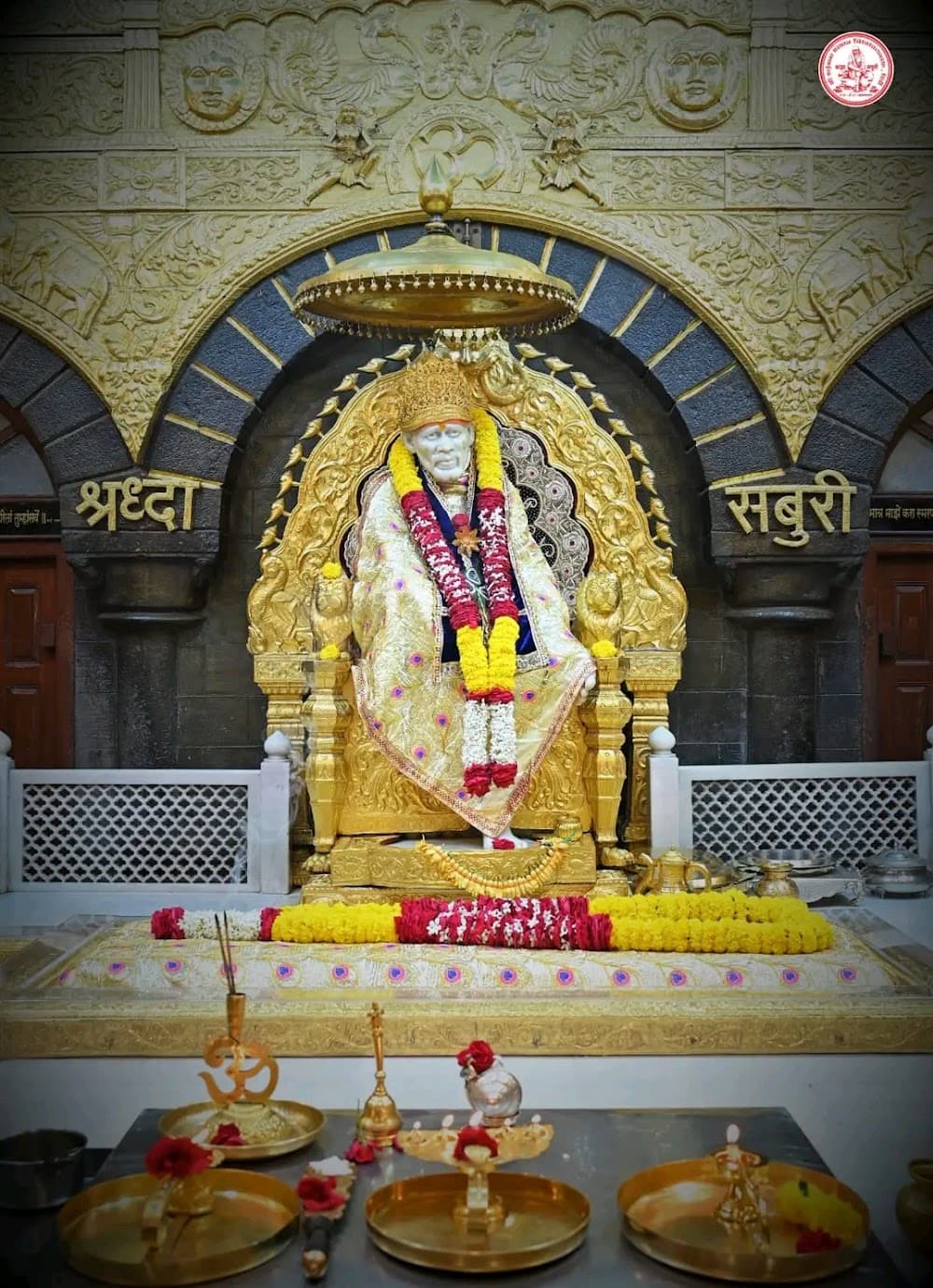
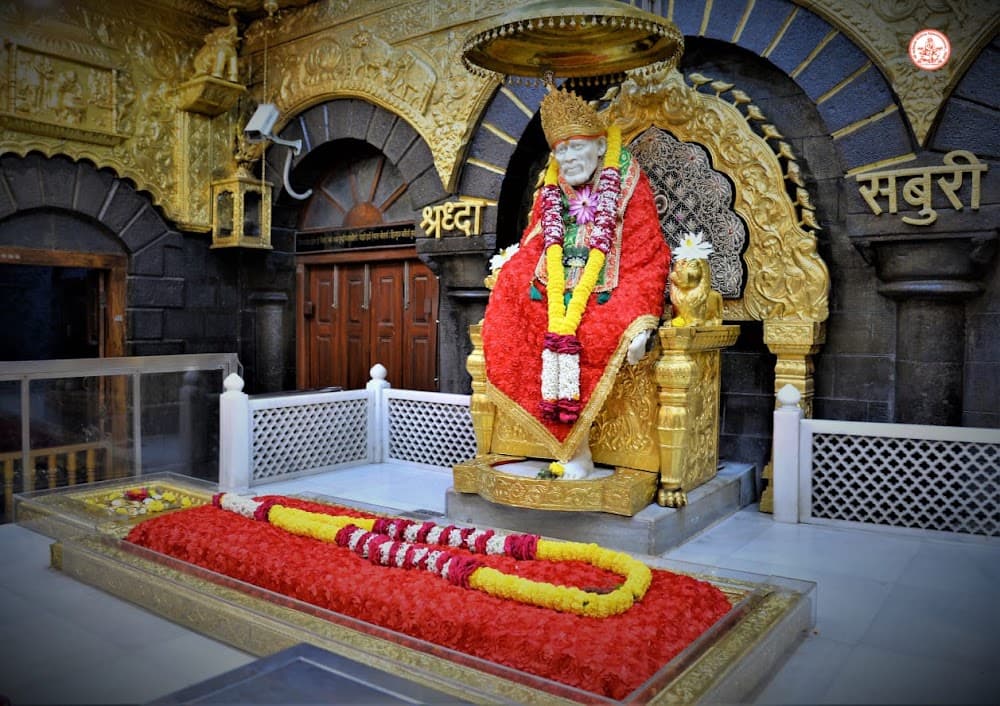
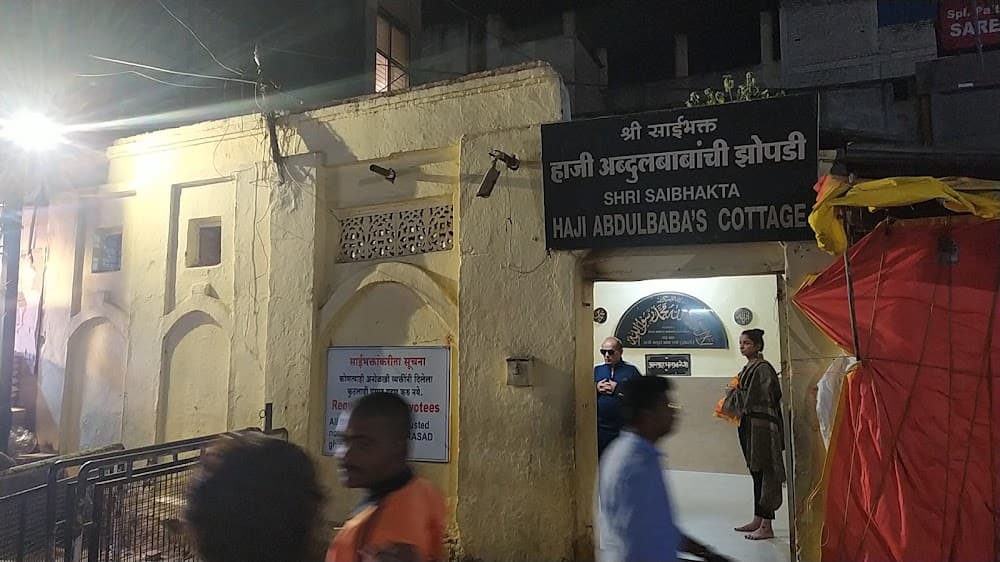
Shirdi is known for
Why Shirdi is famous
- •What Shirdi is: A town in Rahata taluka, Ahilyanagar district, Maharashtra, at about 504 m, with a population reported at 36,004 in 2011 - and also known as Sainagar. It exists as a destination because Sai Baba lived and died here.
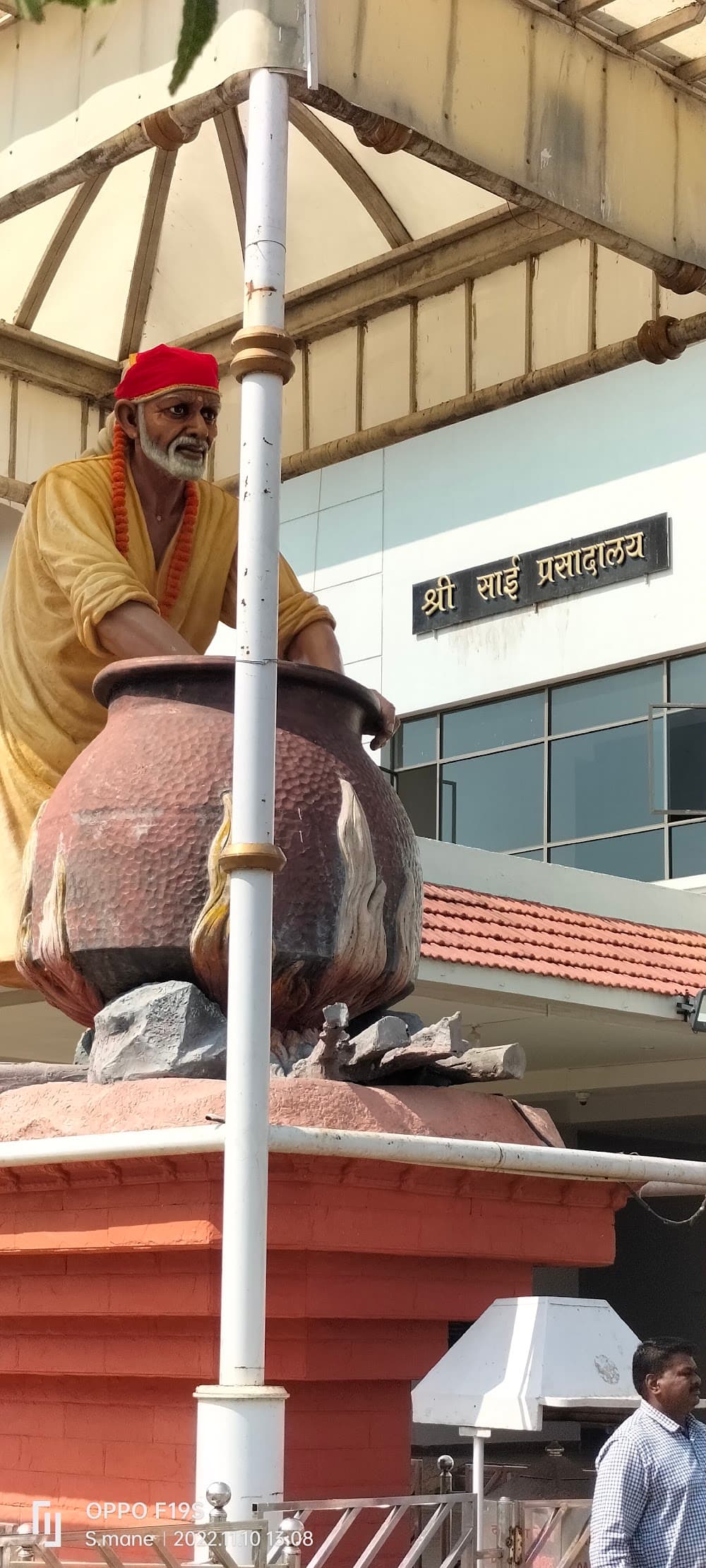
- •Nine of your entities are from another village: Shirdi town is at roughly 19.765-19.770 N, 74.47-74.48 E - where your Prasadalaya, Chavadi and hotels sit. Nine entities cluster at roughly 19.761, 74.427, about 5 km west, and one of them carries the village name 'dorhale'. They fill your Sacred list and have displaced the Samadhi Mandir from it.
- •The life: He arrived in the village reported as around 1858 and never left, living for sixty years in a tumbledown mosque he renamed DWARKAMAI, lighting a sacred fire that still burns. His message is given as 'Sabka Malik Ek' - one God for all. He was identified as a Muslim fakir by appearance, quoted Hindu scriptures and observed festivals of both faiths. He took mahasamadhi on 15 OCTOBER 1918, the day of Vijayadashami.
- •Your third bullet is right: 'A unique blend of Hindu and Muslim cultures, reflecting Sai Baba's teachings and legacy.' That is accurate and it is the destination's defining fact - unlike the invented cultural blends packs 34 and 13 found at Somnath and Chandigarh. Worth recording as a positive.
- •The yatra route: Every Shirdi pilgrimage moves through four places, described by one source as tracing Baba's own daily route: the SAMADHI MANDIR, DWARKAMAI, the CHAVADI and GURUSTHAN. Your data holds one of them, comma-joined with something else.
- •What it is: The white-marble shrine reported as built in 1922 over Baba's resting place, with the murti installed in 1954. Established 1918; the official name is given as Shree Buti Wada and the style as Wada. Reported open 04:45 to 23:30. The complex is reported at over 200 acres and is run by the Shri Saibaba Sansthan Trust.
- •The mosque and the dhuni: The mosque Baba lived in for sixty years. The eternal dhuni he lit still burns, and its ash - UDI - is distributed free to devotees. A Dhuni Pooja is reported at 11:30. Sources describe it as kept open all night during Guru Purnima.
- •Where he was first seen: The spot where Baba was first seen meditating under a neem tree, regarded as the place of his own spiritual guru. Devotees offer incense here; guru-diksha is taken here at Guru Purnima, with devotees bringing milk and water.
- •The second flame: A garden Baba developed and visited each morning, holding the NANDA DEEP - an ever-burning lamp, described by one source as the same flame Baba lit and promised would never go out.
- •Four a day, and a booking system: Kakad Aarti at dawn, Madhyan at noon, Dhoop at sunset, Shej at night. SOURCE CONFLICT on times: Maharashtra Tourism gives Kakad at 04:30; another source gives 05:15 and Shej at 22:30. All four are reported to require separate booking at online.sai.org.in at around Rs 400-600 per person.
- •Free, always: One source states plainly that free darshan is always possible by joining the regular queue, with no booking, identity proof or payment required - and that the Sansthan also runs a free time-slot token system letting pilgrims return at an allotted hour. That is worth carrying explicitly, as pack 32 carried Ayodhya's 'no paid VIP darshan'.
- •The palki: Every Thursday, reported at about 21:15, Baba's palanquin is carried from the Samadhi Mandir through Dwarkamai to the Chavadi with bhajans, drummers and diyas. Free to witness. Thursday is also the busiest weekday, being considered Baba's day.
- •The three - and a fourth: Ram Navami, Guru Purnima and Vijayadashami or Punyatithi are named by every source as Shirdi's principal festivals, with Datta Jayanti often added. Reported 2026 dates: Ram Navami 26 March, Guru Purnima 29 July, Punyatithi 20 October, Datta Jayanti 23 December. Crowds are reported at 3-4 lakh over three days for Guru Purnima and 5-7 LAKH for Punyatithi, the highest of the year, with queues reported beyond ten hours.
- •Timing your visit: One source says most pilgrims complete a Shirdi yatra in 24 hours - arriving overnight, attending one aarti, doing Samadhi darshan and visiting Dwarkamai, Chavadi and Gurusthan. Two nights if you want all four aartis or Shani Shingnapur. October to February is given as the comfortable window; May temperatures are reported approaching 40 degrees.
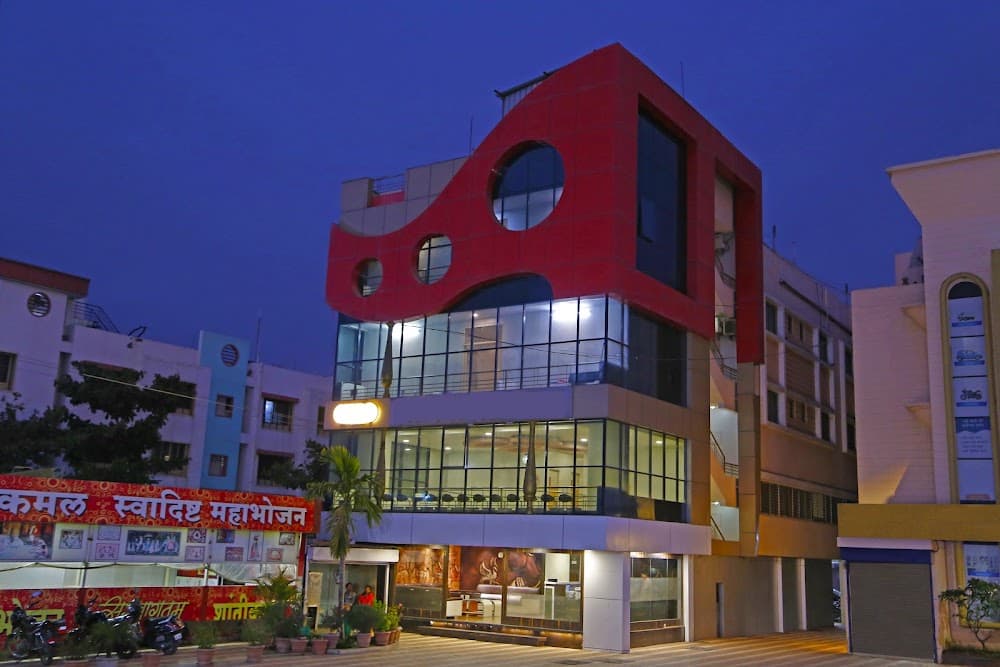
- •Transport: Your block lists rail and road. Shirdi has had an airport since 2017 - VERIFY current routes. 'Cycle-rickshaw' appears again, the nineteenth destination with that template artefact. And the Sansthan's own Bhaktniwas accommodation, bookable online and within walking distance of the temple, is absent from your Places to Stay while three private hotels rank in the strip.
AI-drafted from general knowledge — may contain mistakes.
History at a glance
- c. 1858 · MODERNA young fakir arrives in the village and never leaves. He takes up residence in a dilapidated mosque he renames Dwarkamai and lights a fire there.
- 1858-1918 · MODERNSai Baba lives at Shirdi for sixty years, sleeping at Dwarkamai and the Chavadi on alternate nights, teaching 'Sabka Malik Ek' and observing festivals of both faiths.
- 15 October 1918 · MODERNSai Baba takes mahasamadhi, on the day of Vijayadashami.
- 1922 · MODERNThe Samadhi Mandir is built over Baba's resting place, in white marble. One source notes the shrine was built on his own instructions during his lifetime.
- 1954 · MODERNThe murti is installed in the Samadhi Mandir.
- 1950 · MODERNThe Shri Saibaba Sansthan Trust is registered as a public charitable trust under the Bombay Public Trusts Act.
Best time to visit
Shirdi's climate is typical of the Deccan region, with hot and dry summers, and a mild winter. The monsoon season brings moderate to heavy rainfall from June to September, with the rest of the year being relatively dry.
- Vijayadashami / Punyatithi · anchored to VijayadashamiThe anniversary of Sai Baba's mahasamadhi on 15 October 1918. One source calls it the most emotional of all Shirdi festivals - a solemn morning aarti, a Maha Aarti at noon, flowers offered at the Samadhi continuously through the day, and an evening victory procession. Reported crowds: 5 to 7 LAKH over three days, the highest of the year.
- Ram Navami · anchored to Chaitra Shukla NavamiCelebrated as Sai Baba's birthday, with processions and devotional singing. One account calls it the greatest festival celebrated at Shirdi. Queues reported beyond six hours on the main day.
- Guru Purnima · anchored to Ashadha PurnimaA pre-dawn abhishek of the padukas at 04:00, guru-diksha at Gurusthan, akhand parayan of the Satcharitra in the Sabha Mandap, and a moonlit palki procession on the full-moon night. Reported crowds: 3-4 lakh over three days.
- Datta Jayanti · anchored to Margashirsha PurnimaNamed by one source as the fourth of the main festivals drawing heaviest crowds.
- 'Mahashivratri' · anchored to Phalguna Krishna ChaturdashiNot among the destination's principal observances.
- 'Shirdi Festival' and 'Shirdi Saibaba Temple Festival' · anchored to Your page says Sept/Oct and Oct/NovNeither corresponds to anything I could identify.
- In 12 daysGandhi Jayanti · 2 October
- In 29 daysDurga Ashtami / Maha Navami · 19 October
- In 30 daysDussehra (Vijayadashami) · 20 October
- In 39 daysKarwa Chauth · 29 October
Real dates, not AI-drafted — sourced from the Hindu Panchang, same for every destination.
Weather details and any festival without a stated lunar anchor above are AI-drafted from general knowledge, not independently verified — timing is approximate; double-check before planning around one.
Near me
Share your location to see famous places closest to you right now.