
Somnath
Temples, sadhus, and sacred scriptures
The murmur of chanting weaves through the crowded streets
Somnath is a sacred destination that beckons spiritual seekers and pilgrims from far and wide. Nestled in the heart of Gujarat, this city is a hub of devotion and introspection, where the air is thick with the scent of incense and the sound of chanting fills the air. Travellers drawn to Somnath are often those seeking a deeper connection with their faith, or looking to recharge their souls in a place of profound tranquility. As they wander through the city's ancient streets, they are enveloped by a sense of serenity and calm, as if the very essence of spirituality has been distilled into every stone and every breath.
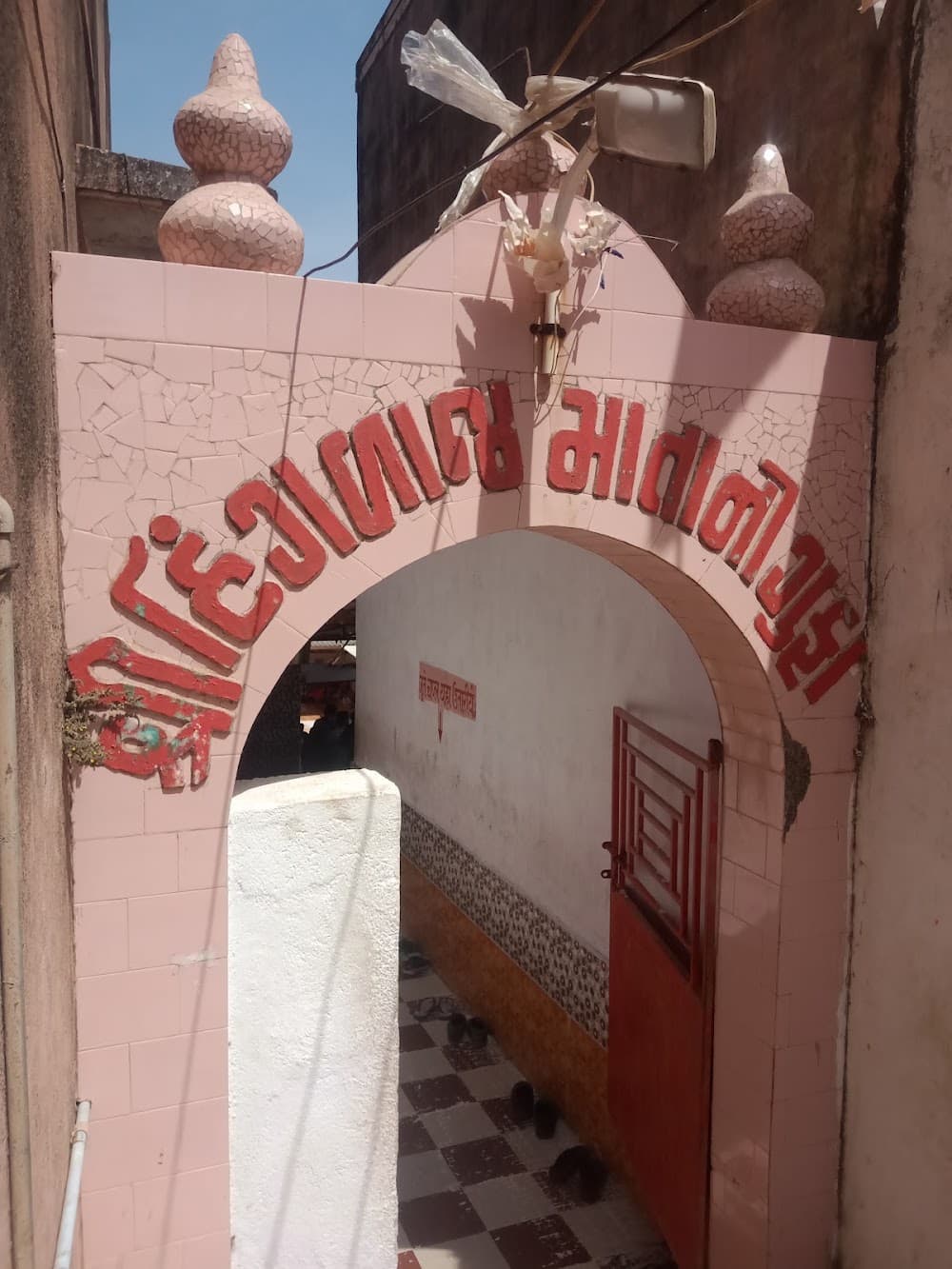
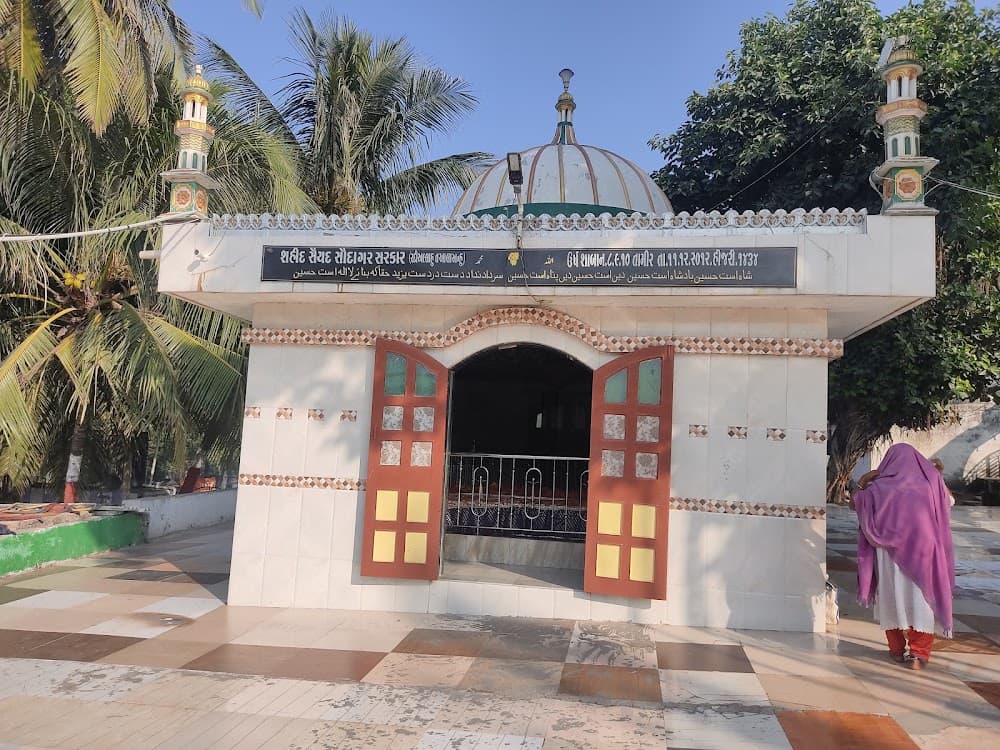
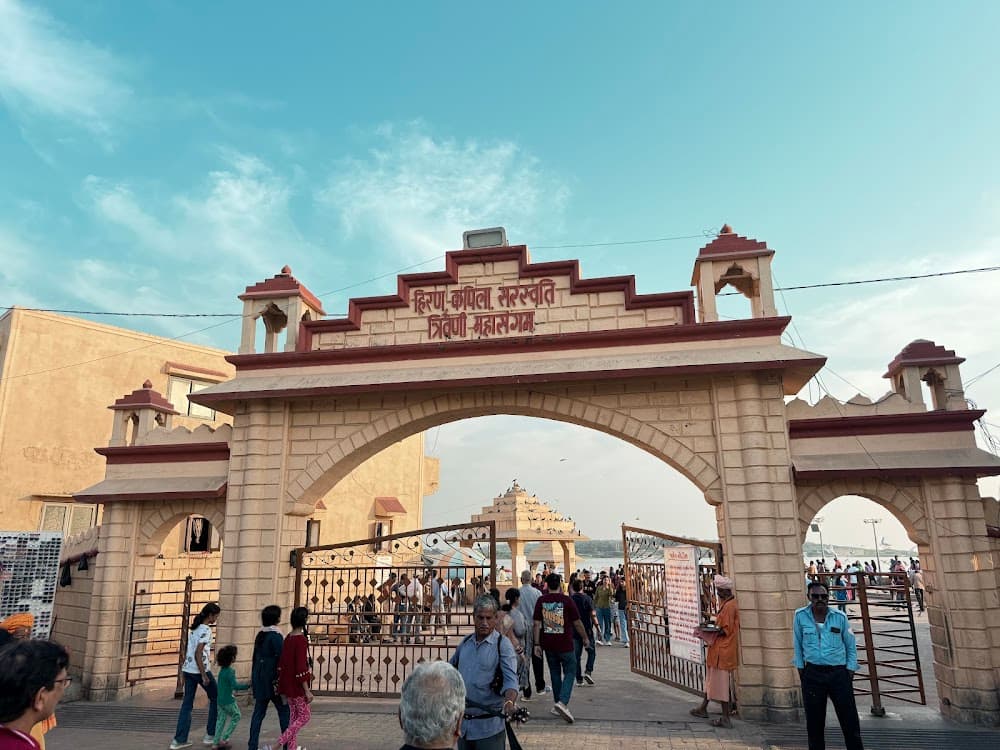
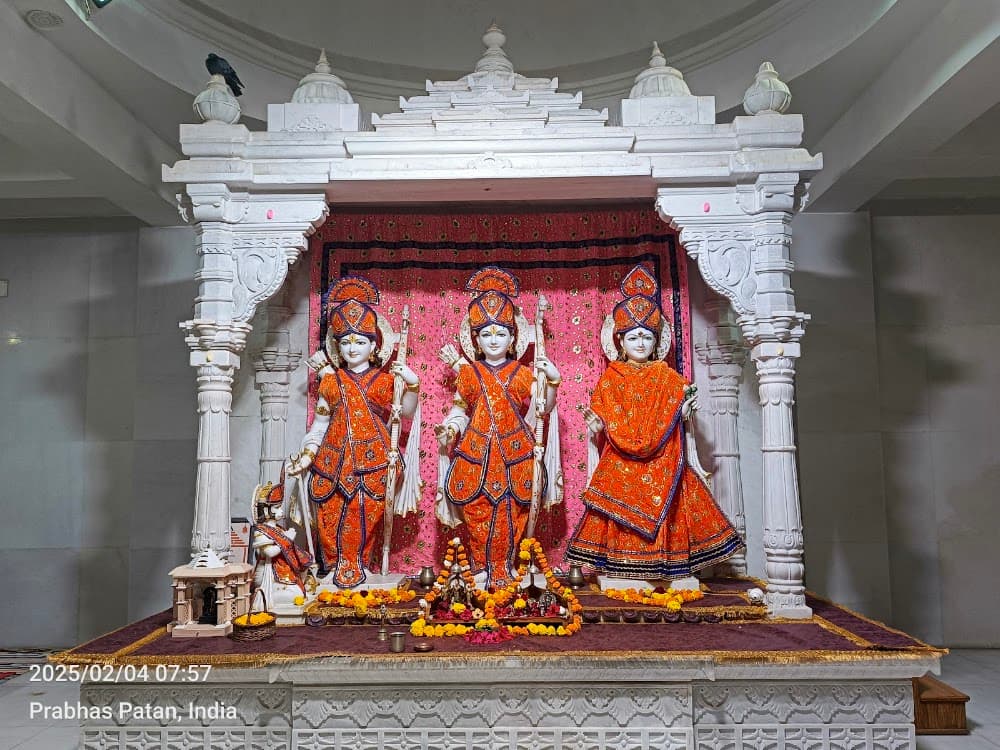
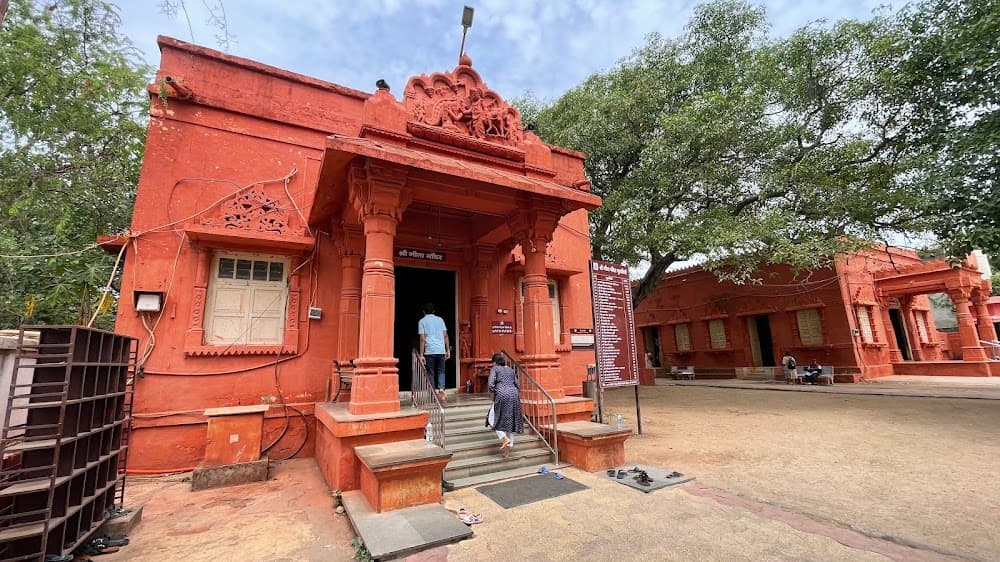
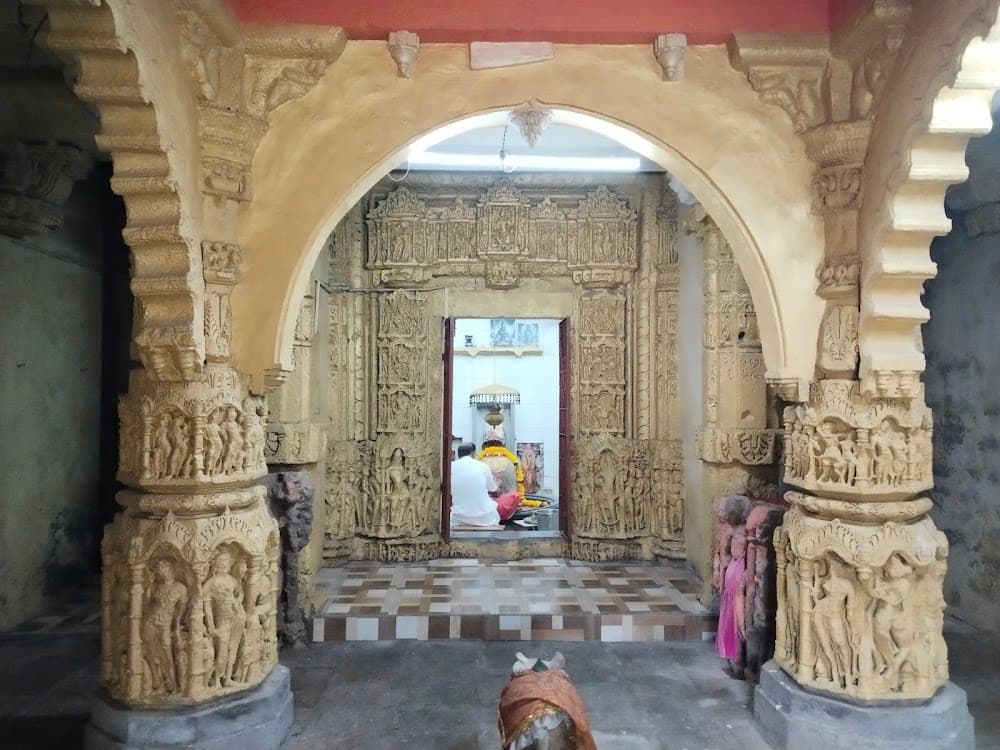
Somnath is known for
Why Somnath is famous
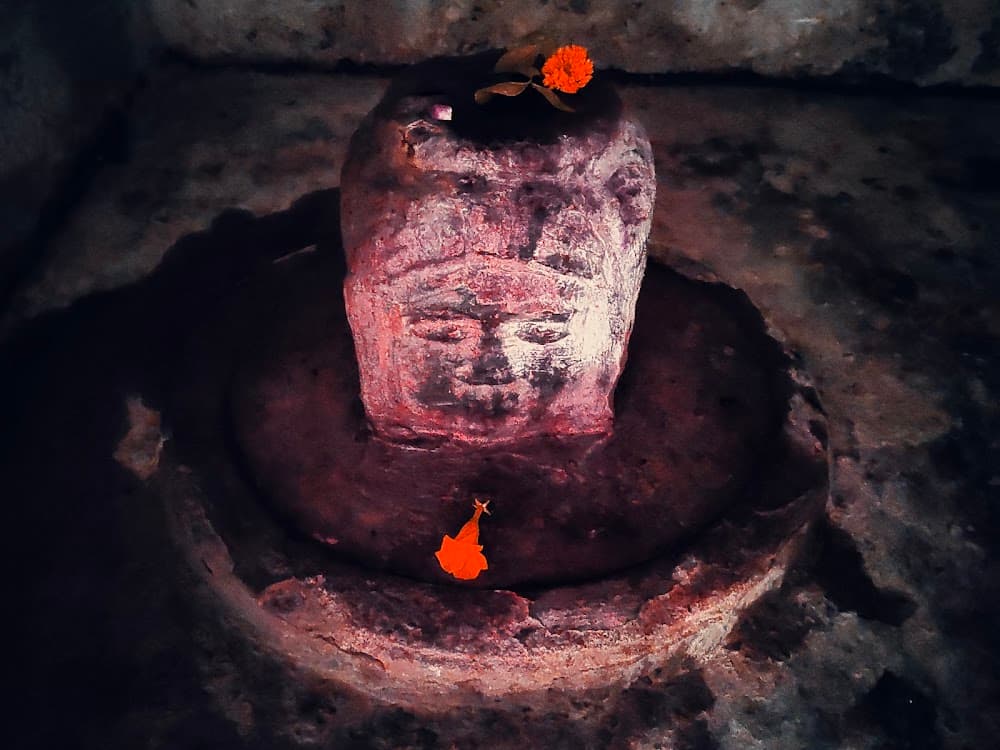
- •What Somnath is: The FIRST of the twelve Jyotirlingas, at Prabhas Patan near Veraval in Gir Somnath district, Gujarat, on the Arabian Sea coast. The Puranas call the site Prabhasa Tirtha. Many pilgrims begin a Jyotirlinga yatra here.
- •Where the name comes from: Soma, the Moon god, is held to have lost his lustre to a curse and bathed in the Saraswati at this site to regain it - hence Somnath, Lord of the Moon. That is the origin story of the destination's own name, and it is not on your page.
- •Correcting your own copy: 'A unique blend of Gujarati and South Indian cultural influences.' Somnath has no particular South Indian character - its architecture is Chaulukya or Solanki, described by Wikipedia as Maru-Gurjara, which is western Indian. Pack 13 found Chandigarh given 'colonial influences' when it is a modernist planned city.
- •Triveni Sangam: Kapila, Hiran and the mythical Saraswati meeting the Arabian Sea, a short walk from the temple. The site's antiquity as a pilgrimage centre rests on this confluence. Your copy says only 'at the mouth of the Hiran River' - which names one of the three.
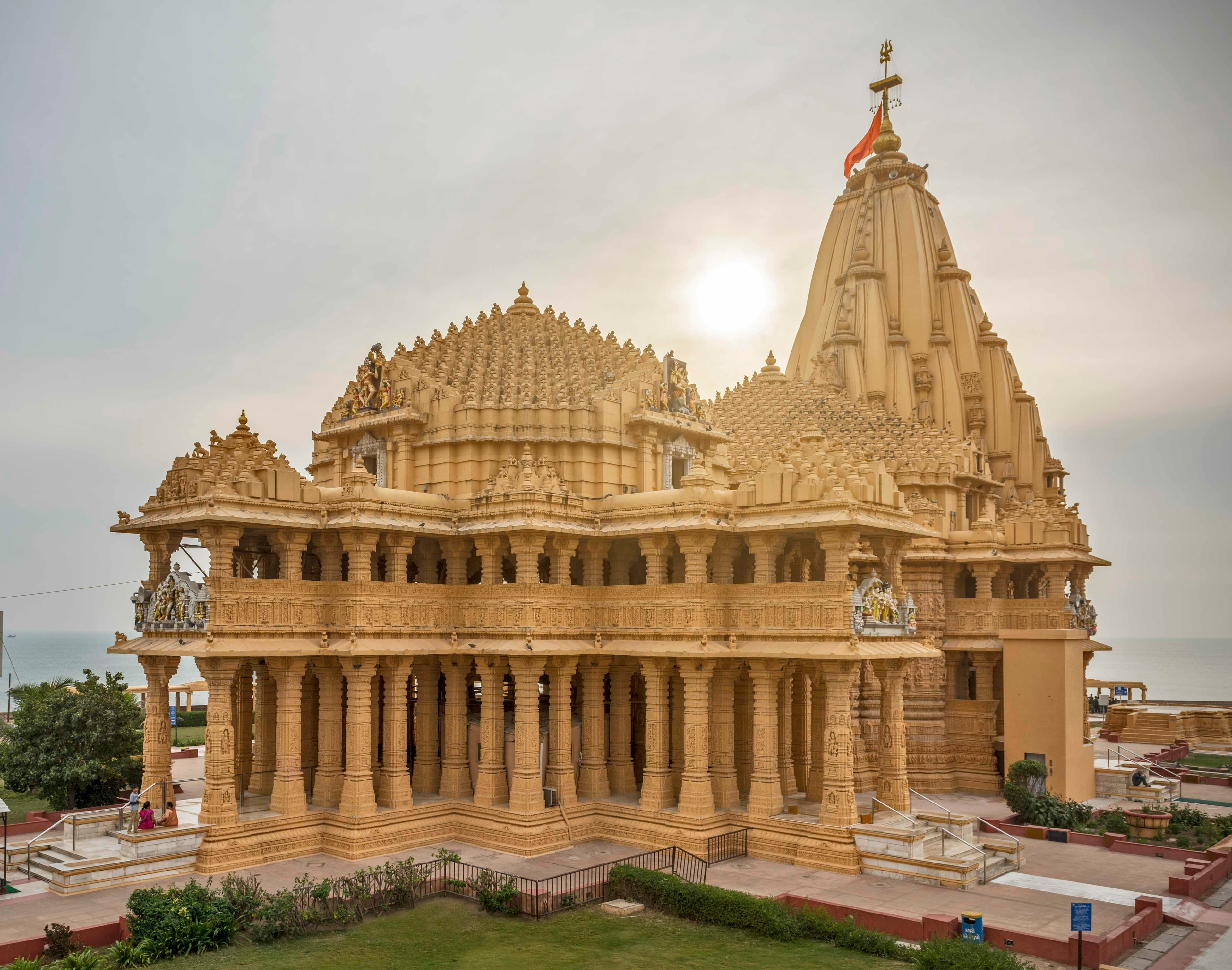
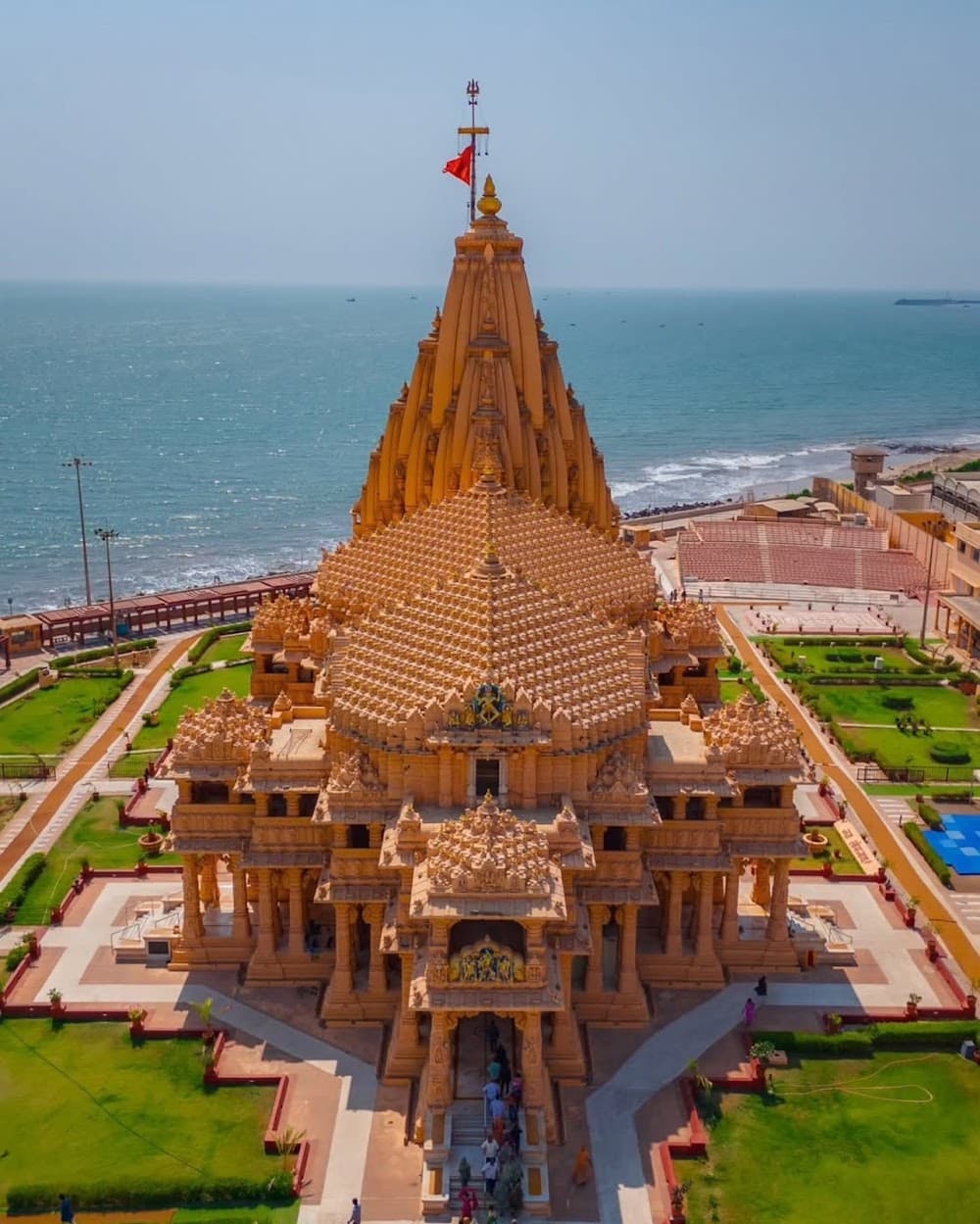
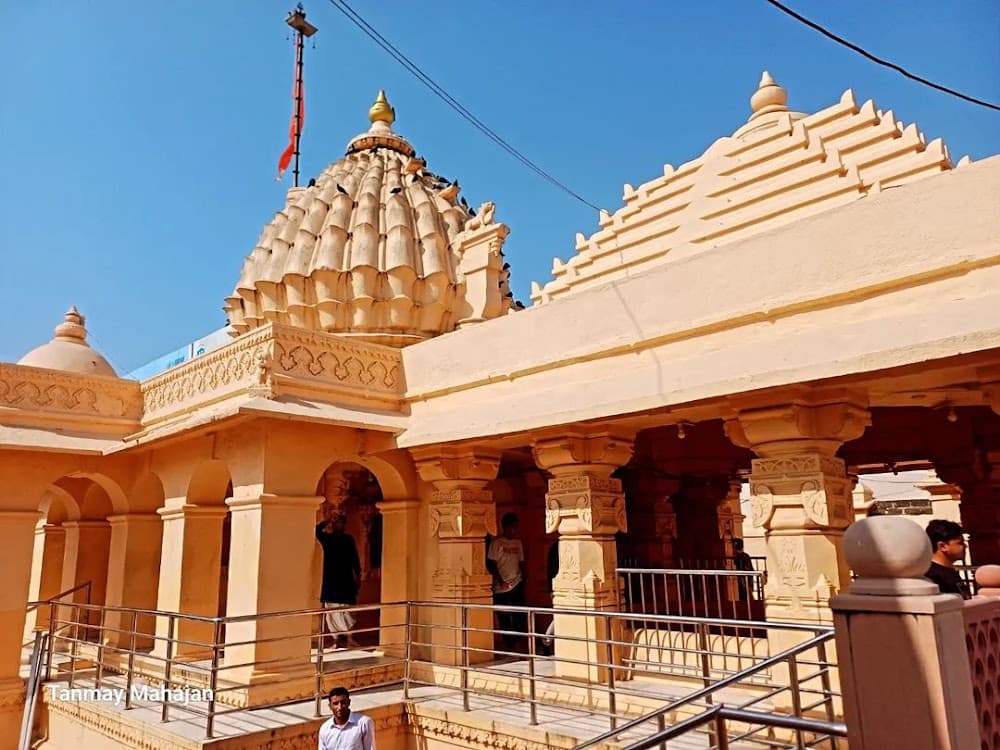
- •What stands today: Completed in May 1951, in the Chaulukya or Solanki tradition, described by one source as the Kailash Mahameru Prasad style in finely dressed stone, with a tall shikhara - reported at 65 feet - topped by a gold-finished kalash and a long flag. The assembly halls open toward the open sea. Managed by the Shree Somnath Trust, reported as established in 1949.
- •The cycle of destruction and rebuilding: Described as looted and rebuilt at least seven times over more than a thousand years. Mahmud of Ghazni raided in 1024 or 1026 during the reign of Bhima I - sources give both years - breaking the jyotirlinga. Delhi Sultanate raids followed in the 14th century, and Aurangzeb ordered demolition, reported as 1706. The Chaulukya king Mularaja possibly built the first temple at the site before 997 CE.
- •The 1951 reconstruction - the documented record: Sardar Patel went to Prabhas on 13 November 1947 and it was publicly announced that the Government of India had decided to rebuild the temple. Gandhi endorsed the plan but advised that the contribution should come from the public, and Patel accepted. The ruins were pulled down in October 1950 and the mosque on the site was moved a few kilometres away. After Patel's death the work was led by K M Munshi. On 11 May 1951 President Rajendra Prasad performed the installation ceremony.
- •Where the editorial decision sits: One source frames the 1951 episode explicitly around the differing positions of Nehru, Patel and Rajendra Prasad on the relationship between the Indian state and religion. That debate is real and documented, and it is not something a destination guide has to adjudicate. Carry the record above; treat anything beyond it as an editorial decision, as pack 32 set out for Ayodhya.
- •Baan Stambh: The Arrow Pillar, at the southern edge of the complex facing the Arabian Sea, marking an unobstructed sea line to the South Pole with no landmass in between. It IS in your data as 'Abadhit Samudra Marg Tirsthambh' (4002) and ranks in your famous-places strip - one of the better records on the page.
- •Practical: Photography and mobile phones are reported as not allowed inside the temple premises. The temple is reported open to all. An evening sound-and-light show is projected onto the temple facade. VERIFY timings, the show schedule and any dress code before publishing.
- •What actually draws the crowds: Maha Shivaratri and Kartik Purnima are named as the days with the largest crowds, when the seafront fills and a fair springs up around the temple. Shravan month is also a key period. NONE of these is on your page.
- •Bhalka Tirth: About 4 km, where Krishna is held to have been struck by a hunter's arrow - the final episode of his earthly life. Your data holds 'Bhalka Pond' (7059), typed RIVER, and not the tirth.
- •Others: Prabhas Patan Museum, reported at about 0.5 km and holding Chalukya relics - it IS in your data (3996). Somnath Beach at about 1 km, also in your data. Gir National Park at about 45 km. Veraval railway station is reported at 7 km and Diu airport at 65 km.
- •Transport: Your block lists rail and road only, with no airport. Diu is reported at 65 km and Veraval station at 7 km. 'Auto-rickshaw' appears again - now the eleventh destination with that template artefact.
AI-drafted from general knowledge — may contain mistakes.
Somnath at a glance
- ⚠️2026 marks 75 years since the 1951 reconstruction
- ⚠️which one source notes explicitly - worth checking whether anything is planned around it. Leave phones outside. And the sound-and-light show is the evening fixture most visitors build around
- ⚠️so verify its schedule first.
History at a glance
- Puranic · MYTHOLOGICALSoma, the Moon god, cursed and losing his lustre, bathes in the Saraswati at this site to regain it. The place becomes Somnath, Lord of the Moon.
- Before 997 CE · CHAULUKYAThe Chaulukya king Mularaja possibly builds the first temple at the site, though some historians believe he renovated a smaller earlier one.
- 1024 or 1026 · MEDIEVALMahmud of Ghazni raids Gujarat during the reign of Bhima I, plundering the temple and breaking the jyotirlinga.
- 14th century · SULTANATEDelhi Sultanate raids.
- 1706 · MUGHALAurangzeb orders the demolition of the temple.
- 13 November 1947 · MODERNSardar Patel goes to Prabhas to see the ruins and it is publicly announced that the Government of India has decided to rebuild the temple. Gandhi endorses the plan but advises that the funds come from the public; Patel accepts.
- October 1950 · MODERNThe ruins are pulled down and the mosque on the site is moved a few kilometres away.
- 11 May 1951 · MODERNPresident Rajendra Prasad performs the installation ceremony for the reconsecrated lingam. The present temple is completed that month.
Best time to visit
Somnath, located in the state of Gujarat, experiences a subtropical climate with hot and dry summers, and mild winters. The monsoon season typically brings moderate to heavy rainfall from June to September, with the rest of the year being relatively dry.
- Maha Shivaratri · anchored to Phalguna Krishna Chaturdashi[PRINCIPAL FESTIVAL - ABSENT] Named as one of the two days that draw the largest crowds, when the seafront fills and a fair springs up around the temple.
- Kartik Purnima · anchored to Kartik Purnima[PRINCIPAL FESTIVAL - ABSENT] The other of the two biggest crowd days.
- Shravan month · anchored to Shravan[SEASON - ABSENT] Named as a key period at the temple.
- 'Somnath Mahamastakabhishekam' · anchored to Your page says October/November[WRONG TRADITION - REMOVE] Mahamastakabhisheka is a JAIN ceremony, performed every twelve years at Shravanabelagola for the Bahubali monolith.
- 'Kumbh Mela' · anchored to Your page says every 12 years[WRONG DESTINATION - REMOVE] Somnath is not a Kumbh site. The four are Prayagraj, Haridwar, Ujjain and Nashik.
- The sound-and-light show · anchored to Evenings[DAILY - ABSENT] Projected onto the temple facade; the evening fixture most visitors build around.
- In 12 daysGandhi Jayanti · 2 October
- In 29 daysDurga Ashtami / Maha Navami · 19 October
- In 30 daysDussehra (Vijayadashami) · 20 October
- In 39 daysKarwa Chauth · 29 October
Real dates, not AI-drafted — sourced from the Hindu Panchang, same for every destination.
Weather details and any festival without a stated lunar anchor above are AI-drafted from general knowledge, not independently verified — timing is approximate; double-check before planning around one.
Part of these sacred circuits
Near me
Share your location to see famous places closest to you right now.