

Story
AI-drafted from public sources — may contain mistakes, especially specific dates, names, or claims. Only "Good to know" above is field-checked.
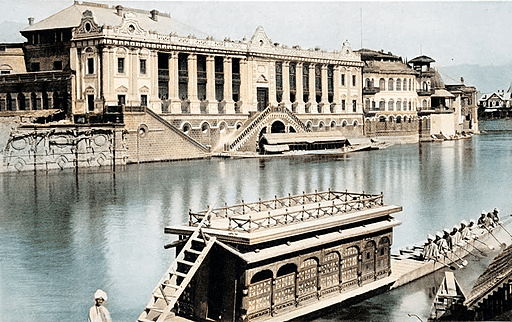
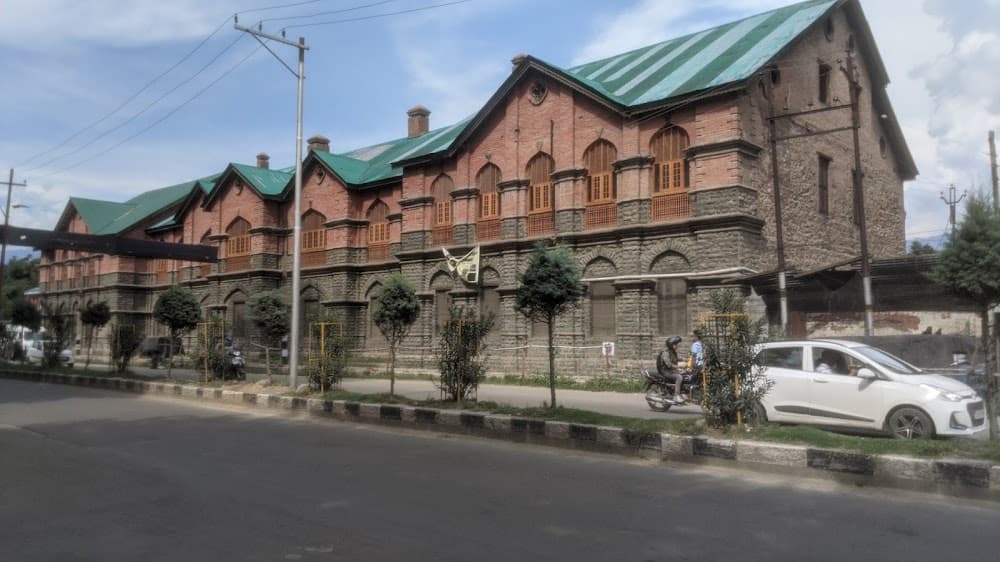
Sher Garhi Palace, a majestic fortress in Srinagar, stands as a testament to the region's rich architectural heritage. The palace's structure is a masterful blend of European refinement and Kashmiri craftsmanship, with intricate carvings and ornate details that reflect the cultural exchange between the two influences. The fort's layout is characterized by a series of interconnected buildings, with imposing stone walls and ornate gateways that evoke a sense of grandeur. The palace's scale is imposing, with towering walls and majestic arches that seem to defy gravity. The style of ornamentation is typical of Mughal-era architecture, with intricate inlays of marble and stone, and ornate carvings that tell stories of the region's storied past.
Tradition holds that Sher Garhi Palace, with its majestic architecture and storied history, holds a special place in the devotional hearts of Kashmiris. Local belief says that the palace's imposing structure and intricate carvings are imbued with a deep spiritual significance, reflecting the region's rich cultural heritage. While specific legends may surround this site, the palace's enduring importance lies in its ability to evoke a sense of reverence and awe in those who visit.
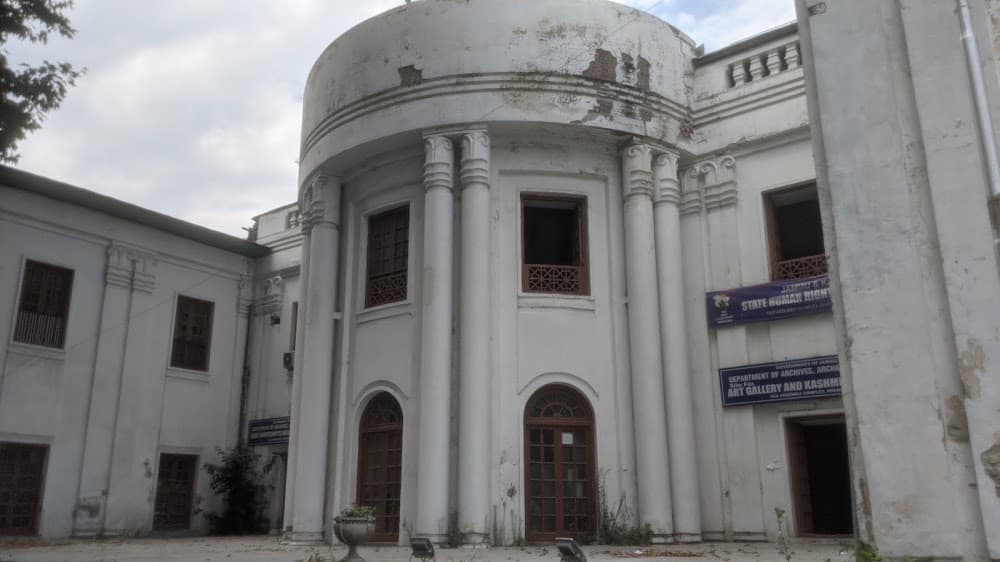
Standing on the banks of the Jhelum River, Sher Garhi Palace presents a majestic blend of Anglo-Kashmir architecture, its neoclassical riverfront façade adorned with Corinthian columns. This former royal residence, once a seat of power for Afghan and Dogra rulers, now whispers tales of Kashmir's complex history. As you wander through its restored halls, you'll discover a rich cultural heritage, where European refinement meets Kashmiri craftsmanship.
As you approach Sher Garhi Palace, the imposing structure's blend of Anglo-Kashmir architecture and traditional Kashmiri aesthetics becomes apparent. The palace's layered history is evident in its intricate carvings, ornate archways, and imposing Corinthian columns. Visitors typically reach the palace by crossing the Jhelum River, which offers a serene backdrop to the complex's grandeur. Wear comfortable shoes and dress modestly, as the palace's tranquil atmosphere invites contemplation. It's best to visit during the morning or late afternoon when the soft light accentuates the palace's ornate details. Confirm the current timings and fees locally, as they may have changed since the palace's restoration began in 2015.