
Story
AI-drafted from public sources — may contain mistakes, especially specific dates, names, or claims. Only "Good to know" above is field-checked.
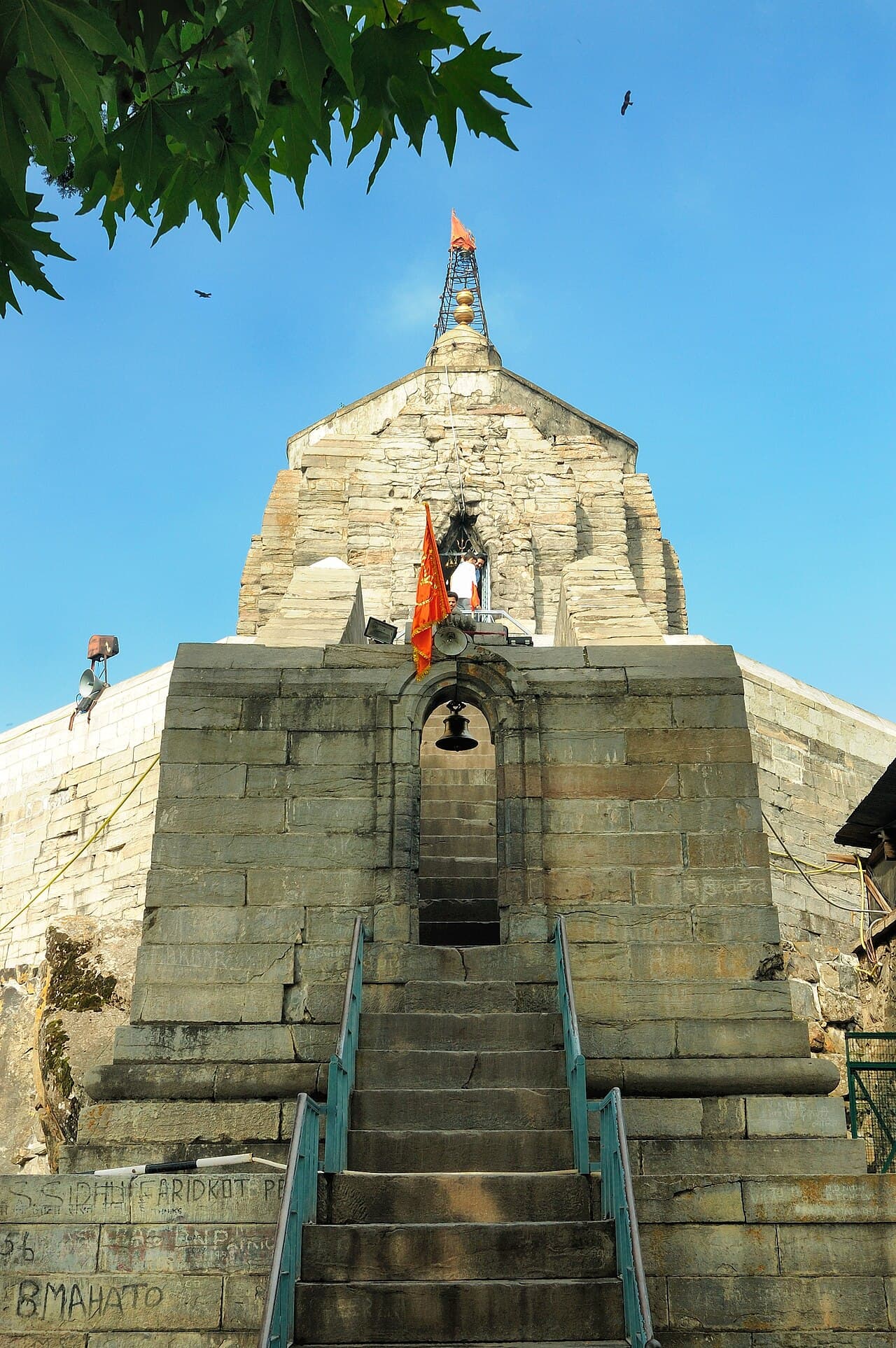
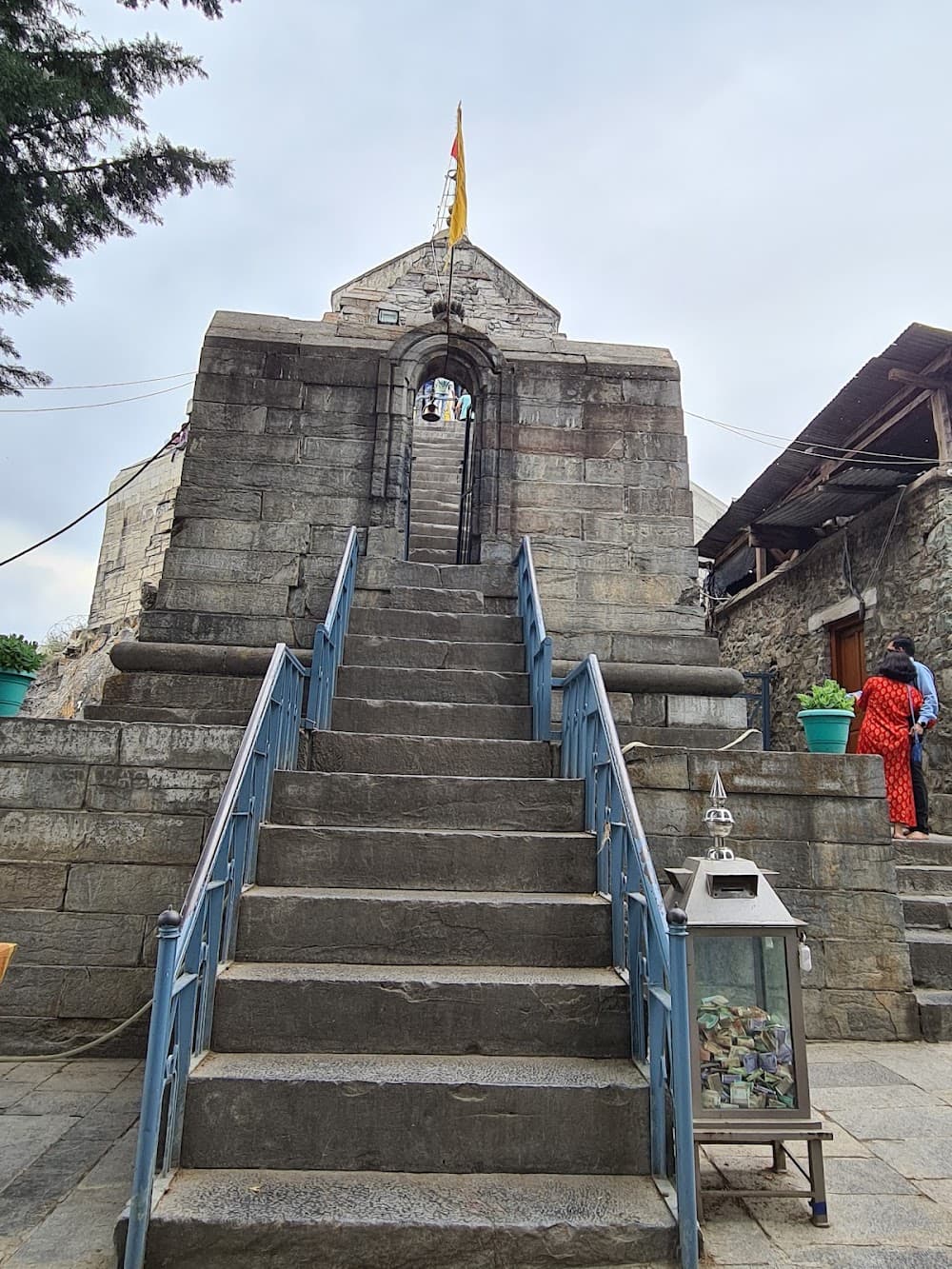
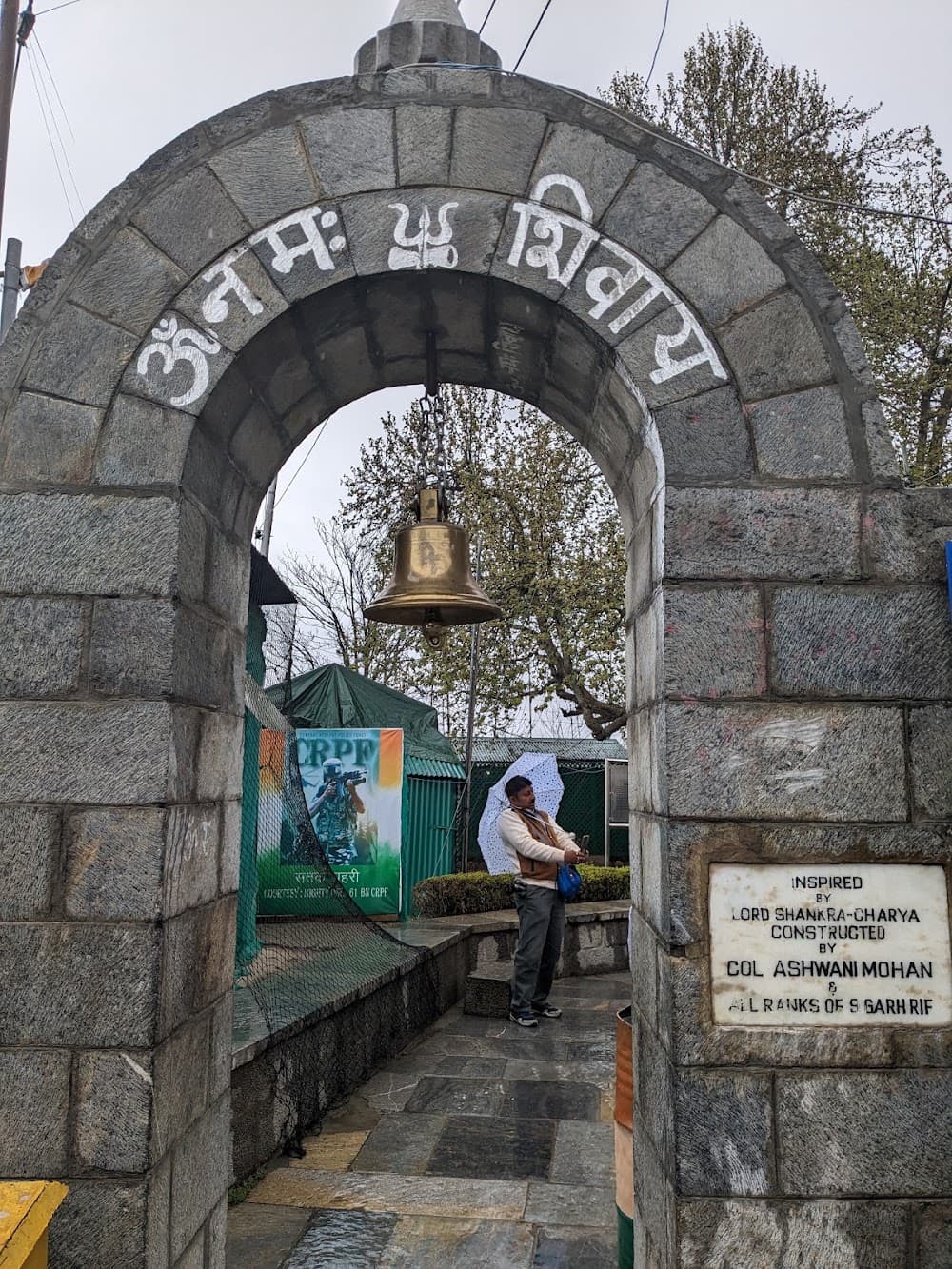
Tradition holds that the Shankaracharya Temple, situated atop the Zabarwan Range in Srinagar, is a sacred site dedicated to Lord Shiva. Local belief says that the temple's history is a testament to the enduring power of devotion, with each successive ruler leaving their mark on the structure. While the exact dates of its construction and destruction are shrouded in mystery, it is said that the temple was initially built in 200 BC by Jaluka, the son of the Mauryan Emperor Ashoka. Over the centuries, the temple has been rebuilt and restored by various rulers, each contributing to its rich cultural heritage. Today, the temple remains a revered site, attracting devotees from far and wide who come to pay homage to Lord Shiva and seek spiritual enlightenment.
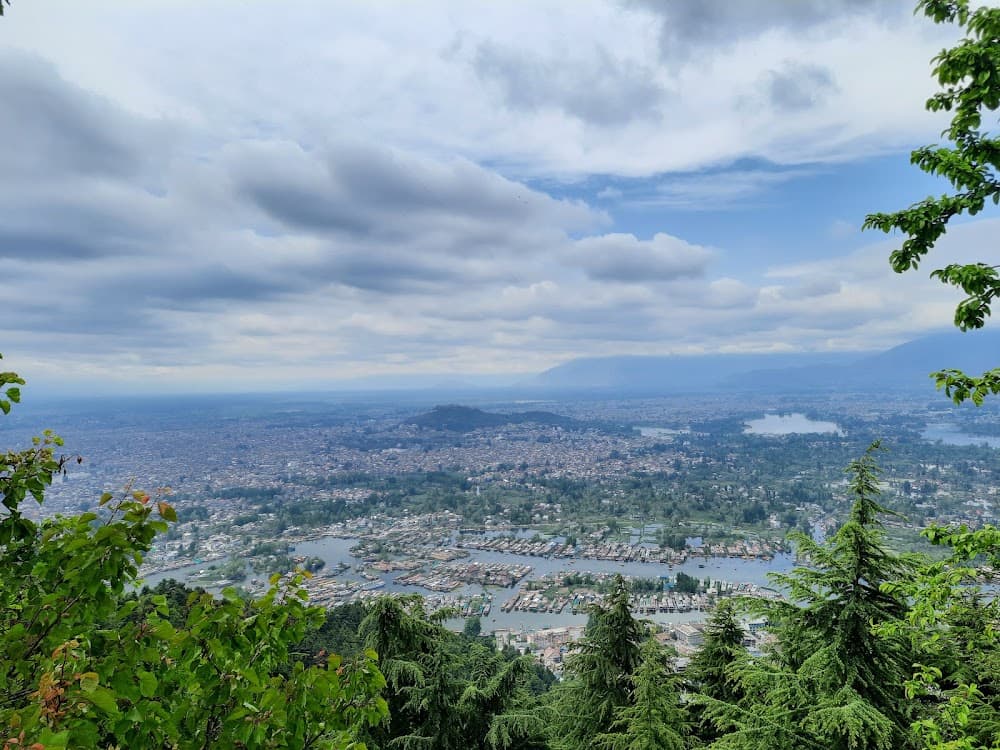
A hill temple with panoramic views over the city and Dal Lake. Incredible India dates the hill's significance to a sage's enlightenment in 750 AD; another source says the original temple was built 'as far back as 200 BC'.
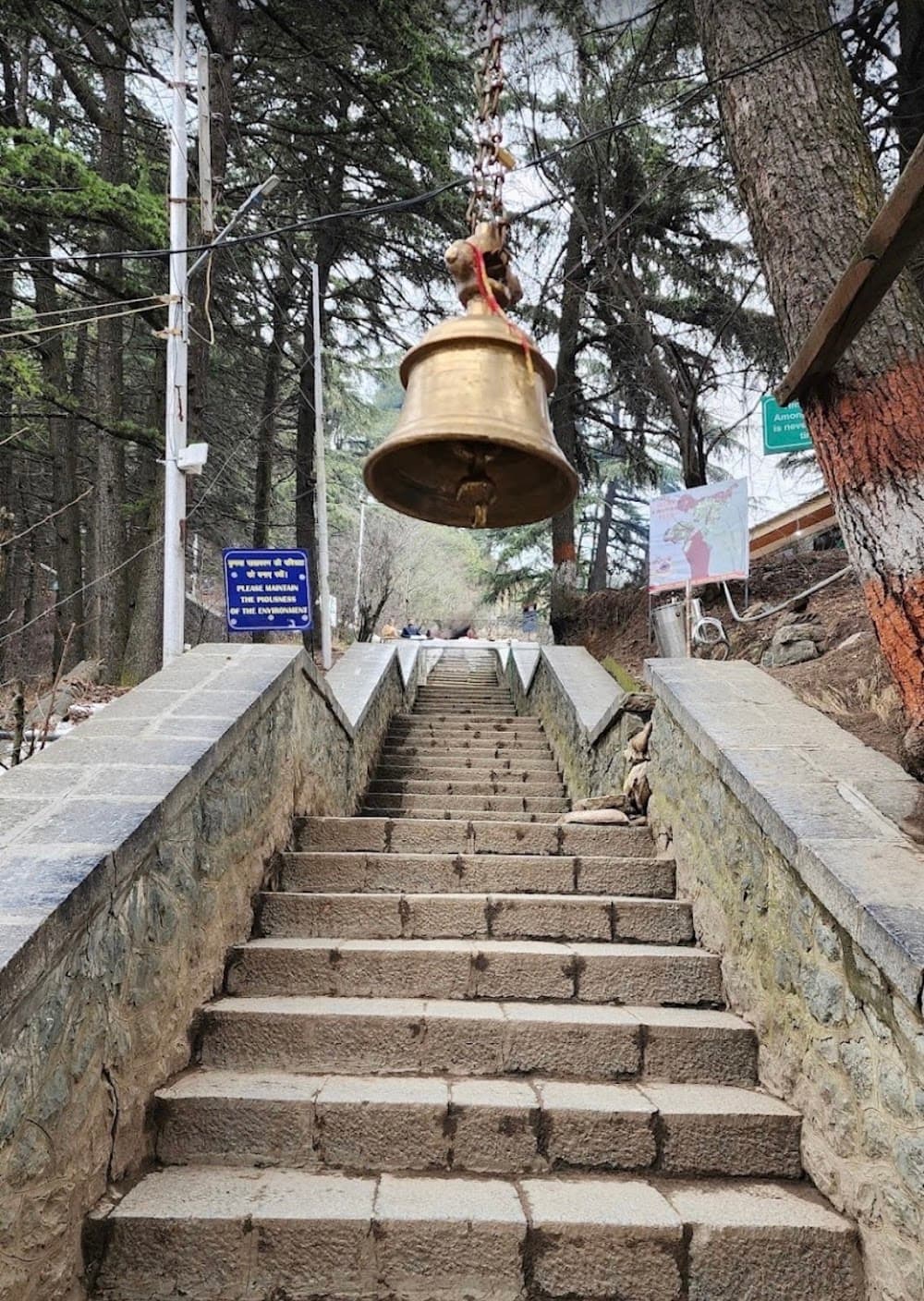
As you approach the Shankaracharya Temple, situated atop the Zabarwan Range in Srinagar, the city's majestic beauty unfolds before you. The temple's tranquil atmosphere invites contemplation, and the scenic views of the valley below provide a serene backdrop for your visit. Dress comfortably and wear layers, as the temperature can fluctuate throughout the day. Bring a camera to capture the stunning vistas and a sense of reverence to pay respects to Lord Shiva. The temple is typically reached via a road that emerges off Boulevard road near Gagribal. Confirm the exact timings and fees for your visit locally, as they may change.
Standing at the Shankaracharya Temple, visitors typically seek solace in the serene surroundings, which commonly involve the reverberations of chanting and the gentle rustling of leaves. The temple's imposing structure, situated atop the Zabarwan Range, overlooks the city of Srinagar, casting a mystical aura over the valley below. As the sun sets, the temple's walls seem to come alive, radiating an otherworldly energy that draws devotees and pilgrims alike.