
Story
AI-drafted from public sources — may contain mistakes, especially specific dates, names, or claims. Only "Good to know" above is field-checked.
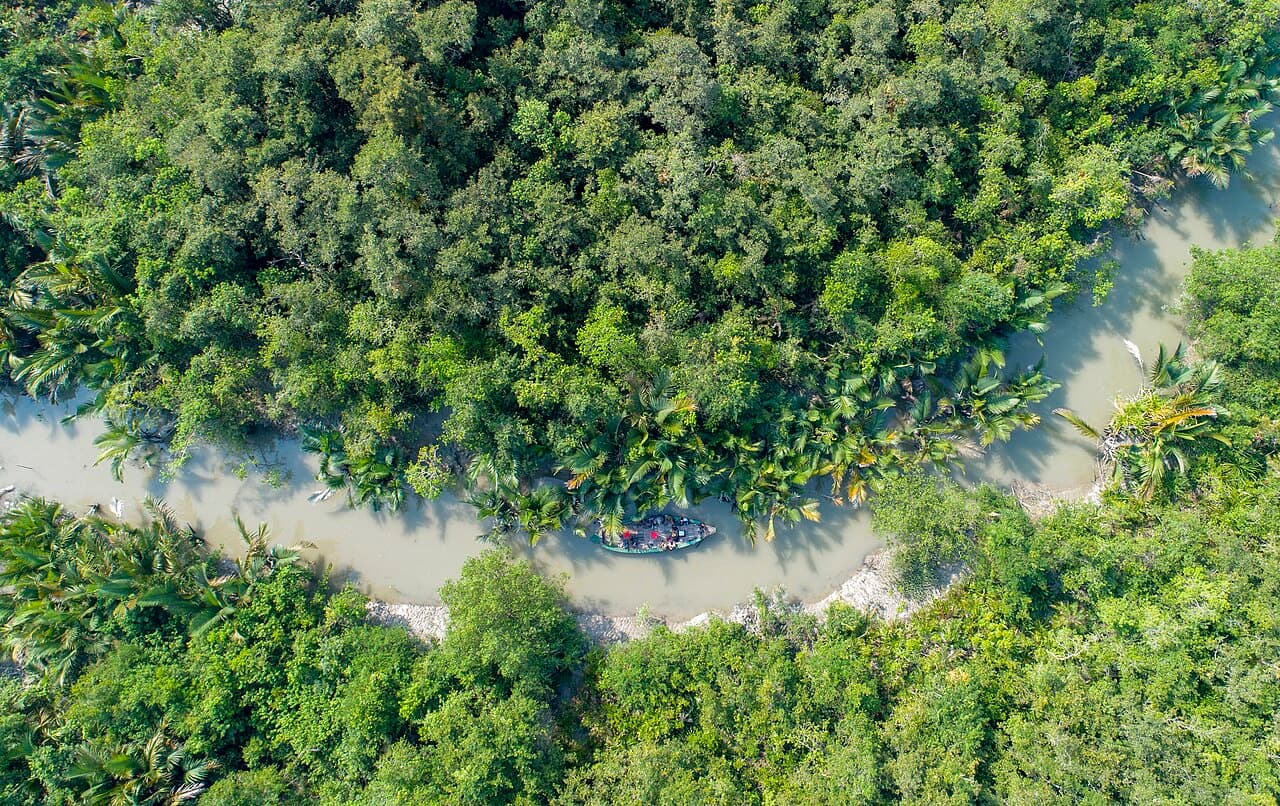
Standing at the edge of সুন্দরবন পশ্চিম বন্যপ্রাণী অভয়ারণ্য, the Western Sundarbans Wildlife Sanctuary, one is surrounded by the majestic expanse of the largest mangrove forest in the world. This protected area, nestled along the Indian-Bangladesh border, is a haven for nature lovers and wildlife enthusiasts. The sanctuary's unique terrain, shaped by the Ganges River and its tributaries, creates a labyrinth of islands, mudflats, and mangrove groves that are home to an incredible array of flora and fauna. The Sundari tree, with its distinctive beauty, is the namesake of this remarkable ecosystem, where the sounds of birds and the rustling of leaves create a symphony of natural harmony.
As you venture into the Sundarbans West Wildlife Sanctuary, be prepared to immerse yourself in the rustic charm of the mangrove forest. The best time to visit is early morning or late afternoon when the sun is gentle, and the air is filled with the sweet scent of the Sundari trees. Wear comfortable shoes and clothing that can withstand the humid climate, and don't forget to bring a hat, sunglasses, and sunscreen for protection. The sanctuary is typically reached by boat or ferry, which offers a unique perspective on the delta's intricate network of waterways and islands. Be sure to confirm the exact timings and fees for your visit locally, as they may vary depending on the season and availability.