
Story
AI-drafted from public sources — may contain mistakes, especially specific dates, names, or claims. Only "Good to know" above is field-checked.
Durga Mandir, a revered temple in Varanasi, is steeped in tradition and devotion. Local belief says that the temple is a sacred site where devotees can connect with the divine feminine, seeking blessings and protection. Tradition holds that the temple is a testament to the enduring power of the goddess Durga, who is said to have vanquished evil and restored balance to the universe. The temple's architecture, with its intricate carvings and ornate decorations, is believed to be a manifestation of the divine, a physical representation of the goddess's omnipotence. As a sacred space, Durga Mandir is a place where pilgrims can offer prayers, seek solace, and find inner peace, surrounded by the sacred Ganges River and the ancient city's spiritual aura.
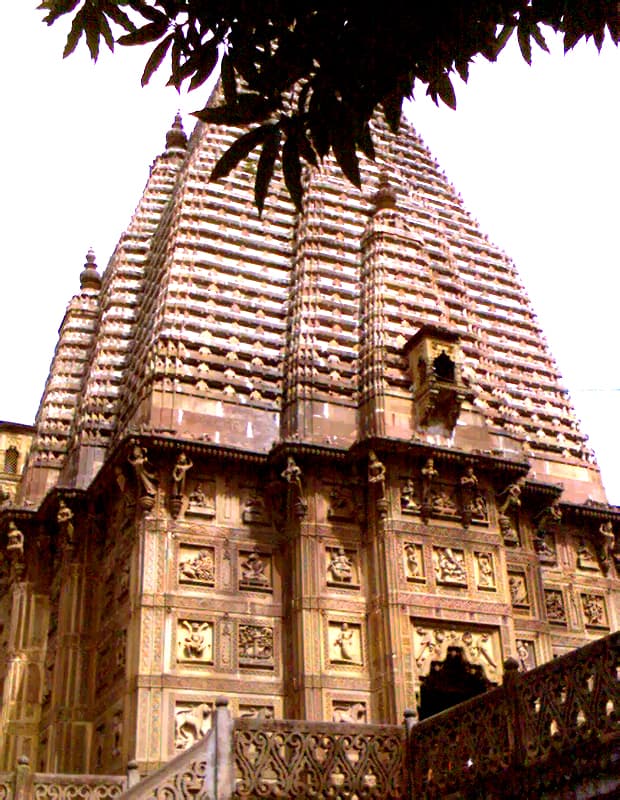
An 18th-century red-ochre temple beside its sacred tank, and one of the principal Devi shrines of the city. Navratri is its great season.
As you navigate the labyrinthine alleys of Varanasi, the majestic Durga Mandir beckons, its ornate façade a testament to the city's rich cultural heritage. To make the most of your visit, consider arriving early in the morning or late in the evening when the temple is less crowded. Dress modestly, covering your shoulders and knees, and wear comfortable shoes for the short walk from the main road. You can hire a cycle-rickshaw or take a short taxi ride to reach the temple, which is situated in the heart of the old city. Before your visit, confirm the current timings and any entry fees through the app, as these may be subject to change.
Durga Mandir, a revered temple in Varanasi, is a sacred space where devotees come to pay homage to the divine feminine. Visitors typically bring offerings of flowers, fruits, and sweets, which are lovingly placed at the feet of the deity. The air is thick with the scent of incense and the soft chanting of mantras, creating a meditative atmosphere that invites contemplation and introspection. Commonly involves the recitation of prayers and the singing of devotional songs, as worshippers seek to connect with the divine and find solace in the sacred.