
Story
AI-drafted from public sources — may contain mistakes, especially specific dates, names, or claims. Only "Good to know" above is field-checked.
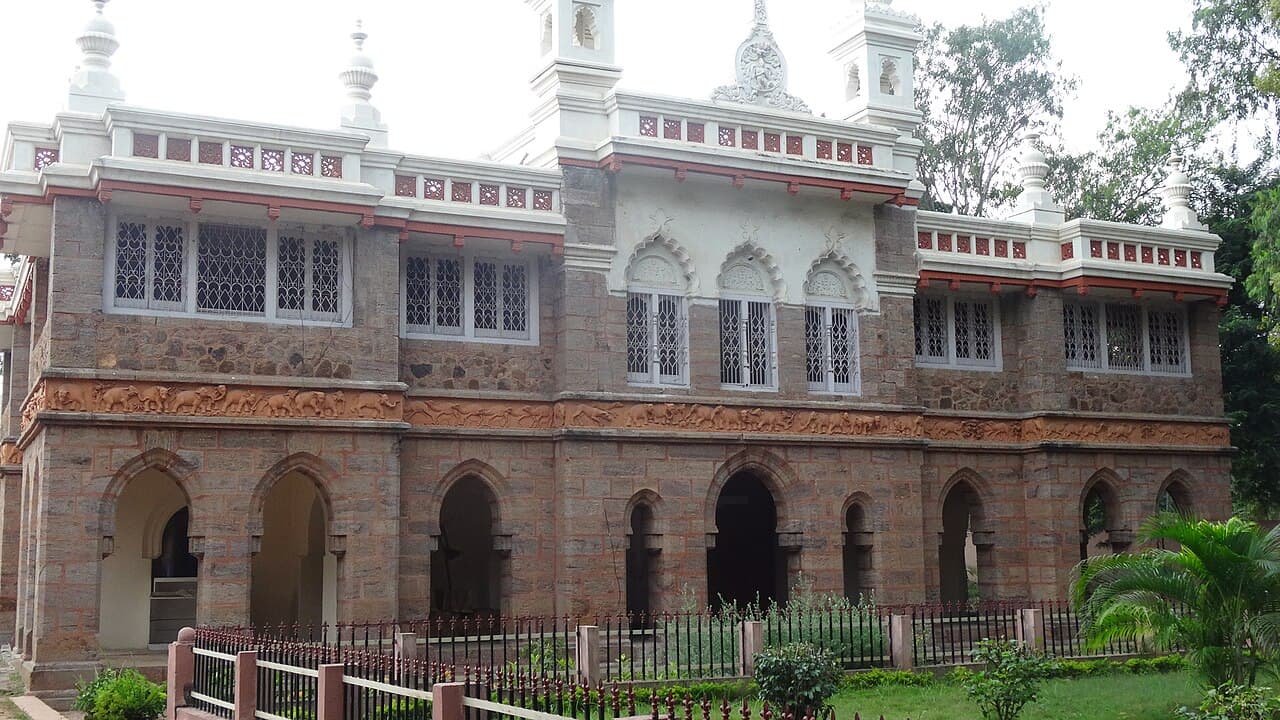
The Bapu Museum, situated in the heart of Vijayawada, is a striking example of Andhra Pradesh's cultural heritage. The museum's imposing structure is built in a style typical of the region, with a blend of colonial and traditional elements. The exterior walls are adorned with intricate carvings and ornate filigree work, showcasing the region's rich craftsmanship. The building's scale is grand, with a large central courtyard surrounded by a series of interconnected wings, each housing a different exhibit. The museum's interior is characterized by high ceilings, wide corridors, and spacious galleries, providing ample space for the display of artifacts and artworks. The overall aesthetic is a harmonious blend of modern and traditional, reflecting the region's unique cultural identity.
As one steps into the Bapu Museum in Vijayawada, tradition holds that the spirit of the city's cultural heritage awakens. Local belief says that the museum's collection of art and artifacts is a testament to the region's rich devotional history, where the sacred and the mundane converge. The museum's very existence is said to be a tribute to the city's patron deity, who is revered for bestowing blessings upon the people. According to local lore, the museum's architecture is designed to evoke the grandeur of ancient temples, where devotees would gather to pay homage to their chosen deities. As visitors wander through the galleries, they are said to be transported to a realm where art, faith, and community converge, much like the city's own storied past.
As you wander through the historic streets of Vijayawada, the imposing façade of Bapu Museum beckons, a testament to the city's rich cultural heritage. This imposing structure, once the residence of Tanguturi Prakasam, a prominent freedom fighter and India's second Deputy Prime Minister, now serves as a treasure trove of Andhra Pradesh's history, art, and architecture. The museum's collection of artifacts, manuscripts, and exhibits offers a fascinating glimpse into the region's past, from ancient civilizations to the struggles for independence. As you step inside, you'll be transported to a world of grandeur and grand narratives, with intricate stone carvings, ornate frescoes, and majestic chandeliers that whisper stories of a bygone era.
As you approach the Bapu Museum, the imposing structure's neoclassical façade and lush green surroundings set the tone for a fascinating journey through Vijayawada's rich cultural heritage. The museum's sprawling complex is best explored during the morning or late afternoon when the sun casts a warm glow on the exhibits. Dress comfortably and wear shoes suitable for walking, as you'll want to take your time to absorb the intricate details and stories on display. The museum is situated near the Krishna River, making it easily accessible by road or riverfront promenade. Confirm the current timings and fees with the museum staff or local authorities before your visit to ensure a smooth and enjoyable experience.