

Story
AI-drafted from public sources — may contain mistakes, especially specific dates, names, or claims. Only "Good to know" above is field-checked.
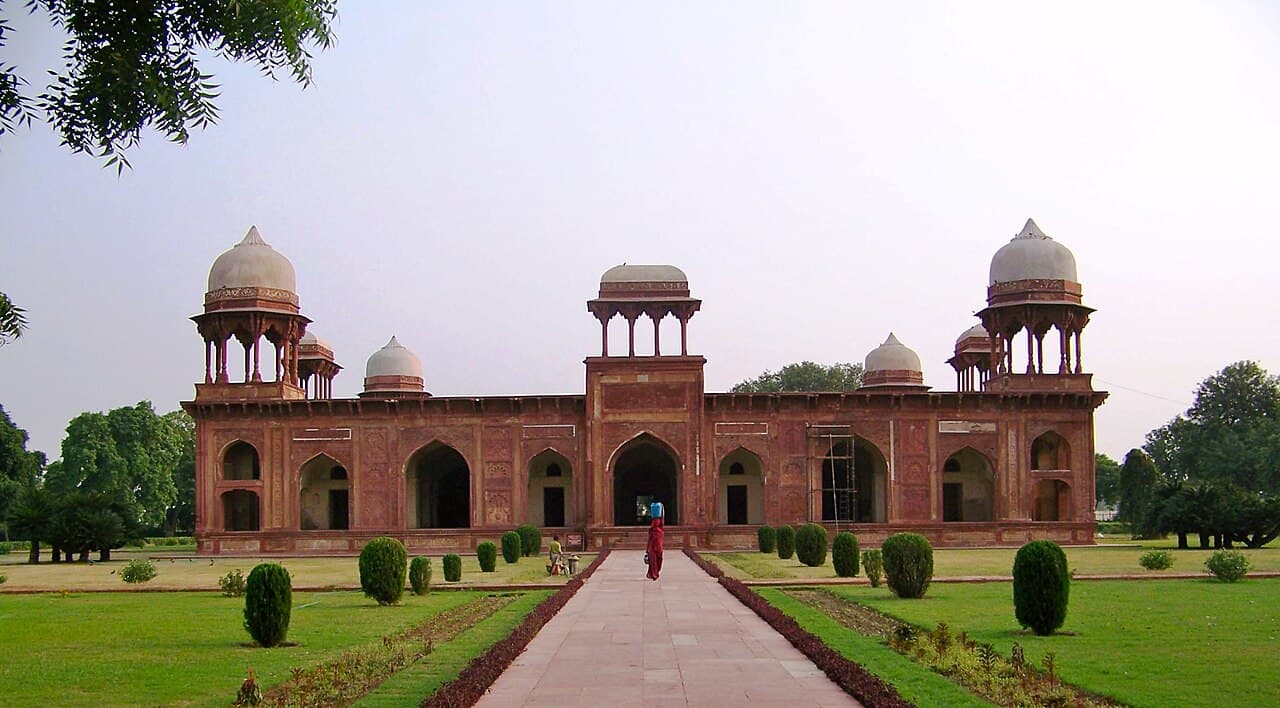
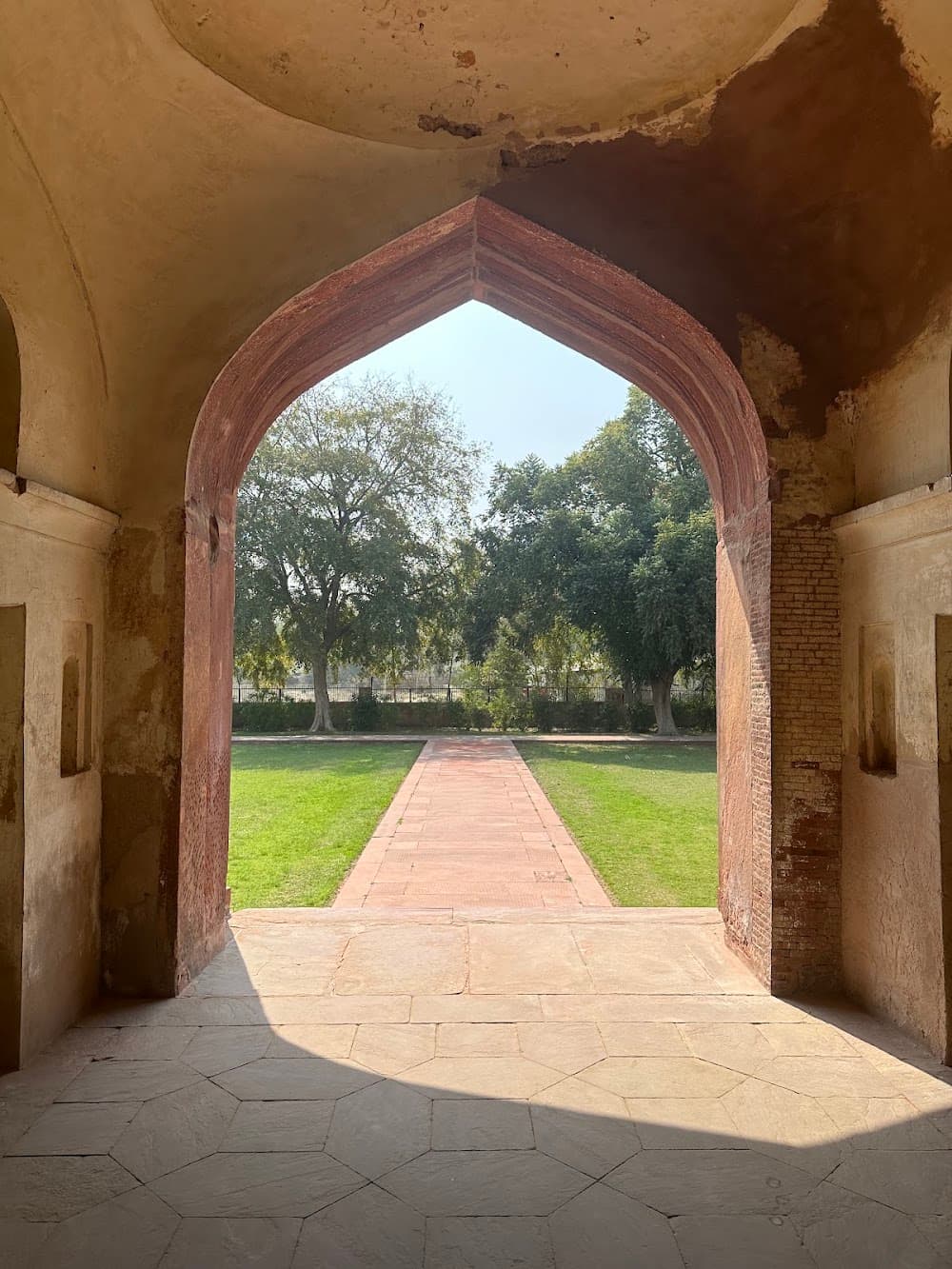
Mariam's Tomb, a serene monument in Agra, is built in a style typical of Mughal architecture. Its structure is characterized by a blend of Indian and Persian influences, with intricate marble work and ornate carvings. The tomb's layout is symmetrical, with a central dome surrounded by four smaller domes, creating a sense of harmony and balance. The exterior walls are adorned with intricate inlays of white and black marble, adding to the monument's grandeur. The scale of the tomb is modest, yet its beauty and historical significance make it a significant landmark in Agra's Sikandra suburb.
Tradition holds that Mariam's Tomb, nestled in Agra's Sikandra suburb, is a poignant tribute to the beloved wife of the Mughal Emperor Akbar. Local belief says that Mariam-uz-Zamani, affectionately known as Jodha Bai, was a cherished companion to the emperor, and her son Jahangir built this mausoleum in her memory, a testament to their enduring bond. As the only wife of Akbar to be buried alongside him, Mariam's Tomb is said to be a sacred site, where devotees come to pay their respects to the emperor's favored consort.
The tomb of Akbar's wife, near Sikandra.
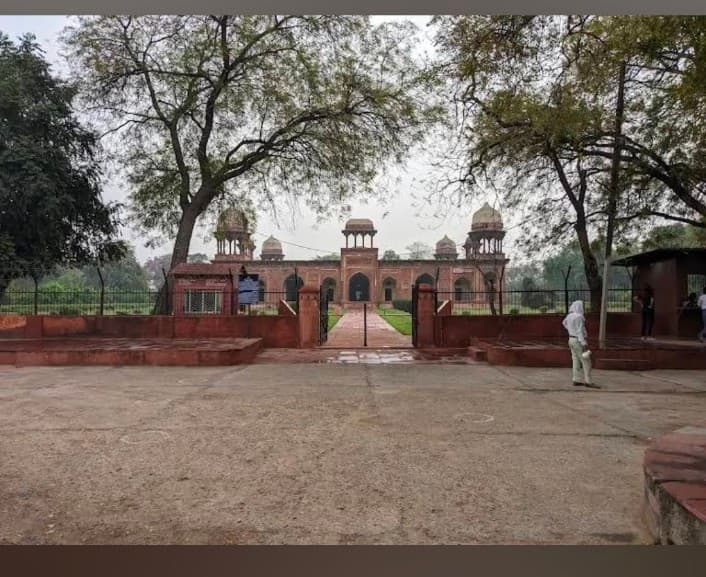
As you approach Mariam's Tomb in Agra, the serene atmosphere and intricate architecture will transport you to a bygone era. The best time to visit is early morning or late afternoon when the sun casts a golden glow on the mausoleum. Dress comfortably and wear comfortable shoes, as you'll want to take your time to admire the intricate carvings and inlays. Don't forget to bring a hat and sunglasses to protect yourself from the sun. To get to Mariam's Tomb, follow the signs from Akbar's Tomb in Sikandra suburb. Confirm the current timings and entry fees for Mariam's Tomb in your app rather than relying on outdated information.