
Story
AI-drafted from public sources — may contain mistakes, especially specific dates, names, or claims. Only "Good to know" above is field-checked.
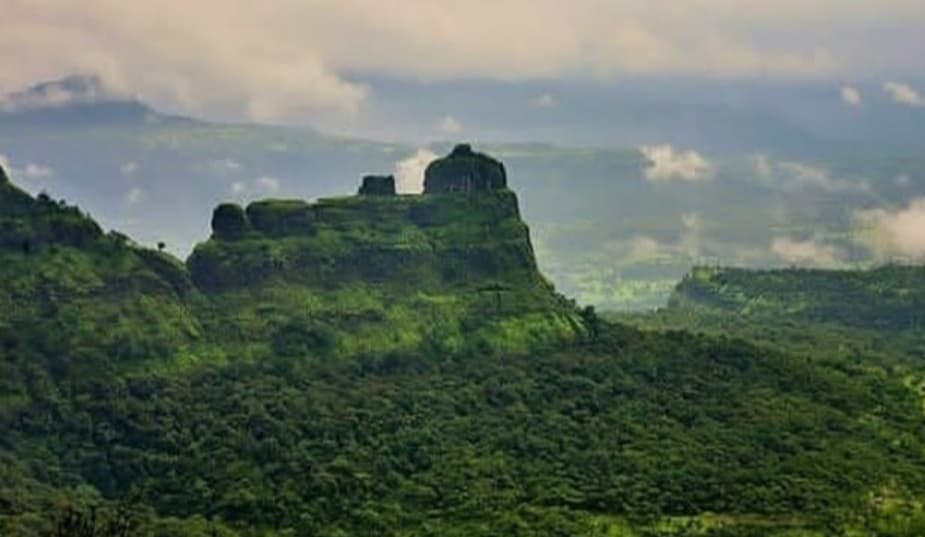
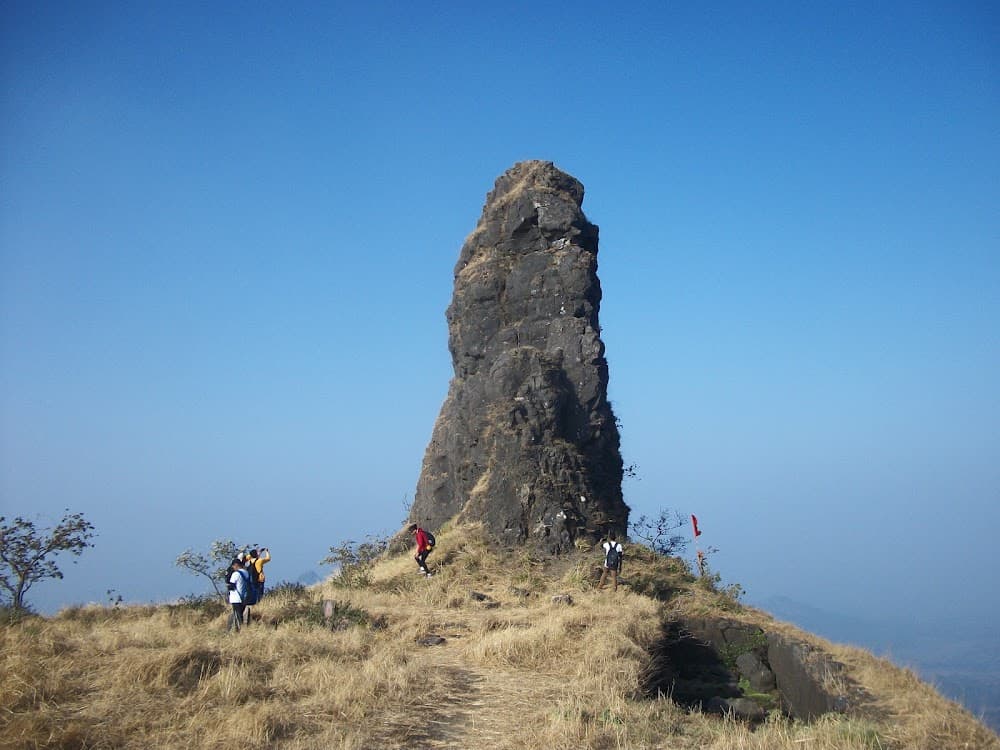
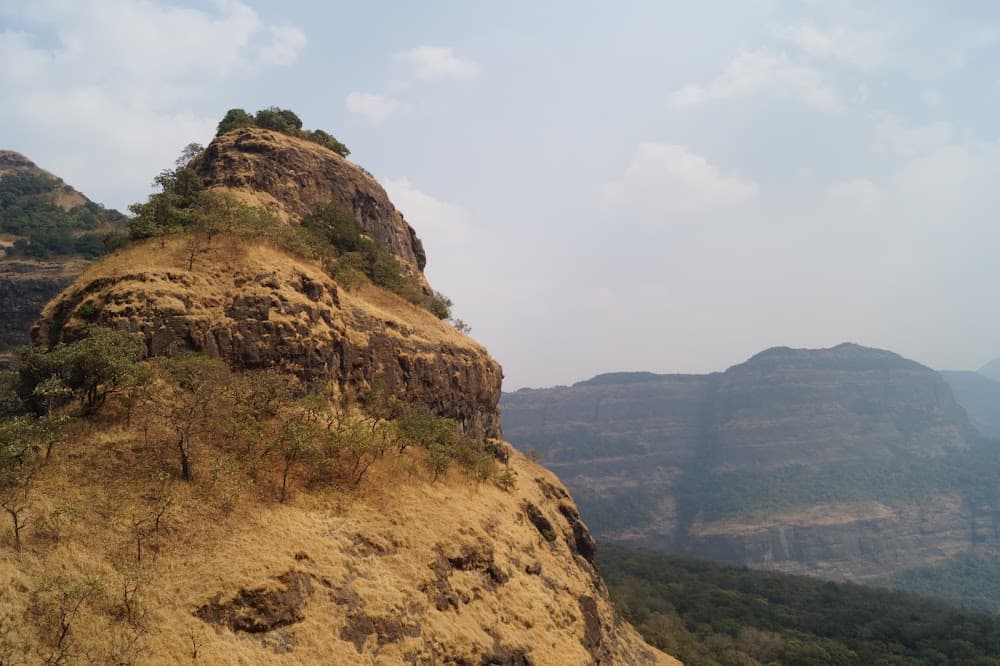
Perched on a hillside, Padargad Fort presents a rugged silhouette, its weathered stone walls blending seamlessly into the surrounding landscape. The fort's architecture is characteristic of the region, with a focus on simplicity and functionality. The walls, constructed from local basalt and sandstone, are sturdy and imposing, with a rough-hewn texture that speaks to the labor-intensive process of their creation. The fort's layout is compact, with a central courtyard surrounded by a series of interconnected structures, including bastions and watchtowers. Ornamentation is minimal, with only the occasional carved stone or intricately designed wooden door offering a glimpse into the craftsmanship of the fort's original builders.
Padargad Fort, situated in the midst of the Bhimashankar range, is steeped in local tradition and mythological significance. According to local belief, the fort holds a special place in the hearts of devotees, who come to pay homage to the revered Lord Shiva. Tradition holds that the fort was once a sacred site, where devotees would gather to perform rituals and offer prayers to the almighty. The fort's imposing structure, with its intricate carvings and ancient architecture, is said to be a testament to the region's rich cultural heritage. Local legend has it that the fort was once a stronghold of the ancient Maratha rulers, who revered Lord Shiva as their patron deity. While the exact history of the fort remains shrouded in mystery, its spiritual significance is undeniable, drawing pilgrims and nature lovers alike to its majestic presence.
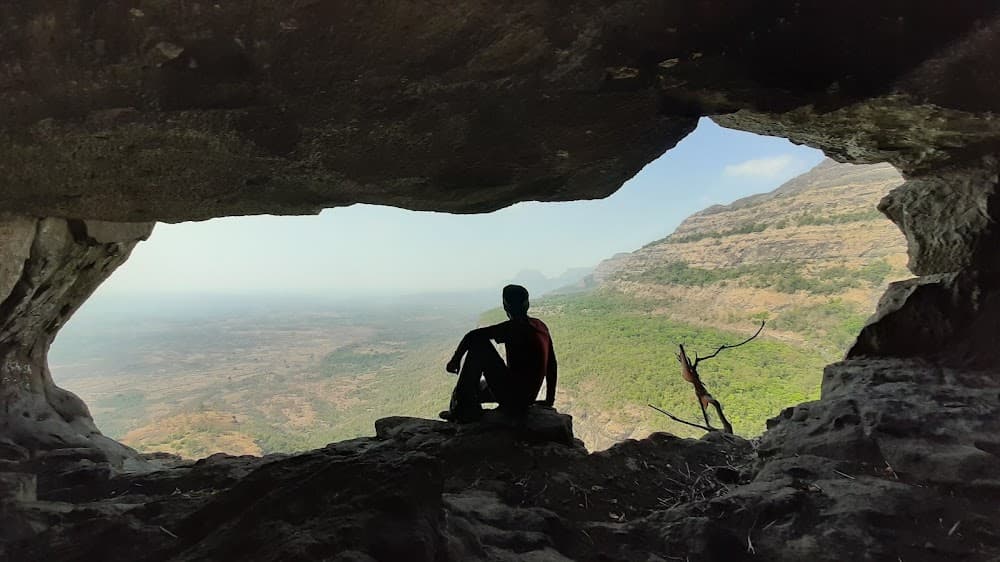
Standing atop a hill overlooking the Bhimashankar valley, the Padargad Fort is an ancient stronghold that whispers tales of a bygone era. This 17th-century fort is a testament to the region's rich history and strategic importance. As you gaze upon its crumbling walls, you'll sense the significance of this site, which has been a witness to the rise and fall of empires. The fort's rugged charm is undeniable, with its imposing structure and panoramic views of the surrounding landscape. Visitors can explore the ruins, taking in the fort's imposing presence and the stunning vistas of the valley below.
As you approach Padargad Fort, the lush green surroundings and the ancient architecture will transport you to a bygone era. The best time to visit is during the morning or late afternoon when the sun is gentle, and the atmosphere is serene. Wear comfortable shoes and clothing suitable for a hike, as you'll need to navigate the rugged terrain to reach the fort. Bring water and snacks to keep you energized throughout the day. Typically, visitors reach the fort by taking a guided trek from Bhimashankar, but you may also choose to explore the surrounding trails on your own. Be sure to confirm the current timings and fees for the trek and any necessary permits with local authorities or the starting point of the trek.