
Story
AI-drafted from public sources — may contain mistakes, especially specific dates, names, or claims. Only "Good to know" above is field-checked.
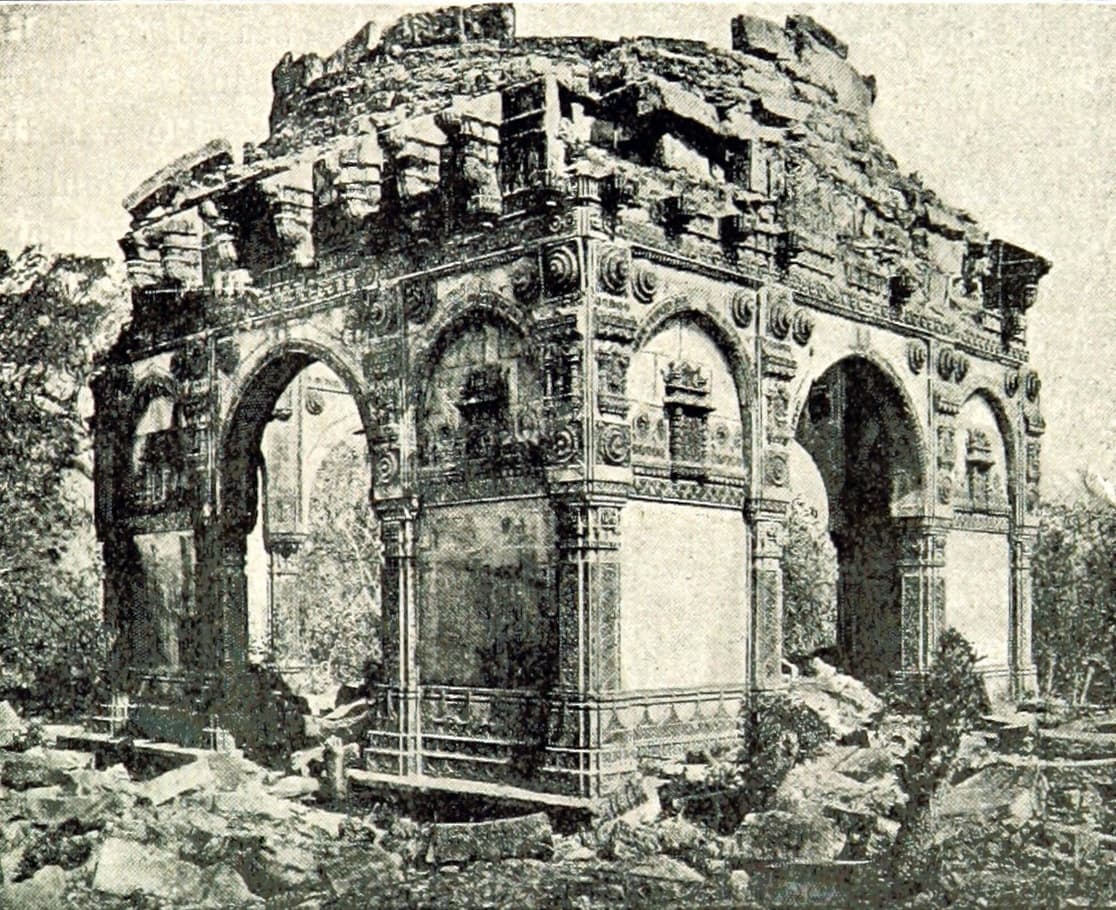
The Champaner-Pavagadh Archaeological Park sprawls across the landscape, its ancient structures a testament to the region's rich cultural heritage. The city's architecture is characterized by the use of local materials such as limestone and sandstone, with intricate carvings and ornate decorations that reflect the artistic flair of the era. The fortifications, with their imposing bastions, are a striking feature of the site, while the mosques, temples, and palaces showcase the blend of Hindu and Islamic influences that define the region's architectural style. The park's layout is a masterclass in urban planning, with narrow streets and courtyards that evoke a sense of intimacy and community.
Local belief says that the ancient city of Champaner, nestled within the Champaner-Pavagadh Archaeological Park, holds a special significance in the devotional practices of the region. Tradition holds that the site is a sacred convergence of earthly and spiritual realms, where the faithful can connect with the divine. The park's numerous monuments, including mosques, temples, and tombs, are said to embody the spiritual essence of the land, drawing pilgrims and seekers of truth from far and wide.
As you stand at the edge of the Champaner-Pavagadh Archaeological Park, the ancient city's crumbling walls and towers rise before you, a testament to the rich cultural heritage of Gujarat. Founded in the eighth century by Vanraj Chavda, Champaner was once the capital of the Chavda Dynasty, and its historic significance is palpable in the air. Wander through the park's many monuments, and you'll discover a treasure trove of archaeological, historical, and living cultural heritage – from Chalcolithic sites to the remains of a 16th-century capital. The park's unique blend of Hindu and Islamic architectural styles is a visual feast, with palaces, mosques, temples, and tombs dating back to the eighth to 14th centuries. As you explore this UNESCO World Heritage Site, you'll be struck by the sheer scale and beauty of this ancient city, a true gem of Indian heritage.
As you wander through the Champaner-Pavagadh Archaeological Park, the sun casts a warm glow on the ancient structures, bringing to life the rich history that surrounds you. It's best to visit during the cooler hours of the day, when the misty morning air or the gentle evening breeze can enhance your experience. Wear comfortable shoes and clothes suitable for the outdoors, and don't forget to bring a hat, sunglasses, and sunscreen to protect yourself from the sun. The park is typically reached by car or bus, with designated parking areas and entrance points. As you explore the site, take your time to absorb the intricate carvings, ornate arches, and majestic mosques, and don't hesitate to ask the local guides or park staff for insight into the significance of each monument. Be sure to confirm the current timings and fees for your visit with the park authorities or local tourism boards, as these may be subject to change.