
Story
AI-drafted from public sources — may contain mistakes, especially specific dates, names, or claims. Only "Good to know" above is field-checked.
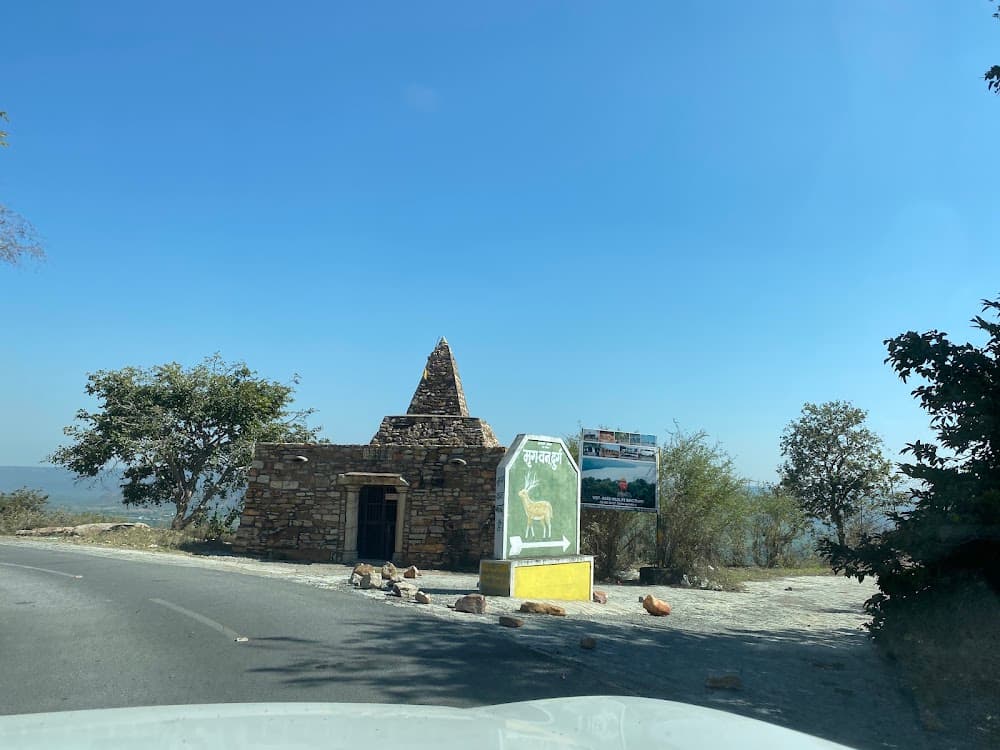
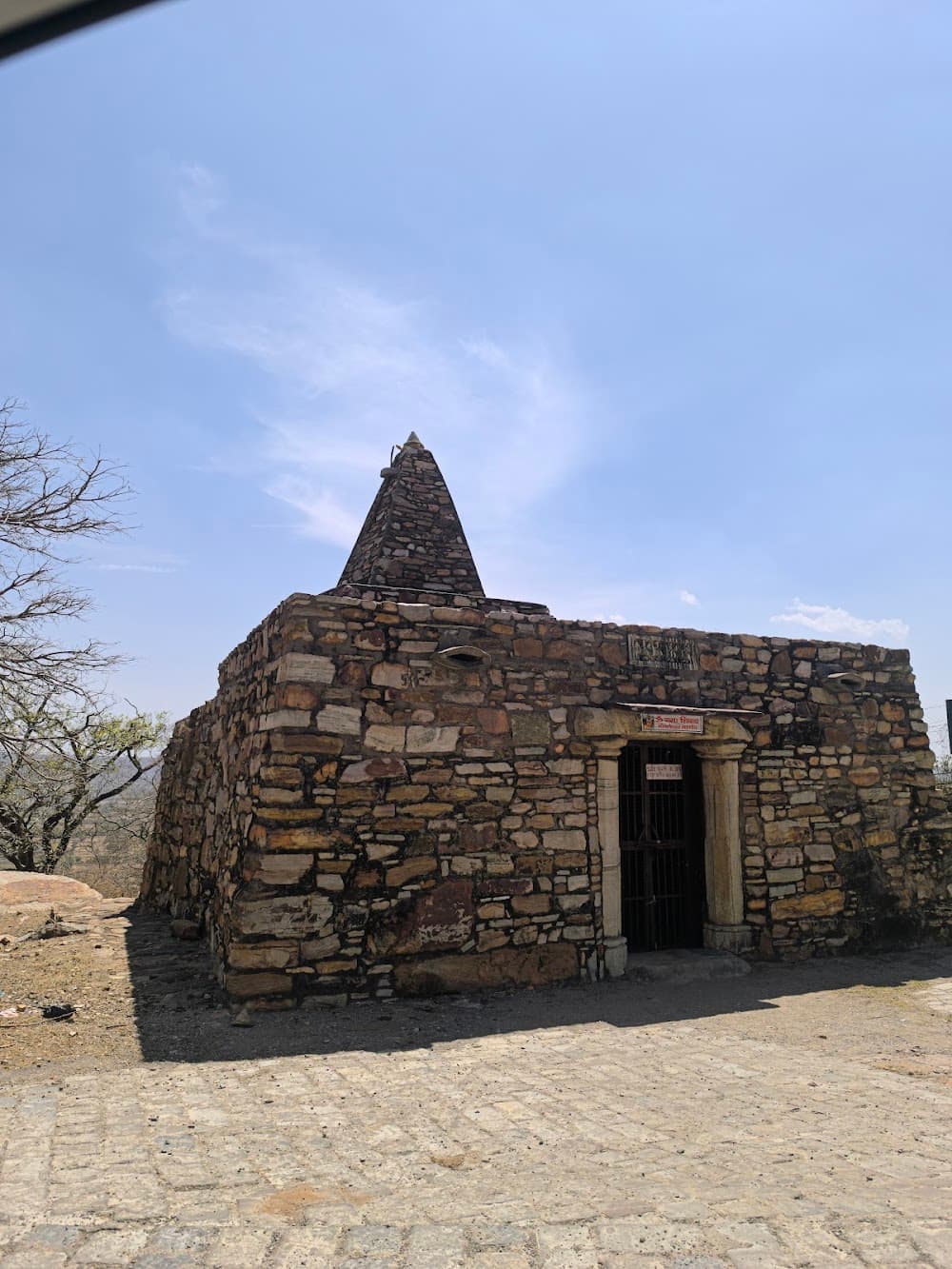
Raj Tilla's ruin stands as a testament to the region's architectural style, built in a manner typical of Rajasthan's historic structures. The layout appears to be a blend of rubble and dressed stone, with a mix of rectangular and curved elements. Ornamentation, where intact, suggests a style reminiscent of the region's medieval buildings, with intricate carvings and motifs. The scale of the ruin is modest, yet its proximity to the imposing Chittor Fort and other historic sites in the area underscores its place within a larger architectural landscape. The materials and design elements evident in Raj Tilla's remains are consistent with the regional building traditions, reflecting a blend of functional and aesthetic considerations.
Local belief says that Raj Tilla, a ruin in Chittorgarh, holds a certain devotional significance, though the specifics of its mythology are not well-documented. Tradition holds that such sites, nestled within the historic landscape of Rajasthan, are often imbued with a deep spiritual importance, drawing visitors who seek to connect with the region's rich cultural heritage. While the exact stories and legends associated with Raj Tilla may be unclear, it is situated near other notable sites, such as the Kalika Mata Temple and Chittor Fort, which are said to be steeped in history and mythological significance. As such, Raj Tilla is likely considered a place of quiet contemplation and reverence, its ruins a testament to the enduring power of faith and tradition in this part of India.
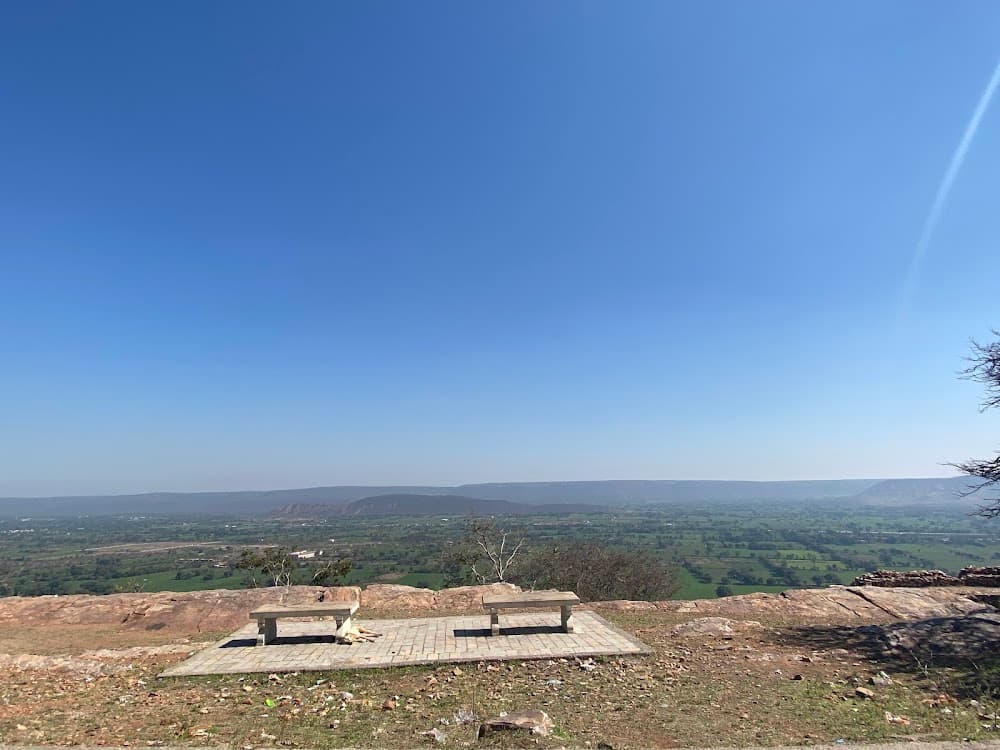
Raj Tilla stands as a ruin in the historic city of Chittorgarh, its weathered presence a testament to the region's complex past. For travellers drawn to the area's rich heritage, Raj Tilla offers a glimpse into a bygone era, its proximity to other notable sites such as the imposing Chittor Fort and the ancient Kalika Mata Temple making it a worthwhile stop. The ruin's setting, near other remnants of history like Rang Rasaiya Ki Chatri, suggests a once-thriving area now frozen in time, inviting exploration and contemplation of the stories its stones might tell. Visitors can explore the surrounding area, taking in the fort, temples, and other relics that dot the landscape, to gain a deeper understanding of Raj Tilla's place within the broader tapestry of Chittorgarh's history.
To visit Raj Tilla, it's a good idea to plan your day according to the weather, aiming for cooler parts of the day. Wear comfortable clothing and sturdy shoes, as you'll likely be exploring ruins and possibly uneven terrain. Bring necessary items like water and sun protection. Typically, visitors reach Raj Tilla on foot or by local transport, as it is situated near other notable sites like Chittor Fort and the Kalika Mata Temple. Before heading out, check locally for the most current information on timings and fees to ensure a smooth visit.