
Story
AI-drafted from public sources — may contain mistakes, especially specific dates, names, or claims. Only "Good to know" above is field-checked.
Local belief says that the Japanese Temple in Darjeeling, a serene sanctuary nestled on the hill of Jalapahar, holds a special significance in the region's devotional landscape. Tradition holds that the temple's tranquil atmosphere, reminiscent of classic Japanese architecture, serves as a spiritual refuge for those seeking inner peace. As visitors wander through the temple's resplendent white halls, they are said to be enveloped by a sense of calm, allowing them to connect with their own inner selves. The temple's cultural exchange programs, featuring traditional Japanese prayer rituals and meditation sessions, are said to foster a deeper understanding of the region's rich cultural heritage.
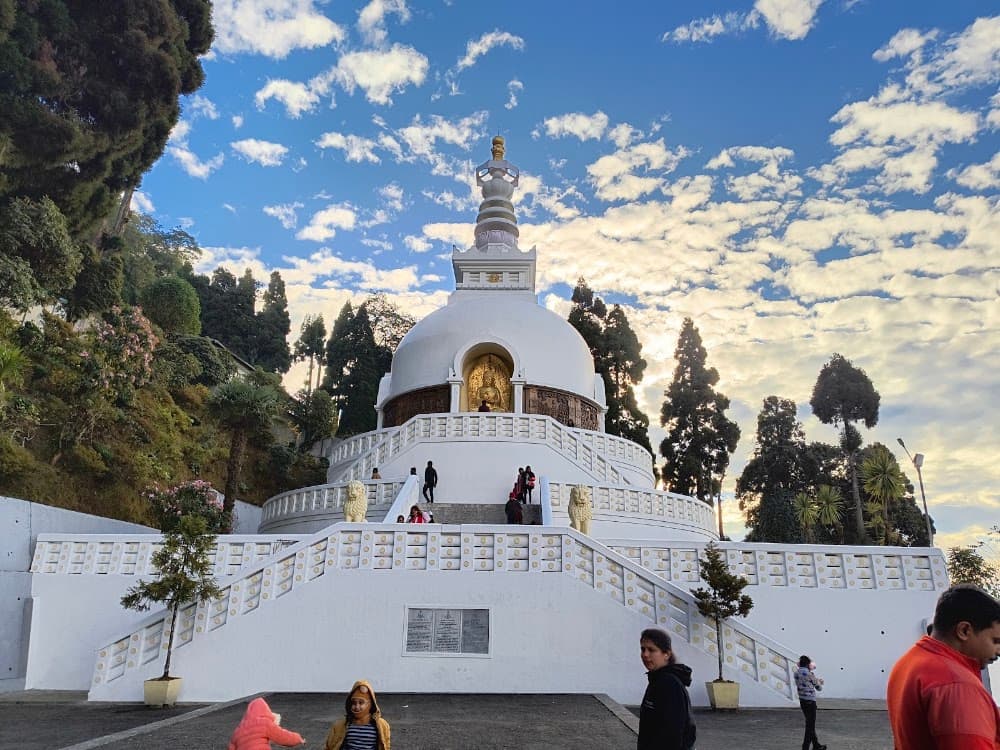
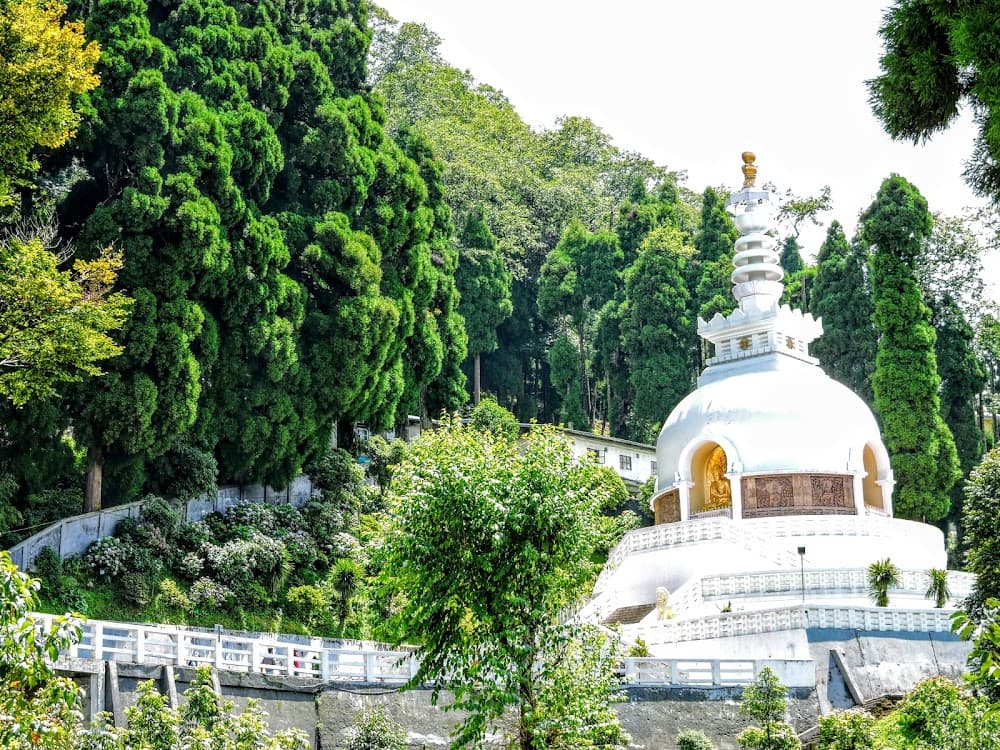
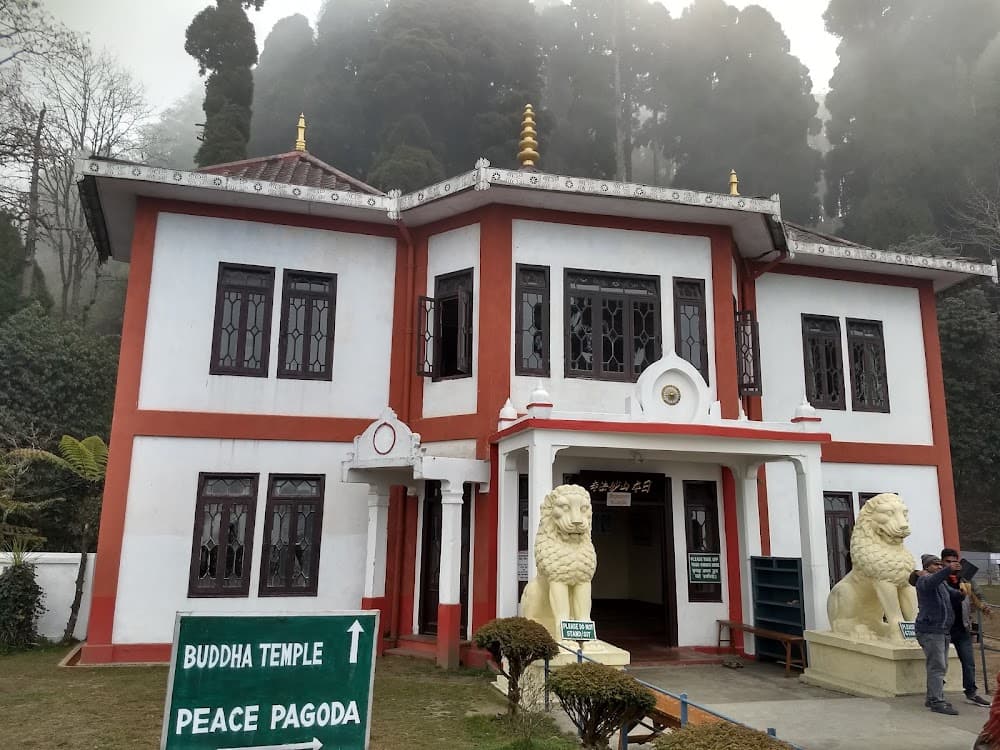
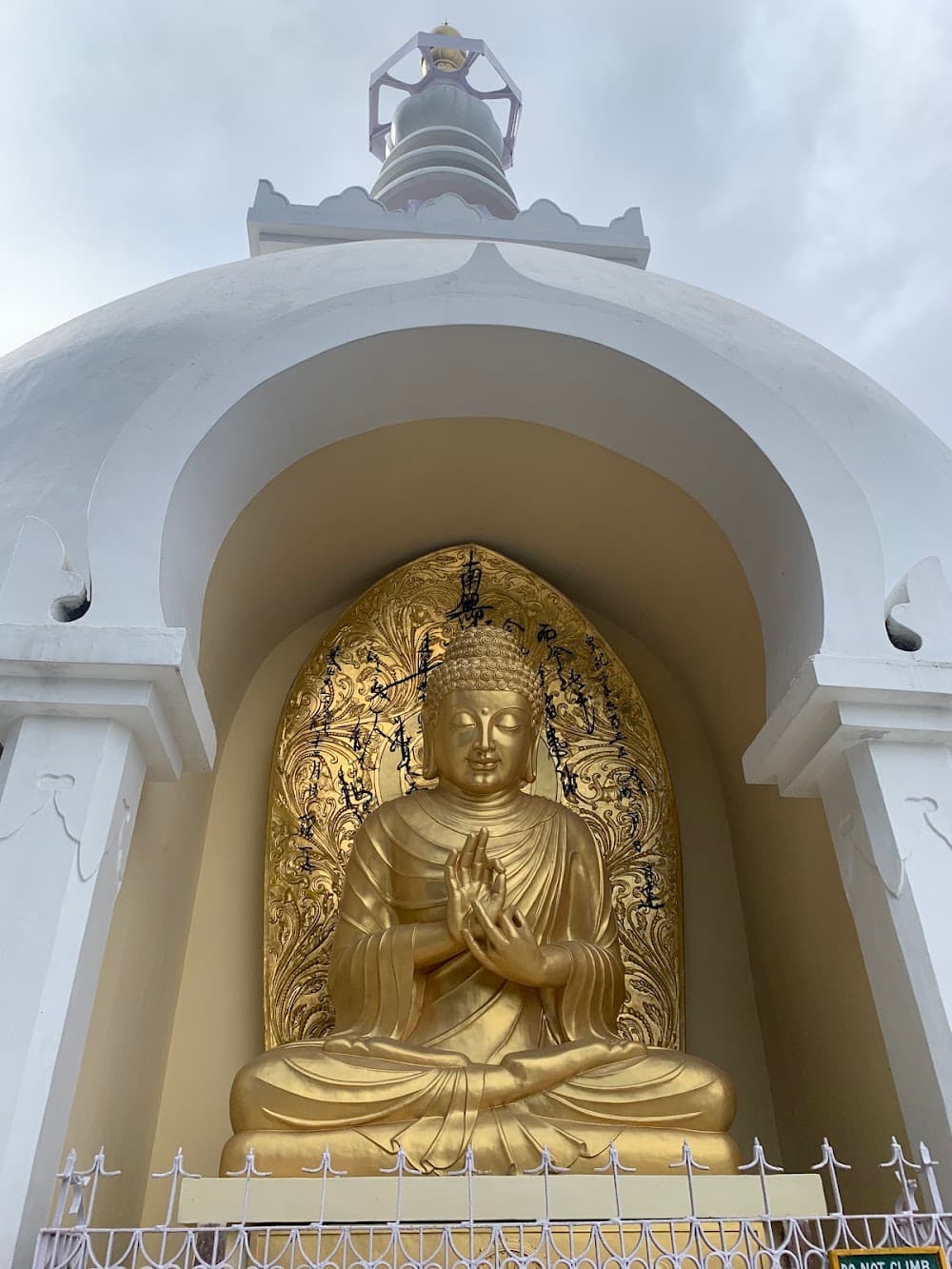
Perched on the hill of Jalapahar, the Japanese Temple in Darjeeling presents a serene and tranquil oasis amidst the bustling town. This resplendent white structure, built in 1972, is a masterpiece of classic Japanese architecture, offering a peaceful sanctum for meditation and contemplation. As you approach the temple, you're enveloped by its understated beauty, with intricately designed wooden doors and a tranquil courtyard that invites quiet reflection. The temple's unique cultural significance and serene ambiance make it a must-visit destination for those seeking a respite from the hustle and bustle of daily life.
As you approach the Japanese Temple in Darjeeling, you'll notice the serene atmosphere and the resplendent white building, showcasing classic Japanese architecture. To truly appreciate the tranquil surroundings, consider visiting during the early morning or late afternoon when the sun casts a gentle glow on the temple's facade. Wear comfortable clothing and shoes, as you'll want to take your time to absorb the peaceful ambiance. You can reach the temple by taking a short walk from the town centre or by using the local transportation services. As the temple is a place of devotion, it's essential to respect the silence and serenity of the surroundings. Confirm the exact timings and fees locally before your visit, as they may be subject to change.
As visitors approach the Japanese Temple in Darjeeling, they are enveloped by the tranquil aura of this serene sanctum. The temple's classic Japanese architecture, with its resplendent white façade, seems to whisper promises of inner peace and contemplation. Commonly, visitors typically engage in meditation and prayer rituals, seeking solace in the temple's peaceful ambiance.