
Story
AI-drafted from public sources — may contain mistakes, especially specific dates, names, or claims. Only "Good to know" above is field-checked.
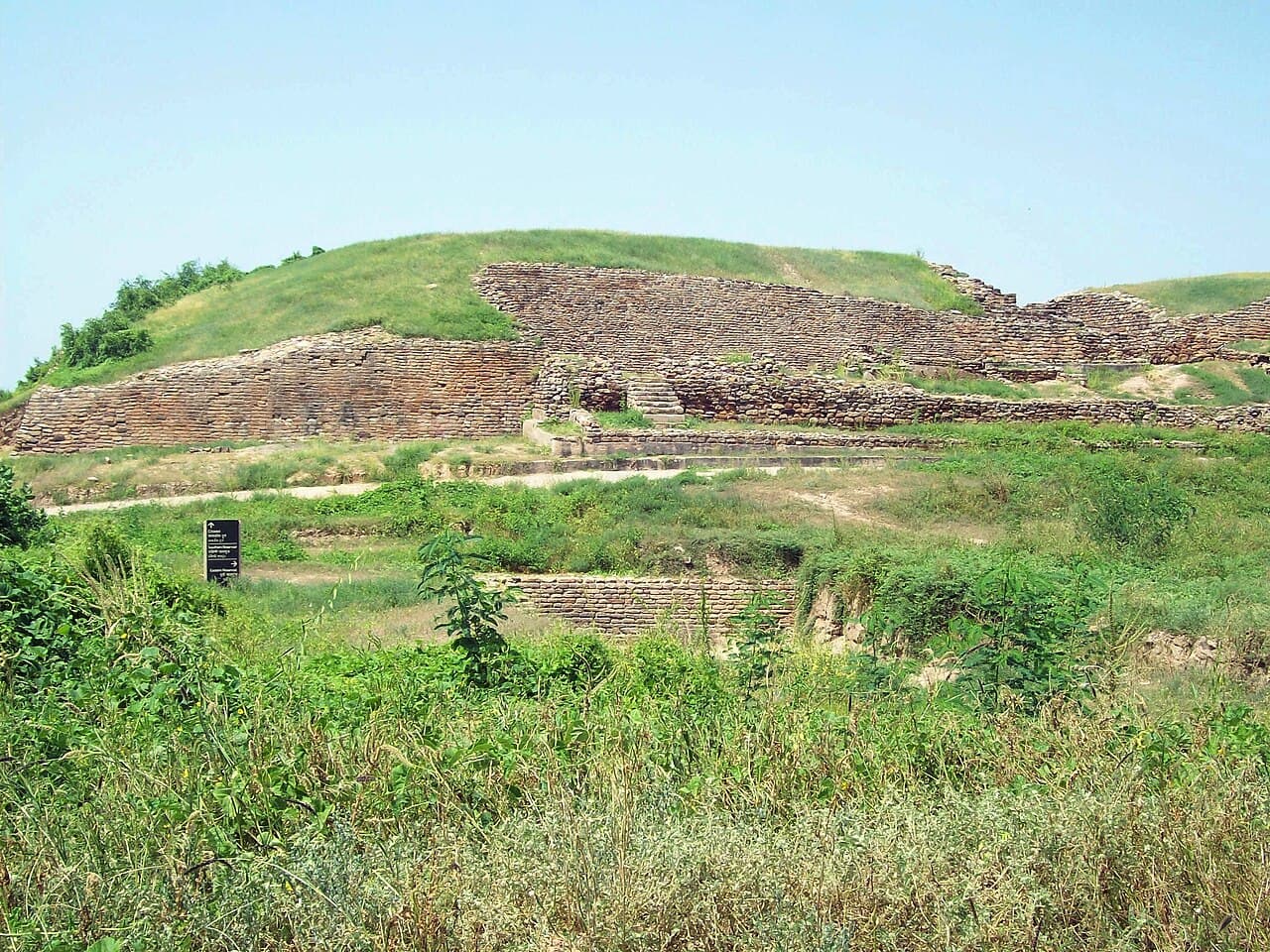
Here is the passage: The ancient city of Dholavira, built in a style typical of the Indus Valley Civilization, sprawls across the Khadirbet island in the Great Rann of Kutch. The ruins of this once-thriving metropolis are characterized by a unique layout, comprising a citadel, middle town, and lower town. The structures, crafted from local materials such as stone and mud, display a remarkable attention to detail and a deep understanding of urban planning. The intricate reservoirs and step wells, designed to harness and conserve water, are a testament to the ingenuity of the Harappan architects.
According to local tradition, Dholavira's ancient ruins hold a special significance in the devotional practices of the region. The site is said to be a sacred place where devotees come to pay homage to the ancient Harappan civilization, whose ingenuity and urban planning are revered as a testament to human achievement. The intricate water management systems, step wells, and citadel architecture are believed to embody the spiritual and material prosperity that the people of the Indus Valley Civilization sought to achieve. While specific myths and legends may not be directly associated with Dholavira, the site's unique layout and engineering feats are said to inspire awe and reverence in those who visit, fostering a sense of connection to the region's rich cultural heritage.
Standing at the edge of the Great Rann of Kutch, the ancient city of Dholavira unfolds before you like a testament to the ingenuity of the Indus Valley Civilization. This UNESCO World Heritage Site, dating back over 4,500 years, is a marvel of urban planning, water management, and engineering. The site's unique layout, comprising a citadel, middle town, and lower town, is a testament to the Harappan civilization's brilliance in sustainability. As you explore the ruins, you'll be struck by the intricate reservoirs and step wells that speak to the civilization's commitment to innovation and resilience.
As you approach Dholavira, the ancient city's imposing citadel and sprawling layout become apparent. The best time to visit is early morning or late afternoon when the sun's intensity is more bearable, allowing you to fully appreciate the site's intricate architecture and water management systems. Wear comfortable shoes and clothing suitable for the desert climate, and bring a hat, sunscreen, and a refillable water bottle to ensure a comfortable visit. Reaching Dholavira typically involves a combination of road travel and walking; confirm the exact route and any necessary permits with local authorities or your guide before your visit.