
Story
AI-drafted from public sources — may contain mistakes, especially specific dates, names, or claims. Only "Good to know" above is field-checked.
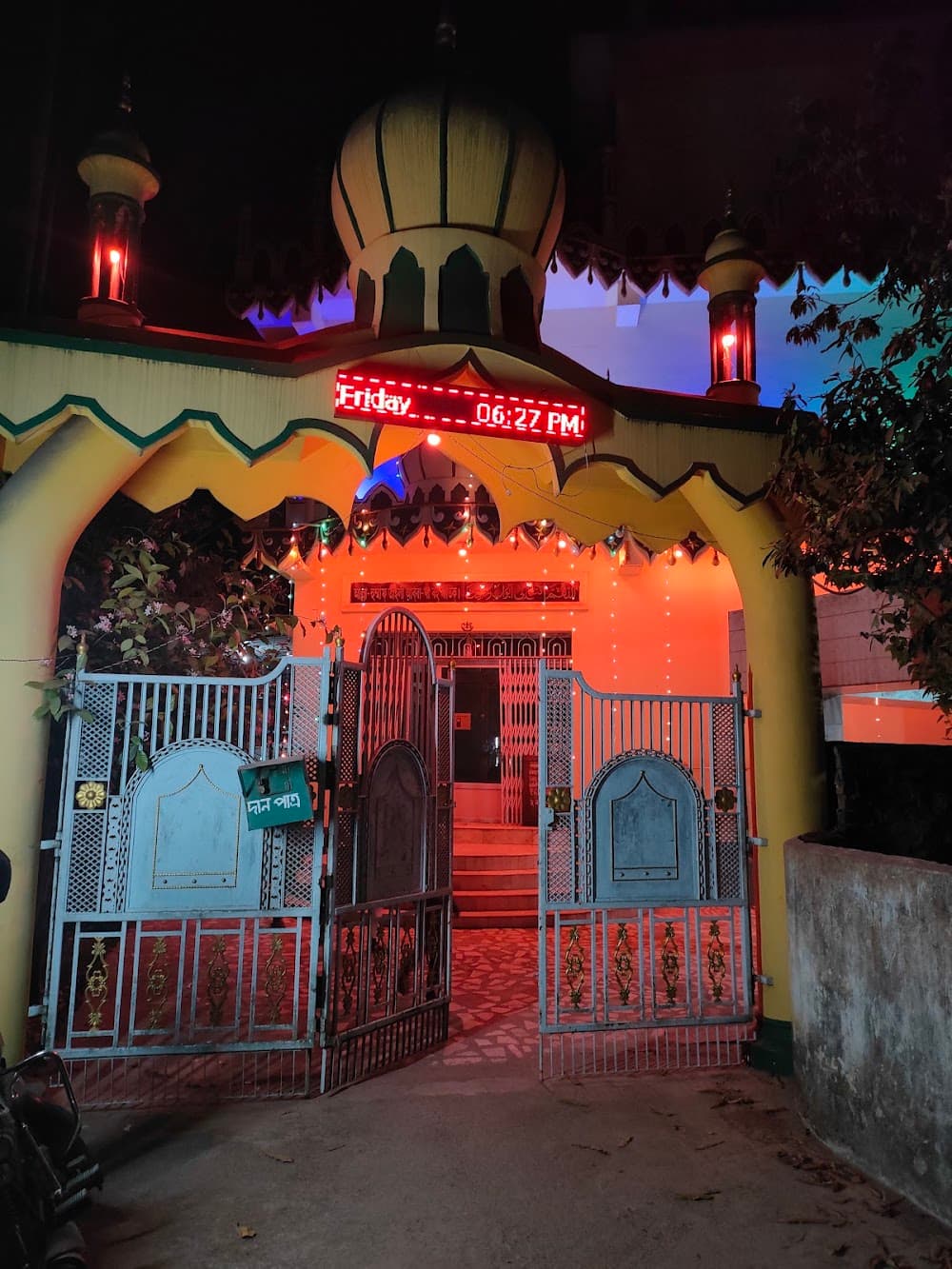
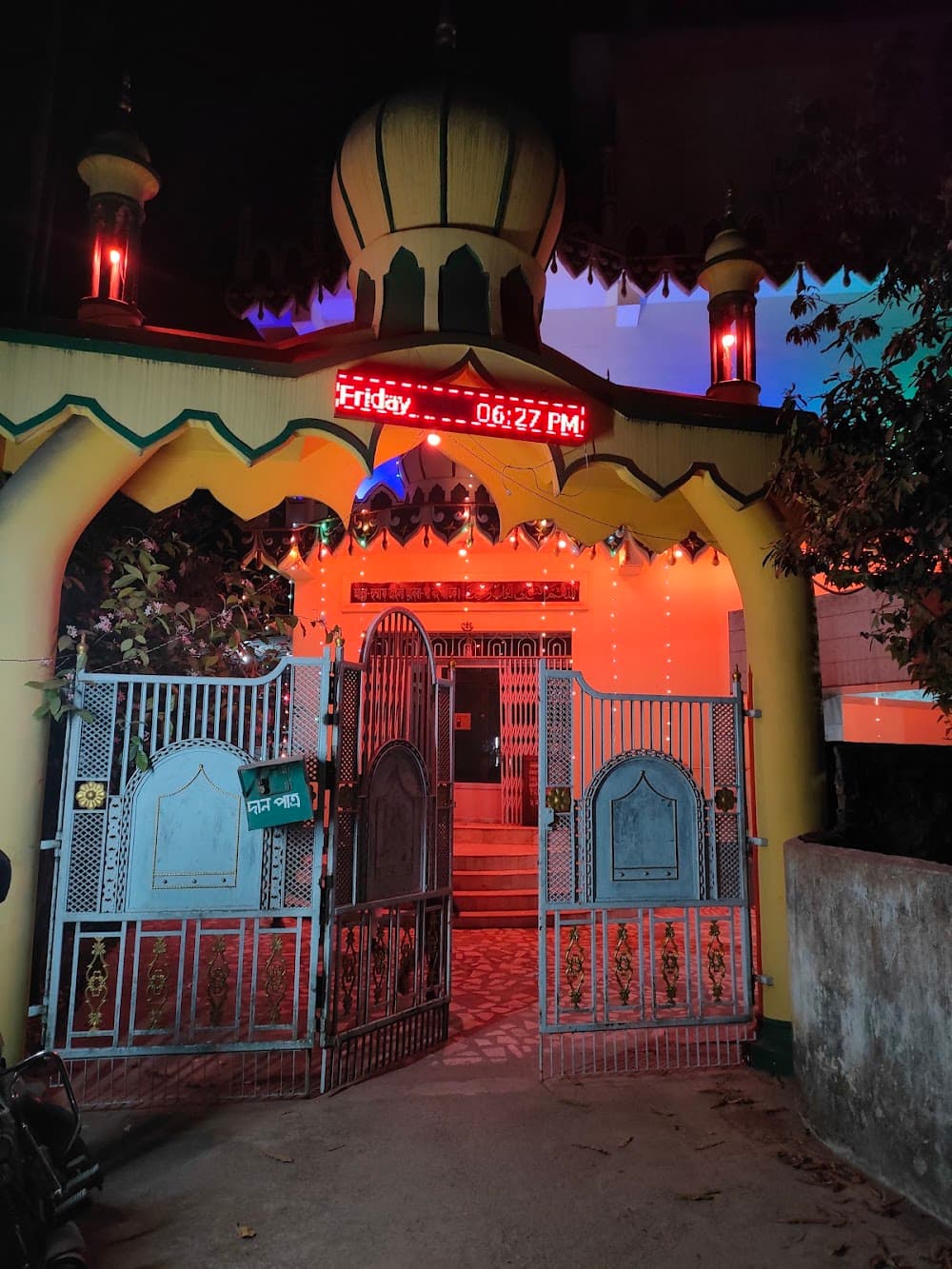
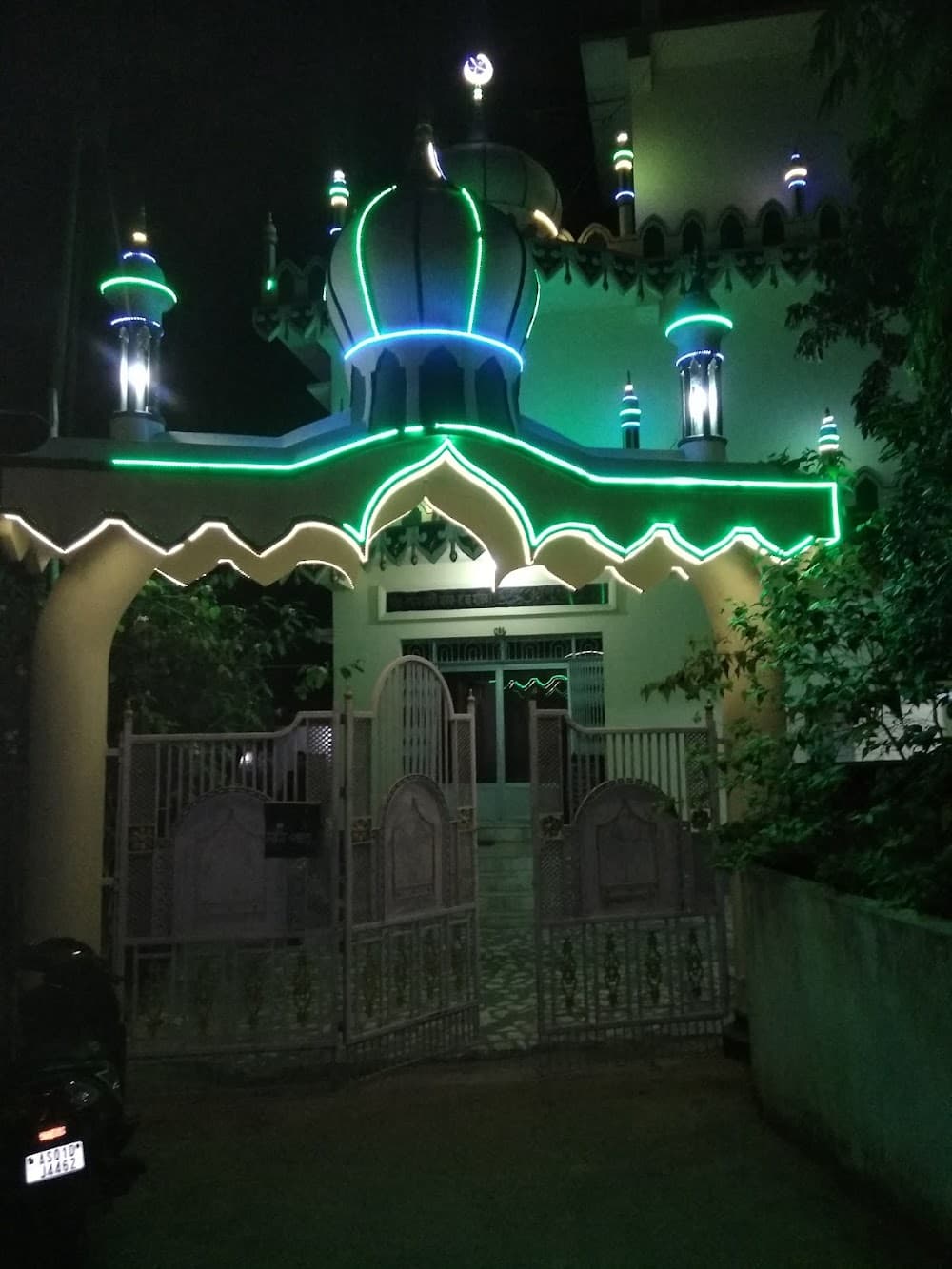
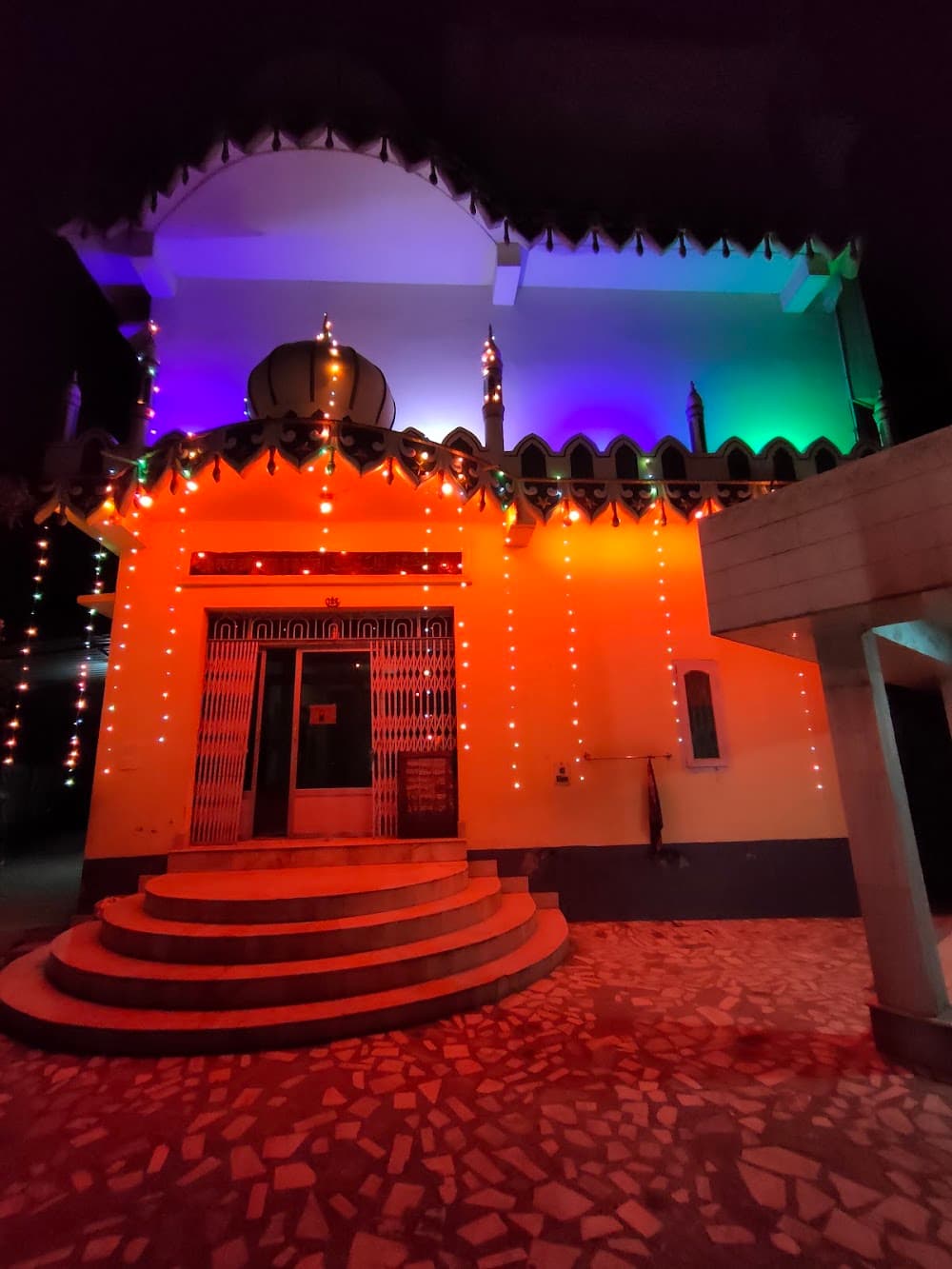
Sundarbari Mosque, a revered dargah in Guwahati, is said to hold a special significance in the hearts of the locals. Tradition holds that the mosque is a sacred site where devotees come to pay homage to the revered saint, who is believed to have possessed extraordinary spiritual powers. According to local belief, the saint's mortal remains are interred within the mosque's premises, drawing pilgrims from far and wide. The mosque's tranquil atmosphere and serene surroundings are said to be imbued with the saint's divine energy, making it a popular destination for those seeking spiritual solace and enlightenment.
Standing amidst the bustling streets of Guwahati, the Sundarbari Mosque is a serene oasis that beckons visitors to step into its tranquil atmosphere. This 17th-century dargah, a sacred shrine, is a testament to the city's rich cultural heritage. As you approach the mosque, the intricate carvings and ornate architecture will transport you to a bygone era. The mosque is said to be the final resting place of a revered Sufi saint, whose legacy continues to attract devotees from far and wide. As you wander through the premises, the soft glow of lamps and the gentle rustling of prayer beads create a sense of reverence, making it an ideal spot for contemplation and introspection.
As you approach the Sundarbari Mosque, the intricate carvings and ornate architecture of this 17th-century mosque will leave you in awe. The best time to visit is early morning or late afternoon when the soft light accentuates the mosque's beauty. Dress modestly and be prepared for a peaceful atmosphere. The mosque is situated in the heart of Guwahati, making it easily accessible by public transportation or taxi. Confirm the current timings and entry fees through the app before your visit, as they may be subject to change.
The Sundarbari Mosque, a revered dargah in Guwahati, is a sacred site where devotees commonly involve themselves in fervent prayers and devotional songs. Visitors typically make offerings of flowers, incense, and prayers at the mausoleum, seeking blessings and solace. The air is filled with the sweet scent of agarbatti and the soft murmur of Quranic verses, creating a serene atmosphere that fosters contemplation and spiritual growth. As you wander through the premises, you may catch glimpses of devotees performing zikr, a rhythmic chanting of divine names, or listening to soulful qawwalis that echo through the corridors. To experience the mosque's unique energy and rituals, check current timings and offerings in the app.