
Story
AI-drafted from public sources — may contain mistakes, especially specific dates, names, or claims. Only "Good to know" above is field-checked.
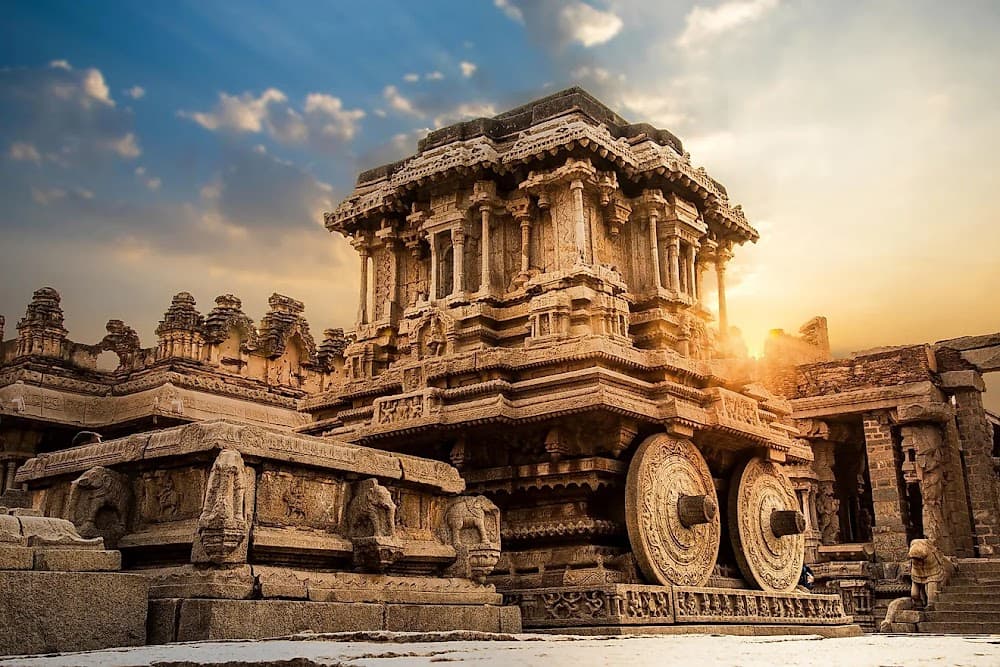
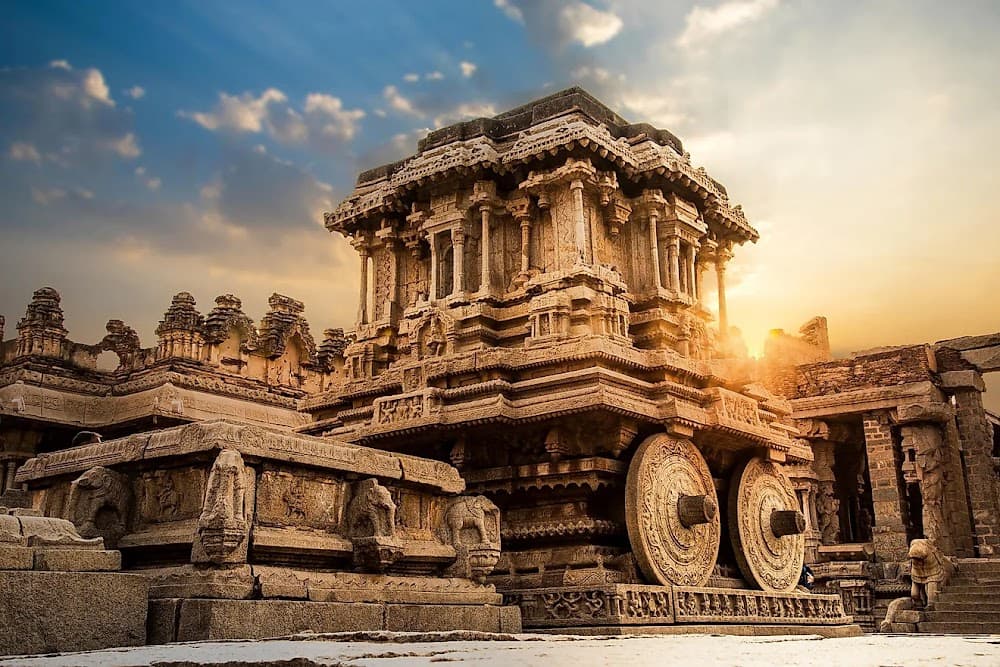
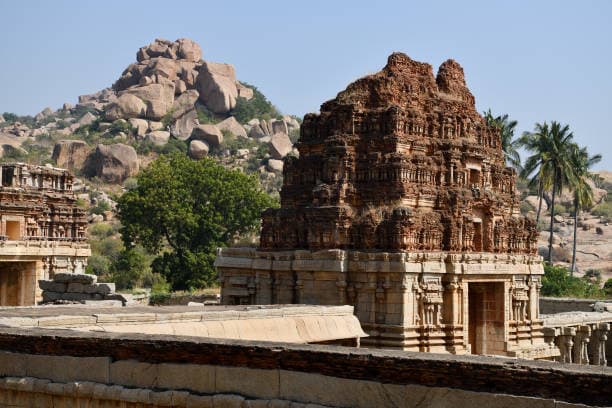
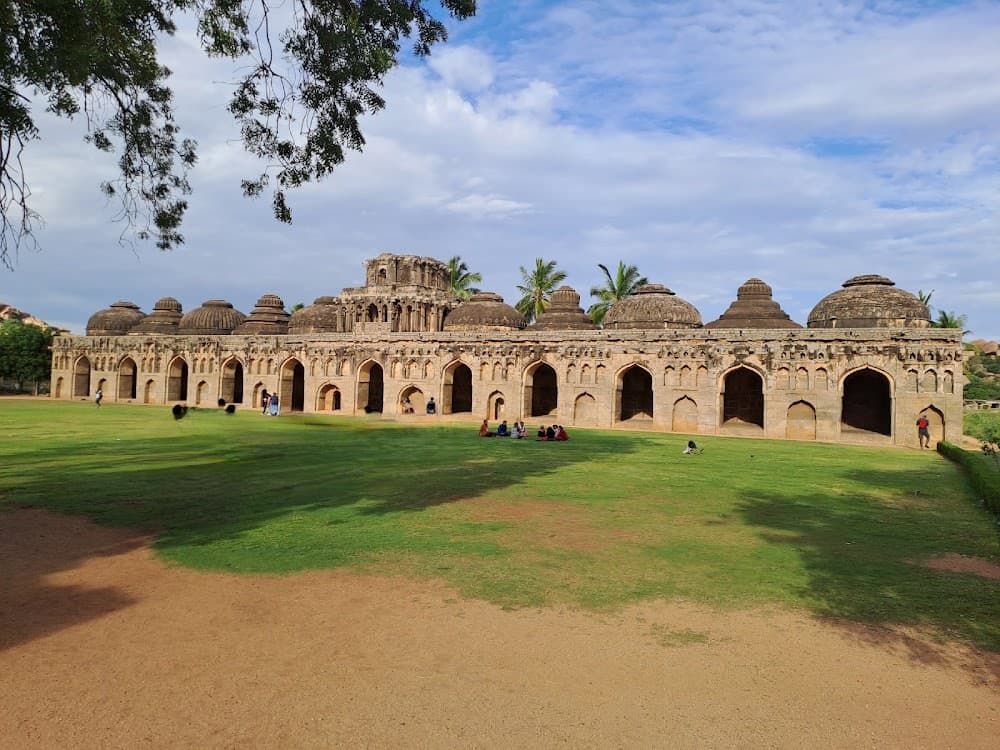
The Group of Monuments at Hampi is a sprawling archaeological site, showcasing the grandeur of Vijayanagara architecture. The structures, built in a style typical of southern India, are characterized by the use of local materials such as soapstone and granite. The site's layout is a testament to the city's former glory, with a series of temples, palaces, and courtyards sprawling across the landscape. The scale of the monuments is awe-inspiring, with towering temples and imposing gateways that seem to defy gravity. The ornate carvings and intricate stone work that adorn the structures are a testament to the skill of the artisans who built them, with depictions of mythological creatures and geometric patterns adding to the site's visual splendor.
Placed on the List of World Heritage in Danger in 1999 after bridge and road construction; delisted 2006. HWHAMA created 2007. Live pressures include granite quarrying, encroachment, and the recent collapse of the Saalu Mantapa.
In the heart of Karnataka, the Group of Monuments at Hampi is said to hold a special significance in the collective consciousness of the region. Tradition holds that this ancient site was once the capital of the Vijayanagara Empire, a powerful and prosperous kingdom that flourished in the 14th century. Local belief says that the city was a sacred place, where the gods and mortals coexisted in harmony. The majestic structures that dot the landscape are believed to have been built as a testament to the divine, with each monument embodying the spiritual and artistic aspirations of the people who once called Hampi home.
The UNESCO property: reference 241, inscribed 1986 at the 10th session under criteria (i)(iii)(iv). 4,187.24 ha with a 19,453.62 ha buffer zone, holding more than 1,600 surviving structures across a boulder landscape on the Tungabhadra. The property encompasses roughly 30 villages in two districts.
As you explore the Group of Monuments at Hampi, the ancient city's rich history and architecture come alive. The best time to visit is during the early morning or late afternoon when the sun is gentle, allowing you to appreciate the intricate carvings and sculptures on the monuments. Wear comfortable shoes and clothing suitable for the tropical climate. Bring a hat, sunglasses, and sunscreen for added protection. The site is typically reached by bus or taxi from nearby cities, and visitors can also opt for a guided tour to gain a deeper understanding of the monuments' significance. Confirm current timings and fees for your visit through the app, as these may be subject to change.