
Story
AI-drafted from public sources — may contain mistakes, especially specific dates, names, or claims. Only "Good to know" above is field-checked.
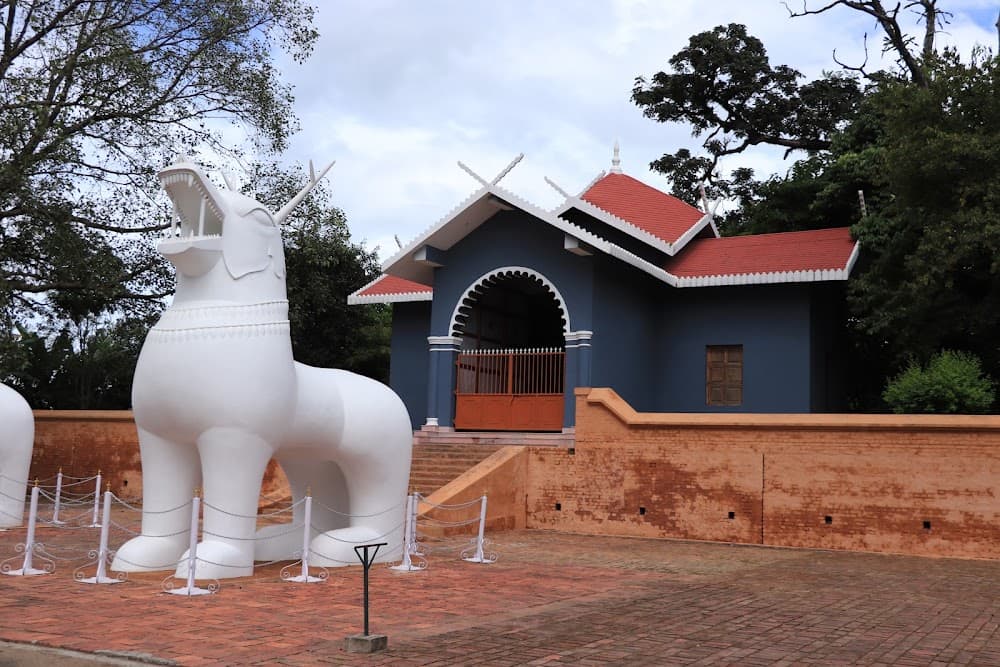
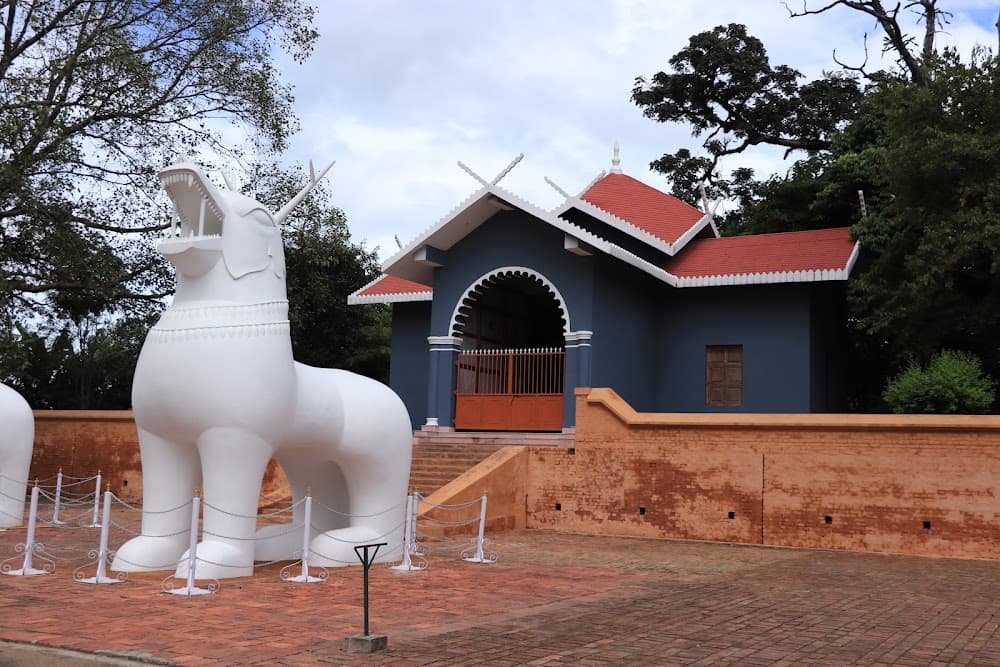
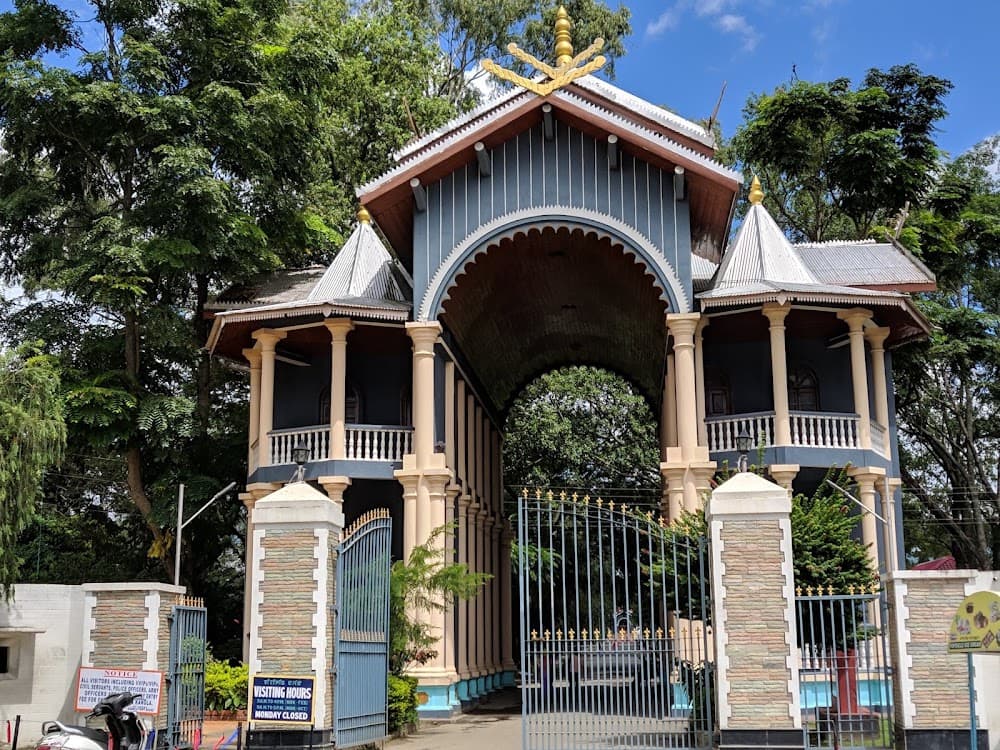
Kangla Palace, a historic fort in Imphal, showcases a blend of traditional and rustic architectural styles typical of Manipuri structures. The fort's imposing structure is built using locally sourced materials, such as stone and wood, with a robust foundation and sturdy walls that rise to a moderate height. The layout is designed to provide a sense of grandeur, with a central courtyard surrounded by imposing pillars and ornate archways. The walls are adorned with intricate carvings and frescoes, depicting scenes from Manipuri mythology and folklore, adding to the fort's cultural significance.
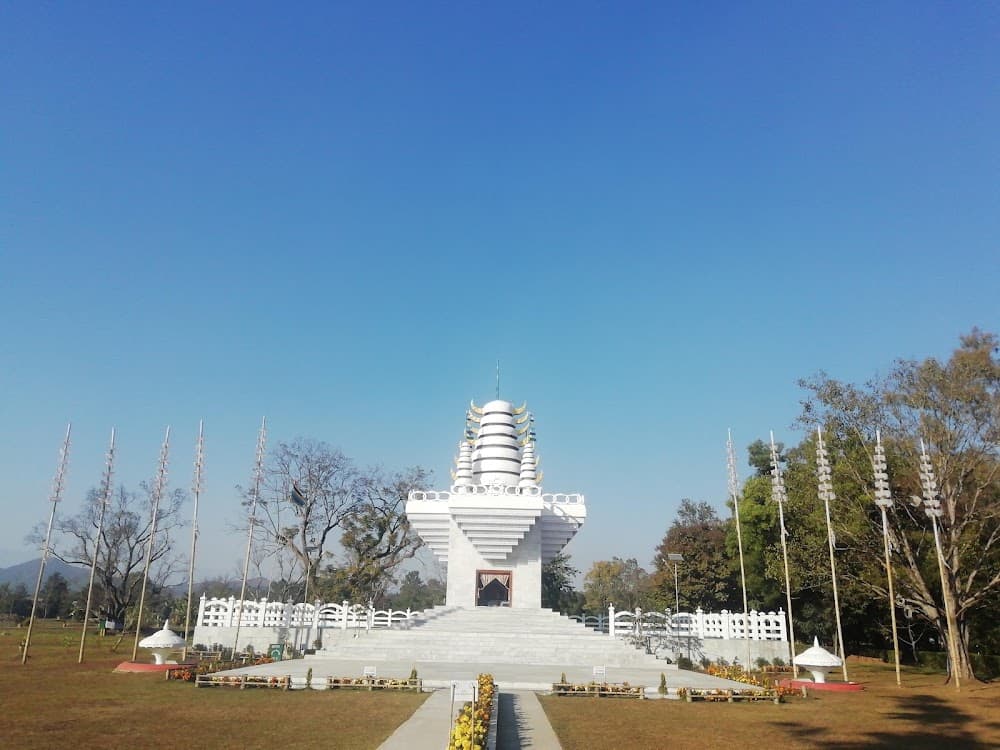
Tradition holds that the Kangla Palace, a majestic fort in Imphal, holds a special place in the hearts of the locals. According to local belief, the palace is said to be a sacred site, where devotees come to pay homage to the gods. The imposing structure is believed to be a symbol of the region's rich cultural heritage, with stories of ancient battles and heroic deeds etched into its walls. Local legend says that the palace is a gateway to the spiritual realm, where one can connect with the divine. The imposing architecture and serene surroundings make it a popular pilgrimage site, where devotees come to seek blessings and solace.
Standing sentinel over the city of Imphal, the Kangla Palace is a testament to the rich cultural heritage of Manipur. This imposing fort, steeped in history and intrigue, is a must-visit destination for anyone seeking to unravel the mysteries of the region. As you approach the palace, you are struck by its imposing architecture, a blend of traditional and colonial influences that reflects the complex history of the region. With its storied past and stunning architecture, the Kangla Palace is a treasure trove of stories waiting to be unearthed.
As you approach the Kangla Palace, the imposing structure's grandeur is palpable. This historic palace, once the seat of power for the Manipur kings, now serves as a testament to the region's rich cultural heritage. To fully appreciate the palace's intricate architecture and ornate frescoes, it's best to visit during the morning or late afternoon when the golden light casts a warm glow. Dress comfortably and be prepared for a leisurely stroll through the palace's courtyards and halls. The palace is typically accessible by taxi or auto-rickshaw, and visitors are advised to confirm current timings and fees in the app rather than relying on hearsay.