
Story
AI-drafted from public sources — may contain mistakes, especially specific dates, names, or claims. Only "Good to know" above is field-checked.
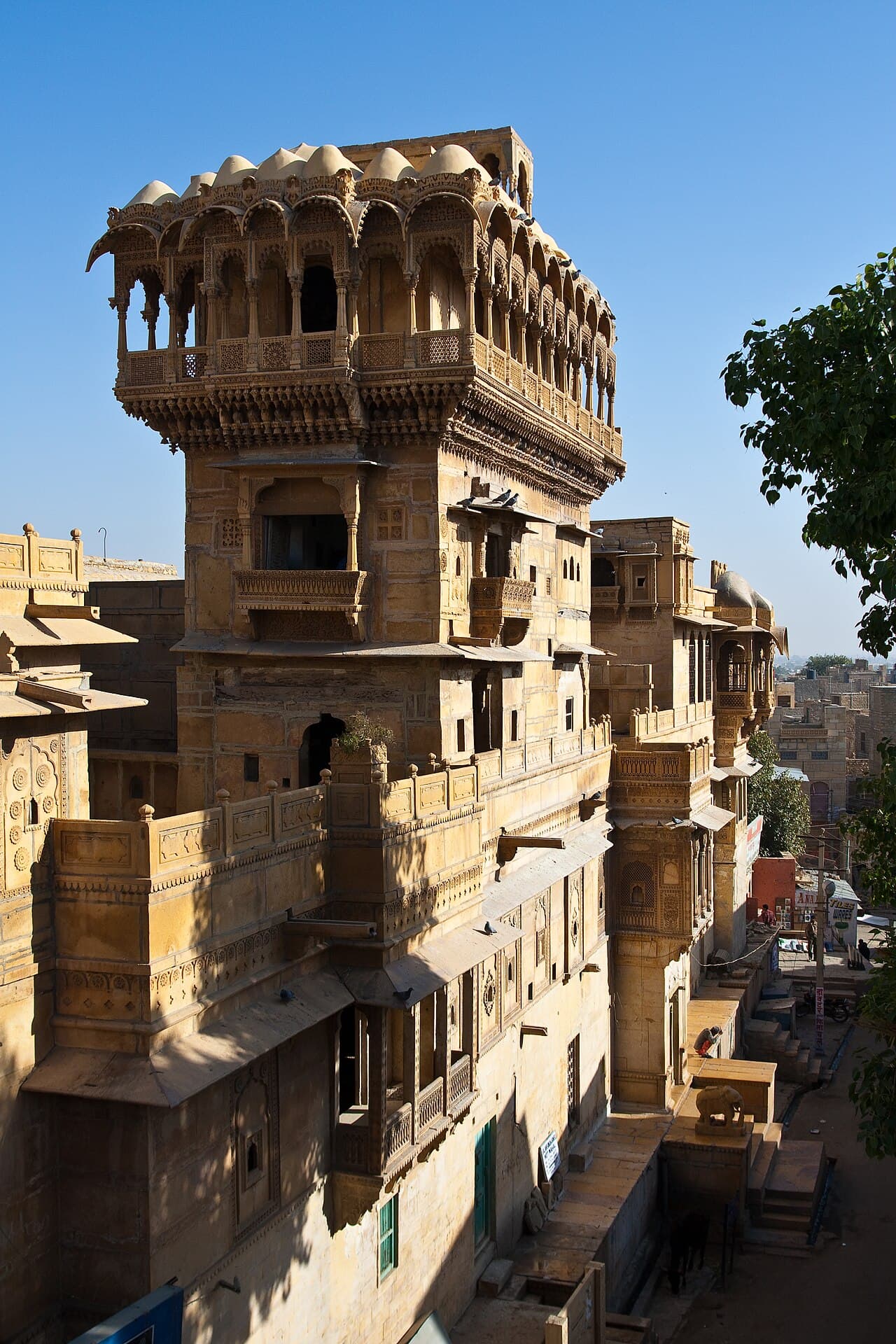
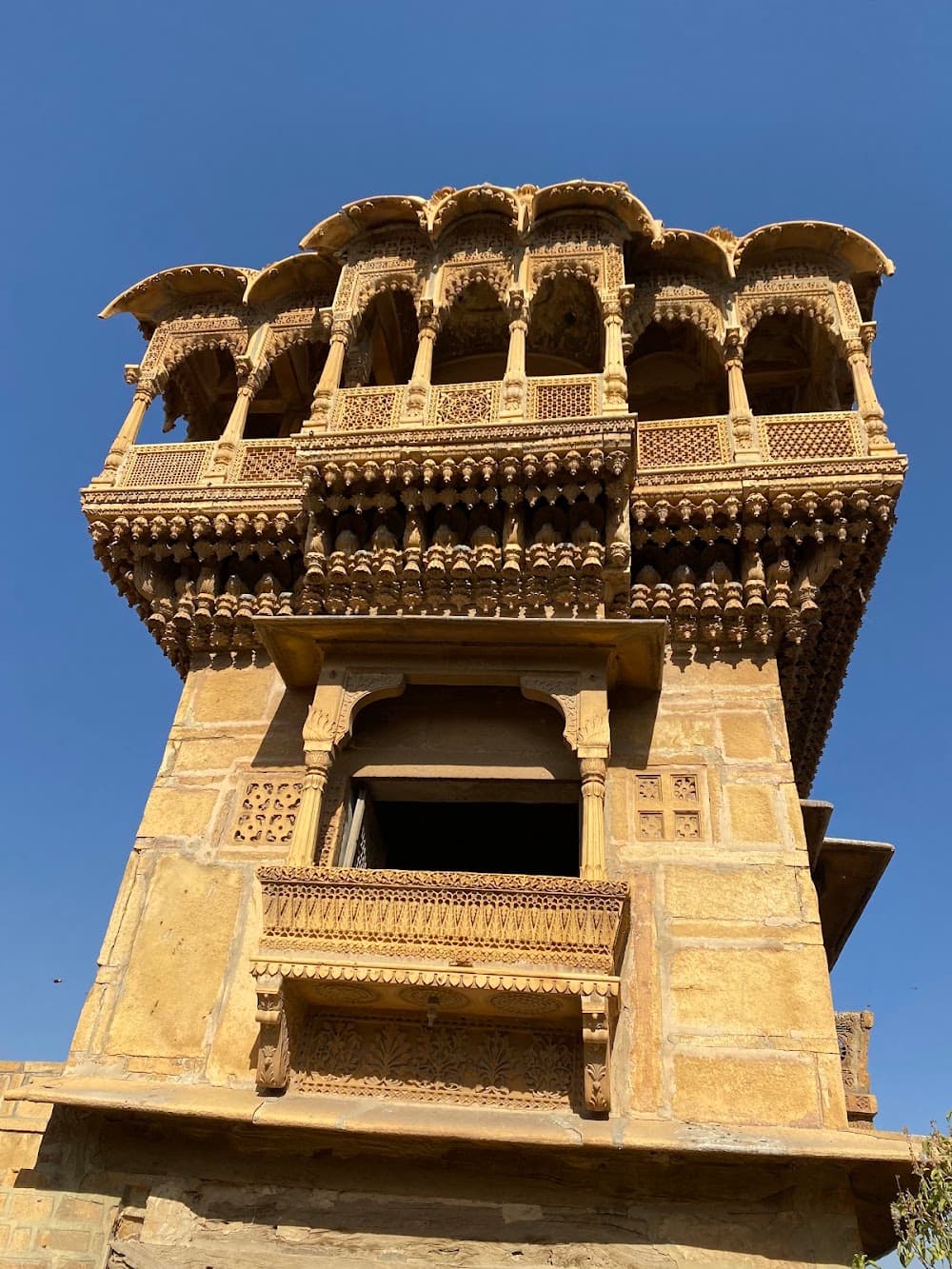
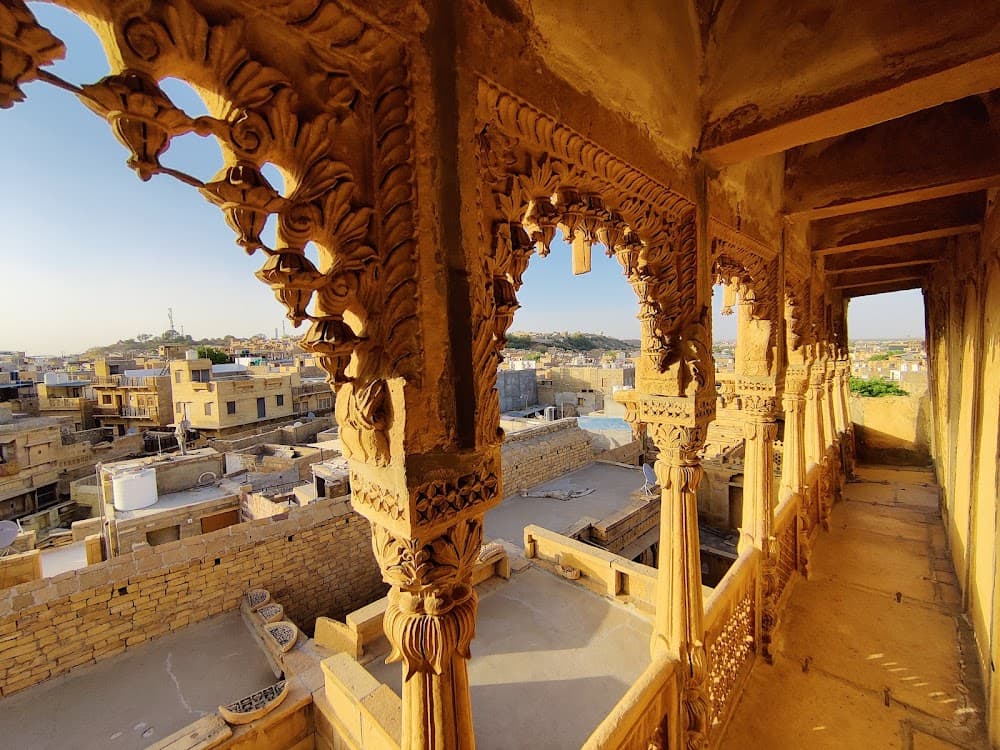
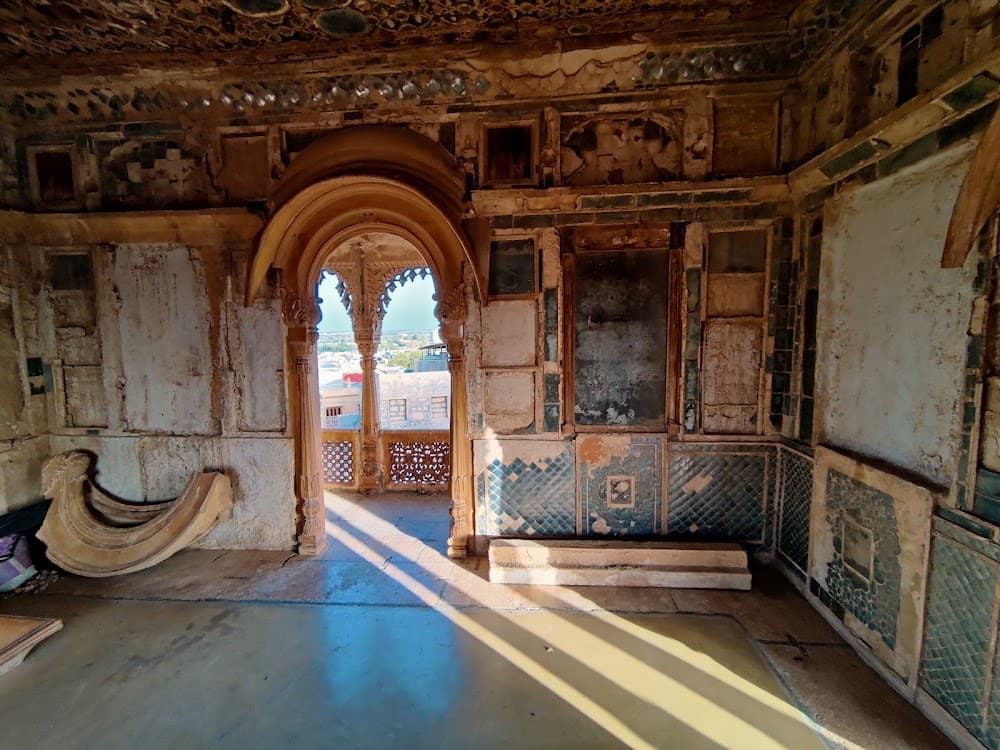
Standing at the heart of Jaisalmer, the Salim Singh-ki-Haveli presents a majestic façade, its curved front evoking the shape of a ship. The structure's ornate balconies, adorned with intricate carvings, reflect the exceptional craftsmanship of the region's skilled artisans. Built in a style typical of Rajasthani architecture, the haveli's stone walls are connected by strong iron rods, a testament to the ingenuity of its creators. The five-storey edifice, with its unique peacock-inspired design, is a masterpiece of local architecture, its beauty and grandeur a testament to the region's rich cultural heritage.
Local belief says that Salim Singh ki Haveli, with its intricately carved balconies and unique architecture, holds a special significance in the devotional lives of the people of Jaisalmer. Tradition holds that this magnificent structure, built in the 19th century by Salim Singh, the prime minister of Jaisalmer, is a testament to the region's rich cultural heritage. The haveli's design, a fusion of Rajasthani and Mughal styles, is said to reflect the craftsmanship of skilled artisans who toiled to create this masterpiece.
Standing at the heart of Jaisalmer, the Salim Singh-ki-Haveli presents a striking fusion of Rajasthani and Mughal architectural styles. This 19th-century masterpiece, built by Salim Singh, the prime minister of Jaisalmer, is a testament to the region's rich cultural heritage. The haveli's unique shape, reminiscent of a ship, is adorned with intricate carvings and balconies that reflect the skilled craftsmanship of its creators. As the sun sets, the haveli's curved front takes on a majestic quality, making it a photographer's delight. Visitors can explore the haveli's five stories, each one a testament to the region's storied past.
As you wander through the old town of Jaisalmer, the intricate architecture of Salim Singh ki Haveli beckons your attention. This 19th-century marvel, situated near the railway station, is a testament to the city's rich cultural heritage. To fully appreciate the haveli's unique blend of Rajasthani and Mughal styles, it's best to visit during the early morning or late afternoon when the golden light casts a warm glow on the intricate carvings and balconies. Dress comfortably and be prepared to navigate the narrow streets and alleys that lead to this architectural gem. Confirm the current timings and entry fees with locals or the venue directly before your visit.