
Story
AI-drafted from public sources — may contain mistakes, especially specific dates, names, or claims. Only "Good to know" above is field-checked.
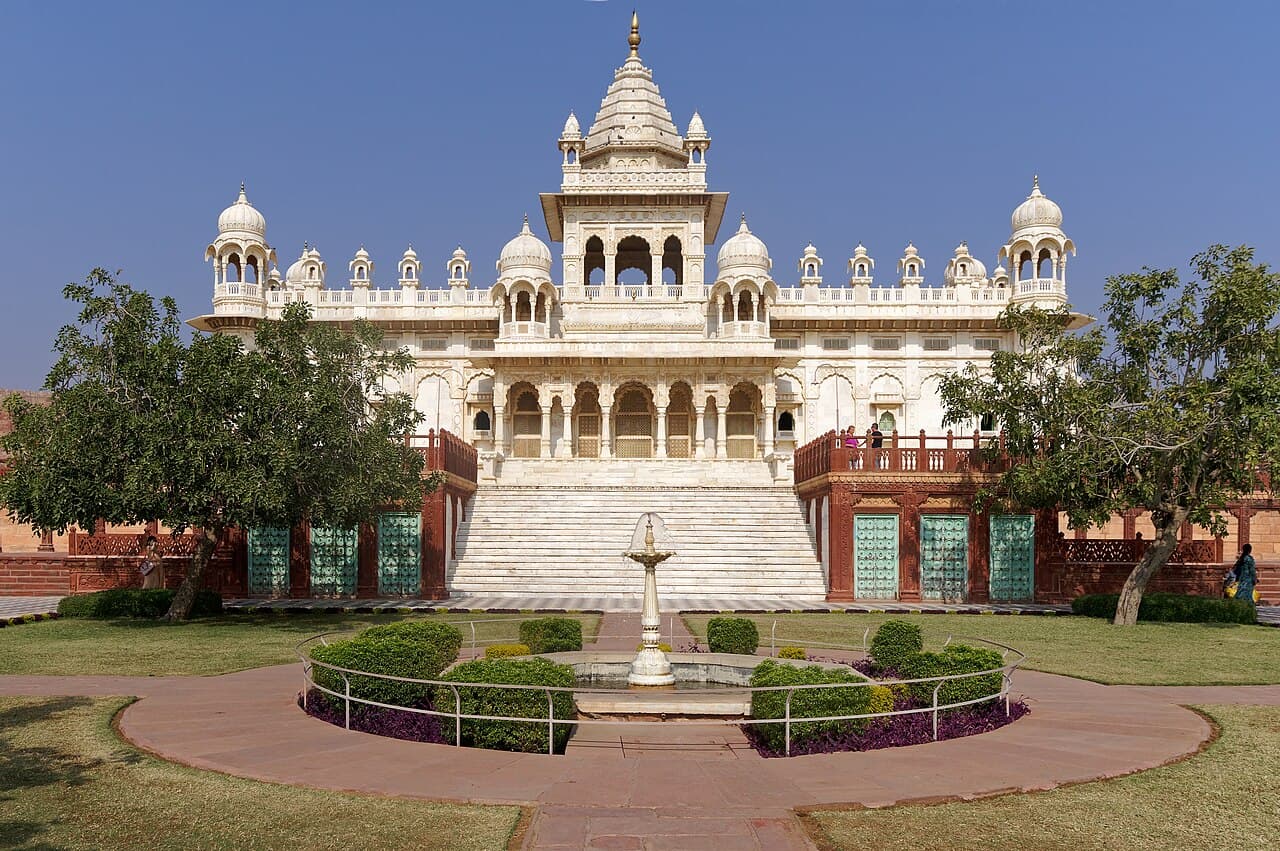
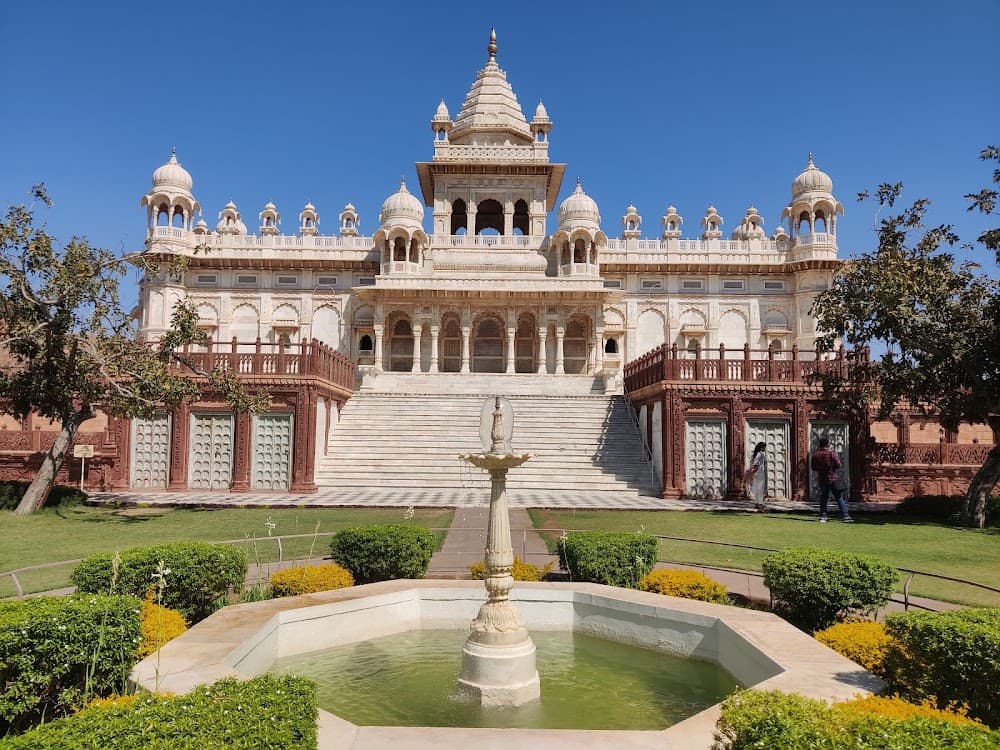
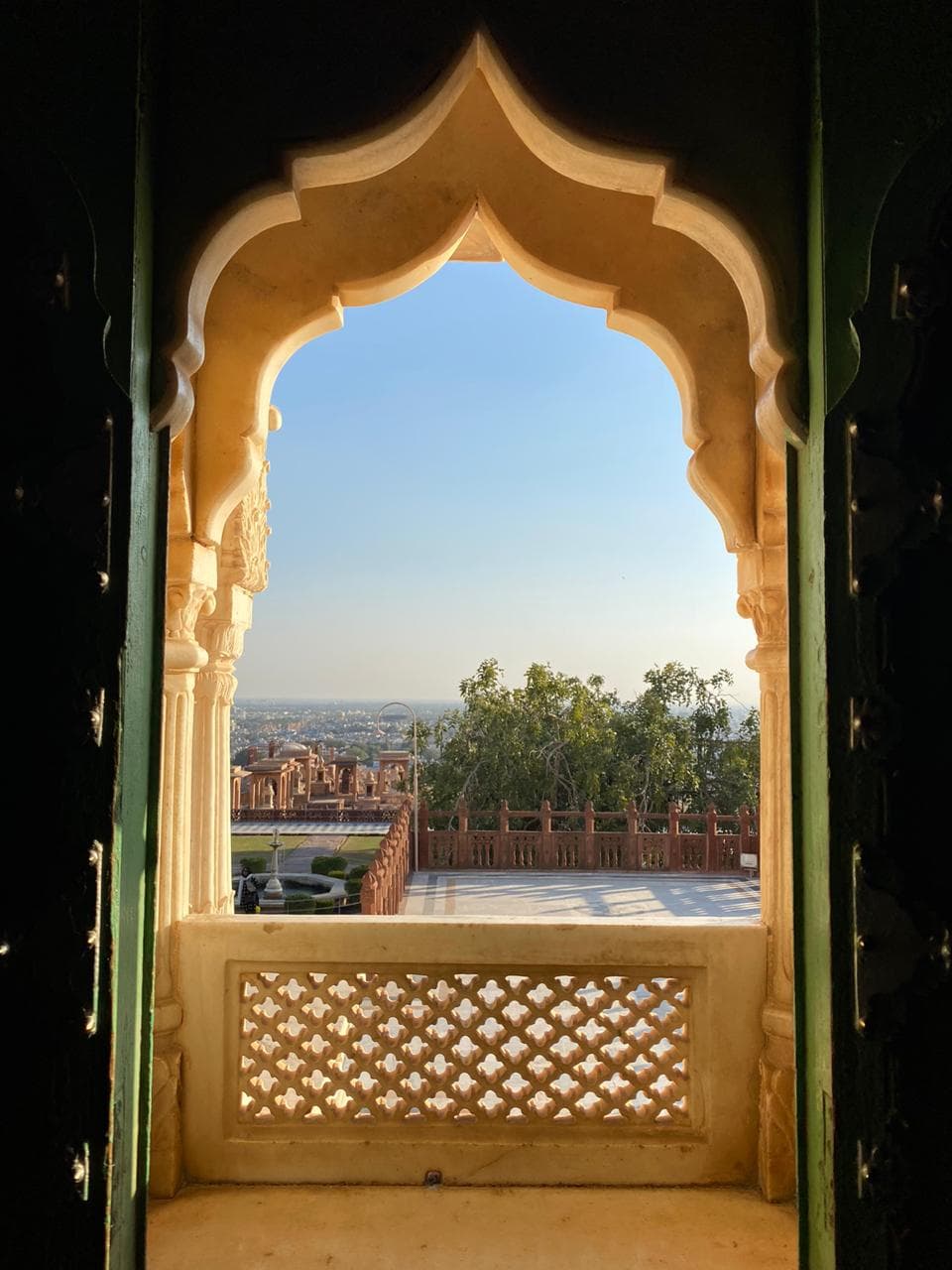
Perched on a hill overlooking Jodhpur's old town, the Jaswant Thada monument rises like a shimmering marble mirage. Its intricate carvings, etched onto thin sheets of Makrana marble, seem to glow with an ethereal light, as if infused with the essence of the desert sun. The monument's grounds, a tiered garden and small lake, are flanked by carved gazebos, their delicate latticework a testament to the region's master craftsmen. The structure's ornate style, typical of Rajput architecture, is characterized by its use of polished marble and sandstone, with intricate carvings that tell stories of a bygone era.
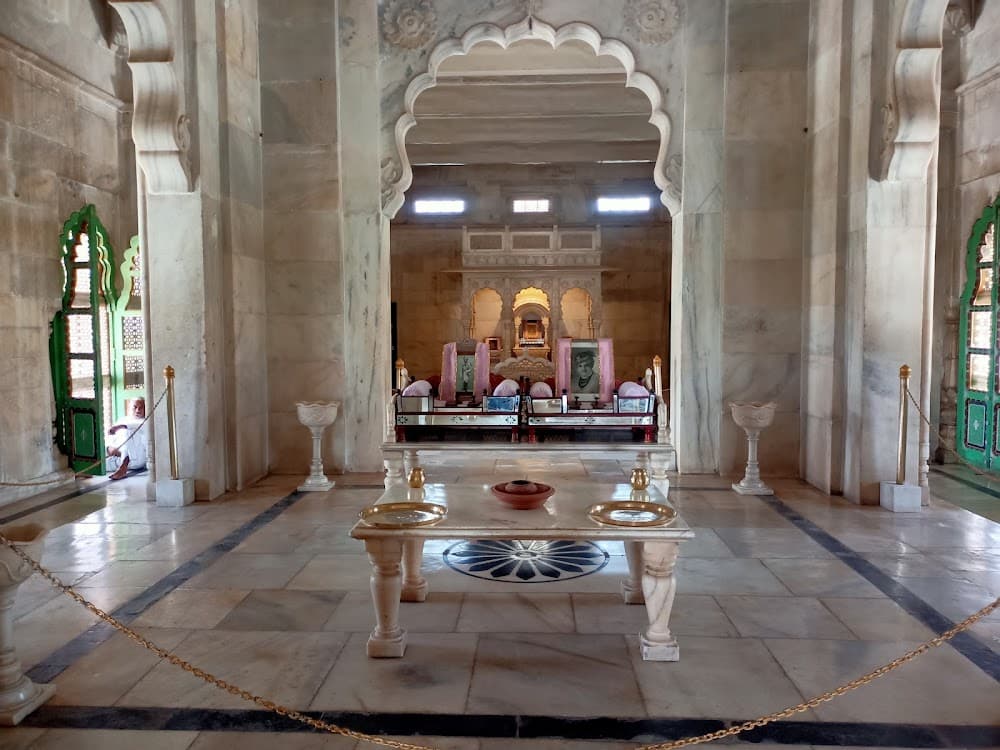
Local belief says that the Jaswant Thada, a majestic marble monument in Jodhpur, holds a special significance in the devotional landscape of Rajasthan. Tradition holds that the cenotaph, built in 1899 by Maharaja Sardar Singh, is a sacred space where the royal Rajput family of Marwar would perform rituals and pay homage to their ancestors. The intricately carved marble and sandstone carvings that adorn the monument are said to reflect the opulence and grandeur of traditional Rajasthani architecture, which is renowned for its beauty and majesty.
A white marble memorial of domes, above a small lake.
As you approach the Jaswant Thada, the intricate marble carvings and sandstone details of this exquisite monument come into view. Typically, visitors arrive in the early morning or late afternoon when the sun's warm glow highlights the marble's subtle sheen. Wear comfortable shoes and attire suitable for the desert climate, and bring a hat and sunglasses for added protection. The monument's grounds are best explored on foot, allowing you to appreciate the tiered garden, small lake, and carved gazebos. Confirm the exact timings and fees for your visit locally, as these may be subject to change.