
Story
AI-drafted from public sources — may contain mistakes, especially specific dates, names, or claims. Only "Good to know" above is field-checked.
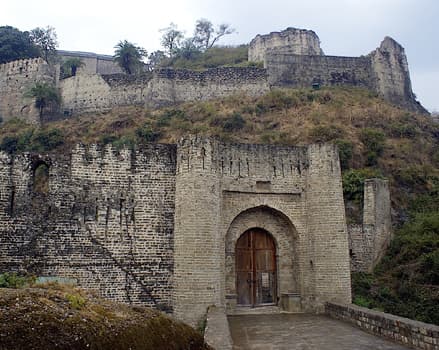
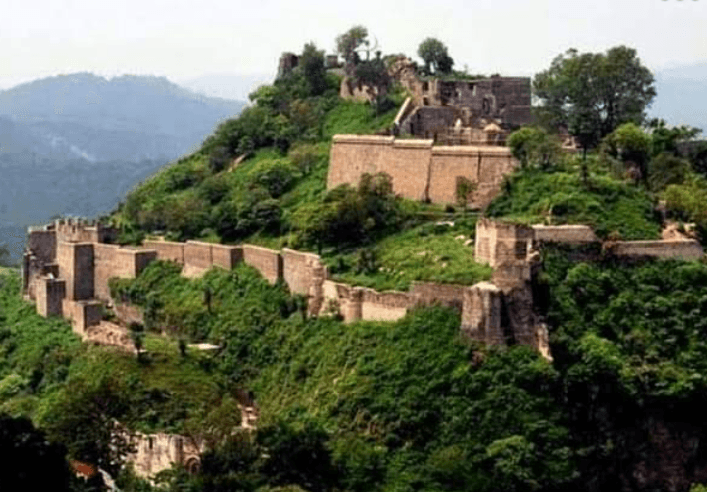
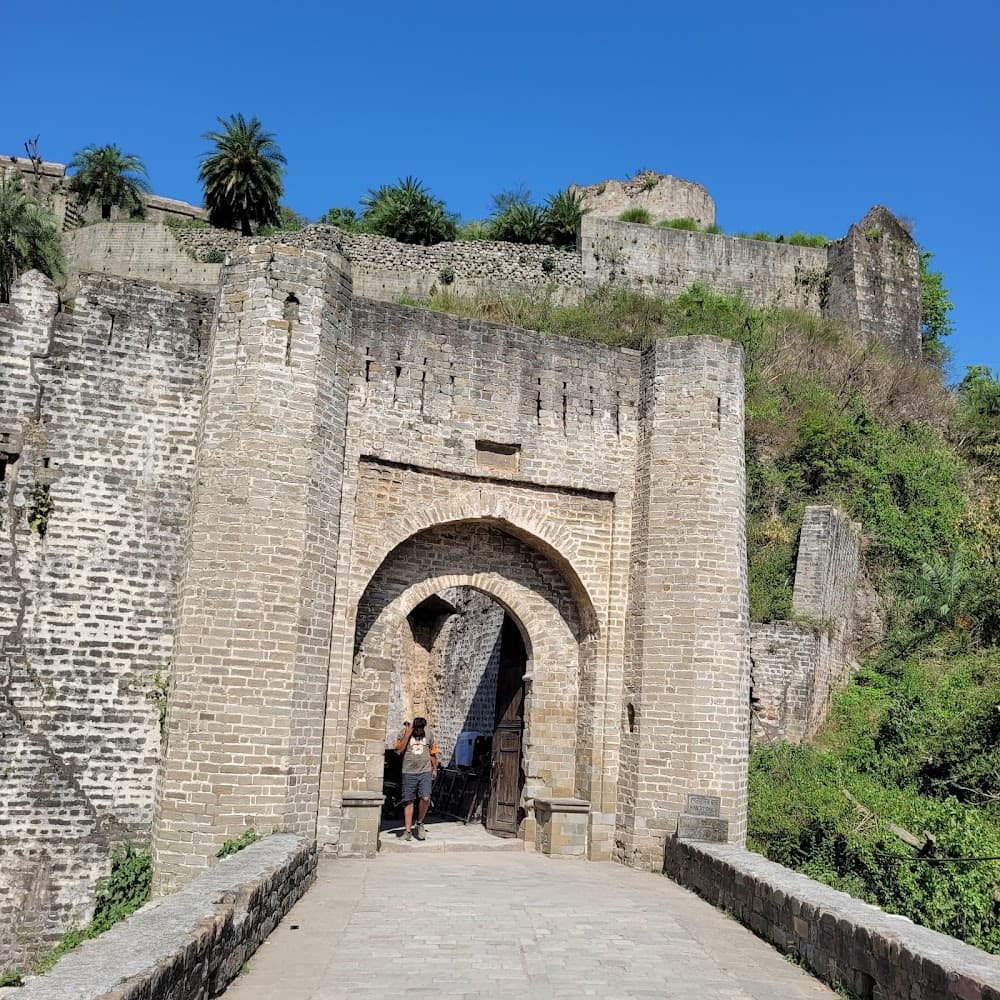
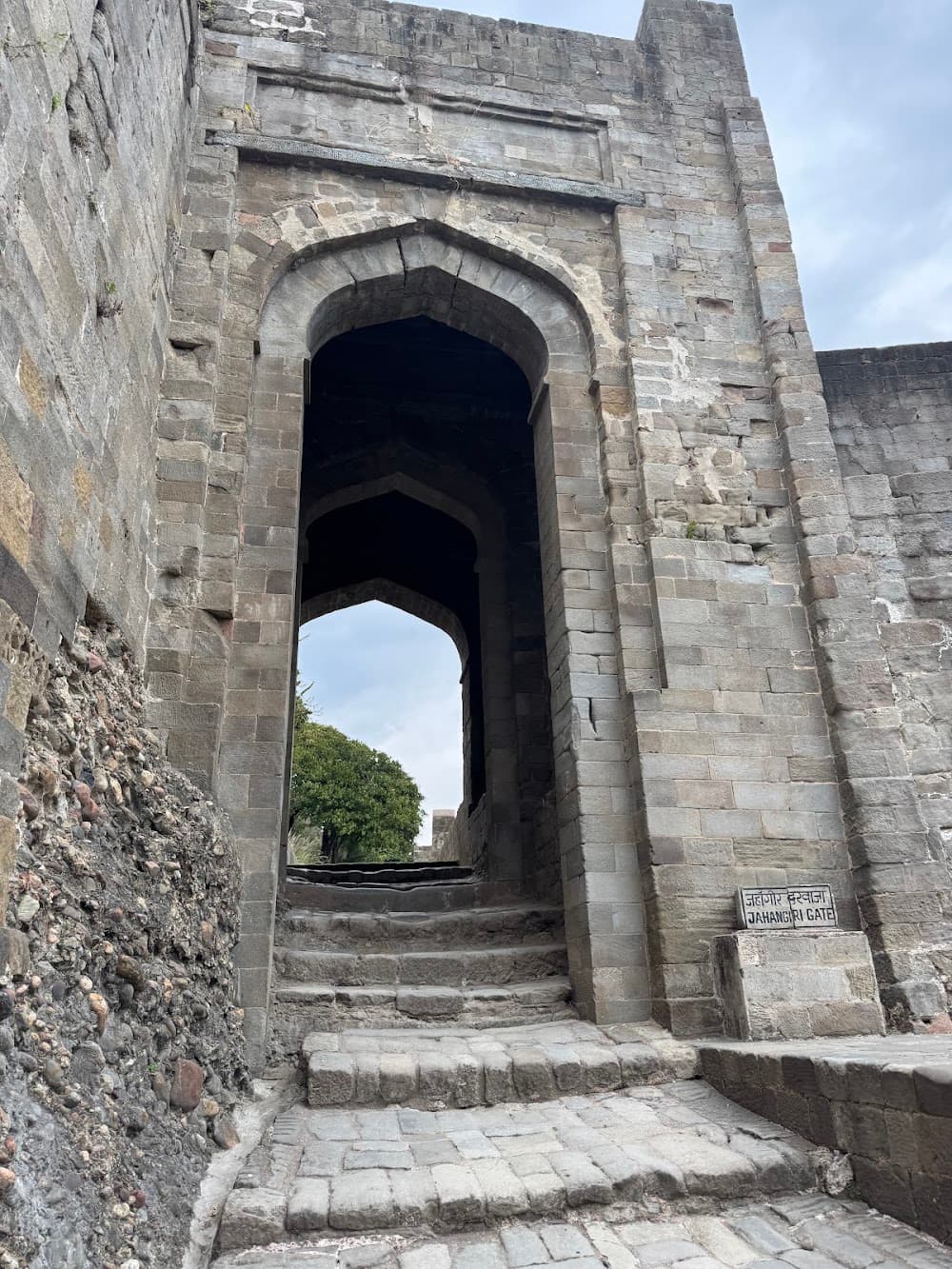
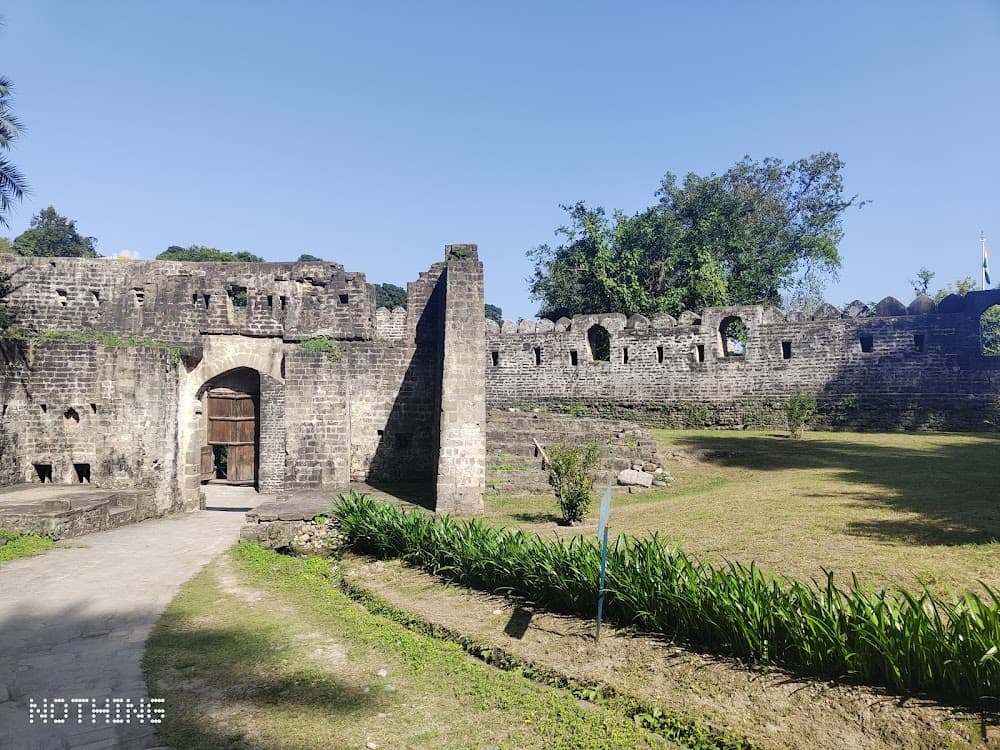
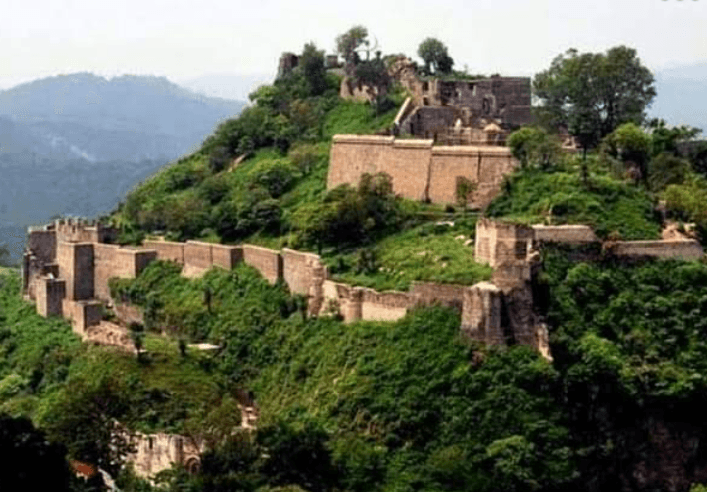
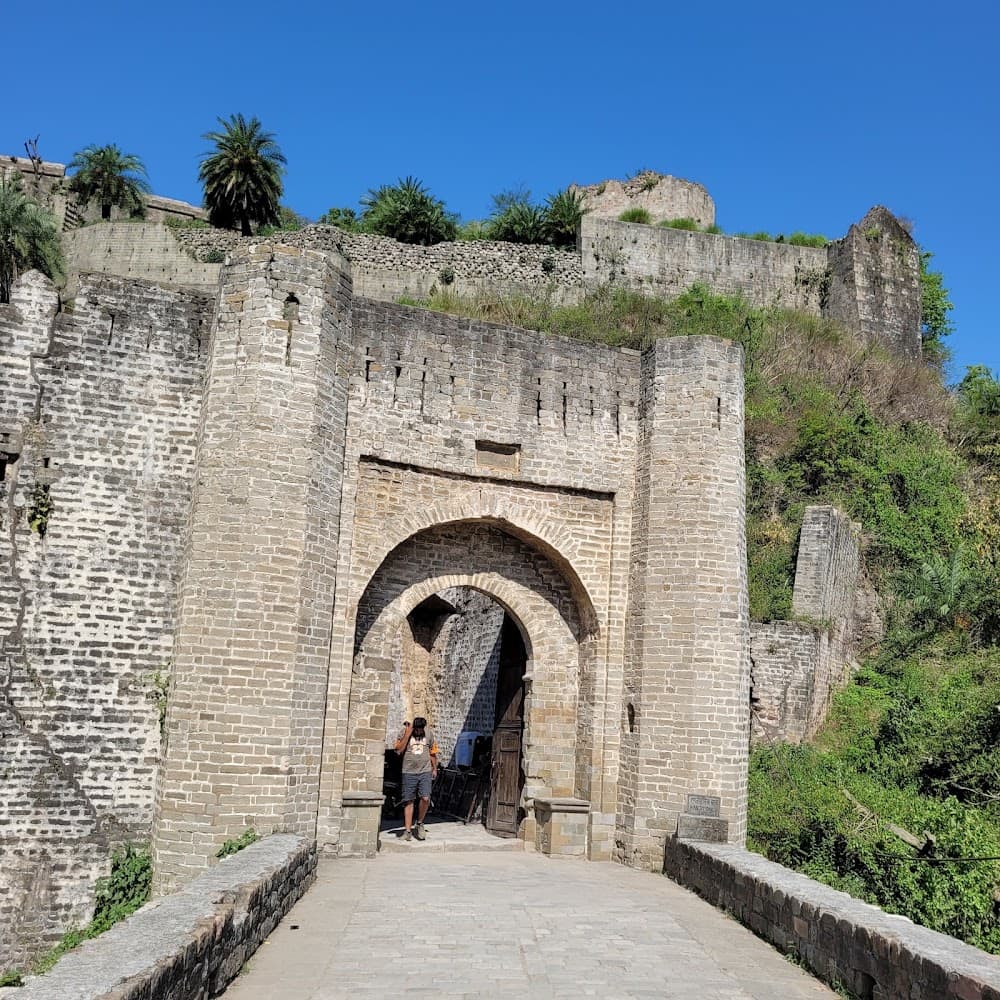
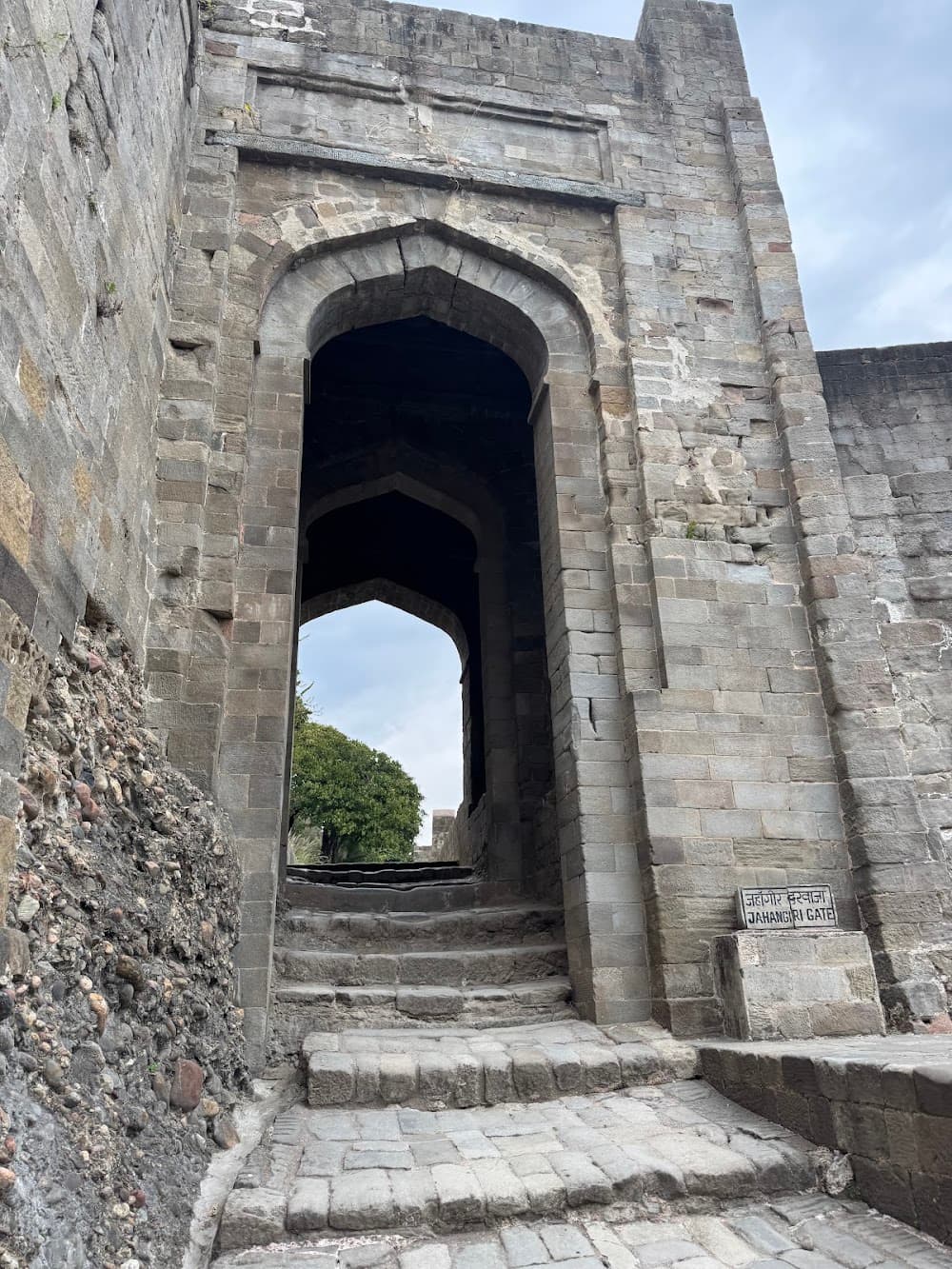
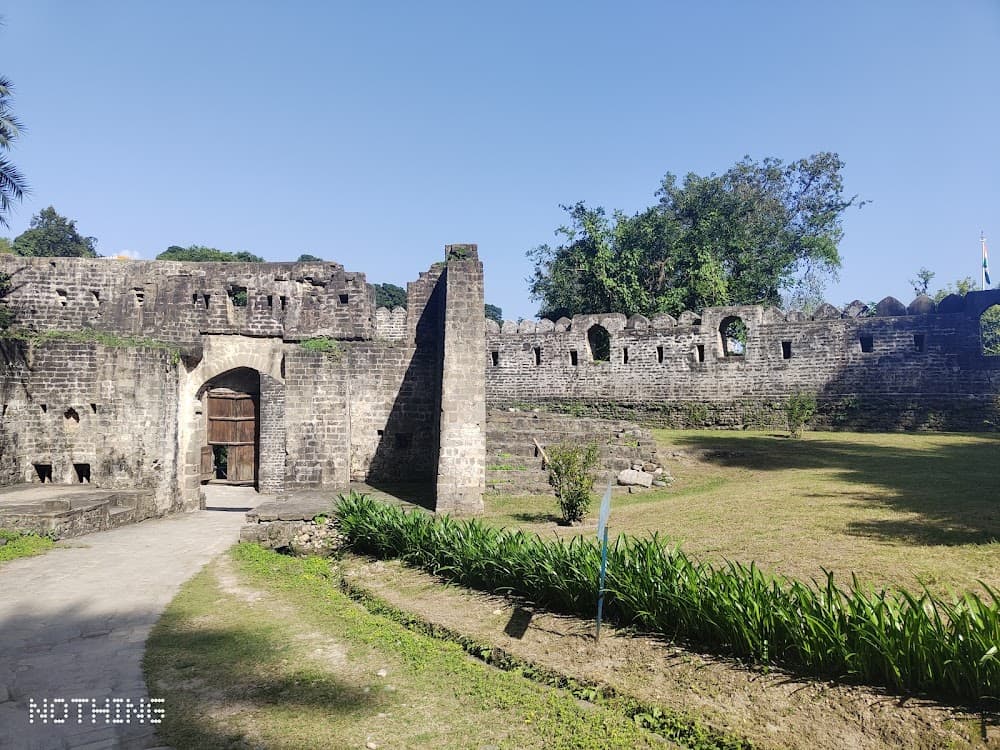
Kangra Fort's imposing structure rises from a hillock, its stone walls standing between two rivers in the foothills of the Dhauladhar range. Built in a style typical of the region's medieval forts, its layout reflects a blend of functional defense and ornate detail, with intricate carvings and sculptures adorning its surfaces. The fort's scale is considerable, making it a dominant presence in the landscape, and its use of local stone and traditional building techniques gives it a sense of solidity and permanence. As the largest fort in the Indian Himalayas, its architecture is a testament to the region's rich building traditions, with a unique blend of ruggedness and elegance that reflects its strategic importance and historical significance.
Local belief says that Kangra Fort holds significant devotional importance, with tradition holding that it has been a site of reverence for centuries. The fort's strategic location, standing on a hillock between two rivers, is said to have made it a sacred place, imbued with spiritual energy. Tradition holds that the fort has been a witness to the region's rich cultural and religious heritage, with many considering it a place of spiritual significance. While the exact legends associated with the fort are not well-documented, local belief suggests that it has been an important site for devotees, who come to pay their respects and seek blessings. The fort's grandeur and historic significance are said to be a testament to the region's enduring spiritual traditions.
Kangra Fort, also known as Nagarkot or Kot Kangra, stands prominently on a hillock, its presence marked by the surrounding foothills. As the largest fort in the Indian Himalayas, it holds significant historical importance, with a rich past that spans thousands of years. Visitors can explore the fort's imposing structure, which is now under the protection of the Archaeological Survey of India. The fort's strategic location, nestled between two rivers, offers a glimpse into its historical significance, making it a worthwhile visit for those interested in delving into the region's heritage.
As you approach the Kangra Fort, you'll be struck by its imposing presence on the hillside, nestled between the two rivers. The best time to visit is early morning or late afternoon when the sun casts a warm glow on the fort's intricate architecture. Wear comfortable shoes and layers for the unpredictable Himalayan weather. The fort is typically reached by a scenic drive along the riverfront, but be prepared for winding roads and potential traffic delays. Confirm the current timings and fees for the fort's opening hours, guided tours, and any specific restrictions with the Archaeological Survey of India or local authorities before your visit.