
Story
AI-drafted from public sources — may contain mistakes, especially specific dates, names, or claims. Only "Good to know" above is field-checked.
The Chaunsath Yogini temple, a masterpiece of medieval Indian architecture, stands as a testament to the region's rich cultural heritage. Built in a style typical of the Chandella dynasty, this temple is a marvel of intricate carvings and ornate details. The structure's base is a sturdy platform of stone, supporting a series of interconnected shrines and pavilions. The walls, adorned with vibrant depictions of deities and mythological creatures, are crafted from a blend of sandstone and limestone, their surfaces worn smooth by the passage of time. The temple's scale is modest, with a central shrine flanked by smaller shrines and courtyards, creating a sense of intimacy and contemplation.
Plausibly predates the main Chandela building phase. Its material and plan mark it as belonging to a different religious world.
In the heart of Khajuraho lies the enigmatic Chaunsath Yogini temple, a testament to the region's rich spiritual heritage. Tradition holds that this intricately carved temple is a sacred site, where devotees come to pay homage to the 64 yoginis, female deities believed to embody the cosmic forces of nature. Local belief says that these yoginis, each with her unique powers, are said to have been worshipped by the ancient temple's builders, who sought to harness their energies for the greater good. The temple's ornate carvings and sculptures, depicting various aspects of Indian mythology, are said to be a visual representation of the yoginis' mystical powers. As the sun sets over the temple, the air is filled with the whispers of devotees, seeking blessings and solace in the divine energies believed to emanate from this sacred site.
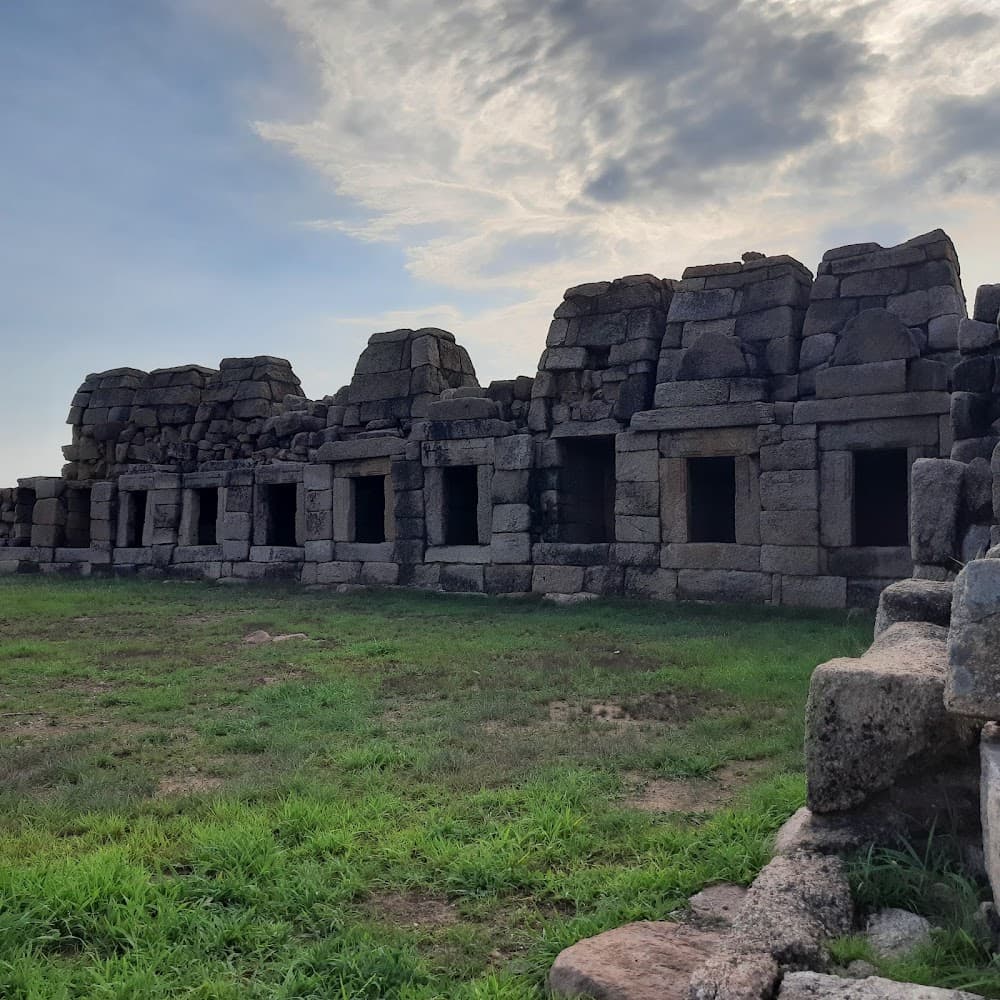
The oldest surviving structure at the site and the only one built of granite rather than sandstone. Unusual in plan: small shrine cells arranged around a quadrangle for the 64 yoginis, manifestations of Shakti. Sources report 35 of the original cells surviving.
The Chaunsath Yogini temple, a lesser-known yet fascinating attraction in Khajuraho, is a must-visit for those seeking a glimpse into the region's rich spiritual heritage. As you approach the temple, you'll notice its unique blend of Hindu and Jain architectural styles, with intricate carvings and sculptures adorning the walls. To make the most of your visit, consider arriving during the cooler morning or late afternoon hours, when the sun's rays cast a warm glow on the temple's intricate details. Dress comfortably and wear shoes that can handle the uneven terrain, as you'll be exploring the temple's premises. Typically, visitors reach the temple by taking a short walk from the main road, but it's always a good idea to confirm the best route and any necessary precautions with your travel app.