

Story
AI-drafted from public sources — may contain mistakes, especially specific dates, names, or claims. Only "Good to know" above is field-checked.
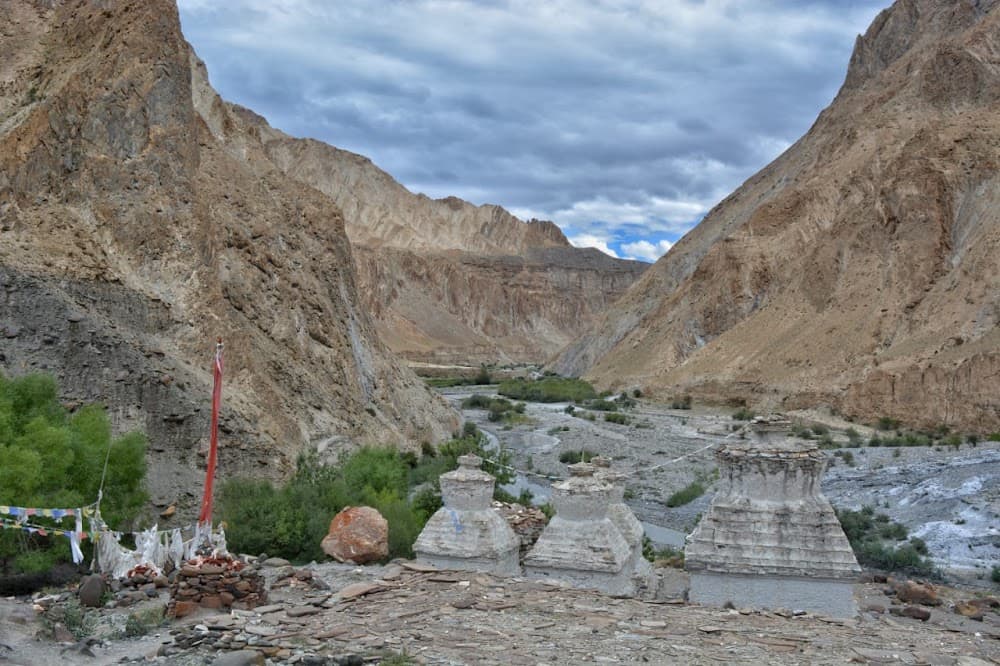
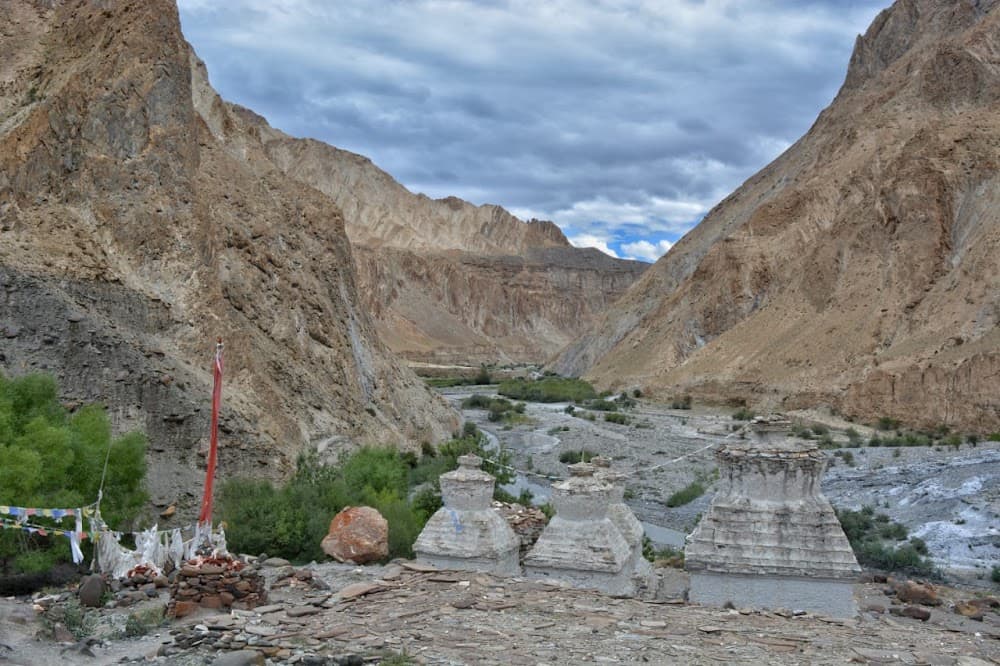
Mani-wall, a revered monastery in Leh, is steeped in tradition and spirituality. Local belief says that this sacred site has been a beacon of devotion for centuries, attracting pilgrims and seekers of enlightenment from far and wide. Tradition holds that the monastery's intricate architecture and stunning murals are a testament to the region's rich cultural heritage, with each stone and brushstroke imbued with spiritual significance. According to local lore, the monastery's walls are said to hold the secrets of the past, whispering ancient wisdom to those who listen.
Mani-wall, a revered monastery in Leh, is a testament to the region's rich spiritual heritage. As a sacred site, it is a must-visit for anyone seeking to experience the cultural and religious significance of this Himalayan town. The monastery's imposing structure, adorned with vibrant murals and intricate carvings, is a visual treat that offers a glimpse into the region's unique blend of Buddhist and Tibetan influences. As you approach the monastery, the air is filled with the sweet scent of incense and the soft chanting of monks, creating a serene atmosphere that invites contemplation and introspection.
As you approach Mani-wall in Leh, the imposing structure's intricate carvings and vibrant colors will leave you in awe. To make the most of your visit, consider arriving during the early morning or late afternoon when the sun casts a warm glow on the monument. Wear comfortable shoes and layers of clothing to accommodate the high-altitude weather. You can typically reach Mani-wall on foot or by hiring a local guide, who can provide valuable insights into the site's history and significance. Before your visit, be sure to check the current timings and any applicable fees through the app, as these may be subject to change.
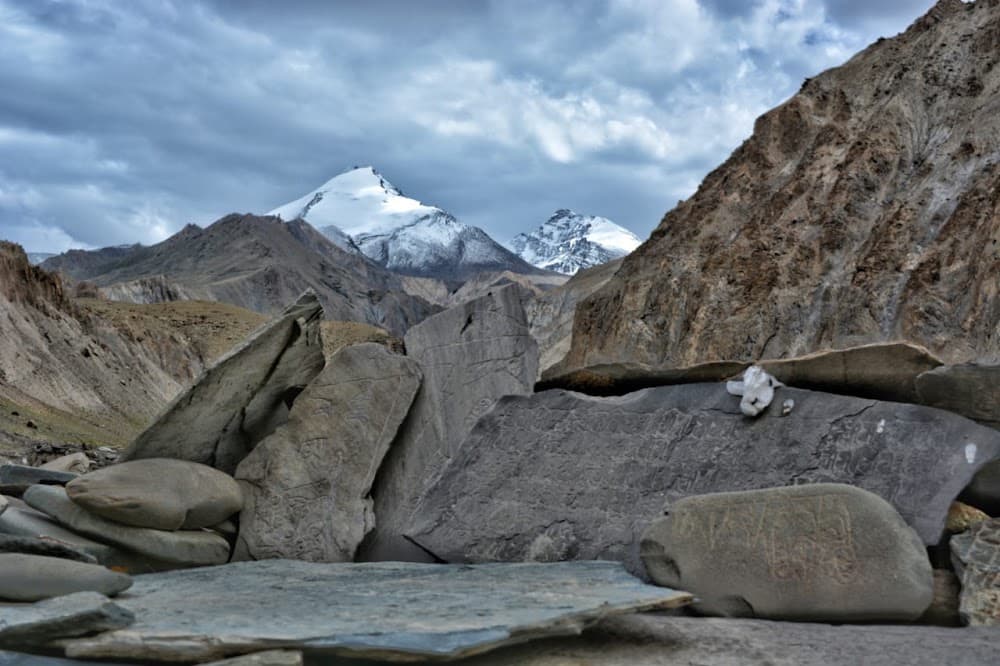
Mani-walls, like the one in Leh, are revered sites of Tibetan Buddhist worship. Visitors typically circumambulate the wall, spinning prayer wheels and murmuring mantras, as they seek spiritual enlightenment. The walls themselves are adorned with thousands of small, intricately painted stones, each inscribed with a mantra or a prayer. As devotees walk around the wall, they commonly involve themselves in a meditative state, letting the sacred energy of the site wash over them.