
Story
AI-drafted from public sources — may contain mistakes, especially specific dates, names, or claims. Only "Good to know" above is field-checked.
Begun during the famine of 1784 as a relief project that paid for work rather than giving alms, employing thousands from common labourers to noblemen reduced to penury. Asaf-ud-Daula died in 1797 and was buried here.
The proverb 'jisko na de Maula, usko de Asaf-ud-Daula' - he whom God does not provide for, Asaf-ud-Daula provides for - comes from his reputation for generosity, of which this building is the largest expression.
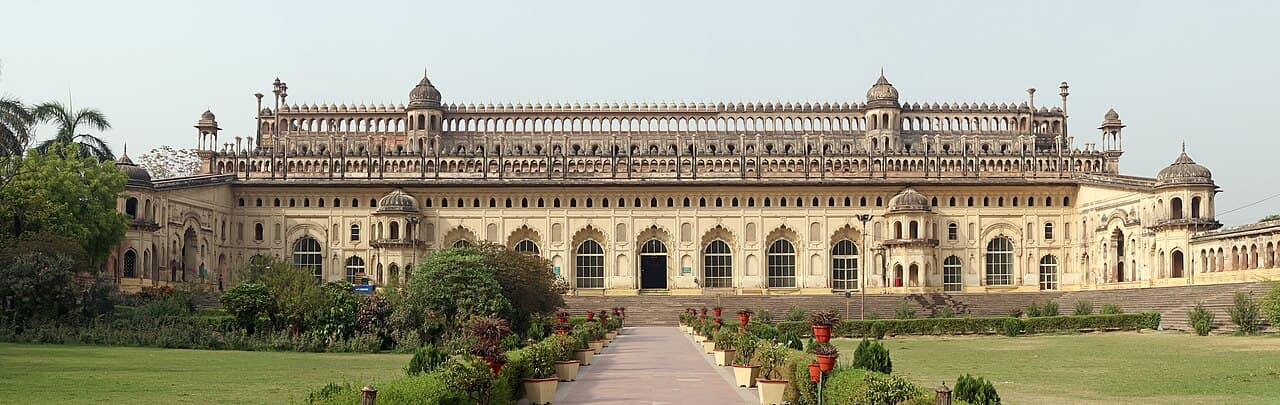
The city's defining building: a vast vaulted central hall built without visible supporting beams, set in gardens, with the Bhulbhulaiya maze on the upper floor, the Asafi mosque and the Shahi Baoli in the same complex. Asaf-ud-Daula is buried inside it.
As you approach the majestic Bara Imambara, you'll be struck by its imposing architecture. To make the most of your visit, consider arriving during the morning or late afternoon when the sun casts a warm glow on the intricate carvings and frescoes. Wear comfortable shoes and dress modestly, as this is a place of worship. Bring a refillable water bottle and a hat to protect yourself from the sun. The complex is easily accessible by public transportation or taxi, with designated parking available for private vehicles. Before your visit, confirm the current timings and any entry fees through the app, as these may be subject to change. As you explore the Bara Imambara, take in the stunning views of the surrounding city and the rich cultural heritage that this magnificent structure embodies.
Visitors typically come to Bara Imambara seeking spiritual solace and to marvel at its architectural grandeur. This revered mosque complex, commonly involves intricate stone carvings, ornate frescoes, and majestic arches that evoke a sense of awe. As one of the most impressive imambaras in India, it is said to be a place of great significance for those who seek to connect with the divine.