
Story
AI-drafted from public sources — may contain mistakes, especially specific dates, names, or claims. Only "Good to know" above is field-checked.
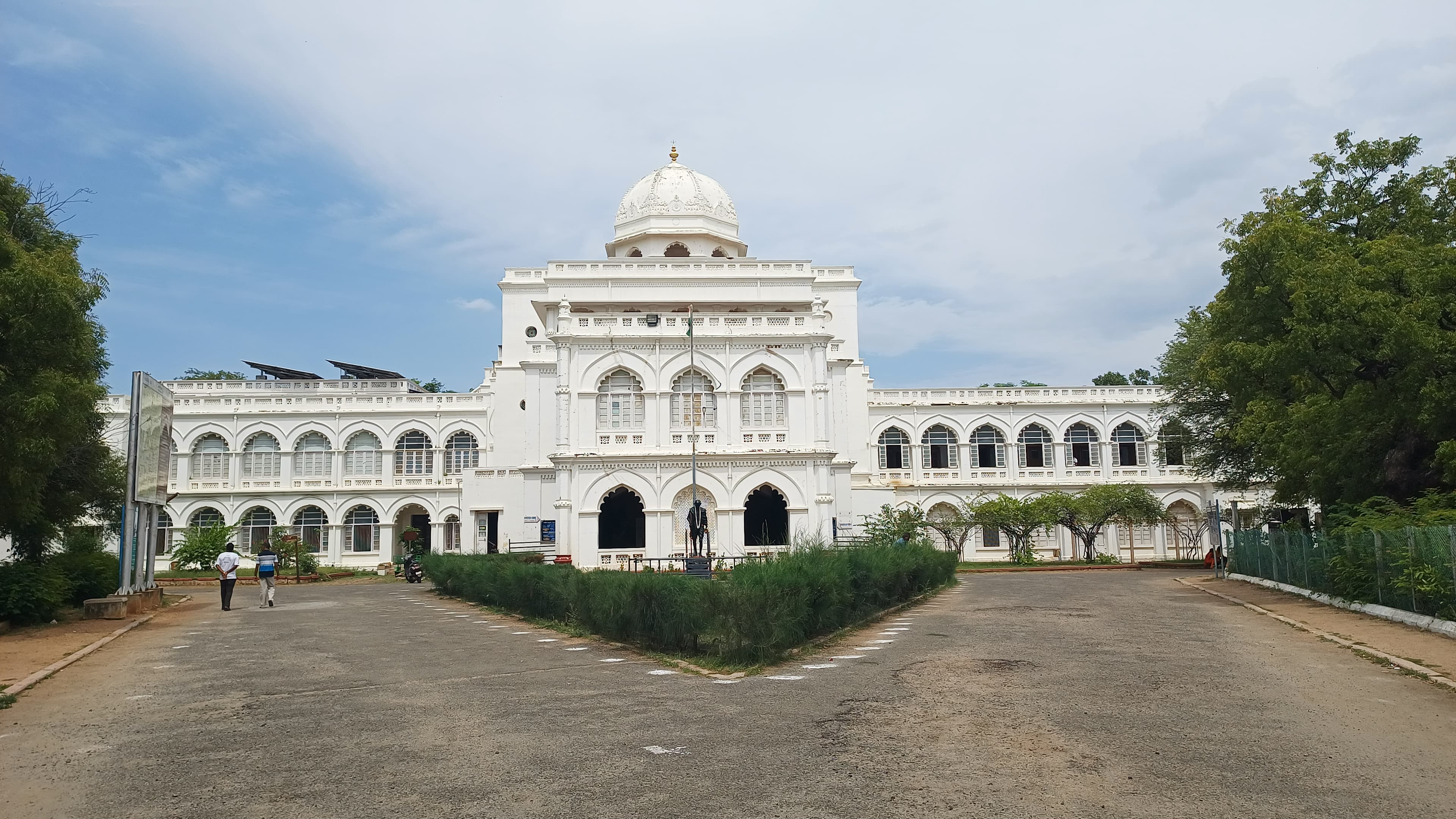
Gandhi Ninaivu Arungatchiyagam, a museum in Madurai, is a striking example of traditional Tamil architecture. The building's façade is characterized by intricately carved stone walls, adorned with ornate carvings depicting scenes from ancient Tamil literature. The structure's layout is designed to reflect the region's rich cultural heritage, with a central courtyard surrounded by a series of interconnected halls and galleries. The museum's scale is modest, with a gentle curve of the roofline and a subtle blend of natural and artificial lighting. The style of ornamentation is typical of museums in this region, with a focus on intricate stone carvings and ornate tilework, creating a visually stunning and thought-provoking space for visitors.
Madurai is where Gandhi first adopted the loincloth as his permanent dress in 1921, in solidarity with India's poor - the decision that produced the image the world knows. The museum exists here for that reason, and the garment and the decision are two ends of the same story.
In the heart of Madurai, the Gandhi Ninaivu Arungatchiyagam museum is a revered institution, steeped in tradition and devotion. Tradition holds that this sacred space is a testament to the city's rich cultural heritage, where the sacred and the mundane converge. Local belief says that the museum's very existence is a manifestation of the divine, a tangible representation of the city's deep-seated spirituality. As visitors wander through its hallowed halls, they are said to be transported to a realm of devotion, where the past and present blend seamlessly. The museum's collection is said to be a treasure trove of artifacts, each one imbued with a sense of reverence and awe. For those who venture into its sacred precincts, the Gandhi Ninaivu Arungatchiyagam museum is a place of pilgrimage, where the soul can find solace and the heart can find peace.
One of five Gandhi Sangrahalayas in India, on a 13-acre campus with a library and open-air theatre, housed in Rani Mangammal's 17th-century Tamukkam summer palace. It holds part of the blood-stained garment Gandhi wore when he was assassinated in 1948, original letters in his hand, and a display of Indian history from 1757 to 1947. It is included among UN-recognised Peace Museums Worldwide.
As you wander through the tranquil surroundings of Gandhi Ninaivu Arungatchiyagam in Madurai, the soothing atmosphere and serene beauty of the gardens will leave you enchanted. The best time to visit this serene oasis is during the early morning or late evening when the sun's gentle rays cast a warm glow on the lush greenery. Dress comfortably and wear shoes that can withstand the gentle terrain, and don't forget to bring a refillable water bottle and a camera to capture the breathtaking views. Typically, visitors reach this haven via a short taxi ride or auto-rickshaw from the city center. To confirm the exact timings and fees for your visit, please check the app for the latest information.