

Story
AI-drafted from public sources — may contain mistakes, especially specific dates, names, or claims. Only "Good to know" above is field-checked.
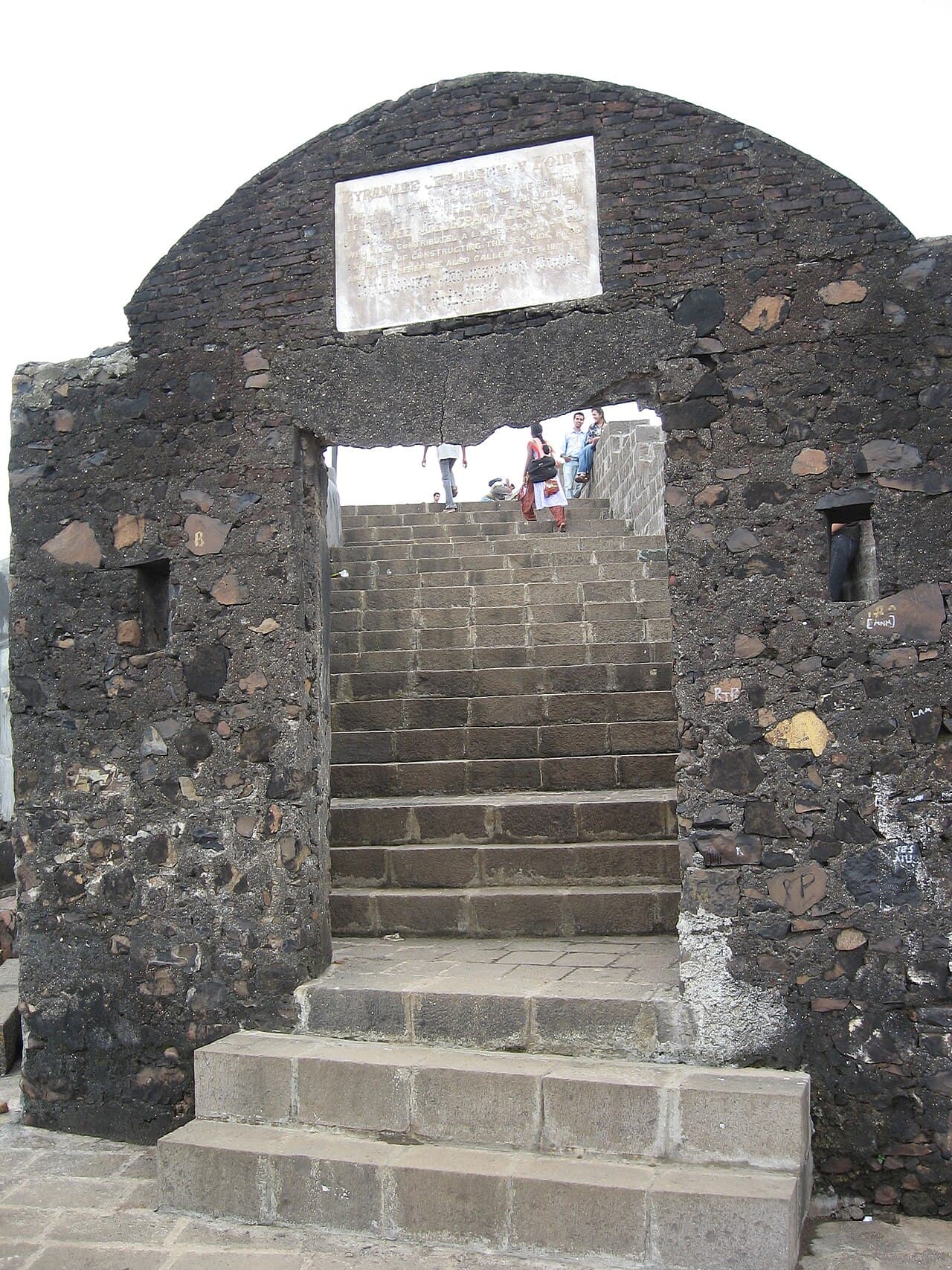
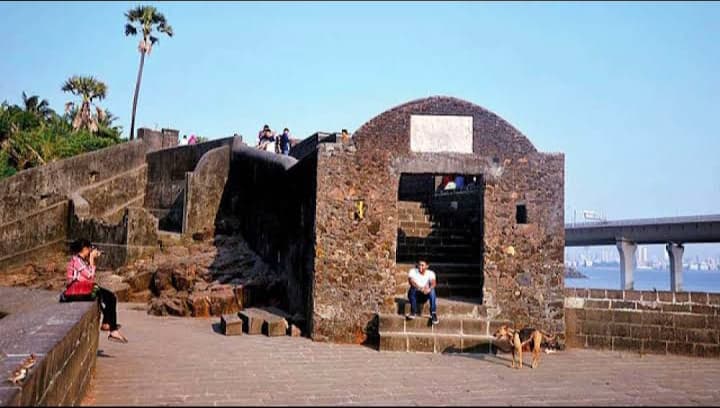
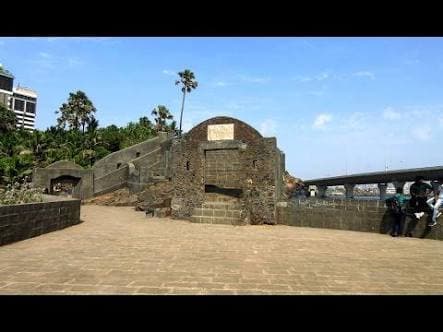
Castella de Aguada, a 17th-century Portuguese fortification, stands sentinel on the western outskirts of Mumbai. Its imposing structure, built in a style typical of Portuguese colonial architecture, is a testament to the city's rich cultural heritage. The fort's imposing walls, constructed from local stone and lime mortar, rise some 30 feet high, with bastions and battlements adding to its formidable appearance. The entrance, flanked by ornate stone carvings of the Portuguese coat of arms, is guarded by a pair of imposing stone lions. The interior, with its vaulted ceilings and stone-flagged floors, is a labyrinth of narrow corridors and chambers, punctuated by the occasional window or archway.
As the sun sets over the imposing walls of Castella de Aguada, a sense of reverence settles over the devotees gathered at this ancient fort. Tradition holds that this sacred site, built by the Portuguese in the 17th century, has long been a beacon of devotion for the city's Catholic and Hindu communities alike. Local belief says that the fort's imposing structure, with its imposing bastions and bastions, has been a sacred space for centuries, where the faithful come to seek solace, guidance, and blessings. While the exact origins of this devotional significance are shrouded in mystery, it is clear that Castella de Aguada has long been a place of quiet contemplation, where the rhythms of the city are left behind and the seeker can connect with the divine. As the stars begin to twinkle in the night sky, the atmosphere is alive with the whispers of prayers, the soft rustle of incense, and the gentle murmur of devotion, all blending together to create a sense of sacred space that transcends time and tradition.
Perched atop the Salsette Hills, Castella de Aguada stands sentinel, its 16th-century walls bearing testament to the city's rich colonial past. This imposing fort, once a bastion of Portuguese power, now offers breathtaking views of the city's sprawling metropolis. As the sun sets, the fort's ramparts seem to come alive, its crenellations and bastions silhouetted against the vibrant hues of the Mumbai sky. Visitors drawn to this heritage site are rewarded with a glimpse into the city's complex history, as well as the opportunity to explore the fort's crumbling battlements, bastions, and the eerie, abandoned chapel within.
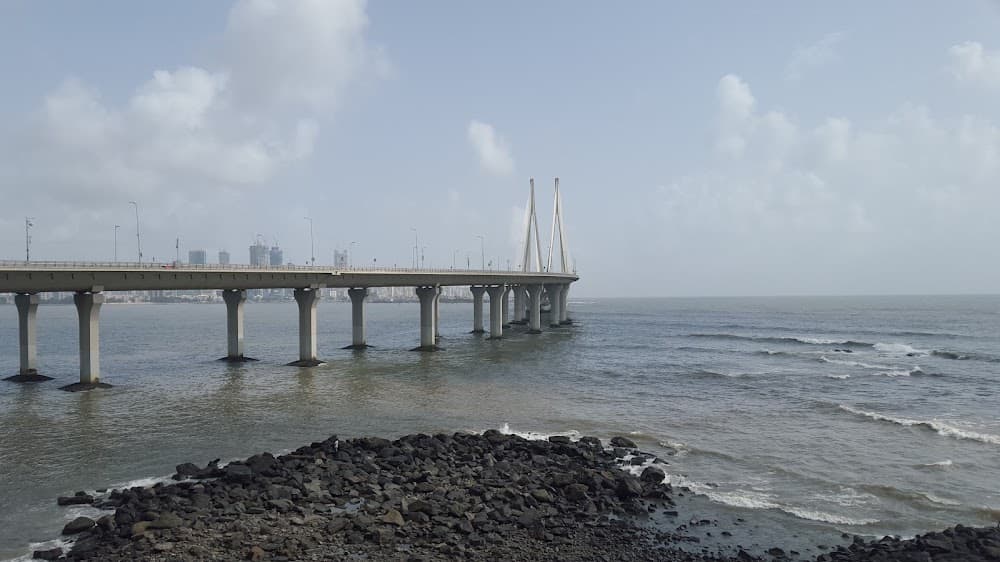
As you approach Castella de Aguada, the imposing bastion walls and the imposing bastion gates transport you to a bygone era. The best time to visit this 18th-century fortification is early morning or late afternoon when the sun casts a warm glow on the intricate stonework. Wear comfortable shoes and clothing suitable for the Indian climate, and don't forget to bring a refillable water bottle and a hat for added comfort. Typically, visitors reach the fort via the scenic walkway along the fortifications or through the nearby streets, which offer a glimpse into the city's colonial past. As you explore the fort, take in the stunning views of the Arabian Sea and the city's skyline. Confirm the current timings and fees for your visit with the site staff or local authorities before heading out.