
Story
AI-drafted from public sources — may contain mistakes, especially specific dates, names, or claims. Only "Good to know" above is field-checked.
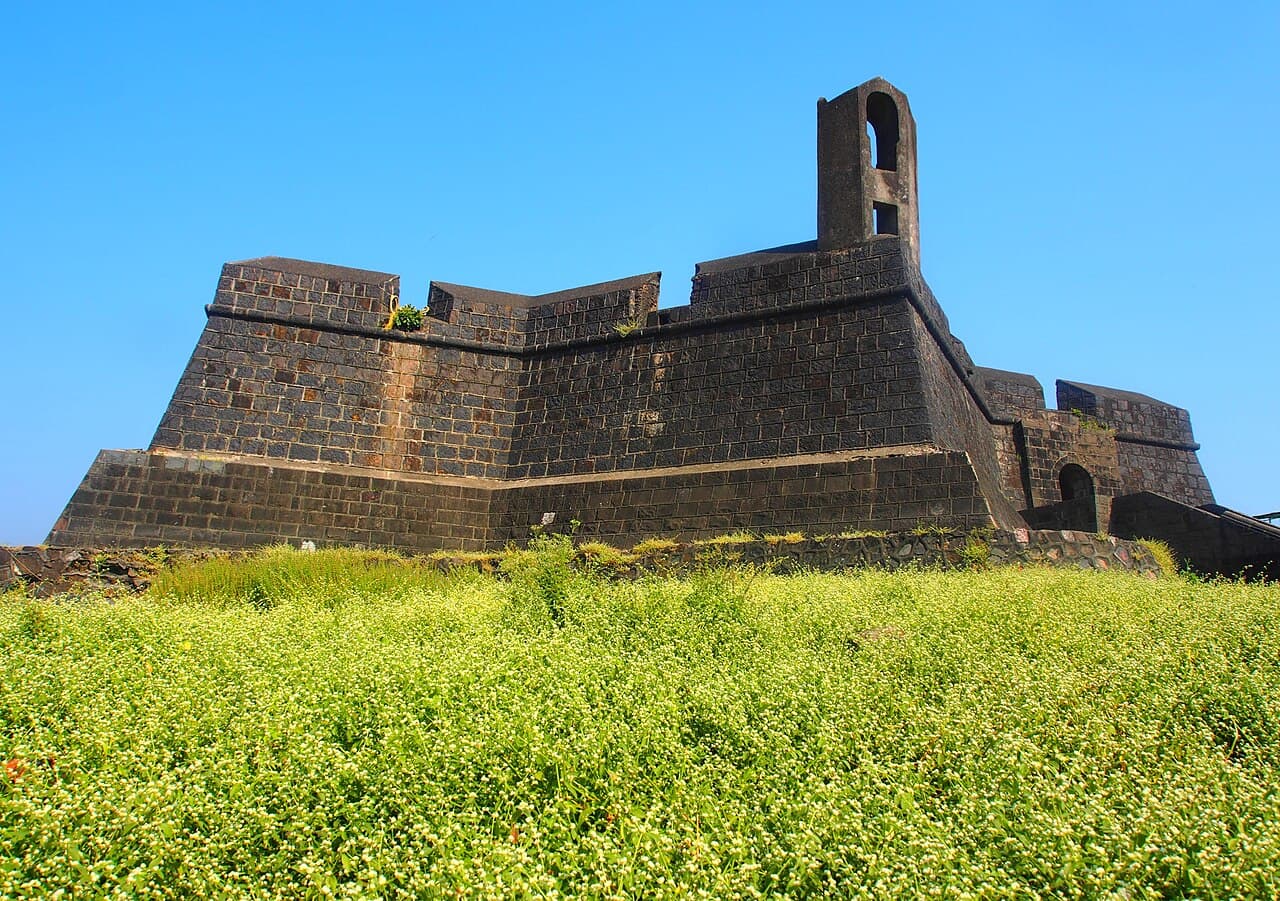
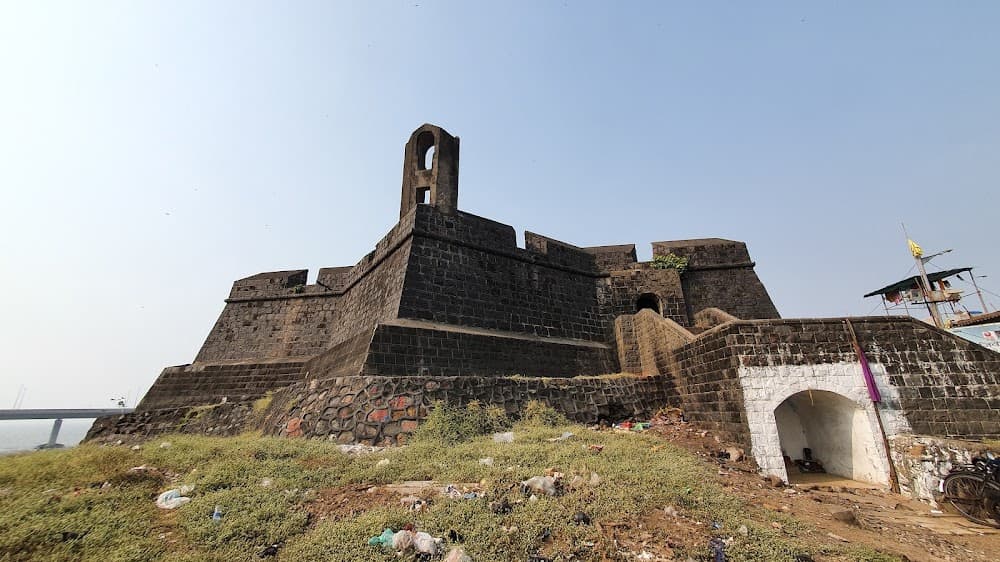
Worli Fort's crumbling walls and bastions, weathered to a warm beige, rise from the rocky outcrop that gives the fort its name. The fort's layout is a testament to the ingenuity of its ancient builders, with narrow passages and battlements that seem to defy gravity. The structure's scale is imposing, with towering walls that enclose a compact, fortified heart. The ornamentation, typical of forts in this region, is a riot of intricate carvings and ornate stonework, with the occasional cannonball dent serving as a reminder of the fort's storied past.
Worli Fort, a testament to the region's rich cultural heritage, is said to have been built by the Portuguese in the 17th century. Tradition holds that the fort was constructed to serve as a strategic stronghold, guarding the city's eastern flank against potential invaders. Local belief says that the fort's imposing structure was designed to intimidate the Mughal Empire, which at that time controlled much of India. Over the years, the fort has been a witness to the city's transformation from a small fishing village to the bustling metropolis it is today. According to local lore, the fort's walls have borne silent testimony to the struggles and triumphs of the city's people, who have revered it as a sacred space.
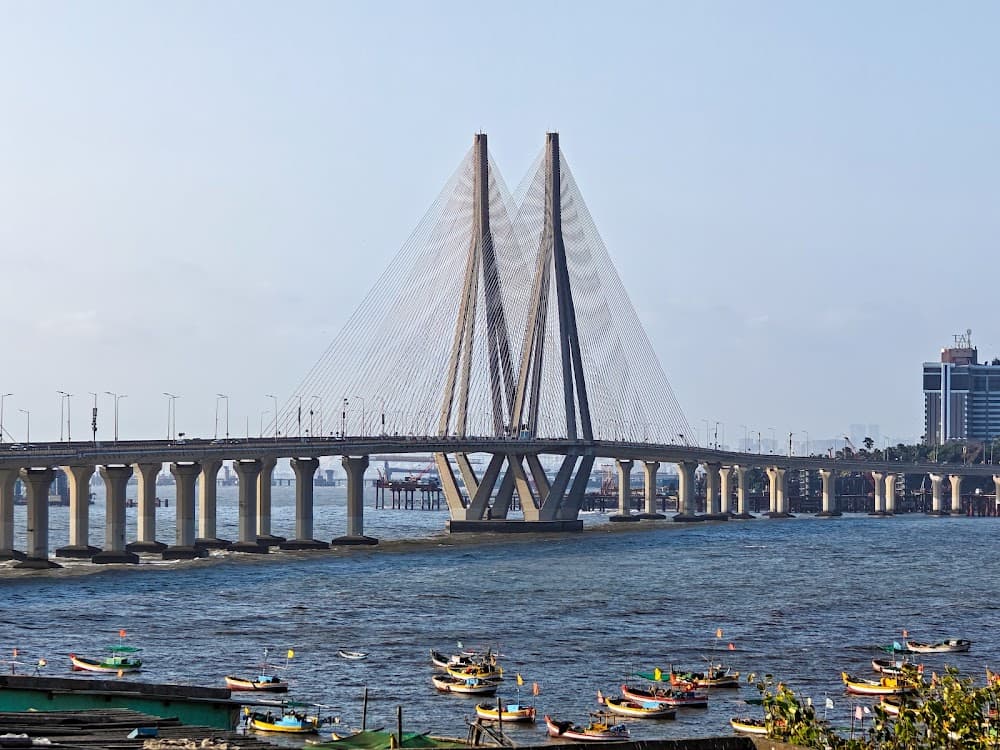
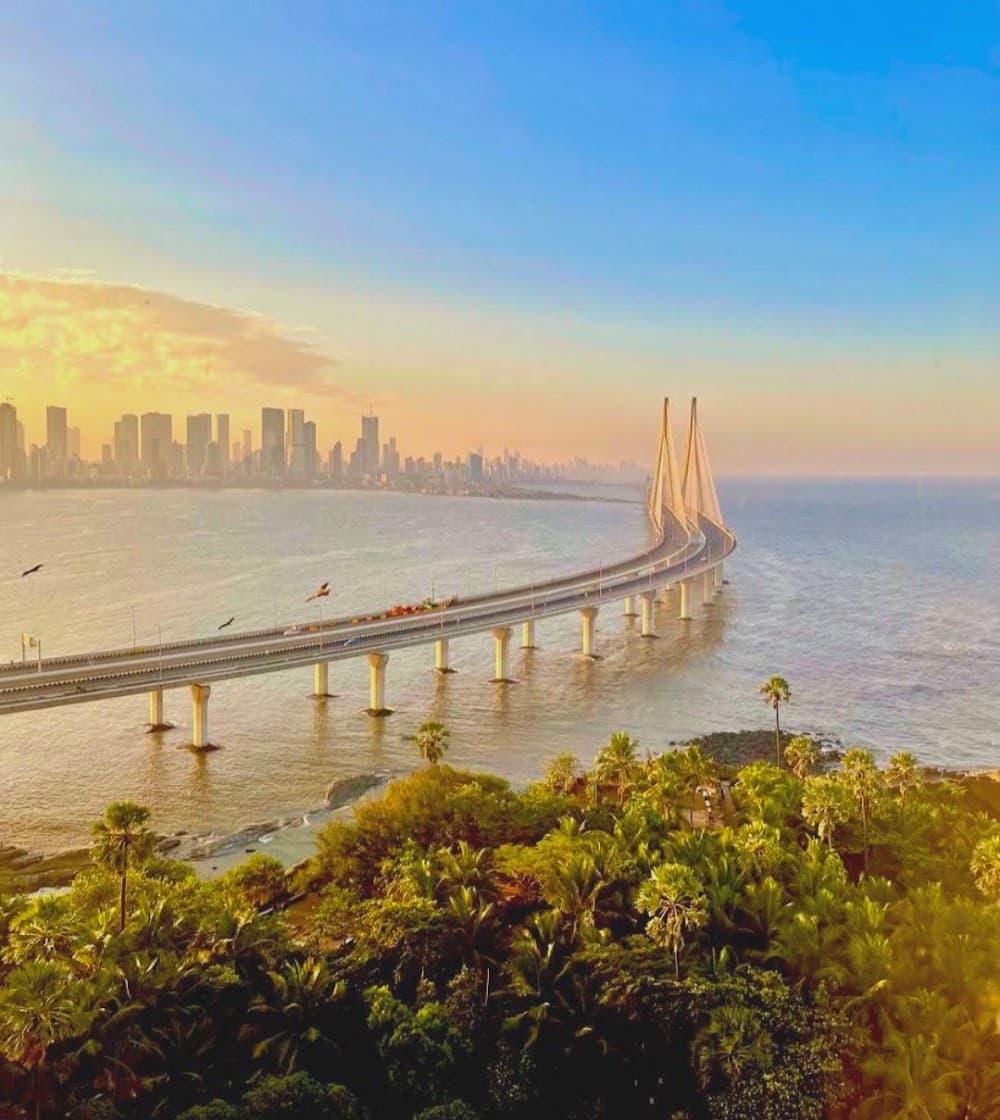
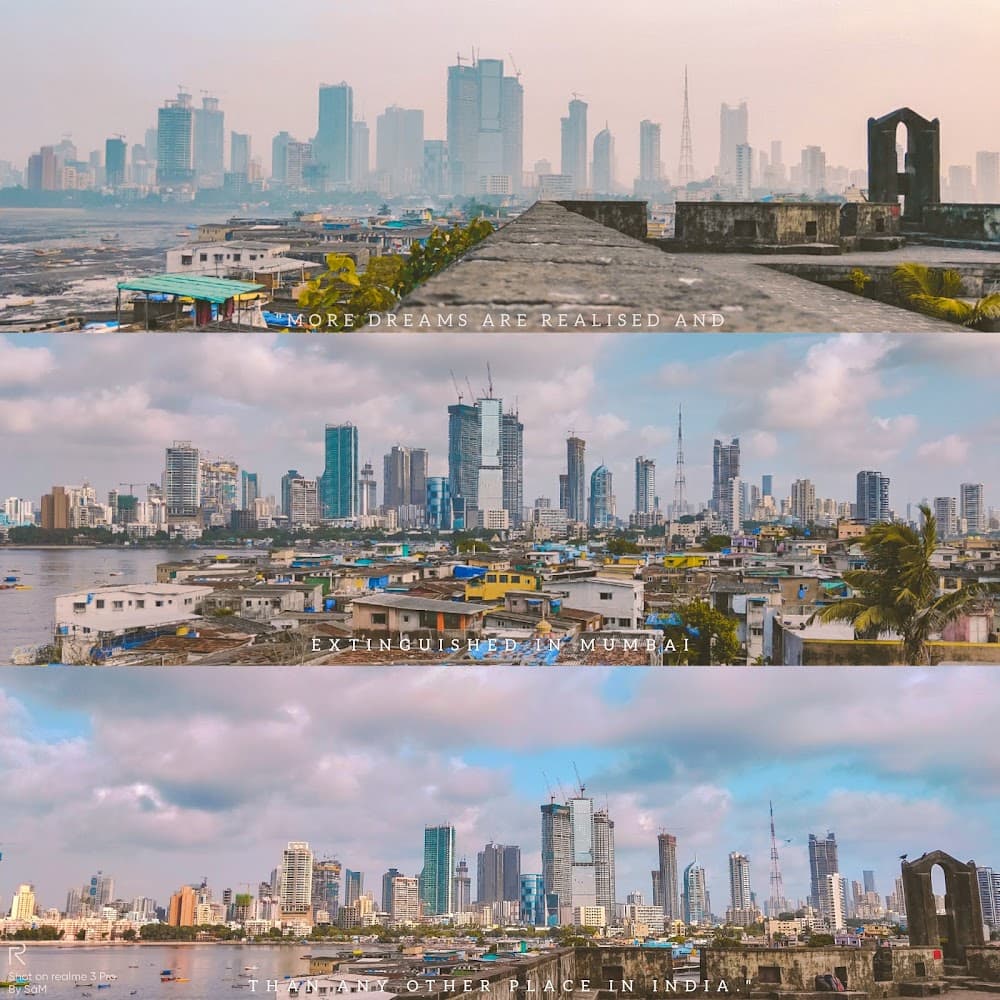
Perched on a rocky outcrop overlooking the Arabian Sea, Worli Fort stands as a testament to the region's rich history. This 17th-century fort, a relic of the Portuguese colonial era, offers a glimpse into the city's complex past. As you approach the fort, you'll notice its imposing structure, a blend of Portuguese and Indian architectural styles. The fort's walls, now crumbling in places, still exude a sense of grandeur, while the surrounding views of the sea and the city's skyline provide a stunning backdrop. Despite its relatively small size, Worli Fort is a must-visit for history buffs and those seeking a unique perspective on Mumbai's evolution.
Worli Fort, a 17th-century stronghold, sits atop a hill overlooking the Arabian Sea. As you approach the fort, take in the stunning views of the city's skyline and the sea. The best time to visit is early morning or late afternoon when the sun casts a golden glow over the fort's imposing walls. Wear comfortable shoes and dress in layers, as the weather can be unpredictable. Reach the fort by taking a local bus or taxi from Worli village or by walking up the hill from the seafront. As you explore the fort's ruins, be mindful of the uneven terrain and take your time to soak in the history and atmosphere. Confirm the current timings and entry fees with local authorities or the fort's management before your visit.