
Story
AI-drafted from public sources — may contain mistakes, especially specific dates, names, or claims. Only "Good to know" above is field-checked.
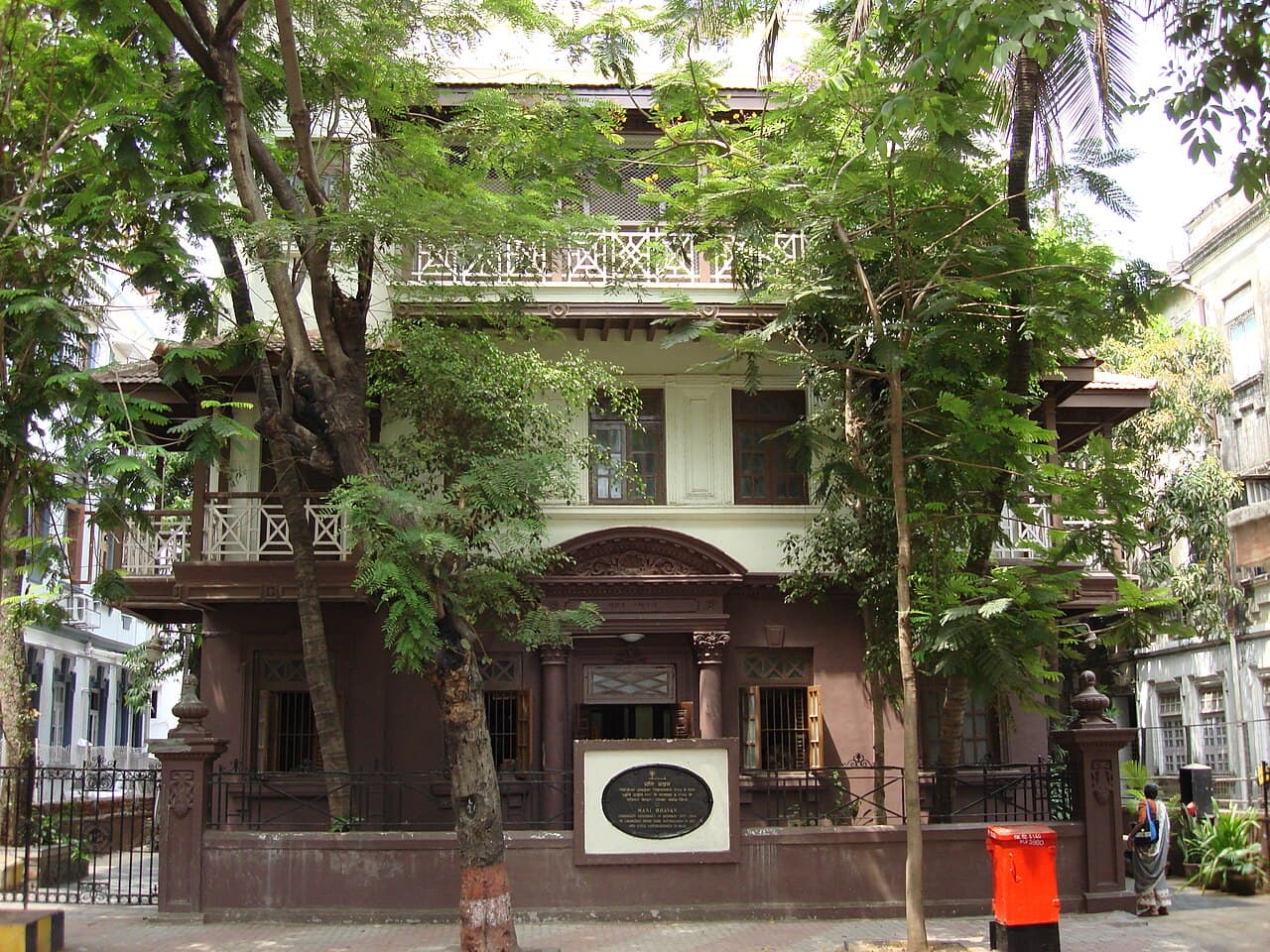
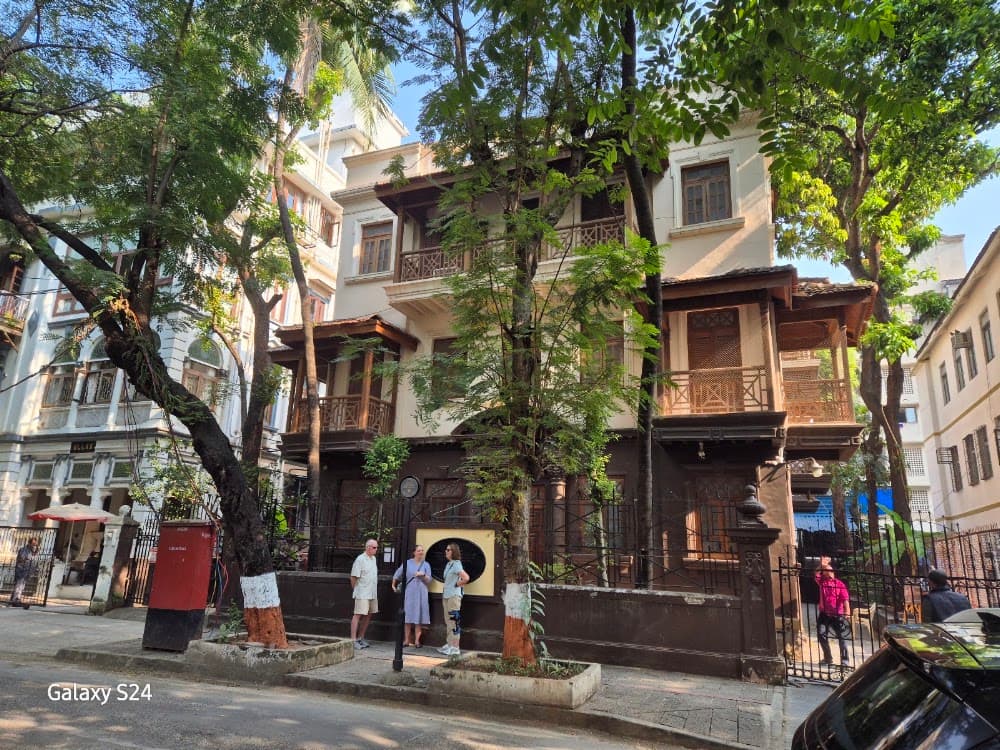
Mani Bhavan, a museum in Mumbai, stands as a testament to the city's rich cultural heritage. The building's imposing structure, with its imposing façade and intricately carved wooden doors, is a blend of traditional Indian and colonial architectural styles. The walls, made of sturdy stone, rise to a gentle slope, while the roof, a symphony of curved lines, is a classic example of Indian architecture. The museum's interior is a labyrinth of narrow corridors and spacious galleries, lined with intricate carvings and ornate mirrors. The overall effect is a harmonious blend of functionality and aesthetics, a reflection of the city's unique cultural identity.
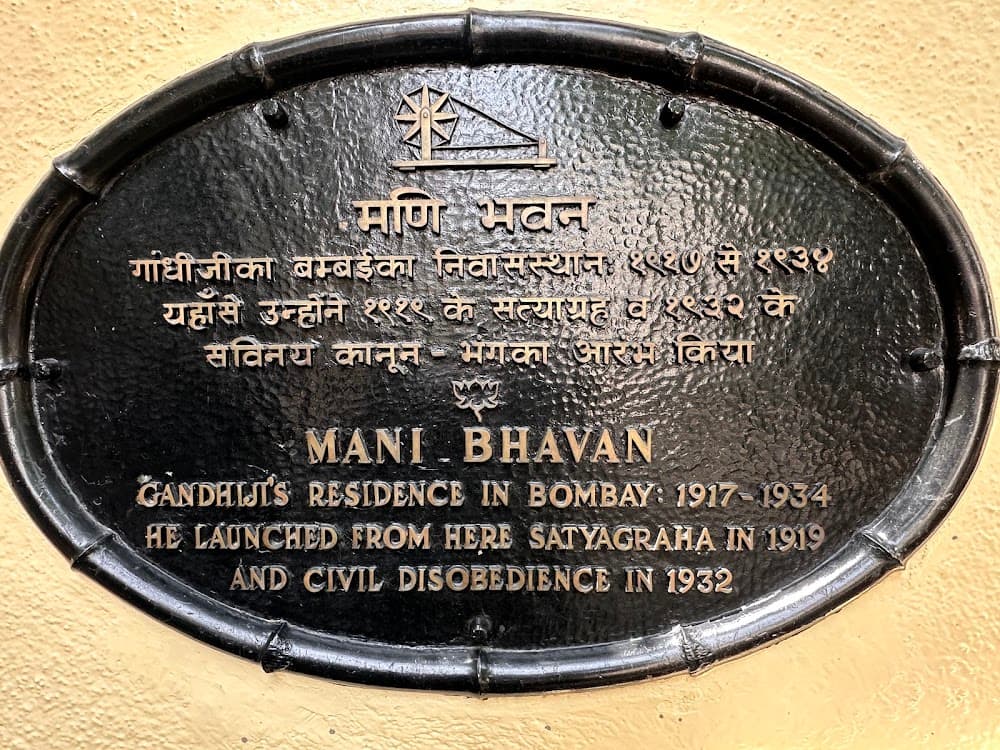
In the heart of Mumbai, Mani Bhavan stands as a testament to the enduring legacy of Mahatma Gandhi. Tradition holds that this humble abode was once the residence of the Mahatma, where he lived and worked during the early years of India's independence movement. Local belief says that it was here that Gandhi's non-violent resistance movement gained momentum, as he received visitors and counselled fellow freedom fighters. The museum's walls are said to reverberate with the whispers of revolutionaries, their struggles and triumphs etched into the very fabric of Indian history. For many, Mani Bhavan is a sacred space, a place where the spirit of Gandhi's philosophy and ideals continue to inspire and guide.
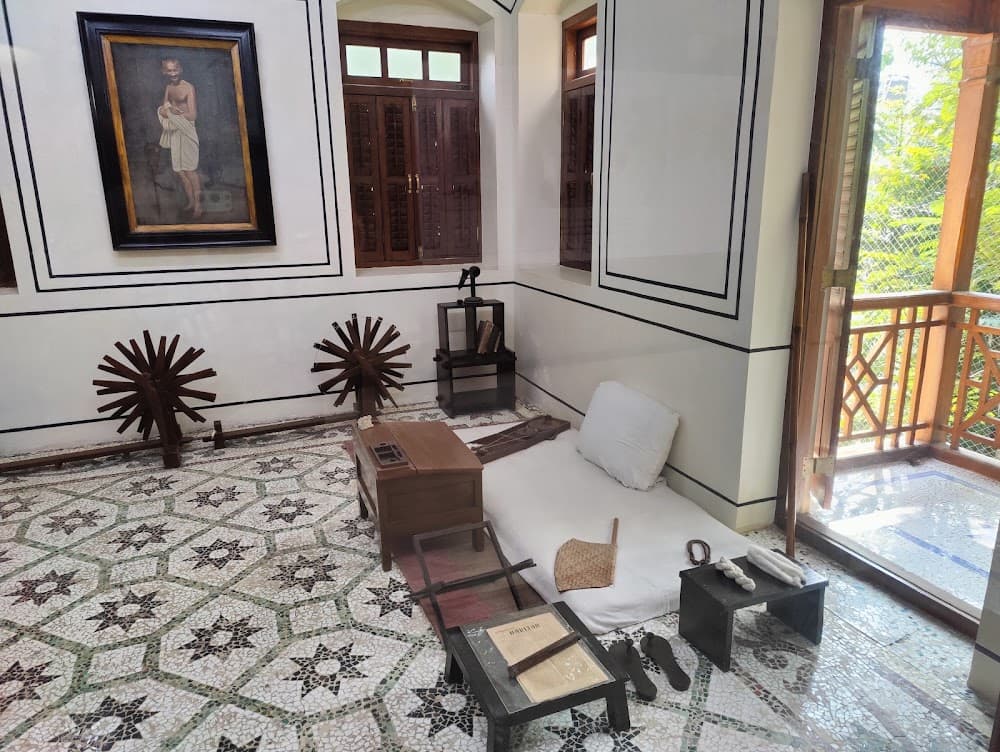
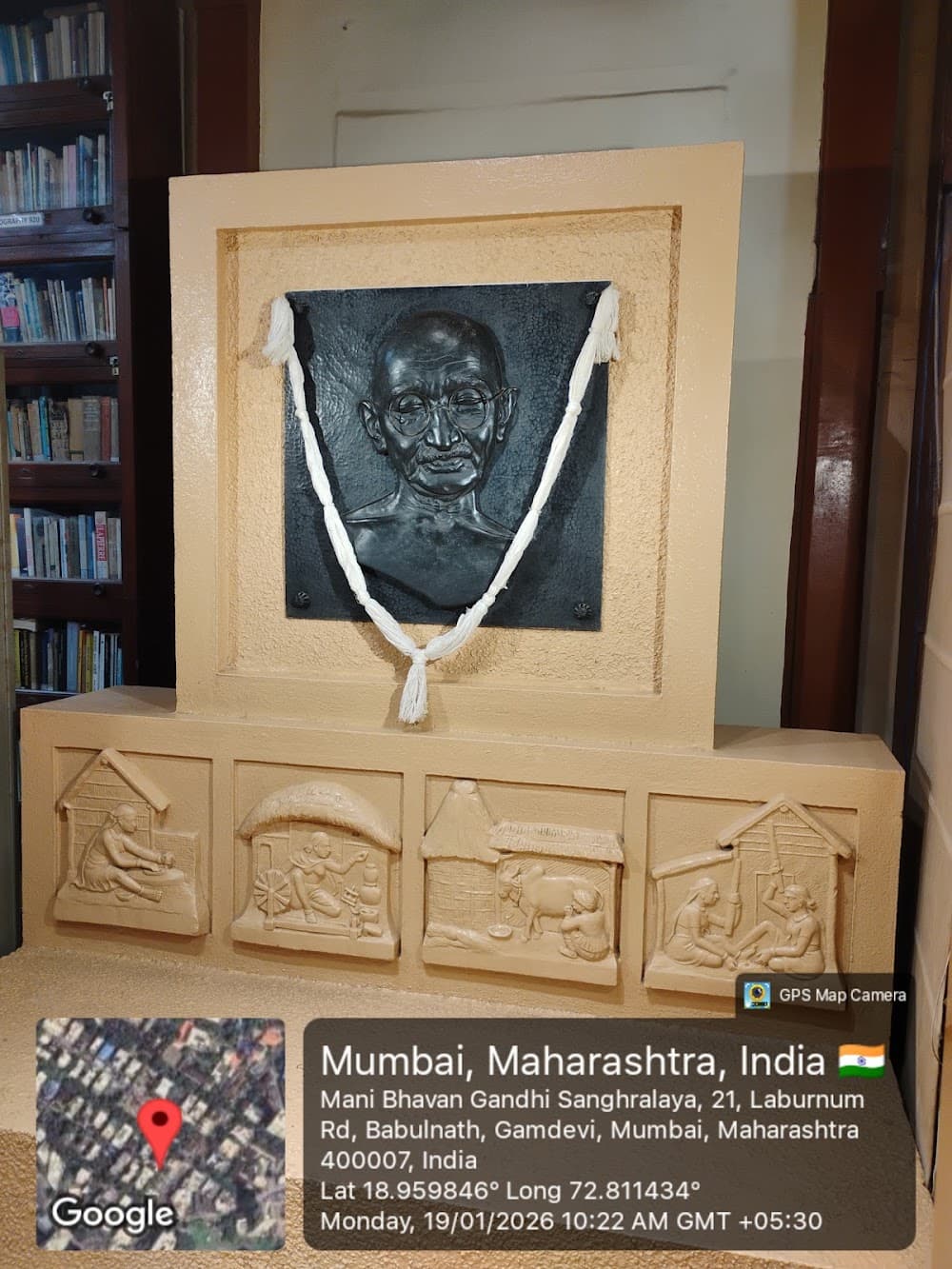
Standing in the heart of Mumbai's bustling Parel district, Mani Bhavan is a humble yet significant museum that transports visitors to a bygone era. This unassuming 19th-century bungalow was once the headquarters of Mahatma Gandhi's Indian independence movement, where he planned and strategized with fellow freedom fighters. Today, the museum offers a poignant glimpse into the life and times of the Mahatma, with exhibits showcasing his personal belongings, letters, and photographs. As you step inside, you'll be surrounded by the quiet reverence of a sacred space, where the echoes of history whisper tales of sacrifice, struggle, and triumph.
As you approach Mani Bhavan, the humble abode of Mahatma Gandhi, you're immediately struck by the simplicity and elegance of its architecture. This iconic site is best explored during the morning or late afternoon when the sun casts a warm glow on the surroundings. Dress comfortably and be prepared to walk, as the complex is spread out over a few acres. The easiest way to reach Mani Bhavan is by taking a local bus or auto-rickshaw from the nearby Chembur station. Upon arrival, take a moment to appreciate the tranquil atmosphere and the significance of this site, which played a pivotal role in India's freedom struggle. Be sure to confirm the current timings and fees with the venue or local authorities before your visit.