
Mysore
Palaces, temples, and sandalwood crafts
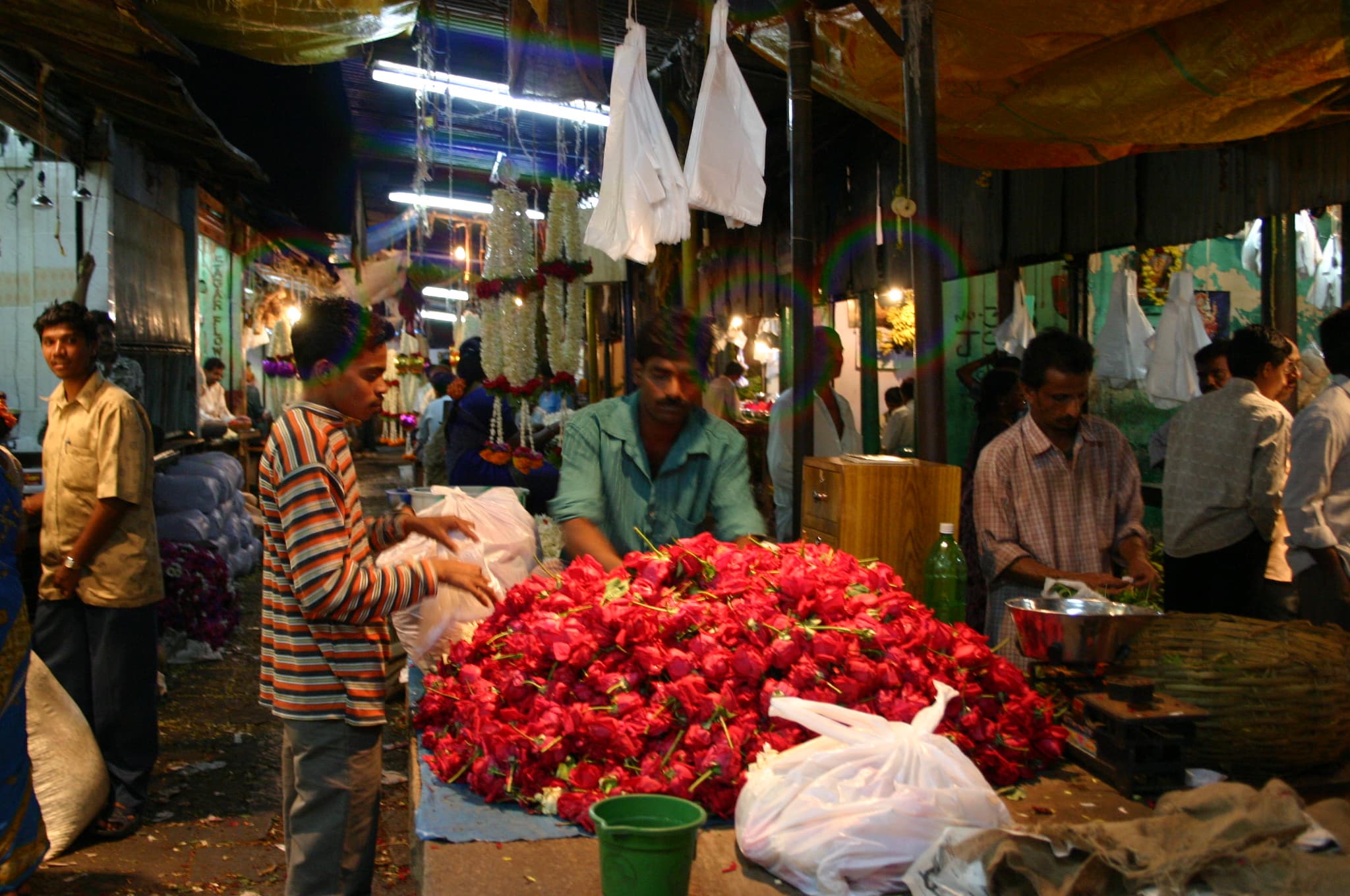
The scent of jasmine and frangipani wafts through crowded market alleys
Mysore is a city that embodies the rich cultural heritage of India, attracting travelers seeking a deeper connection with the country's storied past. This charming city is a haven for history buffs and architecture enthusiasts, with its well-preserved colonial and medieval landmarks, ornate temples, and majestic palaces. As the cultural and spiritual hub of the region, Mysore draws visitors who crave a sense of nostalgia and authenticity, seeking to immerse themselves in the city's vibrant traditions and customs. With its laid-back atmosphere and warm hospitality, Mysore is an ideal destination for travelers looking to unwind and experience the best of India's heritage.
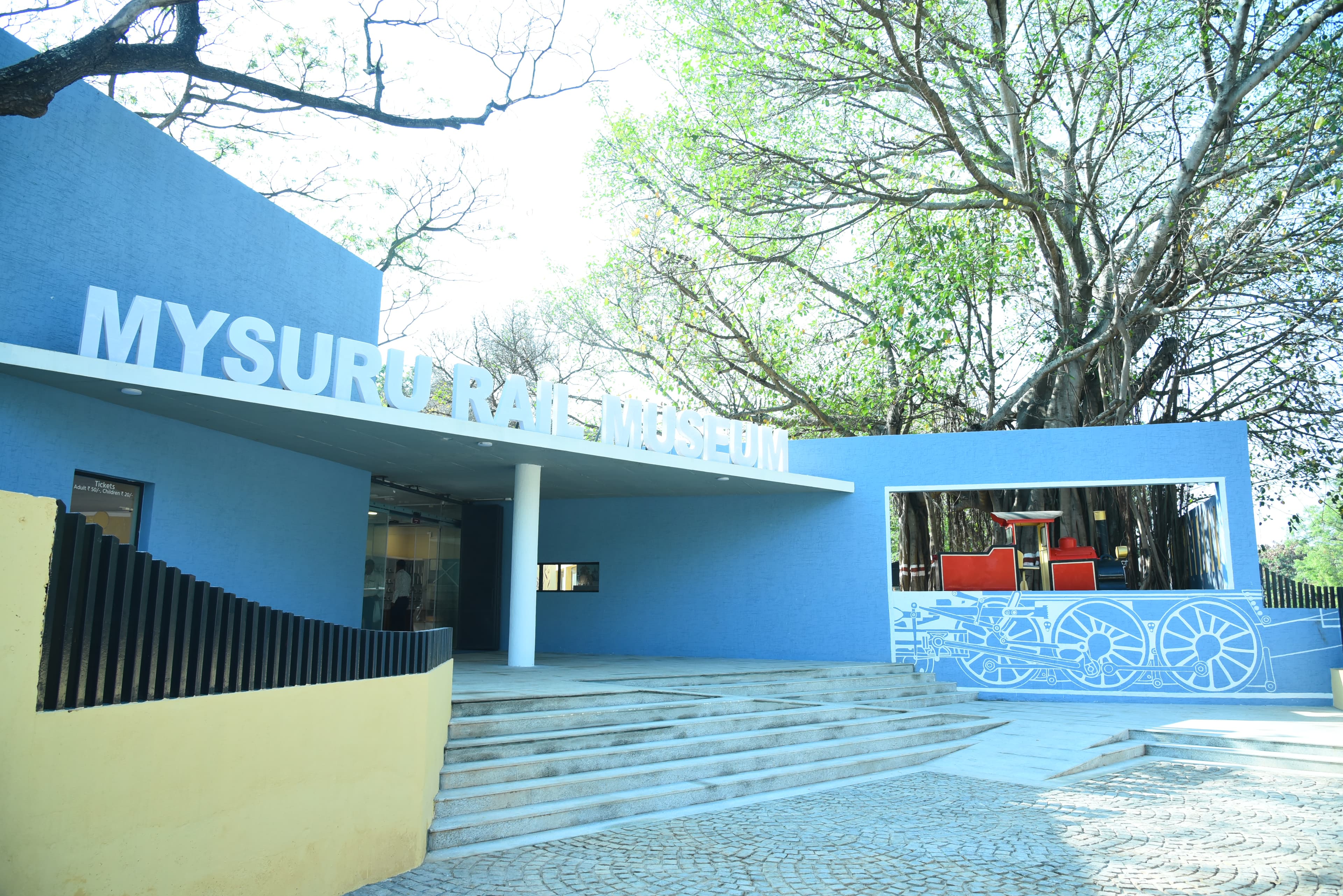
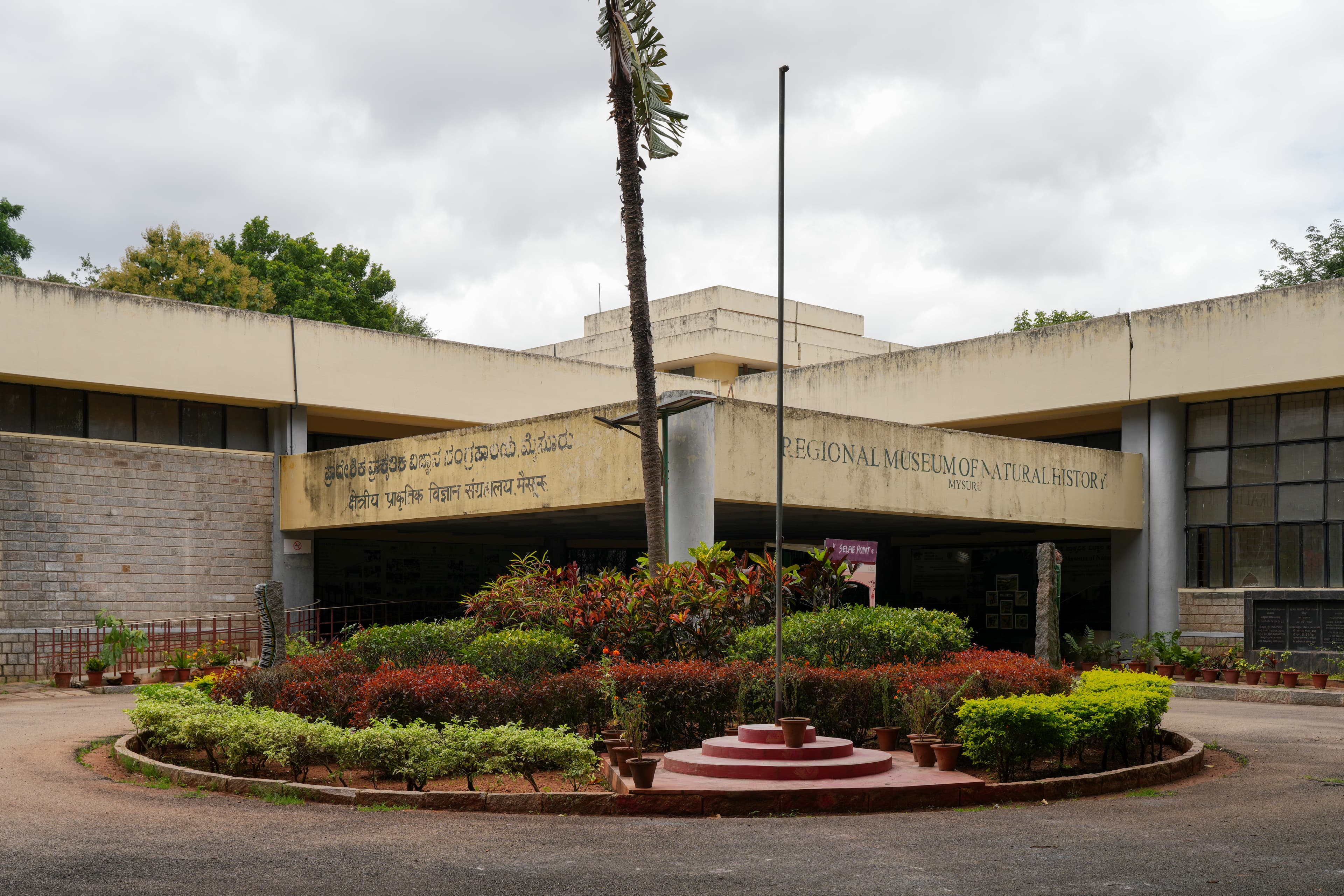
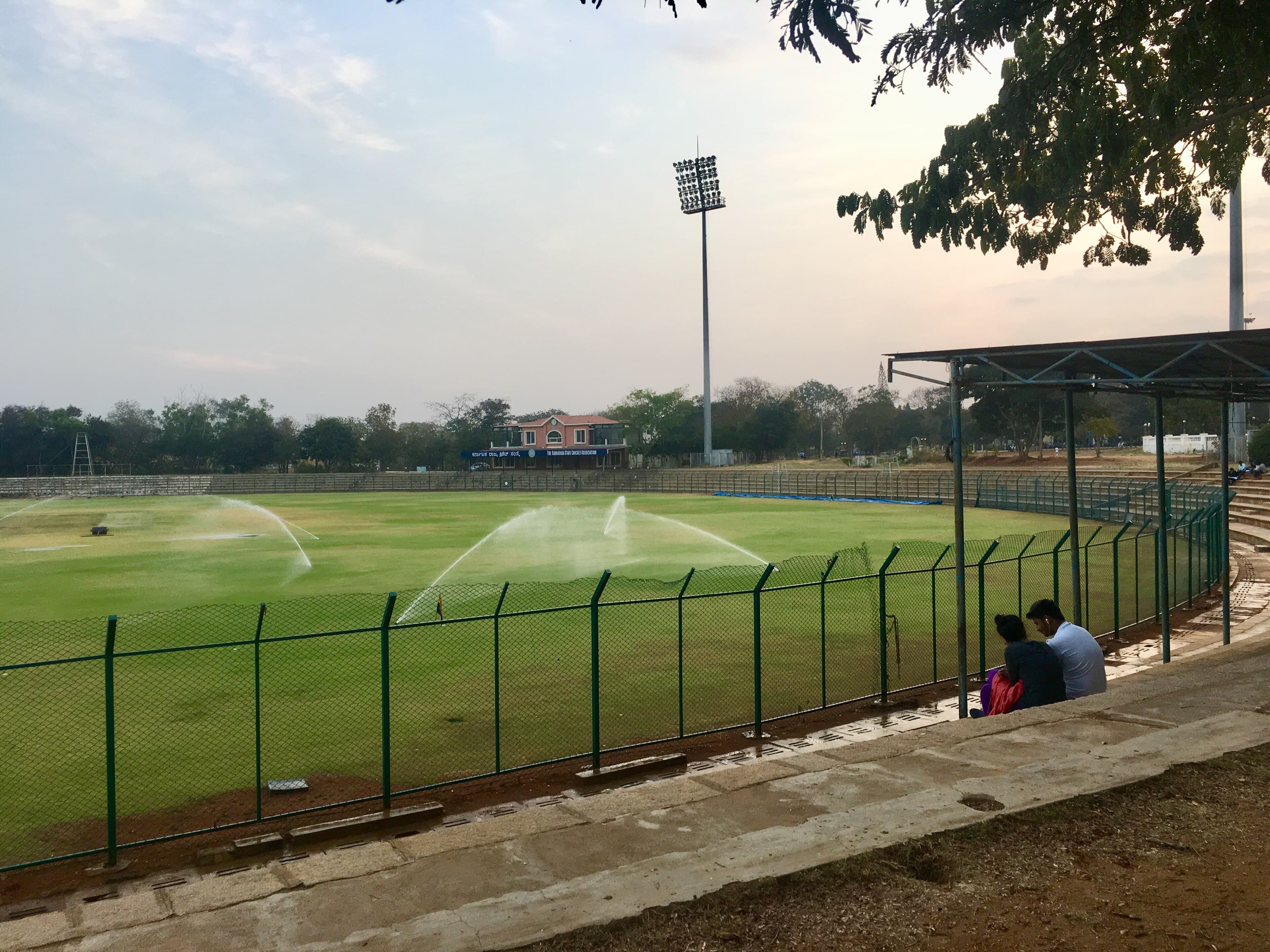
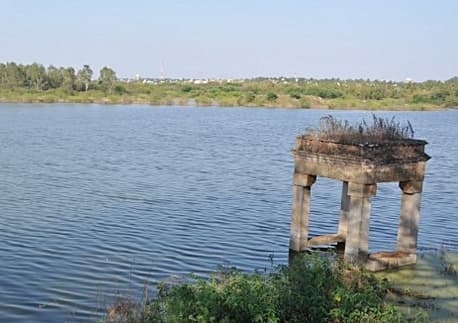
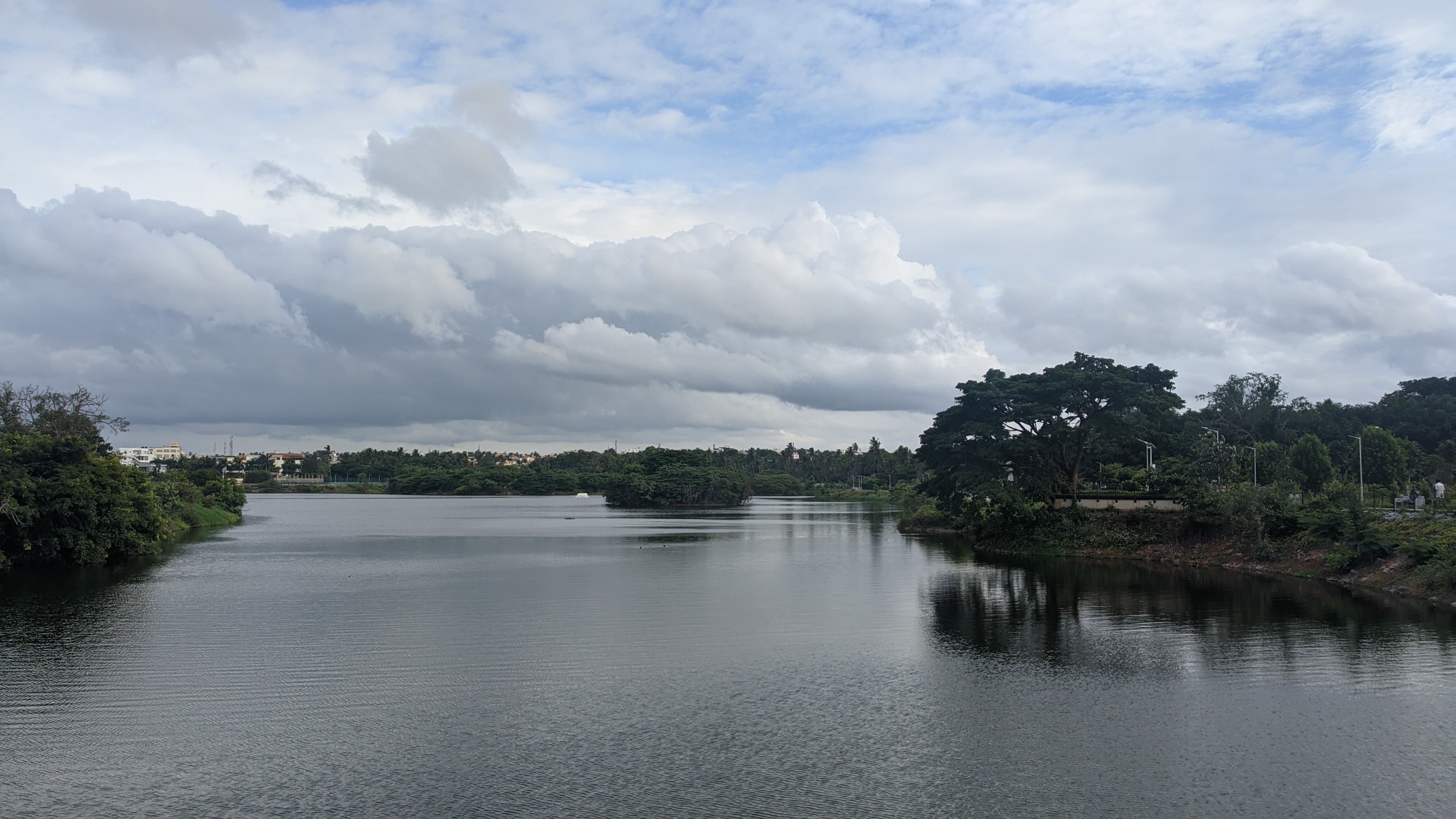
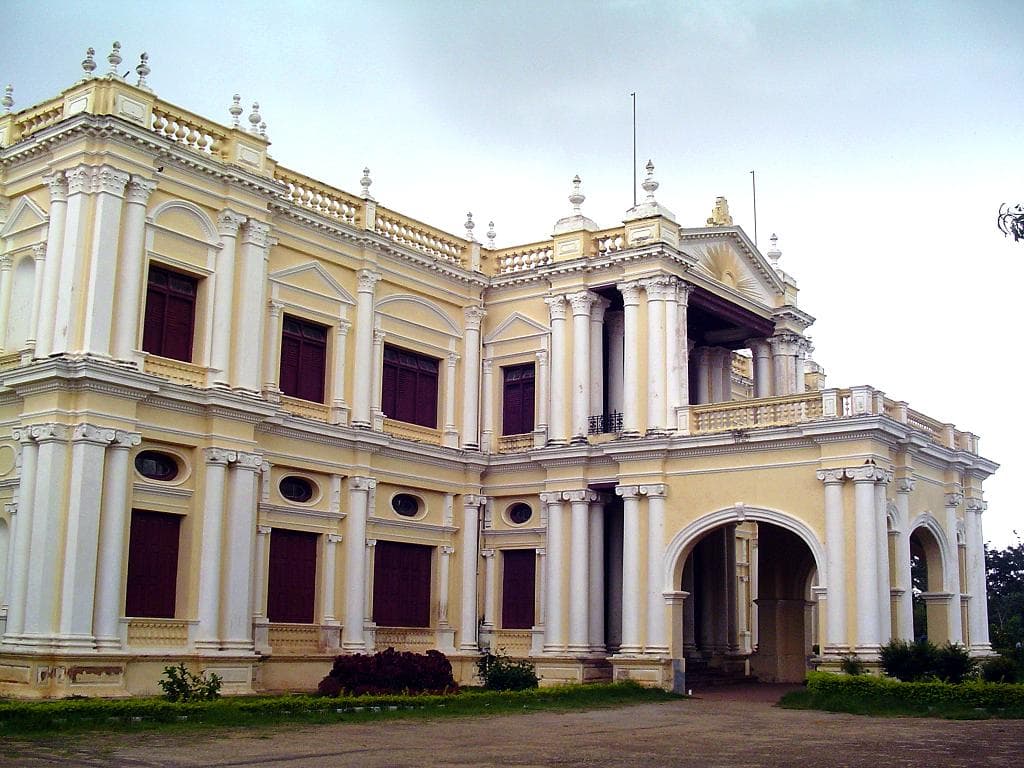
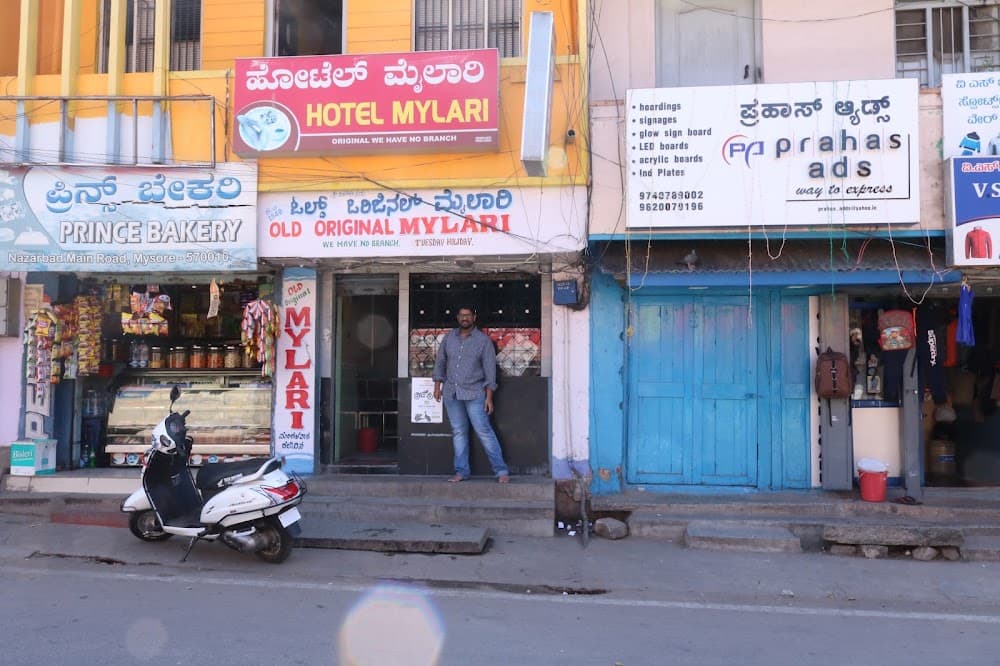
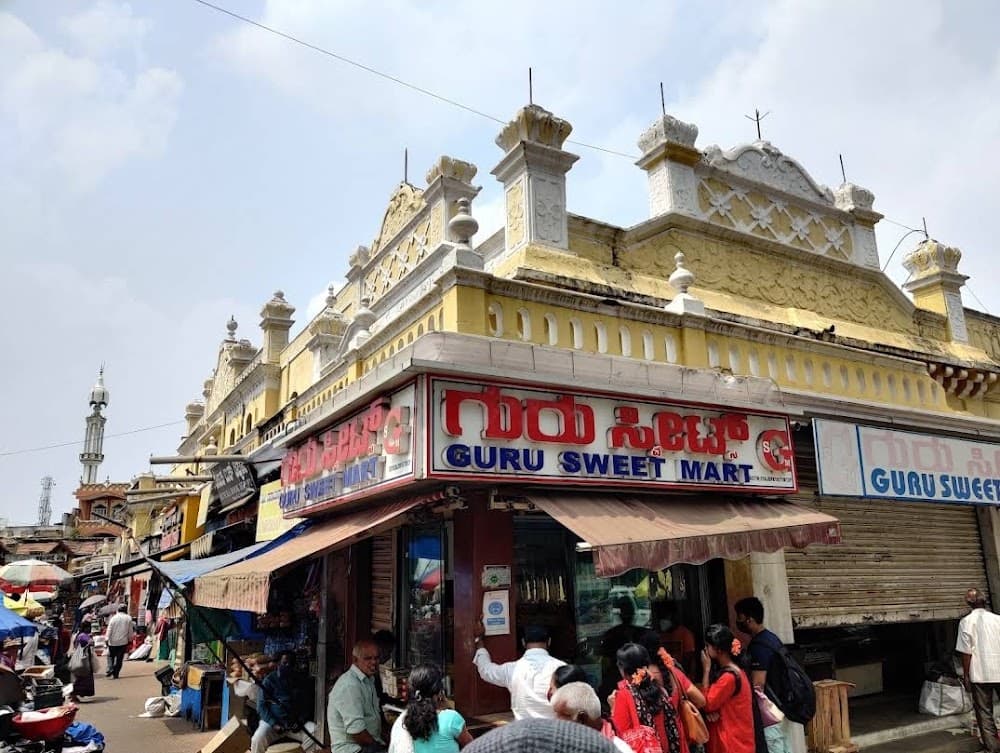
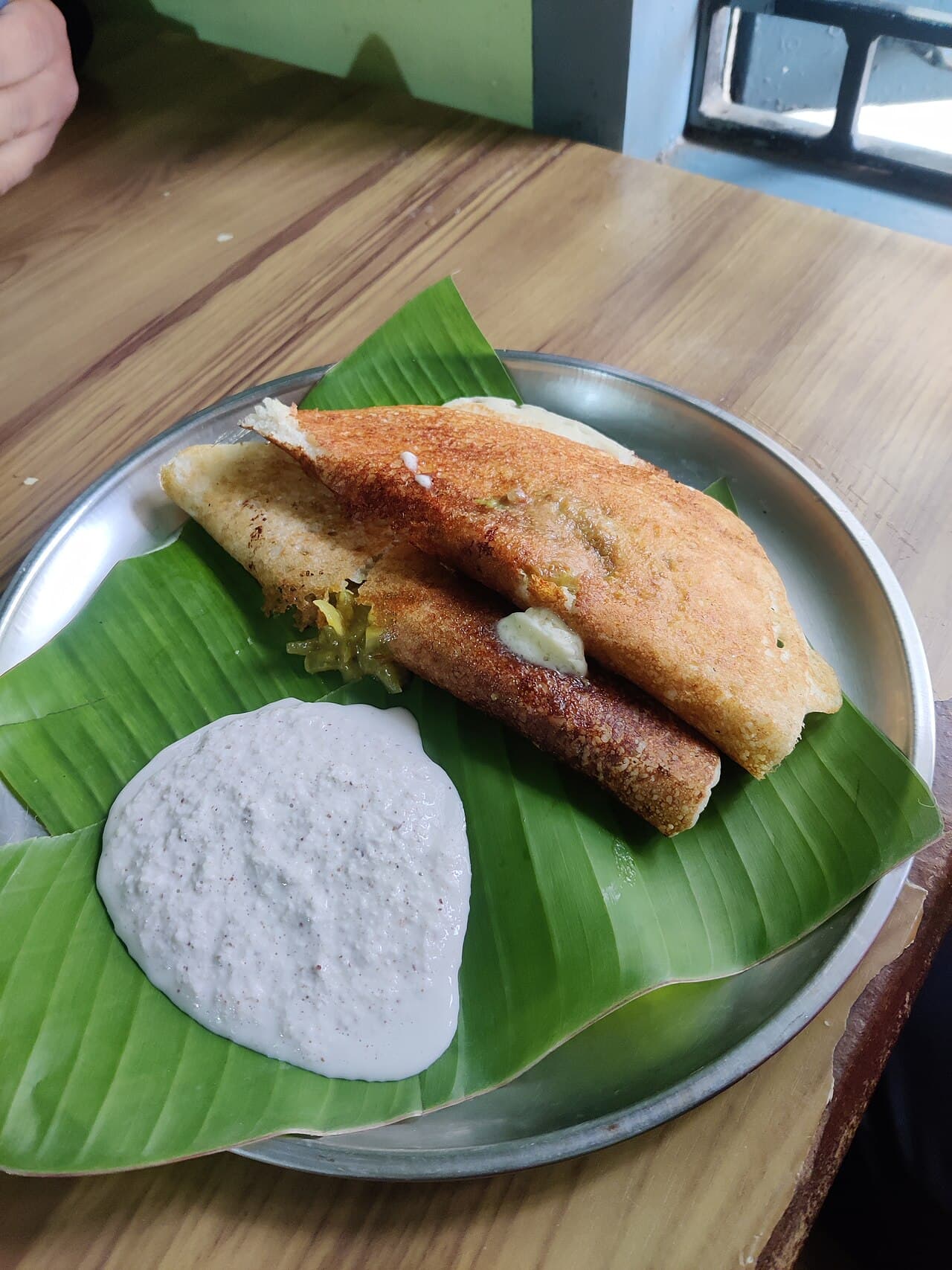
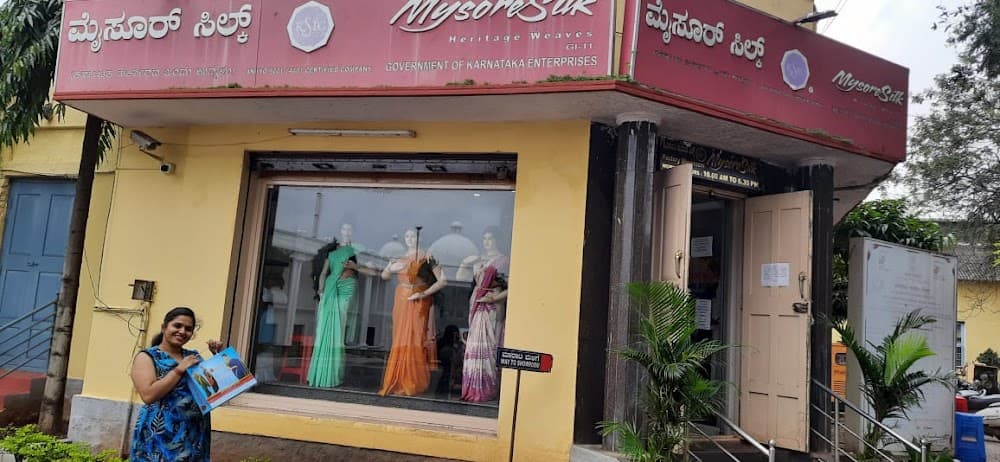
Mysore is known for
Why Mysore is famous
- •Etymology: From the old Kannada Mahishooru, meaning the village of Mahishasura - the buffalo demon that Chamundeshwari is held to have killed on the hill above the city. The British modified it to Mysore.
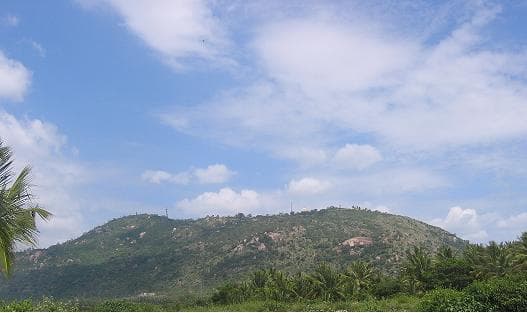
- •State / setting: Karnataka, on the Deccan plateau below Chamundi Hill. Note: the live page says Mysore sits in the foothills of the Western Ghats - it is on the plateau, with the Ghats considerably further west.
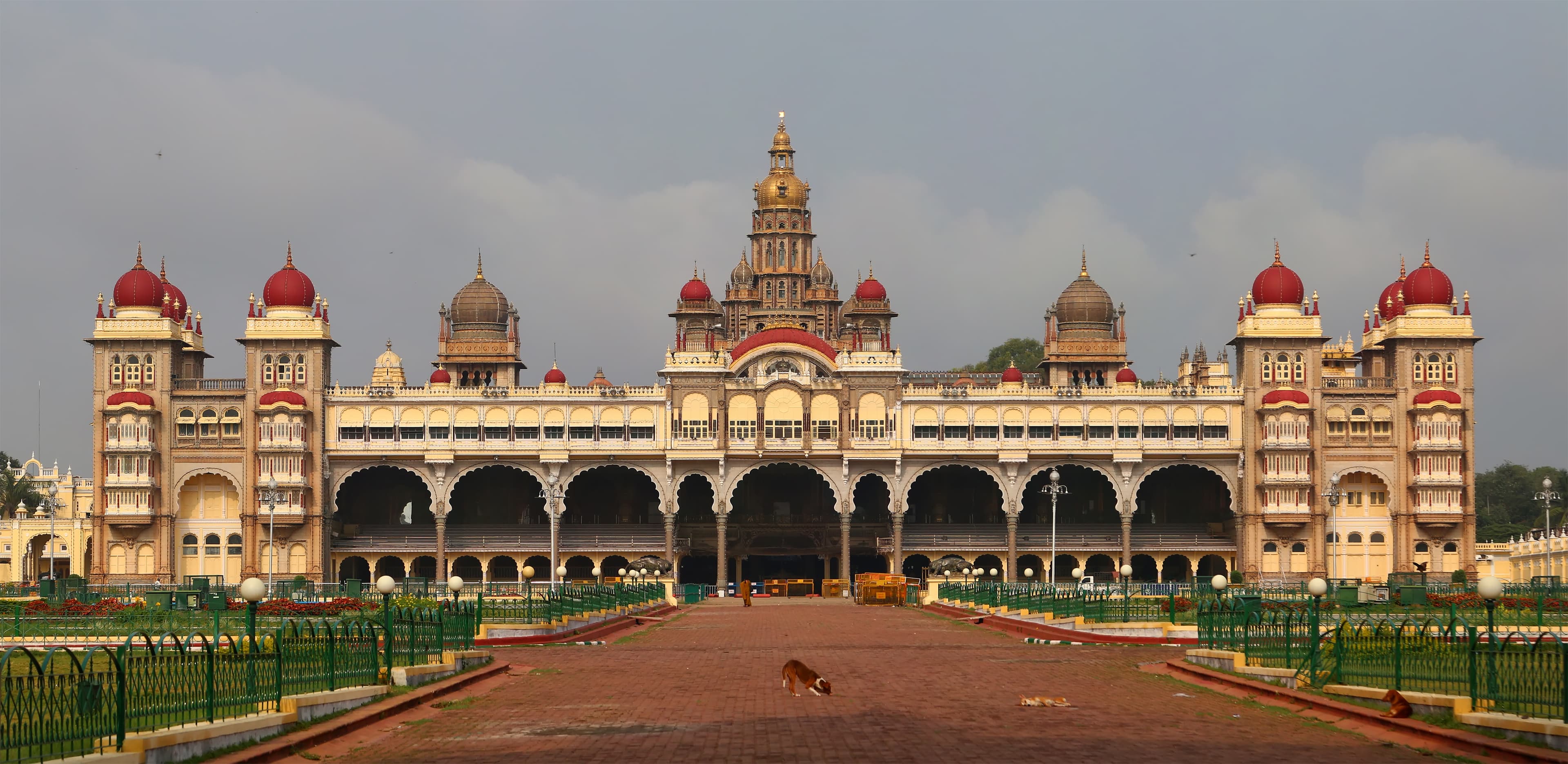
- •Ruling house: The Wadiyar (Wodeyar) dynasty ruled Mysore from 1399 to 1947, interrupted by Hyder Ali and Tipu Sultan between roughly 1761 and 1799. The family still lives in a private portion of the palace.
- •Royal deity: Chamundeshwari, a fierce form of Durga, is the kuladevata of the Wadiyars and the presiding deity of the city. Worship on the hill is described as going back over a thousand years.
- •Why it matters for the product: Fifth city, fifth organising logic. Varanasi grew along a river; Jaipur was drawn as a grid; Madurai as a mandala around a shrine; Lucknow as a court city along a riverbank. Mysore is organised around a palace at the centre and a goddess on the hill above - a dynastic axis rather than a sacred or geometric one.
- •GI concentration: Of Karnataka's GI-tagged products, reports put 16 to 18 in the Mysuru region - the densest GI cluster of any destination in this series. They include Mysore Silk, Mysore Sandalwood Oil, Mysore Sandal Soap, Mysore Agarbathi, Mysore Rosewood Inlay, Mysore Traditional Paintings, Ganjifa Cards, Mysore Betel Leaf, Mysore Mallige and Nanjangud Banana.
- •Why sandalwood is a state industry: Mysore was the largest producer of sandalwood and a major exporter to Europe. When the First World War closed the route that sent sandalwood to Germany for distillation, the Maharaja had a distillery established locally and opened the Government Soap Factory. Mysore Sandal Soap and Mysore Sandalwood Oil both come out of that wartime disruption and are both GI-tagged.
- •Mysore Traditional Paintings: A classical South Indian painting school that originated in and around Mysore under the patronage of its rulers, with a lineage traced back to the Ajanta tradition.
- •Mysore Agarbathi: Incense sticks, locally called oodabathies. Herbs, flowers, essential oils, barks, roots and charcoal are ground to a paste, rolled on bamboo and sun-dried. Sandalwood and halmadi, from Ailanthus malabaricum, are the key indigenous ingredients that earn the GI.
- •Mysore Rosewood Inlay: Contrasting materials - shell, mother-of-pearl, horn, sandalwood - set flush into rosewood to form pictures and ornament.
- •Mysore Pak's origin: Created in the palace kitchen by the royal cook Kakasura Madappa for a Wadiyar maharaja, from gram flour, ghee and sugar syrup - paka being the Kannada word for the syrup. The king had him open a shop outside the palace so the public could taste it; his descendants still run it as Guru Sweet Mart at Devaraja Market.
- •Best season: October to February. Dasara in September-October is the peak and is when the city is at its most spectacular and its most crowded.
AI-drafted from general knowledge — may contain mistakes.
Mysore at a glance
- ⚠️Imitation Mysore silk is widely sold
- ⚠️the state weaving factory and its showrooms are the low-risk answer. Chamundi Hill has 1,008 steps and a road - climbers should know footwear is removed on the sacred steps and many devotees apply kumkum to each one. During Dasara accommodation must be booked well ahead and the Jamboo Savari route needs an early position.
History at a glance
- Mythological · PURANICChamundeshwari kills the buffalo demon Mahishasura on the hill above the city. The city takes its name - Mahishooru, the village of Mahishasura - from him.
- 2nd century CE · ANCIENTA sculpture of Nandi on Chamundi Hills is dated to this period.
- 14th century · WADIYARThe Wadiyars establish a palace here within a wooden fortress; the dynasty rules from 1399 to 1947.
- 15th century · VIJAYANAGARADasara is celebrated as Mahanavami under the Vijayanagara emperors; the Persian traveller Abdul Razzak records the festival in 1442-43.
- 1610 · WADIYARRaja Wadiyar begins the Wodeyar Dasara at Srirangapatna, later moving with the capital to Mysore.
- 1638 · WADIYARThe palace is struck by lightning and rebuilt by Kantirava Narasa Raja Wodeyar.
- 1659 · WADIYARThe stone stairway of 1,008-plus steps up Chamundi Hill is built by Dodda Devaraja Wodeyar.
- 1664 · WADIYARThe colossal Nandi is installed at around the 700th step by Dodda Devaraja Wodeyar: 4.9 m tall, 7.6 m long, carved from a single block of black granite.
- 1793 · MYSORE SULTANATEThe palace is ransacked under Tipu Sultan; material is reported to have been reused for a fort at Nazarabad.
- 1799 · COLONIALTipu Sultan is defeated and killed at Srirangapatna. The five-year-old Krishnaraja Wadiyar III is installed over a much-reduced princely state.
- 1803 · COLONIALA new palace is built in the Hindu style under Krishnaraja Wadiyar III. It later falls into disrepair.
- 1897 · COLONIALThe wooden palace burns down during the wedding celebrations of Princess Jayalakshammani. Queen Regent Kempananjammanni Vani Vilasa Sannidhana, with Krishnaraja Wadiyar IV, commissions the British architect Henry Irwin to build a new one.
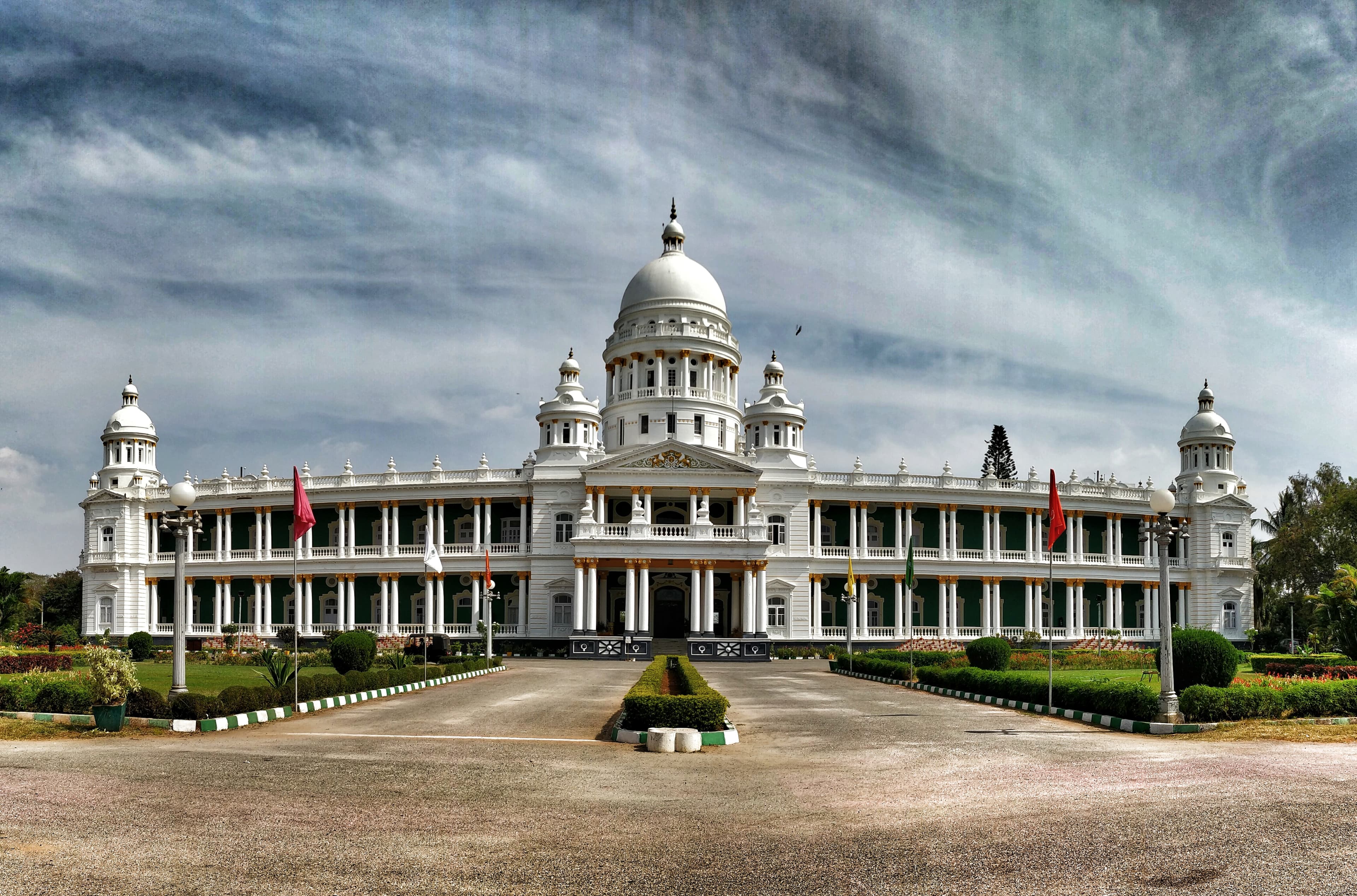
- 1897-1912 · COLONIALConstruction of the present Amba Vilas Palace in Indo-Saracenic style, blending Hindu, Islamic, Rajput and Gothic elements, at a cost of about Rs 41.5 lakh. Edwin Wolleston Fritchley, later architect of the Lalitha Mahal, is also credited on the design.
- Early 20th c. · COLONIALThe First World War closes the sandalwood export route to Germany. The Maharaja has a distillery set up locally and opens the Government Soap Factory, producing what become Mysore Sandalwood Oil and Mysore Sandal Soap.
- 1940 · COLONIALThe palace is further expanded under Jayachamarajendra Wadiyar, the twenty-fifth and last king of Mysore.
- 1947-1950 · MODERNMysore accedes to India; the Wadiyar rule ends after 548 years.
- 1 November 2014 · MODERNThe Government of Karnataka officially renames the city Mysuru.
- 1994, 2002, 2020 · MODERNJamboo Savari is curtailed to the palace precincts - in 1994 because of plague in Gujarat, in 2002 after the kidnapping of an MLA, and in 2020 for Covid, when the usual five-kilometre route was reduced to about 300 metres.
Best time to visit
Mysore's climate is generally hot and dry during the summer months, with temperatures soaring during the peak summer season. The monsoon brings relief from July to September, followed by a mild winter from December to February, with temperatures ranging from pleasant to cool.
- Mysuru Dasara (Nadahabba) · Sep-Oct, ten days · anchored to Navaratri through VijayadashamiKarnataka's state festival. Opens with worship of Chamundeshwari on the hill, then ten days of durbar, palace illumination, cultural programmes and the Dasara Exhibition, closing with Jamboo Savari and the Torchlight Parade on Vijayadashami.
- Jamboo Savari · Sep-Oct, one afternoon · anchored to Vijayadashami, the tenth day[PROCESSION] The Chamundeshwari idol is carried in a golden howdah, reported at around 750 kg, on the lead elephant, with caparisoned elephants, tableaux, folk troupes and bands. The royal family worships the idol at the palace before it sets out. Nandi Dhwaja puja is offered at the Kote Anjaneya temple beforehand.
- Torchlight Parade (Panjina Kavayatthu) · Sep-Oct, one evening · anchored to Evening of Vijayadashami[EVENT] Police and forces drills with burning torches - deevatige or punju in Kannada - closing the festival.
- Palace illumination · Roughly 19:00-20:00 · anchored to Every Sunday and public holiday; nightly through Dasara[SCHEDULED SPECTACLE] Close to 100,000 bulbs light the palace facade. Not a festival and not an opening hour - a recurring scheduled spectacle that makes the building a different attraction for one hour, twice a week.
- Ashada Shukravara · Jun-Jul · anchored to Fridays of the month of AshadhaThe Fridays of Ashadha are considered particularly auspicious and draw crowds reported in lakhs to the hill temple.
- Chamundi Jayanti · Jun-Jul · anchored to AshadhaThe goddess's own observance on the hill.
- Ammanavara Vardhanthi · Varies · anchored to Temple calendarOne of the temple's principal named observances.
- Mahabaleshwara car festival and Teppotsava · Varies · anchored to Temple calendarThe older hill temple's own chariot and float festivals, distinct from the Chamundeshwari calendar.
- Dasara Exhibition · Sep onward · anchored to Opens at Dasara, runs for months[EVENT] A large fair on the exhibition grounds opposite the palace, running well past the festival itself.
- Brindavan Gardens musical fountain · Year-round evenings · anchored to Daily evening slots[SCHEDULED SPECTACLE] A timed illuminated fountain show; the gardens are unremarkable outside it.
- In 12 daysGandhi Jayanti · 2 October
- In 29 daysDurga Ashtami / Maha Navami · 19 October
- In 30 daysDussehra (Vijayadashami) · 20 October
- In 39 daysKarwa Chauth · 29 October
Real dates, not AI-drafted — sourced from the Hindu Panchang, same for every destination.
Weather details and any festival without a stated lunar anchor above are AI-drafted from general knowledge, not independently verified — timing is approximate; double-check before planning around one.
Part of these sacred circuits
Near me
Share your location to see famous places closest to you right now.
Famous places in Mysore
Sacred & Spiritual
See all 122 →Heritage & Monuments
See all 42 →Nature & Outdoors
See all 22 →Shops & Restaurants
See all 43 →Places to Stay
Civic & Services
Getting there & around
- Air — Mysore Airport (Mandakalli, limited services)
- Rail — Mysuru Junction railway station, with the Bengaluru-Mysuru Vande Bharat
- Road — the Bengaluru-Mysuru expressway, roughly 140 km
What travellers actually paid
Reported by real travellers, not looked up — a real range with a count, never a single guessed number.
Loading…
Local markets for shopping
Sourced from city research where available, otherwise AI-drafted from general knowledge — double-check specifics before relying on it.
Famous eateries & specialties
Sourced from city research where available, otherwise AI-drafted from general knowledge — double-check specifics before relying on it.