
Panaji
Mandovi waterfront, azulejo tiles, and cashew plantations
Salt air mingles with the hum of ferry horns and chatter
Panaji, also Panjim. Capital of Goa, on the left bank of the Mandovi. Konkani and Marathi are the official languages; Portuguese survives in place names, surnames and law..
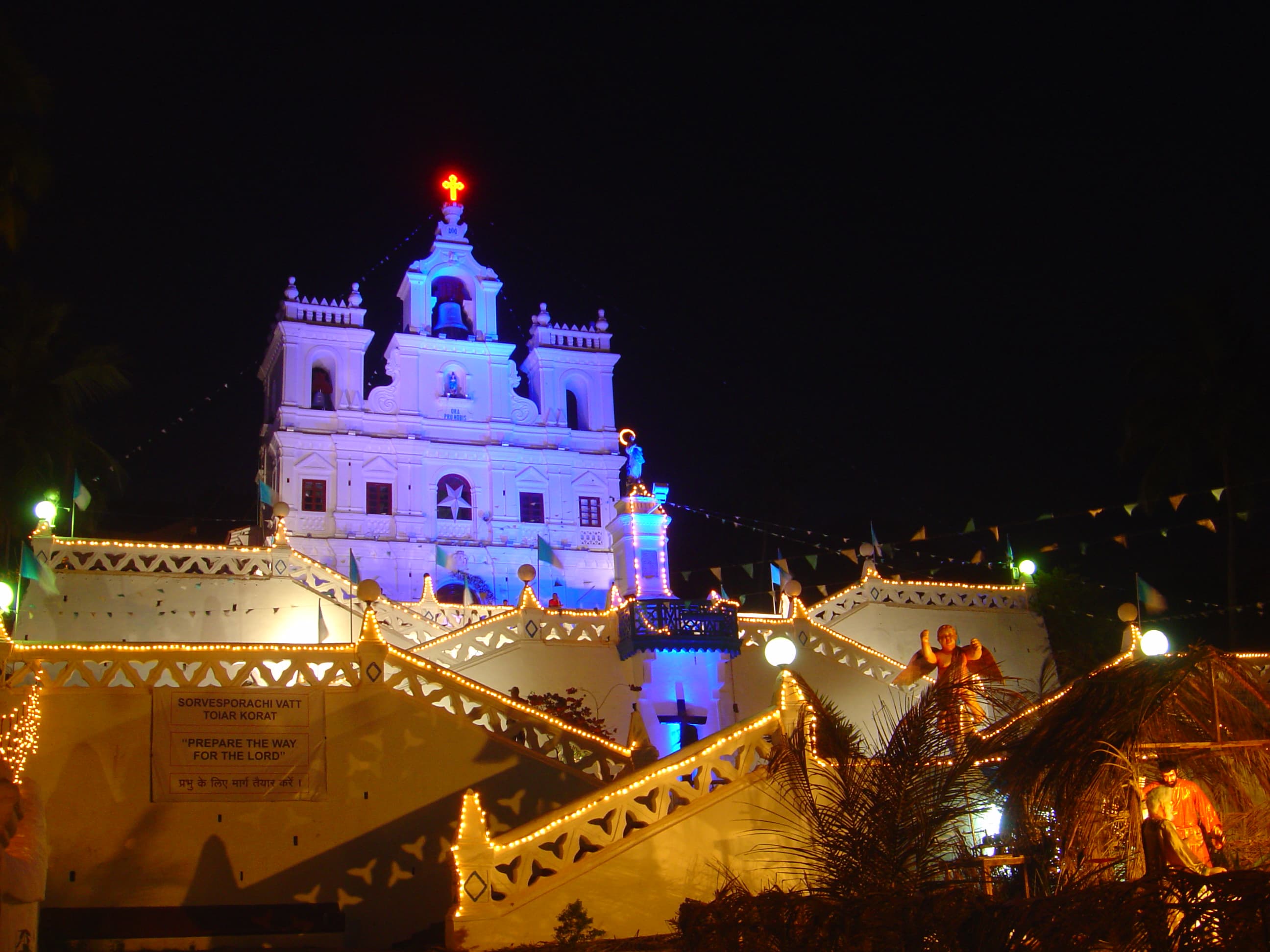
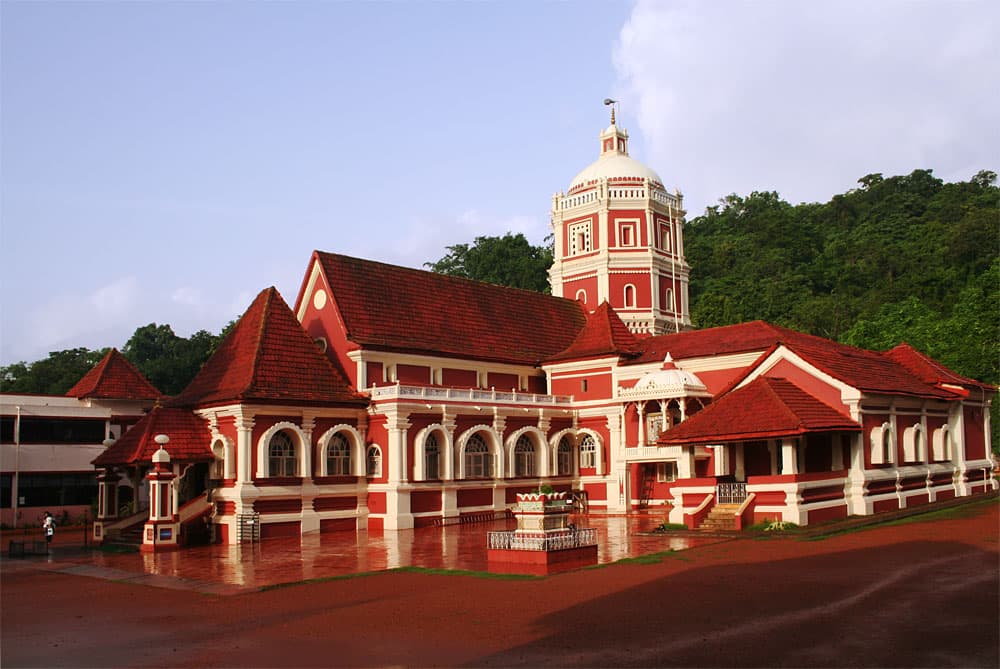
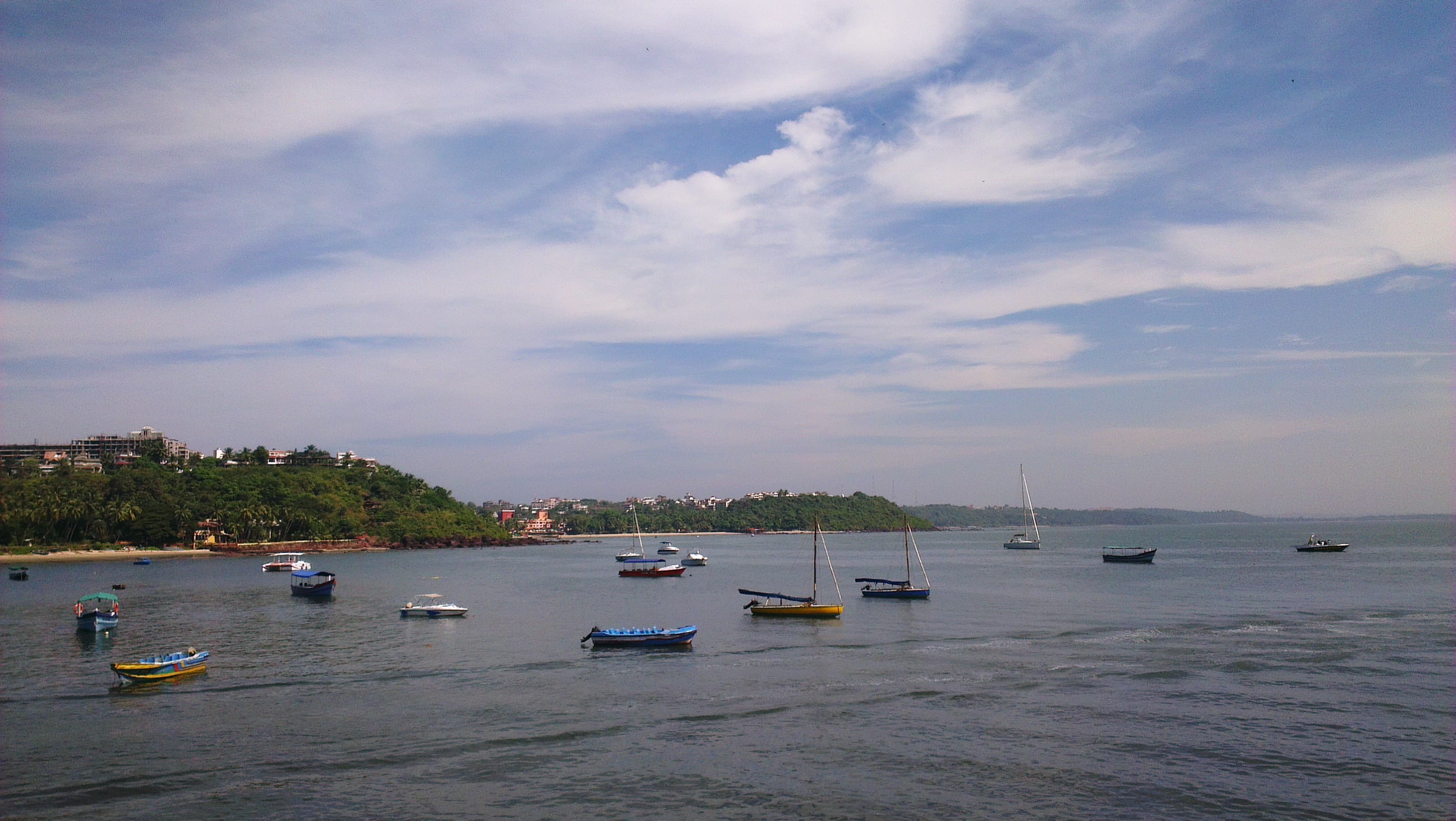

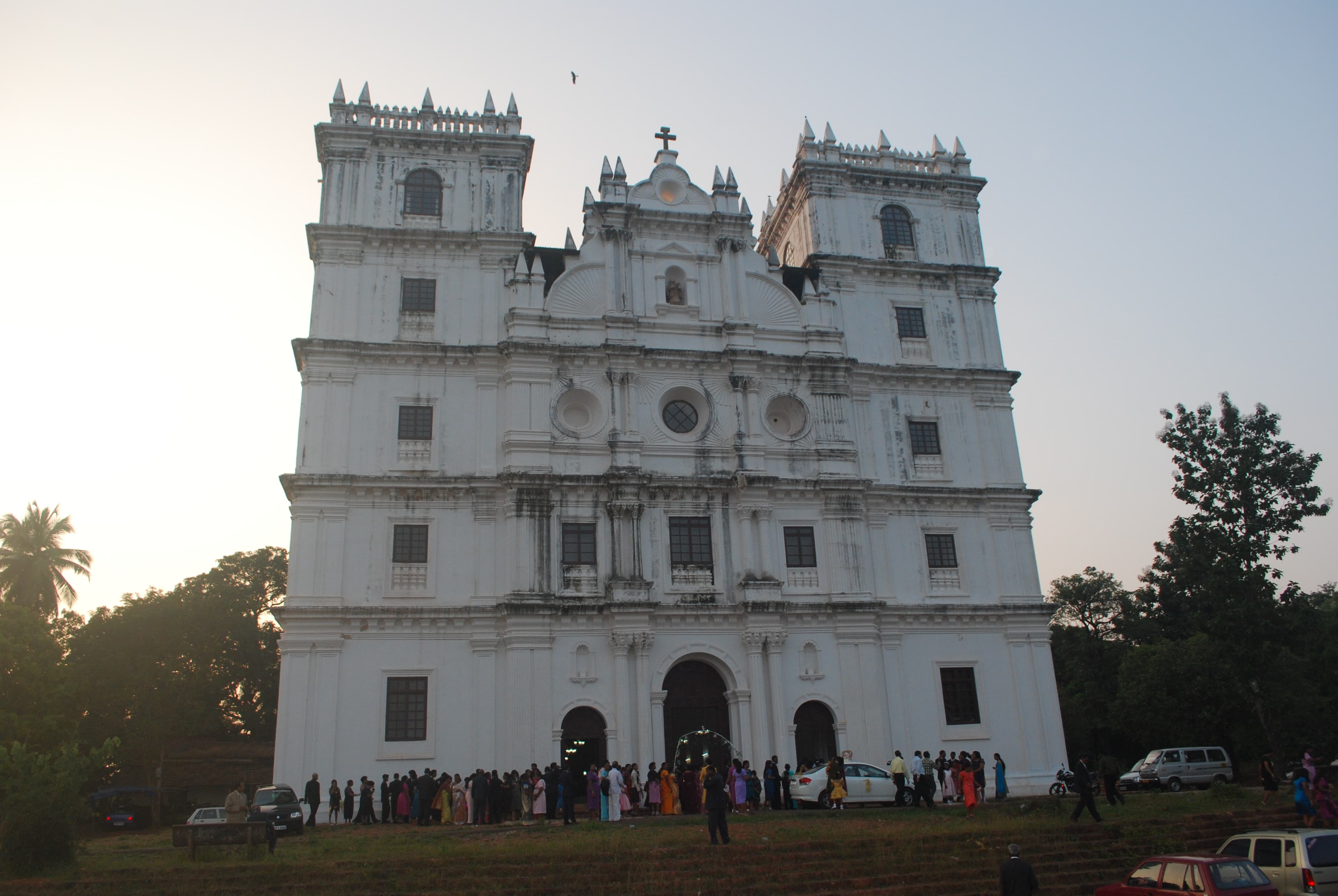
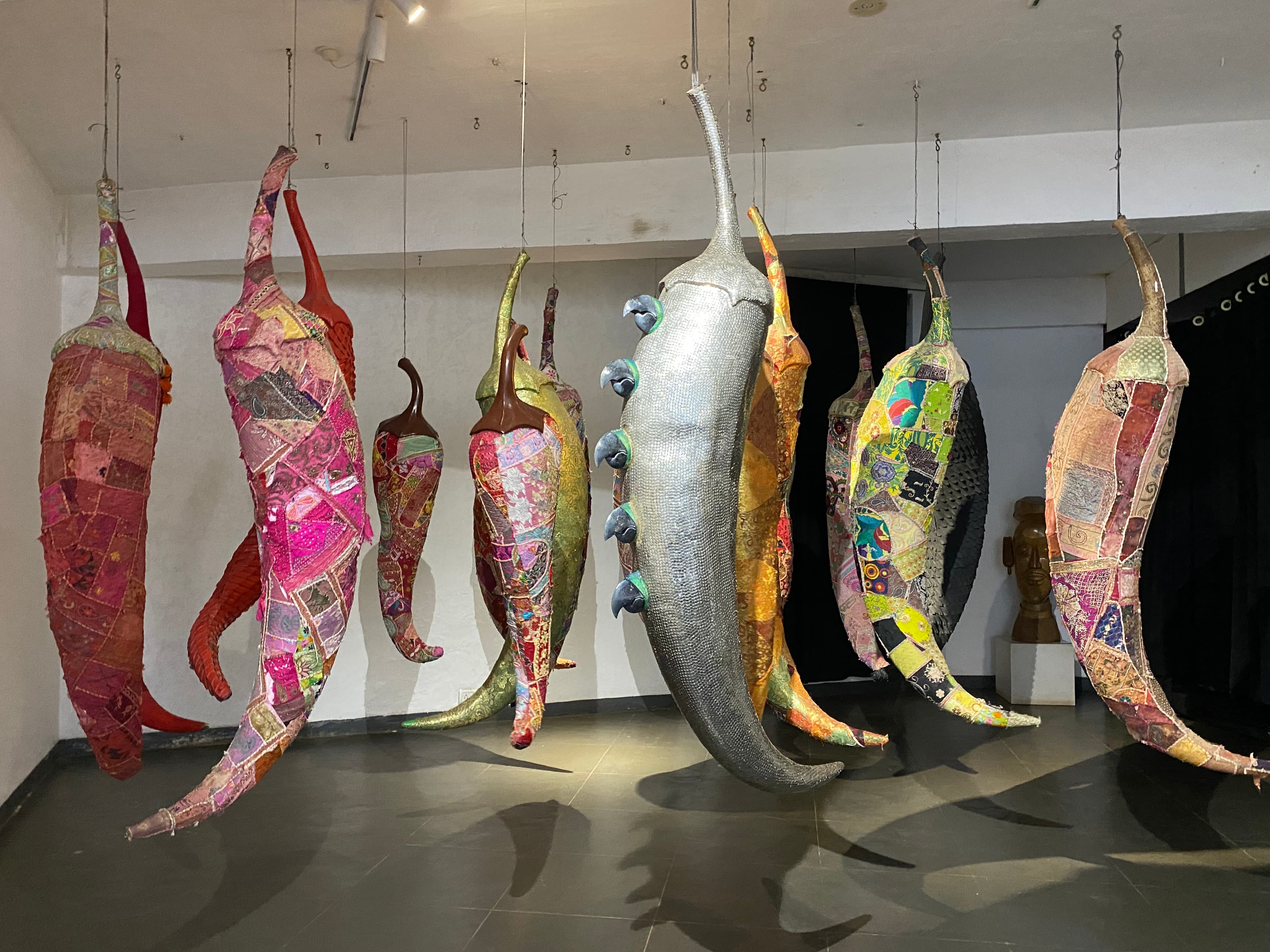
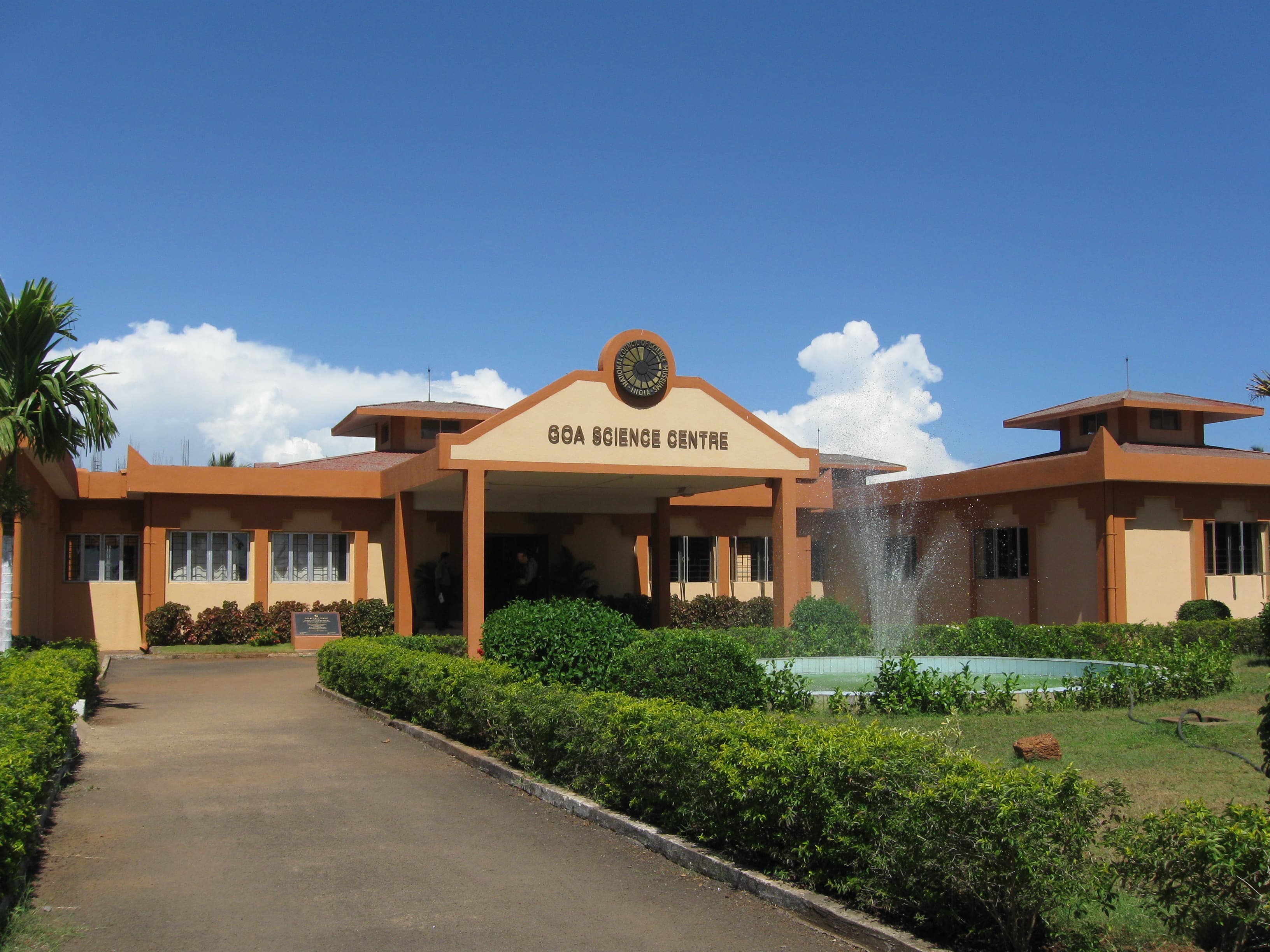
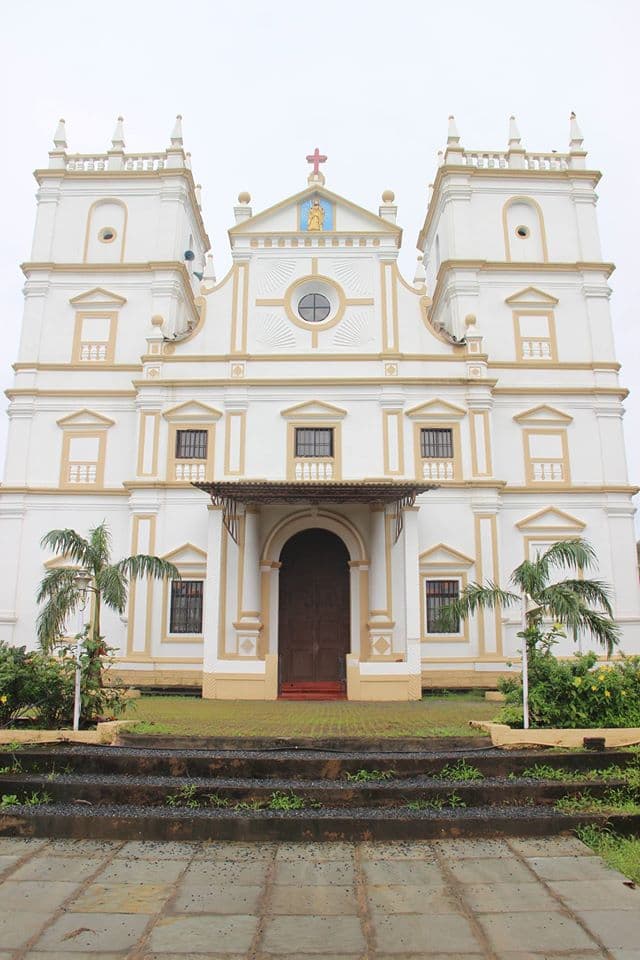
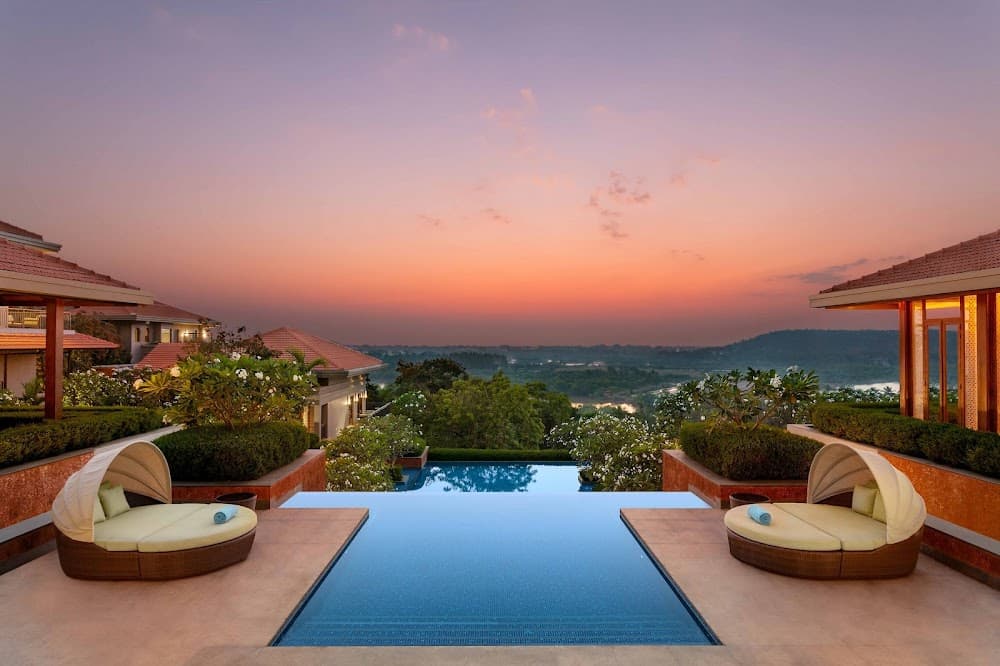
Panaji is known for
Why Panaji is famous
- •Scope warning: Your destination called 'Panaji' actually covers Tiswadi and Bardez talukas and Old Goa - places ten to fifteen kilometres apart with different characters. Old Goa is the UNESCO site; Calangute and Candolim are beach towns; Fontainhas is a quarter of Panaji itself. Consider whether the destination should be named North Goa.
- •Why it matters for the product: Eleventh destination, and the first whose sacred register is Catholic. Ten packs of schema were built around temples, gurdwaras, imambaras and monasteries. Goa needs basilica, cathedral, chapel, convent and seminary - and a liturgical calendar computed from Easter rather than a lunar month.
- •The listing: Churches and Convents of Goa, inscribed 1986 at the 10th session under criteria (ii), (iv) and (vi), reference 234. A serial property at Old Goa, the former capital of the Portuguese Indies, described as illustrating the evangelisation of Asia.
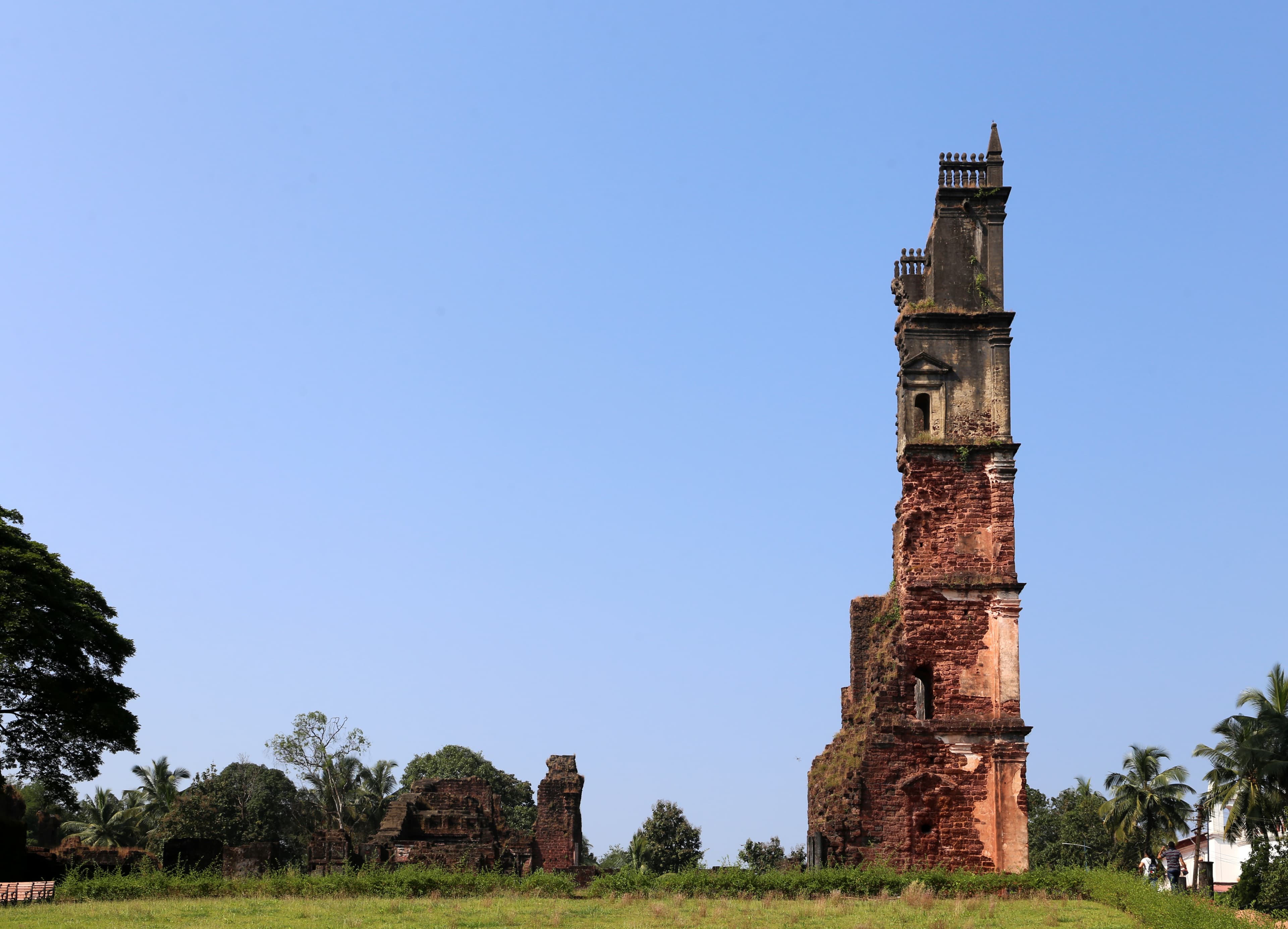
- •The components: Seven monuments, though sources list them slightly differently. The consistent core: Basilica of Bom Jesus, Se Cathedral, Church and Convent of St Francis of Assisi, Church of St Cajetan (St Gaetan) with its seminary, Chapel of St Catherine, Church of Our Lady of the Rosary, and the Church and Convent of St Augustine, of which the 46 m tower survives on Monte Santo. One source adds the Church of the Holy Spirit at Nerul, which is not in the others.
- •Why criterion (vi): UNESCO's own reasoning: the tomb of St Francis Xavier at Bom Jesus, commissioned in 1665 by Grand Duke Ferdinand II of Tuscany, executed in Florence with bronze work by Giovanni Battista Foggini, symbolises an event of universal significance in the influence of Catholicism in Asia. Criterion (iv) compares the ensemble's wealth to Cuzco, Ouro Preto, Olinda and Salvador de Bahia.
- •What the buildings are: Manueline, Mannerist and Baroque styles, adapted to Indian conditions with local materials - a distinctly Indo-Portuguese idiom. Old Goa was called the Rome of the Orient.
- •Goencho Saib: St Francis Xavier, born 7 April 1506 at Javier in Spain, died 3 December 1552 on Shangchuan Island off China, canonised 12 March 1622 alongside Ignatius of Loyola. Patron saint of missionaries, and in Konkani Goencho Saib - the lord of Goa. His feast is 3 December.
- •The decennial Exposition: Held every ten years by long-standing practice of the Archdiocese of Goa and Daman. The 18th ran 21 November 2024 to 5 January 2025; the 17th ran 22 November 2014 to 4 January 2015. The next is due around 2034. Close to 4 million people attended the 2014-15 exposition.
- •What actually happens: The remains are normally in a silver Mastrillian casket raised inside the Basilica of Bom Jesus. For the Exposition the casket is lowered and the relics are carried in solemn procession to the Se Cathedral, where they are venerated for 45 days, then carried back in procession. Veneration ran 07:00 to 18:00 daily in 2024-25.
- •A careful note on wording: Sources differ. Some describe the body as incorruptible; a Catholic news agency describes it as 'considered incorrupt until three decades ago' and now seen as relics. Use 'relics' and attribute the incorruptibility claim as tradition rather than stating it.
- •The flight of the deities: Following the establishment of Portuguese rule in 1510 and the persecutions that followed, patron families secretly removed their deities and carried them across the Zuari into Adil Shahi territory, which the Portuguese did not control. Ponda became the temple town. The Mangesh lingam went from Cortalim to Priol, dated in temple records to 1560 and corroborated by Jesuit letters as before 1 May 1560. Shantadurga's idol went from Quelossim to Kavlem, where the present temple was built between 1713 and 1738.
- •The Inquisition: The Goa Inquisition was set up following a request by Francis Xavier in a letter of 16 May 1546 to King John III of Portugal, and operated from 1561. The Adil Shah palace at Old Goa was converted into the Inquisition House. CONTESTED: figures circulating for temples destroyed - 280 in Salcete, 300 in Bardez - come from partisan sources. Attribute; do not assert.
- •Temple architecture: Goan temples rebuilt after the flight blend laterite construction with pilasters, columns, friezes, Roman-arched and stained-glass windows and balustraded domes - read as deliberately church-like so as not to attract attention. The hallmark is the deepastambha, an octagonal lamp tower of five to seven storeys. Worship centres on gramadevatas, village deities such as Sateri, associated with anthills and serpents.
- •GI products: Goa's GI registrations are entirely edible: cashew feni, Khola (Canacona) chilli, Harmal chilli, Myndoli or Moira banana, Goan khaje, Goan bebinca, Goa Mankurad mango, Agasaim brinjal, sat shiro bhendo and Goan cashew. Counts differ across sources - nine, ten and fifteen all appear - and applications for poi bread, coconut-leaf brooms and doce were reported as pending.
- •Feni: From Sanskrit phena, froth. Distilled from cashew apple or coconut sap in bhattis, some over a century old. Cashew feni is made only in the cashew season, roughly February to May. Strong and slightly bitter; new small-batch labels are now bottling it for a younger market.
- •Bebinca: The Queen of Goan Sweets: flour, sugar, coconut milk, egg yolks and nutmeg, baked layer by layer over hours. GI-tagged in 2023 on an application from the Association of Goa Bakers and Confectioners. Tradition attributes it to a nun, Sister Bibiona.
- •Mankurad mango: GI-tagged in August 2023, the first mango variety from Goa to get one, on an application from the All Goa Mango Growers Association in Panaji. The Portuguese called it malcorada - poorly coloured - which became mankurad in Konkani. Small, flat and intensely sweet.
- •Best season: November to February. The Exposition, when it falls, runs November to early January. Carnival is immediately before Lent. Shigmo is in spring, not autumn.
AI-drafted from general knowledge — may contain mistakes.
Panaji at a glance
- ⚠️Old Goa is a separate place from Panaji and needs half a day. Churches expect covered shoulders and knees and photography is restricted inside some. Feni is much stronger than it tastes. And the Inquisition is part of the history of these buildings - a visitor who reads about it afterwards and finds the guide said nothing has been short-changed.
History at a glance
- 1510 · PORTUGUESEPortuguese rule is established in Goa. Old Goa becomes the capital of the Estado da India and is later called the Rome of the Orient.
- 16 May 1546 · PORTUGUESEFrancis Xavier writes to King John III of Portugal requesting the establishment of an Inquisition in Goa.
- 1552 · PORTUGUESEFrancis Xavier dies on 3 December on Shangchuan Island off the Chinese coast. His remains are later brought to Goa.
- c. 1560 · PORTUGUESEPatron families secretly remove the Mangesh lingam from Cortalim overnight and carry it across the Zuari into Adil Shahi territory, re-establishing it at Priol in Ponda. Temple records date this to 1560; Jesuit letters place it before 1 May 1560. The abandoned temple at Cortalim is used by Jesuit priests as a church.
- 1561 · PORTUGUESEThe Goa Inquisition begins operating. The Adil Shah palace at Old Goa is converted into the Inquisition House.
- 1562-1619 · PORTUGUESEThe Se Cathedral is built - among the largest churches in Asia, seat of the Archdiocese, with fifteen altars and the chapel of the Miraculous Cross.
- 1589 · PORTUGUESEThe Casa Professa, the Jesuit Professed House, is completed under Br Domingos Fernandes.
- 1594-1605 · PORTUGUESEThe Basilica of Bom Jesus is built. Construction begins in 1594 and is completed in May 1605.
- 1602 · PORTUGUESEThe Church of St Augustine is consecrated. Only the 46 m tower on Monte Santo survives today.
- 1622 · PORTUGUESEFrancis Xavier is canonised by Pope Gregory XV on 12 March, alongside Ignatius of Loyola.
- 1665 · PORTUGUESEGrand Duke Ferdinand II of Tuscany commissions the tomb, executed in Florence with bronze work by Giovanni Battista Foggini.
- 1713-1738 · MARATHA / POST-FLIGHTThe present Shantadurga temple is built at Kavlem in Ponda, about 33 km from Panaji, by the Saraswat Brahmins who had carried the idol there.
- 1738 · POST-FLIGHTThe Shanta Durga temple at Kavale is established, per its own record.
- 1961 · MODERNGoa is liberated from Portuguese rule and becomes part of India. Temples are rebuilt and renovated in the decades that follow.
- 1986 · MODERNChurches and Convents of Goa is inscribed on the UNESCO World Heritage List at the 10th session, reference 234.
- 2014-2015 · MODERNThe 17th Solemn Exposition runs 22 November 2014 to 4 January 2015, drawing close to 4 million people.
- 2024-2025 · MODERNThe 18th Solemn Exposition runs 21 November 2024 to 5 January 2025 at the Se Cathedral. The ASI completed conservation across the seven core monuments beforehand, handling daily footfall of 1,500-2,000.
Best time to visit
Panaji, being a coastal city in Goa, experiences a tropical monsoon climate with hot and humid summers, a brief mild winter, and a distinct monsoon season that brings heavy rainfall from June to September.
- Exposition of the Sacred Relics · anchored to Announced by archiepiscopal decree[DECENNIAL EVENT] The relics of St Francis Xavier are carried from the Basilica to the Cathedral and venerated for 45 days. The 18th ran 21 Nov 2024 to 5 Jan 2025.
- Feast of St Francis Xavier · anchored to 3 December, fixed[FEAST] The feast of Goencho Saib, on the anniversary of his death in 1552. A novena precedes it and Old Goa fills.
- Goa Carnival · anchored to Immediately before Lent, computed from Easter[FESTIVAL - MOVABLE] Float parades led by King Momo, three or four days before Ash Wednesday.
- Shigmo · anchored to Phalgun - the spring monthThe Goan spring festival, with float parades, folk troupes and traditional dance.
- Feast of Our Lady of the Immaculate Conception · anchored to 8 December, fixed[FEAST] The city church's own feast, with a fair below the steps.
- Sao Joao · anchored to 24 June, fixedYoung men jump into wells and ponds wearing crowns of leaves and fruit, to mark the feast of St John the Baptist. A monsoon festival - one of the few reasons to be in Goa in June.
- Ganesh Chaturthi (Chavath) · anchored to Bhadrapada Shukla ChaturthiThe largest Hindu festival in Goa, observed at household level and, through the Portuguese period, observed discreetly within homes.
- Temple zatras · anchored to Temple calendarsShantadurga's Jatrautsav falls on Magh Shuddha Panchmi. Goan khaje is the sweet sold at zatras and at church feasts alike.
- In 12 daysGandhi Jayanti · 2 October
- In 29 daysDurga Ashtami / Maha Navami · 19 October
- In 30 daysDussehra (Vijayadashami) · 20 October
- In 39 daysKarwa Chauth · 29 October
Real dates, not AI-drafted — sourced from the Hindu Panchang, same for every destination.
Weather details and any festival without a stated lunar anchor above are AI-drafted from general knowledge, not independently verified — timing is approximate; double-check before planning around one.
Part of these sacred circuits
Near me
Share your location to see famous places closest to you right now.
Famous places in Panaji
Sacred & Spiritual
See all 122 →Heritage & Monuments
See all 59 →Nature & Outdoors
See all 40 →Shops & Restaurants
See all 89 →Places to Stay
See all 54 →Civic & Services
Getting there & around
- Air — Two airports: Dabolim near Vasco, and Manohar International at Mopa in North Goa. The Konkan Railway runs through the state. YOUR LIVE PAGE names neither - it says only 'connected to major cities in Goa and beyond'.
What travellers actually paid
Reported by real travellers, not looked up — a real range with a count, never a single guessed number.
Loading…